
Aluminum Elbow for High Pressure Piping in Offshore Oil Rigs
On an offshore oil rig, a pipe elbow is more than a direction change. It is a point where internal pressure, flow turbulence, vibration, salt-laden air, and installation stresses meet. For this reason, an aluminum elbow for high pressure piping must be selected as part of a complete engineered piping system rather than as a simple fitting ordered by diameter alone.
Marine aluminum elbows can offer substantial weight savings compared with steel fittings. Reduced topside weight can simplify module lifting, lower support loads, and make installation work easier in confined areas. Yet aluminum is not a universal replacement for steel. Its pressure capability, temperature range, corrosion behavior, joint design, and material pairing must all be evaluated for the actual fluid service.
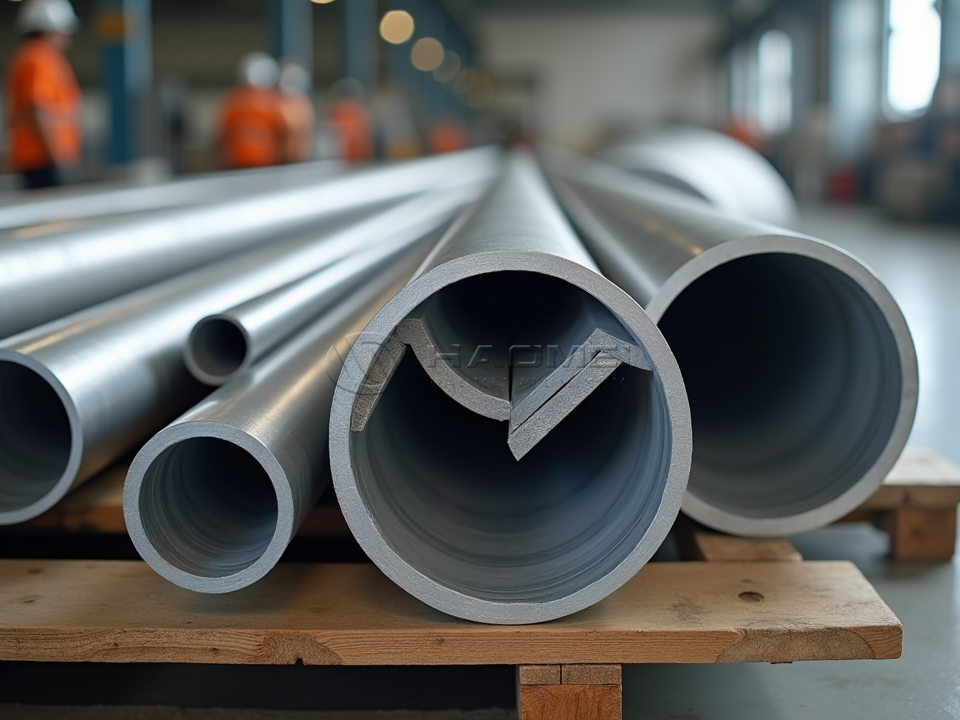
The Elbow Is Often the Most Demanding Part of the Line
Straight pipe mainly resists hoop stress. An elbow must do that while redirecting momentum. At a 90-degree turn, fluid impact creates secondary flow, localized pressure loss, and a tendency toward erosion in aggressive or particle-bearing service. Platform motion and compressor or pump pulsation can add cyclic bending loads precisely where the pipe geometry changes.
This makes elbow radius important. Long-radius elbows, commonly produced with a centerline radius of 1.5 times nominal pipe size, generally provide smoother flow and lower turbulence than short-radius designs. They are often preferred for seawater, utility-water, low-temperature process support lines, and other services where pressure drop, fatigue, or erosion must be controlled. Short-radius elbows may fit restricted spaces, but they require closer design attention.
For engineered marine systems, a 6061-T6 90-Degree Marine Aluminum Pipe Elbow can be suitable where strength, dimensional stability, and weight efficiency are required. Final acceptance must still depend on pressure calculations, welding procedure qualification, fluid compatibility, and the governing project specification.
Typical Product Parameters
Aluminum elbows for offshore piping are commonly supplied as seamless, formed, machined, or fabricated components. Seamless construction is often favored for pressurized duty because it removes a longitudinal weld from the fitting body. Fabricated elbows can also perform well when welding, inspection, and post-fabrication requirements are properly controlled.
| Parameter | Common Requirement Range |
|---|---|
| Nominal diameter | DN15 to DN300, with larger sizes available by project request |
| Outside diameter | Based on ASME, EN, or project pipe schedule dimensions |
| Elbow angle | 45°, 90°, 180°, or custom angle |
| Radius | Long radius, short radius, or custom centerline radius |
| Wall thickness | Selected by pressure calculation, corrosion allowance, and forming capability |
| End preparation | Plain end, beveled end, flanged end, threaded end, or machined connection |
| Manufacturing route | Seamless extrusion and bending, hot forming, cold forming, machining, or welded fabrication |
| Surface condition | Mill finish, pickled, mechanically cleaned, anodized where suitable, or project coating system |
| Inspection | Dimensional inspection, visual testing, dye penetrant testing, radiography or ultrasonic testing when specified |
Pressure rating should never be assumed from alloy name or wall thickness alone. Designers normally calculate allowable pressure using the applicable piping code, design temperature, outside diameter, minimum wall, joint efficiency, design factor, corrosion allowance, and cyclic service conditions. The elbow also needs adequate support spacing because aluminum has a lower elastic modulus than carbon steel and can deflect more under its own weight.
Alloy and Temper Selection for Offshore Duty
The practical choice usually falls between 6xxx-series heat-treatable alloys and 5xxx-series marine alloys. They solve different problems.
6061-T6 is widely used for extruded pipe, machined fittings, structural-adjacent piping, and applications needing relatively high strength. Its magnesium-silicon chemistry enables precipitation hardening. However, welding changes the temper in the heat-affected zone. A T6 parent material does not remain T6 beside a weld, so pressure calculations for welded elbows and welded joints should use qualified reduced design properties.
6082-T6 offers higher strength in many thickness ranges and is often considered where robust structural performance is needed. It also requires careful weld-zone assessment.
5083-H116 or 5083-H321 is often selected for its excellent resistance to seawater corrosion. Unlike 6061, it is non-heat-treatable and gains strength through strain hardening and stabilization. It is particularly relevant for seawater-associated systems, splash-zone exposure, and fabricated components. Its use at sustained elevated temperature requires caution because sensitization can reduce corrosion resistance in some conditions.
Marine Grade Aluminum Tubing should be matched to the elbow alloy, wall thickness, and joining method whenever possible. Mixing alloys is possible, but it adds corrosion and welding variables that need documented control.
| Alloy and Temper | Typical Tensile Strength | Typical Yield Strength | Offshore Use Consideration |
|---|---|---|---|
| 6061-T6 | 290 MPa minimum | 240 MPa minimum | Strong extruded or machined fittings; weld-zone derating is essential |
| 6082-T6 | 310 MPa minimum | 260 MPa minimum | High-strength option for engineered piping and support interfaces |
| 5083-H116 | 275 MPa minimum | 125 MPa minimum | Strong seawater corrosion resistance; suitable for marine fabricated service |
| 5083-H321 | 305 MPa minimum | 215 MPa minimum | Stabilized temper with good marine performance and fatigue potential |
Mechanical values vary with product form, wall thickness, governing standard, and supplier certification. Project calculations must use certified material data, not general reference values.
Chemical Composition Requirements
Chemical composition confirms whether the aluminum will respond to heat treatment, resist marine exposure, and weld as expected. The figures shown are typical specification limits in percent by weight.
| Element | 6061 | 6082 | 5083 |
|---|---|---|---|
| Silicon, Si | 0.40-0.80 | 0.70-1.30 | 0.40 max |
| Iron, Fe | 0.70 max | 0.50 max | 0.40 max |
| Copper, Cu | 0.15-0.40 | 0.10 max | 0.10 max |
| Manganese, Mn | 0.15 max | 0.40-1.00 | 0.40-1.00 |
| Magnesium, Mg | 0.80-1.20 | 0.60-1.20 | 4.00-4.90 |
| Chromium, Cr | 0.04-0.35 | 0.25 max | 0.05-0.25 |
| Zinc, Zn | 0.25 max | 0.20 max | 0.25 max |
| Titanium, Ti | 0.15 max | 0.10 max | 0.15 max |
| Aluminum, Al | Balance | Balance | Balance |
Standards and Project Controls
The material standard for extruded aluminum pipe may be ASTM B241/B241M, while seamless aluminum tube is often specified to ASTM B210. European supply can reference EN 755 for extruded products and EN 754 for drawn products. The fitting geometry may follow project drawings or recognized dimensions, but ASME B16.9 was developed principally for wrought steel fittings and should not be treated as an automatic aluminum pressure-rating standard.
For process piping, ASME B31.3 is frequently used as the design framework. Offshore projects may also apply API RP 14E for offshore production systems, DNV rules, NORSOK requirements, ABS requirements, or operator-specific specifications. The governing documents should define design pressure, test pressure, allowable temperature, corrosion allowance, NDE scope, pressure test medium, traceability, and certification requirements.
Corrosion, Connections, and Installation Reality
Saltwater itself is not the only concern. Galvanic corrosion can occur when aluminum contacts stainless steel, carbon steel, copper alloys, or other more noble metals in the presence of an electrolyte. Electrical isolation washers, nonconductive gaskets, compatible coatings, controlled drainage, and properly selected fasteners help prevent this problem.
Avoid stagnant crevices around clamps, flange faces, and insulation terminations. Use clamps with nonabrasive liners, and keep dissimilar-metal contact points dry where practical. For insulated piping, the insulation system must prevent water ingress; wet insulation can create a concealed corrosion environment.
A reliable offshore aluminum elbow is therefore a disciplined combination of correct alloy, verified temper, conservative pressure design, qualified welds, smooth flow geometry, and corrosion-aware installation. When those factors are treated as one system, marine aluminum piping can provide a lighter and durable solution for carefully defined high-pressure service.

Related Products
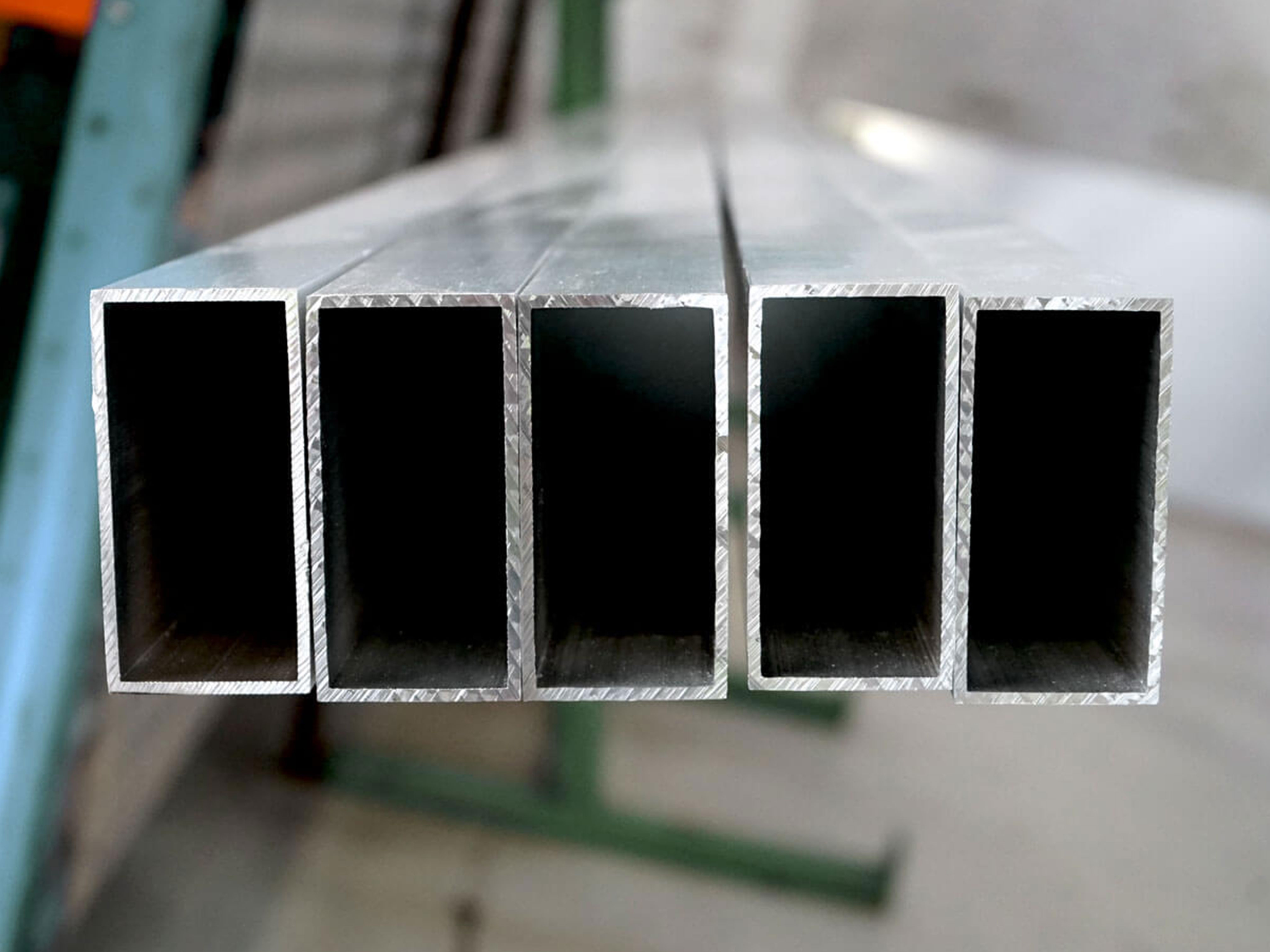
Marine aluminum rectangular tubes
Marine Grade Aluminum Rectangular Tubes are made from high-performance alloys such as 5083, 5052, 6061, and 6082. These alloys are renowned for their ability to resist corrosive seawater and marine atmospheres while providing excellent mechanical strength and toughness.
View Details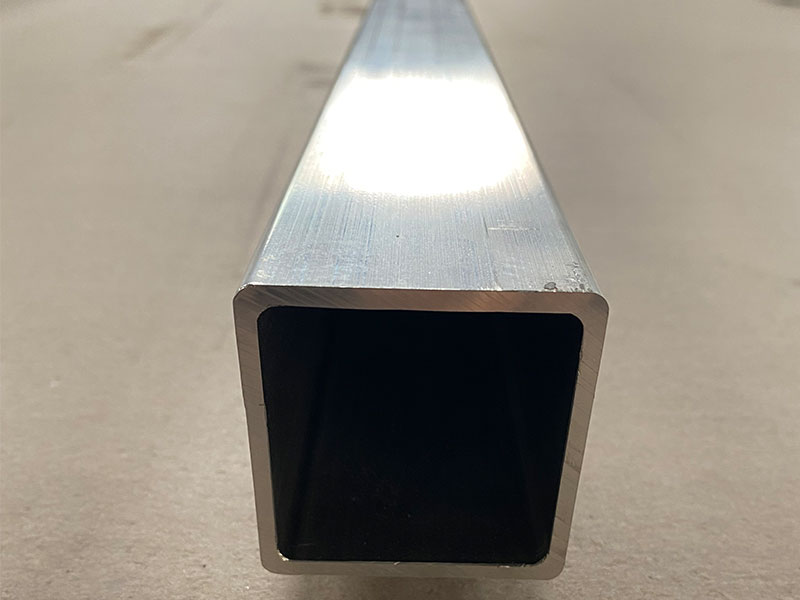
Marine aluminum square tubes
Marine Grade Aluminum Square Tubes are typically constructed from marine-grade alloys such as 5083, 5052, 6061, and 6082—well-known for their ability to withstand the aggressive effects of saltwater and marine atmospheres.
View Details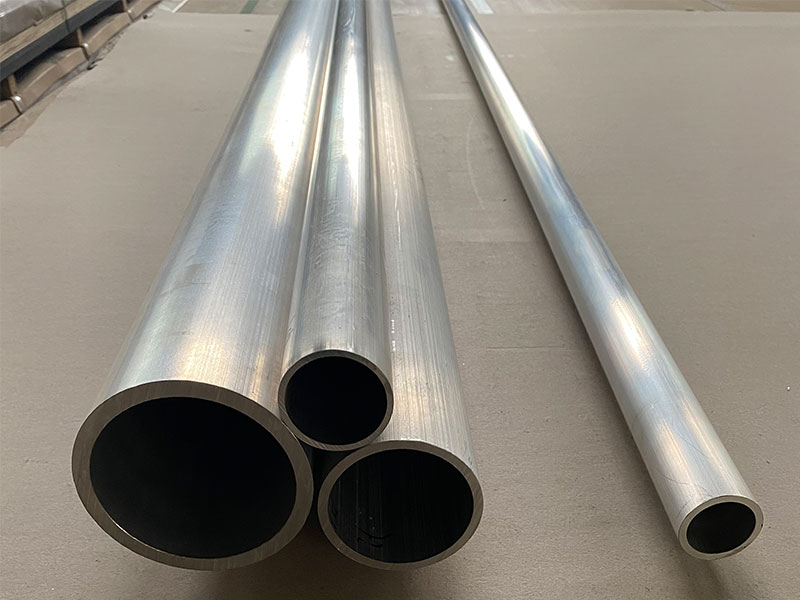
Marine aluminum round tubes
Marine Grade Aluminum Round Tubes are manufactured from premium marine alloys such as 5083, 5052, 6061, and 6082, all selected for their proven resistance to seawater corrosion and marine atmosphere degradation.
View Details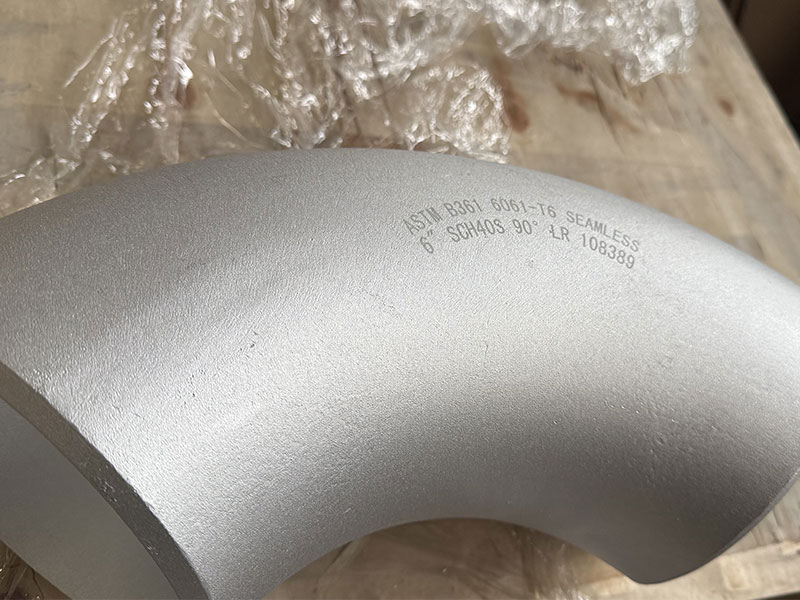
6061-T6 90-Degree Marine Aluminum Pipe Elbow
Manufactured from premium 6061-T6 marine-grade aluminum alloy, this elbow fitting is engineered to provide reliable and efficient pipe direction changes within shipbuilding, offshore platforms, and marine infrastructure systems.
View Details
Custom marine aluminum profile tubes
Custom Marine Grade Aluminum Profile Tubes are manufactured from premium marine aluminum alloys such as 5083, 5052, 6061, and 6082.
View DetailsRelated Blog
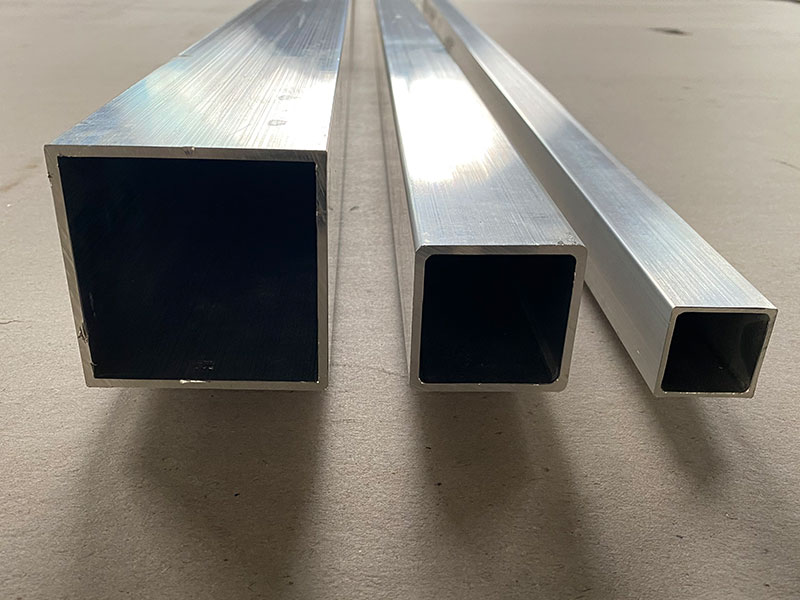
6061 Marine Aluminum Square Tubes for Yacht Construction
In the realm of yacht construction, materials play a pivotal role in defining vessel performance, durability, and aesthetics.
View Details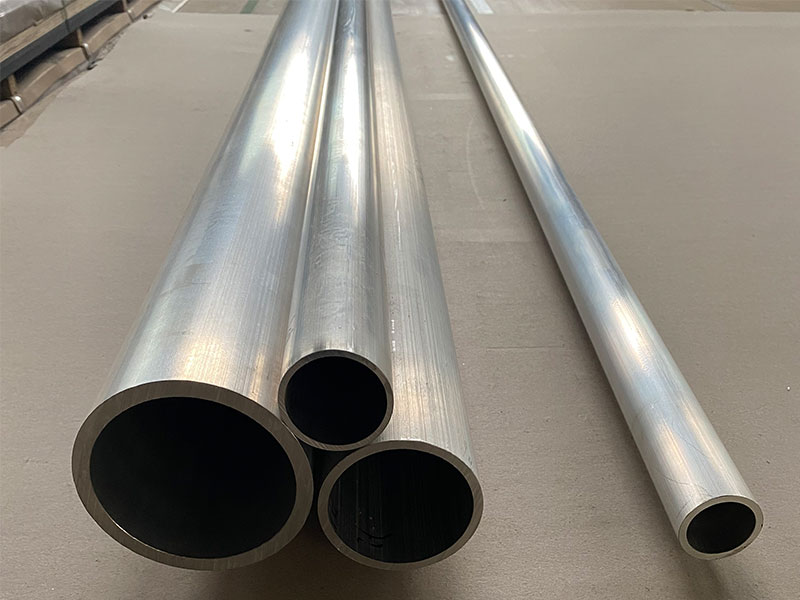
6082 Marine Aluminum Tubes for Marine and Offshore Installations
In the ever-evolving domain of marine and offshore engineering, the choice of materials plays a pivotal role in expressing durability, strength, and versatility.
View Details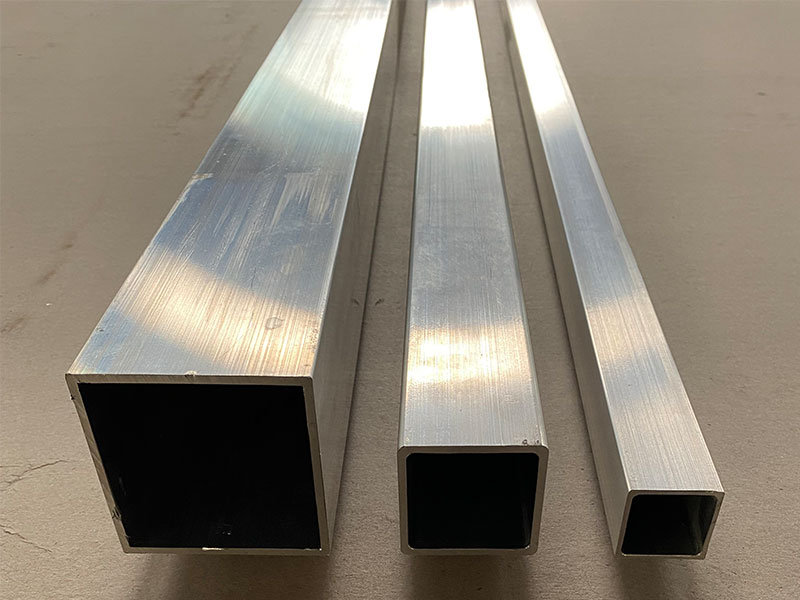
6061 Marine Aluminum Tubes for Marine Machinery Support Systems
6061 Marine Aluminum Tubes: Essential for Marine Machinery Support SystemsIn the complex machinery and construction of the marine industry, the materials crafted for durability and management play a pivotal role.
View Details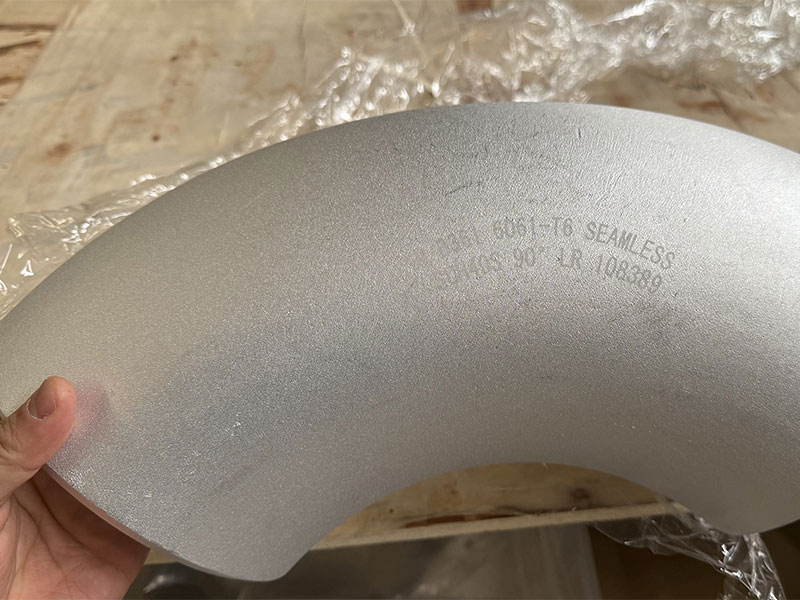
Custom Marine Aluminum Elbow for Ship to Ship Fuel Transfer
In the intricate and highly demanding marine environment, efficient and reliable fuel transfer is paramount — especially during ship-to-ship (STS) operations. Central to this process is the often unsung hero: the custom marine aluminum elbow.
View Details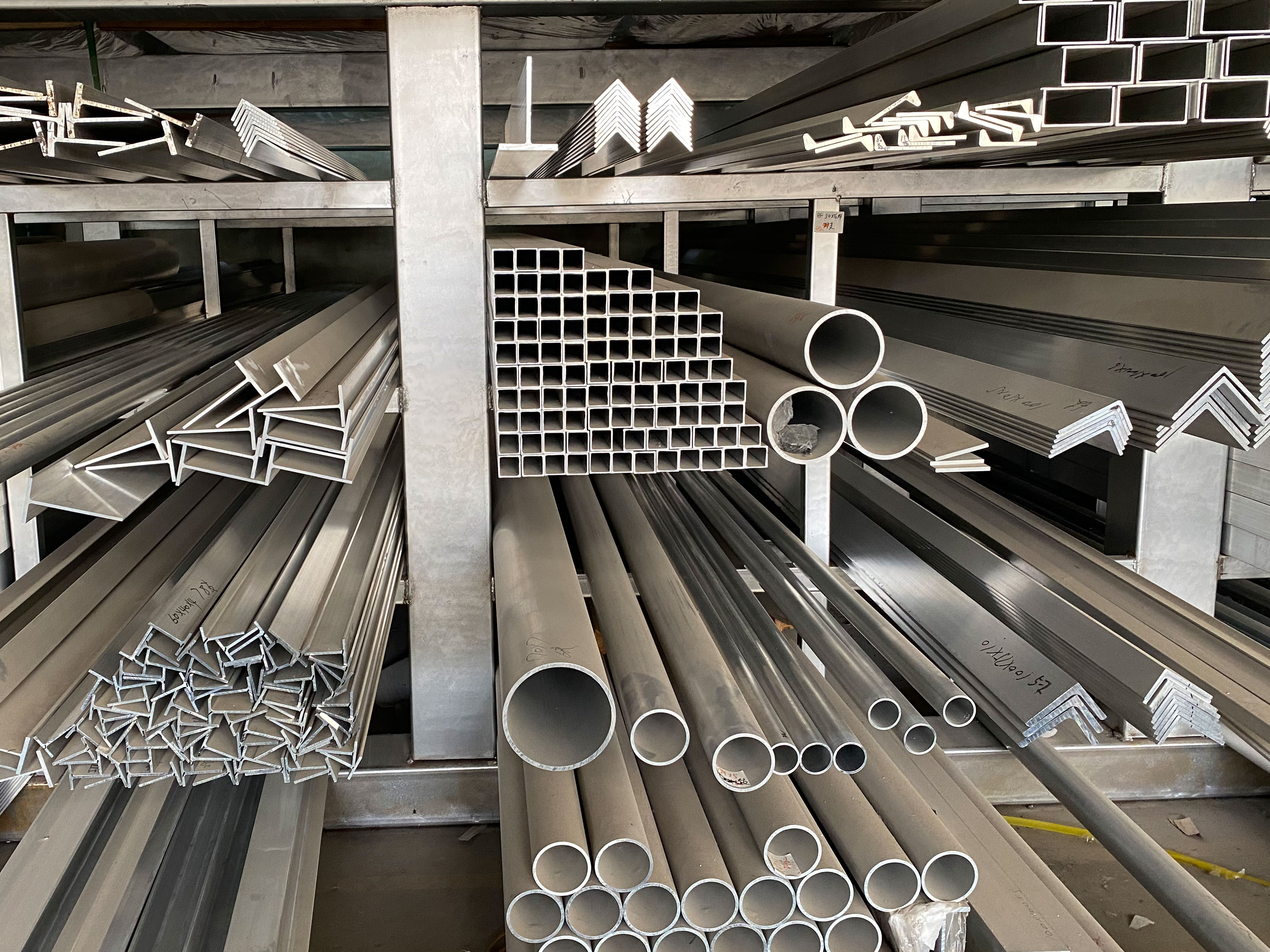
6061 Marine Aluminum Tubes for Boat Deck Support Structures
A boat deck rarely gets credit when everything feels right. No squeaks underfoot, no soft spots, no uneasy vibration when the hull meets chop. That sense of confidence is often created by what you don't see: the deck support structure.
View Details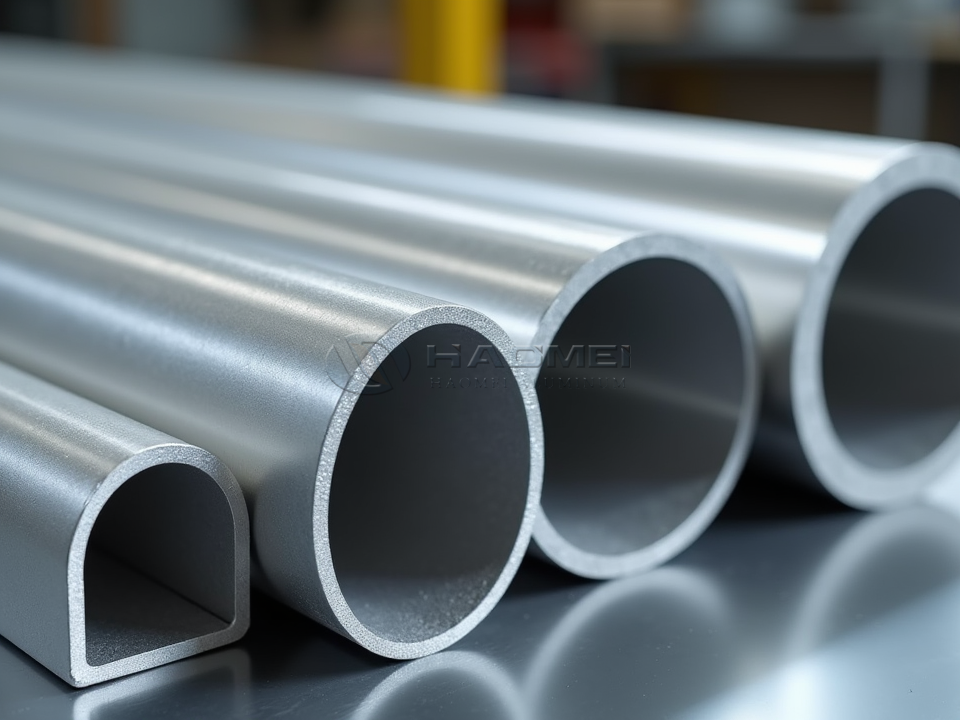
Marine Aluminum Elbow for Cooling Systems in Marine Heat Exchangers
Marine aluminum elbows provide lightweight, corrosion-resistant flow direction changes for protected cooling circuits in marine heat exchanger systems.
View Details
Leave a Message