
Marine Aluminum Elbow for Saltwater and Freshwater Distribution Lines
The Elbow Is Where a Distribution Line Makes Its Toughest Decision
A straight pipe run has a relatively easy job: carry water from one point to another. A marine aluminum elbow has a harder role. It changes direction, concentrates flow forces, creates a potential collection point for debris, and often sits where installation clearances are tight. On a boat, this small fitting can influence pump efficiency, corrosion resistance, maintenance access, and the long-term reliability of an entire water system.
For freshwater distribution lines, aluminum elbows can be a practical lightweight option when the material, fittings, and installation environment are properly matched. For saltwater lines, the decision deserves far more caution. Raw seawater is highly conductive and chloride-rich, making it demanding on aluminum. The best fitting is not simply the one that matches the pipe diameter; it is the one that matches the water chemistry, operating pressure, vessel design, and maintenance plan.
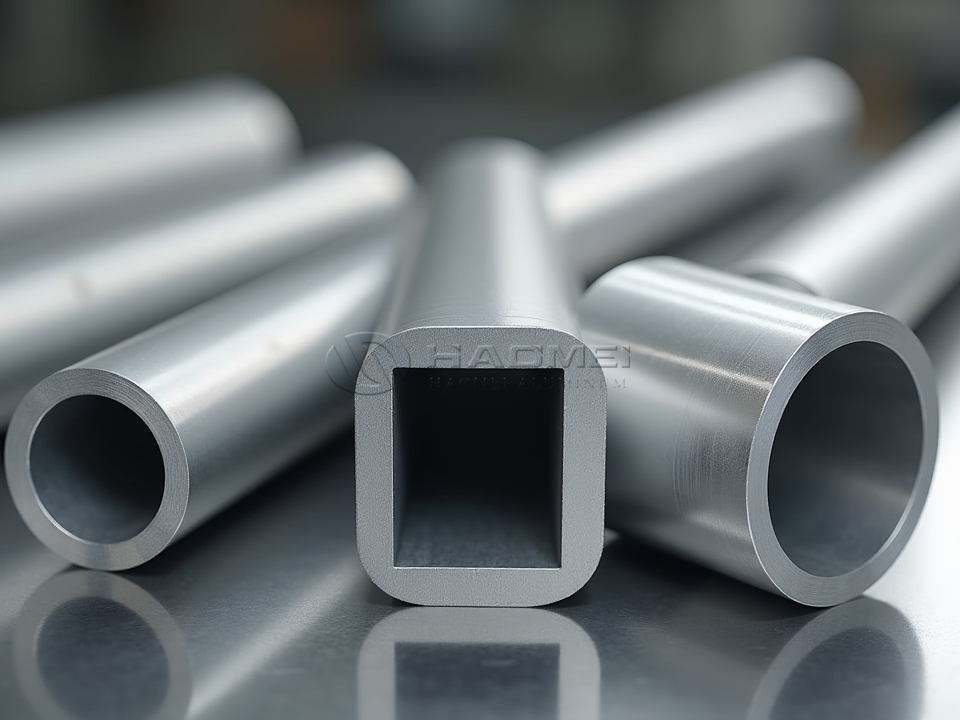
Start With the Water, Not the Fitting
Freshwater systems on vessels may serve tanks, washdown points, sinks, showers, livewell supply arrangements, or equipment cooling circuits that are isolated from seawater. In a clean freshwater line, a properly selected marine aluminum elbow can provide low weight and good mechanical strength. Still, stagnant water, disinfectants, mineral deposits, and poor drainage can create localized corrosion conditions. A fitting that remains wet in a warm, unventilated compartment needs more attention than one in a dry, accessible locker.
Saltwater is a different environment entirely. Bare aluminum is not usually the first choice for continuously wetted raw-seawater distribution lines, especially where water may sit in the system between uses. Chloride ions can damage the protective oxide layer and encourage pitting. Crevices at threads, clamps, gasket edges, and flange faces are especially vulnerable. An elbow can become the first failure point because its bend and joints create areas where deposits remain after water flow stops.
For direct seawater service, materials such as cupronickel, suitable bronze, duplex stainless steel, GRP, or engineered thermoplastics may be better choices depending on the vessel, pressure rating, temperature, class requirements, and local regulations. Marine aluminum elbows are often more appropriate for protected freshwater circuits, drain arrangements, dry-side fabrication, structural pipework, or systems where the aluminum is isolated from aggressive seawater exposure.
Alloy and Temper Still Matter
The term marine aluminum does not mean every aluminum alloy performs identically in wet service. Alloy family, temper, welding method, surface condition, and connection design all affect performance. A 6061-T6 elbow is widely valued for strength, machinability, and fabrication consistency. It is often selected where a durable formed or welded fitting is needed in a freshwater or protected onboard installation.
A correctly specified 6061-T6 90-Degree Marine Aluminum Pipe Elbow can simplify compact routing while maintaining a clean, professional pipe layout. Confirm the actual outside diameter, wall thickness, bend centerline radius, and end preparation before ordering. A nominal size alone can lead to mismatches when tubing standards differ.
For connecting runs, compatible Marine Grade Aluminum Tubing helps maintain consistent dimensions and welding behavior through the system. Mixing unknown alloy tubing with a carefully specified elbow creates uncertainty at the very point where the line experiences the highest stress.
A Smooth Bend Protects Flow and Pumps
An elbow does more than turn water. It changes the flow pattern. A tight 90-degree bend produces more pressure loss than a long-radius bend, especially in systems with high flow rates, suspended solids, or frequent pump cycling. In small boat systems, the difference may appear modest on paper, yet several sharp elbows can noticeably reduce flow at a washdown nozzle or increase pump workload.
Long-radius elbows are often a sensible choice where space allows. They guide water more gradually, reduce turbulence, and make it less likely for sediment to settle inside the turn. Short-radius elbows are useful in confined compartments, but they should be placed where inspection and replacement remain possible. Avoid placing a tight elbow immediately at a pump inlet whenever possible. Pumps prefer a calm, unrestricted supply of water rather than a turbulent approach flow.
The inside of the fitting also deserves attention. Burrs, weld spatter, abrupt internal steps, and poorly aligned pipe ends disrupt flow and can collect contaminants. For potable freshwater service, smooth internal surfaces make routine cleaning more effective and reduce places where biofilm may establish itself.
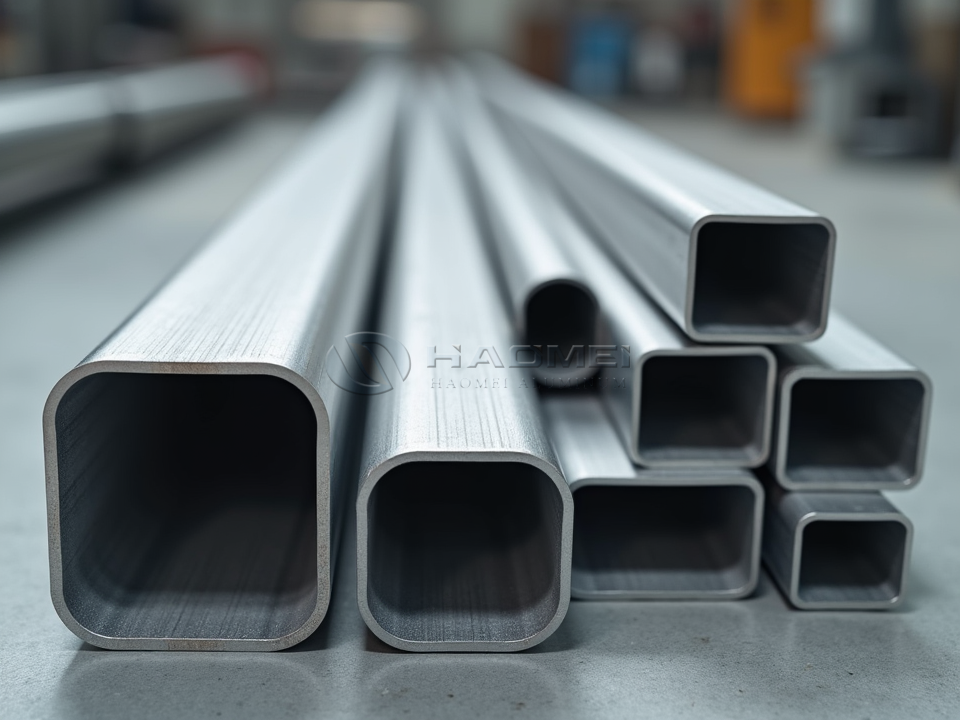
Galvanic Isolation Is Not Optional Detail
Many fitting problems blamed on saltwater are actually galvanic corrosion problems. Aluminum can corrode rapidly when it is electrically connected to a more noble metal, such as stainless steel, bronze, or copper alloy, while both are exposed to an electrolyte. Saltwater is an excellent electrolyte, so the risk rises sharply in bilges, wet lockers, splash zones, and raw-water compartments.
If a marine aluminum elbow must connect near dissimilar metals, separate the materials with suitable dielectric components, nonconductive bushings, compatible gaskets, and correctly selected sealants. Fasteners also require attention. Stainless hardware may be necessary for strength, but direct metal-to-metal contact should be controlled. Coating damage around a clamp or bolt can create a small exposed area that corrodes faster than expected.
Do not assume a painted exterior solves every problem. Coatings help, but they must be continuous, compatible with aluminum, and protected from abrasion. The internal water-contact surface is a separate concern. If the line handles seawater, external paint cannot prevent internal pitting.
Installation Details That Extend Service Life
A well-installed elbow should not carry the weight of unsupported pipe. Add supports on both sides of the bend so vibration does not work the joint loose or fatigue a welded area. Use nonmetallic or lined clamps that avoid trapping moisture against the aluminum surface. Leave enough room around the fitting for visual inspection, cleaning, and removal.
Threaded connections need particular care. Over-tightening can distort thin-wall fittings or damage threads, while unsuitable thread compounds may trap moisture or react poorly with the service environment. For welded systems, use procedures and filler materials appropriate to the chosen alloy, then clean weld zones thoroughly. Heat-affected areas can behave differently from the parent metal and should not be left contaminated with welding residues.
Drainage is another practical consideration. A line that can be drained after use is easier to protect than one that retains seawater in every low point. Position elbows with this in mind. A seemingly convenient downward turn may become a corrosion pocket if the system cannot fully empty.
Select the Turn That Fits the Whole System
A marine aluminum elbow is a compact component with an outsized influence on system performance. In freshwater distribution, it can be a lightweight and durable solution when alloy selection, smooth flow geometry, support spacing, and joint protection are handled carefully. In raw-saltwater service, the smarter choice may be a different material entirely, or a carefully engineered arrangement that limits aluminum exposure.
Treat every elbow as a decision point rather than a simple connector. When the fitting matches the water service, pipe material, bend radius, and surrounding metals, the distribution line becomes easier to operate, inspect, and trust at sea.

Related Products
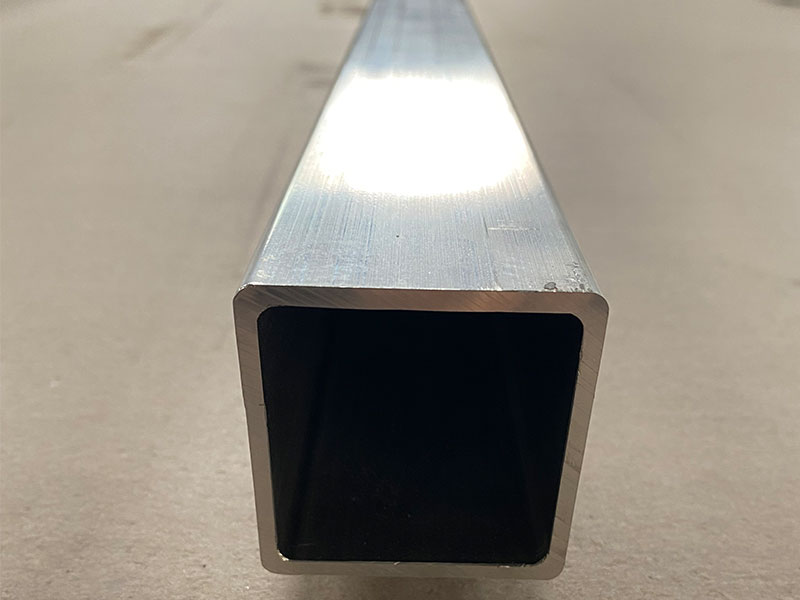
Marine aluminum square tubes
Marine Grade Aluminum Square Tubes are typically constructed from marine-grade alloys such as 5083, 5052, 6061, and 6082—well-known for their ability to withstand the aggressive effects of saltwater and marine atmospheres.
View Details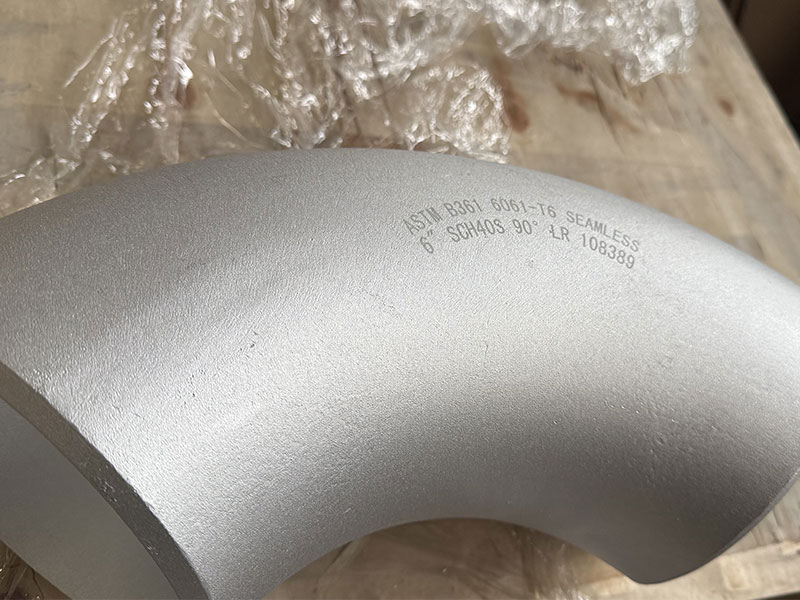
6061-T6 90-Degree Marine Aluminum Pipe Elbow
Manufactured from premium 6061-T6 marine-grade aluminum alloy, this elbow fitting is engineered to provide reliable and efficient pipe direction changes within shipbuilding, offshore platforms, and marine infrastructure systems.
View Details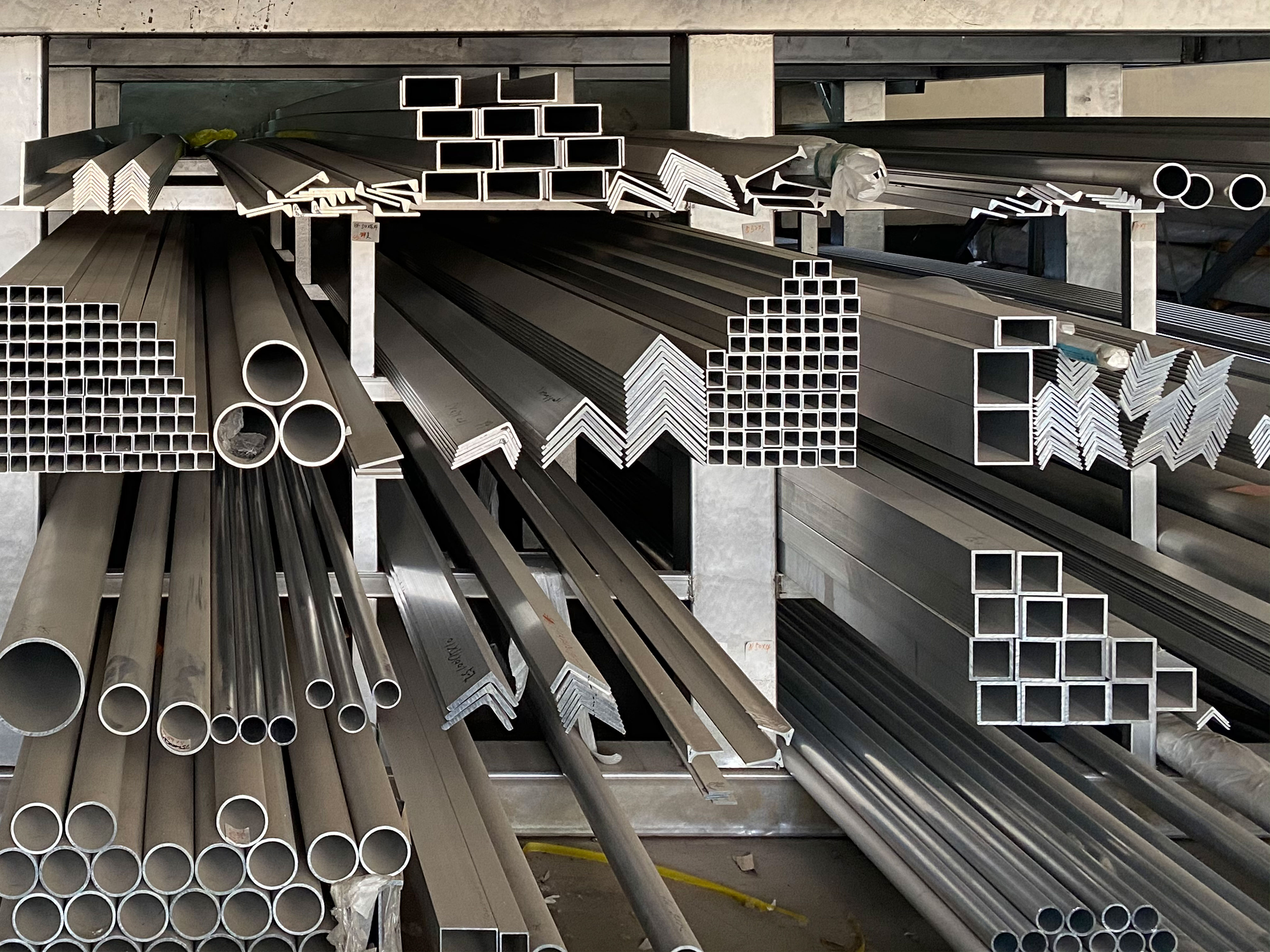
Custom marine aluminum profile tubes
Custom Marine Grade Aluminum Profile Tubes are manufactured from premium marine aluminum alloys such as 5083, 5052, 6061, and 6082.
View Details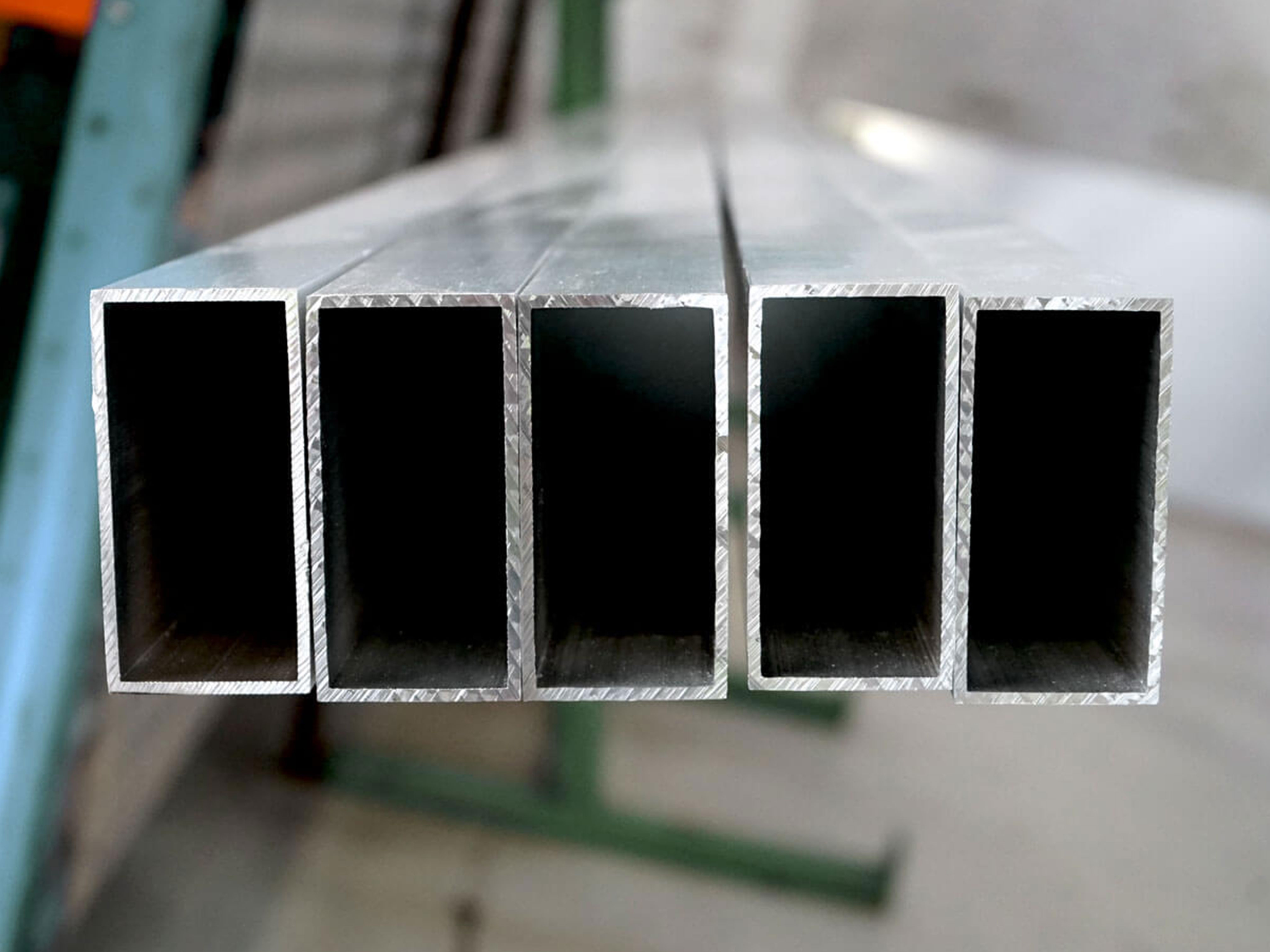
Marine aluminum rectangular tubes
Marine Grade Aluminum Rectangular Tubes are made from high-performance alloys such as 5083, 5052, 6061, and 6082. These alloys are renowned for their ability to resist corrosive seawater and marine atmospheres while providing excellent mechanical strength and toughness.
View Details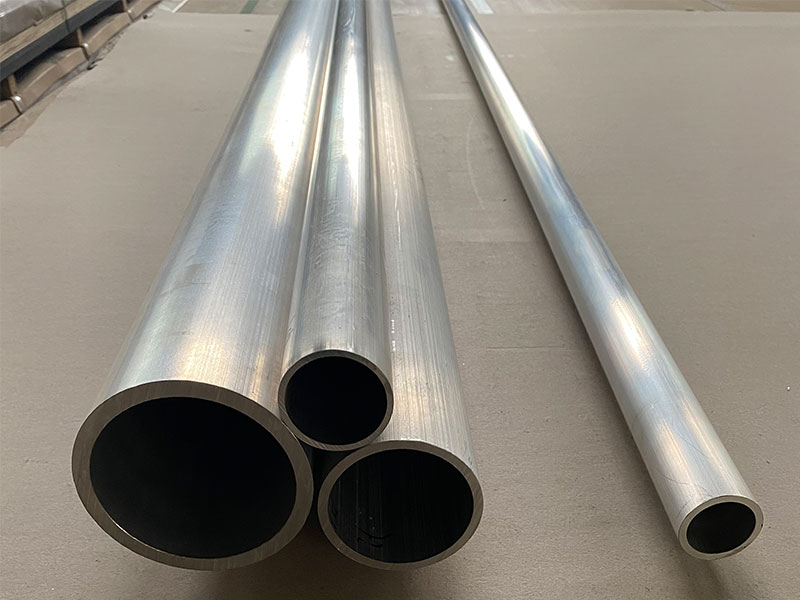
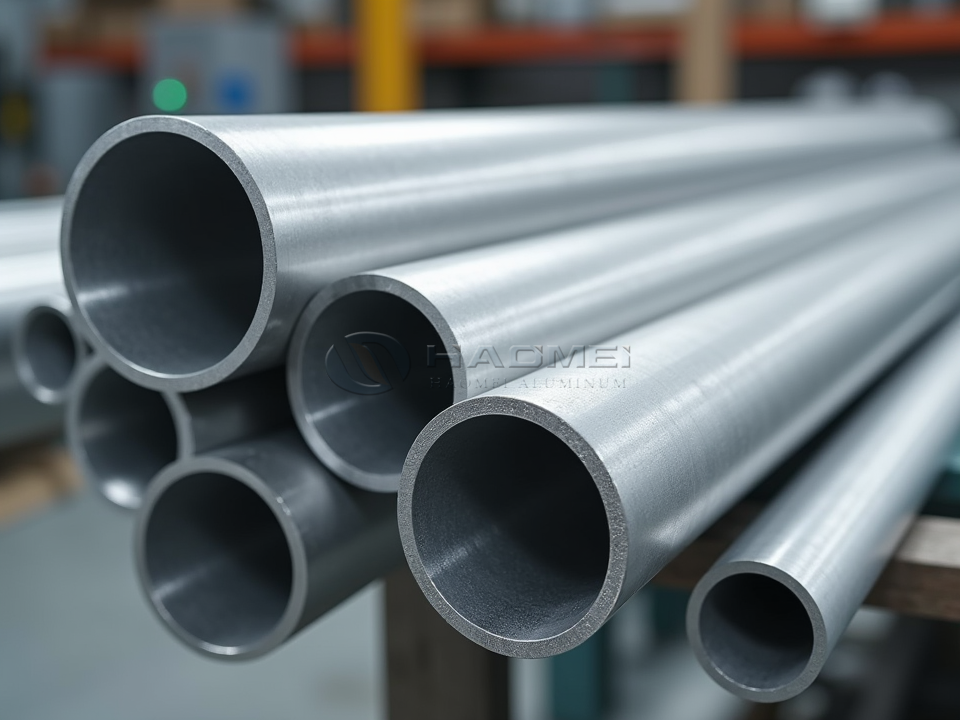
Marine aluminum round tubes
Marine Grade Aluminum Round Tubes are manufactured from premium marine alloys such as 5083, 5052, 6061, and 6082, all selected for their proven resistance to seawater corrosion and marine atmosphere degradation.
View DetailsRelated Blog
Marine Aluminum Elbow for High Flow Cooling Systems on Ships
Marine aluminum elbows for ship cooling circuits combine low pressure loss, corrosion resistance, and light weight for dependable seawater and freshwater flow.
View Details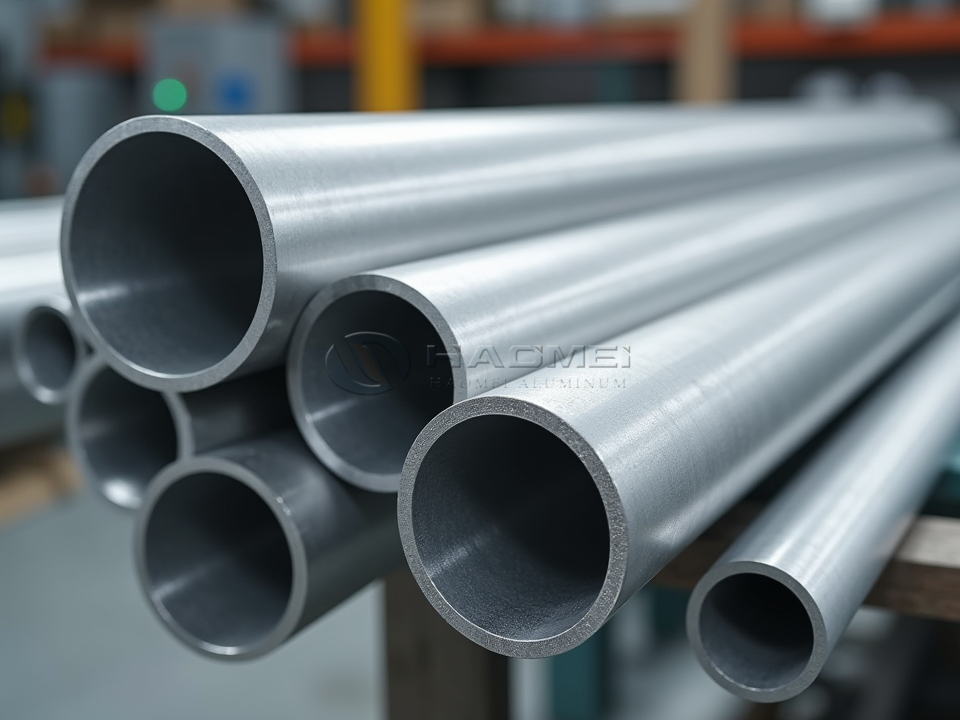
Marine Aluminum Elbow for Fluid Distribution and Control in Offshore Pipelines
Marine aluminum elbows guide offshore pipeline flow with low weight, corrosion resistance, smooth bends, weldability, and dependable pressure control.
View Details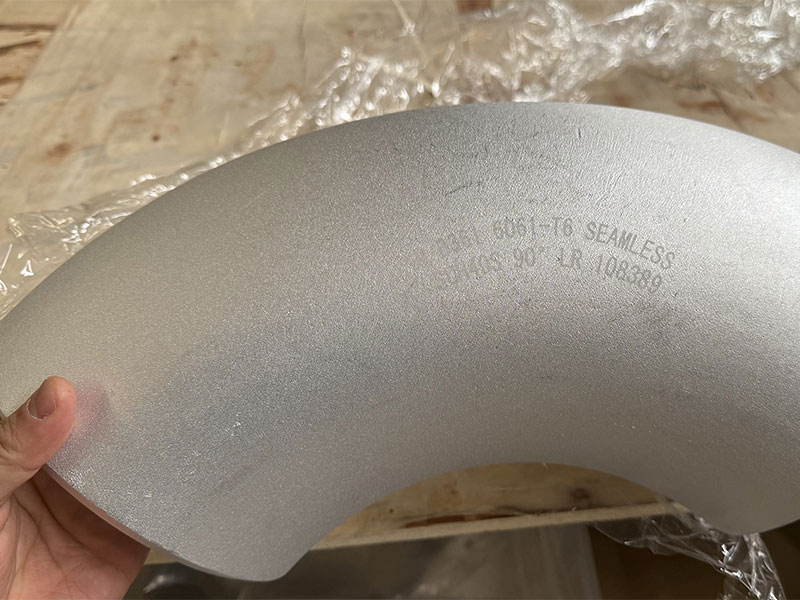
5083 Marine Aluminum Tubes for Marine Hull Construction
5083 aluminum alloy is one of the most widely used non-heat-treatable marine alloys. Designed for superior corrosion resistance, high strength, and excellent weldability, 5083 tubes are ideal for hull structures, superstructures, piping.
View Details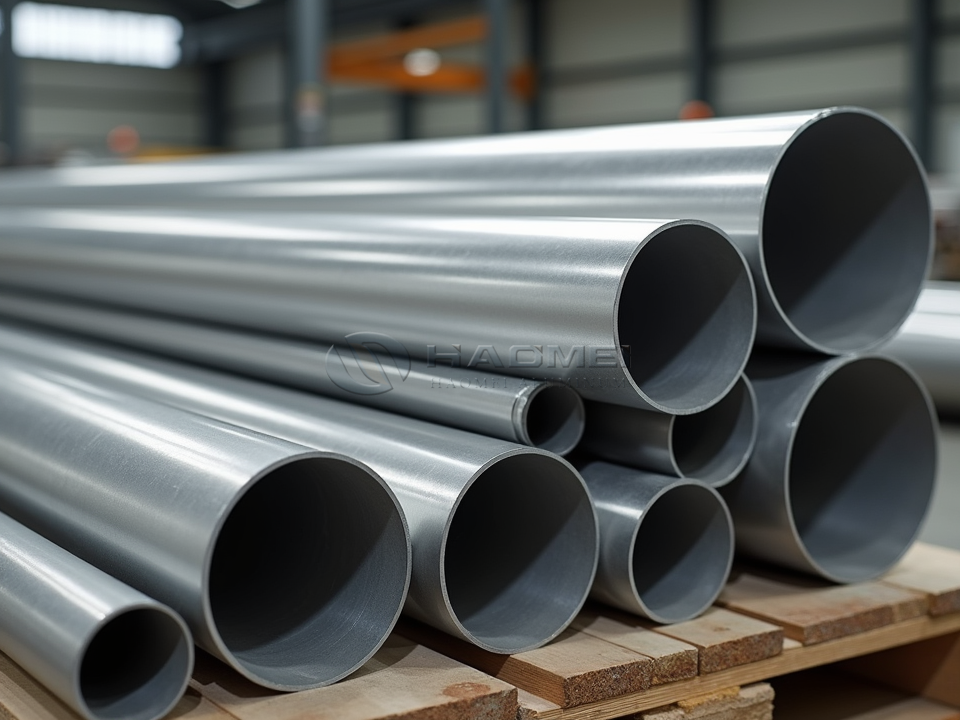
Aluminum Marine Elbow for Waste Heat Recovery on Offshore Platforms
Marine aluminum elbow for offshore waste heat recovery, with alloy options, corrosion resistance, bend geometry, pressure data, and order specs.
View Details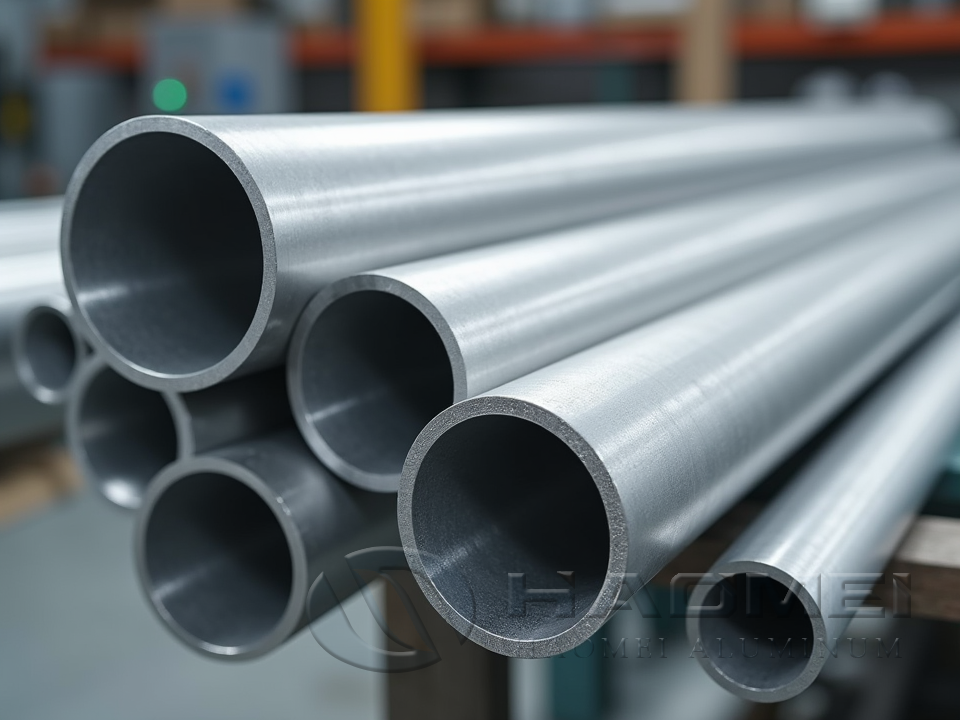
Aluminum Elbow for Marine Water Cooling and Temperature Control
Marine aluminum elbow for seawater cooling, heat exchange, and temperature control with corrosion resistance, light weight, and weldable design.
View Details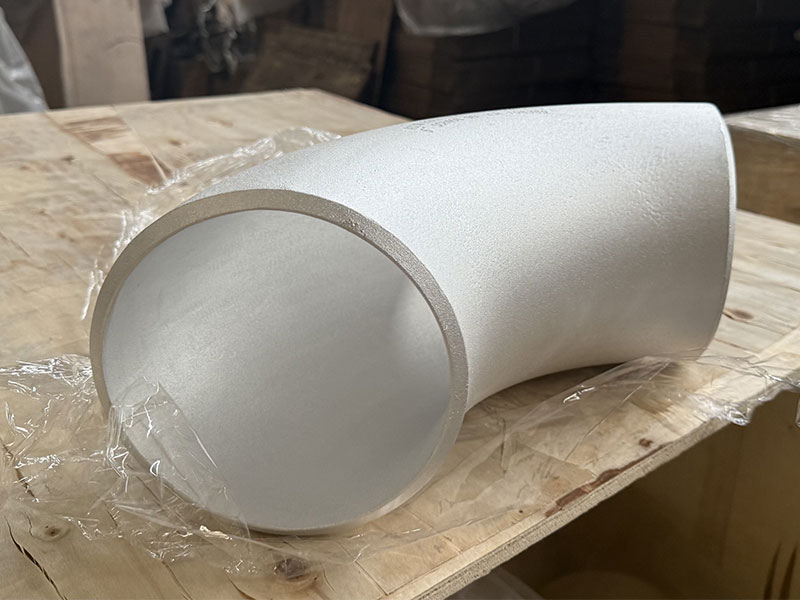
Heavy Duty Aluminum Elbow for Marine Piping Systems
In marine environments, robustness and reliability of piping systems are non-negotiable. The Heavy Duty Aluminum Elbow ($90^{\circ}, 45^{\circ}$ angles or customized) emerges as a critical junction component in marine piping installations.
View Details
Leave a Message