
Marine Aluminum Pipe Elbow for Shipboard Air Conditioning and Ventilation
Marine aluminum pipe elbows are engineered fittings used to change the direction of airflow, cooling media, condensate drainage, or auxiliary ventilation lines on vessels. Installed throughout accommodation blocks, engine rooms, wheelhouses, galley ventilation systems, machinery spaces, and offshore modules, these elbows help create compact and reliable routing layouts where straight pipe runs are not possible.
Compared with steel fittings, aluminum elbows reduce structural weight while offering strong resistance to humid marine atmospheres and salt-laden air. Their low density is particularly valuable in high-level installations, where lighter HVAC and ventilation assemblies reduce support loads and simplify onboard handling.
Functional Role in Marine HVAC Systems
A marine aluminum pipe elbow connects two pipe or tube sections at a defined angle, commonly 45 degrees or 90 degrees. It guides air or fluid around bulkheads, cable routes, structural frames, equipment foundations, and limited-space compartments without disrupting system continuity.
For air-conditioning and ventilation service, a properly selected elbow supports stable airflow, minimizes unnecessary pressure loss, and allows cleaner installation geometry. Long-radius elbows are generally preferred where air volume is high or energy efficiency is important, because the larger bend radius reduces turbulence compared with a short-radius fitting.
| Function | Contribution to Shipboard Systems |
|---|---|
| Direction change | Routes pipework around structural members and onboard equipment |
| Airflow management | Helps maintain a continuous path in ventilation and air-distribution lines |
| Space optimization | Supports compact routing in narrow machinery rooms and accommodation ceilings |
| Weight reduction | Lowers the mass of HVAC support structures compared with steel alternatives |
| Corrosion resistance | Performs well in humid, salty, and condensation-prone marine environments |
| Service accessibility | Enables organized routing for inspection, insulation, and maintenance |
Marine aluminum elbows may be used with circular ventilation pipe, tubular air-transfer lines, condensate lines, and selected low-pressure utility systems. For refrigerant circuits, pressure, refrigerant compatibility, joining method, leakage control, and classification requirements must be verified by the system designer before aluminum is selected.
Typical Shipboard Applications
Shipboard air-conditioning and ventilation networks operate in demanding conditions. Temperature variation, vibration, salt exposure, engine-room humidity, and confined installation areas all influence fitting selection. Aluminum elbows are particularly suitable where lightweight construction and corrosion performance are major design priorities.
| Vessel Area | Typical Elbow Application | Preferred Design Consideration |
|---|---|---|
| Accommodation spaces | Fresh-air and return-air routing | Smooth internal surface and low airflow resistance |
| Engine rooms | Equipment ventilation and extraction lines | Vibration support and protective surface finish |
| Wheelhouse | HVAC supply and defogging duct connections | Compact bends and accurate dimensional control |
| Galley areas | General ventilation and air transfer routes | Easy-clean surface and insulation compatibility |
| Offshore modules | Lightweight ventilation assemblies | Corrosion protection and certified material traceability |
| Machinery spaces | Condensate drain and auxiliary air lines | Leak-tight joining and drainage slope control |
When elbows are integrated with extruded tube systems, matching alloy and wall thickness help maintain consistent welding behavior and mechanical performance. For compatible straight sections, designers may specify 6061-T6 90-Degree Marine Aluminum Pipe Elbow configurations where structural rigidity and dimensional consistency are required.
Common Elbow Shapes and Dimensional Options
Marine aluminum pipe elbows can be produced as seamless bent elbows, welded fabricated elbows, mandrel bends, or segmented fittings. The suitable construction depends on diameter, wall thickness, service pressure, bend radius, and classification requirements.
| Parameter | Common Range or Option | Engineering Note |
|---|---|---|
| Nominal outside diameter | 16 mm to 219 mm | Larger diameters can be produced to project drawings |
| Wall thickness | 1.5 mm to 8.0 mm | Selected according to load, joining process, and pressure duty |
| Bend angle | 30°, 45°, 60°, 90°, 180° | 45° and 90° are widely used in HVAC routing |
| Bend radius | 1D to 3D or custom | Long-radius bends improve flow characteristics |
| End type | Plain end, beveled end, flanged end | Selected for welding, coupling, or bolted assembly |
| Surface condition | Mill finish, anodized, powder coated | Finish choice depends on exposure and appearance requirements |
| Manufacturing method | Cold bending, hot bending, welded fabrication | Method depends on alloy temper and final geometry |
A smooth bend profile is important in air-handling service. Sharp transitions may create turbulence, noise, and higher pressure drop. Where ventilation flow is substantial, a larger centerline radius and carefully aligned joints contribute to more efficient system operation.
Alloy Selection and Temper Conditions
The most common aluminum alloys for marine pipe elbows are 6061, 6063, 5083, and 5052. Each alloy offers a different balance of formability, strength, weldability, and corrosion performance.
| Alloy | Typical Temper | Suitable Characteristics | Common Use |
|---|---|---|---|
| 6061 | T4, T6 | Good strength, machinability, and weldability | Structural HVAC supports and rigid pipe elbows |
| 6063 | T5, T6 | Excellent extrudability and surface finish | Light ventilation lines and architectural exposed systems |
| 5083 | H111, H116 | Strong seawater corrosion resistance and good weldability | Marine-duty lines in highly exposed zones |
| 5052 | H32, H34 | Good formability and corrosion resistance | Formed fittings and light-duty auxiliary lines |
Temper selection has a direct effect on bend quality. T6 material provides higher strength but has reduced formability compared with annealed or T4 material. Tight-radius elbows may therefore be bent in a softer temper and subsequently heat treated when the project specification requires higher final strength. Welding also reduces strength in the heat-affected zone of heat-treatable alloys such as 6061 and 6063, so joint design must account for this condition.
Typical Chemical Composition
The following values are commonly referenced maximum or nominal composition limits in accordance with applicable aluminum alloy specifications. Project documentation should always define the controlling material standard.
| Alloy | Mg | Si | Mn | Fe | Cu | Cr | Zn | Ti | Al |
|---|---|---|---|---|---|---|---|---|---|
| 6061 | 0.80–1.20% | 0.40–0.80% | Max. 0.15% | Max. 0.70% | 0.15–0.40% | 0.04–0.35% | Max. 0.25% | Max. 0.15% | Balance |
| 6063 | 0.45–0.90% | 0.20–0.60% | Max. 0.10% | Max. 0.35% | Max. 0.10% | Max. 0.10% | Max. 0.10% | Max. 0.10% | Balance |
| 5083 | 4.00–4.90% | Max. 0.40% | 0.40–1.00% | Max. 0.40% | Max. 0.10% | 0.05–0.25% | Max. 0.25% | Max. 0.15% | Balance |
| 5052 | 2.20–2.80% | Max. 0.25% | Max. 0.10% | Max. 0.40% | Max. 0.10% | 0.15–0.35% | Max. 0.10% | Max. 0.15% | Balance |
Mechanical and Physical Data
Mechanical properties vary with product form, thickness, temper, bending method, and welding condition. The figures shown are typical reference values for preliminary selection rather than final design values.
| Alloy and Temper | Tensile Strength | Yield Strength | Elongation | Density | Elastic Modulus |
|---|---|---|---|---|---|
| 6061-T6 | Approx. 290 MPa | Approx. 240 MPa | Approx. 8–12% | 2.70 g/cm³ | 69 GPa |
| 6063-T5 | Approx. 185 MPa | Approx. 145 MPa | Approx. 8% | 2.70 g/cm³ | 69 GPa |
| 6063-T6 | Approx. 240 MPa | Approx. 215 MPa | Approx. 8–10% | 2.70 g/cm³ | 69 GPa |
| 5083-H111 | Approx. 275 MPa | Approx. 125 MPa | Approx. 16% | 2.66 g/cm³ | 71 GPa |
| 5052-H32 | Approx. 230 MPa | Approx. 195 MPa | Approx. 12% | 2.68 g/cm³ | 70 GPa |
Standards, Inspection, and Installation Considerations
Marine aluminum pipe elbows may be manufactured in accordance with recognized aluminum product standards and project-specific marine rules. Material certificates, dimensional inspection records, alloy identification, and traceability documents are frequently requested for commercial vessel and offshore work.
| Standard or Requirement | Relevance to Marine Aluminum Elbows |
|---|---|
| ASTM B221 | Aluminum alloy extruded bars, rods, wire, profiles, and tubes |
| ASTM B241/B241M | Seamless extruded aluminum alloy pipe and seamless extruded tube |
| EN 755-2 | Mechanical properties of aluminum alloy extruded products |
| EN 573-3 | Chemical composition and alloy designation for aluminum products |
| EN 754 | Cold-drawn aluminum rod, bar, and tube requirements |
| DNV, ABS, LR, BV, CCS rules | May apply when class approval or certified materials are specified |
| ISO 9001 quality system | Supports controlled production and documented inspection processes |
Installation should use compatible aluminum or properly isolated fastening materials. Direct contact between aluminum and dissimilar metals such as carbon steel or copper can promote galvanic corrosion in the presence of moisture. Non-conductive isolation pads, suitable coatings, sealed joints, and corrosion-resistant fasteners help protect the assembly.
For welded systems, TIG or MIG welding with an appropriate filler alloy is commonly used. Weld areas should be cleaned of oxide, moisture, oil, and salt contamination before joining. Supports should be arranged to control vibration while allowing for thermal movement within long HVAC or ventilation runs.
A well-designed marine aluminum pipe elbow combines low weight, corrosion resistance, stable geometry, and adaptable fabrication. With the correct alloy, temper, bend radius, and joining method, it provides a durable routing solution for modern shipboard air-conditioning and ventilation installations.

Related Products
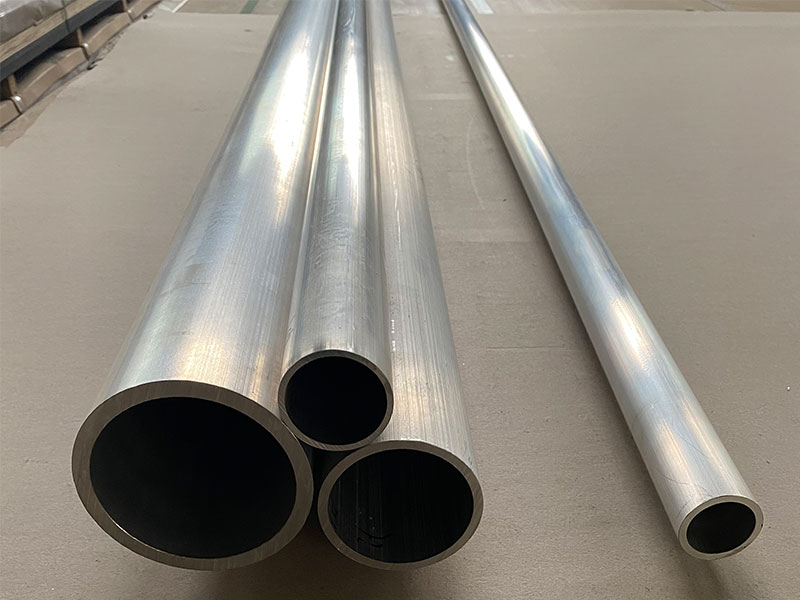
Marine aluminum round tubes
Marine Grade Aluminum Round Tubes are manufactured from premium marine alloys such as 5083, 5052, 6061, and 6082, all selected for their proven resistance to seawater corrosion and marine atmosphere degradation.
View Details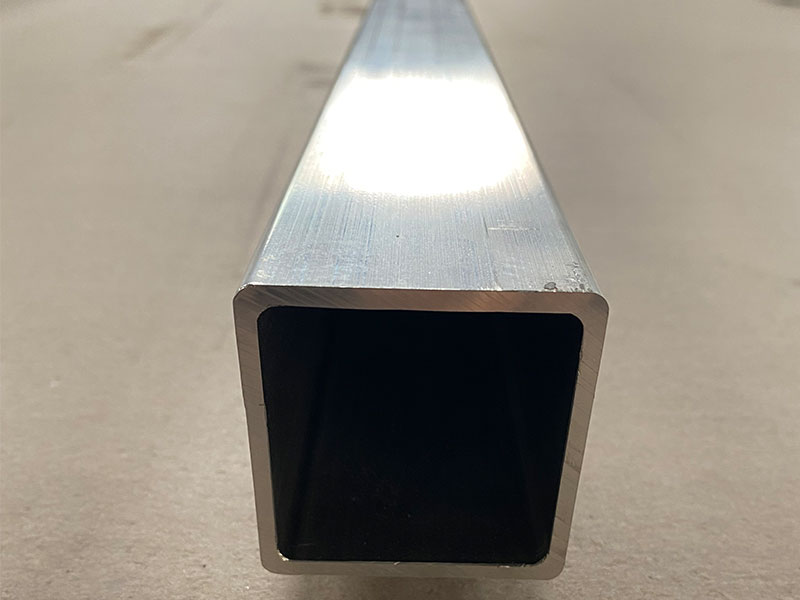
Marine aluminum square tubes
Marine Grade Aluminum Square Tubes are typically constructed from marine-grade alloys such as 5083, 5052, 6061, and 6082—well-known for their ability to withstand the aggressive effects of saltwater and marine atmospheres.
View Details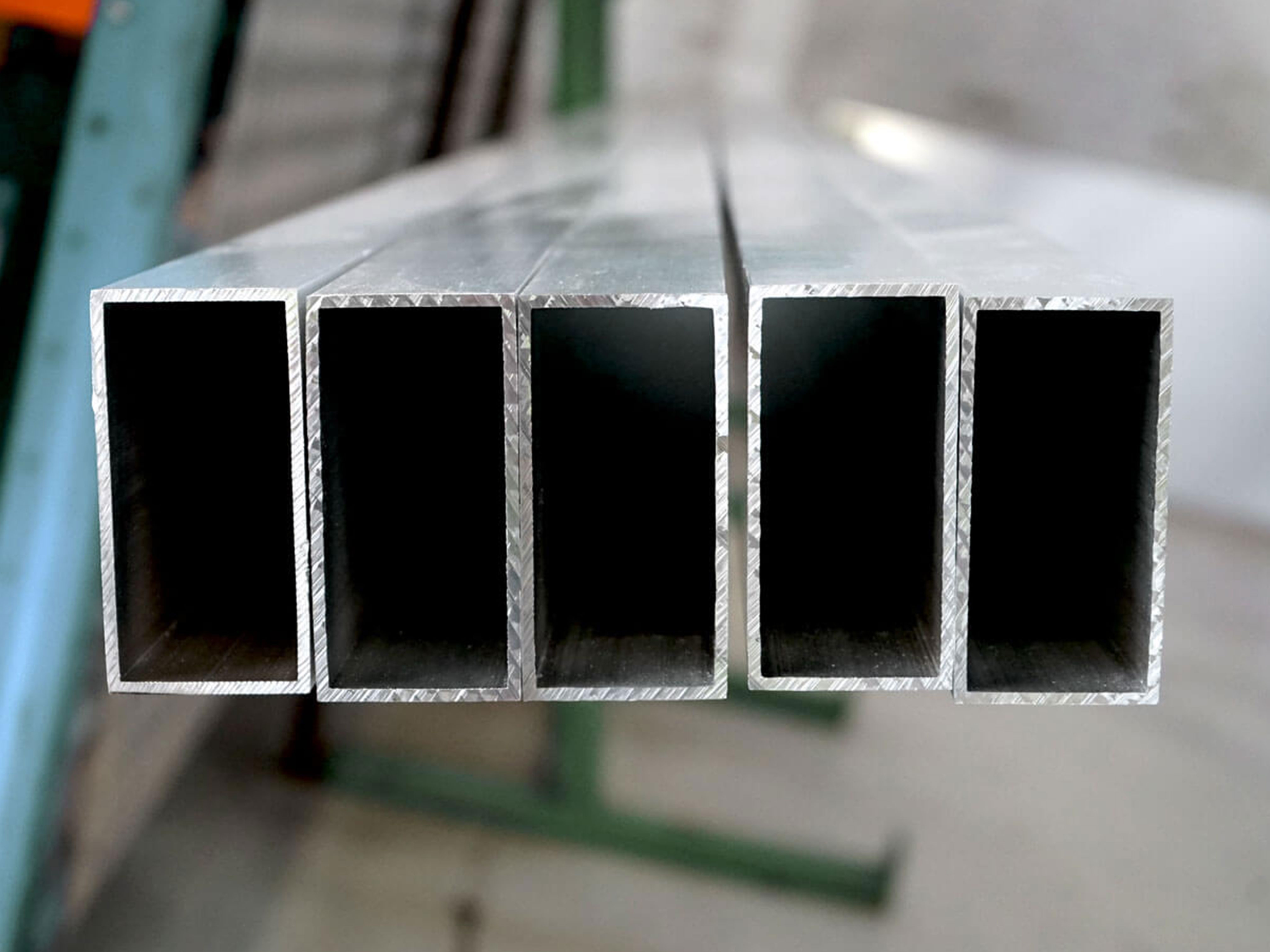
Marine aluminum rectangular tubes
Marine Grade Aluminum Rectangular Tubes are made from high-performance alloys such as 5083, 5052, 6061, and 6082. These alloys are renowned for their ability to resist corrosive seawater and marine atmospheres while providing excellent mechanical strength and toughness.
View Details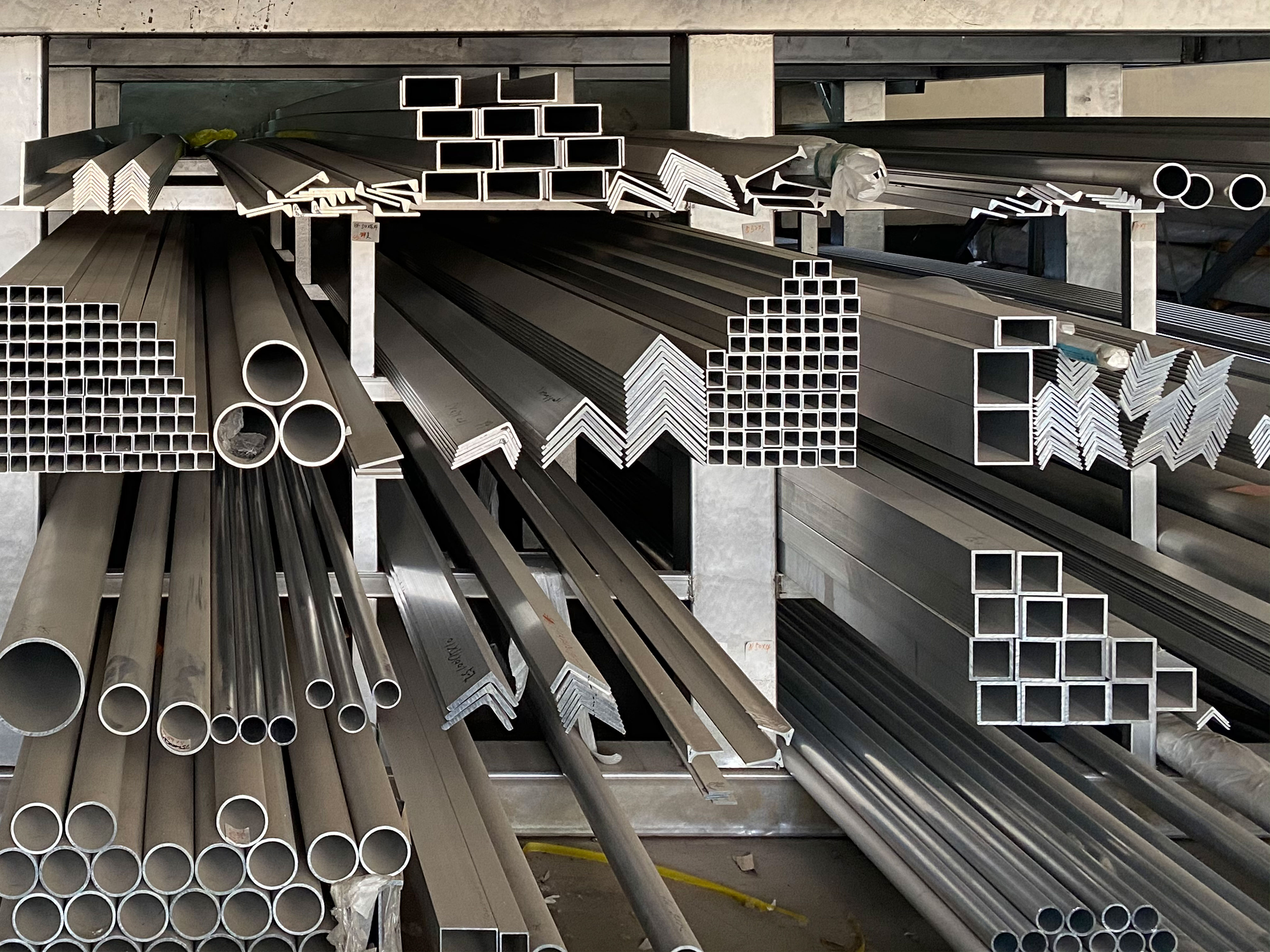
Custom marine aluminum profile tubes
Custom Marine Grade Aluminum Profile Tubes are manufactured from premium marine aluminum alloys such as 5083, 5052, 6061, and 6082.
View Details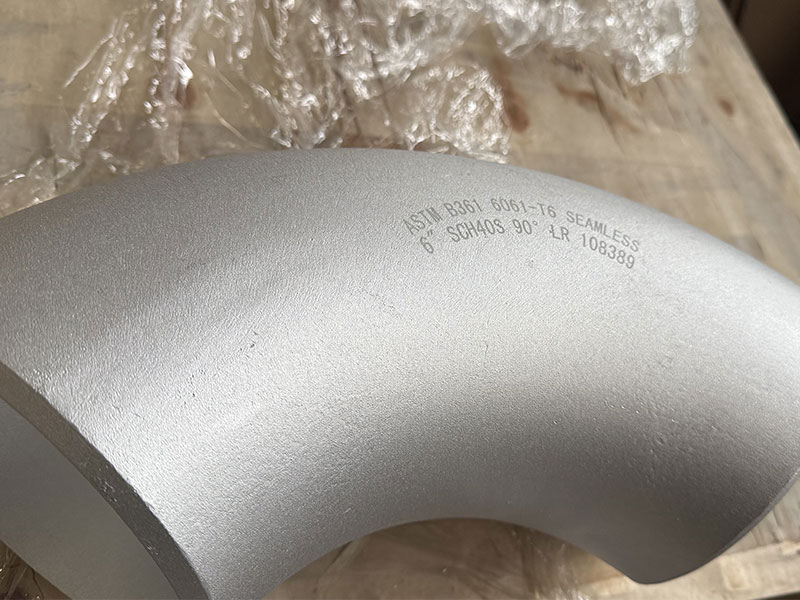
6061-T6 90-Degree Marine Aluminum Pipe Elbow
Manufactured from premium 6061-T6 marine-grade aluminum alloy, this elbow fitting is engineered to provide reliable and efficient pipe direction changes within shipbuilding, offshore platforms, and marine infrastructure systems.
View DetailsRelated Blog
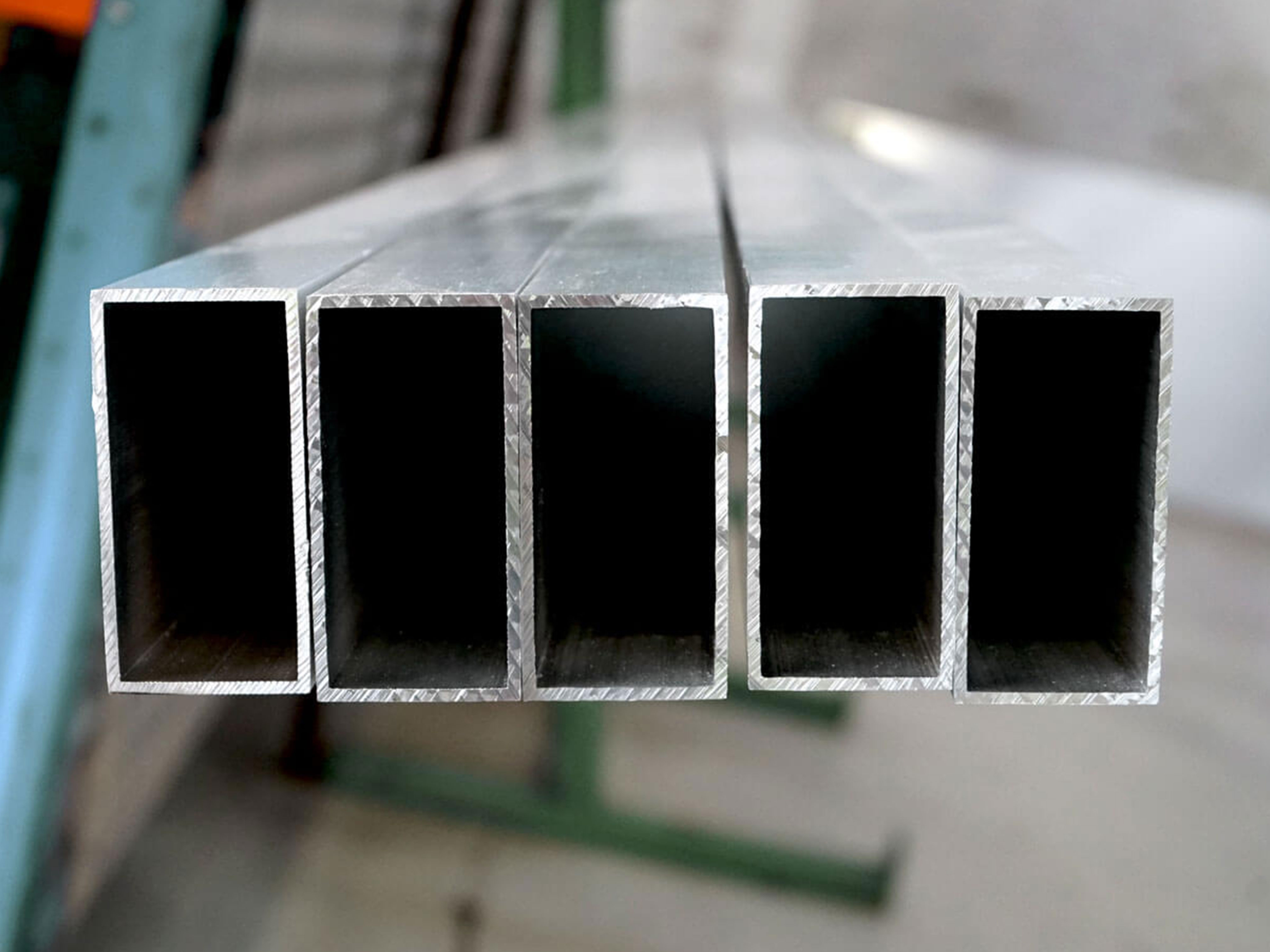
6082 Marine Aluminum Tubes for Marine Engine Component Support
The 6082 marine aluminum tubes are a premium-grade aluminum alloy offering a balanced blend of strength, corrosion resistance, and excellent machinability.
View Details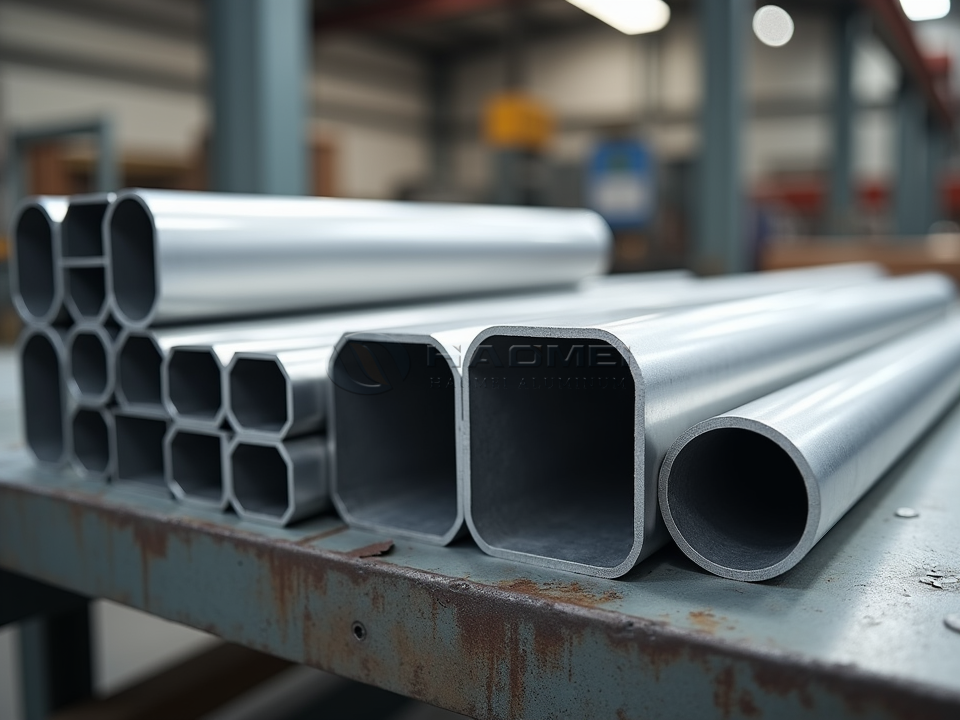
Aluminum Pipe Elbow for Marine Water Intake and Drainage Systems
Marine aluminum pipe elbows provide lightweight, corrosion-resistant flow direction changes for seawater intake, drainage, bilge, and deck wash piping.
View Details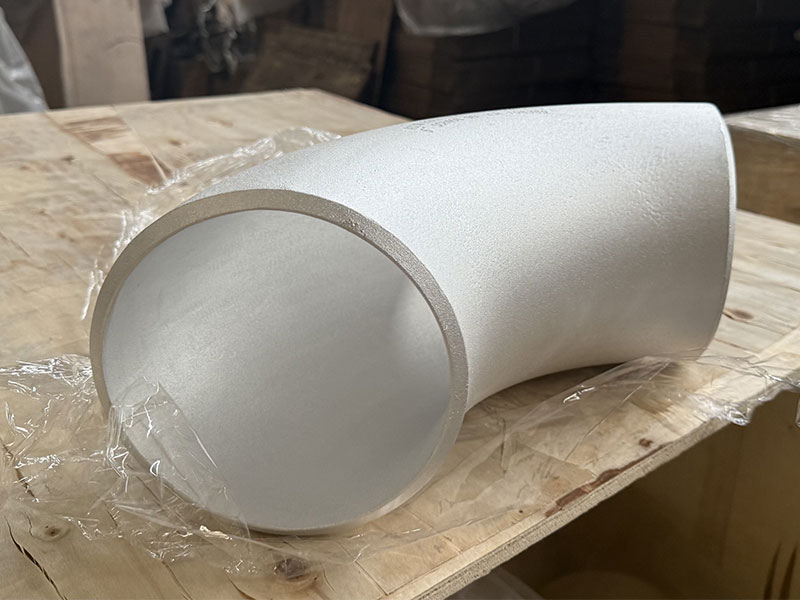
Aluminum Alloy Marine Pipe Elbow for Fuel Line Installations
Aluminum alloy marine pipe elbows are specialized fittings designed to change the direction of fuel lines on boats, ships, and offshore platforms while maintaining excellent corrosion resistance, strength, and flow performance.
View Details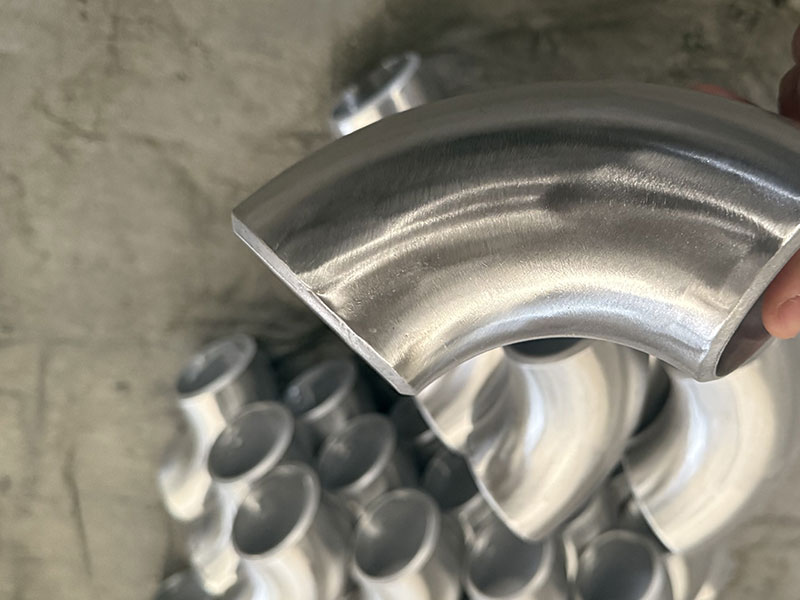
Aluminum Elbow for Gas and Liquid Transfer on Marine Vessels
Marine vessels operate amidst some of the most challenging environments, where efficiency, durability, and safety of components in fluid transfer systems are paramount.
View Details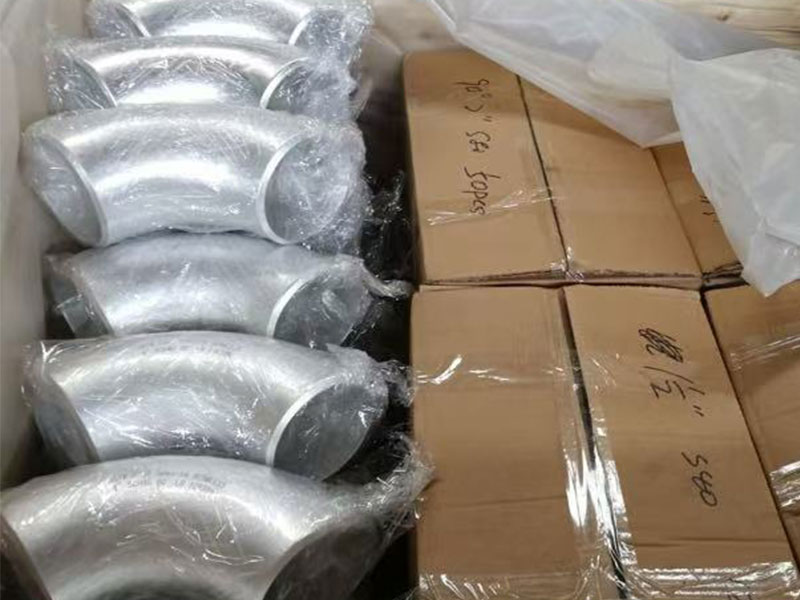
Marine Aluminum Elbow for Saltwater Intake and Pumping Systems
Our Marine Aluminum Elbow designed specifically for saltwater intake and pumping systems—engineered for maximum corrosion resistance, durability, and strength in harsh marine environments.
View Details
Aluminum Pipe Elbow for Saltwater Marine Piping
Aluminum pipe elbows are essential fittings in saltwater marine piping systems. Designed to change the direction of flow, they combine lightweight construction, corrosion resistance.
View Details
Leave a Message