
Marine Aluminum Rod & Bar for Lightweight Marine Frame Reinforcement
Marine structures demand materials that combine low weight, high strength, and long-term corrosion resistance in harsh saltwater environments. Marine aluminum rod and bar products are engineered specifically to meet these needs, providing an efficient solution for reinforcing hulls, decks, superstructures, and onboard frameworks without adding excessive weight.
Marine aluminum rod & bar are solid extruded profiles produced from marine-grade aluminum alloys (commonly 5xxx and 6xxx series) optimized for:
- Lightweight structural reinforcement
- Excellent corrosion resistance in seawater
- Good weldability and fabrication
- Stable mechanical properties over a wide temperature range
These products are typically supplied as:
- Round rod: Ø6–300 mm
- Square & rectangular bar: 10×10 mm up to heavy rectangular sections
- Custom profiles for OEM marine structures
Common alloys for marine frame reinforcement:
- 5083 – High strength, excellent seawater corrosion resistance
- 5086 – Good strength, superb corrosion resistance, good toughness
- 6061 / 6082 – Heat-treatable, high strength, excellent machinability, good corrosion resistance (used above waterline and for secondary structures)
2. Features & Advantages
2.1 Lightweight Strength
Marine aluminum offers a high strength-to-weight ratio, enabling robust reinforcement with less mass compared to steel.
| Property | Typical Marine Aluminum (5083) | Mild Steel (A36) |
|---|---|---|
| Density (g/cm³) | ~2.66 | ~7.85 |
| Yield Strength (MPa) | 215–240 | ~250 |
| Strength / Density (MPa·cm³/g) | ~81–90 | ~32 |
Benefit: Similar strength to mild steel at roughly one-third the weight, easing installation and improving vessel efficiency.
2.2 Marine-Grade Corrosion Resistance
5xxx and 6xxx marine alloys form a stable oxide film and exhibit:
- High resistance to chloride-induced pitting
- Minimal galvanic corrosion when paired correctly and isolated from dissimilar metals
- Long service life in immersed, splash, and atmospheric marine zones
Result: Less frequent replacement, reduced maintenance cost, and improved long-term reliability of frames and stiffeners.
2.3 Excellent Fabricability & Weldability
Marine aluminum rod and bar can be:
- Cut, drilled, and machined with standard equipment
- Formed and bent (especially 5xxx alloys) without cracking when proper radii and procedures are used
- Welded using MIG or TIG with commonly available marine filler wires (e.g., ER5356, ER5183, ER5556)
This makes them ideal for shipyard fabrication, field modifications, and repair work.
2.4 Fatigue & Impact Performance
Hull and frame members are often exposed to dynamic wave loading, vibration, and occasional impact. Marine aluminum alloys offer:
- Good fatigue resistance for cyclic loading
- Stable toughness at low temperatures (e.g., North Atlantic operations)
- Adequate impact resistance when used with proper design thickness and weld details
3. Typical Chemical Composition
Below is indicative composition data for commonly used marine alloys in rod & bar products. Actual values may vary slightly by standard and supplier.
3.1 Alloy 5083 (Marine Structural)
| Element | Typical Range (%) |
|---|---|
| Mg | 4.0 – 4.9 |
| Mn | 0.4 – 1.0 |
| Cr | 0.05 – 0.25 |
| Fe | ≤ 0.40 |
| Si | ≤ 0.40 |
| Cu | ≤ 0.10 |
| Zn | ≤ 0.25 |
| Ti | ≤ 0.15 |
| Al | Balance |
3.2 Alloy 5086 (High Corrosion Resistance)
| Element | Typical Range (%) |
|---|---|
| Mg | 3.5 – 4.5 |
| Mn | 0.2 – 0.7 |
| Cr | 0.05 – 0.25 |
| Fe | ≤ 0.50 |
| Si | ≤ 0.40 |
| Cu | ≤ 0.10 |
| Zn | ≤ 0.25 |
| Ti | ≤ 0.15 |
| Al | Balance |
3.3 Alloy 6082 (High-Strength 6xxx)
| Element | Typical Range (%) |
|---|---|
| Mg | 0.6 – 1.2 |
| Si | 0.7 – 1.3 |
| Mn | 0.4 – 1.0 |
| Fe | ≤ 0.50 |
| Cu | ≤ 0.10 |
| Cr | ≤ 0.25 |
| Zn | ≤ 0.20 |
| Ti | ≤ 0.10 |
| Al | Balance |
4. Mechanical Properties & Performance
Representative mechanical properties for typical tempers used in marine frame reinforcement:
4.1 Typical Mechanical Properties
| Alloy | Temper | Yield Strength Rp0.2 (MPa) | Tensile Strength Rm (MPa) | Elongation A50 (%) | Brinell Hardness HBW |
|---|---|---|---|---|---|
| 5083 | O / H111 | 125 – 160 | 270 – 330 | 12 – 18 | 75 – 95 |
| 5083 | H116 / H321 | 215 – 240 | 300 – 340 | 10 – 14 | 90 – 100 |
| 5086 | H116 | 190 – 230 | 275 – 315 | 10 – 16 | 80 – 95 |
| 6082 | T6 | 260 – 310 | 300 – 340 | 8 – 12 | 90 – 100 |
Values are typical and for reference; design should follow relevant marine and classification standards.
4.2 Physical Properties
| Property | 5xxx Series (Typical) | 6082-T6 (Typical) |
|---|---|---|
| Density (kg/m³) | 2,650 – 2,680 | ~2,700 |
| Modulus of Elasticity (GPa) | ~70 | ~70 |
| Coefficient of Thermal Expansion (10⁻⁶/K) | 23–25 | 23–24 |
| Thermal Conductivity (W/m·K) | 120 – 150 | 150 – 170 |
5. Standard Dimensions & Tolerances
5.1 Typical Size Range
| Product Type | Common Sizes (mm) | Length (mm) |
|---|---|---|
| Round Rod | Ø6 – Ø300 | 3,000 – 6,000 |
| Square Bar | 10×10 – 150×150 | 3,000 – 6,000 |
| Rectangular Bar | 10×20 – 80×300 | 3,000 – 6,000 |
| Custom Profile | On request (CAD-based) | As per project design |
5.2 Dimensional Tolerances (Indicative)
| Diameter / Width (mm) | Dimensional Tolerance (mm) |
|---|---|
| ≤ 20 | ±0.15 |
| > 20 – 60 | ±0.25 |
| > 60 – 150 | ±0.50 |
| > 150 | By agreement |
Exact tolerances follow EN, ASTM, or customer drawings.
6. Applications in Marine Frame Reinforcement
Marine aluminum rod and bar are widely used across different vessel types, from small workboats to large passenger ferries and offshore support vessels.
6.1 Structural Frames & Stiffeners
- Longitudinal and transverse frame members
- Deck girders and cross beams
- Bulkhead stiffeners and coamings
- Reinforcement around openings: doors, hatches, windows
Benefit: Weight reduction in large repetitive structures significantly improves fuel economy and increases payload or range.
6.2 Superstructures & Deckhouses
- Cabin framing and internal skeletons
- Bridge and wheelhouse supports
- Mast bases and support arms
For these, 6082-T6 or 6061-T6 rods and bars are often selected due to their strength and machining performance, especially in above-waterline applications.
6.3 Outfitting & Equipment Mounting
- Brackets and mounting rails for equipment and piping
- Handrail posts, guard frames, and safety barriers
- Davit and crane subframe reinforcement (subject to classification approval)
- Ladder frames and gangway skeletons
Using marine aluminum for these items helps maintain overall vessel stability by keeping weight low and centralized.
6.4 Small Craft & High-Speed Vessels
- RIB and patrol boat reinforcing ribs
- Catamaran cross-deck frames
- Foil, strut, and boarding structure frames (where aluminum is specified)
High-speed craft benefit from every kilogram saved; aluminum rod and bar provide stiff, lightweight frameworks that respond well to dynamic loading.
7. Design & Fabrication Considerations
7.1 Alloy Selection Guidelines
| Application Zone | Recommended Alloy(s) | Notes |
|---|---|---|
| Immersed / splash zone | 5083, 5086 | Highest priority: corrosion |
| Above waterline hull | 5083, 5086, 6082 | Balance of strength & weldability |
| Superstructure | 6082, 6061, 5083 | High strength, good machinability |
| Highly welded details | 5083, 5086 | Non-heat-treatable, no loss from PWHT |
7.2 Welding & Joining
- Processes: GMAW (MIG) and GTAW (TIG) with argon or Ar/He mixtures
- Typical Fillers:
- 5356 / 5183 / 5556 for 5xxx base metals
- 5356 or 4043 depending on design for 6xxx
- Avoid mixing 5xxx with 6xxx in highly critical welded regions unless welding procedures are carefully qualified.
7.3 Corrosion Control
- Avoid direct contact with carbon steel; use insulating washers, gaskets, or coatings
- Ensure proper drainage and ventilation to reduce crevice corrosion risk
- Consider anodizing or marine paint systems in aggressive service or for aesthetic requirements
8. Benefits for Vessel Owners & Builders
8.1 Operational Advantages
| Benefit | Impact |
|---|---|
| Lower structural weight | Reduced fuel consumption, higher payload |
| Extended service life | Lower lifecycle cost, fewer replacements |
| Simplified maintenance | Less rust treatment, easier inspection |
| Improved stability | Better trim and seakeeping, especially in small craft |
8.2 Fabrication & Project Benefits
- Fast processing: Cutting, drilling, and welding can be completed quickly with standard shipyard equipment
- Flexible design: Bar and rod can be easily combined with plate and extruded shapes to create optimized frameworks
- Supply consistency: Standardized alloys, sizes, and tempers simplify design and procurement
Marine aluminum rod and bar provide a robust and lightweight solution for marine frame reinforcement, offering:
- High strength-to-weight ratio for efficient structural design
- Excellent corrosion resistance in seawater environments
- Good weldability and fabricability for shipyard and field work
- Versatility across hulls, decks, superstructures, and outfitting
By selecting the appropriate marine-grade alloy and dimensions, designers and builders can achieve durable, low-maintenance frames that enhance vessel performance and reduce operating cost over the entire lifecycle.
For detailed alloy selection, custom dimensions, or classification-specific requirements, project-specific engineering consultation and standards review (e.g., DNV, ABS, LR, ISO) are strongly recommended.

Related Products
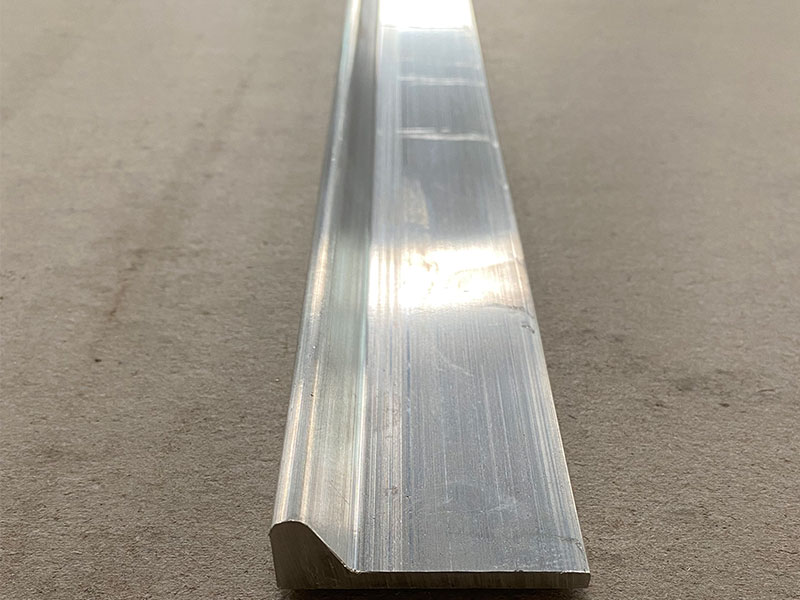
Marine aluminum I-beams
Marine Aluminum I-Beams feature the traditional “I” cross-sectional profile fabricated from marine-grade aluminum alloys like 5083, 5086, and 6061. These alloys are renowned for their outstanding corrosion resistance, especially in saltwater and marine atmospheres, making them ideal for offshore and naval construction.
View Details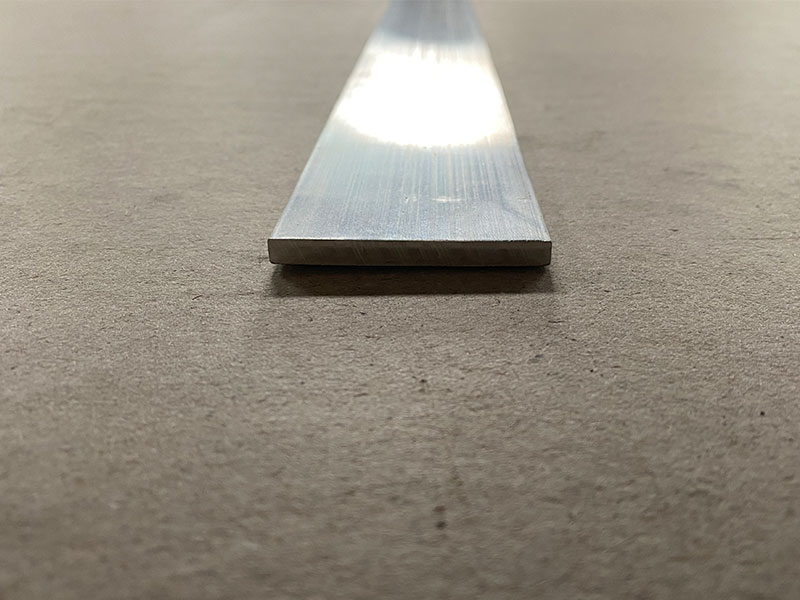
5083 marine aluminum flat bar
5083 aluminum flat bars belong to the 5xxx series of aluminum-magnesium alloys, known primarily for their superior resistance to seawater corrosion and salt spray.
View Details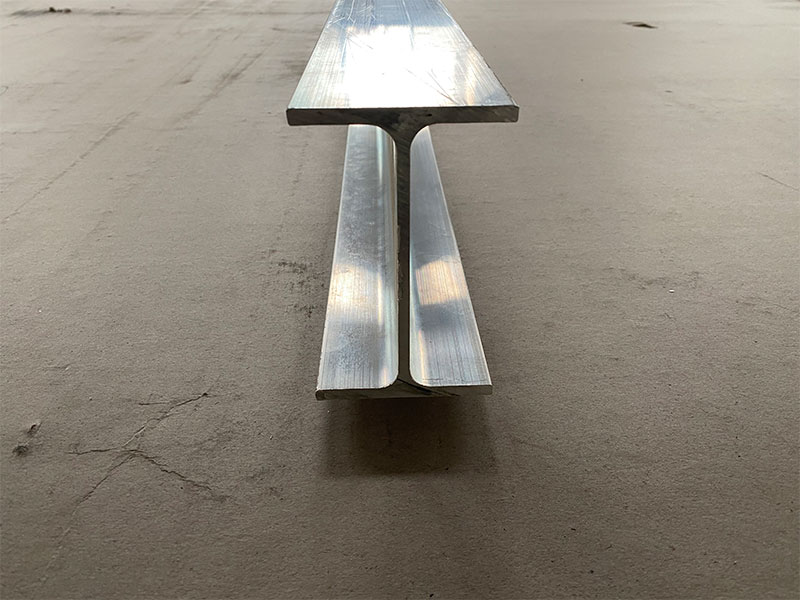
Marine aluminum Z-shaped sections
Marine Aluminum Z-shaped Sections are fabricated from premium marine-grade aluminum alloys such as 5083, 5052, and 6061. These alloys are well-regarded for their superior corrosion resistance in seawater and marine atmospheres, along with good mechanical strength and excellent weldability.
View Details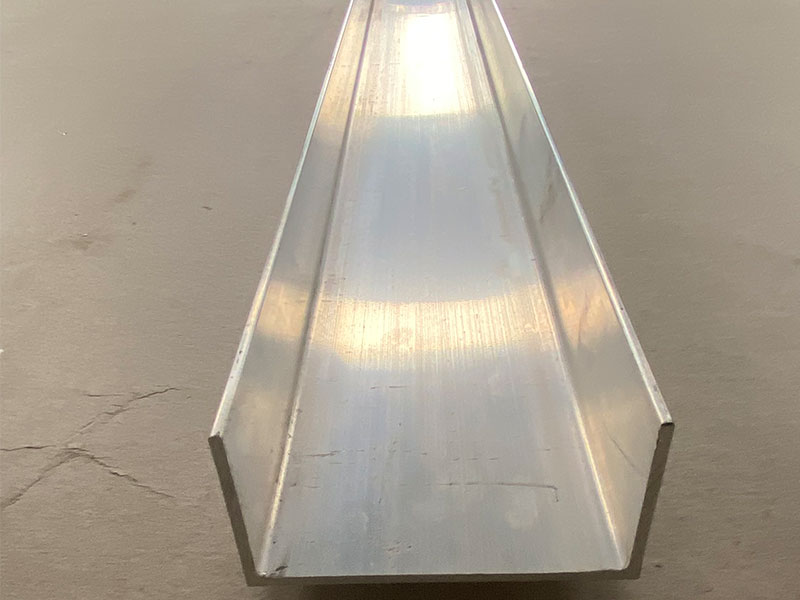
Marine aluminum channels
Marine Aluminum Channels are U-shaped aluminum profiles produced from alloys such as 5083, 5052, and 6061, known for their excellent marine corrosion resistance and superior mechanical strength.
View Details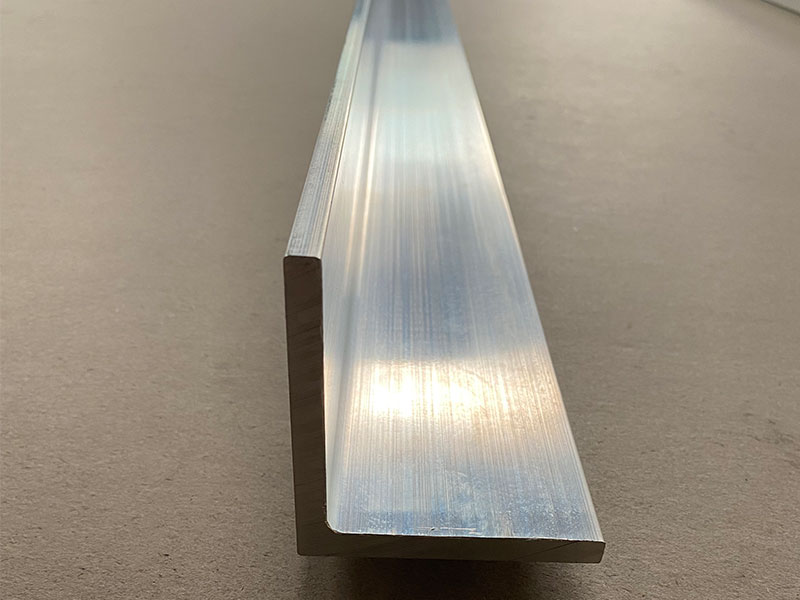
Marine aluminum angles
Marine Aluminum Angles are L-shaped cross-sectional aluminum profiles produced from marine-grade aluminum alloys such as 5083, 5052, and 6061.
View Details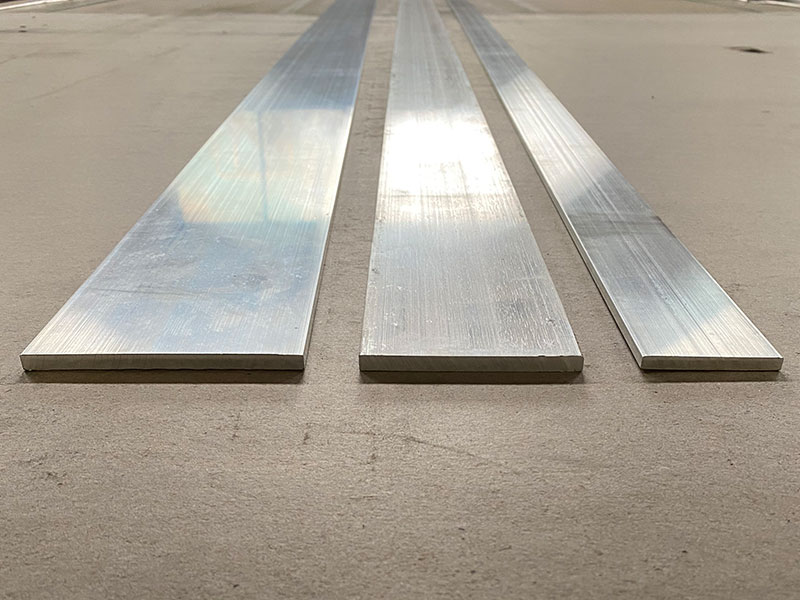
6061 T6 marine aluminum flat bar
6061 aluminum is classified as a heat-treatable 6xxx series alloy, alloyed primarily with magnesium and silicon. The T6 temper designation indicates that the flat bar has been solution heat-treated and artificially aged to achieve optimum strength and hardness.
View DetailsRelated Blog
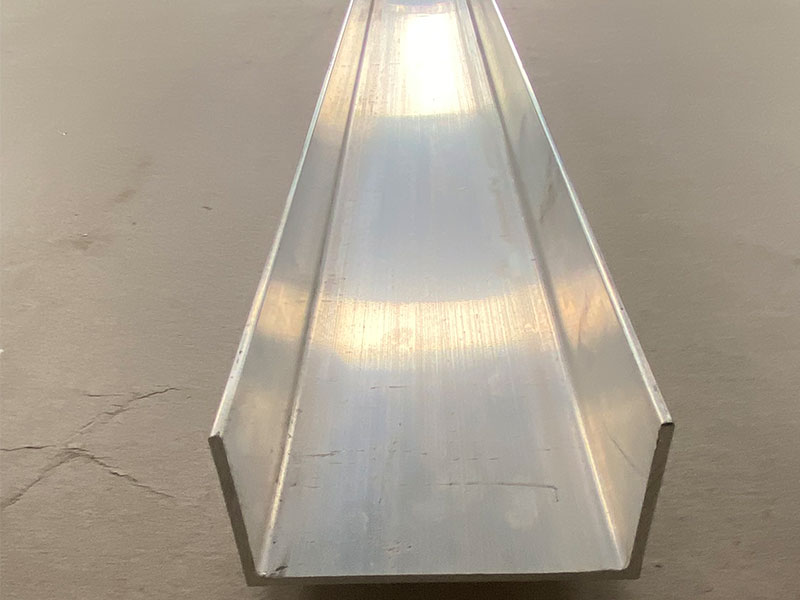
6061 Marine Aluminum Channels for Custom Marine Component Fabrication
When it comes to constructing reliable, corrosion-resistant, and durable marine structures, the choice of material is pivotal. Among several options.
View Details
6061 Marine Aluminum Rod & Bar for Durable Marine Engineering
6061 marine aluminum rod and bar, engineered for strength, corrosion resistance, and performance in harsh marine environments. Detailed specifications, chemical composition, temper conditions, and industrial standards included.
View Details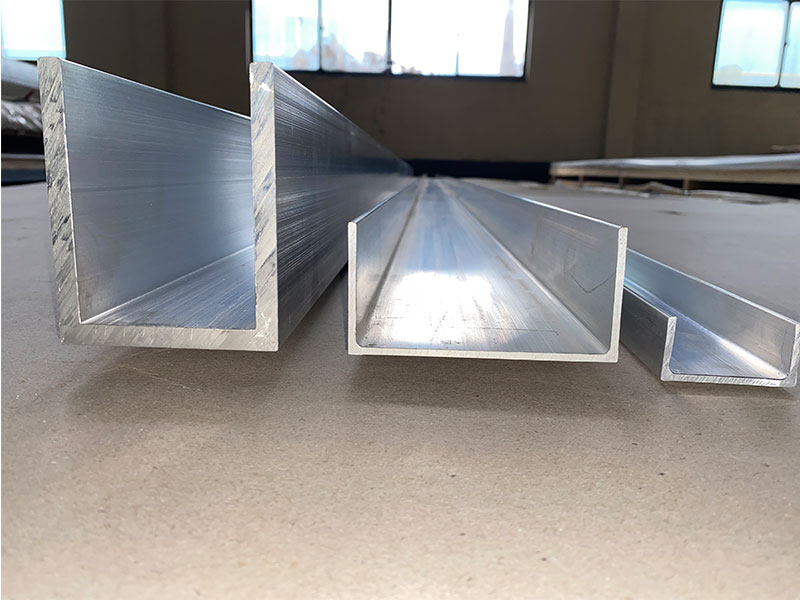
Marine Aluminum Round Bar for Custom Marine Vessel Construction
Our premium Marine Aluminum Round Bars, specially engineered for custom marine vessel construction. Explore detailed specifications, alloy compositions, temper conditions, and industry standards that ensure superior corrosion resistance, structural integr
View Details
6061 Marine Aluminum Channels for High Strength Coastal Engineering
Marine aluminum has revolutionized coastal engineering, and at the fulcrum of this evolution lies 6061 marine aluminum channels. These channels bring unparalleled strength, corrosion resistance.
View Details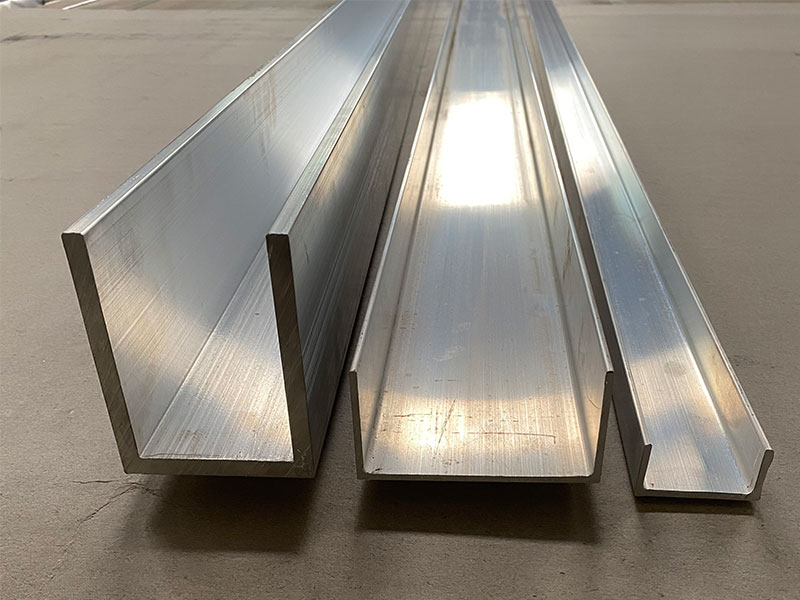
5083 Marine Aluminum Round Bar for Durable Offshore Vessel Parts
When it comes to constructing durable offshore vessel parts, material choice is paramount. Among various options, 5083 marine aluminum round bar stands out as a highly reliable and versatile solution.
View Details
6061 Marine Aluminum Rod & Bar for Durable Boat Deck Design
When it comes to crafting a boat deck that not only withstands the rigorous marine environment but also elevates performance and longevity, the choice of material is paramount.
View Details
Leave a Message