
Seamless Marine Aluminum Pipe Elbow for Ship Applications
Seamless Marine Aluminum Pipe Elbow for Ship Applications: Where Metallurgy Meets Hydrodynamics
In a ship’s piping system, the humble elbow is where fluid direction changes and engineering disciplines collide. It is the place where hydrodynamics, corrosion science, welding metallurgy, fatigue design, and classification standards all converge in a tight radius of curved metal.
When that elbow is a seamless marine aluminum pipe elbow, it stops being a mere fitting and becomes a strategic component in the vessel’s weight, efficiency, and lifecycle performance. it only as “a bent pipe” misses the deeper story.
Why Seamless Matters on a Ship
In a ship’s tight machinery spaces, elbows are everywhere: cooling loops, ballast lines, fire-fighting systems, fuel transfer, compressed air, grey water, and HVAC. Each turn in the system is a localized stress concentrator.
A welded elbow introduces two vulnerable regions: the weld metal and the heat-affected zone. On land, these may be acceptable trade-offs. At sea, with constant vibration, thermal cycling, salt spray, and sometimes poor access for inspection, a seam can become a lifetime liability.
A seamless marine aluminum elbow eliminates the longitudinal weld. The metal’s grain flow follows the curve, not a straight line, improving:
- Fatigue resistance under cyclic pressure and vibration
- Resistance to localized pitting at weld toes
- Integrity under bending loads from pipe misalignment or hull flexing
From a hydrodynamics viewpoint, a seamless elbow also offers smoother inner surfaces and more uniform wall thickness, allowing more predictable flow and reduced turbulence at the intrados and extrados. The result is lower pressure losses and less erosion in high-velocity services such as cooling water loops.
A Different Way to Think About Alloy and Temper
Instead of asking “Which aluminum alloy?” it is more revealing to ask “Which failure mode are we trying to avoid?”
In marine pipe elbows, the main enemies are:
- Chloride-induced pitting and crevice corrosion
- Erosion–corrosion from sand or air bubbles in seawater
- Stress corrosion cracking under tension
- Fatigue from pressure pulsation and vibration
- Softening or overaging from long-term temperature exposure
From this angle, the alloy and temper are not just material labels but risk management choices.
Marine aluminum elbows are commonly produced in 5xxx and 6xxx series alloys:
- 5xxx series (Al-Mg): Known for excellent seawater corrosion resistance and good weldability. Typical alloys: 5083, 5086, 5754.
- 6xxx series (Al-Mg-Si): Used when higher design strength, formability, or heat treatability are needed. Typical alloys: 6061, 6082.
The temper is a subtle but critical lever.
- Strain-hardened tempers like H112 or H116 (for 5xxx) preserve corrosion resistance while providing adequate strength and toughness, ideal for shipboard welded systems.
- Heat-treated tempers like T6 (for 6xxx) provide high strength, but in marine service, more relaxed tempers such as T5 or T651 can balance strength with better toughness and weld performance.
An engineer focused on long-term reliability in seawater will often prioritize 5xxx alloys with tempers designed to control magnesium in solid solution and avoid sensitization, especially in the 50–70 °C range where intergranular corrosion risk can rise.
International Standards as a Design Language
A truly marine-grade seamless aluminum elbow is not defined by marketing terms but by compliance with specific standards and class rules.
Relevant standards and rules typically include:
- ASTM B241 / B241M – Seamless aluminum and aluminum-alloy pipe and seamless extruded tube
- ASTM B361 – Factory-made wrought aluminum and aluminum-alloy welding fittings
- ASTM B209 – Aluminum and aluminum-alloy sheet and plate (for reference to composition and temper)
- EN 573 / EN 485 – European standards for chemical composition and mechanical properties
- ISO 209 / ISO 636 – International standards for wrought aluminum and welding consumables
- DNV, ABS, LR, BV rules – Requirements for marine piping systems and materials
When a seamless marine aluminum elbow is documented as, for example, “5083-H112 to ASTM B361, DNV-GL approved,” it encodes a chain of controls: chemical composition, mechanical properties, manufacturing method, test protocols, and acceptance criteria.
This standard ecosystem ensures that the elbow’s performance in a ship’s propulsion cooling circuit off West Africa is as predictable as in a ferry’s ballast water system in the Baltic.
Not Just Bent Metal: Controlled Geometry and Flow Behavior
An elbow in a marine line is a micro-hydraulic device. Its geometry determines how energy is lost, how cavitation begins, and how erosion patterns develop.
geometric parameters include:
- Nominal size: from small-bore instrumentation lines (DN 15) up to main cooling trunks (DN 600 and above)
- Wall thickness: scheduled as per ASME or custom-designed for classification society rules and project pressure ratings
- Radius of curvature: short radius (R ≈ 1D) or long radius (R ≈ 1.5D or more), affecting both pressure drop and space usage
- Angle of turn: typically 45°, 90°, or 180°, with custom deflection angles for complex routing
From a hydrodynamic standpoint:
- Long-radius elbows reduce turbulence, pressure loss, and erosion in seawater lines, ideal for continuous service cooling systems.
- Short-radius elbows save space in congested engine rooms but require careful consideration of local flow acceleration and potential cavitation where pressure drops sharply.
When the elbow is seamless, wall thickness is usually more uniform across the curvature, avoiding weak thin spots at the extrados that can emerge in poorly formed welded fittings. This uniformity improves both pressure containment and fatigue life.
The Metallurgical “Fingerprint” of Marine Aluminum Elbows
properties that matter offshore include:
- Yield strength and ultimate tensile strength for pressure containment and mechanical load
- Elongation for ductility, bending, and resistance to crack propagation
- Brinell hardness as a practical measure of wear and erosion resistance
- Conductivity and thermal behavior for heat-sensitive systems
- Resistance to exfoliation, intergranular corrosion, and stress corrosion cracking
Below is a typical chemical composition reference table for two widely used marine alloys in seamless elbows: 5083 and 6061. Actual production heat certificates (MTC) are always the definitive source.
Typical Chemical Composition of Marine Aluminum Alloys (wt%)
| Alloy | Si | Fe | Cu | Mn | Mg | Cr | Zn | Ti | Others (each) | Others (total) | Al |
|---|---|---|---|---|---|---|---|---|---|---|---|
| 5083 | ≤0.40 | ≤0.40 | ≤0.10 | 0.40–1.00 | 4.0–4.9 | 0.05–0.25 | ≤0.25 | ≤0.15 | ≤0.05 | ≤0.15 | Balance |
| 6061 | 0.40–0.80 | ≤0.70 | ≤0.40 | 0.15–0.40 | 0.80–1.20 | 0.04–0.35 | ≤0.25 | ≤0.15 | ≤0.05 | ≤0.15 | Balance |
These compositions are deliberately controlled. Magnesium in 5083 is responsible for both strength and seawater resistance, but excessive Mg and improper thermal history can promote sensitization and intergranular corrosion. Chromium additions help stabilize grain boundaries.
In 6061, the Mg-Si system forms strengthening precipitates. Heat treatment sequences (solution heat treatment, quenching, artificial aging) define tempers like T6 or T651, balancing strength and toughness.
Representative Mechanical and Performance Parameters
For shipboard engineering, the material certificate for a seamless aluminum elbow typically lists:
- Tensile properties: yield strength, ultimate tensile strength, elongation
- Hardness: Brinell HBW value
- Density: for weight calculations and comparison with steel
- Modulus of elasticity: for flexibility and vibration analysis
- Operating temperature range: for hot water, oil, or air services
- Corrosion resistance parameters: passing of specific seawater or salt spray tests when required
Typical room-temperature values (indicative, not design values):
| Alloy & Temper | Tensile Strength Rm (MPa) | Yield Strength Rp0.2 (MPa) | Elongation A50 (%) | Brinell Hardness HBW | Density (g/cm³) |
|---|---|---|---|---|---|
| 5083-H112 | ~275 | ~125–145 | ~12–16 | ~75 | ~2.66 |
| 5083-O | ~275 | ~110 | ~18–20 | ~70 | ~2.66 |
| 6061-T6 | ~290–320 | ~240 | ~8–12 | ~95 | ~2.70 |
| 6082-T6 | ~310–340 | ~260 | ~8–12 | ~95–100 | ~2.70 |
A marine engineer will interpret these numbers not only in isolation, but in context:
- Higher strength allows thinner walls and lighter systems, but too high a hardness may increase notch sensitivity and reduce toughness at low temperatures.
- Higher elongation supports forming and bending during installation and improves tolerance against misalignment and hull flexure.
- Lower density compared with steel dramatically cuts system weight, directly improving vessel stability and fuel efficiency.
In actual shipbuilding, a seamless elbow never stands alone. It is welded into a system of straight pipes, reducers, tees, flanges, and valves. The most carefully specified fitting can be undermined by poor welding practice or incompatible filler metal.
welding considerations include:
- Matching or compatible filler alloys designed for 5xxx or 6xxx base material
- Control of heat input to avoid excessive softening (in 6xxx) or sensitization (in 5xxx)
- Use of inert shielding gases like argon or helium mixes to maintain clean weld pools
- Post-weld inspection regimes: visual, radiographic (if required), and hydrostatic tests
A good practice is to align the elbow’s grain flow and mechanical direction with the primary stress line in the piping run. Because the metal in a seamless elbow has been plastically deformed along the bend, it may have directional properties that a skilled designer can exploit.
This is where the seeming “simplicity” of aluminum shows its true complexity: thermal conductivity is high, so heat dissipates quickly in welding; oxide films form rapidly and must be managed; and the interaction between temper and weld zone properties must be understood to ensure consistent system performance.
Corrosion: A Systems-Level View of an Aluminum Elbow in Seawater
Marine aluminum alloys rely on a stable, adherent aluminum oxide film for their corrosion resistance. In a shipboard elbow:
- The outer surface sees a splash zone environment with salt, humidity, and cyclic wet–dry exposure.
- The inner surface might carry raw seawater, treated water, fuel, or air, each with different chemical and erosion patterns.
- Crevices at gasket interfaces, supports, and clamps can create differential aeration cells.
In seawater systems, 5xxx alloy seamless elbows often function as part of an all-aluminum line or are carefully electrically isolated from dissimilar metals. Sacrificial anodes or impressed current cathodic protection systems must be designed to avoid overprotection that could induce hydrogen effects or underprotection that leads to galvanic attack.
The elbow becomes the “navigator” of galvanic currents where the pipeline changes direction and cross-section. Correct alloy selection and isolation methods prevent the elbow from becoming an unintended sacrificial component in contact with more noble materials such as copper-nickel or stainless steel.
Weight, Stability, and Fuel: Strategic Advantages of Aluminum Elbows
From a naval architect’s viewpoint, swapping steel components for aluminum is not simply about corrosion resistance. It is about the global mass distribution of the vessel.
Seamless aluminum elbows contribute to:
- Reduced topside weight in piping systems on superstructures, passenger decks, and offshore modules
- Lower inert weight in ballast transfer and cooling systems, enhancing payload capacity
- Improved stability margins due to lower center of gravity when upper deck systems are lighter
Replacing steel elbows with aluminum ones in low-to-medium pressure systems can achieve weight savings of more than 50 percent in those lines, with ripple effects on support structures, foundations, and even hull scantlings.
Typical Application Scenarios Onboard
In practice, seamless marine aluminum elbows are selected for:
- Sea water cooling circuits for engines, generators, and HVAC chillers
- Ballast and bilge water piping where corrosion and weight are both concerns
- Grey and fresh water distribution in superstructures and accommodation blocks
- Compressed air and inert gas lines where internal corrosion risk is lower but weight and lifetime are critical
- Offshore and naval vessels where stealth, speed, and rapid acceleration demand aggressive weight optimization
Shipyards often standardize elbow types and alloys across fleets to simplify procurement, spares, and maintenance training, while still customizing wall thickness and radius for particular high-stress or high-flow locations.
A Distinctive View: The Elbow as a “Material Decision Point”
Each elbow in a ship is a material decision point, where physics, economics, and safety intersect. At that bend, the designer silently answers questions such as:
- What do I fear more here: corrosion, fatigue, or impact?
- Is mass my enemy or my ally in this part of the vessel?
- Am I designing for 5 years, 25 years, or 50 years of service?
- How easy will this be to inspect or replace at sea?
Choosing a seamless marine aluminum pipe elbow is, in effect, a statement that:
- Seam integrity matters under marine vibration and fatigue loading.
- Corrosion resistance in chloride-rich environments is a design priority.
- Weight saving is worth the effort of correct alloy selection, welding practice, and galvanic management.
When alloy chemistry, temper, geometry, standards, welding procedures, and corrosion control are harmonized, the result is not just a fitting but a durable, high-performance node in the ship’s circulatory system.
Bringing It All Together
A seamless marine aluminum pipe elbow for ship applications is the product of layered engineering decisions:
- Alloy chemistry tailored to seawater resistance and mechanical demands
- Temper selection balancing strength, toughness, and weld performance
- Seamless manufacturing to align grain flow and eliminate weld-line vulnerabilities
- Geometrical design to manage fluid dynamics, erosion, and space constraints
- Compliance with marine and piping standards to ensure predictable behavior across fleets
Seen from this integrated viewpoint, the elbow is no longer a commodity. It becomes a compact expression of the vessel’s design philosophy: lighter, more efficient, corrosion-resilient, and engineered for the relentless, cyclic demands of the marine environment.

Related Products
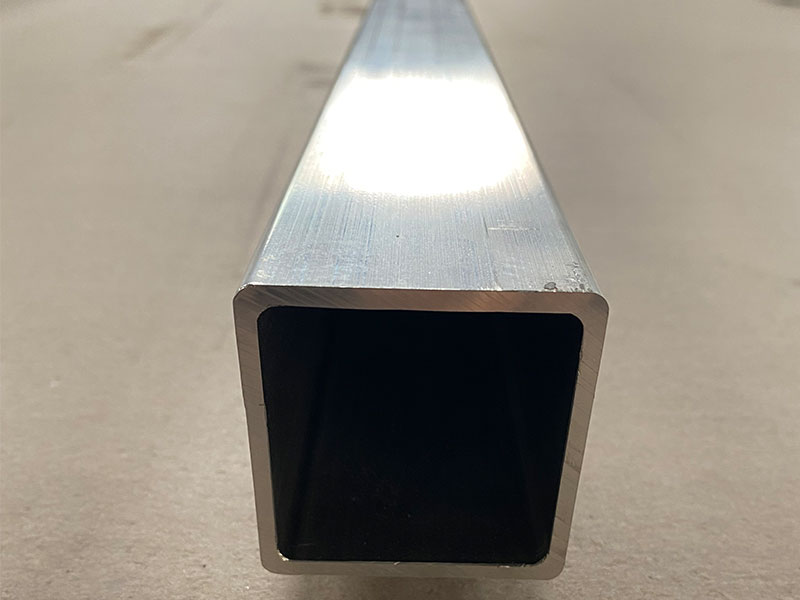
Marine aluminum square tubes
Marine Grade Aluminum Square Tubes are typically constructed from marine-grade alloys such as 5083, 5052, 6061, and 6082—well-known for their ability to withstand the aggressive effects of saltwater and marine atmospheres.
View Details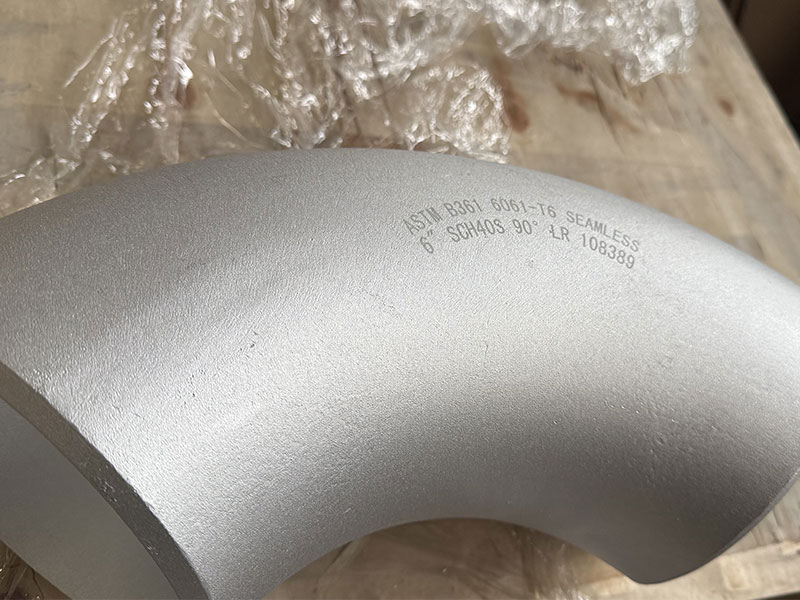
6061-T6 90-Degree Marine Aluminum Pipe Elbow
Manufactured from premium 6061-T6 marine-grade aluminum alloy, this elbow fitting is engineered to provide reliable and efficient pipe direction changes within shipbuilding, offshore platforms, and marine infrastructure systems.
View Details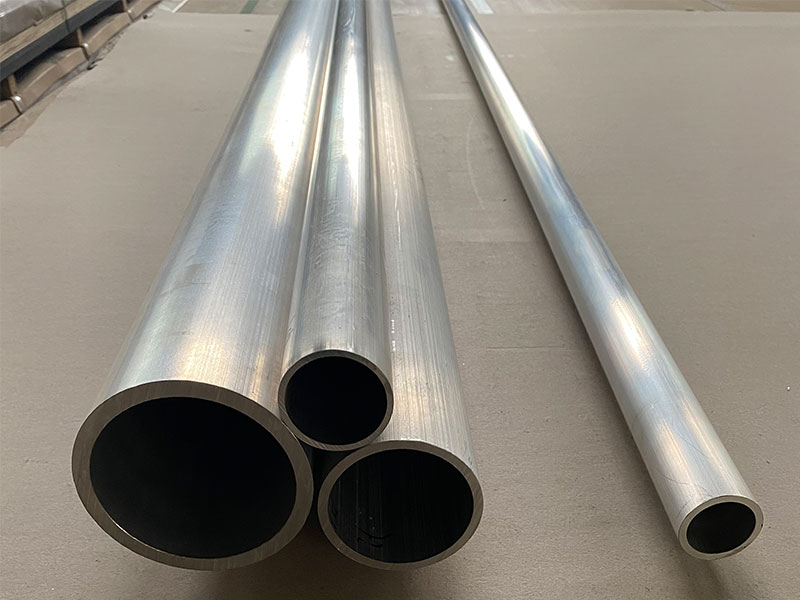
Marine aluminum round tubes
Marine Grade Aluminum Round Tubes are manufactured from premium marine alloys such as 5083, 5052, 6061, and 6082, all selected for their proven resistance to seawater corrosion and marine atmosphere degradation.
View Details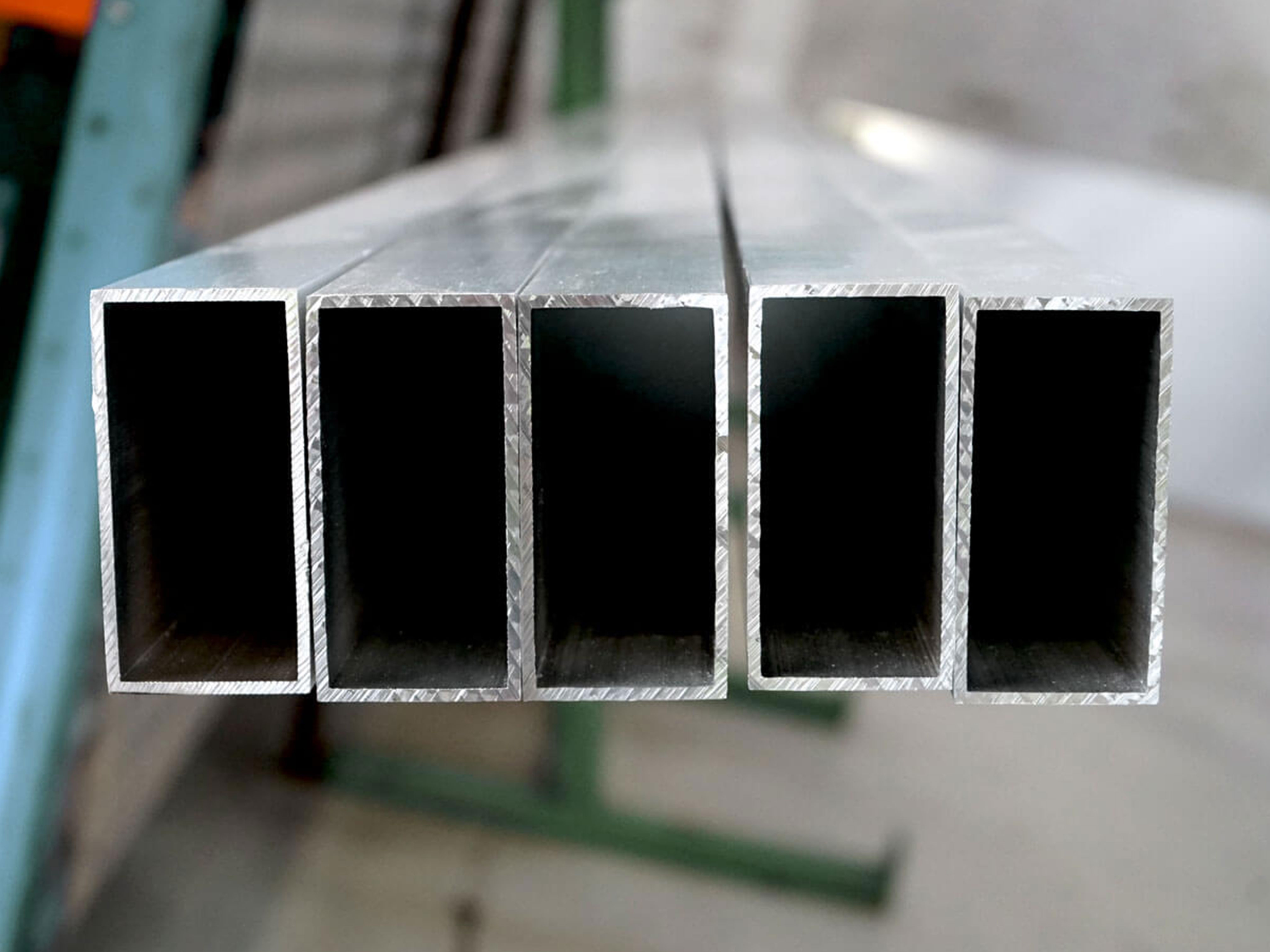
Marine aluminum rectangular tubes
Marine Grade Aluminum Rectangular Tubes are made from high-performance alloys such as 5083, 5052, 6061, and 6082. These alloys are renowned for their ability to resist corrosive seawater and marine atmospheres while providing excellent mechanical strength and toughness.
View Details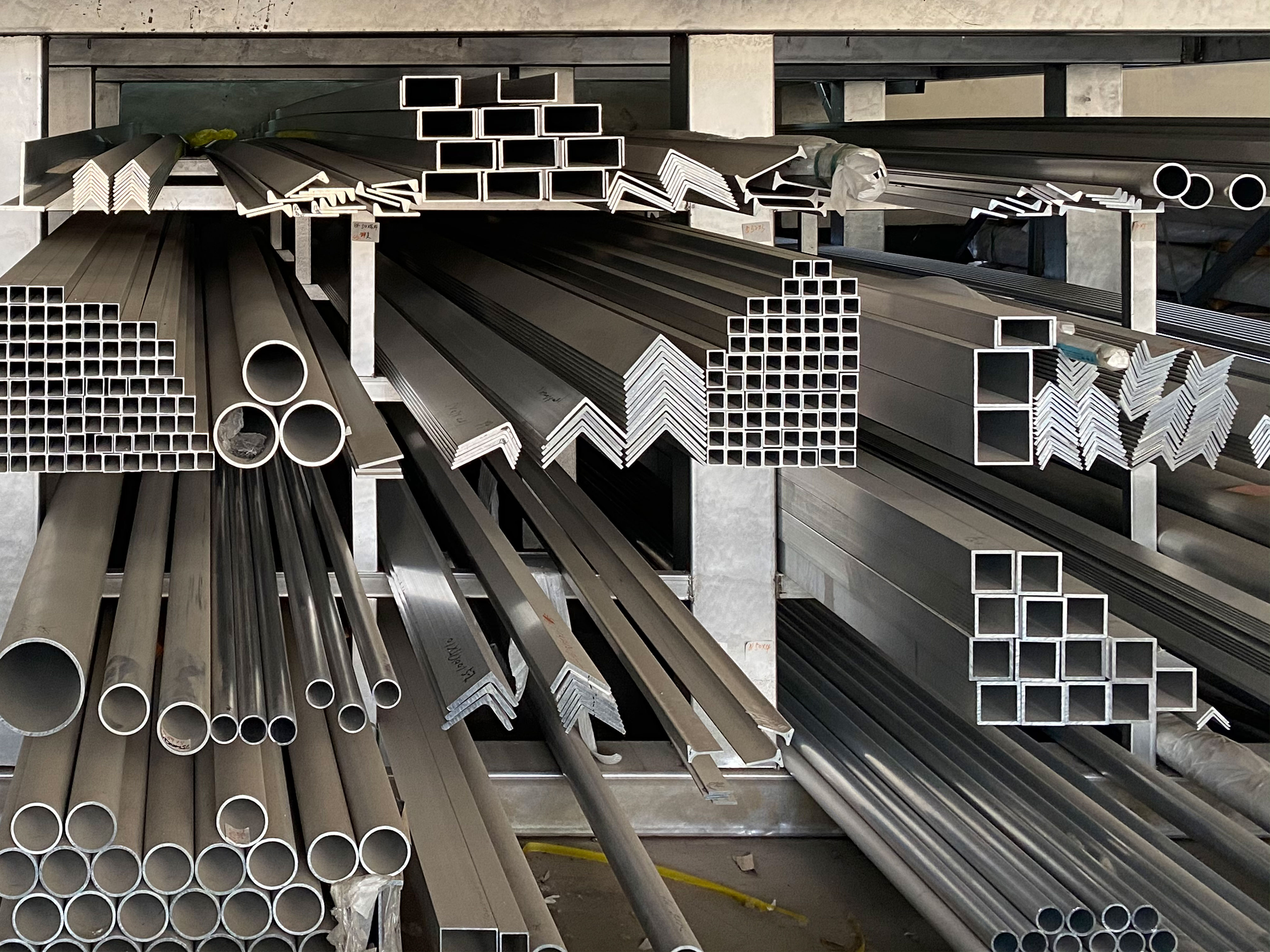
Custom marine aluminum profile tubes
Custom Marine Grade Aluminum Profile Tubes are manufactured from premium marine aluminum alloys such as 5083, 5052, 6061, and 6082.
View DetailsRelated Blog
Custom Marine Aluminum Elbow Fittings for Marine Industry
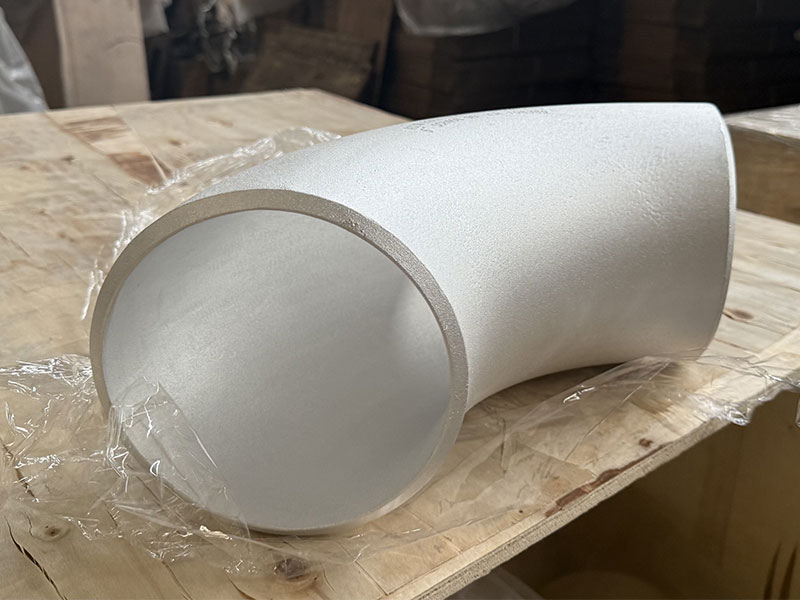
Custom marine aluminum elbow fittings are specialized pipe and tube fittings engineered for use in harsh marine environments. Designed to change the direction of fluid, air, or cable runs on vessels, offshore platforms, and coastal installations.
View Details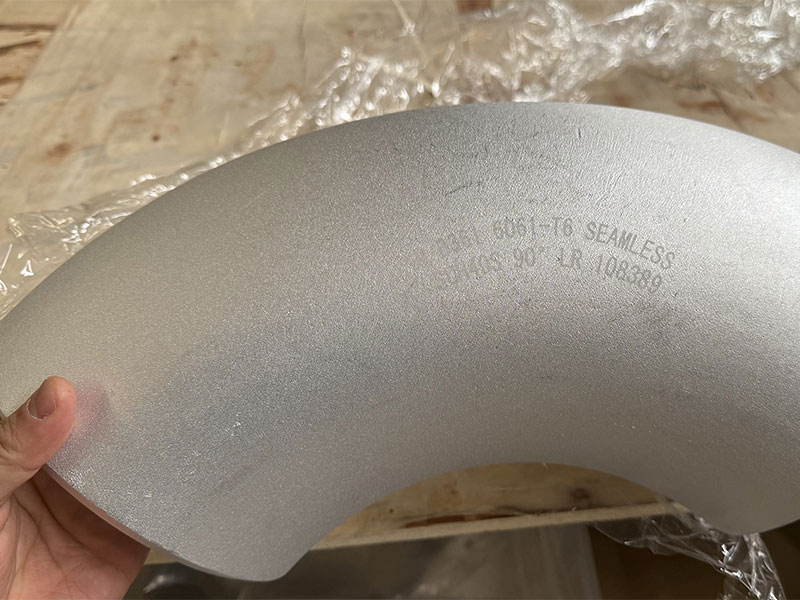
Custom Made Marine Aluminum Elbow for Offshore Installations
Custom made marine aluminum elbows are corrosion‑resistant, lightweight, and high‑strength fittings engineered for offshore installations, topside piping, and subsea support systems.
View Details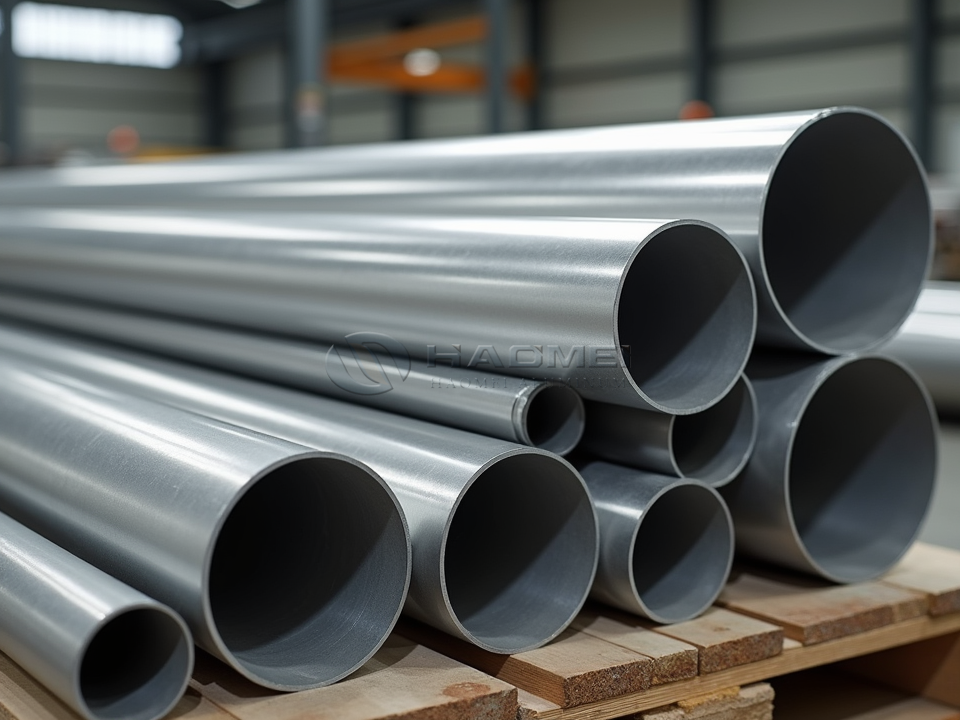
Aluminum Marine Elbow for Waste Heat Recovery on Offshore Platforms
Marine aluminum elbow for offshore waste heat recovery, with alloy options, corrosion resistance, bend geometry, pressure data, and order specs.
View Details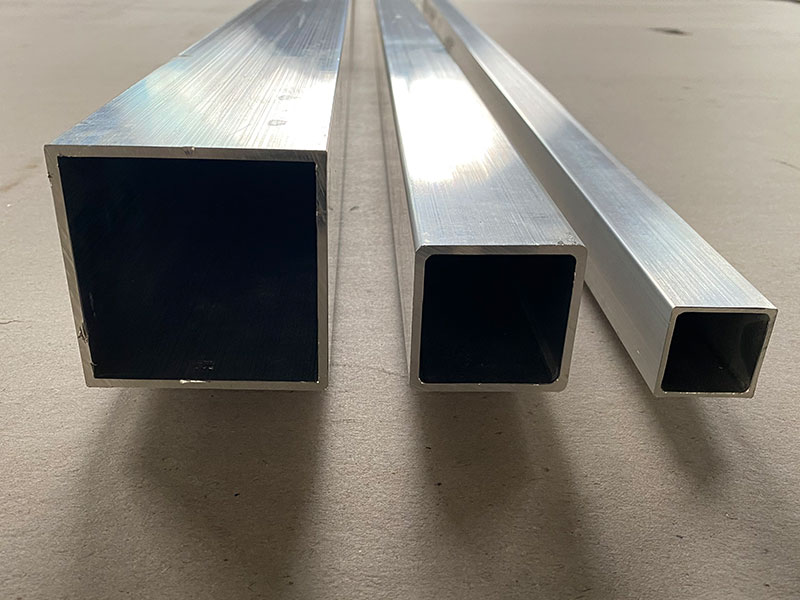
6082 Marine Aluminum Square Tubes for Saltwater Resistant Applications
When marine structures meet saltwater, materials face a relentless mix of chloride attack, wet–dry cycling, abrasion, and galvanic exposure to dissimilar metals.
View Details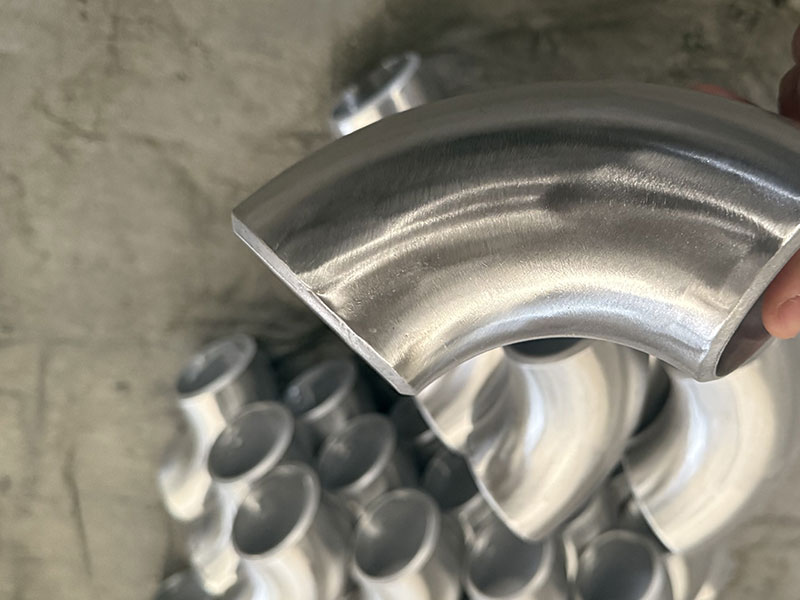
Aluminum Elbow for High Pressure Saltwater Pipelines on Ships
In modern shipbuilding and marine engineering, the integrity and durability of high pressure saltwater pipelines stand as a critical priority.
View Details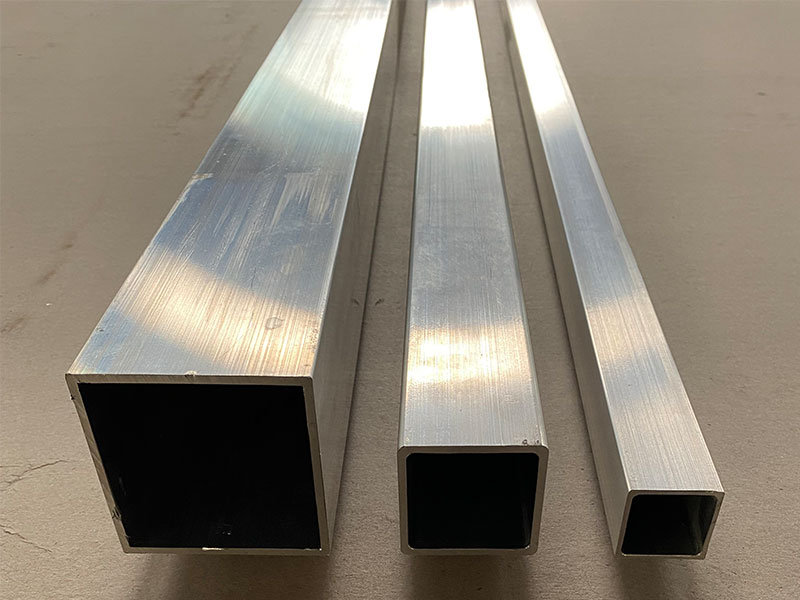
Marine Aluminum Tubes for Coastal Construction Projects
Manufacturers in the construction sector increasingly recognize the importance of incorporating marine aluminum tubes into coastal building projects. Due to their unique material properties, lightweight structure, and resistance to corrosion.
View Details
Leave a Message