
Aluminum Pipe Elbow for Shipboard Hydraulic Fluid and Gas Systems
Built for Controlled Direction Changes at Sea
An aluminum pipe elbow is a compact but essential fitting in shipboard fluid networks. It changes the direction of a pipe run while preserving dependable flow through hydraulic circuits, compressed-air lines, inert-gas systems, ventilation auxiliaries, and other approved low- to medium-pressure services. In marine installations, the elbow must do more than turn a line: it must tolerate vibration, resist a salt-laden atmosphere, fit within congested machinery spaces, and maintain a clean internal passage.
Marine aluminum elbows are commonly produced in 45-degree, 90-degree, and 180-degree configurations. The 90-degree style is widely selected where piping must move around bulkheads, pumps, tanks, machinery foundations, or structural members. With the right alloy, wall thickness, end preparation, and bend radius, an aluminum elbow supports a lighter and more serviceable piping arrangement than many conventional metallic alternatives.
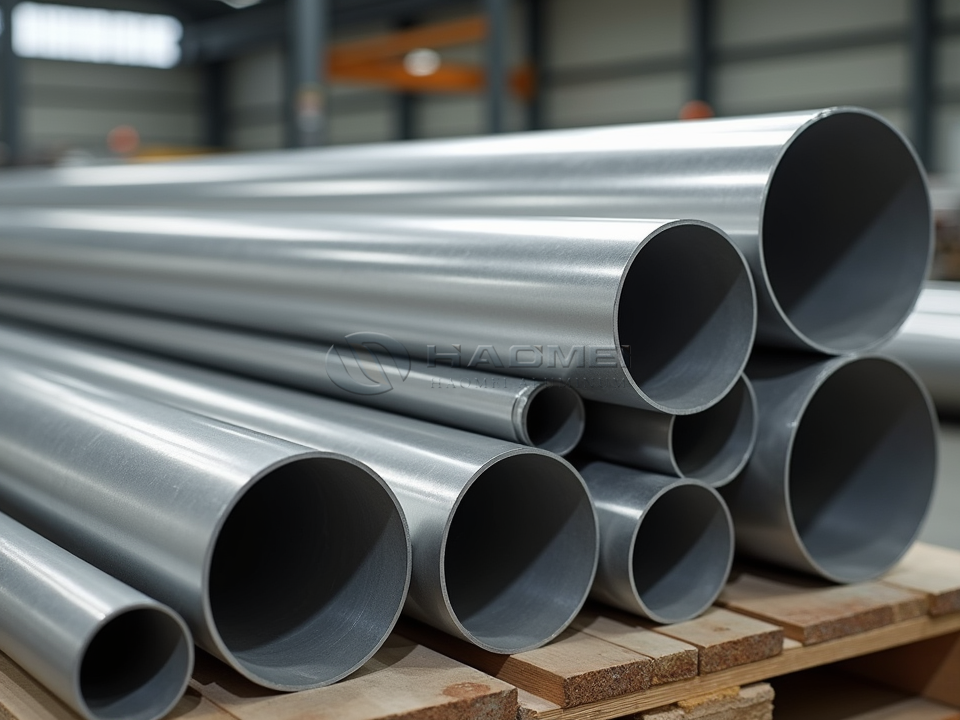
Product Characteristics
A properly made aluminum pipe elbow offers a smooth curved bore that reduces abrupt flow disruption compared with sharp fabricated corners. This is especially valuable in hydraulic systems, where unnecessary turbulence can add pressure loss, heat generation, and noise. Long-radius elbows provide a gentler direction change, while short-radius elbows are useful where available installation space is restricted.
The material's low density helps reduce the mass of piping assemblies installed on decks, inside accommodation areas, and around machinery. Less weight can simplify support design and improve handling during fabrication or onboard repair. Aluminum also forms a natural oxide film that contributes to atmospheric corrosion resistance. For demanding marine exposure, surface protection, controlled drainage, correct isolation from dissimilar metals, and suitable coating practice remain important.
| Feature | Marine Value |
|---|---|
| Low density | Reduces piping-system weight and eases handling during installation |
| Smooth bend geometry | Helps maintain stable flow and limits localized pressure loss |
| Corrosion-resistant aluminum surface | Performs well in humid, salt-air environments with proper protection |
| Weldable alloy options | Supports permanent pipe routing and custom spool fabrication |
| Multiple end styles | Available for butt welding, socket welding, flanged, threaded, or compression connections |
| Compact directional routing | Assists installation in restricted engine-room and deck-space layouts |
| Non-magnetic material | Suitable where magnetic interference must be minimized |
Suitable Alloy and Temper Options
6061-T6 is a frequent choice for structural and pressure-related marine components because it combines useful strength, good machinability, and practical weldability. It is often specified for elbows used with compatible hydraulic fluid, lubricating oil, compressed air, and inert gas, subject to the design code and service pressure. For applications exposed to seawater splash, bilge moisture, or persistent chloride contamination, 5052, 5083, or 5086 alloy options may be considered according to the full piping design.
The temper must be selected with the manufacturing route in mind. A seamless or formed elbow can retain the intended mechanical condition more consistently than a heavily welded fabrication. Where welding is required, the heat-affected zone may have lower strength than the parent T6 material. Pressure calculations and inspection requirements should therefore use the condition of the finished component, not only the starting temper designation.
| Typical Alloy | Temper Option | Practical Use in Marine Elbows |
|---|---|---|
| 6061 | T6, T651 | Hydraulic and general technical pipe systems requiring strength and machinability |
| 6063 | T5, T6 | Light-duty fluid routing and fabricated pipe assemblies with good forming characteristics |
| 5052 | H32, H34 | Corrosion-conscious low-pressure lines and fabricated marine components |
| 5083 | H111, H116 | Severe marine exposure and corrosion-sensitive installations |
| 5086 | H32, H116 | Marine piping structures and equipment requiring strong corrosion performance |
For matching straight sections, Marine Grade Aluminum Tubing can be selected with compatible outside diameter, wall thickness, alloy, and joining method. Consistent material selection across elbows, pipe, couplings, and supports improves fabrication control and helps prevent avoidable compatibility issues.
Typical Chemical Composition of 6061 Aluminum
The chemistry of 6061 provides a balanced combination of magnesium and silicon, forming magnesium silicide for age-hardening response. Values shown are commonly used reference limits for 6061 alloy and should be confirmed against the applicable material certificate and governing standard for each order.
| Element | Typical Specification Limit, % by Weight |
|---|---|
| Magnesium | 0.80-1.20 |
| Silicon | 0.40-0.80 |
| Iron | 0.70 max. |
| Copper | 0.15-0.40 |
| Chromium | 0.04-0.35 |
| Manganese | 0.15 max. |
| Zinc | 0.25 max. |
| Titanium | 0.15 max. |
| Other elements, each | 0.05 max. |
| Aluminum | Balance |
Design Details That Matter in Hydraulic and Gas Service
Elbow selection should start with the medium, operating pressure, temperature range, flow rate, nominal pipe size, and applicable marine rules. Hydraulic fluid systems demand reliable leak control and interior cleanliness. Burrs, oxide particles, machining chips, and welding residue can damage pumps, valves, and servo components. Elbows intended for sensitive hydraulic lines should be cleaned, capped, and protected from contamination before installation.
For gas systems, pressure containment, end-connection integrity, and compatibility with the specific gas are critical. Compressed air and inert-gas service may have different requirements from oxygen, fuel gas, refrigerants, or fire-protection media. Such systems require separate review of material compatibility, cleanliness, joining procedures, pressure rating, and class approval where applicable. Aluminum elbows should not be selected solely by size; the complete service condition governs the final specification.
| Parameter | Common Selection Range or Requirement |
|---|---|
| Elbow angle | 45 degrees, 90 degrees, 180 degrees, or custom angle |
| Bend radius | Short radius or long radius according to space and flow needs |
| Pipe outside diameter | Produced to match the selected marine pipe or tube system |
| Wall thickness | Determined by pressure calculation, corrosion allowance, and installation loads |
| End connection | Plain end, beveled weld end, socket end, flange preparation, or threaded end |
| Surface condition | Mill finish, polished, anodized, painted, or protected for shipment |
| Inspection | Dimensional verification, visual inspection, pressure testing, or NDT as specified |
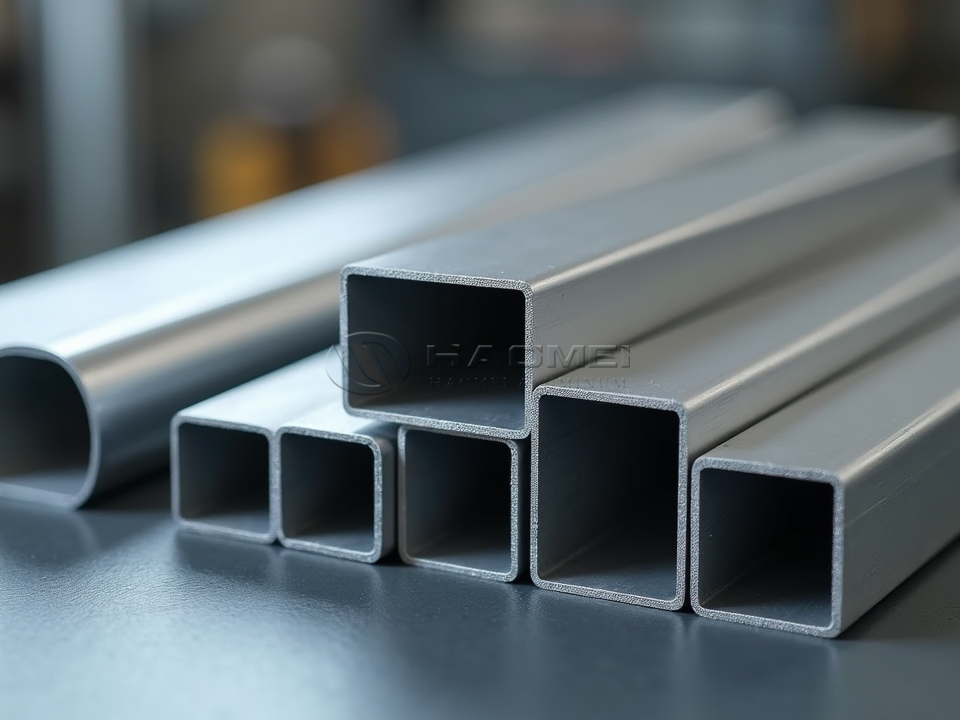
Applications Across the Vessel
Aluminum pipe elbows are used where lightweight routing and corrosion-conscious construction are valuable. In hydraulic arrangements, they can connect steering gear lines, hatch-cover hydraulics, crane and davit power units, winch auxiliaries, stabilizer equipment, and deck machinery circuits. Their compact geometry helps guide lines through narrow passageways while maintaining appropriate bend layout.
In gas and pneumatic systems, elbows can be incorporated into compressed-air distribution lines, instrument-air networks, nitrogen purge arrangements, and selected ventilation or equipment support lines. They are also useful in accommodation vessels, workboats, ferries, patrol craft, yachts, offshore support vessels, and aluminum-hull craft where material continuity and weight control are especially important.
For installations requiring a standard right-angle fitting in a high-strength aluminum system, the 6061-T6 90-Degree Marine Aluminum Pipe Elbow provides a practical reference point for specifying dimensions, connection details, and fabrication requirements.
Installation and Service Considerations
Use supports close enough to the elbow to limit vibration and prevent pipe loads from transferring into the fitting. Avoid direct contact between aluminum and copper-bearing alloys, unprotected carbon steel, or other dissimilar metals where moisture can create galvanic corrosion. Dielectric barriers, compatible fasteners, sealants, and protective coatings can help preserve the installation.
During commissioning, flush hydraulic lines to the required cleanliness level and inspect every joint for leakage. For gas piping, conduct pressure testing in accordance with the approved procedure and vessel rules. Regular inspection should focus on coating damage, support movement, fretting marks, corrosion around interfaces, and any evidence of deformation. With correct alloy selection, disciplined fabrication, and service-specific engineering, aluminum pipe elbows provide efficient directional control for dependable shipboard hydraulic fluid and gas systems.

Related Products
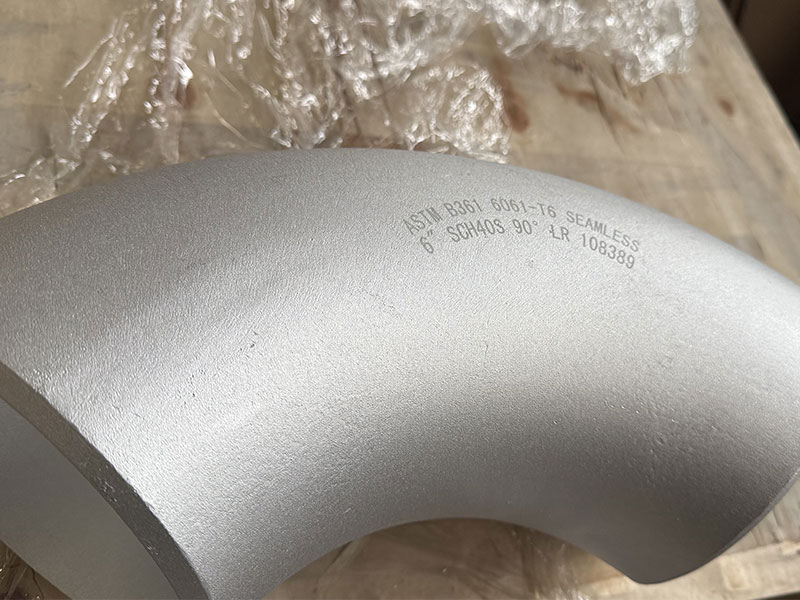
6061-T6 90-Degree Marine Aluminum Pipe Elbow
Manufactured from premium 6061-T6 marine-grade aluminum alloy, this elbow fitting is engineered to provide reliable and efficient pipe direction changes within shipbuilding, offshore platforms, and marine infrastructure systems.
View Details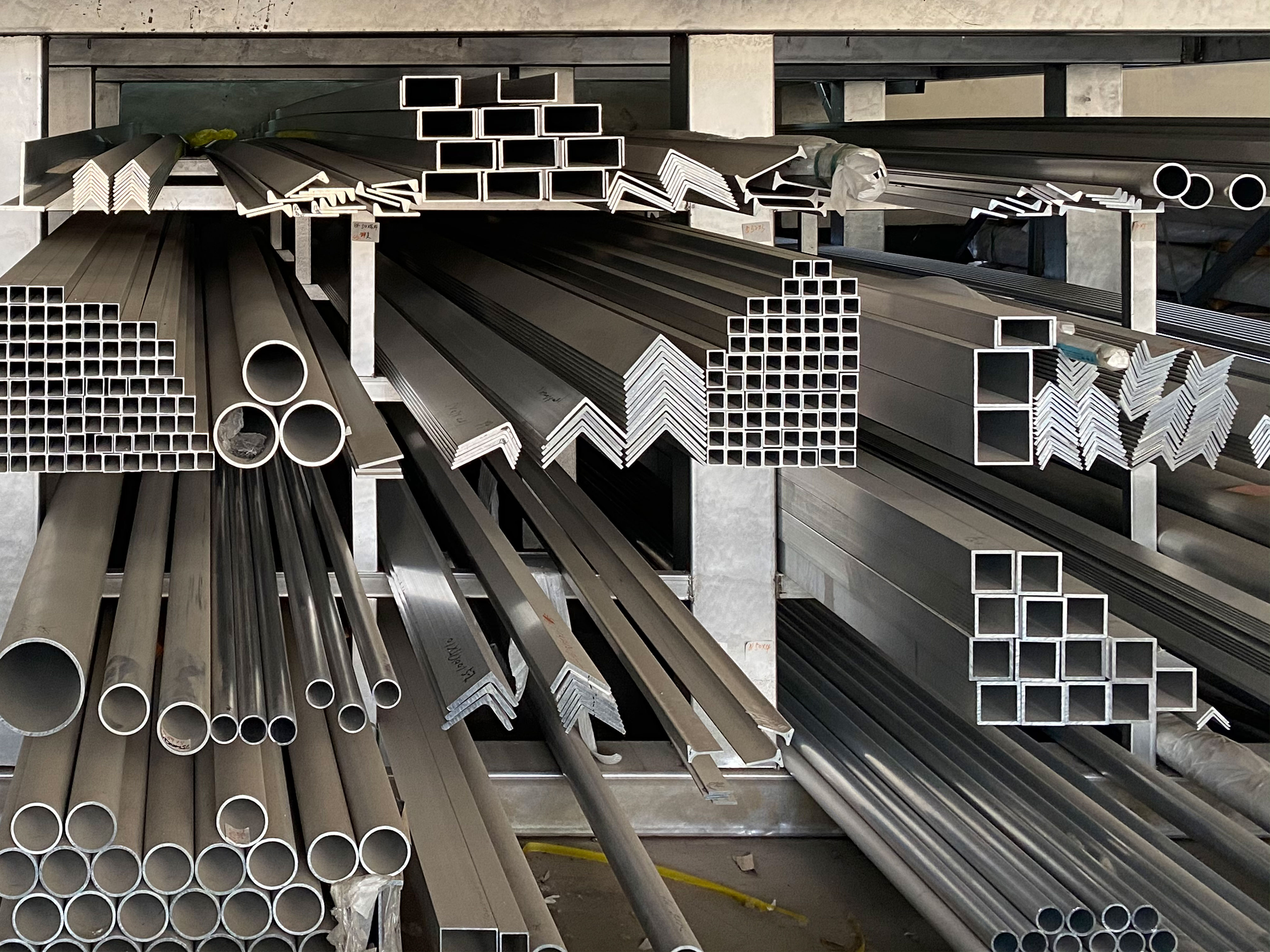
Custom marine aluminum profile tubes
Custom Marine Grade Aluminum Profile Tubes are manufactured from premium marine aluminum alloys such as 5083, 5052, 6061, and 6082.
View Details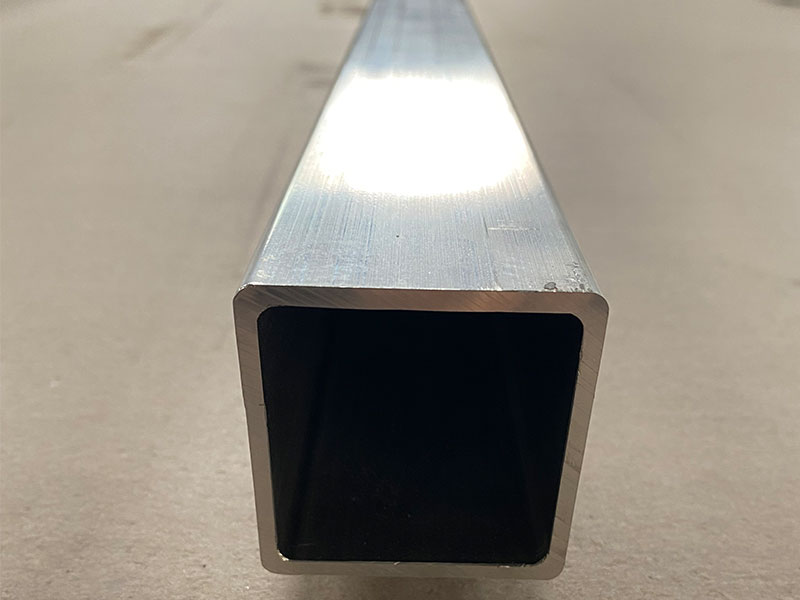
Marine aluminum square tubes
Marine Grade Aluminum Square Tubes are typically constructed from marine-grade alloys such as 5083, 5052, 6061, and 6082—well-known for their ability to withstand the aggressive effects of saltwater and marine atmospheres.
View Details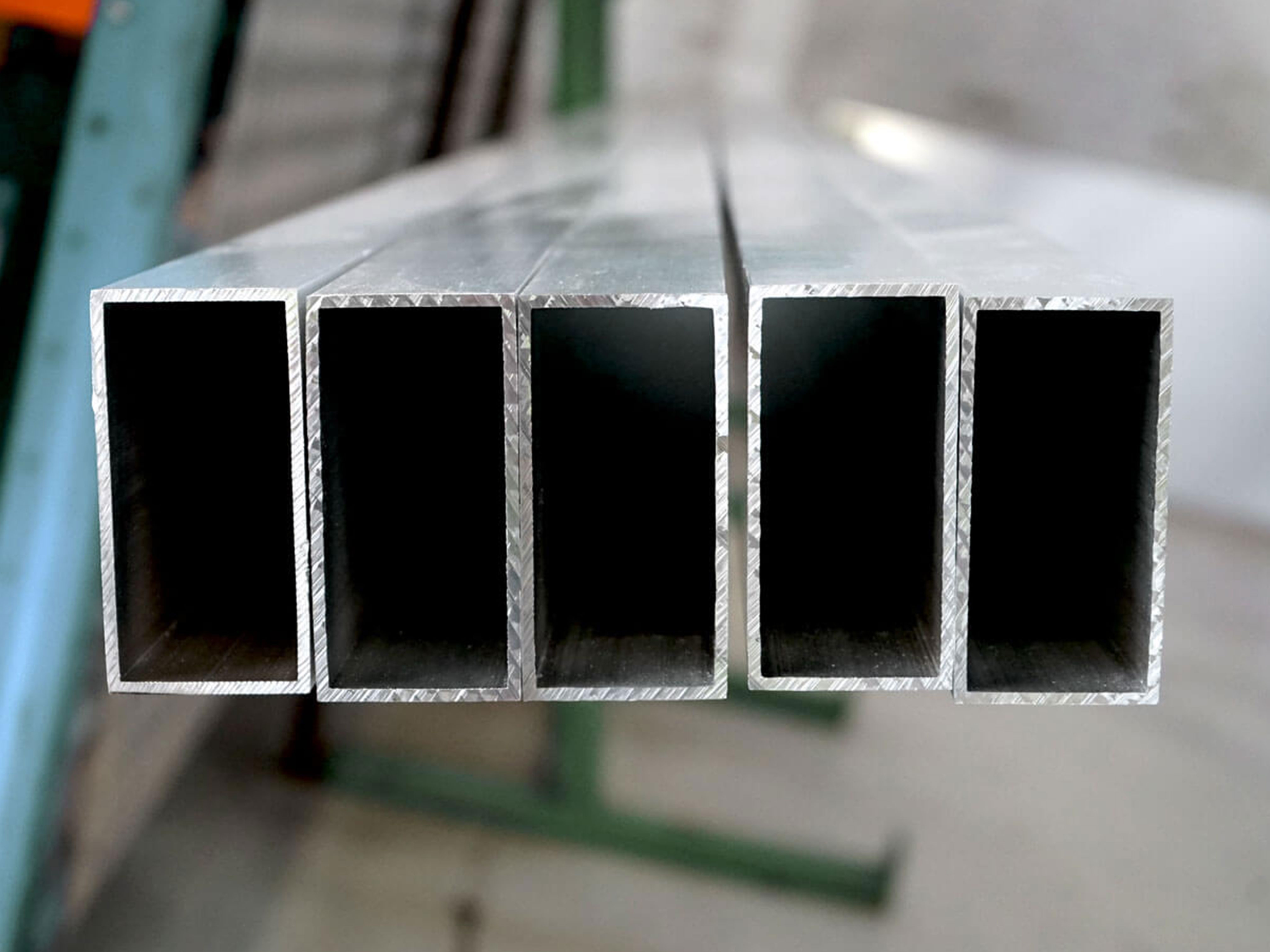
Marine aluminum rectangular tubes
Marine Grade Aluminum Rectangular Tubes are made from high-performance alloys such as 5083, 5052, 6061, and 6082. These alloys are renowned for their ability to resist corrosive seawater and marine atmospheres while providing excellent mechanical strength and toughness.
View Details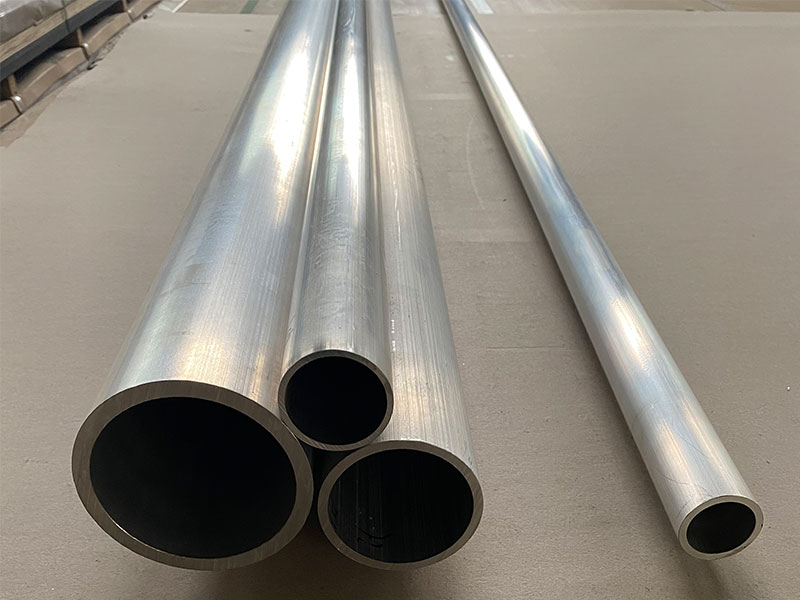
Marine aluminum round tubes
Marine Grade Aluminum Round Tubes are manufactured from premium marine alloys such as 5083, 5052, 6061, and 6082, all selected for their proven resistance to seawater corrosion and marine atmosphere degradation.
View DetailsRelated Blog
Marine Aluminum Elbow for Shipboard Water and Chemical Supply Lines
Explore marine aluminum elbows for shipboard water and chemical lines, including alloys, tempers, dimensions, corrosion control, standards, and use cases.
View Details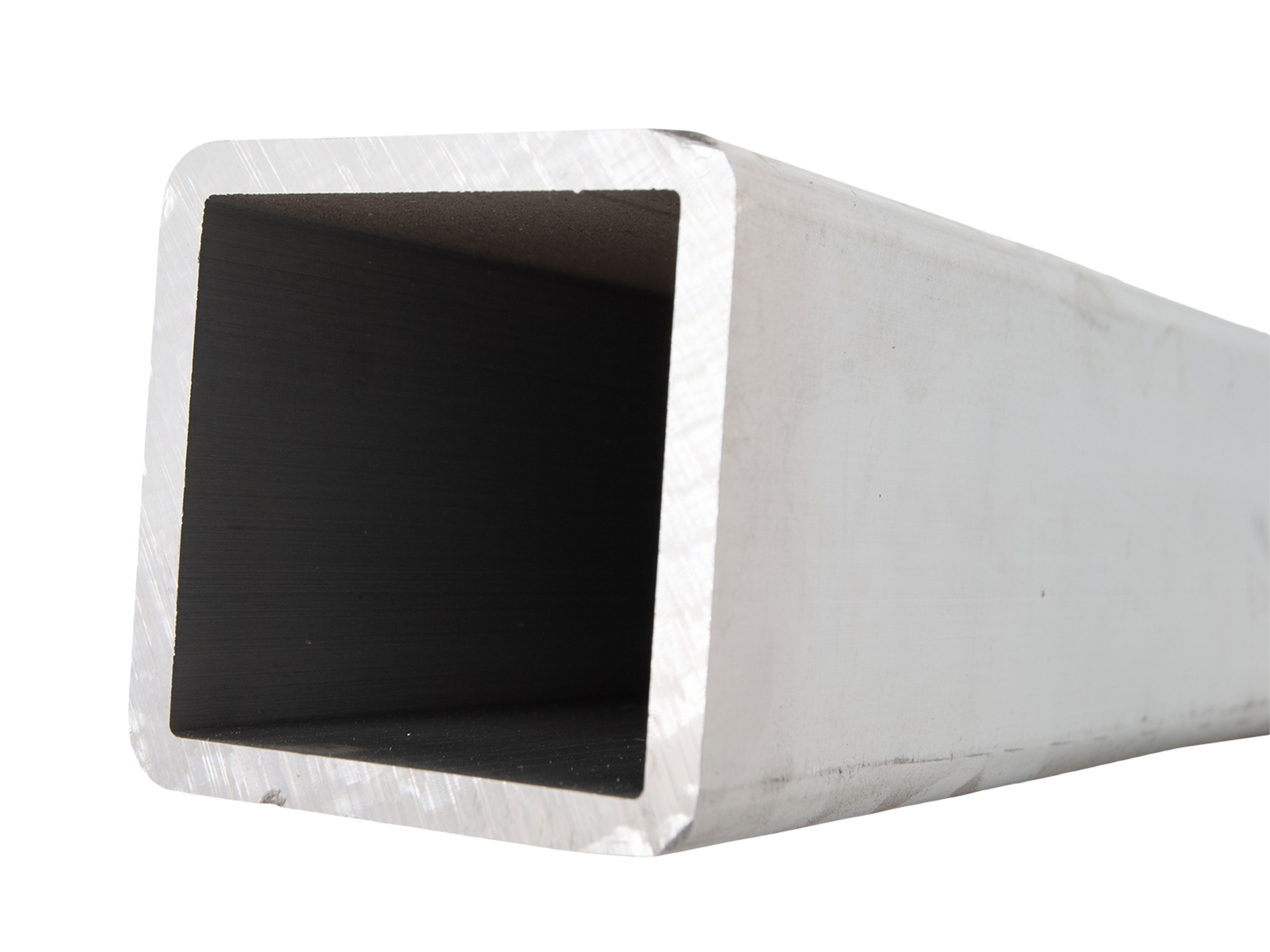
5083 Marine Aluminum Tubes for Ship Hull Reinforcement Materials
When it comes to building and reinforcing ship hulls, selecting the right material is critical for durability, strength, and resistance to the harsh marine environment.
View Details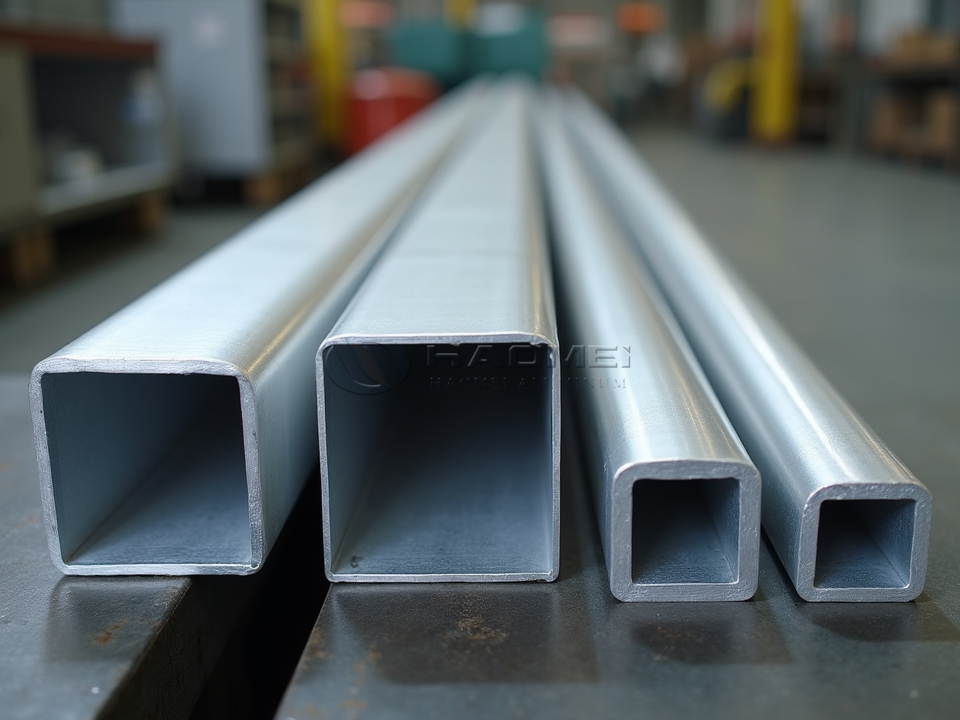
Marine Aluminum Pipe Elbow for Shipboard Air Conditioning and Ventilation
Marine aluminum pipe elbows provide lightweight, corrosion-resistant direction changes for shipboard air conditioning and ventilation piping systems.
View Details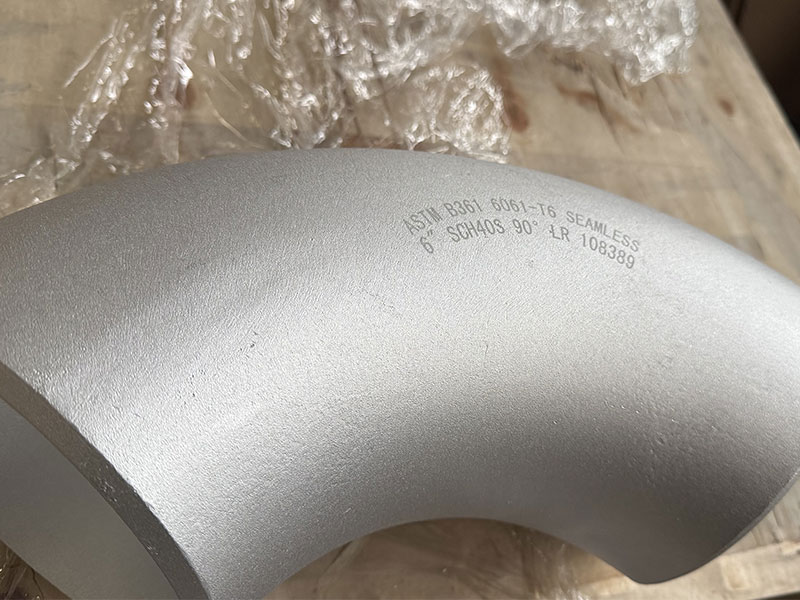
6061 Marine Aluminum Tubes for Custom Marine Equipment Frames
6061 Marine Aluminum Tubes for Custom Marine Equipment Frames: The "Invisible Structure" That Keeps Gear WorkingIn custom marine equipment, the frame is rarely the star.
View Details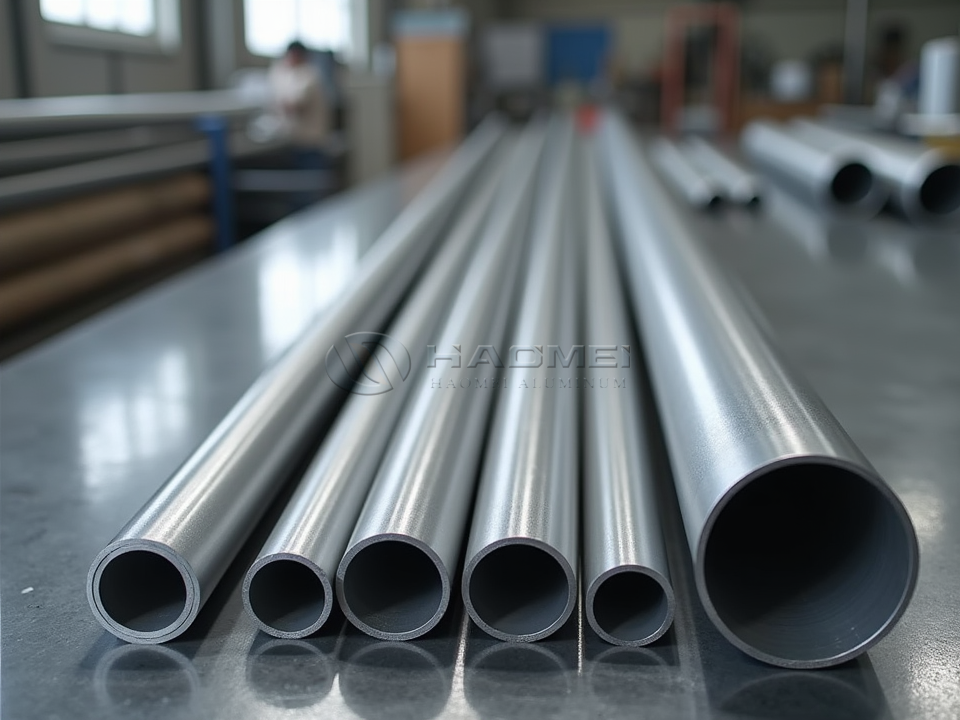
Aluminum Marine Elbow for Subsea Pumping and Fluid Transport
Aluminum marine elbows provide lightweight, corrosion-resistant directional flow control for subsea pumping, seawater transfer, and marine fluid transport lines.
View Details
6082 Marine Aluminum Tubes for Offshore Boat and Vessel Frames
6082 Marine Aluminum Tubes for Offshore Boat and Vessel Frames: The "Structural Spine" Approach to Corrosion, Weight, and Weld RealityOffshore boats and working vessels don't fail in the showroom; they fail in the seam lines, at heat-affected zones.
View Details
Leave a Message