
Marine Grade Aluminum Plate Sheet
Marine grade aluminum plate sheet is not simply aluminum used near water. It is material selected and processed to keep performing when salt spray, humidity, vibration, impact, and welded joints become part of daily service. For boat builders, shipyards, dock fabricators, and offshore equipment makers, the practical question is not only "Which alloy is strongest?" It is which plate will remain dependable after years of exposure to a marine environment.
The answer usually lies in the 5xxx aluminum-magnesium family. These non-heat-treatable alloys achieve their strength through magnesium content and controlled cold working. They provide excellent resistance to seawater corrosion, strong weldability, and a favorable strength-to-weight ratio. Their light weight can reduce fuel consumption, increase payload, and make installation easier compared with steel structures.
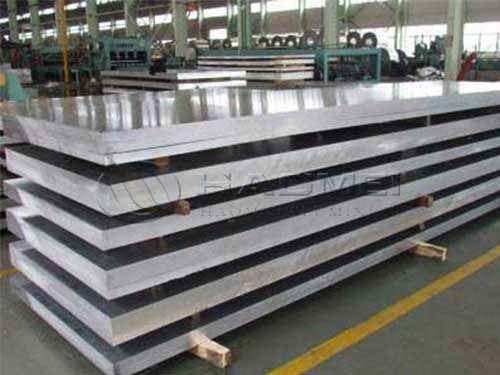
Why Marine Aluminum Performs Differently
Saltwater is an aggressive electrolyte. When dissimilar metals, trapped moisture, poor drainage, or damaged coatings are present, corrosion can accelerate. Marine grade aluminum plate sheet protects itself through a naturally formed oxide film. This compact surface layer reforms when scratched, helping the material resist general corrosion in wet and salty conditions.
That natural protection is only part of the engineering picture. Alloy composition, temper, welding procedure, surface cleanliness, drainage design, and insulation from stainless steel or copper-containing parts all influence real service life. A well-selected plate can fail early if it is installed where stagnant seawater remains trapped against the surface.
Marine aluminum is therefore best viewed as a system material: the plate, the fabrication method, and the vessel design must work together.
Common Alloys for Marine Plate and Sheet
Alloy 5052 is widely used for interior panels, cabins, fuel tanks, side panels, walkways, small craft components, and decorative marine parts. It offers good formability and corrosion resistance, making it suitable where bending and shaping are important. For reliable fabricated components, Marine 5052 aluminum sheet is a practical choice.
Alloy 5083 is often selected for highly loaded hull structures, high-speed vessels, patrol boats, workboats, and offshore structures. It has higher magnesium content than 5052, producing stronger mechanical performance while retaining excellent seawater resistance. It is commonly supplied in H116 and H321 tempers, which are especially recognized for marine service.
Alloy 5086 offers a balance of high corrosion resistance and dependable welded performance. It is frequently specified for hull plating, superstructures, pressure vessels, and marine fabrication where strength after welding matters. Alloy 5454 may be used in tanks and pressure-related applications, while 5059 and 5383 are advanced choices for demanding lightweight marine structures.
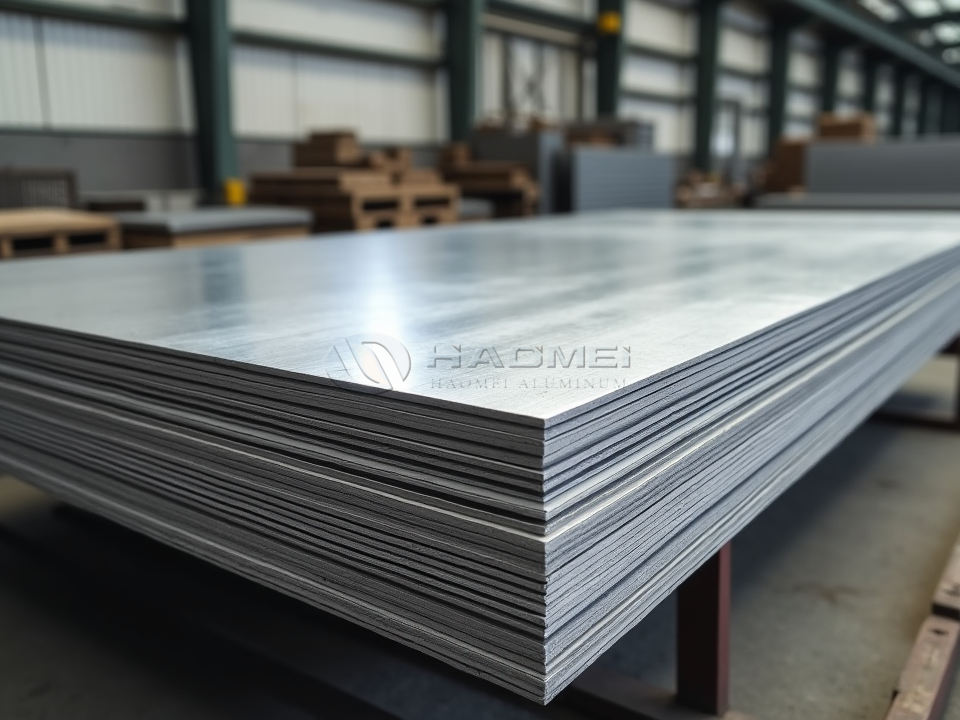
Chemical Composition of Typical Marine Alloys
The chemical balance determines how marine aluminum reacts to forming, welding, and seawater. Values in the table are typical specification limits by weight percentage; the exact requirement should be confirmed against the ordered standard and mill certificate.
| Alloy | Si | Fe | Cu | Mn | Mg | Cr | Zn | Ti | Al |
|---|---|---|---|---|---|---|---|---|---|
| 5052 | 0.25 max | 0.40 max | 0.10 max | 0.10 max | 2.2-2.8 | 0.15-0.35 | 0.10 max | - | Balance |
| 5083 | 0.40 max | 0.40 max | 0.10 max | 0.40-1.0 | 4.0-4.9 | 0.05-0.25 | 0.25 max | 0.15 max | Balance |
| 5086 | 0.40 max | 0.50 max | 0.10 max | 0.20-0.7 | 3.5-4.5 | 0.05-0.25 | 0.25 max | 0.15 max | Balance |
Magnesium is the defining addition in these alloys. It raises strength and contributes to corrosion resistance, but it also means that correct temper selection is important. Material exposed to elevated temperatures for extended periods requires special engineering attention because certain high-magnesium alloys can become more susceptible to sensitization.
Temper Conditions and Their Meaning
Marine aluminum plate sheet is available in several temper conditions. The temper indicates how the metal was processed and strongly affects bendability, strength, and stress-corrosion performance.
| Temper | Condition | Typical Marine Use |
|---|---|---|
| O | Annealed, soft condition | Deep forming, curved panels, parts requiring extensive bending |
| H32 | Strain hardened and stabilized, quarter-hard | Deck fittings, cabin panels, tanks, formed sheet parts |
| H34 | Strain hardened and stabilized, half-hard | Panels requiring higher strength with moderate formability |
| H111 | Lightly strain hardened | General sheet fabrication and moderate forming |
| H116 | Strain hardened and stabilized for marine corrosion resistance | Hull plating, offshore structures, seawater-exposed plate |
| H321 | Strain hardened and stabilized with controlled thermal treatment | High-strength hull and structural plate |
For hull applications, Marine 5083 aluminum sheet in H116 or H321 is often favored because these tempers are designed to provide robust performance in saltwater exposure. O temper is more suitable where complex forming is required, although its strength is lower.
Practical Parameters for Ordering
Marine grade aluminum plate sheet is commonly supplied in thicknesses from approximately 1.0 mm to 200 mm, depending on alloy and rolling capability. Sheet is generally used for thinner gauges, while plate is selected for heavier structural sections. Common widths range from 1,000 mm to 2,500 mm, with lengths from 2,000 mm to 12,000 mm or customized dimensions for hull construction.
| Parameter | Typical Range or Requirement |
|---|---|
| Thickness | 1.0-200 mm |
| Width | 1,000-2,500 mm |
| Length | 2,000-12,000 mm, customized lengths available |
| Surface | Mill finish, brushed, coated, anodized, PVC protected |
| Flatness | Controlled according to applicable product standard |
| Edge condition | Mill edge, slit edge, trimmed edge, saw-cut edge |
| Documentation | Mill test certificate, chemical analysis, mechanical properties, inspection records |
When specifying material, include alloy, temper, thickness tolerance, dimensions, surface condition, applicable standard, and intended use. For critical hull or offshore work, also state whether classification society documentation is required.
Implementation Standards and Inspection Expectations
Marine aluminum plate may be produced and inspected under standards such as ASTM B209, EN 485, EN 573, EN 515, and ISO-related marine fabrication requirements. Shipbuilding projects can also require approval from organizations such as DNV, ABS, Lloyd's Register, Bureau Veritas, or CCS.
ASTM B209 commonly governs aluminum and aluminum-alloy sheet and plate dimensions and properties in North American projects. EN 573 addresses chemical composition, EN 485 covers mechanical properties and tolerances for sheet, strip, and plate, and EN 515 defines temper designations.
A responsible inspection plan may include composition verification, tensile testing, thickness measurement, flatness checks, surface examination, ultrasonic testing for thick plate, and review of the material test certificate. The certificate should match the actual plate identification so traceability remains intact through cutting and welding.
Fabrication Notes That Protect the Plate
Marine aluminum welds well with suitable filler metals such as 5183, 5356, or 5556, selected according to alloy and design requirements. Cleanliness is essential: remove oxide, oil, moisture, and contaminants before welding. Heat input should be controlled because the heat-affected zone in strain-hardened 5xxx alloys loses some strength after welding.
Avoid direct contact between aluminum and more noble metals such as copper, brass, or uninsulated stainless steel in wet locations. Use isolating pads, sealants, coatings, and thoughtful drainage details. These small design decisions often determine whether a marine structure remains clean and durable or develops localized corrosion around fittings.
Marine grade aluminum plate sheet earns its value over time. By matching alloy and temper to the actual exposure, load, fabrication route, and certification requirement, builders gain a lighter structure that is ready for the hard, repetitive demands of waterborne service.

Related Products
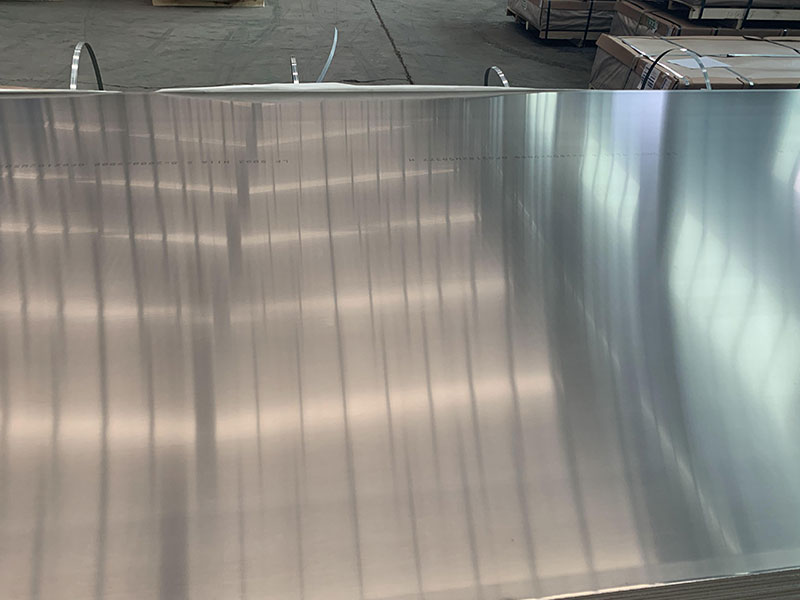
Marine 5383 aluminum sheet
5383 aluminum is a strain-hardened, non-heat-treatable alloy from the 5xxx series primarily alloyed with magnesium. It exhibits a unique balance of corrosion resistance and mechanical properties particularly suited for marine applications.
View Details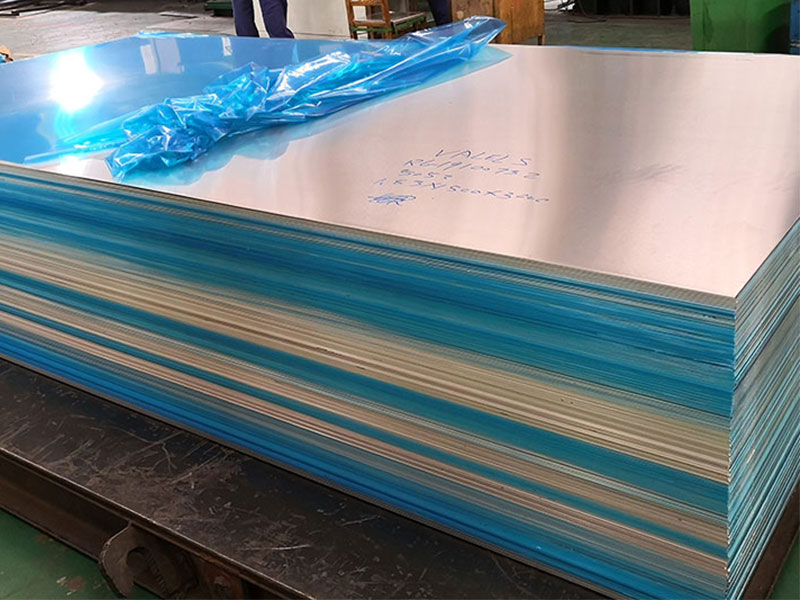
Marine 5059 aluminum sheet
5059 aluminum alloy is a strain-hardened material with a unique addition of magnesium and chromium, which provides outstanding resistance to localized corrosion like pitting and stress corrosion cracking.
View Details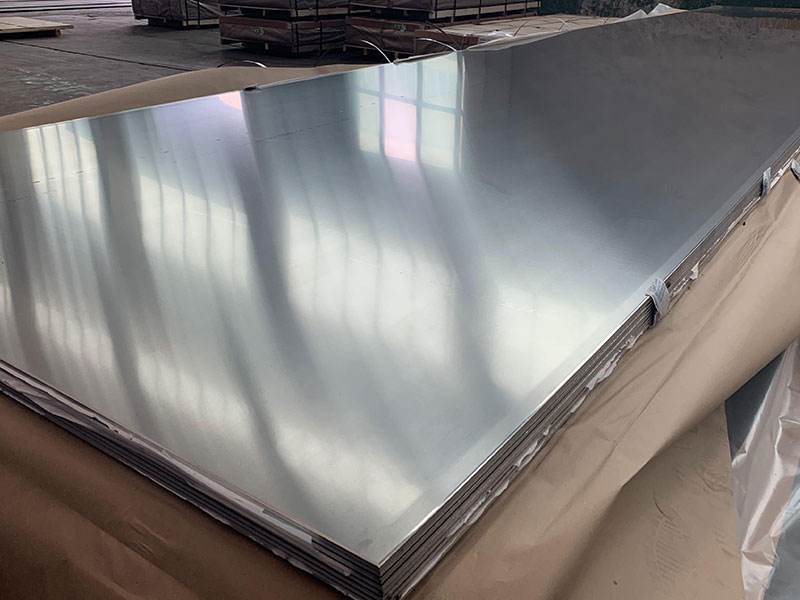
Marine 5086 aluminum sheet
This product article provides an in-depth and comprehensive understanding of Marine 5086 Aluminum Sheets, including their chemical composition, mechanical properties, corrosion resistance, fabrication capabilities, and typical marine applications.
View Details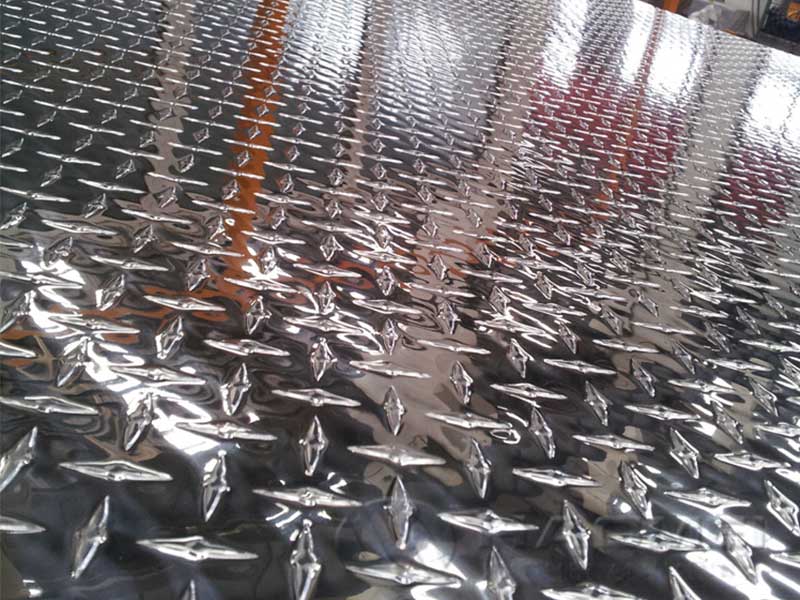
Marine Aluminum Tread Sheets
Marine Aluminum Tread Sheets are aluminum alloy plates featuring a raised surface pattern, commonly referred to as a tread design or diamond plate.
View Details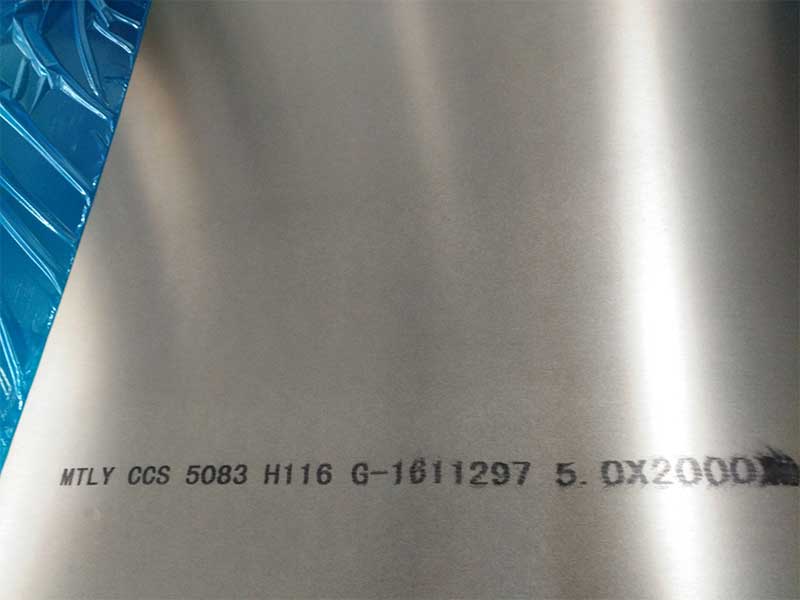
Marine 5083 aluminum sheet
Aluminum alloy 5083 is a non-heat-treatable alloy primarily composed of magnesium and trace elements that deliver outstanding protection against corrosion, particularly in seawater and saline atmospheres.
View Details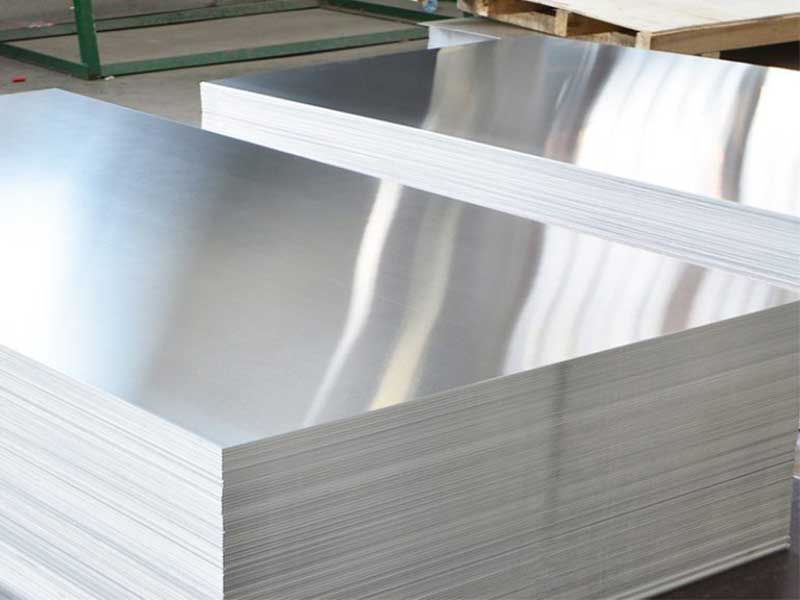
Marine anodized aluminum sheets
Marine Anodized Aluminum Sheets start with premium marine-grade aluminum alloys such as 5000 and 6000 series (typically 5083, 5052, and 6061).
View DetailsRelated Blog
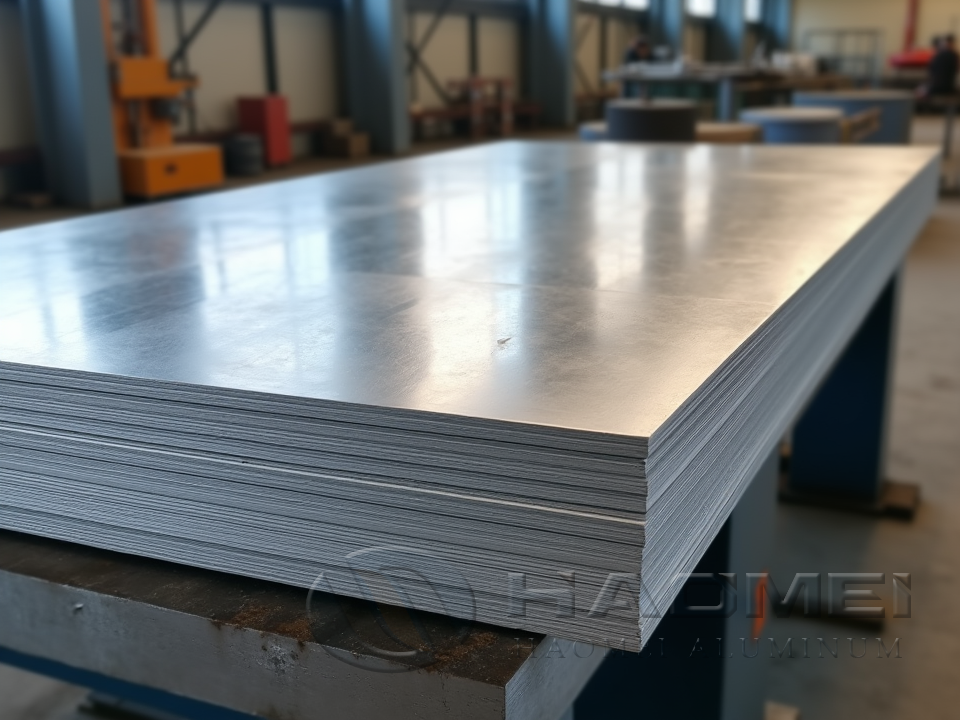
5383 Marine Heavy Duty Aluminum Plate
5383 marine heavy duty aluminum plate delivers strength, seawater corrosion resistance, weldability, and long service for offshore hulls.
View Details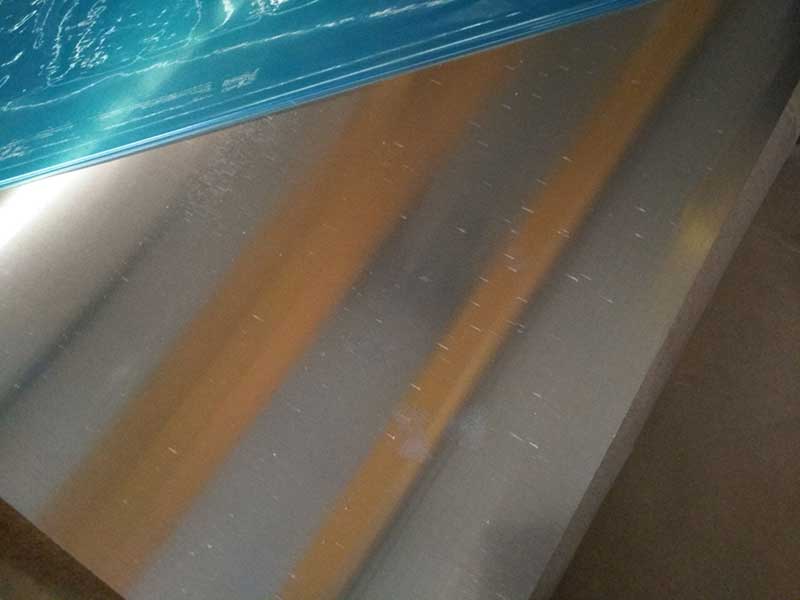
1060 2024 3003 6061 7075 aluminum sheet for boat
When selecting aluminum sheets for marine applications, one must consider not only the alloy's strength and weight but also its resistance to corrosion, formability, and other properties that can influence a vessel's performance and longevity.
View Details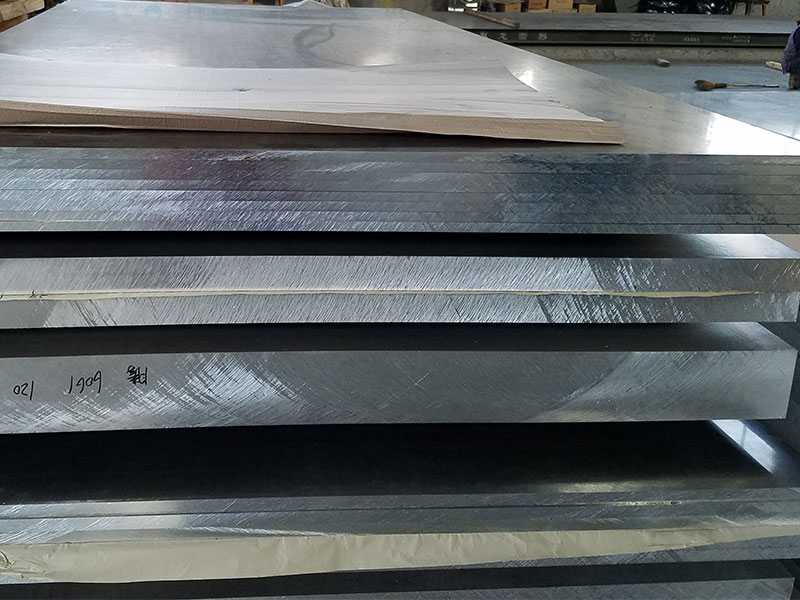
Marine aluminum 5083
In-depth insights into Marine Aluminum 5083, its chemical composition, mechanical properties, temper conditions, and why it stands as the premier alloy for marine and offshore structural applications.
View Details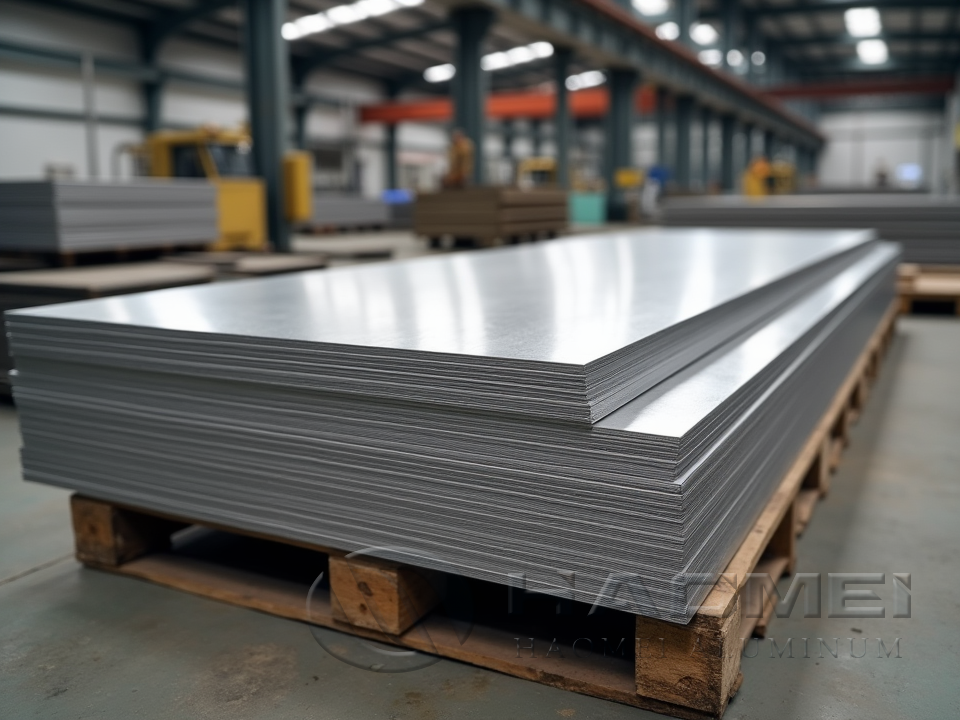
Marine Aluminum Steel Clad Plate
Marine aluminum steel clad plate joins aluminum superstructures to steel hulls with strong bonding, corrosion control, weldable layers, and approved marine grades.
View Details
Marine Grade 0.2mm 6mm 5052 h46 Color Coated Aluminum Sheet
The Marine Grade 0.2mm-6mm 5052 H46 Color Coated Aluminum Sheet is a premium aluminum product designed specifically for marine and harsh environmental applications.
View Details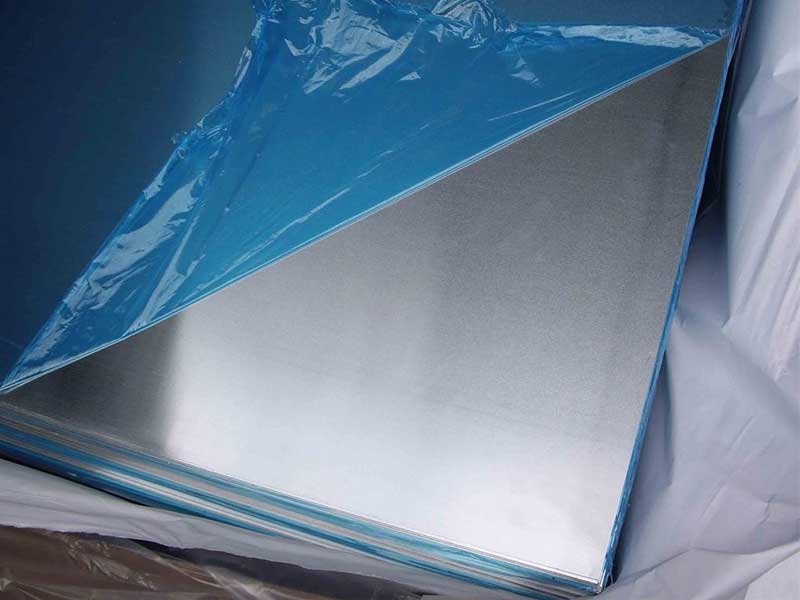
ASTM B209 aluminum sheet 5083 for ship
ASTM B209 Aluminum Sheet 5083 for Shipbuilding: A Functional View from the Waterline Up When ship designers choose materials, they are not just selecting metal; they are choosing how a vessel behaves at sea over decades.
View Details
Leave a Message