
Marine Grade Aluminium Sheets 5083 H111 H116
Marine Grade Aluminium Sheets 5083 H111 H116: Built for Saltwater Reality
A vessel does not experience corrosion in a laboratory. It faces salt spray, trapped moisture, changing temperatures, vibration, impact, and years of service at the waterline. This is why 5083 marine grade aluminium is selected not merely for its strength-to-weight ratio, but for the way it continues to perform when the environment becomes demanding.
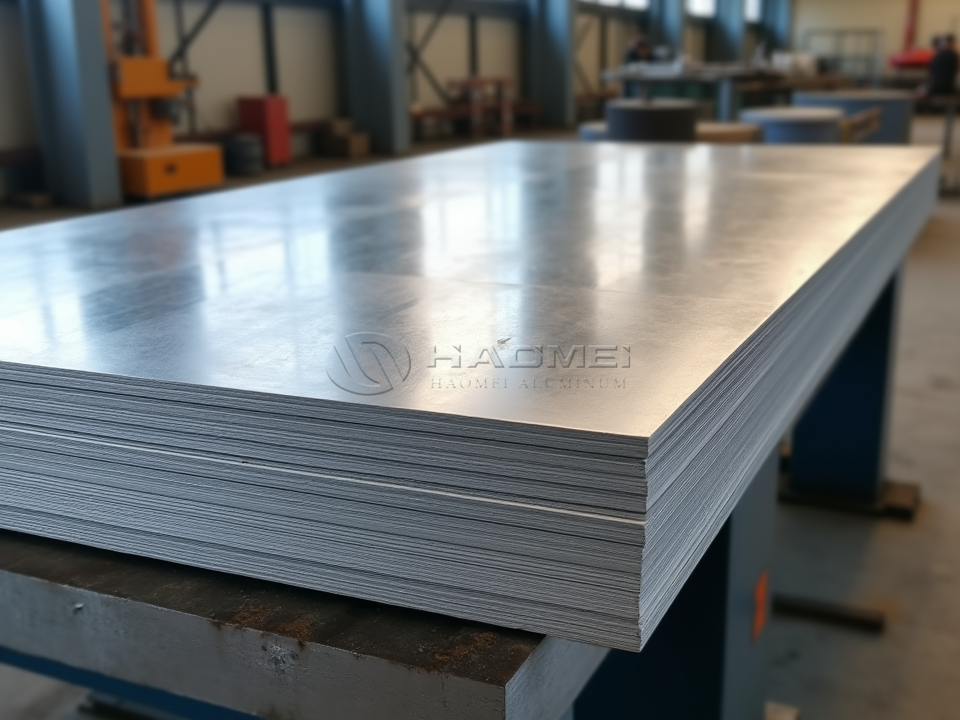
Marine Grade Aluminium Sheets 5083 H111 H116 belong to the Al-Mg family of non-heat-treatable alloys. Their high magnesium content delivers excellent resistance to seawater and industrial marine atmospheres. Compared with many structural metals, 5083 helps fabricators reduce hull weight without sacrificing the robust mechanical properties required for workboats, fishing vessels, patrol craft, ferries, offshore structures, and marine equipment.
For projects requiring proven seawater performance, Marine 5083 aluminum sheet is often specified for hull plating, decks, bulkheads, superstructures, fuel tanks, and internal structural members.
Why Alloy 5083 Performs in Marine Service
The protective oxide film naturally formed on aluminium is the first defense against corrosion. In 5083, magnesium strengthens the alloy while retaining very good weldability and formability. Chromium and manganese further support corrosion resistance and grain structure control.
The alloy is especially valued in welded fabrication. Unlike heat-treatable aluminium grades, 5083 does not rely on artificial aging to gain its properties. This simplifies many marine welding operations and makes the material dependable for large fabricated structures. Correct welding procedure, filler selection, joint design, and cleaning remain essential, particularly around splash zones and areas where water can collect.
5083 is not normally recommended for prolonged exposure above approximately 65°C to 70°C in highly stressed conditions. At elevated service temperatures, sensitization can increase susceptibility to intergranular corrosion. In normal marine hull and deck service, however, properly selected H111 or H116 material offers excellent long-term reliability.
Chemical Composition of 5083 Aluminium
The chemical limits generally follow EN 573-3 and comparable ASTM requirements. Actual chemistry should always be confirmed through the mill test certificate supplied with the material.
| Element | Composition, % by Weight |
|---|---|
| Silicon, Si | 0.40 max |
| Iron, Fe | 0.40 max |
| Copper, Cu | 0.10 max |
| Manganese, Mn | 0.40 - 1.00 |
| Magnesium, Mg | 4.00 - 4.90 |
| Chromium, Cr | 0.05 - 0.25 |
| Zinc, Zn | 0.25 max |
| Titanium, Ti | 0.15 max |
| Other elements, each | 0.05 max |
| Other elements, total | 0.15 max |
| Aluminium, Al | Balance |
Magnesium is the principal strengthening element in 5083. Its controlled range gives the alloy its familiar combination of moderate-to-high strength, weldability, and saltwater corrosion resistance. Low copper content is equally important because excessive copper can reduce corrosion performance in marine environments.
H111 and H116 Temper Conditions
Temper designation is more than a label on a protective film. It describes the condition of the metal after rolling and stabilization, affecting strength, formability, and corrosion behavior.
H111 indicates material that has been strain hardened by a small amount during processing, but to a degree lower than that required for a controlled H11 temper. It is a practical choice where forming ability is important. 5083 H111 sheets can be used for curved components, formed panels, tanks, deck structures, and general marine fabrication where moderate strength is sufficient.
H116 is strain hardened and specially processed for improved resistance to exfoliation corrosion and intergranular corrosion. It is widely specified for marine hull plating and structures exposed to seawater, especially in thicker gauges. H116 is commonly selected when class approval, corrosion testing, or demanding vessel service conditions are involved.
| Property | 5083 H111 | 5083 H116 |
|---|---|---|
| Typical tensile strength, 3-6 mm | 275 - 350 MPa | 305 - 385 MPa |
| Typical 0.2% proof strength, 3-6 mm | 125 MPa min | 215 MPa min |
| Typical elongation | 12% min | 10% min |
| Forming capability | Very good | Good |
| Marine corrosion resistance | Excellent | Excellent, with enhanced exfoliation resistance |
| Common use | Formed marine parts, tanks, internal structures | Hulls, decks, bulkheads, offshore structures |
Mechanical values vary with thickness, width, applicable standard, and test direction. Purchase specifications should state the required thickness range, temper, standard, mechanical limits, inspection requirements, and certification level.
Product Parameters and Supply Conditions
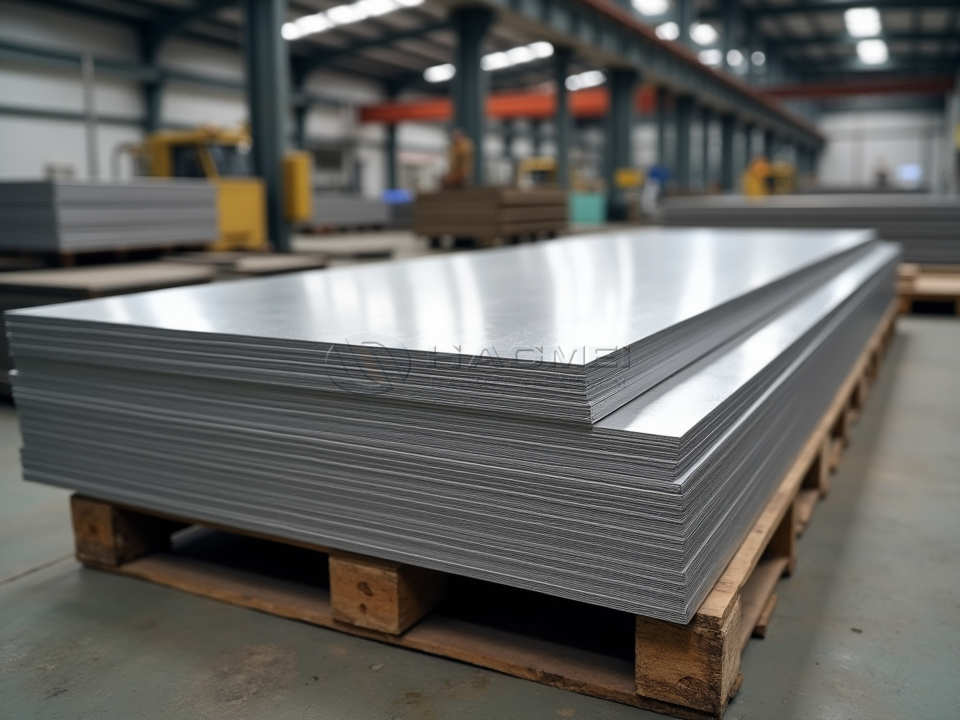
5083 H111 and H116 marine aluminium sheets are available in sheet, plate, cut-to-size blanks, and custom dimensions. Thin sheet is often used for interior panels and formed parts, while heavier plate serves hull shells, frames, transoms, and structural sections.
| Parameter | Typical Supply Range |
|---|---|
| Alloy | AA 5083 / EN AW-5083 |
| Tempers | H111, H116, H321, O |
| Thickness | Approximately 1.5 mm to 200 mm |
| Width | Approximately 1,000 mm to 2,500 mm |
| Length | Standard or cut to project requirement |
| Surface | Mill finish, protective film, brushed or customized finish |
| Form | Sheet, plate, coil-derived sheet, precision-cut panel |
| Density | About 2.66 g/cm³ |
| Melting range | Approximately 570°C - 640°C |
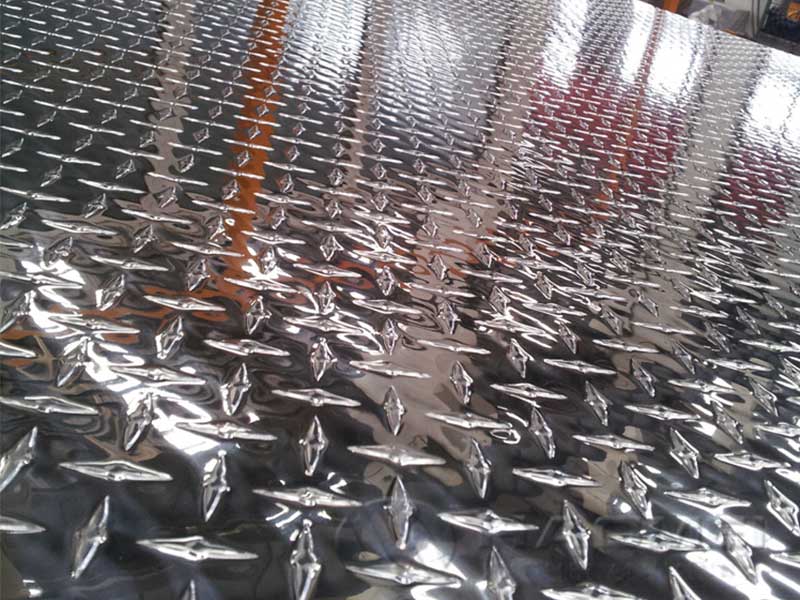
For anti-slip walkways, engine-room flooring, and wet deck areas, Marine Aluminum Tread Sheets can provide a practical textured surface while maintaining the corrosion advantages of marine aluminium.
Common Implementation Standards and Certification
Marine construction often involves a combination of alloy standards, dimensional tolerances, mechanical requirements, and vessel-class rules. The relevant standard should be written into the purchase order rather than assumed.
| Standard | Application |
|---|---|
| EN 573-3 | Chemical composition of aluminium alloys |
| EN 485-1 / EN 485-2 | Technical conditions and mechanical properties for sheet and plate |
| EN 485-3 / EN 485-4 | Tolerances for rolled products |
| ASTM B928/B928M | High-magnesium aluminium-alloy plate for marine service and similar environments |
| ASTM B209/B209M | Aluminium and aluminium-alloy sheet and plate |
| ASTM B946 | Corrosion testing guidance for aluminium alloys |
| ABS, DNV, Lloyd's Register, BV, CCS | Marine classification approvals where project-required |
For H116 material, corrosion-related testing can be particularly important. Depending on the project specification, this may include exfoliation corrosion testing and intergranular corrosion testing. Class-certified plate should be supplied with documentation matching the vessel, offshore platform, or marine engineering requirement.
Fabrication Considerations That Protect Service Life
5083 H111 and H116 are readily welded using suitable 5xxx-series filler metals, commonly 5183, 5356, or 5556 depending on design requirements and welding procedure qualification. Clean joint faces are vital. Oil, moisture, oxide contamination, and embedded steel particles can compromise weld appearance and corrosion performance.
Avoid direct contact between aluminium and more noble metals such as copper or stainless steel in wet service unless an effective insulating barrier is used. Galvanic corrosion is usually a design issue, not an alloy failure. Drainage details, sealed overlaps, compatible fasteners, protective coatings, and regular cleaning all help preserve the material's natural durability.
Marine Grade Aluminium Sheets 5083 H111 H116 provide a balanced answer to the realities of boatbuilding: lighter structures, dependable weldability, strong corrosion resistance, and mechanical properties suited to demanding saltwater applications. Selecting the correct temper is the final step that turns a good alloy into a material fitted for its actual working environment.

Related Products
Marine anodized aluminum sheets
Marine Anodized Aluminum Sheets start with premium marine-grade aluminum alloys such as 5000 and 6000 series (typically 5083, 5052, and 6061).
View Details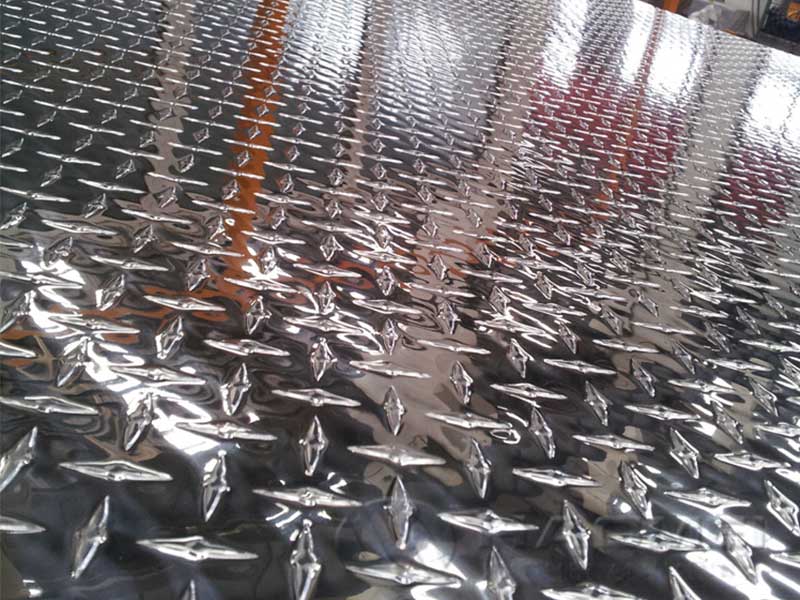
Marine Aluminum Tread Sheets
Marine Aluminum Tread Sheets are aluminum alloy plates featuring a raised surface pattern, commonly referred to as a tread design or diamond plate.
View Details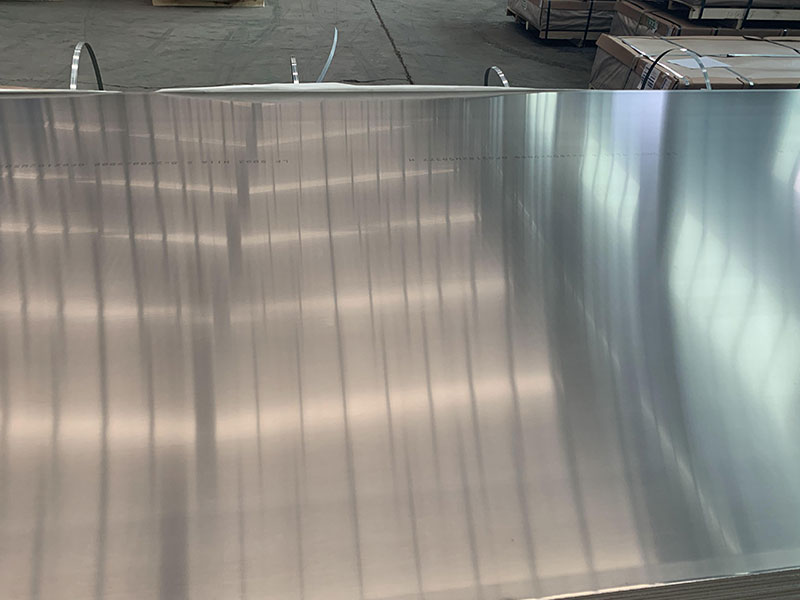
Marine 5383 aluminum sheet
5383 aluminum is a strain-hardened, non-heat-treatable alloy from the 5xxx series primarily alloyed with magnesium. It exhibits a unique balance of corrosion resistance and mechanical properties particularly suited for marine applications.
View Details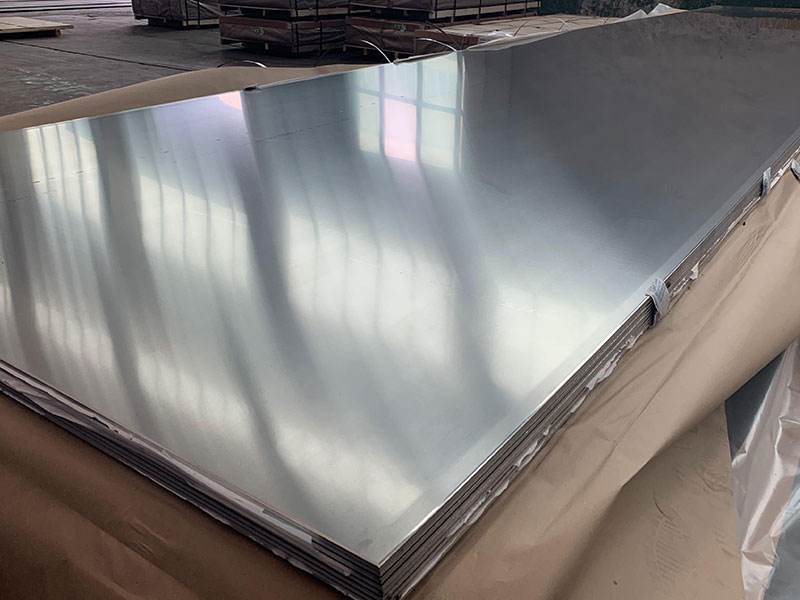
Marine 5086 aluminum sheet
This product article provides an in-depth and comprehensive understanding of Marine 5086 Aluminum Sheets, including their chemical composition, mechanical properties, corrosion resistance, fabrication capabilities, and typical marine applications.
View Details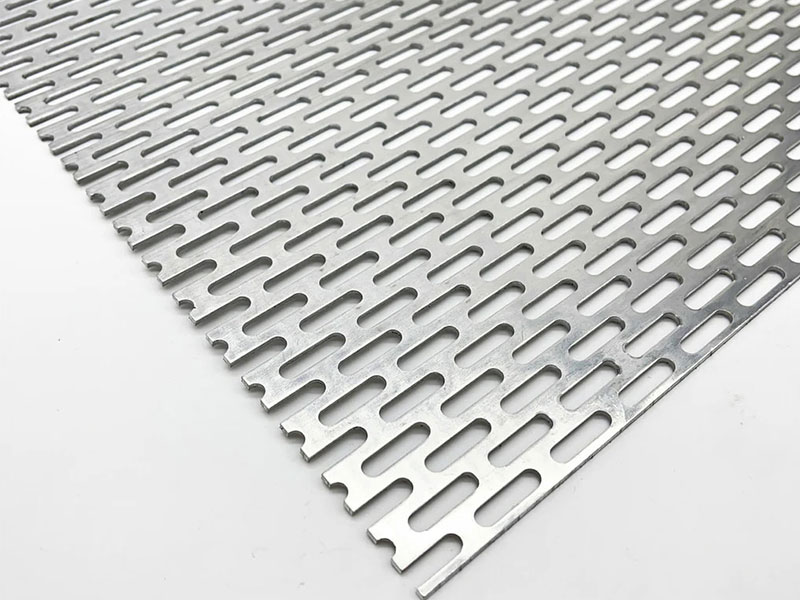
Marine perforated aluminum sheets
Marine Perforated Aluminum Sheets feature a series of uniform holes or shapes punched through the aluminum surface. These perforations can vary in size, pattern, and open area to tailor the sheets for specific applications.
View Details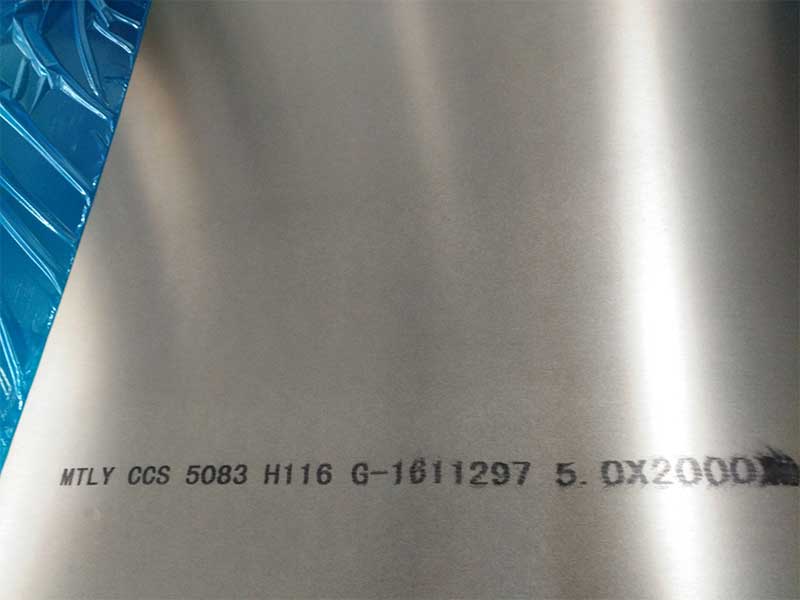
Marine 5083 aluminum sheet
Aluminum alloy 5083 is a non-heat-treatable alloy primarily composed of magnesium and trace elements that deliver outstanding protection against corrosion, particularly in seawater and saline atmospheres.
View DetailsRelated Blog
Marin grade aluminum sheet 5052 5mm thick for boat
What is Marine Grade Aluminum 5052?Aluminum 5052 is a non-heat-treatable aluminum-magnesium alloy primarily known for excellent corrosion resistance, high strength among the non-heat treatable grades, and superb weldability.
View Details
6061 6063 6082 o t5 t6 t651 h112 marine aluminum sheet
High-strength, corrosion-resistant 6061, 6063, and 6082 marine aluminum sheet in tempers O, T5, T6, T651, and H112, ideal for boat hulls, decks, structures, and offshore applications.
View Details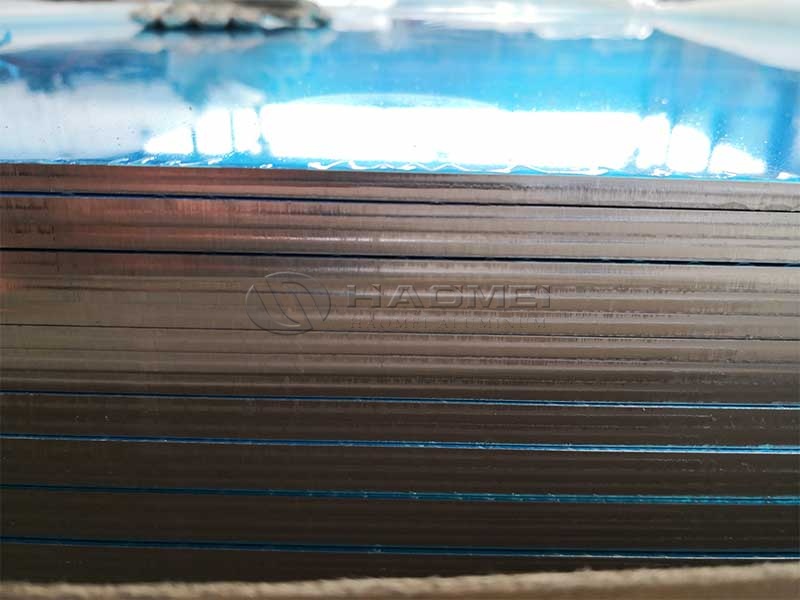
6061 Marine Perforated Aluminum Sheets
A practical guide to 6061 marine perforated aluminum sheets, covering alloy behavior, hole design, finishes, fabrication, and buying checks.
View Details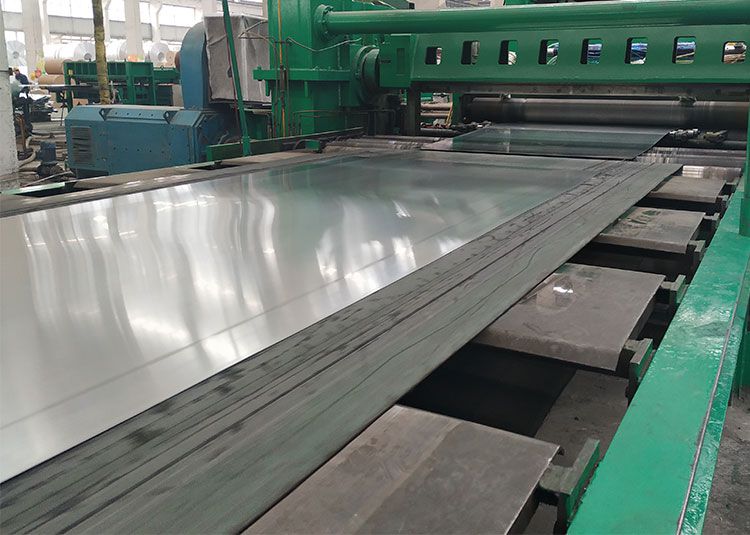
7075 T6 Aluminum Sheet For Boat
When it comes to selecting the ideal material for marine applications, especially boats, durability, corrosion resistance, and strength are non-negotiable. Among various marine-grade aluminum alloys.
View Details
5754 Marine Grade Aluminum Alloy Aluminium Sheet
5754 marine grade aluminum alloy sheet is a workhorse material for corrosive, saltwater, and high-humidity environments where durability, formability, and long-term appearance matter.
View Details
Marine Grade 0.2mm 6mm 5052 h46 Color Coated Aluminum Sheet
The Marine Grade 0.2mm-6mm 5052 H46 Color Coated Aluminum Sheet is a premium aluminum product designed specifically for marine and harsh environmental applications.
View Details
Leave a Message