
6061 6063 7071 5083 7075 alloy aluminum sheet for boat
Boat builders choose aluminum sheet when they need a hull or structure that stays light, resists corrosion, and remains workable in fabrication. This product range-6061, 6063, 7071, 5083, and 7075 alloy aluminum sheet for boat-covers the most common performance targets in marine design, from saltwater durability to high-strength structural reinforcement. Each alloy brings a different balance of weldability, strength, formability, and corrosion behavior, allowing designers to match material to function instead of forcing a single alloy across the entire vessel.
Marine aluminum is not "one-size-fits-all." In practice, hull plating prefers alloys that maintain strength after welding and resist seawater attack, while decks, cabin frames, and machined parts may prioritize extrusion compatibility, stiffness, or peak strength.
Why these alloys work in boats
| Requirement in boatbuilding | What the alloy sheet must deliver | Most suitable alloys in this set |
|---|---|---|
| Hull plating in seawater | Excellent corrosion resistance, stable properties in welded zones | 5083 (best), 6061 (good) |
| Structural frames, brackets, general fabrication | High strength with good machinability and weldability | 6061 (best all-round) |
| Superstructure, cabin framing, trims | Smooth surface, strong extrusion behavior, good anodizing finish | 6063 |
| High-load parts, reinforcements, performance craft components | Very high strength, precision machining | 7075, 7071 |
| Low maintenance, long service life | Pitting resistance, good coating compatibility | 5083, 6061, 6063 |
Alloy snapshot for quick selection
| Alloy | Typical marine role | strengths | Watch-outs |
|---|---|---|---|
| 5083 (Al-Mg) | Hulls, bottoms, side plating, decks | Best seawater corrosion resistance; retains strength relatively well after welding; excellent toughness | Not heat-treatable; forming requires attention to bend radii in thicker gauges |
| 6061 (Al-Mg-Si) | Frames, bulkheads, brackets, general sheet parts | Great all-purpose choice; good weldability; good machinability; readily available | Heat-affected zone softening after welding; corrosion good but typically below 5083 in harsh seawater |
| 6063 (Al-Mg-Si) | Cabin frames, trims, cosmetic panels | Excellent surface finish; very good anodizing response | Lower strength than 6061; less common for heavy structural sheet |
| 7075 (Al-Zn-Mg-Cu) | High-load components, stiffeners, performance hardware | Very high strength; excellent machinability for precision parts | Poor weldability; stress-corrosion sensitivity in some tempers; needs smart corrosion protection in marine exposure |
| 7071 (Al-Zn-Mg) | High-strength sheet where welds are minimal | High strength with good fatigue potential | Similar caution as 7075: welding and corrosion control require careful design |
Typical chemical composition (reference ranges)
Actual heats can vary by standard and supplier practice. If your project requires certification, specify ASTM/EN/GB grade and temper on the purchase order.
| Alloy | Main alloying elements (typical range, wt.%) | What it means in boats |
|---|---|---|
| 5083 | Mg 4.0–4.9, Mn 0.4–1.0, Cr 0.05–0.25, Si ≤0.4, Fe ≤0.4 | Magnesium boosts strength and seawater resistance; excellent for welded hull structures |
| 6061 | Mg 0.8–1.2, Si 0.4–0.8, Cu 0.15–0.40, Cr 0.04–0.35, Fe ≤0.7 | Heat-treatable; good strength-to-weight; widely used in marine fabrications |
| 6063 | Mg 0.45–0.9, Si 0.2–0.6, Fe ≤0.35, Cu ≤0.10, Mn ≤0.10 | Tuned for smooth finish and anodizing; popular for visible architecture and marine trims |
| 7075 | Zn 5.1–6.1, Mg 2.1–2.9, Cu 1.2–2.0, Cr 0.18–0.28, Fe ≤0.5 | Very high strength; used where welding is limited and corrosion protection is engineered |
| 7071 | Zn ~5–6, Mg ~1.5–2.5, (Cu often low), Cr small additions | High-strength Al-Zn-Mg family; good for stiff parts with controlled corrosion strategy |
Mechanical performance guide (typical)
Properties depend heavily on temper (O, H116, T6, T651, etc.), thickness, and product standard. The values below are common ranges used for early design and comparison.
| Alloy & common temper | Yield strength (MPa) | Tensile strength (MPa) | Elongation (%) | Marine implication |
|---|---|---|---|---|
| 5083-H116 / H321 | 215–260 | 305–350 | 10–16 | Strong, ductile, and reliable after welding-ideal for hull plating |
| 6061-T6 / T651 | 240–275 | 290–320 | 8–12 | Excellent general-purpose structural sheet; welded areas soften and should be designed accordingly |
| 6063-T6 | 170–215 | 205–245 | 8–14 | Better for lighter framing and cosmetic panels than heavy load paths |
| 7075-T6 / T651 | 430–505 | 500–570 | 5–11 | Extremely strong; best in bolted or machined parts with robust corrosion protection |
| 7071 (high-strength temper varies) | 350–480 | 430–520 | 6–12 | High-strength option where you want stiffness and load capacity with limited welding |
Technical specifications for aluminum sheet supply
| Item | Typical supply capability |
|---|---|
| Product form | Aluminum sheet / plate (cut-to-size), coil-to-sheet (where applicable) |
| Thickness range | 0.8–200 mm (common marine builds often 2–12 mm for plating; thicker for structural plate) |
| Width range | 1000–2500 mm (wider on request depending on mill) |
| Length range | 2000–12000 mm (custom cutting available) |
| Tempers commonly requested | 5083-H116/H321, 6061-T6/T651, 6063-T6, 7075-T6/T651 |
| Surface options | Mill finish, one-side film, brushed, anodizing-ready (6063/6061), primer-ready |
| Standards (typical) | ASTM B209, EN 485, EN 573, GB/T 3880 (confirm by order) |
| Quality documentation | MTC/COA, dimensional inspection, optional ultrasonic testing for plate |
Features that matter on the water
| Feature | What customers gain | Best-match alloys |
|---|---|---|
| Seawater corrosion resistance | Longer hull life, less pitting, better resale value | 5083, 6061/6063 (with coating) |
| Weldability and fabrication speed | Lower labor time, fewer defects, predictable distortion control | 5083, 6061 |
| Strength-to-weight | Faster planing, higher payload, better fuel efficiency | 7075/7071 (local reinforcements), 6061 (general) |
| Surface finish and aesthetics | Clean anodized cabins, premium visual lines | 6063, 6061 |
| Impact toughness | Better dent resistance in working boats | 5083 |
Typical boat applications
| Boat area | Recommended alloy sheet | Notes from a plant/production view |
|---|---|---|
| Hull plating, bottoms, side shells | 5083-H116/H321 | Excellent marine corrosion behavior; widely accepted in commercial and patrol vessels |
| Decks, floors, bulkheads | 5083 or 6061 | Choose 5083 for harsh seawater exposure; choose 6061 for mixed fabrication and machining needs |
| Frames, stringers, engine beds (sheet/plate parts) | 6061-T6/T651 | Great for brackets and machined interfaces; design for weld-zone softening if welded |
| Cabin panels, trims, interior marine architecture | 6063 | Strong anodizing results and smooth appearance; lighter-duty structural use |
| High-load gussets, stiffeners, performance parts | 7075 / 7071 | Prefer bolted/riveted joints; isolate from dissimilar metals and seal edges |
Practical guidance: choosing the right alloy mix
A common high-performance and cost-effective approach is using 5083 for hull plating and seawater-exposed structure, 6061 for fabricated brackets and general structural components, and 6063 for visual or anodized superstructure elements. 7075/7071 then becomes a targeted upgrade-used sparingly where peak strength is needed and fabrication avoids heavy welding.
If your boat will live in saltwater, material choice should be paired with corrosion controls such as proper coating systems, electrical isolation, and smart fastener selection. Even the best alloy can suffer if galvanic couples are created or edges are left unsealed.
Ordering notes (to get exactly what you expect)
| Specify on PO | Why it matters |
|---|---|
| Alloy + temper (example: 5083-H116) | Temper controls strength, corrosion behavior, and forming |
| Thickness, width, length tolerances | Avoid fit-up issues during welding and assembly |
| Standard and inspection requirements | Ensures chemistry and mechanical properties match certification needs |
| Surface protection film / packaging | Prevents scratches and salt contamination during storage |
| Intended use (hull plating vs machined part) | Helps select flatness level, stress-relief, and best production route |
6061 6063 7071 5083 7075 alloy aluminum sheet for boat provides a flexible toolkit for marine design. 5083 dominates hull and seawater-facing structures, 6061 anchors versatile fabrication, 6063 elevates finish and anodizing quality, and 7075/7071 deliver exceptional strength for specialized, high-load components. Selecting the right alloy for each boat zone improves durability, reduces weight, and keeps production efficient-without compromising safety on the water.

Related Products
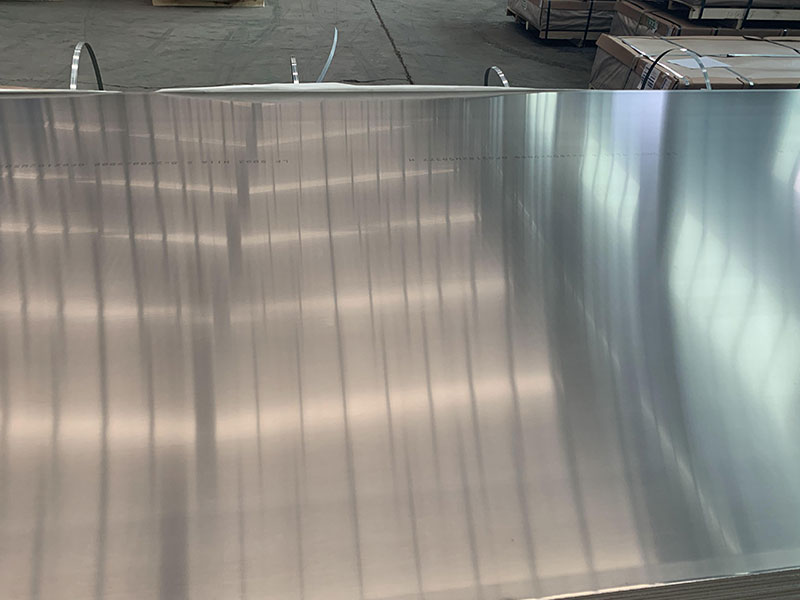
Marine 5383 aluminum sheet
5383 aluminum is a strain-hardened, non-heat-treatable alloy from the 5xxx series primarily alloyed with magnesium. It exhibits a unique balance of corrosion resistance and mechanical properties particularly suited for marine applications.
View Details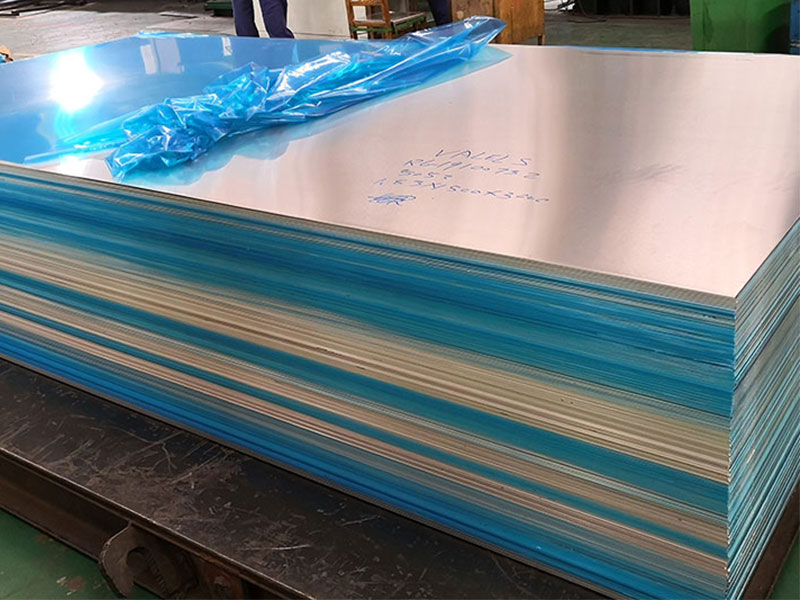
Marine 5059 aluminum sheet
5059 aluminum alloy is a strain-hardened material with a unique addition of magnesium and chromium, which provides outstanding resistance to localized corrosion like pitting and stress corrosion cracking.
View Details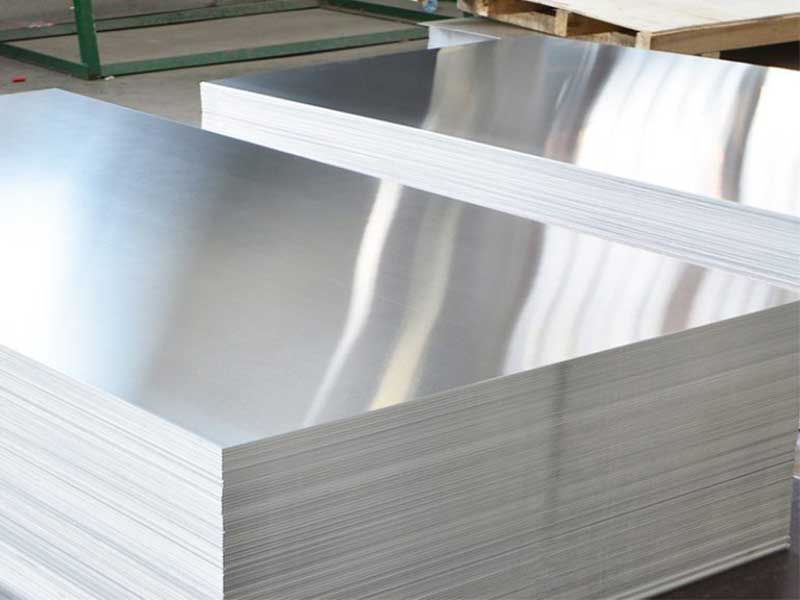
Marine anodized aluminum sheets
Marine Anodized Aluminum Sheets start with premium marine-grade aluminum alloys such as 5000 and 6000 series (typically 5083, 5052, and 6061).
View Details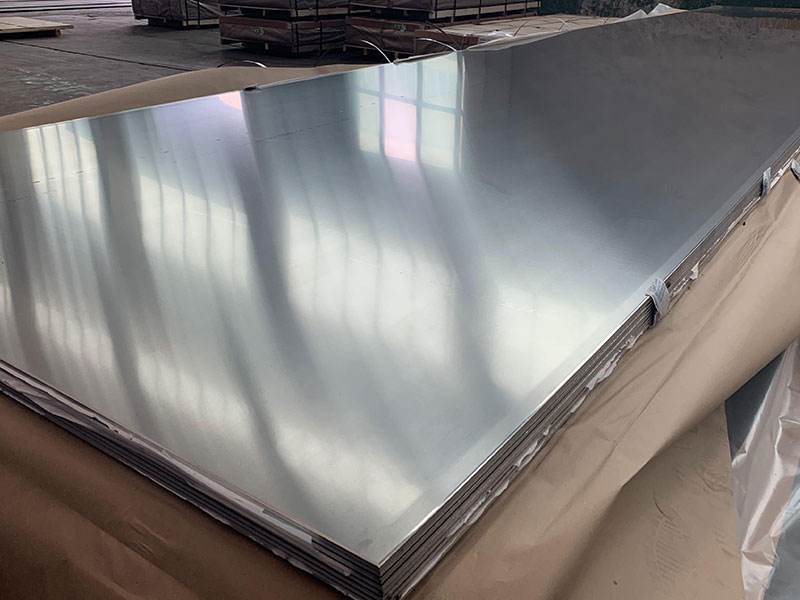
Marine 5086 aluminum sheet
This product article provides an in-depth and comprehensive understanding of Marine 5086 Aluminum Sheets, including their chemical composition, mechanical properties, corrosion resistance, fabrication capabilities, and typical marine applications.
View Details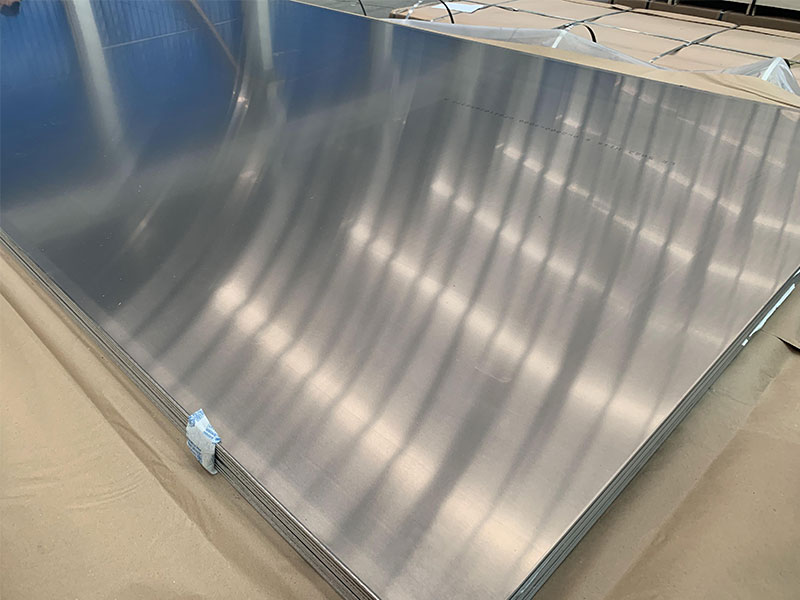
Marine 5052 aluminum sheet
Aluminum alloy 5052 is a non-heat-treatable, strain-hardened alloy with magnesium as the primary alloying element. It is designed to offer superior corrosion resistance in marine and saline environments, making it a dependable choice for components exposed directly to seawater or coastal atmospheric conditions.
View Details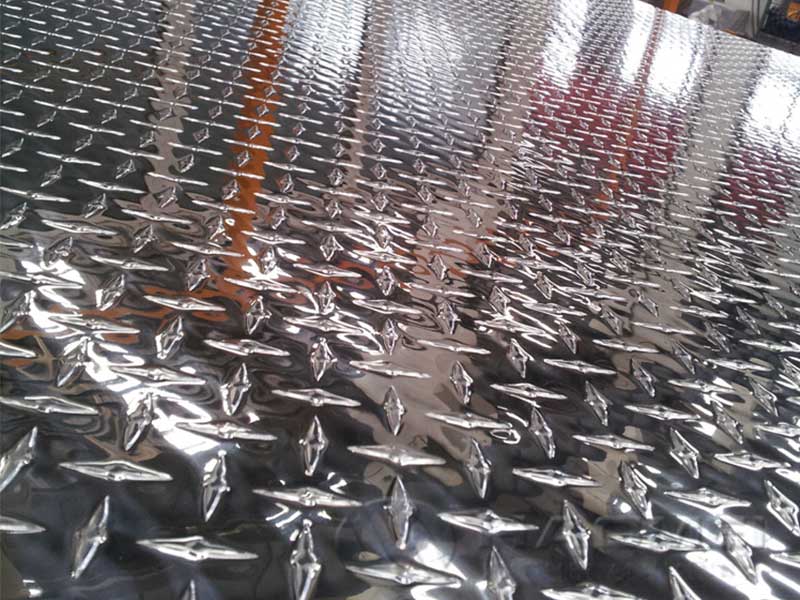
Marine Aluminum Tread Sheets
Marine Aluminum Tread Sheets are aluminum alloy plates featuring a raised surface pattern, commonly referred to as a tread design or diamond plate.
View DetailsRelated Blog
5083 Marine Grade Color Coated Aluminum
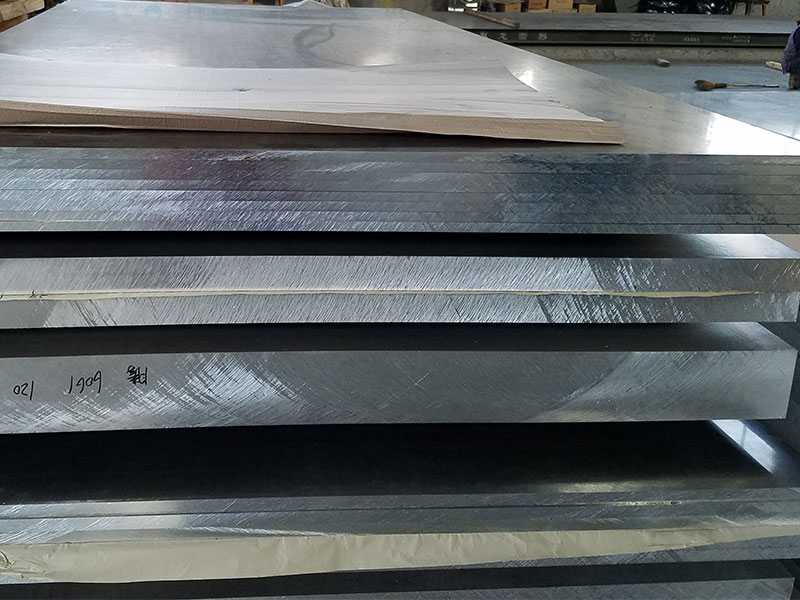
When it comes to durable, reliable, and visually appealing materials for marine environments, 5083 Marine Grade Color Coated Aluminum stands out as an industry leader.
View Details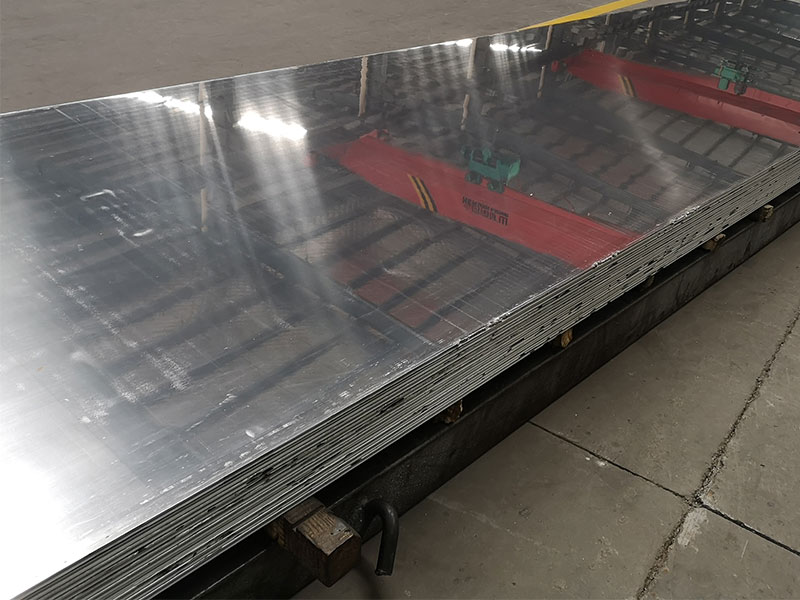
5052 5083 5086 Marine Grade Aluminium Sheet for Boat Building
Marine-grade aluminum is essential for constructing durable, lightweight vessels capable of withstanding harsh marine environments. In particular, 5052, 5083.
View Details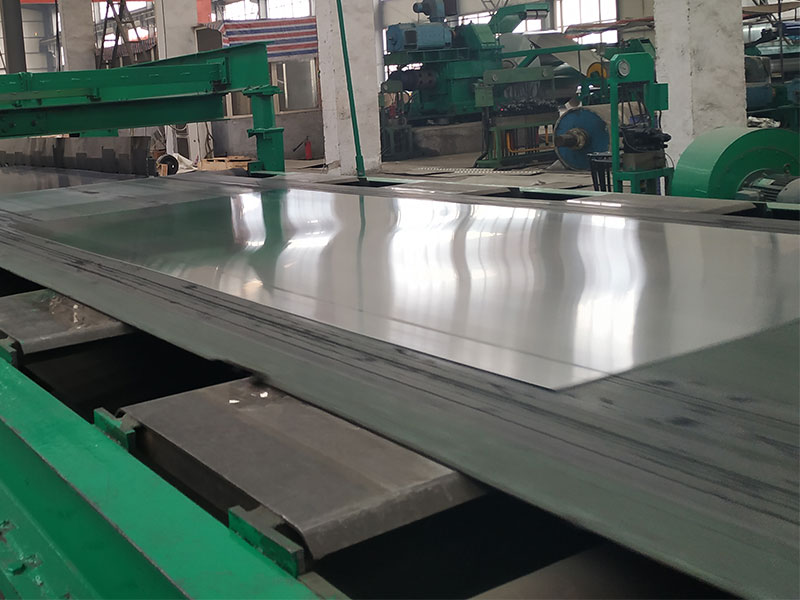
Astm standard 5083 5052 aluminium sheet for boat material
ASTM Standard 5083 & 5052 Aluminum Sheet for Boat Material: Reading Marine Alloy Like a Hull Designer, Not a CatalogIn marine construction, aluminum sheet is often discussed as if it were simply a grade name plus a thickness.
View Details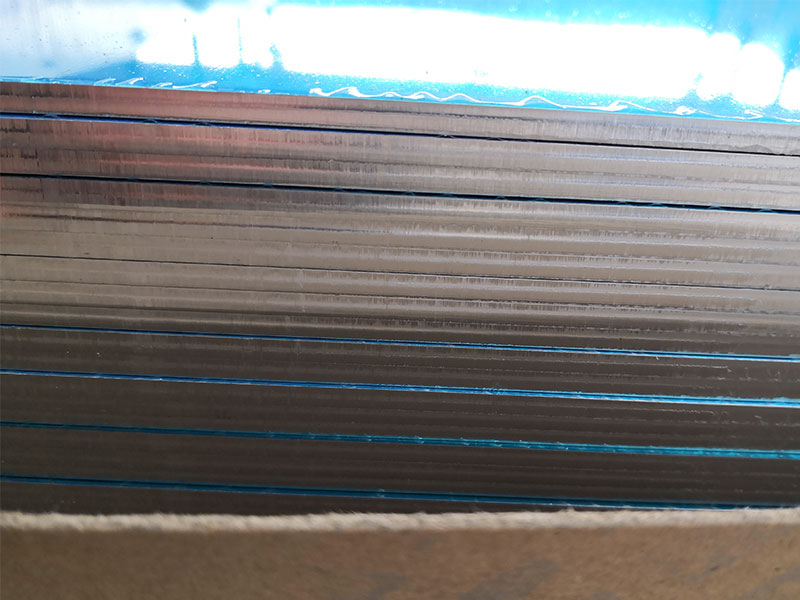
Aluminum Sheet for Boat 5083 H111 H112 H116 H32
The Aluminum Sheet 5083 series is notably recognized in marine and industrial applications, particularly aluminum sheets used for boat construction. Among the temper designations, H111, H112, H116.
View Details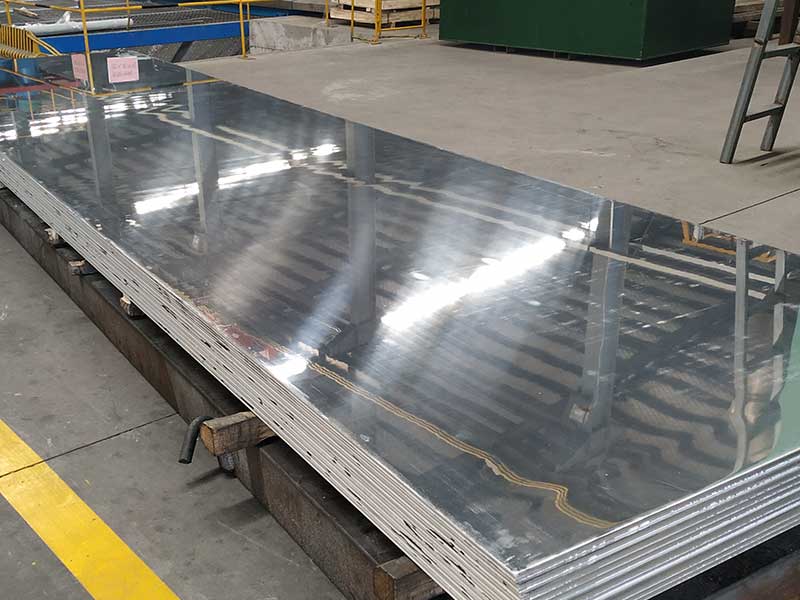
1mm to 8mm thick marine grade aluminum sheet 5083 h116
Marine environments punish materials in ways most industrial settings never will: salt spray, stagnant seawater, cyclic wet/dry exposure, and constant vibration.
View Details
Marine aluminum 5083
In-depth insights into Marine Aluminum 5083, its chemical composition, mechanical properties, temper conditions, and why it stands as the premier alloy for marine and offshore structural applications.
View Details
Leave a Message