
1mm to 8mm thick marine grade aluminum sheet 5083 h116
Marine environments punish materials in ways most industrial settings never will: salt spray, stagnant seawater, cyclic wet/dry exposure, and constant vibration. 5083-H116 aluminum sheet is widely selected for these conditions because it combines high strength, excellent seawater corrosion resistance, and reliable performance in welded structures. In the 1mm to 8mm thickness range, it offers a practical balance of weight savings, formability, and fabrication efficiency for everything from hull panels to deck structures and offshore components.
What "5083 H116" Means in Marine Service
Alloy 5083 is an Al-Mg (aluminum–magnesium) alloy with manganese and small additions that improve strength and structural stability. It is considered a premium marine alloy because magnesium strengthens aluminum while maintaining strong corrosion performance in chloride-rich environments.
Temper H116 is a marine-oriented temper for strain-hardened products. It is commonly specified when the application requires good resistance to exfoliation corrosion and stress corrosion cracking, along with stable mechanical properties after fabrication and service exposure.
Features Customers Choose 5083-H116 For
Seawater corrosion resistance you can design around
5083 is known for strong resistance to general corrosion in seawater and marine atmospheres. In practical terms, this translates to longer service life and lower maintenance requirements for panels, plating, and structural elements exposed to saltwater, bilge moisture, and salt-laden air.
High strength-to-weight for welded structures
5083 provides high strength among non-heat-treatable aluminum alloys, which is especially valuable in ships and fast craft where weight reduction directly improves payload, speed, and fuel efficiency. It is also widely used in welded assemblies, a core reality of marine fabrication.
Good formability in thin-to-medium gauges
In the 1mm to 8mm range, 5083-H116 can be cut, bent, roll-formed, and fabricated into complex shapes-supporting both aesthetic and structural requirements in marine design.
Durable performance under cyclic loading
Marine structures experience vibration, slamming loads, and wave-induced stresses. 5083-H116 is often selected where designers want consistent mechanical performance across large sheet areas and welded panels.
Chemical Composition (Typical, wt.%)
Composition limits may vary by standard (ASTM, EN, JIS). The table below reflects widely used ranges for 5083.
| Element | Content (wt.%) |
|---|---|
| Magnesium (Mg) | 4.0–4.9 |
| Manganese (Mn) | 0.4–1.0 |
| Chromium (Cr) | 0.05–0.25 |
| Iron (Fe) | ≤ 0.40 |
| Silicon (Si) | ≤ 0.40 |
| Copper (Cu) | ≤ 0.10 |
| Zinc (Zn) | ≤ 0.25 |
| Titanium (Ti) | ≤ 0.15 |
| Aluminum (Al) | Balance |
Why it matters: the Mg level drives strength and marine corrosion behavior, while Mn/Cr help stabilize the alloy's structure and support good performance in welded and formed components.
Technical Specifications for 1mm–8mm Sheet
The following parameters are commonly requested for procurement and project documentation.
| Item | Typical Offering / Notes |
|---|---|
| Product form | Sheet / plate (depending on thickness boundary used by the standard) |
| Thickness range | 1.0–8.0 mm |
| Width | Commonly 1000–2000 mm (custom slitting available) |
| Length | Commonly 2000–6000 mm (cut-to-length available) |
| Temper | H116 |
| Standards (typical) | ASTM B928 (marine plate), ASTM B209 (sheet), EN 485 / EN 573 (EU equivalents) |
| Surface | Mill finish, one-side film available, special finishes on request |
| Flatness control | Industrial standard leveling; tighter tolerances available by agreement |
| Weldability | Excellent with suitable filler alloys and procedures |
| Workability | Good for bending/rolling with proper radii and grain direction awareness |
Typical Mechanical Properties (Guidance)
Mechanical properties depend on thickness, standard, and test direction. The values below are representative ranges used for engineering estimation; project-critical designs should use certified mill test reports.
| Property | Typical Value (5083-H116) |
|---|---|
| Density | ~2.66 g/cm³ |
| Tensile strength (UTS) | ~305–360 MPa |
| Yield strength (0.2% proof) | ~215–290 MPa |
| Elongation | ~10–16% |
| Brinell hardness | ~75–95 HB |
Design note: in welded structures, the heat-affected zone can soften relative to base material. This is normal for strain-hardened Al-Mg alloys and should be accounted for in joint design and allowable stresses.
Corrosion Performance in Real Marine Conditions
5083-H116 is chosen not only for laboratory corrosion results but for its track record in boats, ships, and coastal infrastructure.
| Corrosion Aspect | Practical Behavior |
|---|---|
| Seawater immersion | Strong resistance to general corrosion |
| Marine atmosphere | Excellent; performs well under salt spray exposure |
| Exfoliation corrosion | H116 temper is commonly specified to improve resistance |
| Galvanic corrosion | Must be managed when coupled to stainless steel, copper alloys, or carbon steel |
| Pitting risk | Reduced versus many alloys, but still requires design hygiene (drainage, avoid crevices) |
Best practice: isolate dissimilar metals, seal crevices, avoid stagnant saltwater traps, and use appropriate fasteners and coatings when required by the design environment.
Fabrication and Processing Advantages
| Process | Typical Suitability | Notes |
|---|---|---|
| Cutting (shear/laser/waterjet) | Very good | Use parameters suited to Al-Mg to minimize burr and edge oxidation |
| Bending / forming | Good | Select proper bend radius; consider grain direction for tight bends |
| Rolling | Good | Common for curved hull and deck components |
| Welding (MIG/TIG) | Excellent | Use marine-proven filler selection and procedure qualification |
| Machining | Moderate | Use sharp tools and manage chip evacuation; Mg-bearing alloys can be "gummy" |
Applications: Where 1mm–8mm 5083-H116 Fits Best
Hull, deck, and superstructure panels
Thin-to-medium thickness 5083-H116 is frequently used for plating, deck skins, bulkheads, and internal structural panels. It supports lightweight construction while maintaining the durability needed for saltwater exposure and continuous vibration.
Workboats, patrol craft, and fast ferries
High speed and payload demands make weight reduction valuable. In this segment, 5083-H116 is often specified for large-area panels and welded assemblies where reliability and corrosion resistance must be predictable.
Offshore and coastal structures
Walkways, platforms, housings, access panels, and enclosures near seawater benefit from 5083's resistance to marine atmospheres. The 1–8 mm range is especially practical for covers, cladding, and fabricated structural components.
Tanks and containment in saline environments
For certain non-critical containment, splash-zone housings, and equipment panels, 5083-H116 can provide long life with relatively low maintenance-especially when design avoids crevice traps and galvanic couples.
Ramps, gangways, and fabricated marine hardware
This thickness range is popular for stiffened panels, tread plates (when specified), and fabricated components where strength and handling durability matter.
Ordering Notes That Prevent Rework
| Buyer Checkpoint | What to Specify |
|---|---|
| Standard & temper | Confirm 5083-H116 and applicable standard (ASTM/EN/JIS) |
| Thickness tolerance | Align with fabrication needs and flatness requirements |
| Grain direction marking | Helpful for bending-critical parts |
| Surface protection | Film/packaging for cosmetic applications |
| Certification | Mill Test Certificate with chemistry and mechanicals |
| Corrosion-related requirements | Any project-specific marine corrosion tests or acceptance criteria |
1mm to 8mm marine grade aluminum sheet 5083-H116 is a proven solution for marine and coastal fabrication where corrosion resistance, weldable strength, and lightweight construction must work together. Its chemistry and temper are engineered for seawater service, while its sheet thickness range supports efficient forming and large welded assemblies. For hull panels, decks, offshore components, and high-performance marine structures, 5083-H116 remains one of the most trusted alloys to specify-and one of the easiest to fabricate into reliable, long-life products.

Related Products
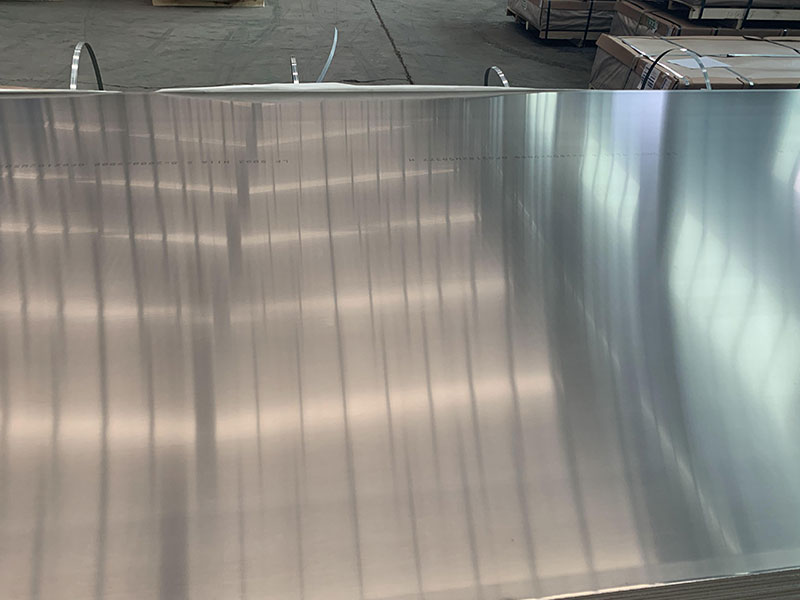
Marine 5383 aluminum sheet
5383 aluminum is a strain-hardened, non-heat-treatable alloy from the 5xxx series primarily alloyed with magnesium. It exhibits a unique balance of corrosion resistance and mechanical properties particularly suited for marine applications.
View Details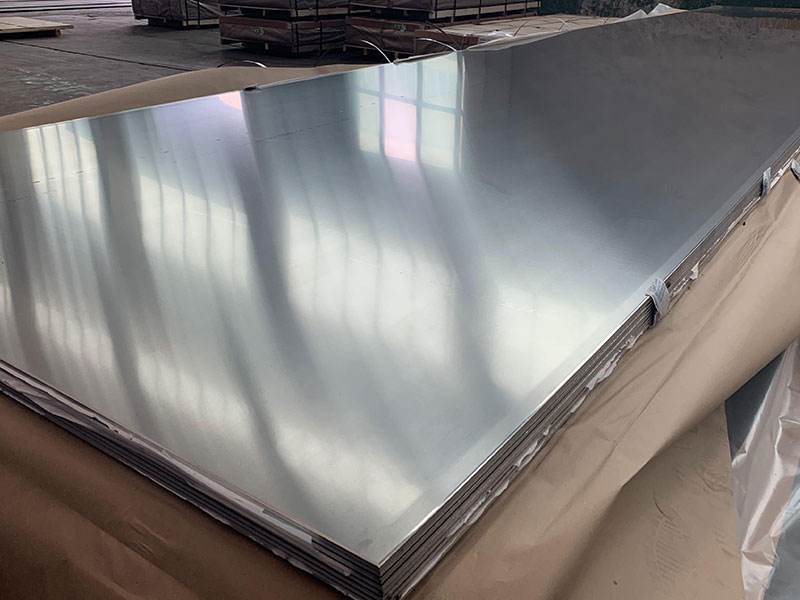
Marine 5086 aluminum sheet
This product article provides an in-depth and comprehensive understanding of Marine 5086 Aluminum Sheets, including their chemical composition, mechanical properties, corrosion resistance, fabrication capabilities, and typical marine applications.
View Details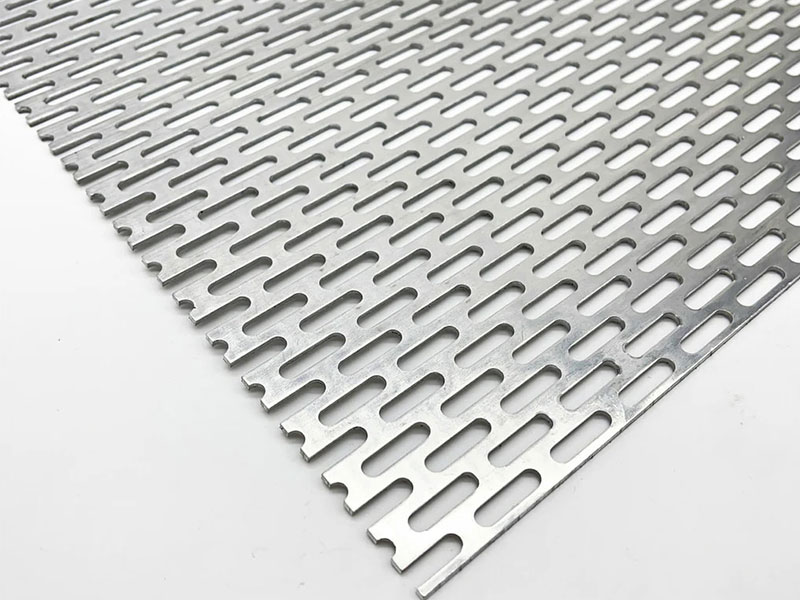
Marine perforated aluminum sheets
Marine Perforated Aluminum Sheets feature a series of uniform holes or shapes punched through the aluminum surface. These perforations can vary in size, pattern, and open area to tailor the sheets for specific applications.
View Details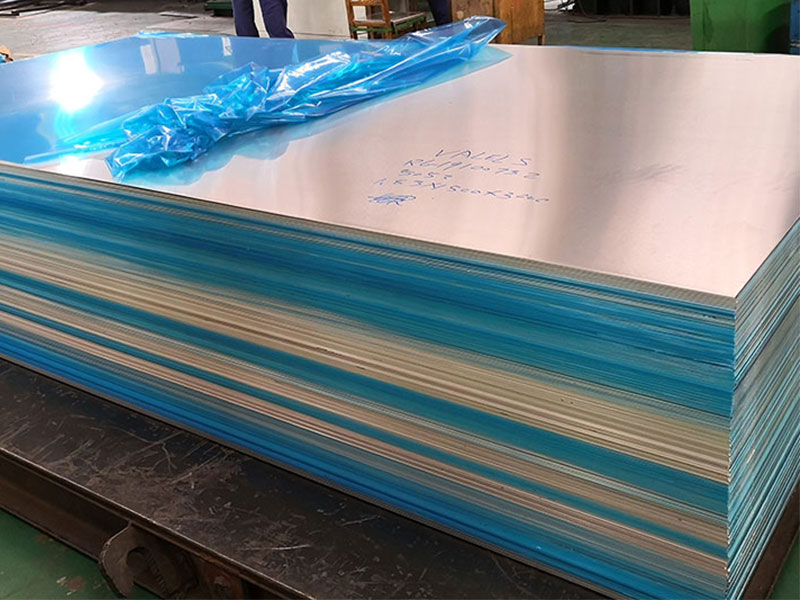
Marine 5059 aluminum sheet
5059 aluminum alloy is a strain-hardened material with a unique addition of magnesium and chromium, which provides outstanding resistance to localized corrosion like pitting and stress corrosion cracking.
View Details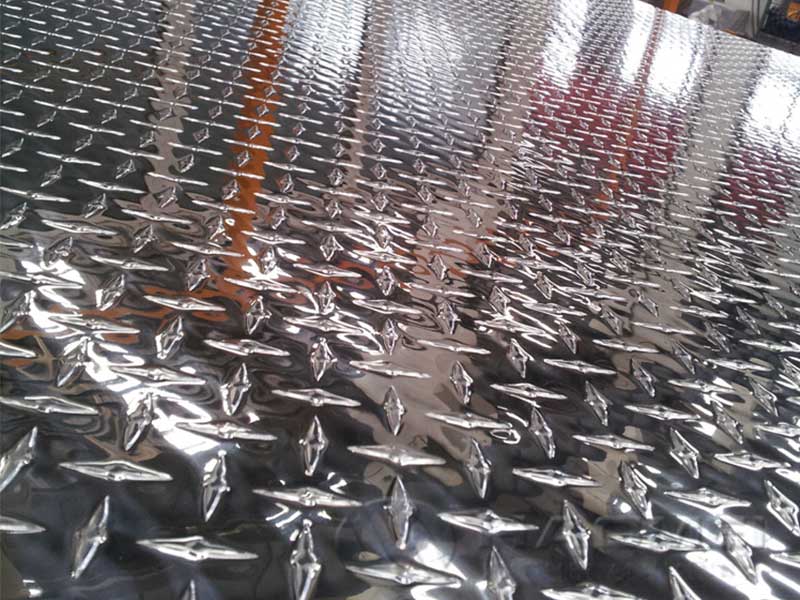
Marine Aluminum Tread Sheets
Marine Aluminum Tread Sheets are aluminum alloy plates featuring a raised surface pattern, commonly referred to as a tread design or diamond plate.
View Details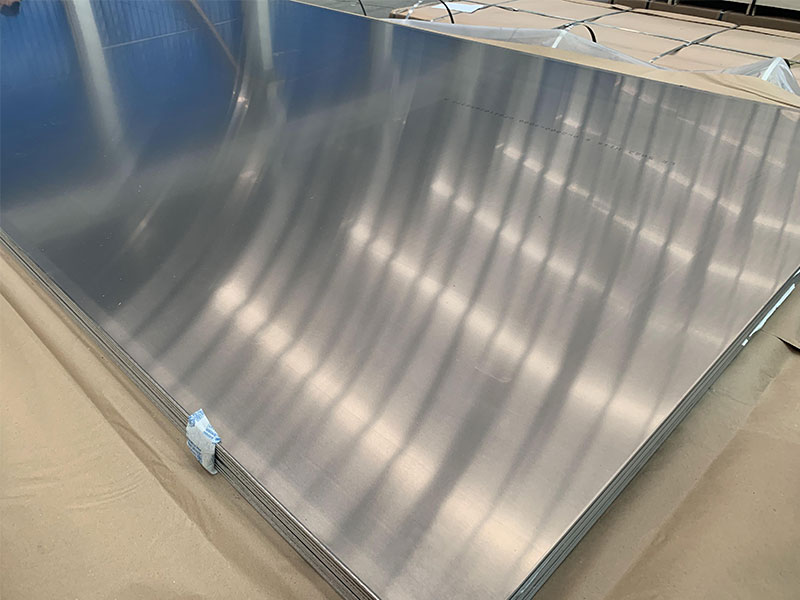
Marine 5052 aluminum sheet
Aluminum alloy 5052 is a non-heat-treatable, strain-hardened alloy with magnesium as the primary alloying element. It is designed to offer superior corrosion resistance in marine and saline environments, making it a dependable choice for components exposed directly to seawater or coastal atmospheric conditions.
View DetailsRelated Blog
Marine aluminum 5083
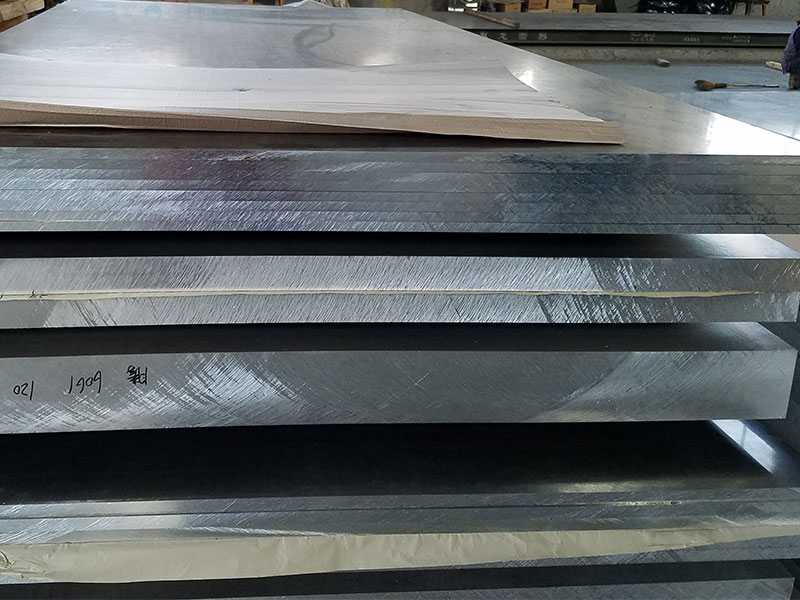
In-depth insights into Marine Aluminum 5083, its chemical composition, mechanical properties, temper conditions, and why it stands as the premier alloy for marine and offshore structural applications.
View Details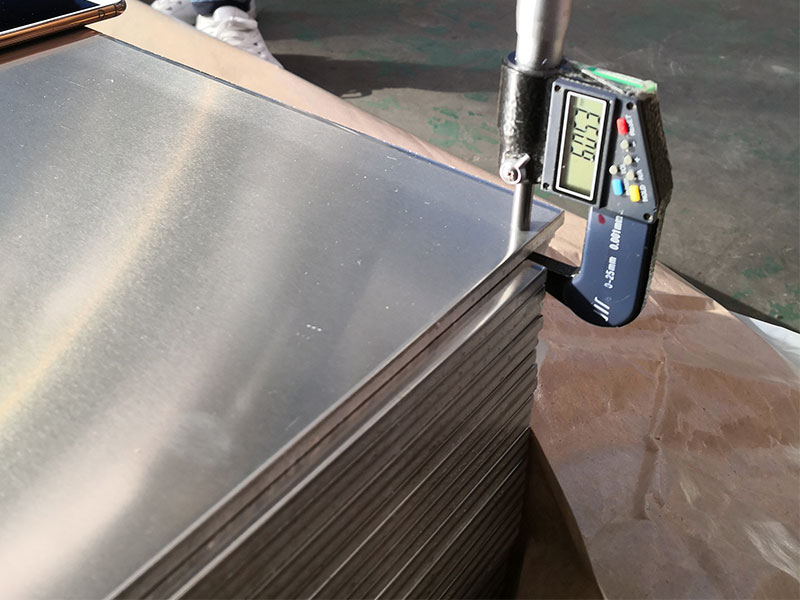
5083 aluminium marine grade 3.2 mm thick aluminium sheet
5083 Aluminium Marine Grade 3.2 mm Thick Aluminium Sheet: Unveiling Its Functional Excellence and Versatile ApplicationsIn the realm of marine engineering, material selection determines durability, safety, and performance.
View Details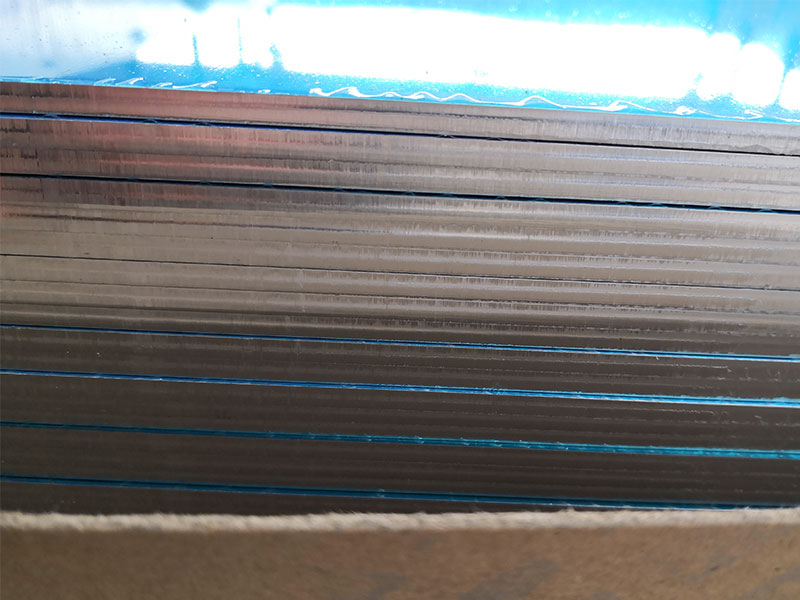
2mm 3mm 4mm marine grade 5083 aluminum sheet
When considering materials for marine applications, the demand for durability, adaptability, and weight efficiency comes to the forefront of innovation. One leading solution in this arena is the 5083 aluminum alloy.
View Details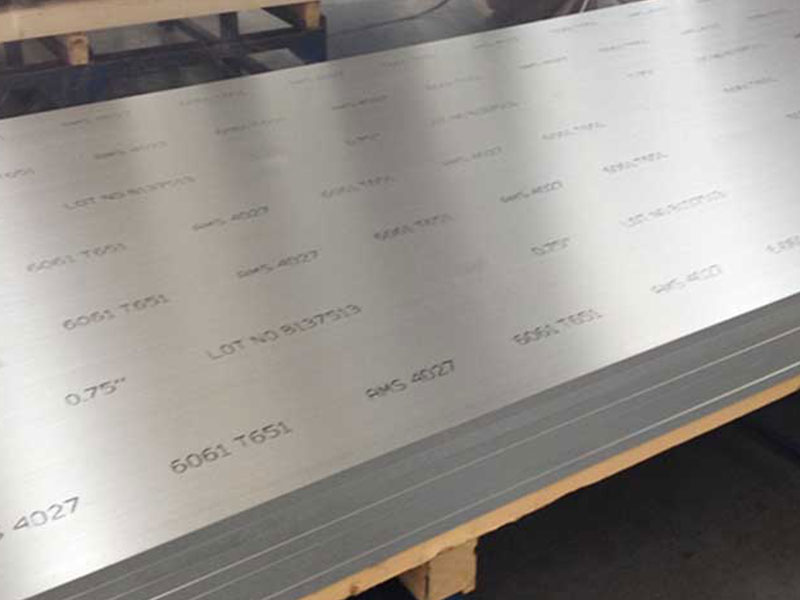
5083 H116 H321 Aluminum sheet for Ship or boat 5083
When it comes to marine applications, having sturdy and corrosion-resistant materials is essential for durability and safety. Aluminum, specifically the alloy grades 5083 in temper states H116 and H321.
View Details
5052 5083 alloy 16 gauge aluminum sheet for boat building
5052 Aluminum Alloy5052 aluminum alloy is a non-heat treatable alloy known for its exceptional corrosion resistance, especially against saltwater, making it a popular choice for marine environments.
View Details
5083 Marine Grade Color Coated Aluminum
When it comes to durable, reliable, and visually appealing materials for marine environments, 5083 Marine Grade Color Coated Aluminum stands out as an industry leader.
View Details
Leave a Message