
6061 Marine Aluminum Tubes for Long Term Marine Use
Marine environments punish materials relentlessly: salt spray drives corrosion, vibration loosens joints, UV and temperature swings fatigue structures, and maintenance access is often limited. 6061 marine aluminum tubes are a practical answer for long-life, weight-sensitive marine structures because they combine excellent corrosion resistance, solid strength-to-weight, good weldability, and broad availability in tube sizes-all while supporting cost-effective fabrication.
Why 6061 Tubes Work So Well in Marine Service
6061 is an Al-Mg-Si alloy that gains strength through heat treatment (most commonly T6). In marine applications, its value comes from a balanced profile:
- Corrosion resistance: strong resistance to atmospheric and splash-zone exposure when properly finished and isolated from dissimilar metals.
- Structural efficiency: tubing geometry provides high bending stiffness at low mass.
- Fabrication flexibility: easily machined, cut, bent (with proper radius), and welded.
- Field serviceability: repair welding and modular tube structures simplify long-term maintenance.
Practical takeaway: 6061 tubing is often the "default engineering alloy" for marine frames, supports, rails, towers, and general-purpose structural tubing-especially where weight savings matter.
Features (What Customers Actually Get)
1) High Strength-to-Weight for Tube Structures
Tubular sections resist bending and torsion efficiently. For marine craft, this means:
- lighter superstructures and equipment racks
- improved payload or fuel efficiency
- reduced inertial loads from wave impacts
2) Long-Term Corrosion Resistance (With Smart Detailing)
6061 naturally forms a stable oxide layer. In saltwater service, long life comes from pairing the alloy with:
- anodizing (best for appearance + surface durability)
- marine coatings (epoxy primers + polyurethane topcoats)
- galvanic isolation (nonconductive bushings, gaskets, sealants)
3) Excellent Weldability for Frames and Assemblies
6061 is widely welded using GMAW (MIG) or GTAW (TIG). Note the engineering reality: welding locally softens heat-treated material near the weld. Designs typically compensate with:
- joint geometry, gussets, sleeves, or thicker walls
- post-weld heat treatment (when feasible)
- selecting filler metals appropriate for marine corrosion control
4) Clean Machining and Tight Tolerance Potential
6061 machines well for:
- precision collars and brackets
- tube end fittings and flanges
- tapped holes (when wall thickness allows)
Chemical Composition (Typical per ASTM/AA Limits)
| Element | Composition (%) |
|---|---|
| Aluminum (Al) | Balance |
| Magnesium (Mg) | 0.80 – 1.20 |
| Silicon (Si) | 0.40 – 0.80 |
| Copper (Cu) | 0.15 – 0.40 |
| Chromium (Cr) | 0.04 – 0.35 |
| Iron (Fe) | ≤ 0.70 |
| Manganese (Mn) | ≤ 0.15 |
| Zinc (Zn) | ≤ 0.25 |
| Titanium (Ti) | ≤ 0.15 |
| Others (each) | ≤ 0.05 |
| Others (total) | ≤ 0.15 |
Why it matters: the Mg + Si system enables precipitation hardening (T6), while controlled Cu and Cr contribute to strength and microstructural stability.
Mechanical Properties (Typical Values by Temper)
Values vary with product form, thickness, and specification. Use certified mill test reports for design-critical parts.
| Property | 6061-T6 (Typical) | 6061-T4 (Typical) |
|---|---|---|
| Ultimate tensile strength | ~290 MPa (42 ksi) | ~240 MPa (35 ksi) |
| Yield strength (0.2%) | ~240 MPa (35 ksi) | ~145 MPa (21 ksi) |
| Elongation | ~8–12% | ~12–18% |
| Brinell hardness | ~95 HB | ~60 HB |
| Density | 2.70 g/cm³ | 2.70 g/cm³ |
| Thermal conductivity | ~167 W/m·K | ~167 W/m·K |
| Electrical conductivity | ~40% IACS | ~40% IACS |
Marine design note: If the assembly is heavily welded, effective strength in the heat-affected zone will be lower than base T6 values. Proper joint design is the "hidden" to long-term performance.
Technical Specifications (Common Ordering Options)
| Parameter | Typical Options |
|---|---|
| Alloy / temper | 6061-T6, 6061-T651 (stress-relieved), 6061-T4 |
| Tube type | Seamless or extruded structural tube |
| Shape | Round, square, rectangular |
| Outside diameter (OD) / size | Custom or standard profiles (marine frames commonly use 20–150 mm OD range) |
| Wall thickness | Commonly 1.5–10 mm (application-dependent) |
| Length | Stock lengths or cut-to-length |
| Surface finish | Mill finish, anodized, powder-coated, painted, brushed |
| Standards (typical) | ASTM B221 (extruded), ASTM B241/B241M (pipe/tube), EN/ISO equivalents available |
| Testing / certification | Chemical analysis, tensile test, hardness, dimensional inspection, traceability (heat number) |
Recommendation: For marine tube assemblies requiring consistent straightness and machinability, T651 (stress-relieved) can reduce distortion during machining and cutting.
Performance in Marine Environments (What to Expect)
| Performance Metric | 6061 Tube Behavior | Best Practice to Maximize Life |
|---|---|---|
| Salt-spray resistance | Good with oxide film; improves significantly with coatings | Anodize or marine paint system; rinse salt deposits |
| Pitting / crevice corrosion | Generally good; crevices can trap chloride | Seal joints, avoid water traps, use drainage holes |
| Galvanic corrosion | Risk when coupled to stainless, carbon steel, or copper alloys | Isolate with nylon washers, gaskets, sealants; choose compatible fasteners |
| Fatigue under vibration | Good for structures when stress concentrations are controlled | Use smooth transitions, avoid sharp notches, add gussets |
| UV/weathering | Excellent substrate; coatings protect appearance | UV-stable topcoats or anodizing |
| Maintenance burden | Low to moderate depending on finish | Periodic washdown + inspection of joints and coatings |
Typical Marine Applications (Where 6061 Tubes Shine)
6061 marine aluminum tubes are widely used for:
- Boat rails, stanchions, and supports (where rigidity and corrosion resistance are required)
- T-top frames and radar arches (excellent stiffness-to-weight for elevated structures)
- Dock and marina infrastructure (gangways, frames, ladders, bumpers)
- Deck equipment frames (solar panel mounts, canopies, seating frames)
- Workboat and patrol craft components (utility racks, protective frames, electronics masts)
- Marine HVAC and equipment housings (tubular skids, supports, guards)
If your structure must stay stiff, stay light, and stay serviceable for years, tubes outperform flat bar and plate in many frame-type designs.
Design and Purchasing Tips (Avoid Common Failures)
1) Specify the Right Temper for the Job
- T6 for maximum strength and stiffness in bolted or lightly welded structures
- T4 when forming/bending is significant (then consider re-aging if applicable)
2) Engineer for Corrosion-Don't Just "Pick a Marine Alloy"
Most marine corrosion failures are detail-driven:
- avoid trapped water and crevices
- isolate dissimilar metals
- seal fastener penetrations
- choose coatings based on abrasion and UV exposure
3) Choose Tube Dimensions Based on Stiffness, Not Just Strength
For long members, deflection often governs. Increasing OD can reduce deflection more effectively than increasing wall thickness, often at similar weight.
| Benefit | What It Means in Practice |
|---|---|
| Long service life | Resists marine atmosphere and splash exposure when properly finished |
| Lightweight strength | Better performance and efficiency on vessels and offshore structures |
| Fabrication versatility | Weld, machine, cut, and assemble with standard shop capabilities |
| Cost-effective availability | Widely stocked sizes and consistent supply chain |
| Clean aesthetics | Anodizing or powder coating produces durable, premium appearance |

Related Products
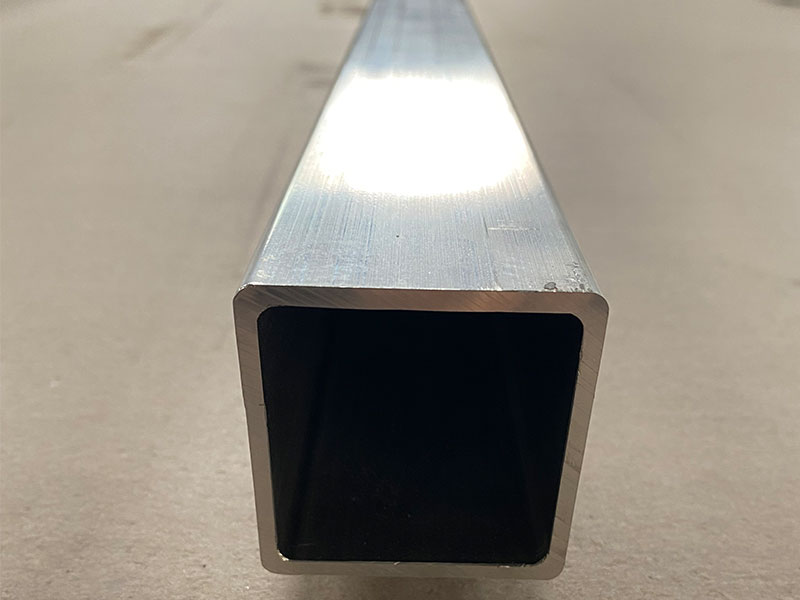
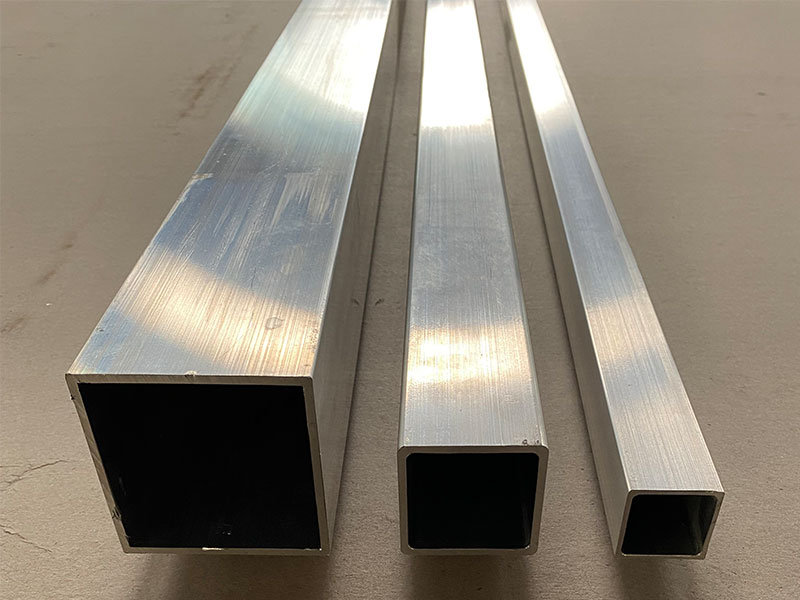
Marine aluminum square tubes
Marine Grade Aluminum Square Tubes are typically constructed from marine-grade alloys such as 5083, 5052, 6061, and 6082—well-known for their ability to withstand the aggressive effects of saltwater and marine atmospheres.
View Details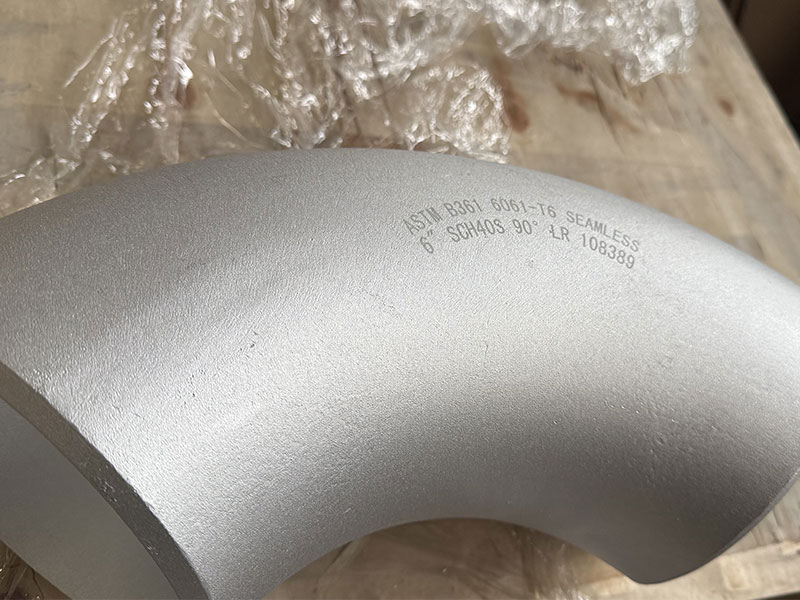
6061-T6 90-Degree Marine Aluminum Pipe Elbow
Manufactured from premium 6061-T6 marine-grade aluminum alloy, this elbow fitting is engineered to provide reliable and efficient pipe direction changes within shipbuilding, offshore platforms, and marine infrastructure systems.
View Details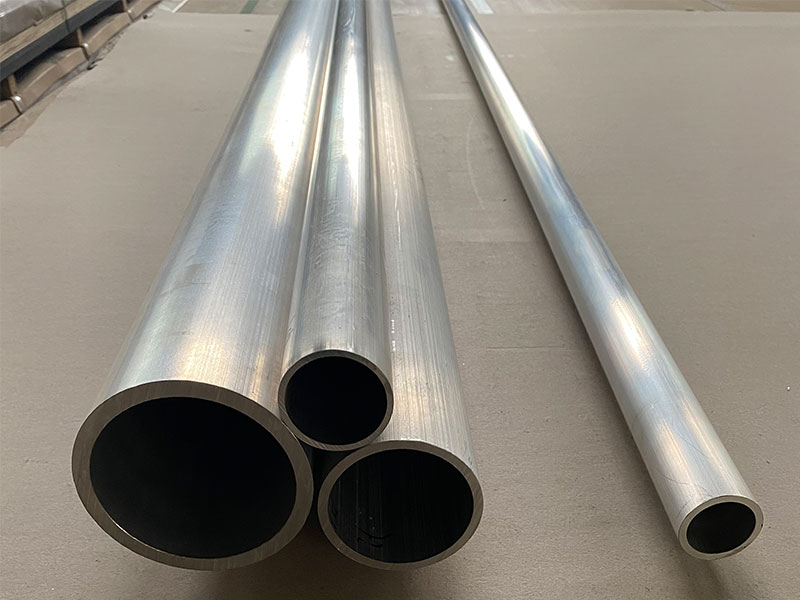
Marine aluminum round tubes
Marine Grade Aluminum Round Tubes are manufactured from premium marine alloys such as 5083, 5052, 6061, and 6082, all selected for their proven resistance to seawater corrosion and marine atmosphere degradation.
View Details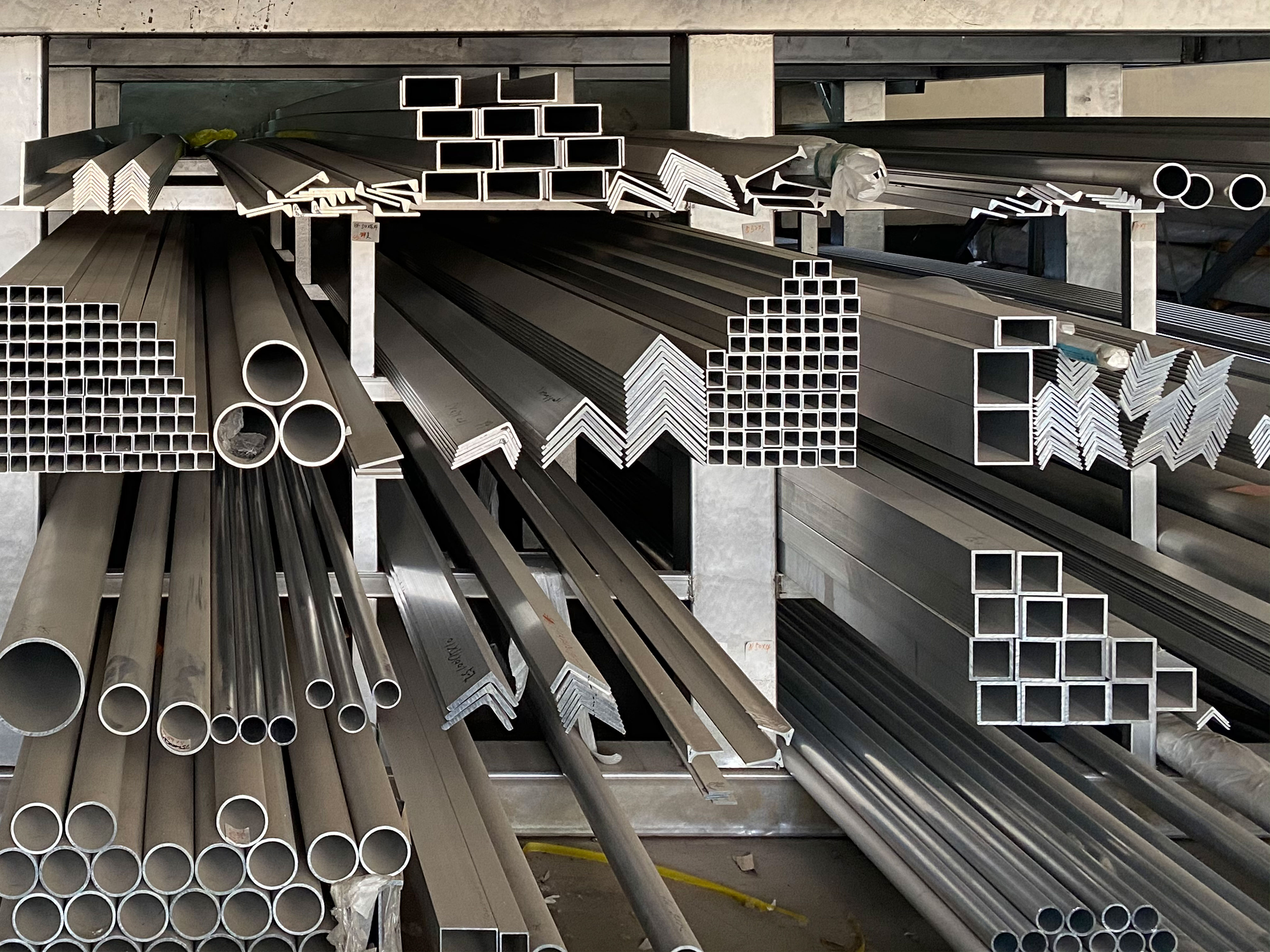
Custom marine aluminum profile tubes
Custom Marine Grade Aluminum Profile Tubes are manufactured from premium marine aluminum alloys such as 5083, 5052, 6061, and 6082.
View Details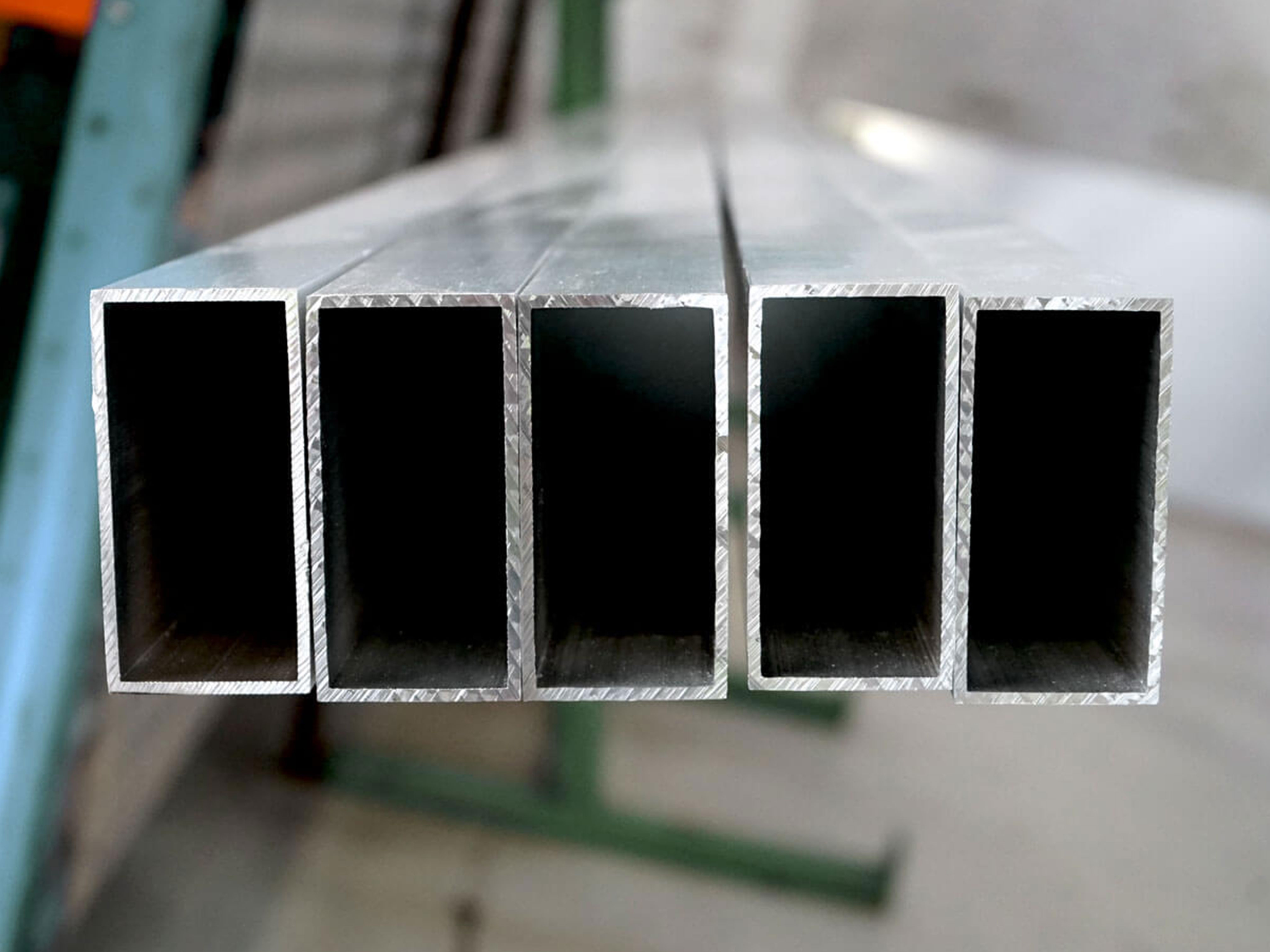
Marine aluminum rectangular tubes
Marine Grade Aluminum Rectangular Tubes are made from high-performance alloys such as 5083, 5052, 6061, and 6082. These alloys are renowned for their ability to resist corrosive seawater and marine atmospheres while providing excellent mechanical strength and toughness.
View DetailsRelated Blog
6061 Marine Aluminum Tubes for Marine Machinery Support Systems
6061 Marine Aluminum Tubes: Essential for Marine Machinery Support SystemsIn the complex machinery and construction of the marine industry, the materials crafted for durability and management play a pivotal role.
View Details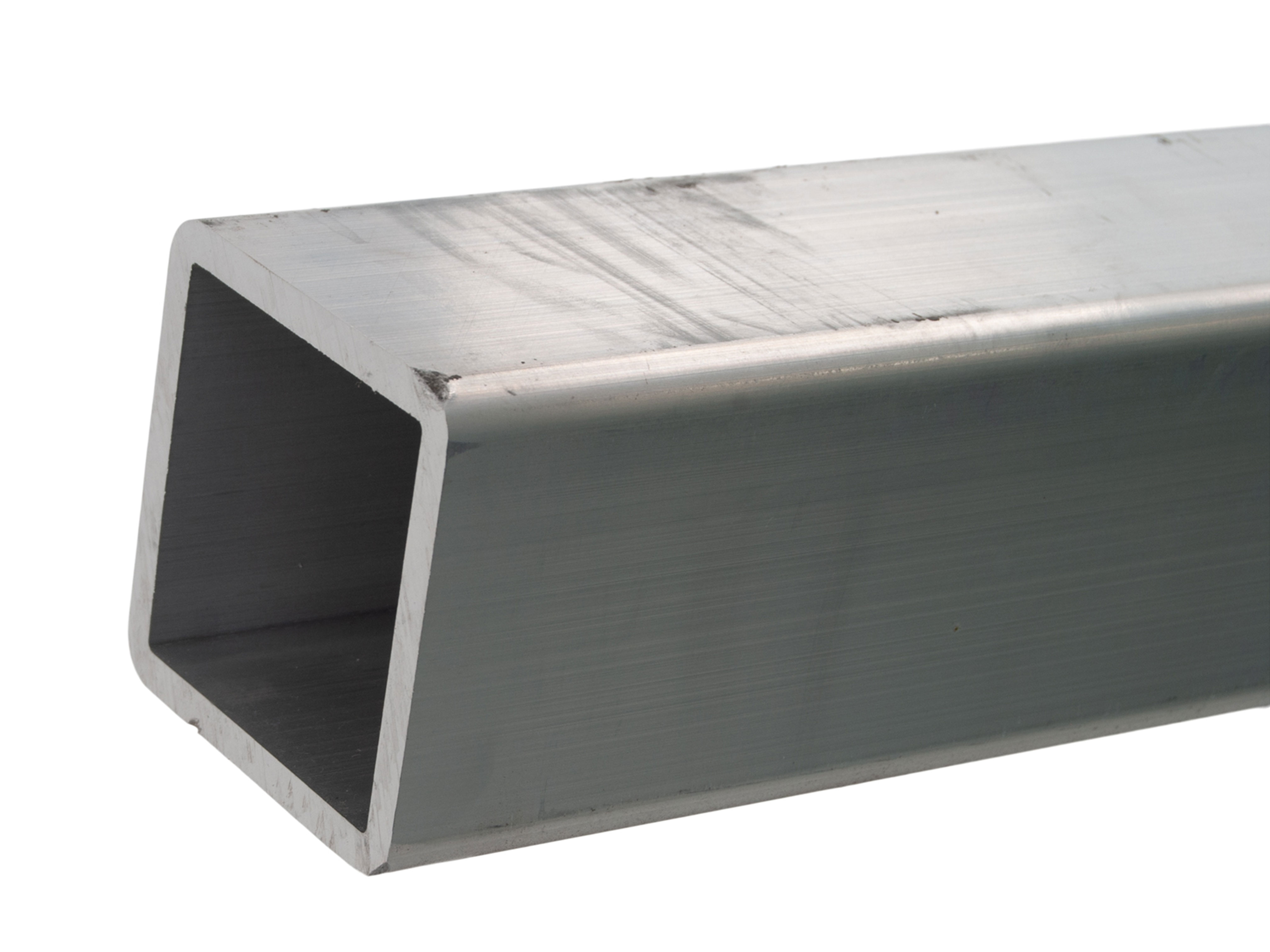
6061 Marine Aluminum Tubes for Heavy Marine Frame Reinforcements
6061 marine aluminum tubes are a workhorse choice for heavy marine frame reinforcements where strength, weldability, and corrosion resistance must coexist in one practical material.
View Details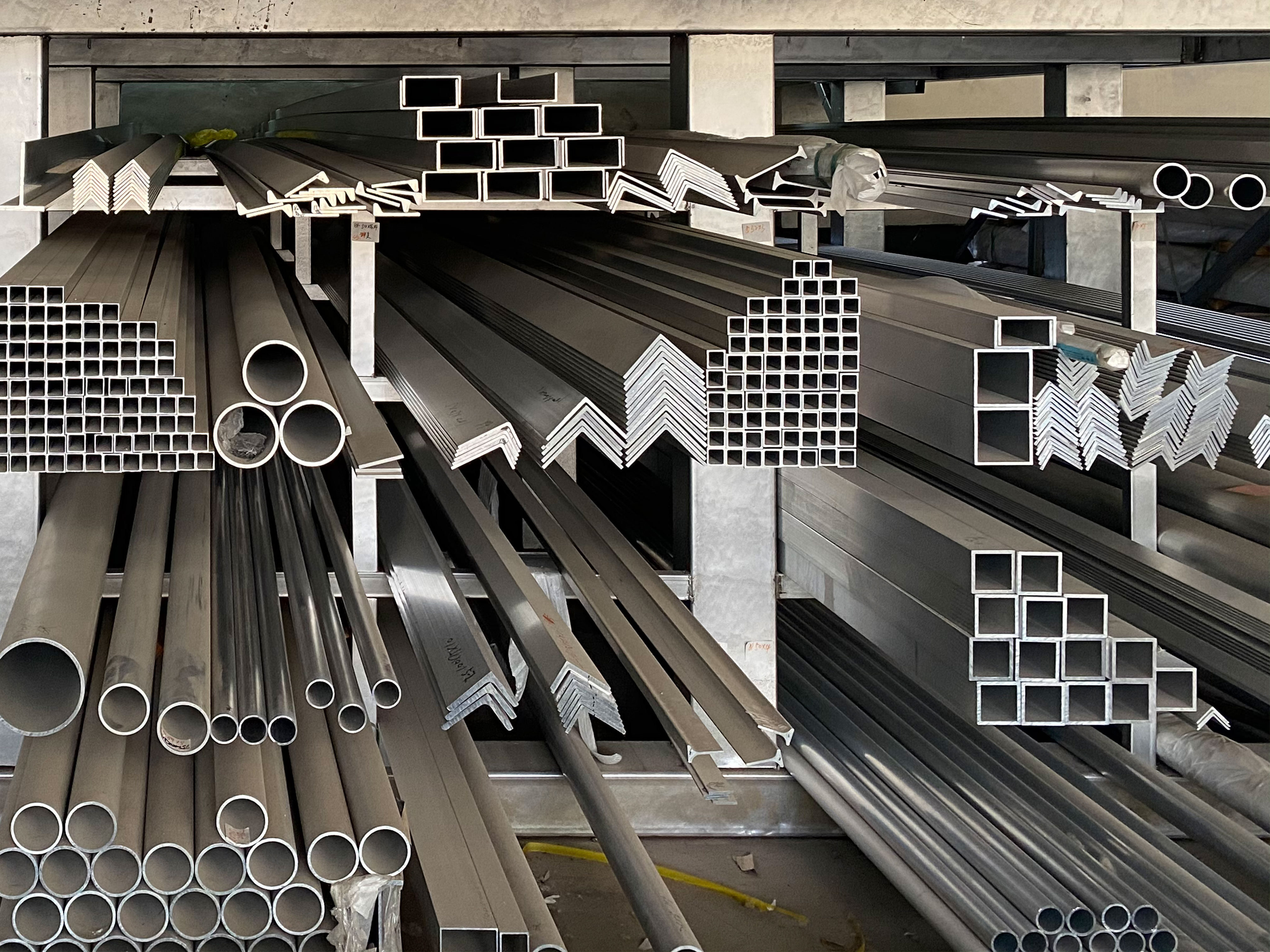
6061 Marine Aluminum Tubes for Long Term Marine Use
Marine environments punish materials relentlessly: salt spray drives corrosion, vibration loosens joints, UV and temperature swings fatigue structures, and maintenance access is often limited.
View Details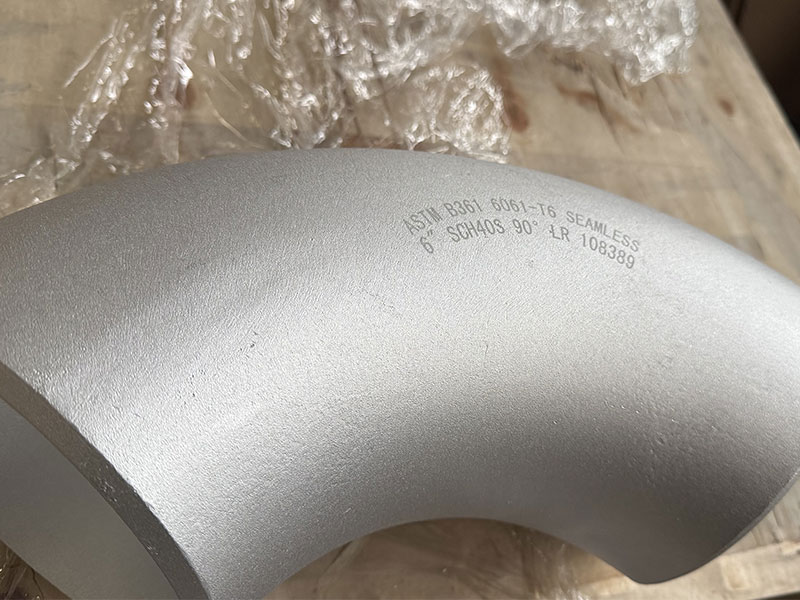
6061 Marine Aluminum Tubes for Custom Marine Equipment Frames
6061 Marine Aluminum Tubes for Custom Marine Equipment Frames: The "Invisible Structure" That Keeps Gear WorkingIn custom marine equipment, the frame is rarely the star.
View Details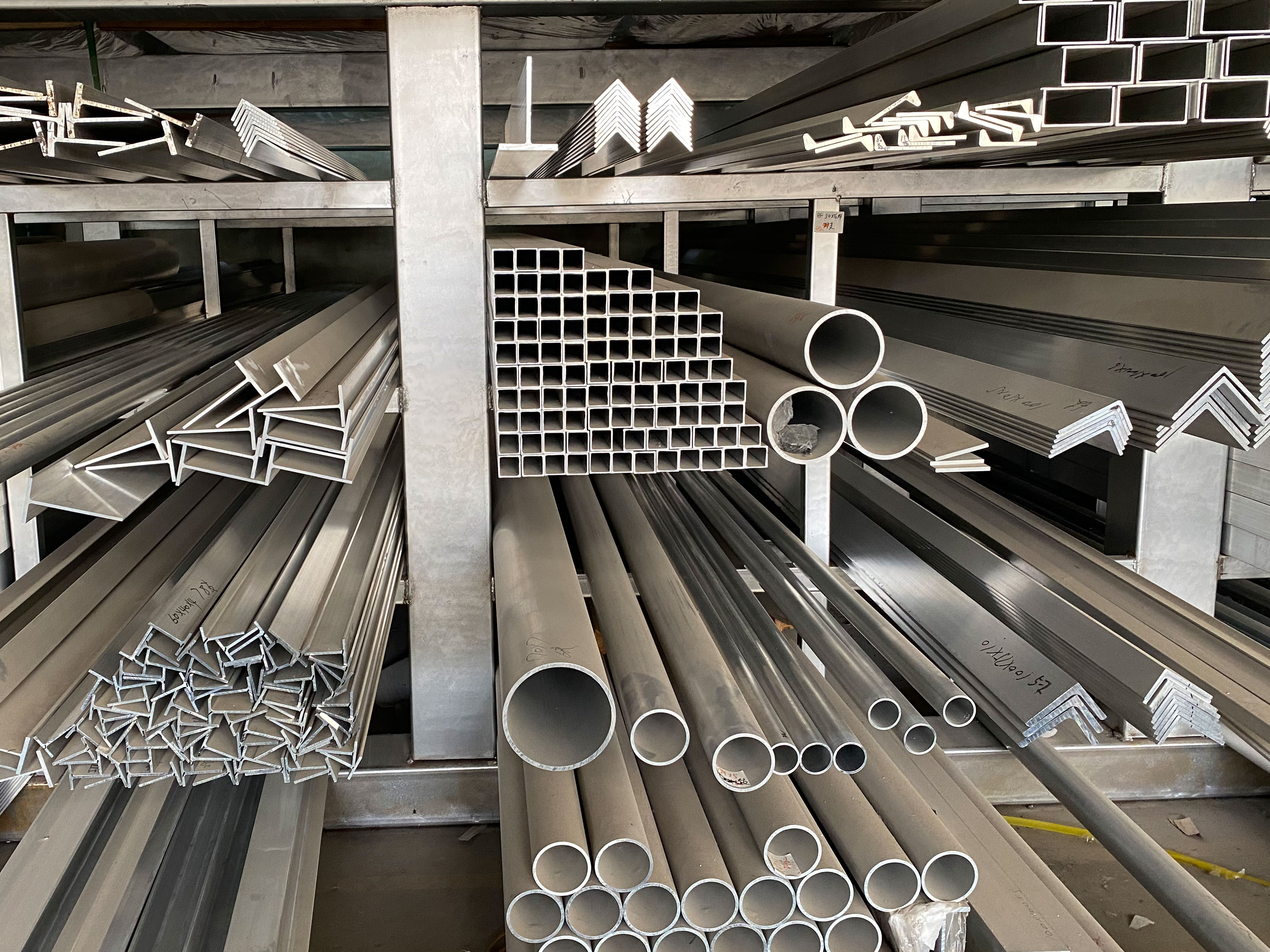
6061 Marine Aluminum Tubes for Custom Boat Frame Solutions
When it comes to constructing custom boat frames, marine-grade materials play a crucial role in ensuring longevity, safety, and performance. Among the vast selection of marine-grade metals.
View Details
6061 Marine Aluminum Tubes for Marine Engineering Projects
Marine engineering demands materials that combine exceptional strength, corrosion resistance, and versatility for reliable performance in harsh seawater environments.
View Details
Leave a Message