
3mm 5000 Series Marine Aluminum Sheet
A 3mm 5000 series marine aluminum sheet is a practical material choice for boat structures that need low weight, dependable corrosion resistance, and efficient fabrication. Made with magnesium as the principal alloying element, this aluminum family performs especially well in humid, salt-laden, and splash-zone environments. It is widely used in recreational boats, fishing vessels, workboats, ferries, offshore equipment, and coastal architectural components.
At 3mm thickness, the sheet offers a useful balance between rigidity and workability. It can be cut, bent, welded, and formed into panels without adding excessive mass to the vessel. For fabricators, this means faster handling. For vessel owners, it means improved payload potential, fuel economy, and lower maintenance demand over a long service life.
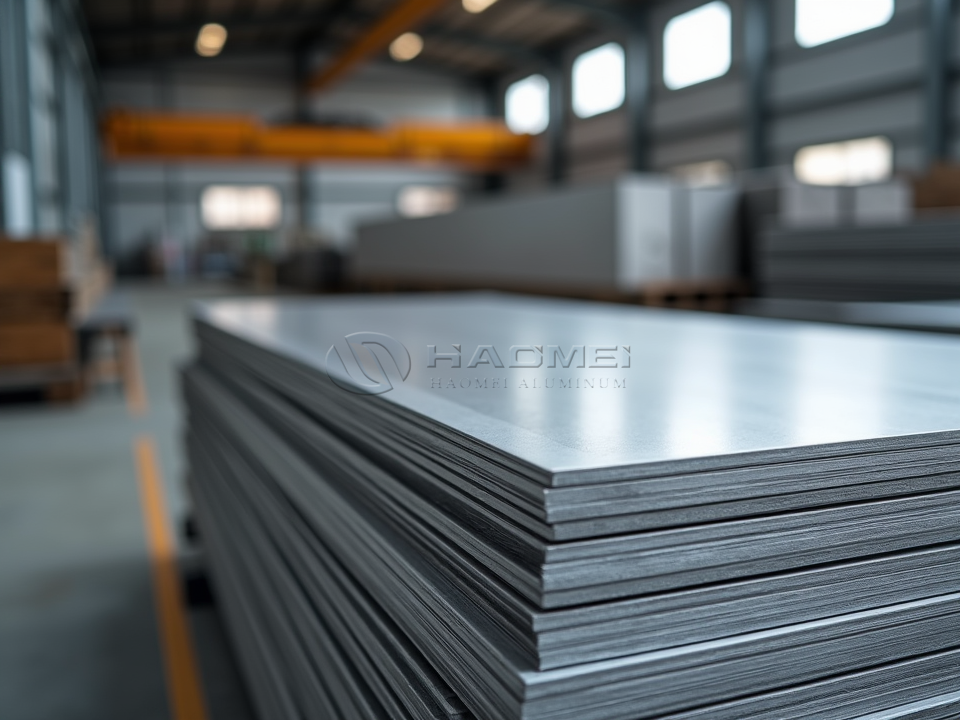
Why the 5000 Series Fits Marine Service
The 5000 series contains aluminum-magnesium alloys developed for strong resistance to atmospheric and seawater corrosion. Unlike ordinary aluminum sheet, marine-grade material is produced with controlled chemistry, stable mechanical properties, and surface quality suitable for marine fabrication.
Common 3mm alloy selections include 5052, 5083, and 5086. Each grade has a different strength level and application range. 5052 is often selected for interior structures, cabin skins, tanks, trim panels, and moderate-duty components. 5083 and 5086 provide higher strength and are commonly considered for hull panels, deck structures, bulkheads, superstructures, and workboat construction.
The naturally formed aluminum oxide film protects the surface from further oxidation. In marine use, magnesium improves the alloy's resistance to seawater attack while retaining good ductility. Proper design, drainage, welding practice, and separation from dissimilar metals help preserve this performance in demanding service.
| Property | Typical 3mm 5000 Series Marine Sheet Value | Marine Benefit |
|---|---|---|
| Thickness | 3.0 mm | Suitable for lightweight panels and fabricated structures |
| Density | Approx. 2.66-2.68 g/cm³ | Much lighter than steel |
| Corrosion resistance | Excellent in marine atmosphere | Helps reduce maintenance frequency |
| Weldability | Excellent | Supports MIG and TIG fabrication |
| Formability | Good to excellent | Suitable for bending and shaped panels |
| Electrical conductivity | Moderate | Useful where lightweight conductive components are needed |
| Surface | Mill finish, brushed, coated, or anodized options | Adapts to functional and decorative requirements |
Alloy Choices at 3mm Thickness
The correct alloy depends on the component's structural duty, exposure conditions, forming radius, and welding plan. A 3mm 5052-H32 sheet is frequently used where corrosion resistance and smooth forming matter more than maximum strength. It is a reliable option for boat interiors, lockers, fuel tank covers, cabin panels, wall linings, and access doors.
For more heavily loaded marine structures, 5083-H116, H321, or O temper materials are frequently specified. These tempers are designed to support marine fabrication and retain strong resistance to exfoliation corrosion. A 3mm 5083 sheet can be used in smaller hull plating, deck panels, transverse bulkheads, consoles, equipment enclosures, and lightweight structural assemblies.
Marine 5052 aluminum sheet is particularly valued for fabricated parts that require a clean appearance, controlled bending, and stable corrosion performance. Where higher strength is needed, a Marine 5083 aluminum sheet is often the preferred material for professional vessel and offshore applications.
| Alloy | Main Alloying Element | Common Tempers | Typical Strength Level | Suitable Marine Uses |
|---|---|---|---|---|
| 5052 | Magnesium | H32, H34, O | Medium | Cabin panels, tanks, interiors, trim, covers |
| 5083 | Magnesium, manganese | H116, H321, O | High | Hulls, decks, bulkheads, workboats |
| 5086 | Magnesium, manganese | H116, H321, O | High | Hull plating, structural panels, marine transport |
| 5454 | Magnesium, manganese | H32, H34, O | Medium to high | Tanks, welded assemblies, transport equipment |
Typical Chemical Composition
Marine aluminum performance begins with alloy chemistry. Magnesium is the defining element in 5000 series products, while manganese and chromium may be added to refine grain structure and improve corrosion behavior. Composition limits vary by alloy and governing standard.
| Element | 5052 Typical Range, % | 5083 Typical Range, % | Function in the Alloy |
|---|---|---|---|
| Magnesium, Mg | 2.2-2.8 | 4.0-4.9 | Improves strength and marine corrosion resistance |
| Manganese, Mn | Up to 0.10 | 0.4-1.0 | Supports strength and grain stability |
| Chromium, Cr | 0.15-0.35 | 0.05-0.25 | Helps resist stress-corrosion effects |
| Iron, Fe | Up to 0.40 | Up to 0.40 | Controlled impurity element |
| Silicon, Si | Up to 0.25 | Up to 0.40 | Controlled impurity element |
| Copper, Cu | Up to 0.10 | Up to 0.10 | Limited to preserve corrosion resistance |
| Aluminum, Al | Balance | Balance | Base metal |
Fabrication Advantages
3mm 5000 series marine aluminum sheet is easy to process with standard metalworking equipment. It can be guillotine cut, CNC routed, laser cut, punched, drilled, roll formed, and press braked. Clean tools and suitable bending radii help maintain a smooth surface and reduce marking.
MIG and TIG welding are both commonly used. Filler selection should match the base alloy and service requirements, with 5356 filler often used for high-magnesium marine alloys. Welding procedures should control heat input, remove oxide layers before welding, and avoid contamination from carbon steel tools. Although aluminum does not rust like steel, embedded iron particles can create staining and localized corrosion sites.
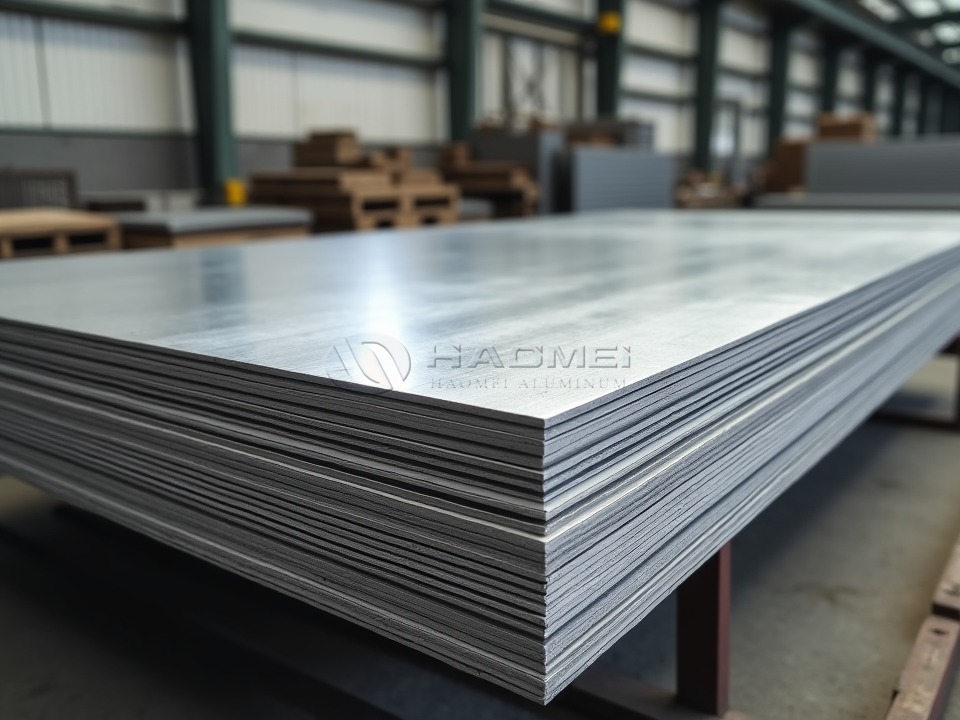
The sheet's low density creates meaningful weight savings. Aluminum weighs approximately one-third as much as carbon steel at the same volume. This allows designers to reduce vessel displacement, increase carrying capacity, or allocate weight to equipment, insulation, batteries, and safety systems. A lighter craft can also respond faster, require less propulsion power, and operate more economically.
Marine Applications
At 3mm, 5000 series sheet is especially effective where a panel must be durable without becoming cumbersome. In leisure craft, it is used for cabin sides, hardtops, deckhouses, console bodies, storage boxes, seat bases, floor sections, and rail-support components. Fishing boats use it for bait stations, fish holds, protective splash panels, lockers, wheelhouse elements, and equipment guards.
Commercial vessels benefit from its long-term corrosion resistance in deck fittings, partitions, engine-room cladding, ventilation covers, walkways, utility enclosures, and crew accommodation components. Offshore and port facilities also use marine aluminum sheet for housings, access platforms, protective covers, lightweight barriers, and coastal equipment panels.
For non-slip walking surfaces, smooth 3mm sheet may be paired with patterned products in traffic areas. For decorative cabin or exterior panels, anodizing, powder coating, or marine-grade paint systems can provide extra color stability and surface protection. Coatings must be applied to a properly cleaned and pretreated substrate.
Selection and Care Considerations
Specify alloy, temper, size tolerance, surface condition, and certification according to the intended use. A 3mm sheet for a non-structural locker door may use 5052-H32, while a welded structural panel exposed to seawater may require 5083-H116 or 5086-H116. Structural engineering requirements, classification society rules, and local vessel regulations should always guide final material selection.
Avoid direct contact between aluminum and copper, untreated steel, or other dissimilar metals in wet environments. Use isolating gaskets, compatible fasteners, protective coatings, and drainage details to limit galvanic corrosion. Regular washing with fresh water removes salt deposits, especially around joints, crevices, fasteners, and deck fittings.
With the right alloy and fabrication method, 3mm 5000 series marine aluminum sheet delivers a durable, lightweight foundation for modern marine construction. Its combination of corrosion resistance, weldability, formability, and clean appearance makes it a trusted material for vessels designed to work hard on the water.

Related Products
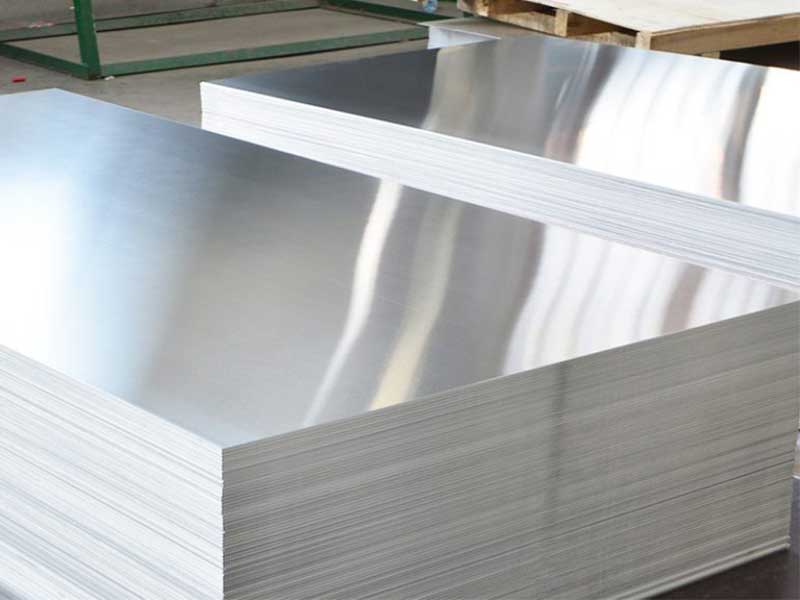
Marine anodized aluminum sheets
Marine Anodized Aluminum Sheets start with premium marine-grade aluminum alloys such as 5000 and 6000 series (typically 5083, 5052, and 6061).
View Details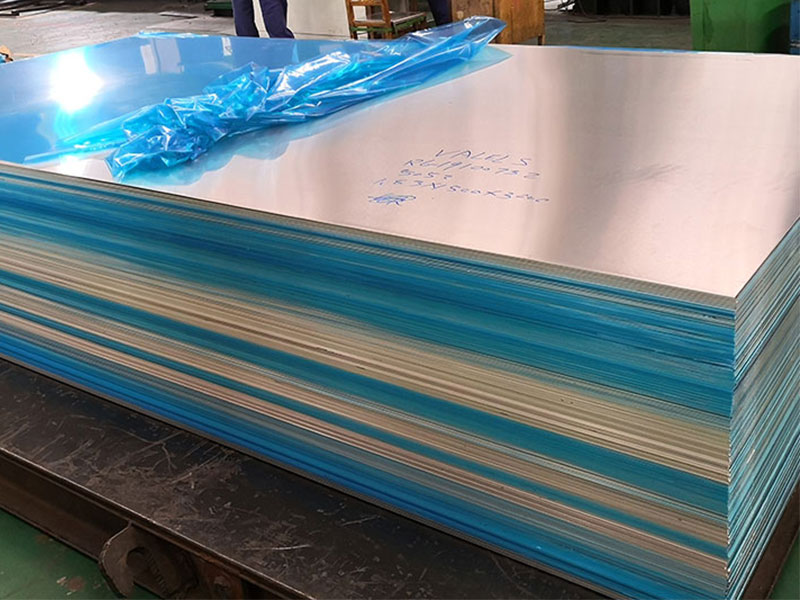
Marine 5059 aluminum sheet
5059 aluminum alloy is a strain-hardened material with a unique addition of magnesium and chromium, which provides outstanding resistance to localized corrosion like pitting and stress corrosion cracking.
View Details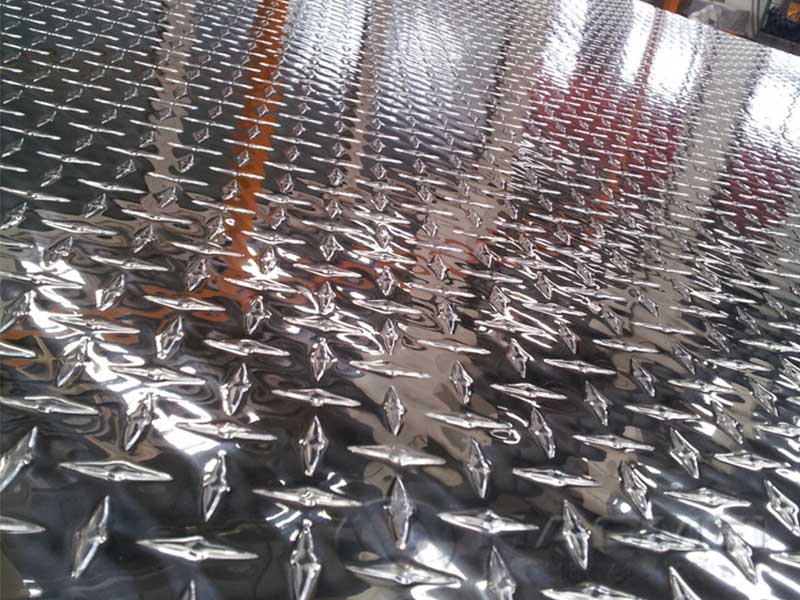
Marine Aluminum Tread Sheets
Marine Aluminum Tread Sheets are aluminum alloy plates featuring a raised surface pattern, commonly referred to as a tread design or diamond plate.
View Details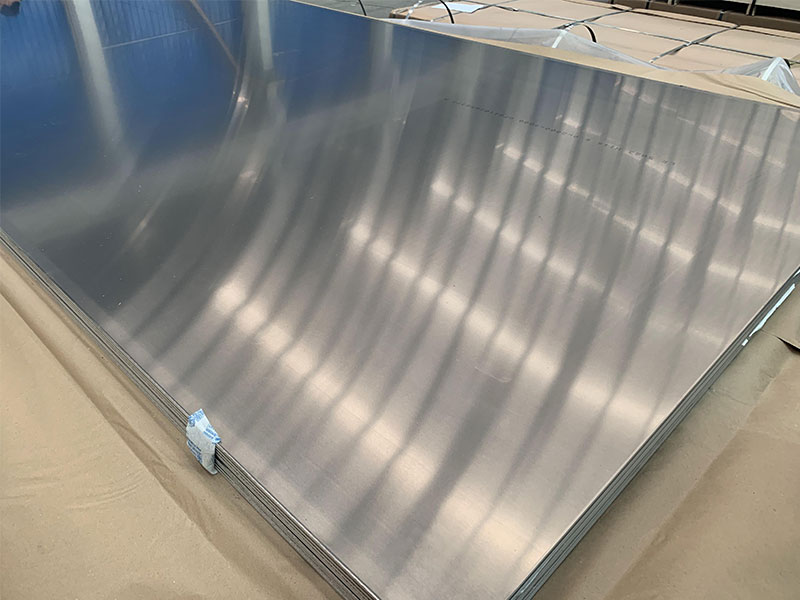
Marine 5052 aluminum sheet
Aluminum alloy 5052 is a non-heat-treatable, strain-hardened alloy with magnesium as the primary alloying element. It is designed to offer superior corrosion resistance in marine and saline environments, making it a dependable choice for components exposed directly to seawater or coastal atmospheric conditions.
View Details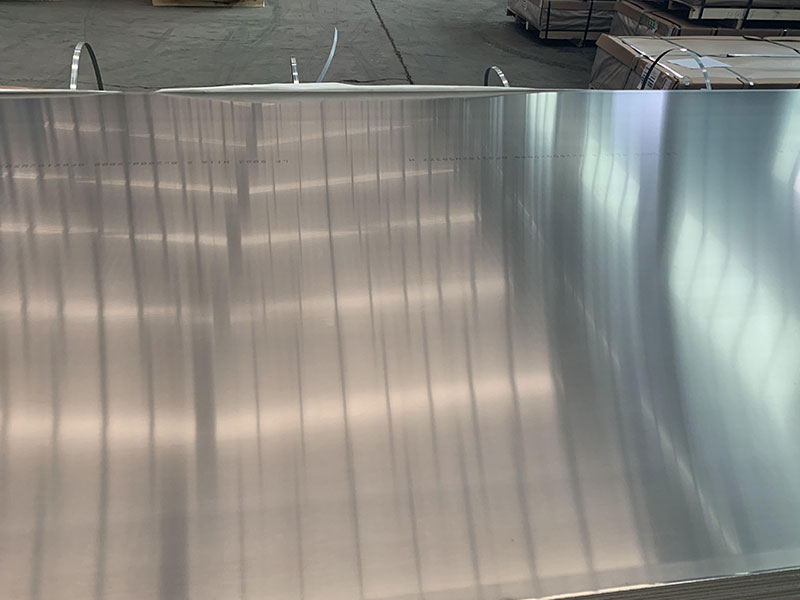
Marine 5383 aluminum sheet
5383 aluminum is a strain-hardened, non-heat-treatable alloy from the 5xxx series primarily alloyed with magnesium. It exhibits a unique balance of corrosion resistance and mechanical properties particularly suited for marine applications.
View Details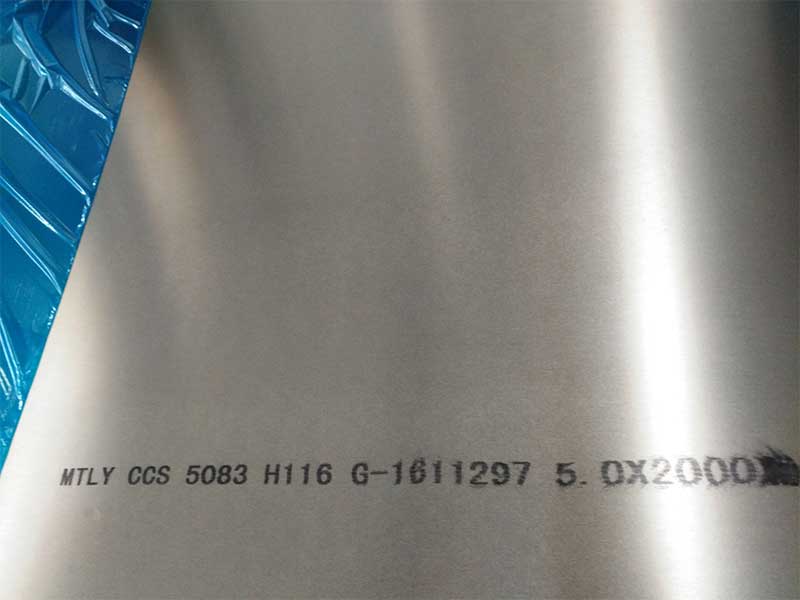
Marine 5083 aluminum sheet
Aluminum alloy 5083 is a non-heat-treatable alloy primarily composed of magnesium and trace elements that deliver outstanding protection against corrosion, particularly in seawater and saline atmospheres.
View DetailsRelated Blog
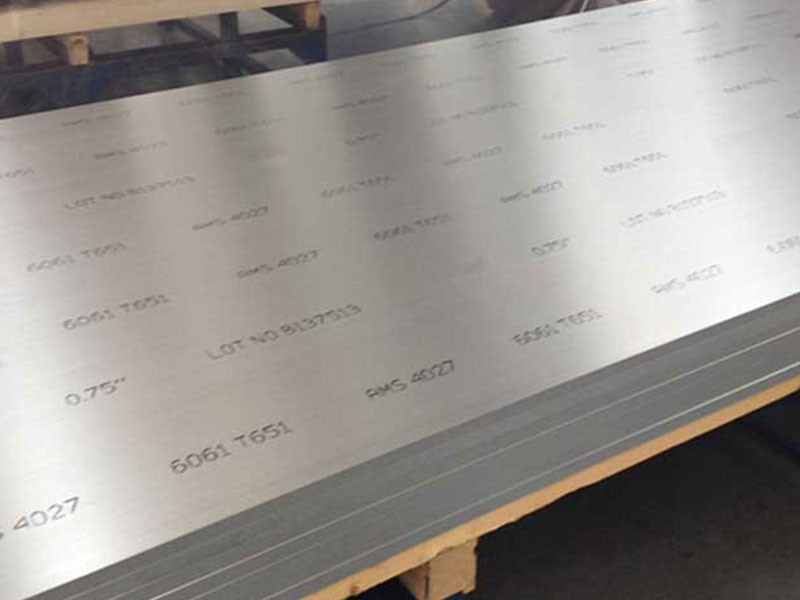
5052 5083 alloy 16 gauge aluminum sheet for boat building
5052 Aluminum Alloy5052 aluminum alloy is a non-heat treatable alloy known for its exceptional corrosion resistance, especially against saltwater, making it a popular choice for marine environments.
View Details
ASTM B209 aluminum sheet 5083 for ship
ASTM B209 Aluminum Sheet 5083 for Shipbuilding: A Functional View from the Waterline Up When ship designers choose materials, they are not just selecting metal; they are choosing how a vessel behaves at sea over decades.
View Details
Marine Grade Aluminium 5052 3mm Aluminium Sheet Sizes
A practical guide to 5052 3 mm marine aluminium sheet sizes, properties, corrosion resistance, fabrication benefits, and boatbuilding applications for buyers.
View Details
Marine 5052 Aluminum Plate
Marine 5052 aluminum plate offers excellent seawater corrosion resistance, high formability, and weldability for hulls, tanks, decking, and coastal fabrications.
View Details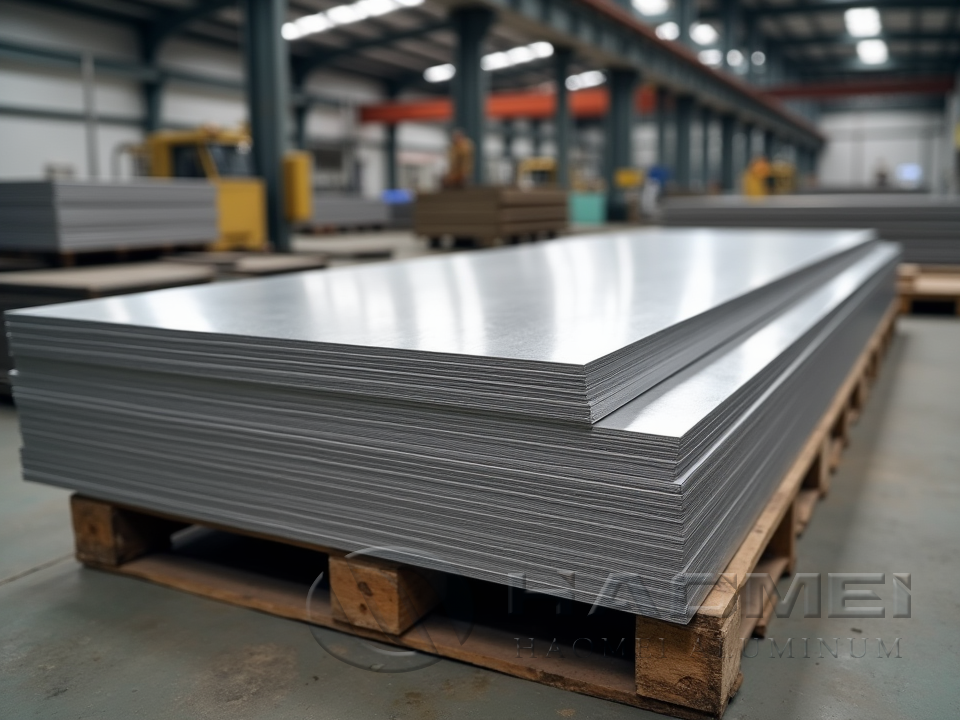
Marine Aluminum Steel Clad Plate
Marine aluminum steel clad plate joins aluminum superstructures to steel hulls with strong bonding, corrosion control, weldable layers, and approved marine grades.
View Details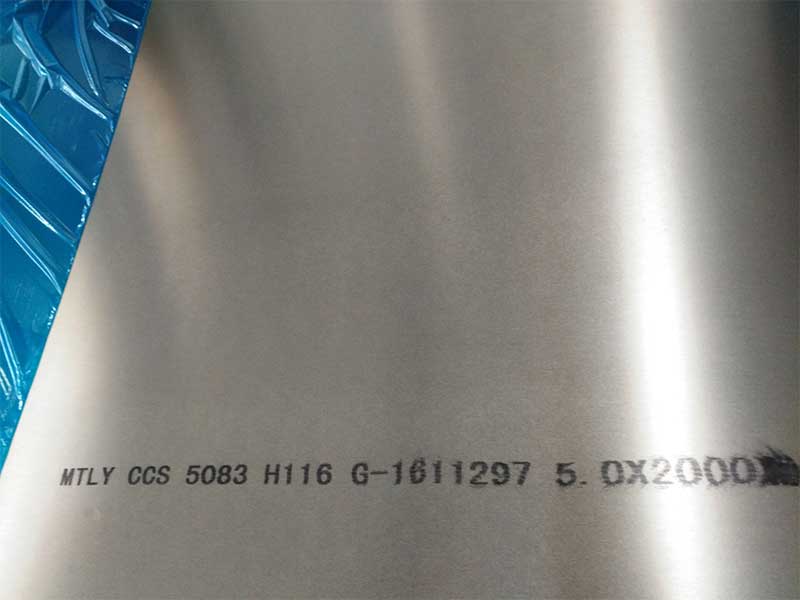
Aluminum sheet 5083 h116 with certificate of CCS for marine
High-performance Aluminum Sheet 5083 H116, certified by CCS for marine use. Explore its chemical properties, mechanical parameters, tempering conditions, and compliance standards making it ideal for marine environments.
View Details
Leave a Message