
Aluminum Sheets for Shipping Building Boat
Aluminum sheets for shipping building boat projects are engineered to combine low vessel weight, dependable seawater corrosion resistance, weldable structure, and long-term service value. From compact fishing boats and passenger ferries to patrol vessels, workboats, offshore support craft, and superstructure panels, marine aluminum helps builders produce efficient vessels with reduced maintenance demands.
The most widely specified materials are magnesium-bearing 5xxx-series alloys, especially 5052, 5083, and 5086. These non-heat-treatable alloys retain strong corrosion performance in wet, salt-laden environments and are suitable for fabrication by cutting, bending, forming, and welding. For structural sections requiring higher strength or machined precision, 6061 aluminum is also commonly selected.
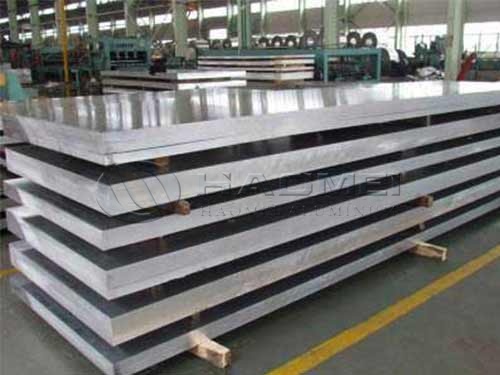
Why Marine Aluminum Performs Well at Sea
A boat hull is exposed to salt spray, immersion, vibration, impact, changing loads, and ultraviolet radiation. Marine aluminum sheets meet these challenges through their naturally protective oxide film and carefully controlled alloy composition. Magnesium improves strength and resistance to marine corrosion, while manganese helps stabilize the grain structure and supports reliable mechanical performance.
Compared with steel, aluminum has approximately one-third of the density. This creates an important design advantage: a lighter hull can improve payload capacity, reduce draft, support faster acceleration, and lower fuel or energy consumption. Weight savings may also permit larger deck equipment, additional insulation, or more passenger amenities without exceeding design displacement.
| Performance factor | Marine aluminum benefit | Value for vessel construction |
|---|---|---|
| Density | Approximately 2.66-2.85 g/cm³ | Reduces hull and superstructure weight |
| Seawater resistance | Magnesium-rich 5xxx alloys resist saltwater attack | Supports longer service life in coastal operation |
| Weldability | Compatible with MIG and TIG welding | Enables continuous hull fabrication and repair |
| Formability | Available in O, H111, H116, H321, H32, and H34 tempers | Fits curved plating, bulkheads, and formed panels |
| Thermal conductivity | Transfers heat efficiently | Useful for equipment housings and heat-related structures |
| Recyclability | Aluminum retains high material value after service | Supports responsible vessel life-cycle management |
Alloy Selection for Hulls, Decks, and Interior Structures
Alloy selection should match the vessel zone, plate thickness, required strength, forming radius, and corrosion exposure. 5083 is frequently chosen for hull plating because of its high strength and established marine service record. H116 and H321 tempers are especially appropriate for welded structures exposed to seawater, as they offer resistance to exfoliation corrosion and stress-related corrosion concerns.
5052 provides excellent formability and corrosion resistance. It is commonly used for interior panels, cabins, accommodation areas, fuel tanks, side panels, lockers, and non-primary structures. Builders seeking a material balance for formed parts can select Marine 5052 aluminum sheet in H32 or H34 temper.
| Alloy | Common tempers | Typical marine applications | Material character |
|---|---|---|---|
| 5052 | H32, H34, O | Cabin panels, tanks, trim, interior partitions, small craft components | Highly formable and corrosion resistant |
| 5083 | O, H111, H116, H321 | Hull plating, decks, bulkheads, bottoms, high-strength structures | High strength with excellent seawater resistance |
| 5086 | H111, H116, H321 | Hulls, workboats, marine piping supports, welded structures | Strong corrosion and welding performance |
| 6061 | T6, T651 | Frames, rails, brackets, machined components | Heat-treatable alloy with good structural strength |
Chemical Composition of Common Marine Alloys
Chemical composition is tightly controlled because it directly affects corrosion resistance, strength, weld behavior, and formability. Values shown are typical specification ranges in weight percent. The remaining balance is aluminum.
| Element | 5052 | 5083 | 5086 |
|---|---|---|---|
| Magnesium, Mg | 2.2-2.8% | 4.0-4.9% | 3.5-4.5% |
| Manganese, Mn | 0.10% max | 0.4-1.0% | 0.2-0.7% |
| Chromium, Cr | 0.15-0.35% | 0.05-0.25% | 0.05-0.25% |
| Iron, Fe | 0.40% max | 0.40% max | 0.50% max |
| Silicon, Si | 0.25% max | 0.40% max | 0.40% max |
| Copper, Cu | 0.10% max | 0.10% max | 0.10% max |
| Zinc, Zn | 0.10% max | 0.25% max | 0.25% max |
Mechanical Properties for Design Reference
Actual properties vary with thickness, temper, production standard, and test direction. Designers should use certified mill test data and the applicable marine classification rules for final calculations. The following ranges provide practical planning guidance.
| Alloy and temper | Tensile strength | Yield strength | Elongation | Typical use |
|---|---|---|---|---|
| 5052-H32 | 210-260 MPa | 130-195 MPa | 10-16% | Formed sheet and cabin structures |
| 5052-H34 | 230-280 MPa | 160-215 MPa | 8-14% | Panels requiring greater dent resistance |
| 5083-O | 270-350 MPa | 125-200 MPa | 16-22% | Deep forming and welded hull sections |
| 5083-H116 | 305-385 MPa | 215-290 MPa | 10-14% | Hull plating and decks in seawater service |
| 5083-H321 | 305-385 MPa | 215-290 MPa | 10-14% | Structural plating with stable performance |
| 6061-T6 | 290-350 MPa | 240-310 MPa | 8-12% | Frames, brackets, and machined fittings |
Product Dimensions and Supply Capabilities
Marine sheets and plates can be supplied in standard sizes or cut-to-length formats to reduce scrap and simplify nesting. Wider plates reduce the number of longitudinal weld seams in large hull panels, contributing to efficient fabrication and cleaner exterior surfaces.
| Parameter | Standard supply range | Project option |
|---|---|---|
| Thickness | 0.5-200 mm | Selected according to hull zone and structural drawing |
| Width | 1,000-2,600 mm | Extra-wide plate for large hull panels |
| Length | 2,000-12,000 mm | Custom cut length available |
| Surface | Mill finish, brushed, protective film | Surface preparation for coating or direct fabrication |
| Documentation | Mill test certificate, packing list, compliance records | Classification-related documentation upon request |
| Packaging | Protective interleaving, seaworthy export packing | Pallets, wooden cases, or reinforced bundles |
For demanding hull structures, Marine 5083 aluminum sheet offers a proven balance of strength, weldability, and saltwater durability. It is particularly suitable for bottom plating, side shells, transverse bulkheads, deck panels, and structural compartments.
Practical Applications Across Vessel Types
Marine aluminum sheet is adaptable across commercial, recreational, and government vessel programs. Its fabrication flexibility supports both one-off custom builds and repeatable production lines.
| Vessel or component | Recommended material direction | Performance purpose |
|---|---|---|
| Fast ferries and catamarans | 5083-H116 or H321 | Low mass and high-strength welded hull structures |
| Fishing boats | 5083 for hulls, 5052 for formed details | Corrosion resistance and practical repairability |
| Patrol and rescue craft | 5083 or 5086 | Impact-tolerant, lightweight structural construction |
| Yacht superstructures | 5052, 5083, or 6061 by component | Reduced top weight and refined fabrication |
| Deckhouses and cabins | 5052-H32/H34 | Easy forming with durable corrosion behavior |
| Walkways and access zones | Aluminum tread sheet | Improved slip resistance under wet conditions |
| Ventilation screens and guards | Perforated aluminum sheet | Airflow with low mass and corrosion resistance |
Fabrication Guidance for Long Service Life
Good fabrication practice is as important as alloy choice. Cutting tools should be clean and suitable for aluminum to avoid embedded steel contamination. Welding should use compatible filler wire, commonly 5183, 5356, or 5556 for 5083 structures, according to the approved welding procedure. Heat input must be controlled to limit distortion and preserve consistent joint quality.
Avoid direct contact between aluminum and dissimilar metals in wet areas. Insulating tapes, sealants, coatings, and properly selected fasteners help prevent galvanic corrosion. Drainage paths should be designed into lockers, deck details, and enclosed structures so standing seawater cannot remain trapped against the material.
Value for Boat Builders and Owners
Aluminum sheets for shipping building boat projects deliver value beyond the initial purchase price. Reduced structural weight can lower operating costs, corrosion resistance can decrease repainting and repair work, and welded aluminum construction supports efficient modification throughout the vessel's working life. With suitable alloy, temper, thickness, and fabrication control, marine aluminum becomes a reliable foundation for vessels that need to perform confidently in demanding waters.

Related Products
Marine 5086 aluminum sheet
This product article provides an in-depth and comprehensive understanding of Marine 5086 Aluminum Sheets, including their chemical composition, mechanical properties, corrosion resistance, fabrication capabilities, and typical marine applications.
View Details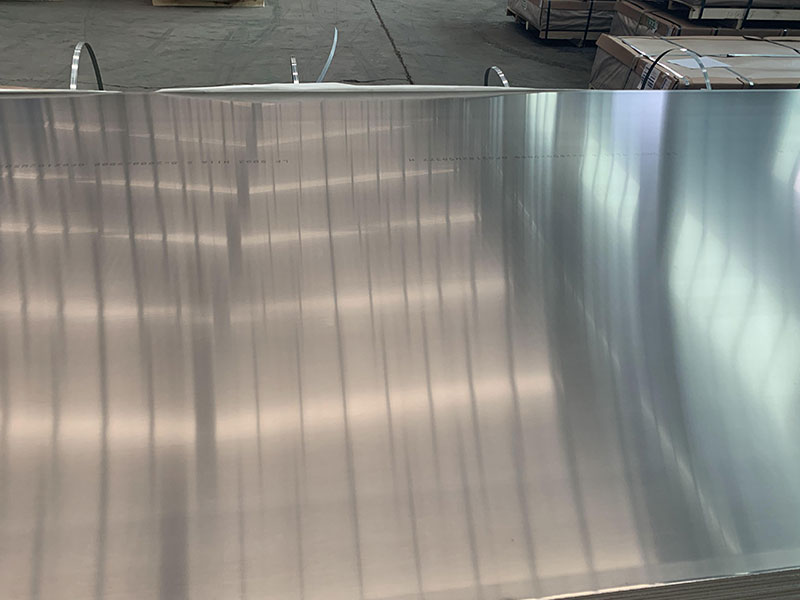
Marine 5383 aluminum sheet
5383 aluminum is a strain-hardened, non-heat-treatable alloy from the 5xxx series primarily alloyed with magnesium. It exhibits a unique balance of corrosion resistance and mechanical properties particularly suited for marine applications.
View Details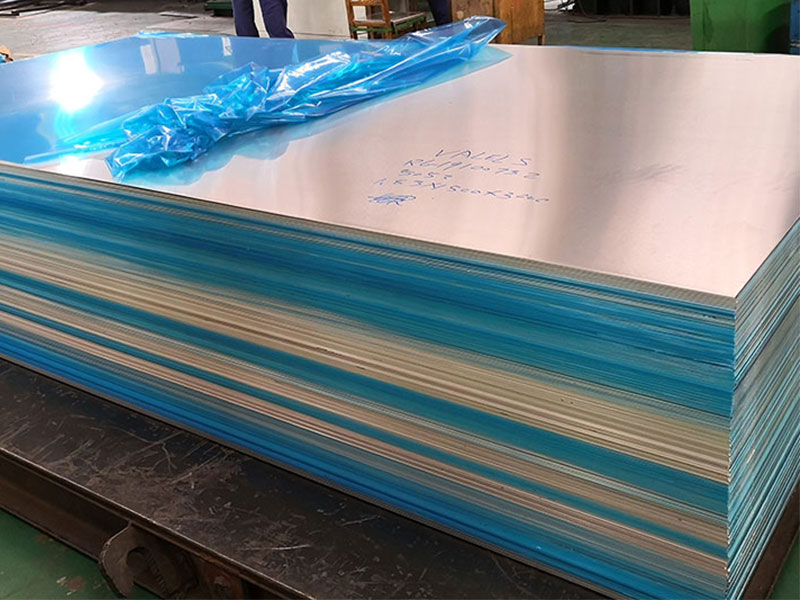
Marine 5059 aluminum sheet
5059 aluminum alloy is a strain-hardened material with a unique addition of magnesium and chromium, which provides outstanding resistance to localized corrosion like pitting and stress corrosion cracking.
View Details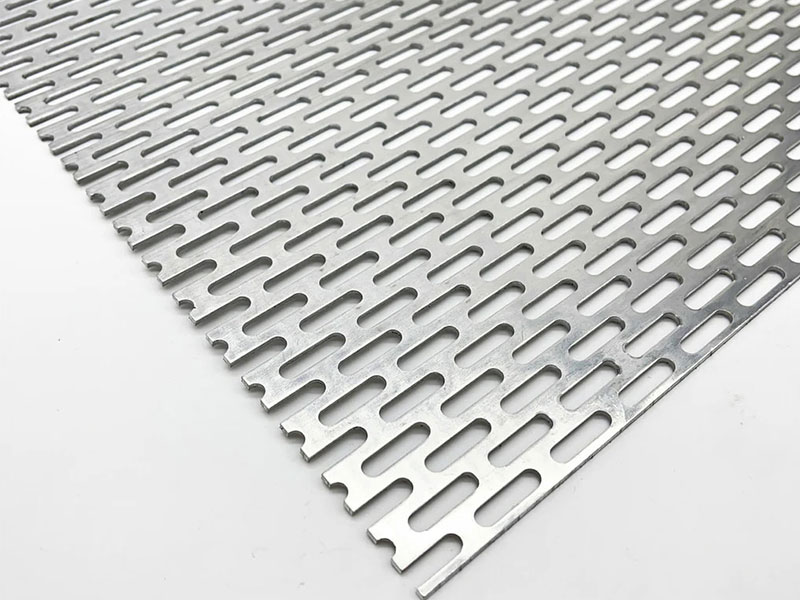
Marine perforated aluminum sheets
Marine Perforated Aluminum Sheets feature a series of uniform holes or shapes punched through the aluminum surface. These perforations can vary in size, pattern, and open area to tailor the sheets for specific applications.
View Details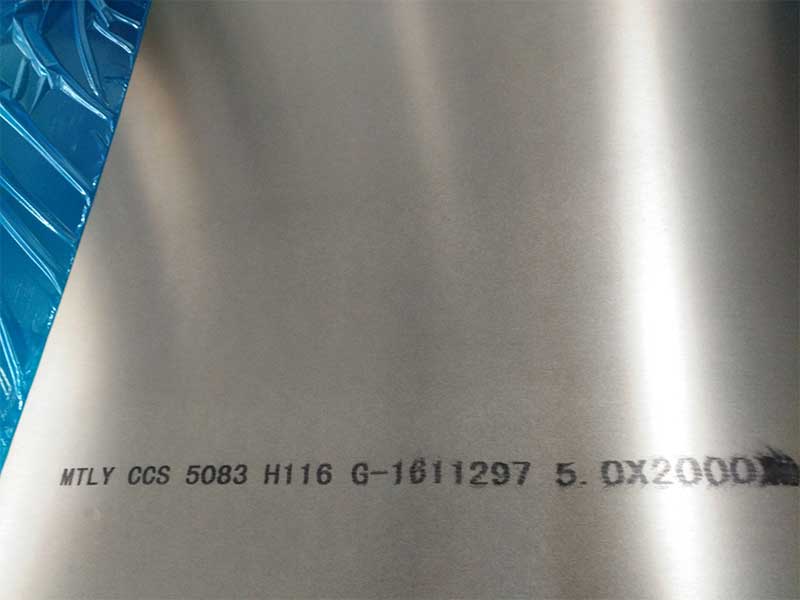
Marine 5083 aluminum sheet
Aluminum alloy 5083 is a non-heat-treatable alloy primarily composed of magnesium and trace elements that deliver outstanding protection against corrosion, particularly in seawater and saline atmospheres.
View Details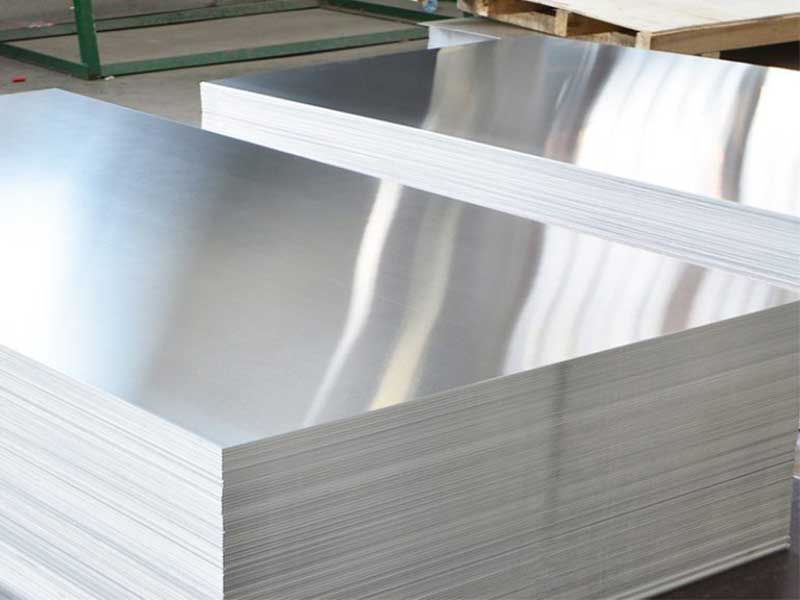
Marine anodized aluminum sheets
Marine Anodized Aluminum Sheets start with premium marine-grade aluminum alloys such as 5000 and 6000 series (typically 5083, 5052, and 6061).
View DetailsRelated Blog
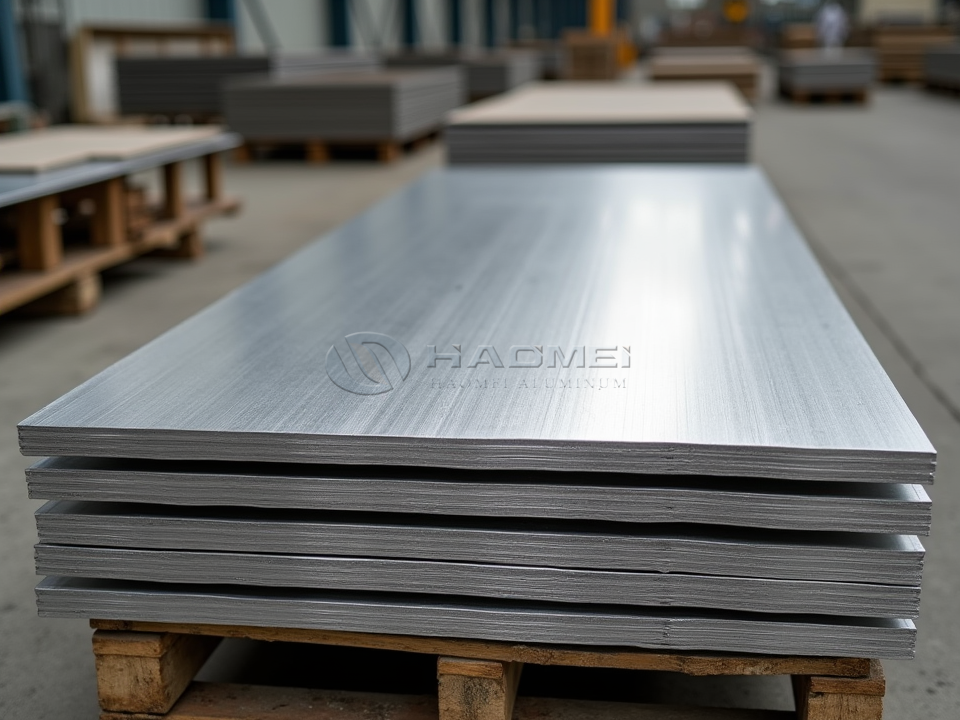
5083 Marine Aluminum Tread Sheets
5083 marine aluminum tread sheets deliver grip, corrosion resistance, weldability, and reliable deck performance for boats and offshore platforms.
View Details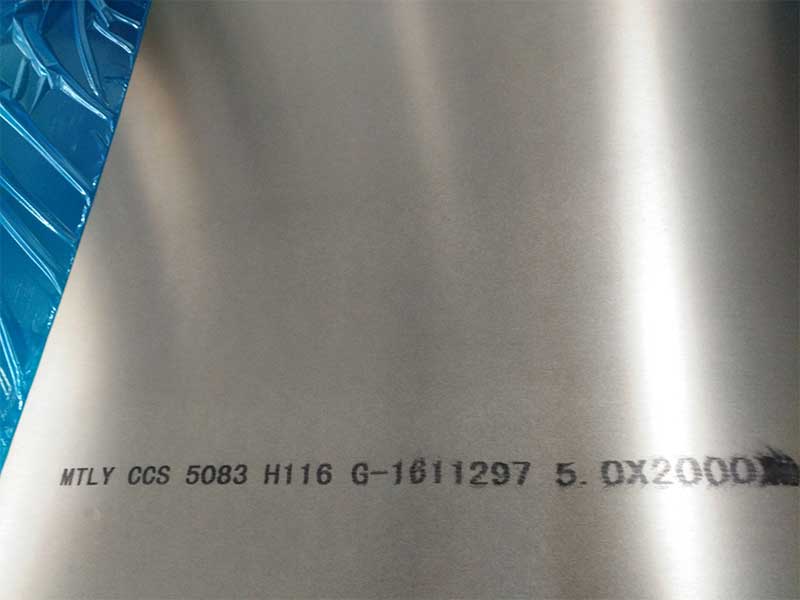
Aluminum sheet tai 6061 alloy metal rolls for boat
Aluminum has long been the favored material in maritime applications due to its unique combination of lightweight characteristics and exceptional resistance to corrosion.
View Details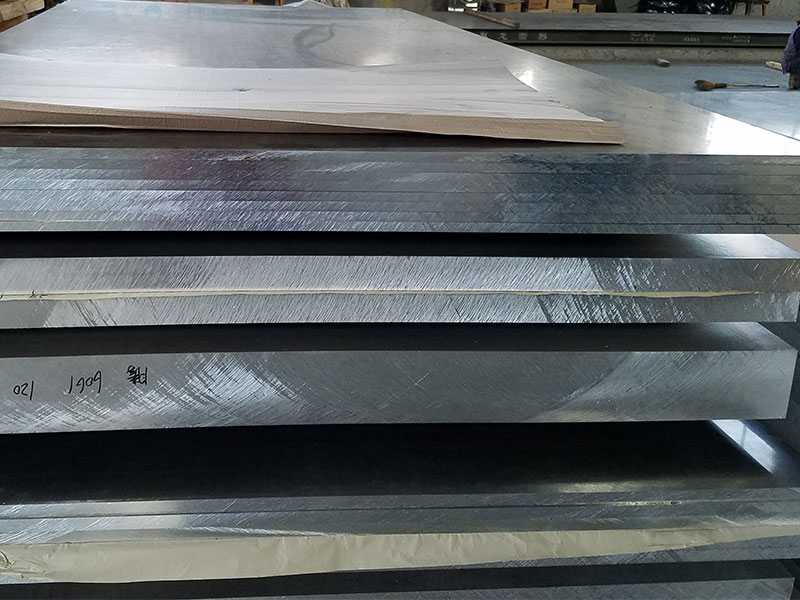
Marine aluminum 5083
In-depth insights into Marine Aluminum 5083, its chemical composition, mechanical properties, temper conditions, and why it stands as the premier alloy for marine and offshore structural applications.
View Details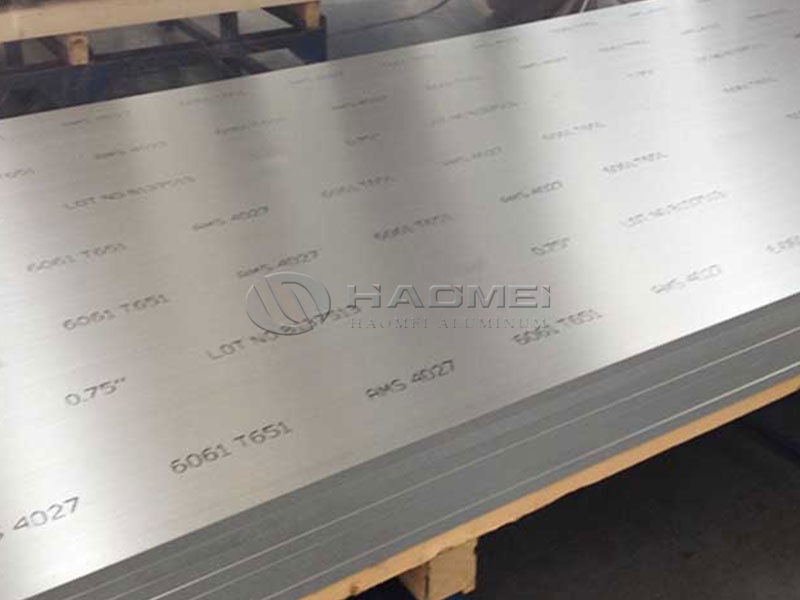
6061 T3-T8 Marine Grade Aluminum Sheet
Learn how 6061 T3-T8 marine grade aluminum sheet supports strong, lightweight marine structures, fittings, decks, cabins, and equipment.
View Details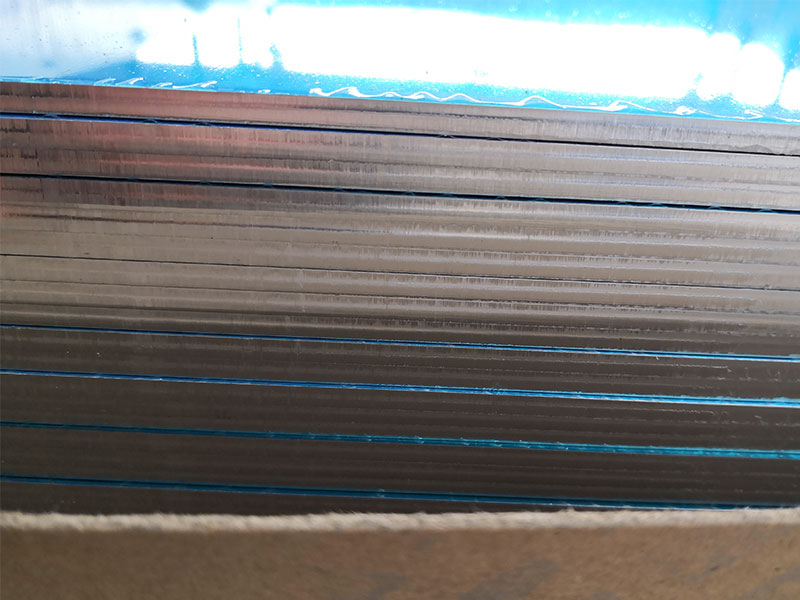
2mm 3mm 4mm marine grade 5083 aluminum sheet
When considering materials for marine applications, the demand for durability, adaptability, and weight efficiency comes to the forefront of innovation. One leading solution in this arena is the 5083 aluminum alloy.
View Details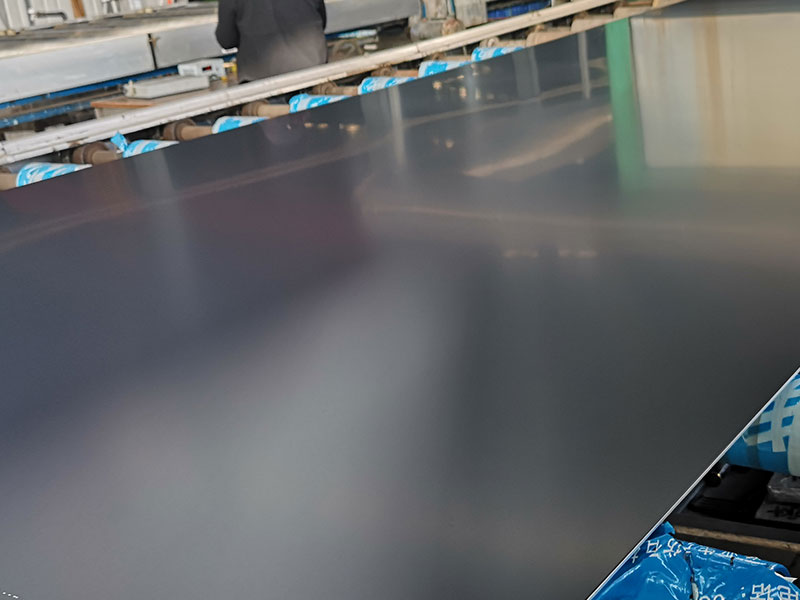
5083 h116 marine grade aluminium alloy sheet
When it comes to marine applications, the choice of materials plays a pivotal role in the performance and longevity of boats and ships. Among the plethora of options.
View Details
Leave a Message