
5052 Marine Anodized Aluminum Sheets
5052 Marine Anodized Aluminum Sheets Seen From the Waterline
A boat owner rarely judges aluminum in a laboratory way. The real test begins at the waterline, where salt mist dries into crystals, wet ropes drag across deck panels, shoes carry sand, and sunlight turns every weak coating into a visible problem. From that working angle, 5052 Marine anodized aluminum sheets are not simply flat metal with a nice surface. They are a practical answer to a daily question: how can a marine panel stay clean, stable, and presentable without asking for constant repair?
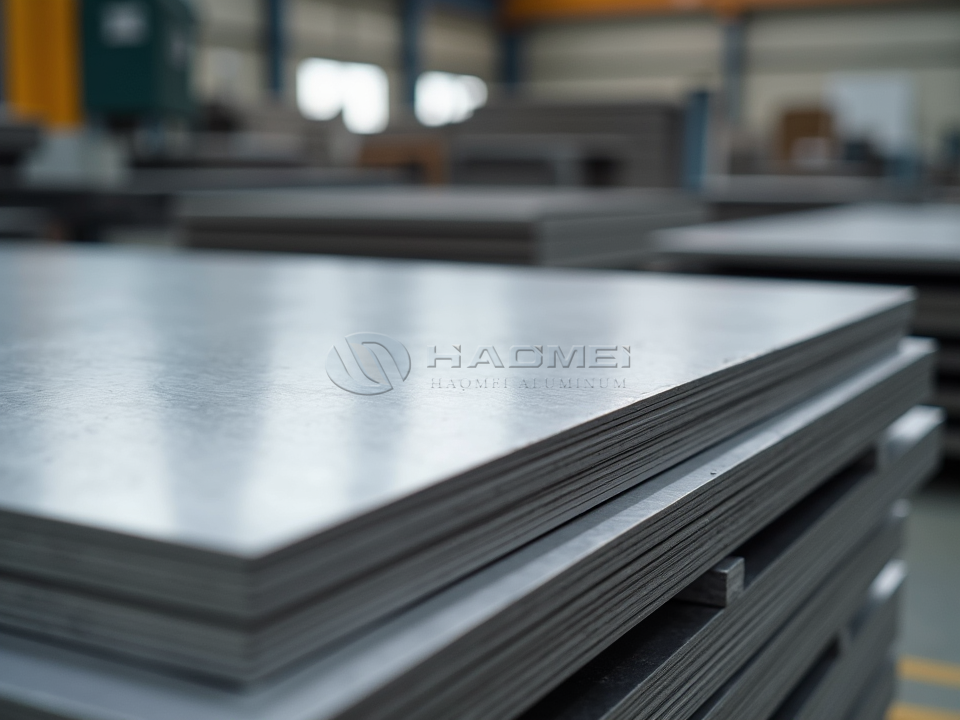
5052 alloy earns its place in marine service because it belongs to the aluminum-magnesium family. It has good natural resistance to seawater, contains no meaningful copper that would invite faster corrosion, and forms well without cracking when the right temper is chosen. Anodizing adds another layer of value. Instead of placing a film on top like paint, anodizing grows a controlled aluminum oxide layer from the sheet surface itself. That layer is hard, tightly bonded, and able to reduce staining, abrasion, and surface dulling.
Why 5052 Feels Right on Small and Medium Marine Parts
Not every marine aluminum sheet is meant to do the same job. Heavy hull structures often lead buyers toward 5083 or 5086 because those alloys deliver higher strength for welded load-bearing sections. 5052 sits in a different but very useful zone. It is ideal where corrosion resistance, forming, clean appearance, and moderate strength must work together.
That is why 5052 Marine anodized aluminum sheets are often used for cabin panels, hatch covers, instrument boards, locker doors, ceiling panels, trim parts, small deck fittings, nameplates, vent covers, and interior wet-area panels. The material accepts bending better than many harder alloys, especially in O, H32, or H34 temper, and it can be cut into clean shapes for visible components.
For buyers comparing options, a standard Marine 5052 aluminum sheet may be enough for hidden structures or parts that will later be painted. Anodized 5052 becomes more attractive when the sheet face remains visible or when touch, cleaning, and weather exposure matter as much as strength.
What Anodizing Really Changes
Anodizing does not make 5052 immune to the ocean. No aluminum product should be described that way. What it does is make the surface more controlled. A natural oxide layer on aluminum is thin and can be uneven after cutting, handling, or fabrication. Anodizing thickens and organizes that oxide layer, often followed by sealing to close microscopic pores.
For marine use, sulfuric acid anodizing is common because it offers a good balance between appearance, protection, and cost. Clear anodizing keeps the metallic look. Dyed anodizing can provide black, bronze, champagne, or other colors, though color stability depends on dye quality, sealing, UV exposure, and service conditions. Hard anodizing may be considered for wear-heavy parts, but it is not always the best choice for decorative sheet panels because it can look darker or less uniform.
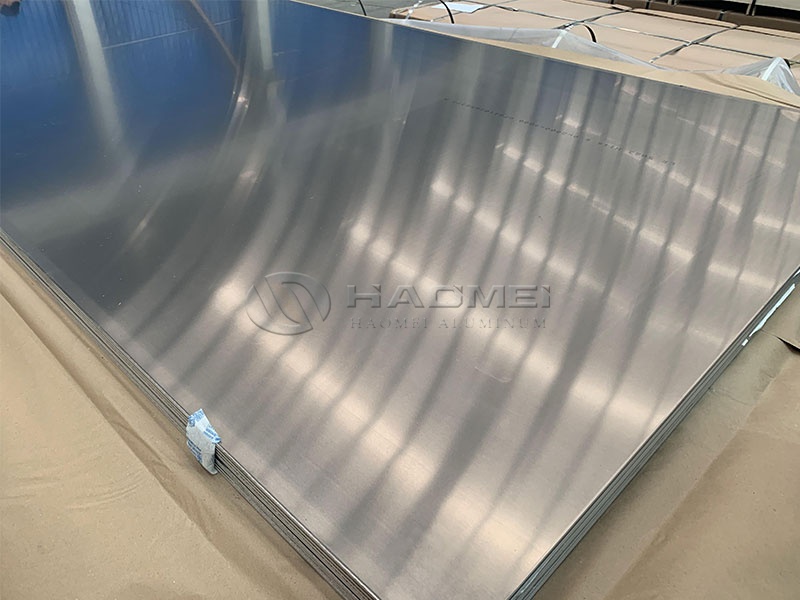
The greatest benefit is not only corrosion resistance. It is also how the sheet behaves when touched every day. An anodized surface resists fingerprints better than bare aluminum, cleans more easily, and stands up to mild abrasion from gear, tools, and hands. In a cabin or cockpit, that can be the difference between a panel that ages neatly and one that looks tired after one season.
The Detail Many Buyers Miss: Fabricate First, Anodize Later
A polished sample can make any material look convincing. The better question is what happens after cutting, bending, punching, and welding. Anodized layers are hard but not highly stretchable. If a sheet is anodized first and then bent sharply, fine cracks or whitening may appear along the bend line. For visible marine panels, it is usually better to complete major forming first, then anodize.
Cut edges also deserve attention. When a sheet is cut after anodizing, the exposed edge will not have the same anodized layer as the face. Aluminum will still form its natural oxide, but the appearance and protection are not equal. For decorative covers and exterior panels, edge sealing, proper trimming, or anodizing after machining gives a cleaner result.
Welded areas are another practical concern. Weld metal and heat-affected zones may anodize in a different shade from the base sheet. This is not always a failure; it is often a normal result of alloy chemistry and heat history. If a customer needs a uniform visible finish, mechanical fastening, hidden welds, or post-fabrication finishing should be discussed early.
Temper and Thickness From a Boatbuilder's Eye
Temper selection should follow the shape of the part. H32 is a common choice because it offers a friendly mix of strength and formability. H34 gives a little more strength but may be less forgiving in tight bends. O temper is softer and better for deep forming or complex curves, but it may need added thickness or support if stiffness is important.
Thickness depends on span, support, vibration, and whether people may step on the panel. Thin sheets work well for liners, covers, labels, and decorative surfaces. Thicker sheets suit hatches, access panels, equipment mounts, and areas subject to impact. Customers sometimes choose thickness only by weight, but marine parts also need stiffness. A slightly thicker 5052 sheet can reduce panel flutter, rattling, and oil-canning, especially on larger flat areas.
When looking at Marine anodized aluminum sheets, ask about both alloy and finish thickness. A beautiful sheet with an under-specified anodized layer may disappoint outdoors. For salt spray areas, sealed anodizing and consistent surface preparation are more important than a bright catalog photo.
Surface Appearance Is a Performance Feature
In marine projects, appearance is not vanity. A uniform surface helps reveal damage early. Scratches, pitting, salt deposits, and cleaning marks are easier to inspect on a consistent anodized finish. This matters for rental boats, patrol boats, pontoons, workboats, and yacht interiors where fast visual checks save time.
Brushed anodized 5052 can hide small handling marks and gives a controlled directional grain. Matte finishes reduce glare in sunny cockpits. Bright finishes look refined but may show fingerprints and scratches more easily. Dark anodized colors absorb more heat under direct sunlight, which may affect comfort on hand-contact parts. Good selection is less about choosing the most attractive sample and more about matching finish to the way the boat is used.
Care on Board Is Simple but Still Necessary
Anodized aluminum is low-maintenance, not maintenance-free. Salt should be rinsed away with fresh water, especially around joints and corners where crystals collect. Mild soap is enough for most cleaning. Strong alkaline cleaners, harsh acids, steel wool, and aggressive polishing compounds can damage the sealed anodized layer.
Fasteners should also be chosen with care. Stainless steel screws are common in marine assemblies, but dissimilar metal contact in wet conditions can promote galvanic corrosion. Use isolating washers, sealants, or compatible design details where needed. Drainage matters too. Even a corrosion-resistant sheet will suffer if water is trapped behind it for months.
How to Specify With Fewer Surprises
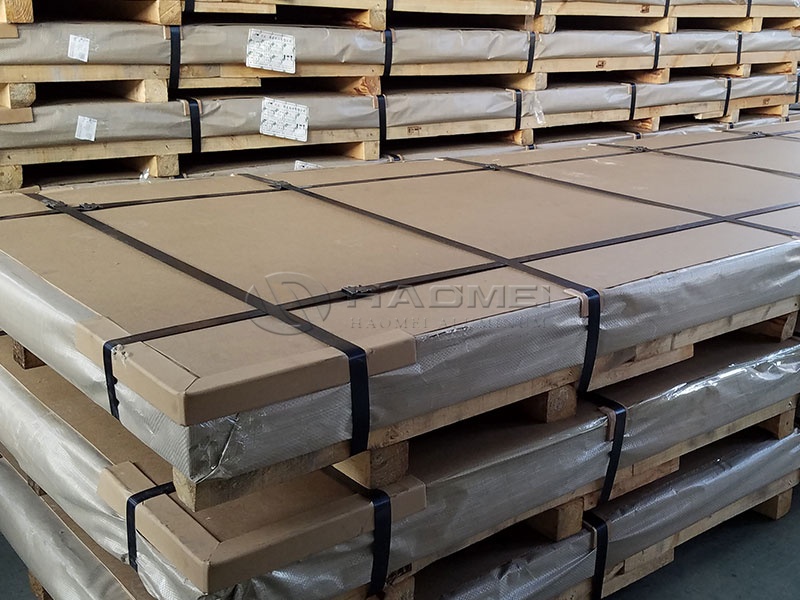
A clear purchase request should state alloy 5052, required temper, thickness, width and length, surface finish, anodizing type, color, sealing requirement, tolerance, film thickness expectation, protective film need, and packing method. If the panels will be bent after delivery, that should be stated before production. If the final product is used near seawater, fuel, bait tanks, or cleaning chemicals, those conditions should also be mentioned.
For projects where visual match is critical, request samples from the same finish route planned for production. Anodized aluminum can vary slightly by batch, texture, alloy state, and pretreatment. Good planning reduces shade mismatch between panels installed side by side.
5052 Marine anodized aluminum sheets are best understood as a practical surface system: marine-grade alloy beneath, controlled oxide above, and thoughtful fabrication around the edges. When those three parts work together, the sheet becomes more than a material. It becomes a quiet piece of reliability on board, resisting salt, touch, light, and time while keeping the vessel looking clean and well cared for.

Related Products
Marine 5083 aluminum sheet
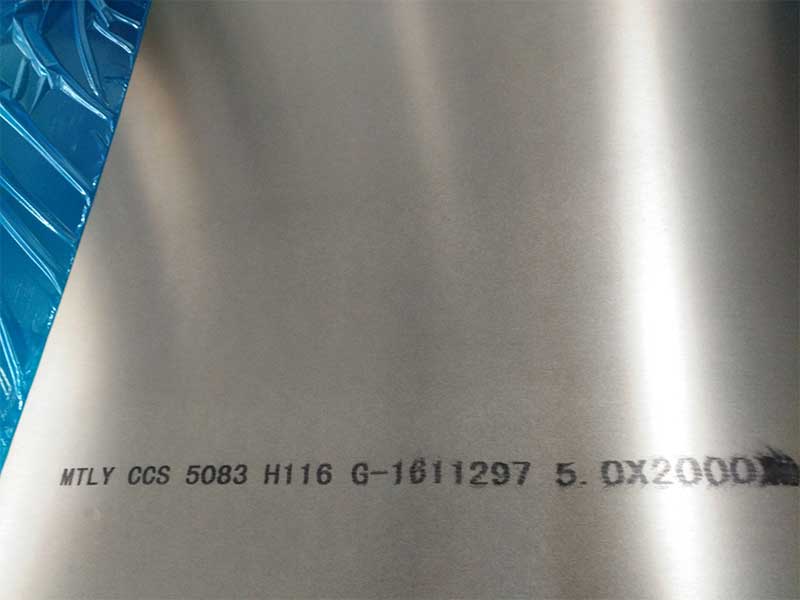
Aluminum alloy 5083 is a non-heat-treatable alloy primarily composed of magnesium and trace elements that deliver outstanding protection against corrosion, particularly in seawater and saline atmospheres.
View Details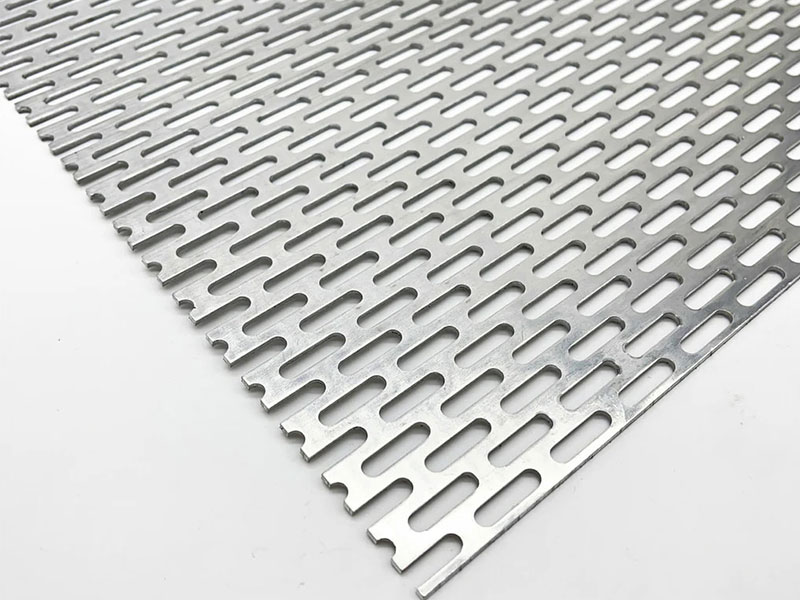
Marine perforated aluminum sheets
Marine Perforated Aluminum Sheets feature a series of uniform holes or shapes punched through the aluminum surface. These perforations can vary in size, pattern, and open area to tailor the sheets for specific applications.
View Details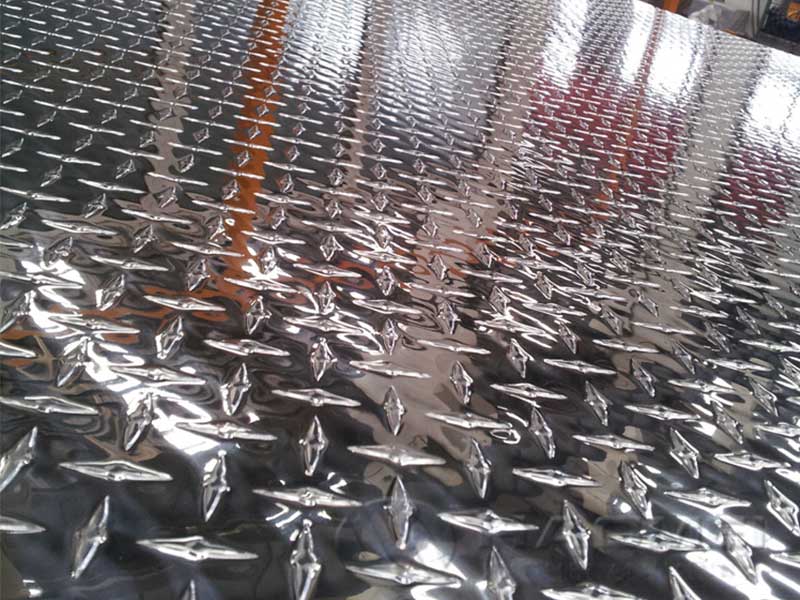
Marine Aluminum Tread Sheets
Marine Aluminum Tread Sheets are aluminum alloy plates featuring a raised surface pattern, commonly referred to as a tread design or diamond plate.
View Details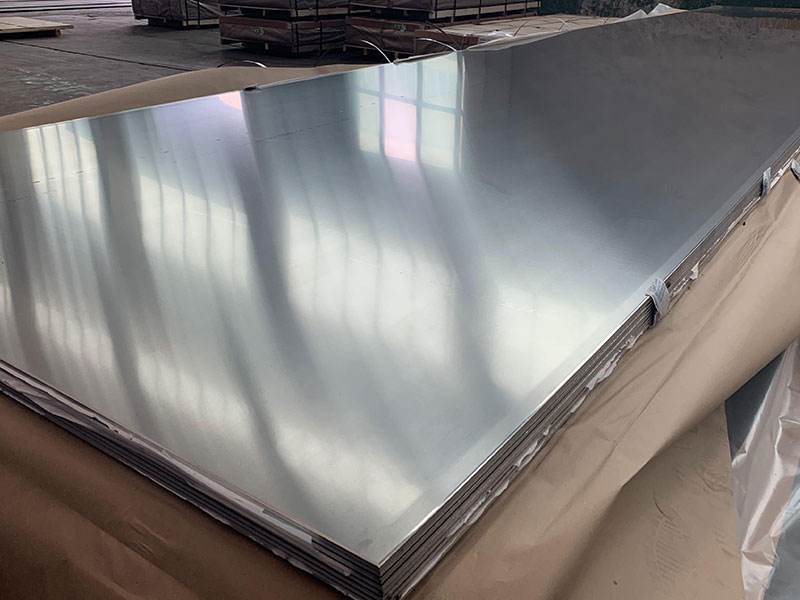
Marine 5086 aluminum sheet
This product article provides an in-depth and comprehensive understanding of Marine 5086 Aluminum Sheets, including their chemical composition, mechanical properties, corrosion resistance, fabrication capabilities, and typical marine applications.
View Details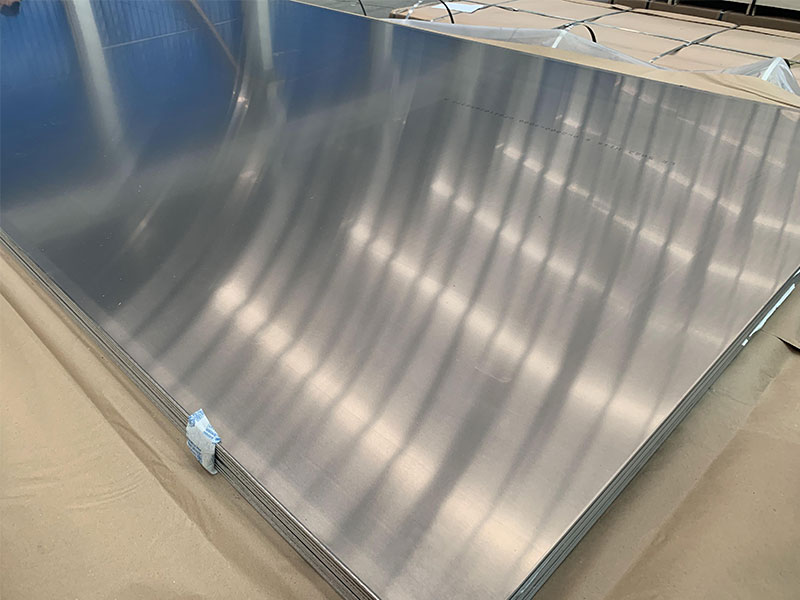
Marine 5052 aluminum sheet
Aluminum alloy 5052 is a non-heat-treatable, strain-hardened alloy with magnesium as the primary alloying element. It is designed to offer superior corrosion resistance in marine and saline environments, making it a dependable choice for components exposed directly to seawater or coastal atmospheric conditions.
View Details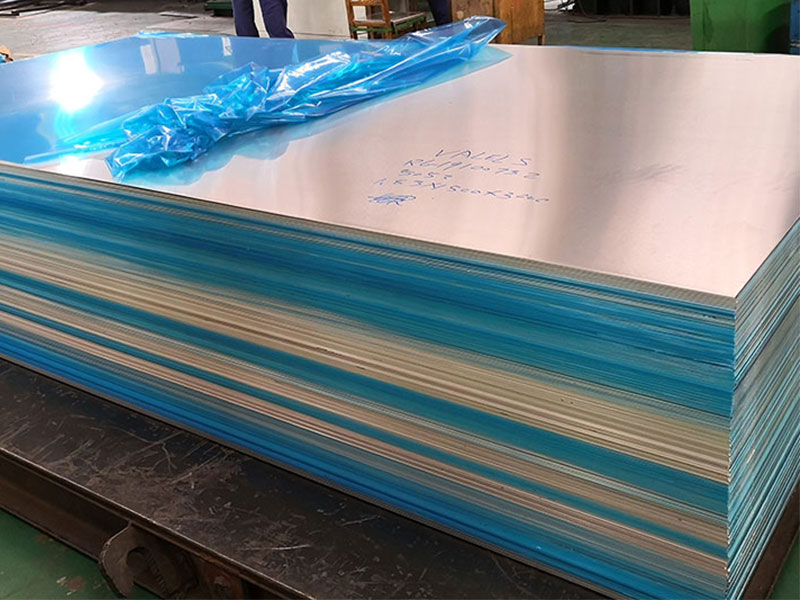
Marine 5059 aluminum sheet
5059 aluminum alloy is a strain-hardened material with a unique addition of magnesium and chromium, which provides outstanding resistance to localized corrosion like pitting and stress corrosion cracking.
View DetailsRelated Blog
2mm 3mm 4mm marine grade 5052 h32 aluminum sheet
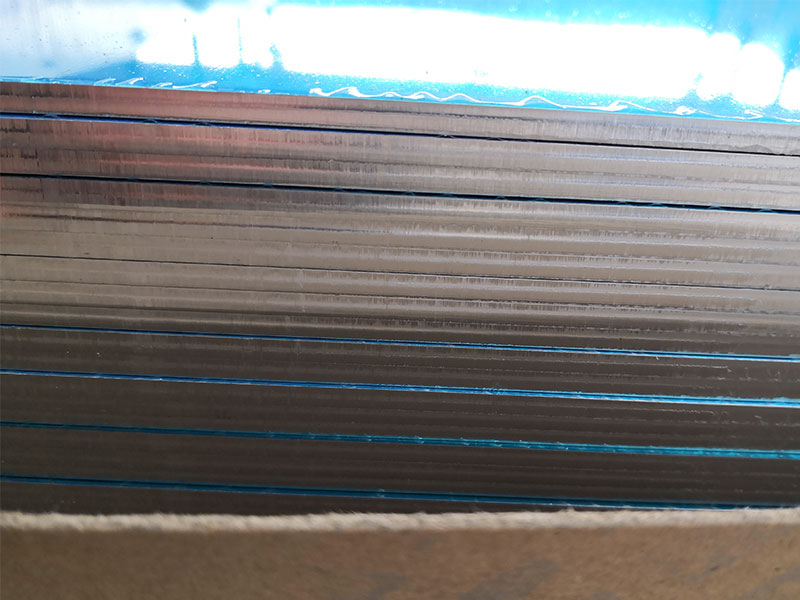
5052 H32 aluminum sheet is a marine-grade, non-heat-treatable wrought alloy with excellent corrosion resistance, good formability, and moderate strength. It is widely used for applications exposed to coastal and saltwater environments.
View Details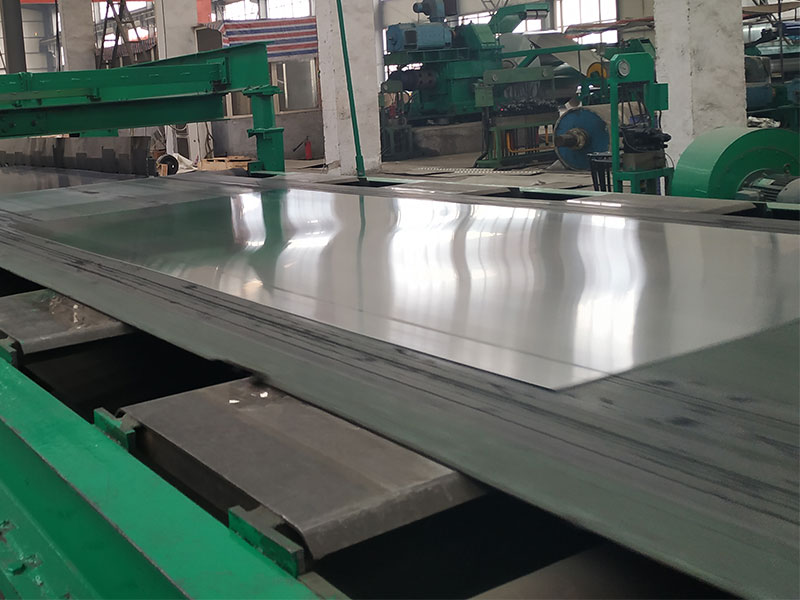
Aluminium sheet 8mm alloy 5052 h112 for boat
When selecting materials for marine applications, especially in boat building, the balance between strength, corrosion resistance, and workability is crucial. Aluminium sheet 8mm thick made from alloy 5052 in temper H112 epitomizes this balance.
View Details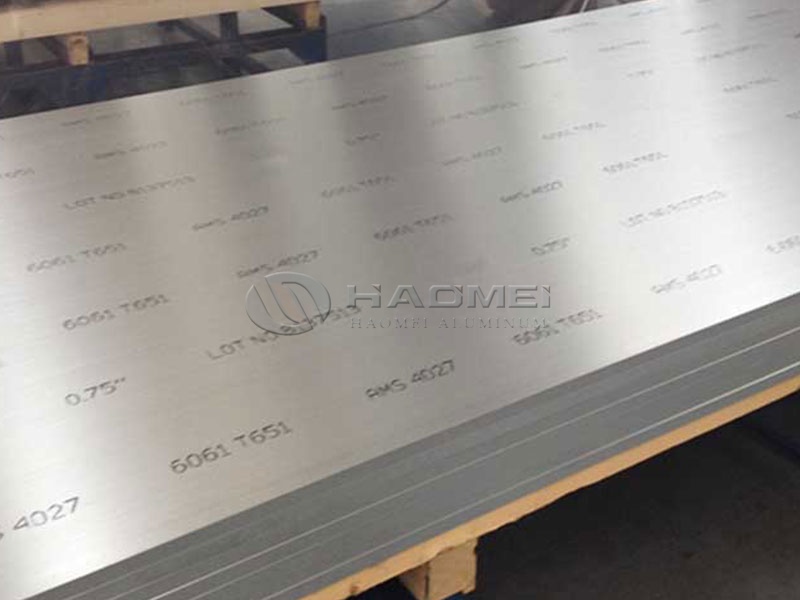
6061 Marine Anodized Aluminum Sheets
Explore 6061 marine anodized aluminum sheets, with corrosion resistance, stable strength, clean finish, fabrication data, and boat component guidance.
View Details
1060 aluminum sheet for boat
When it comes to selecting materials for boat manufacturing, durability, corrosion resistance, and lightweight properties are paramount. 1060 aluminum sheet is an excellent choice widely used in marine environments.
View Details
Marine 5083 Aluminum Sheet
Marine 5083 aluminum sheet delivers strong, weldable, seawater-resistant performance for hulls, decks, tanks, and offshore structures.
View Details
Marine Aluminum 5083 H116 6082 T6 Coil Sheet Plate
Marine aluminum 5083 H116 and 6082 T6 coil, sheet and plate for hulls, decks, cabins, offshore structures and welded marine parts.
View Details
Leave a Message