
Marine Aluminium Plate for Boat
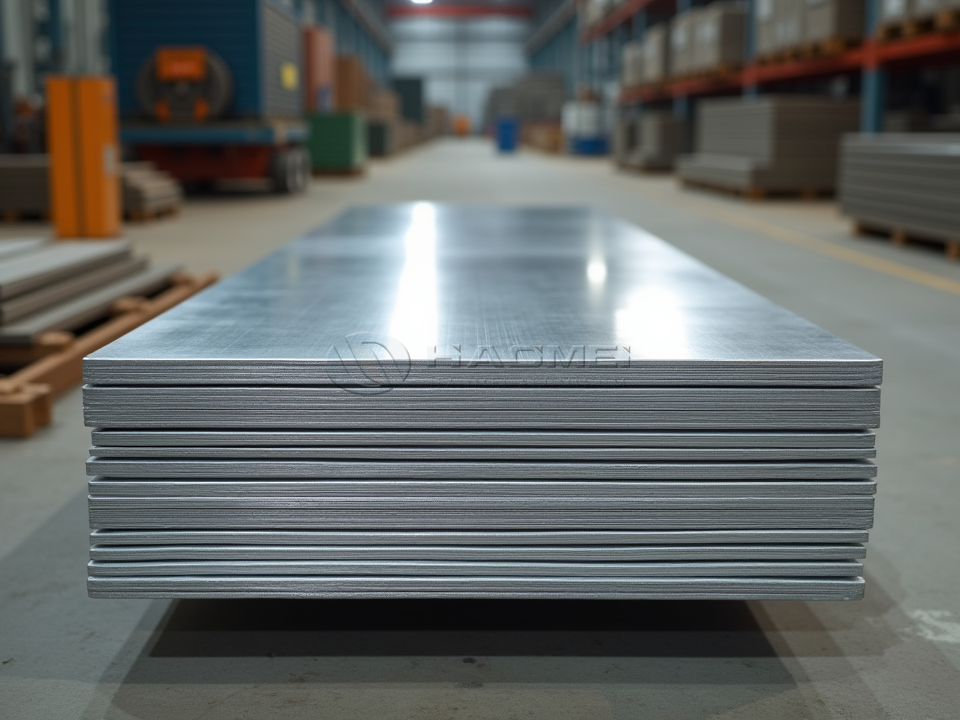
Marine aluminium plate for boat construction is designed for structures that must stay light, strong, weldable, and corrosion resistant in saltwater and freshwater service. Compared with carbon steel, aluminium reduces hull weight, improves fuel economy, increases payload capacity, and simplifies maintenance because it forms a stable oxide film that protects the surface.
In boatbuilding, the most common grades are 5052, 5083, 5086, 5059, 5383, and selected 6061 plates. For hull shells and high-load welded structures, 5083 and 5086 are widely used. For cabin panels, decks, small craft, tanks, and formed components, 5052 is often selected. For machined fittings, frames, and non-critical structural parts, 6061 is useful when higher machining performance is required.
What Marine Aluminium Plate Does on a Boat
Marine aluminium plate is not only a flat metal panel. It becomes part of the vessel's safety, speed, stability, and service life. In hull plating, it resists wave impact and cyclic stress. In decks and superstructures, it lowers the center of gravity and helps improve handling. In fuel tanks and water tanks, selected marine alloys provide good sealing performance after welding and excellent resistance to wet environments.
| Function | Performance Requirement | Suitable Alloy Choices |
|---|---|---|
| Hull shell plating | High strength, seawater resistance, weld stability | 5083 H116, 5083 H321, 5086 H32 |
| Deck plate and cabin panels | Moderate strength, good forming, clean surface | 5052 H32, 5052 H34, 5754 H111 |
| Fuel and freshwater tanks | Weldability, corrosion resistance, leak-tight fabrication | 5052 O/H32, 5083 O/H111 |
| Frames, ribs, stringers | Strength, fatigue resistance, weld performance | 5083 H111, 5086 H32 |
| Platforms and walkways | Anti-slip surface, durability, low maintenance | Marine tread plate, 5052/5083 |
| Fittings and brackets | Machinability, dimensional stability | 6061 T6/T651 |
For customers comparing different marine materials, Marine Grade Aluminum Sheets are often chosen when weight reduction, corrosion resistance, and fabrication speed are priorities.
Common Applications in Boatbuilding
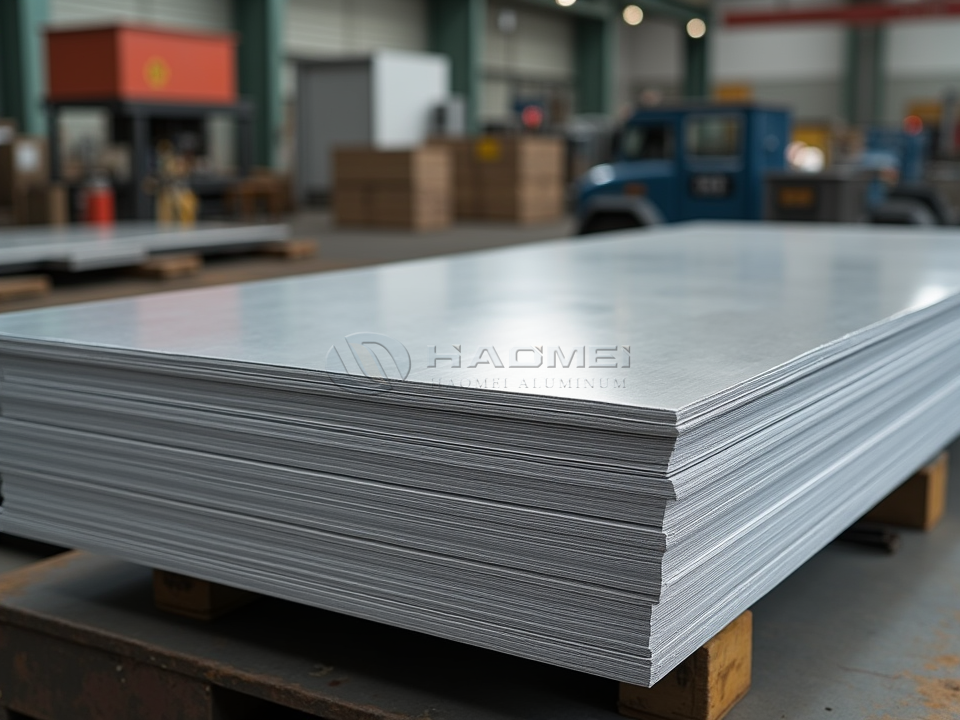
Marine aluminium plate is used across commercial, recreational, and professional vessels. Typical applications include fishing boats, patrol boats, yachts, ferries, landing craft, rescue boats, barges, workboats, pontoons, and offshore service vessels. The plate can be cut, bent, rolled, pressed, welded, machined, and finished according to the vessel design.
| Boat Area | Typical Plate Thickness | Notes for Selection |
|---|---|---|
| Small boat hull bottom | 3 mm to 6 mm | 5052 or 5083 depending on impact demand |
| Medium workboat hull | 5 mm to 12 mm | 5083 H116/H321 preferred for seawater exposure |
| Deck and cabin | 2 mm to 6 mm | 5052 H32 offers formability and clean appearance |
| Bulkhead and partition | 3 mm to 8 mm | Balance weight and stiffness |
| Tank body | 2 mm to 8 mm | Use weldable, corrosion-resistant alloy |
| Keel and reinforced structure | 8 mm to 30 mm | 5083, 5086, or design-approved alloy |
Recommended Alloys and Temper Conditions
Marine alloys are mainly aluminum-magnesium materials because magnesium improves strength while preserving corrosion resistance and weldability. The temper condition controls hardness, formability, and mechanical properties.
| Alloy | Common Temper | Main Advantage | Boat Use |
|---|---|---|---|
| 5052 | O, H32, H34 | Excellent formability and corrosion resistance | Small boats, decks, tanks, cabins |
| 5083 | O, H111, H116, H321 | High strength after welding and strong seawater resistance | Hulls, bulkheads, structural plate |
| 5086 | H32, H34, H116 | Good strength with excellent marine durability | Hulls, gangways, decks, pontoons |
| 5059 | H116, H321 | Higher strength and improved fatigue performance | Naval craft, high-speed vessels |
| 5383 | H116, H321 | Improved welded strength versus standard 5083 | High-performance welded hulls |
| 6061 | T6, T651 | Machining strength and dimensional stability | Brackets, frames, fittings, non-hull parts |
| Temper | Meaning in Practical Use | Forming Behavior | Welding Suitability |
|---|---|---|---|
| O | Annealed, soft condition | Excellent | Excellent |
| H111 | Slightly strain hardened | Very good | Excellent |
| H32 | Strain hardened and stabilized | Good | Good |
| H34 | Harder than H32 | Moderate | Good |
| H116 | Marine corrosion-controlled temper | Moderate | Excellent |
| H321 | Stabilized marine temper | Moderate | Excellent |
| T651 | Solution heat treated, stress relieved | Limited | Fair, strength reduced in weld zone |
Chemical Composition of Popular Marine Alloys
Values vary slightly by standard and mill practice. The table shows typical composition limits by mass percent for customer reference.
| Alloy | Si | Fe | Cu | Mn | Mg | Cr | Zn | Ti | Al |
|---|---|---|---|---|---|---|---|---|---|
| 5052 | 0.25 max | 0.40 max | 0.10 max | 0.10 max | 2.2-2.8 | 0.15-0.35 | 0.10 max | 0.15 max | Balance |
| 5083 | 0.40 max | 0.40 max | 0.10 max | 0.40-1.0 | 4.0-4.9 | 0.05-0.25 | 0.25 max | 0.15 max | Balance |
| 5086 | 0.40 max | 0.50 max | 0.10 max | 0.20-0.7 | 3.5-4.5 | 0.05-0.25 | 0.25 max | 0.15 max | Balance |
| 6061 | 0.40-0.8 | 0.70 max | 0.15-0.40 | 0.15 max | 0.8-1.2 | 0.04-0.35 | 0.25 max | 0.15 max | Balance |
Magnesium is the main reason 5xxx marine aluminium performs well in wet and salty environments. Manganese and chromium help refine strength and corrosion behavior. Copper is kept low in marine 5xxx alloys because excessive copper can reduce corrosion resistance.
Technical Specifications for Ordering
Accurate ordering data helps avoid welding distortion, plate mismatch, and unnecessary machining. Plate thickness and flatness should be chosen according to hull design, forming method, and class approval.
| Parameter | Common Supply Range | Custom Notes |
|---|---|---|
| Thickness | 2 mm to 150 mm | Hull plates commonly 3 mm to 30 mm |
| Width | 1000 mm to 2600 mm | Wider plates reduce weld seams |
| Length | 2000 mm to 12000 mm | Cut-to-length available |
| Surface | Mill finish, brushed, film protected | PVC film helps protect visible panels |
| Edge | Mill edge or slit edge | Precision cutting for nesting available |
| Flatness | Per ASTM/EN or project requirement | Important for CNC cutting and panel welding |
| Inspection | Visual, dimensional, tensile, ultrasonic optional | Third-party inspection can be arranged |
Mechanical Performance Reference
Mechanical values depend on thickness, temper, and standard. Final design values should follow vessel classification rules and engineering calculations.
| Alloy and Temper | Tensile Strength MPa | Yield Strength MPa | Elongation % | Typical Use |
|---|---|---|---|---|
| 5052 H32 | 210-260 | 130 min | 6-12 | Decks, cabins, tanks |
| 5052 H34 | 230-280 | 160 min | 5-10 | Stiffer formed panels |
| 5083 H111 | 275-350 | 125 min | 12 min | Welded structures |
| 5083 H116 | 305-385 | 215 min | 10 min | Seawater hull plating |
| 5086 H32 | 240-310 | 165 min | 10 min | Hulls and superstructures |
| 6061 T651 | 290 min | 240 min | 8 min | Machined marine fittings |
Standards and Certification
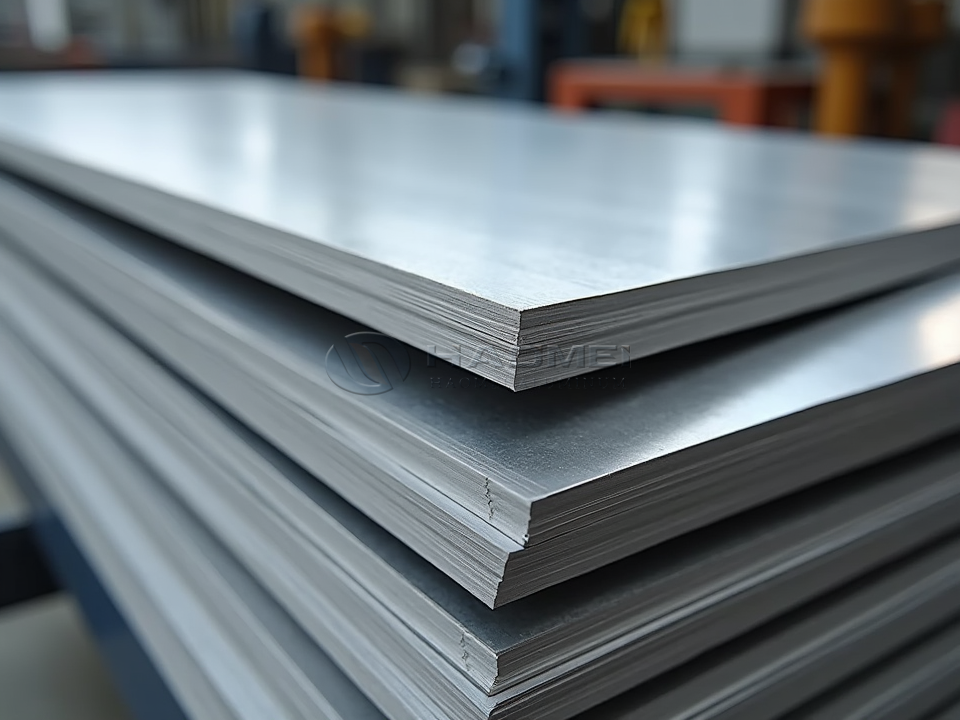
Marine aluminium plate can be supplied to international material standards and vessel society requirements. For boat projects, certification is often as important as the alloy itself.
| Standard or Society | Scope | Relevance to Boat Plate |
|---|---|---|
| ASTM B209 | Aluminum and aluminum-alloy sheet and plate | Common plate supply standard |
| EN 485 | Aluminium sheet, strip, and plate | Dimensions, mechanical properties, tolerances |
| EN 573 | Chemical composition and product forms | Alloy designation and chemistry control |
| ABS | American Bureau of Shipping | Marine vessel approval |
| DNV | Det Norske Veritas | Ship and offshore classification |
| Lloyd's Register | Marine classification | Accepted for many commercial vessels |
| CCS | China Classification Society | Vessel and offshore approval in China |
| ASTM G66/G67 | Corrosion testing methods | Useful for 5xxx marine temper validation |
Fabrication and Welding Notes
Marine aluminium plate is well suited to MIG and TIG welding. 5083 and 5086 are often welded with 5183, 5356, or 5556 filler wire, depending on the required strength and corrosion behavior. Clean preparation is essential: remove oil, oxide, moisture, and cutting residue before welding.
| Process Step | Practical Guidance |
|---|---|
| Cutting | CNC plasma, laser, waterjet, or saw cutting can be used |
| Forming | Use larger bend radius for harder tempers such as H116 and H321 |
| Welding | Control heat input to reduce distortion and preserve corrosion performance |
| Surface treatment | Mill finish is common; painting or anodizing can add protection and appearance |
| Storage | Keep dry, separate from steel, avoid standing water and salt contamination |
Choosing the Right Plate for Your Boat
For lightweight recreational boats, 5052 H32 or H34 can be economical and easy to form. For welded hulls working in seawater, 5083 H116 or 5083 H321 is a stronger choice. For pontoons, ferries, and workboats needing reliable strength with good corrosion resistance, 5086 H32 or H116 is a practical option. When precision-machined parts are required, 6061 T651 can be used away from severe welded hull zones.
The right marine aluminium plate for boat building should match the vessel type, water environment, welding plan, plate thickness, certification requirement, and expected service life. With suitable alloy selection and proper fabrication, aluminium plate delivers a durable, efficient, and low-maintenance solution for modern boats.

Related Products
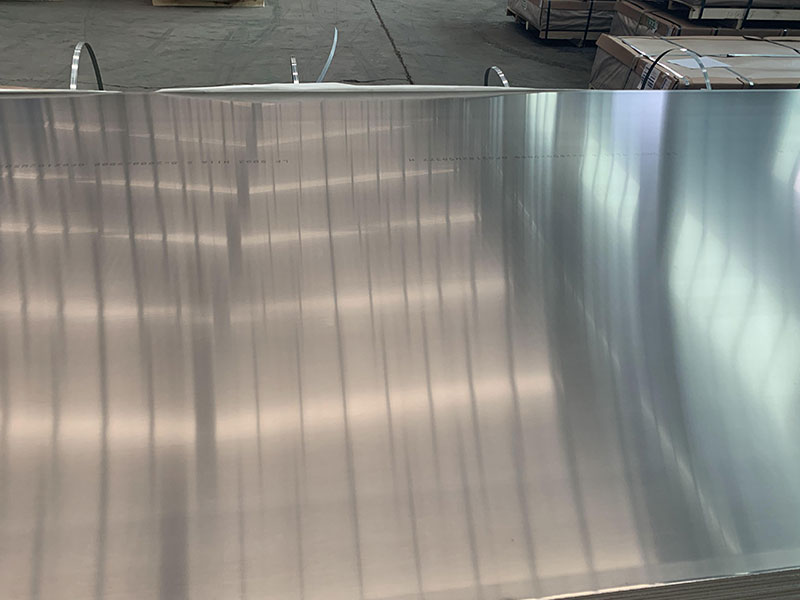
Marine 5383 aluminum sheet
5383 aluminum is a strain-hardened, non-heat-treatable alloy from the 5xxx series primarily alloyed with magnesium. It exhibits a unique balance of corrosion resistance and mechanical properties particularly suited for marine applications.
View Details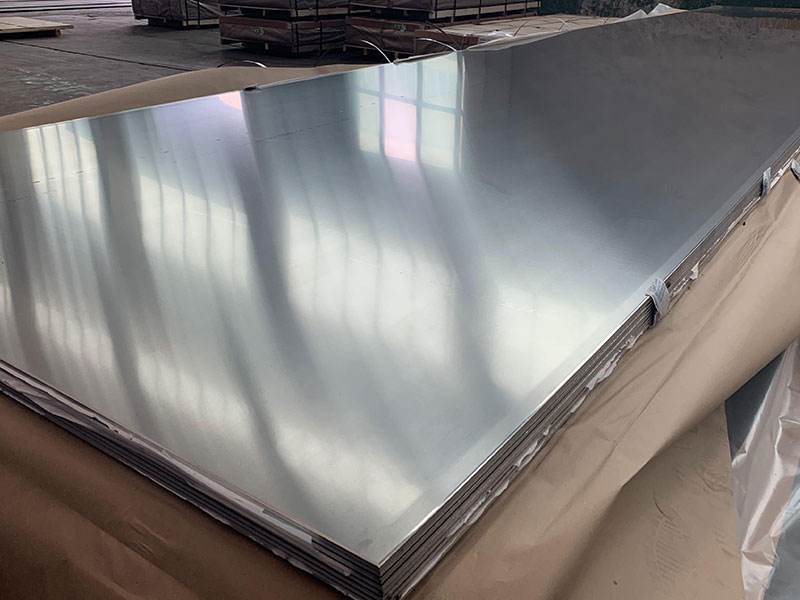
Marine 5086 aluminum sheet
This product article provides an in-depth and comprehensive understanding of Marine 5086 Aluminum Sheets, including their chemical composition, mechanical properties, corrosion resistance, fabrication capabilities, and typical marine applications.
View Details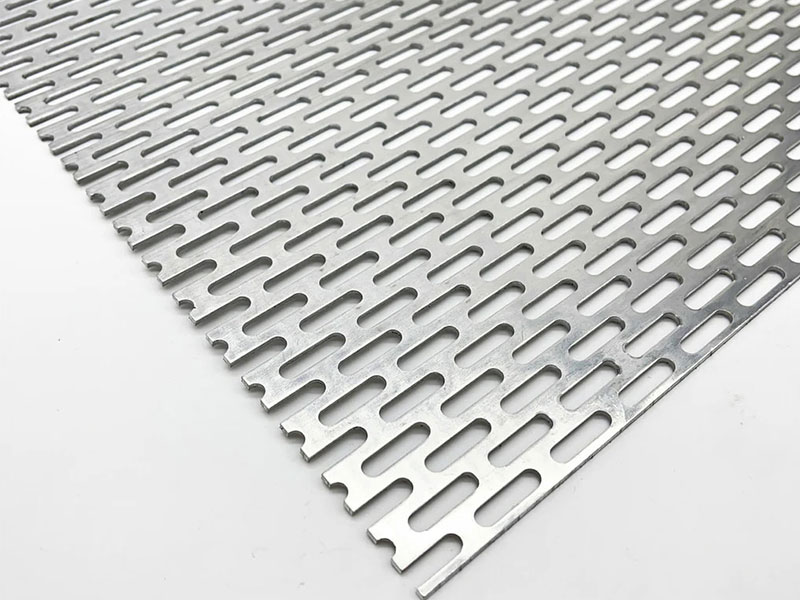
Marine perforated aluminum sheets
Marine Perforated Aluminum Sheets feature a series of uniform holes or shapes punched through the aluminum surface. These perforations can vary in size, pattern, and open area to tailor the sheets for specific applications.
View Details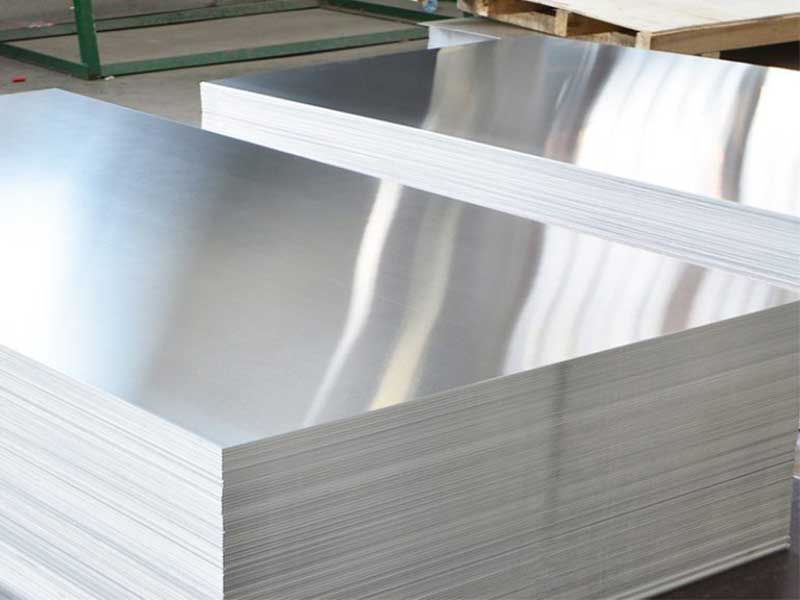
Marine anodized aluminum sheets
Marine Anodized Aluminum Sheets start with premium marine-grade aluminum alloys such as 5000 and 6000 series (typically 5083, 5052, and 6061).
View Details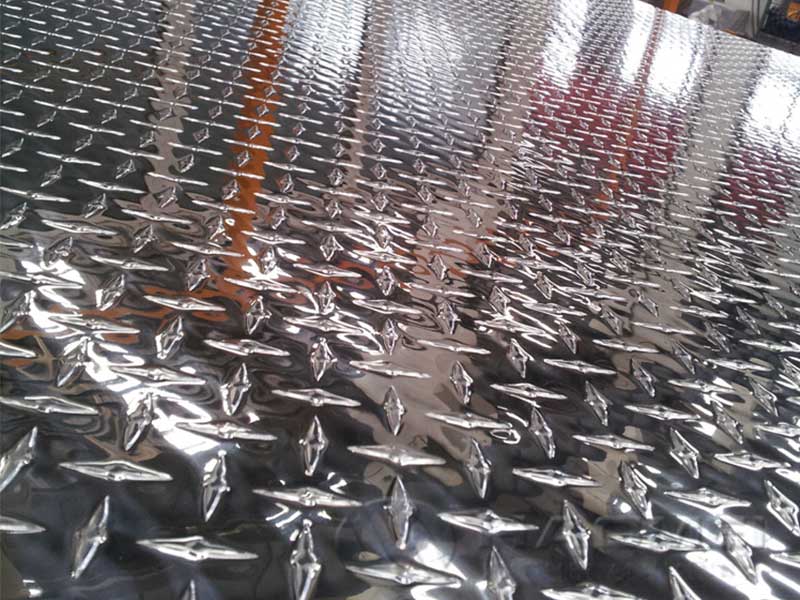
Marine Aluminum Tread Sheets
Marine Aluminum Tread Sheets are aluminum alloy plates featuring a raised surface pattern, commonly referred to as a tread design or diamond plate.
View Details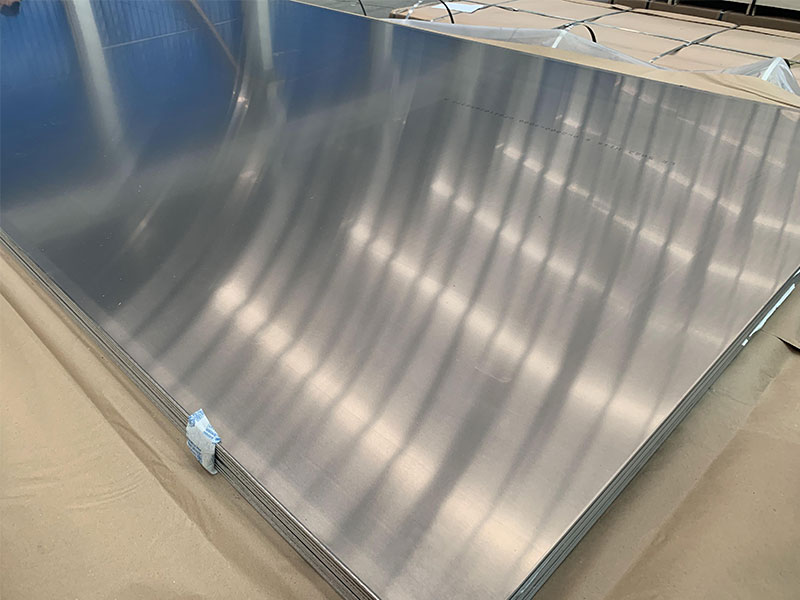
Marine 5052 aluminum sheet
Aluminum alloy 5052 is a non-heat-treatable, strain-hardened alloy with magnesium as the primary alloying element. It is designed to offer superior corrosion resistance in marine and saline environments, making it a dependable choice for components exposed directly to seawater or coastal atmospheric conditions.
View DetailsRelated Blog
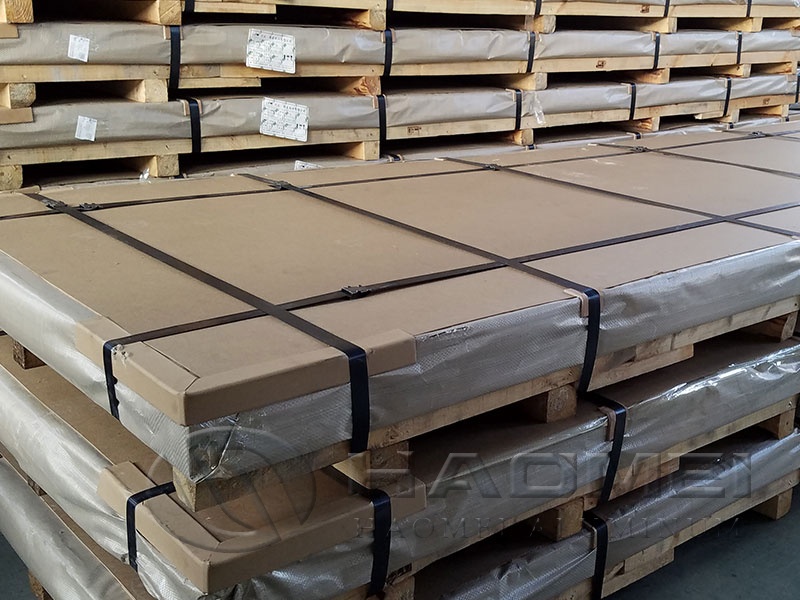
Marine 6061 Aluminum Bar
Marine 6061 aluminum bar offers high strength, excellent machinability, and reliable corrosion resistance for brackets, frames, fittings, and marine hardware.
View Details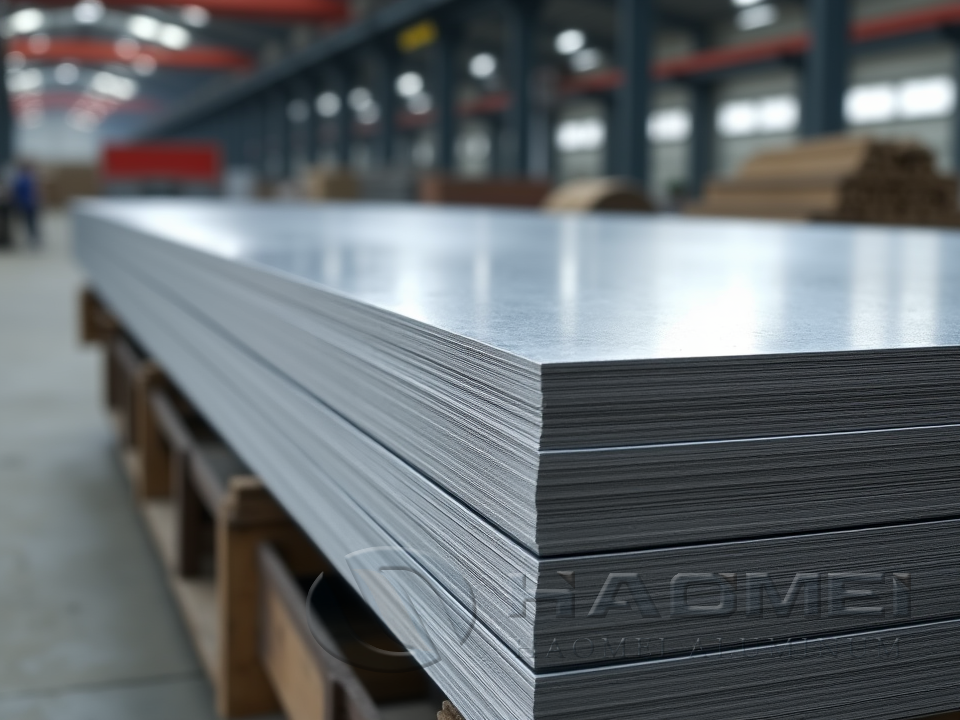
Marine 5086 Aluminum Plate
Marine 5086 aluminum plate offers strong corrosion resistance, weldability, and stable strength for hulls, decks, tanks, and offshore use.
View Details
2mm 3mm 4mm marine grade 5083 aluminum sheet
When considering materials for marine applications, the demand for durability, adaptability, and weight efficiency comes to the forefront of innovation. One leading solution in this arena is the 5083 aluminum alloy.
View Details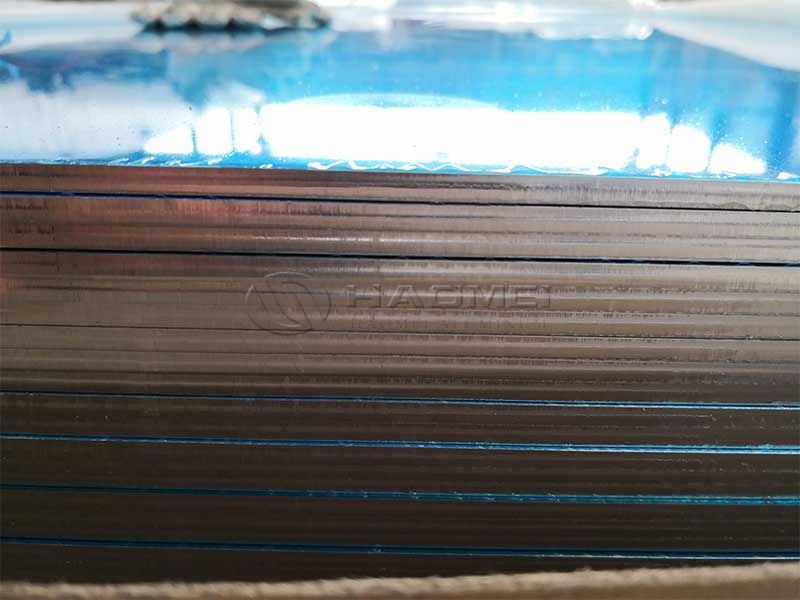
Marine Grade Aluminum 5052 5083 6063 H111 H22 H32 H36 Plate
Marine aluminum 5052, 5083, and 6063 plates in H111, H22, H32, and H36 tempers for hulls, decks, cabins, tanks, and fittings.
View Details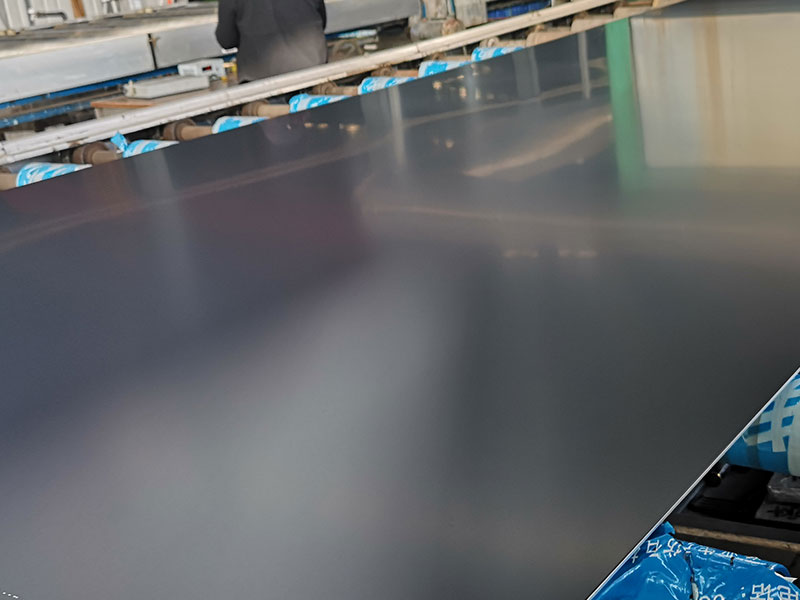
5083 h116 marine grade aluminium alloy sheet
When it comes to marine applications, the choice of materials plays a pivotal role in the performance and longevity of boats and ships. Among the plethora of options.
View Details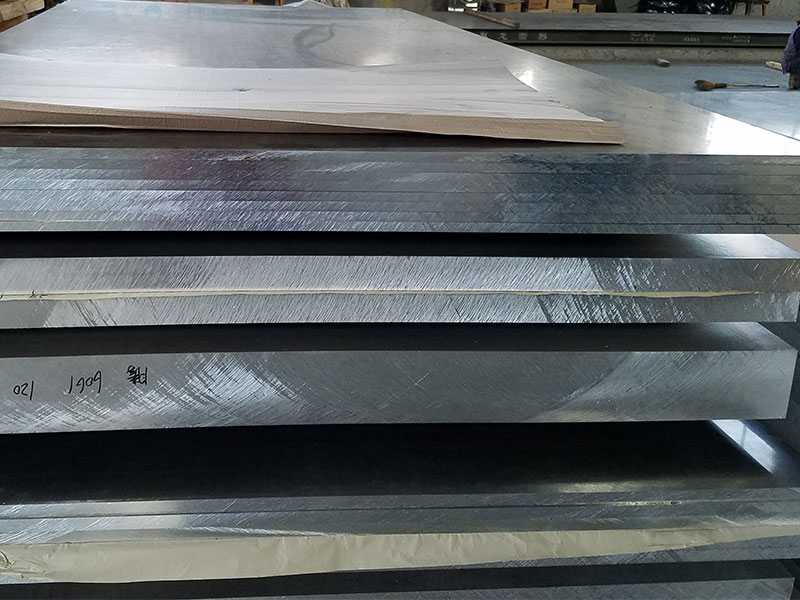
5052 marine grade aluminum
5052 marine grade aluminum is one of the most widely used aluminum alloys for saltwater-exposed structures where corrosion resistance, weldability, and long-term durability matter more than peak strength.
View Details
Leave a Message