
5059 Marine Aluminum Sheet
5059 marine aluminum sheet is often chosen when a vessel needs more than basic corrosion resistance. It is a high-magnesium aluminum alloy designed for welded marine structures that face wave impact, salt spray, vibration, and long service cycles. From a shipyard point of view, 5059 is valuable because it helps solve three problems at the same time: weight control, weld reliability, and durability in aggressive seawater environments.
In practical use, 5059 sits above many conventional 5xxx marine alloys in strength while keeping the familiar advantages of aluminum: low density, good formability, and excellent resistance to marine corrosion. For customers comparing Marine Grade Aluminum Sheets, 5059 is usually selected for demanding structures where 5083 or 5086 may be considered but higher strength margins are desired.
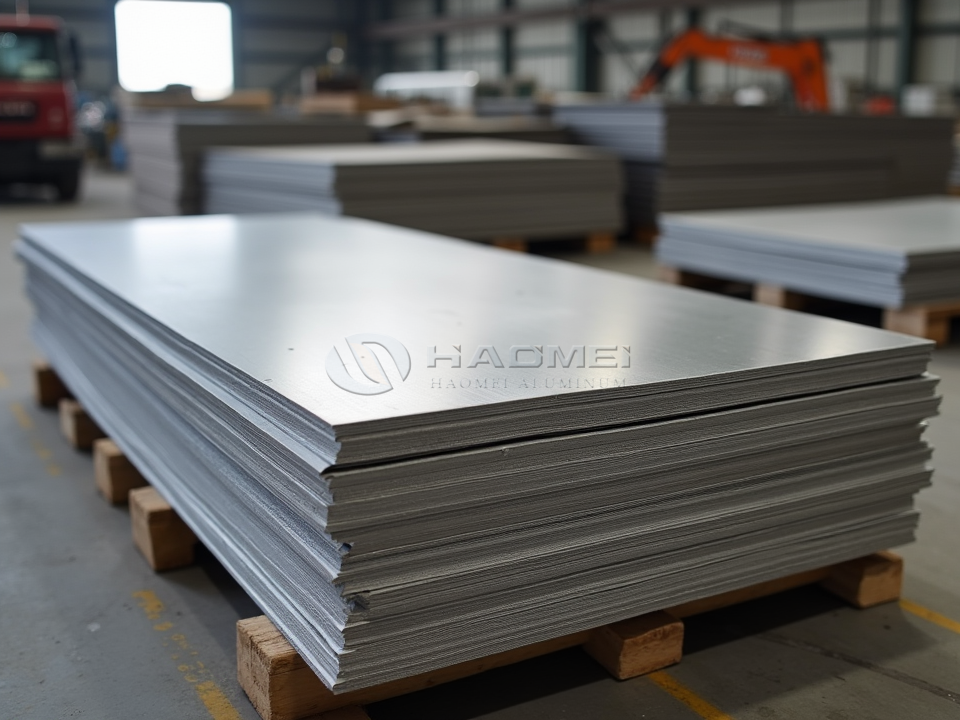
Why 5059 Works Well at Sea
A ship hull is not a static metal box. It bends, twists, absorbs wave slap, carries cargo load, and experiences repeated welding heat during construction. 5059 marine aluminum sheet is engineered for this reality. Its magnesium content gives the alloy strong natural corrosion resistance, while manganese, zinc, and zirconium refine its structure and improve strength.
The alloy is non-heat-treatable, which means its strength comes mainly from strain hardening rather than solution heat treatment. This is important for marine fabrication because welded panels, decks, and bulkheads must keep stable performance after forming and joining. Proper temper selection, especially H116 and H321, helps control sensitization and exfoliation corrosion risk in seawater exposure.
Compared with steel, 5059 aluminum can significantly reduce hull weight. A lighter structure may improve fuel efficiency, payload ratio, acceleration, and shallow-water performance. Compared with many lower-strength aluminum alloys, it allows designers to reduce thickness in some structural areas while still meeting strength requirements, depending on class rules and engineering calculation.
Main Functions in Marine Structures
The first function of 5059 marine aluminum sheet is structural load bearing. It is used where panels must resist tensile stress, bending, and vibration. Hull plating, side shells, decks, superstructures, and bulkheads all benefit from its balance of strength and corrosion resistance.
Its second function is corrosion defense. The alloy forms a protective oxide film naturally, and its marine temper options are designed to perform in saltwater and humid coastal atmospheres. This makes it suitable for patrol boats, ferries, workboats, military craft, offshore platforms, and high-speed vessels.
Its third function is weld integration. 5059 can be welded by MIG and TIG processes, often with compatible 5xxx filler wires such as ER5183 or ER5356 depending on project requirements. For highly loaded welded joints, procedure qualification, filler selection, and post-weld inspection should follow the vessel design code or class society requirement.
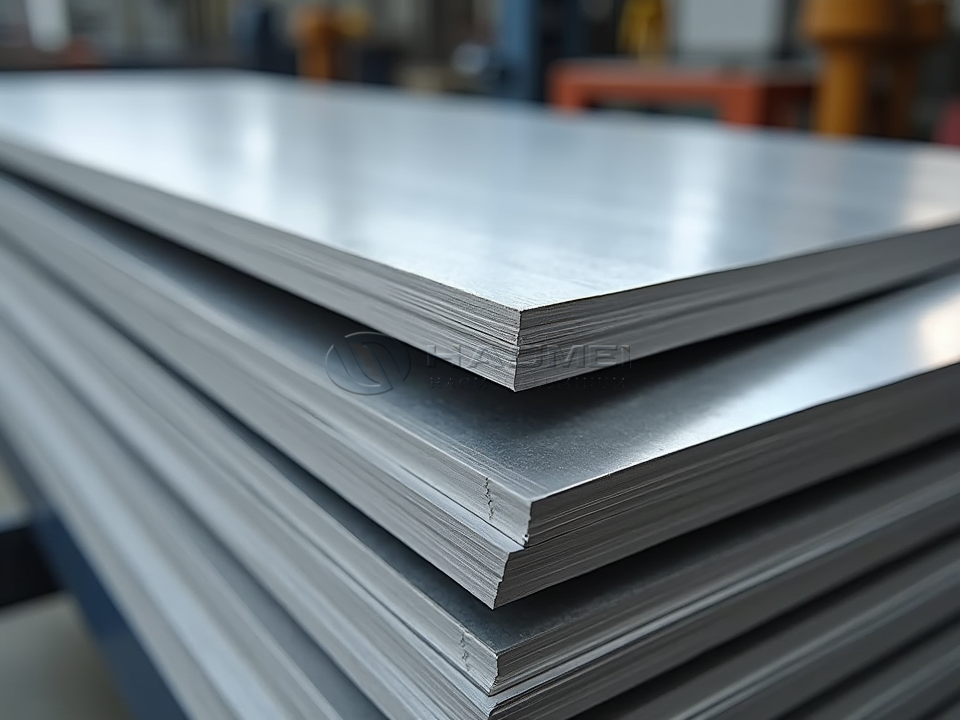
Common Applications
5059 marine aluminum sheet is used in both civil and defense marine projects. It is especially attractive for high-speed and weight-sensitive vessels because reducing deadweight improves performance without sacrificing safety.
Typical applications include hull bottom plates, side shell plates, deck panels, transom structures, engine room partitions, bulkheads, gangways, offshore working platforms, LNG and cryogenic-related structures, armor-related marine panels, and vessel superstructures. It can also be used in coastal engineering equipment, marine containers, bridge decks near saltwater, and shipborne mechanical enclosures.
For buyers already specifying Marine 5059 aluminum sheet, the most important purchasing details are not only thickness and size, but also temper, inspection standard, corrosion test requirement, flatness, ultrasonic quality, and certification documents.
Typical Product Parameters
| Item | Common specification |
|---|---|
| Alloy | 5059, EN AW-5059, AlMg5.5MnZn |
| Temper | O, H111, H112, H116, H321 |
| Thickness | 3 mm to 80 mm, thicker plates available by agreement |
| Width | 1000 mm to 2500 mm, custom wide plate possible |
| Length | 2000 mm to 12000 mm or cut to size |
| Density | About 2.66 g/cm3 |
| Elastic modulus | About 70 GPa |
| Thermal conductivity | About 120 W/m·K |
| Electrical conductivity | About 30% to 34% IACS |
| Surface | Mill finish, brushed, film protected, or coated after processing |
| Processing | Cutting, bending, rolling, welding, drilling, CNC machining |
These values are general commercial ranges. Final delivery conditions depend on mill capability, thickness, applicable standard, and customer drawings.
Alloy Temper and Mechanical Behavior
5059 is most often supplied in marine tempers that support both strength and corrosion performance. H116 is a strain-hardened temper with special control for resistance to exfoliation corrosion and stress corrosion in marine service. H321 is also strain hardened and stabilized, commonly used for marine plate that needs reliable long-term behavior after fabrication.
| Temper | Typical tensile strength | Typical yield strength | Elongation | Typical use |
|---|---|---|---|---|
| O | 270-350 MPa | 125 MPa min | 16% min | Deep forming, curved parts, low-stress panels |
| H111 | 290-370 MPa | 160 MPa min | 14% min | Moderate forming and welded structures |
| H112 | 300-380 MPa | 170 MPa min | 12% min | General plate, machining, structural parts |
| H116 | 330-430 MPa | 230 MPa min | 10% min | Hull plating, decks, saltwater structures |
| H321 | 330-430 MPa | 230 MPa min | 10% min | Class-approved marine structures |
Mechanical values vary with thickness and standard. For classed vessels, certified mill test reports should be reviewed before production.
Chemical Properties Table
The performance of 5059 comes from careful chemistry control. Magnesium provides strength and corrosion resistance, manganese improves work hardening behavior, zinc contributes to strength, and zirconium supports grain refinement.
| Element | Content, % by weight |
|---|---|
| Si | 0.45 max |
| Fe | 0.50 max |
| Cu | 0.25 max |
| Mn | 0.60-1.20 |
| Mg | 5.00-6.00 |
| Cr | 0.25 max |
| Zn | 0.40-0.90 |
| Ti | 0.20 max |
| Zr | 0.05-0.25 |
| Others, each | 0.05 max |
| Others, total | 0.15 max |
| Al | Balance |
This composition should be confirmed against the required purchase standard, as small allowable differences may exist between AA, EN, ASTM, and project-specific documents.
Implementation Standards and Certification
5059 marine aluminum sheet can be supplied according to internationally recognized standards. Common references include ASTM B928/B928M for high-magnesium aluminum alloy sheet and plate for marine service, ASTM B209/B209M for general aluminum sheet and plate, EN 485 for aluminum sheet and plate tolerances and mechanical properties, and EN 573 for chemical composition.
For shipbuilding, customers may require approval or inspection from classification societies such as ABS, DNV, LR, BV, CCS, RINA, or KR. In these cases, the order should clearly state alloy, temper, thickness, delivery standard, ultrasonic testing if needed, corrosion test requirement, and certificate type.
Flatness, thickness tolerance, surface quality, and edge condition also matter. In welded boat construction, a clean mill finish with controlled surface defects can reduce rework and improve welding consistency.
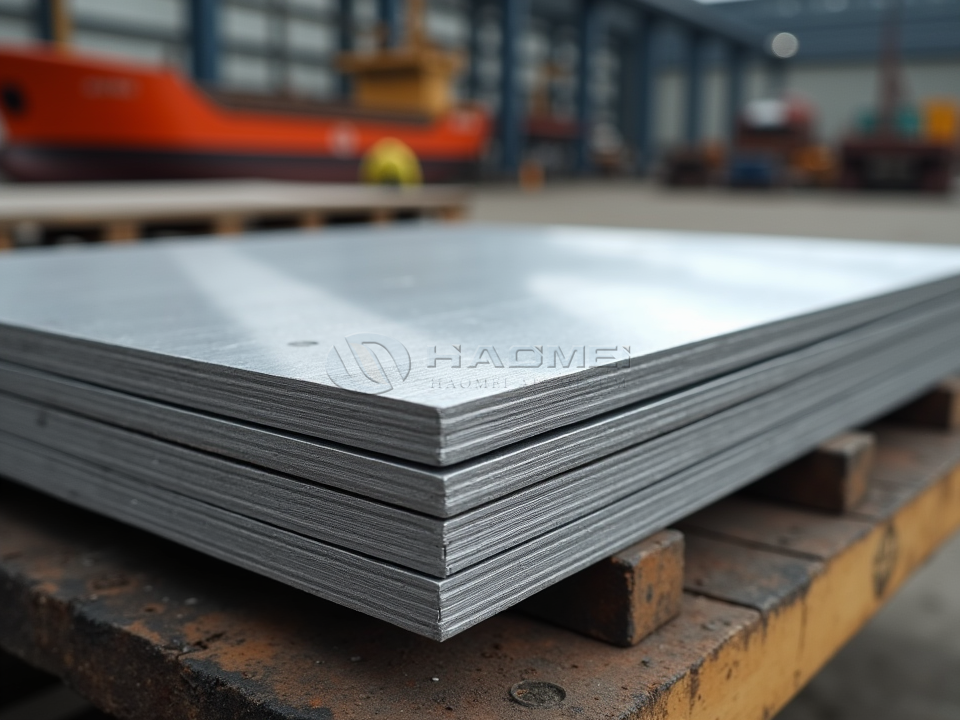
Fabrication Notes for Shipyards
5059 marine aluminum sheet can be cut by saw, plasma, waterjet, laser, or CNC routing. Bending should consider temper and thickness; softer tempers provide better forming ability, while H116 and H321 are preferred when structural strength and marine corrosion resistance are more important.
Before welding, the surface should be cleaned to remove oil, oxide buildup, moisture, and contamination. Heat input should be controlled because excessive heat can reduce local strength in the heat-affected zone. When designing welded joints, engineers should consider joint type, filler metal, distortion control, and inspection method.
For surface protection, 5059 can be used bare in many marine environments, but coatings, primers, anodizing, or anti-slip treatments may be applied depending on vessel type and exposure zone. Painted systems are common for hulls and decks, while exposed work platforms may require additional slip resistance.
How Customers Can Specify 5059 Correctly
A clear inquiry for 5059 marine aluminum sheet should include alloy, temper, thickness, width, length, quantity, standard, certificate requirement, and intended application. If the sheet will be used for hull construction, the request should also mention class society approval, welding method, and whether corrosion testing is required.
For example, a shipyard may request 5059 H116 marine aluminum sheet, 8 mm x 2000 mm x 6000 mm, ASTM B928, ABS certification, mill finish, with protective film. This type of specification helps the mill prepare accurate production, testing, and documentation.
5059 marine aluminum sheet is not just another aluminum plate. It is a material choice for vessels that need strength without unnecessary weight, corrosion resistance without excessive maintenance, and weldable performance for real shipyard conditions. For boats, offshore structures, and high-duty marine equipment, it gives designers a practical path toward lighter, stronger, and longer-lasting aluminum construction.

Related Products
Marine anodized aluminum sheets
Marine Anodized Aluminum Sheets start with premium marine-grade aluminum alloys such as 5000 and 6000 series (typically 5083, 5052, and 6061).
View Details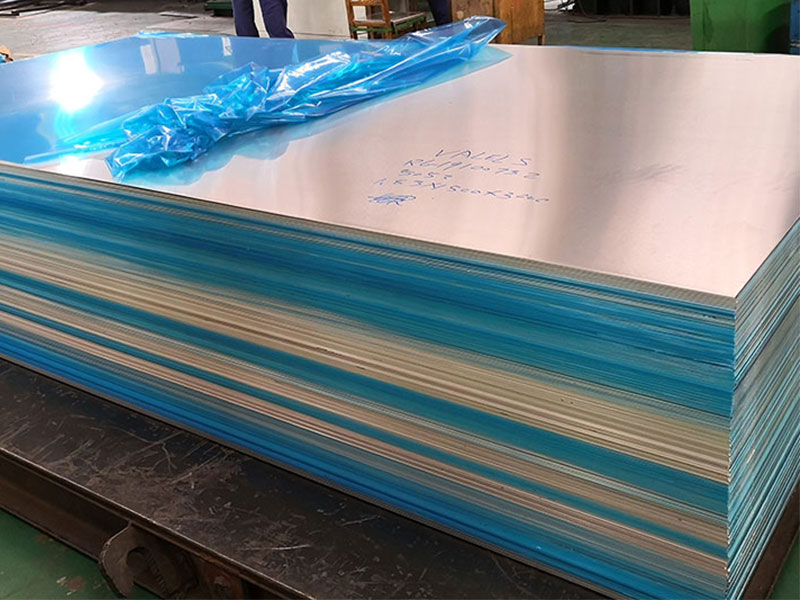
Marine 5059 aluminum sheet
5059 aluminum alloy is a strain-hardened material with a unique addition of magnesium and chromium, which provides outstanding resistance to localized corrosion like pitting and stress corrosion cracking.
View Details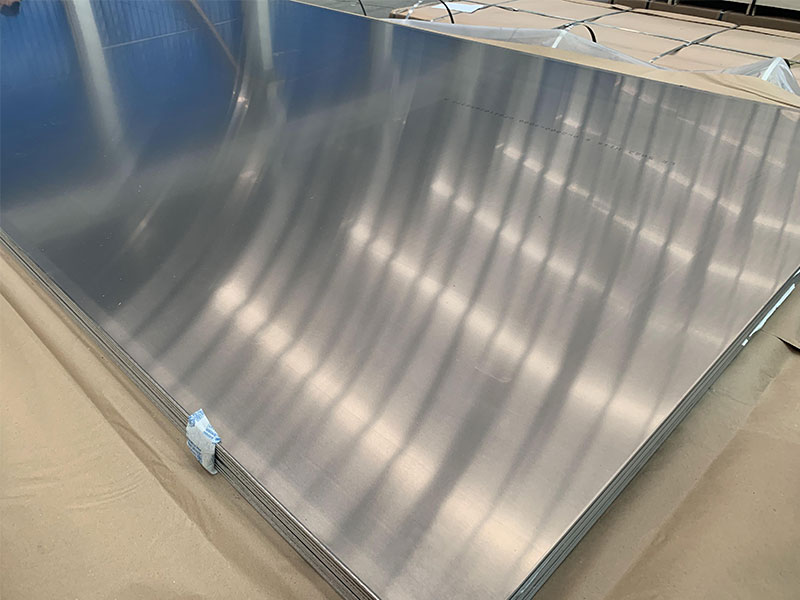
Marine 5052 aluminum sheet
Aluminum alloy 5052 is a non-heat-treatable, strain-hardened alloy with magnesium as the primary alloying element. It is designed to offer superior corrosion resistance in marine and saline environments, making it a dependable choice for components exposed directly to seawater or coastal atmospheric conditions.
View Details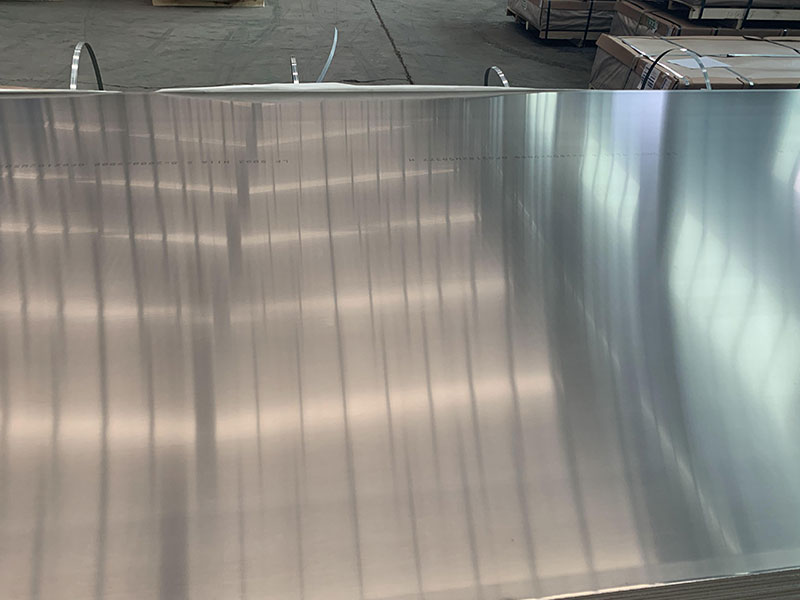
Marine 5383 aluminum sheet
5383 aluminum is a strain-hardened, non-heat-treatable alloy from the 5xxx series primarily alloyed with magnesium. It exhibits a unique balance of corrosion resistance and mechanical properties particularly suited for marine applications.
View Details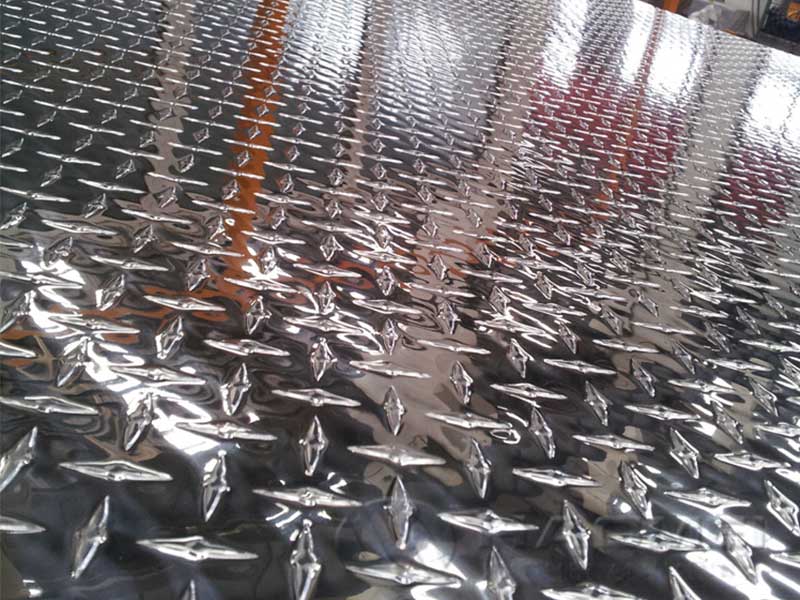
Marine Aluminum Tread Sheets
Marine Aluminum Tread Sheets are aluminum alloy plates featuring a raised surface pattern, commonly referred to as a tread design or diamond plate.
View Details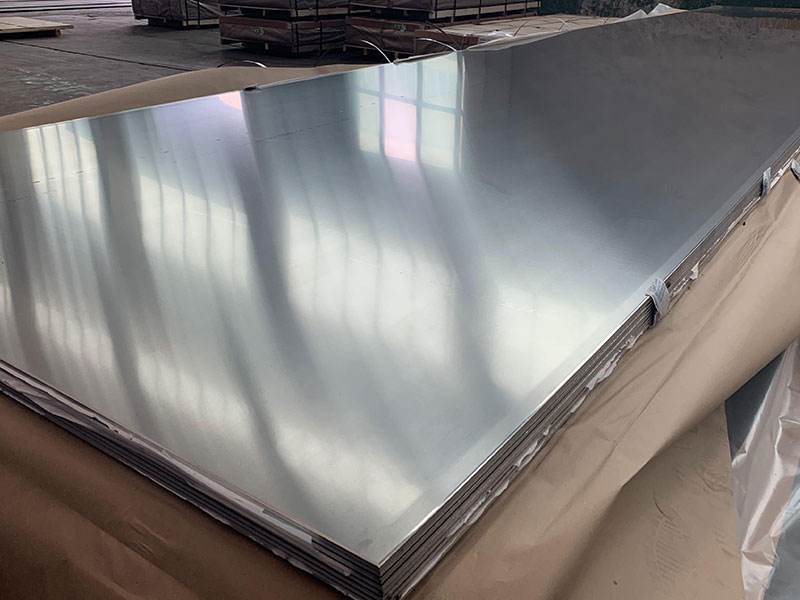
Marine 5086 aluminum sheet
This product article provides an in-depth and comprehensive understanding of Marine 5086 Aluminum Sheets, including their chemical composition, mechanical properties, corrosion resistance, fabrication capabilities, and typical marine applications.
View DetailsRelated Blog
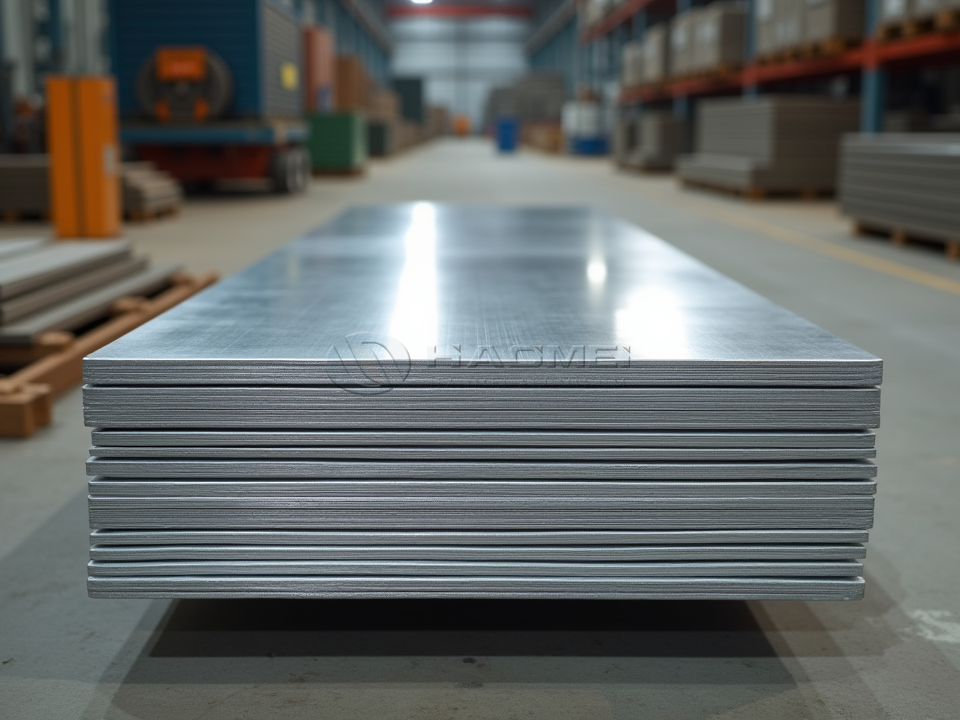
Marine Aluminium Plate for Boat
Marine aluminium plate for boat hulls, decks, tanks, and fittings, with alloy grades, tempers, standards, chemistry, and fabrication data.
View Details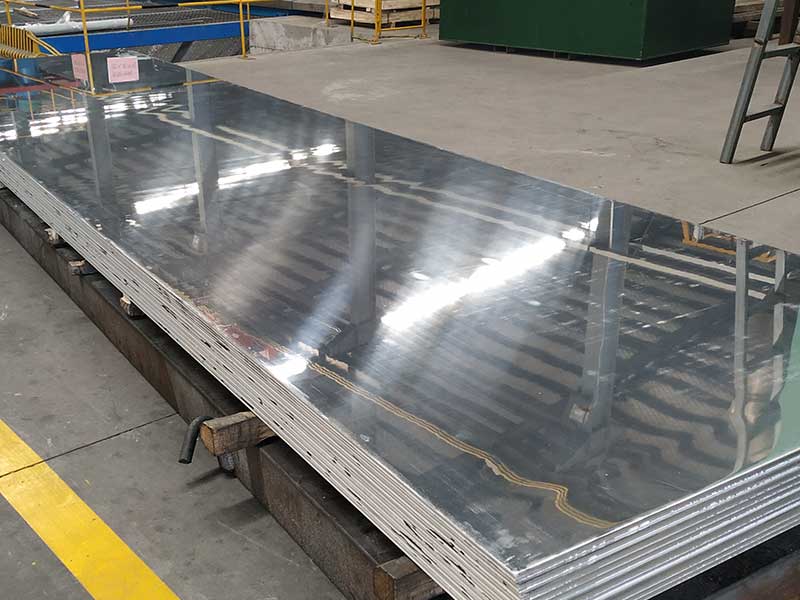
1mm to 8mm thick marine grade aluminum sheet 5083 h116
Marine environments punish materials in ways most industrial settings never will: salt spray, stagnant seawater, cyclic wet/dry exposure, and constant vibration.
View Details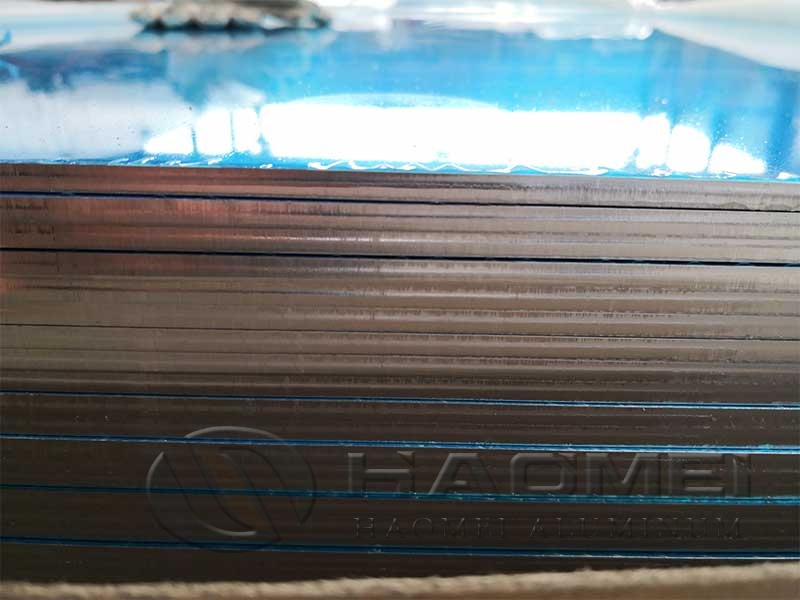
Marine 5059 Aluminum Plate
Marine 5059 aluminum plate offers high strength, seawater corrosion resistance, weldability, and certified performance for hulls and naval structures.
View Details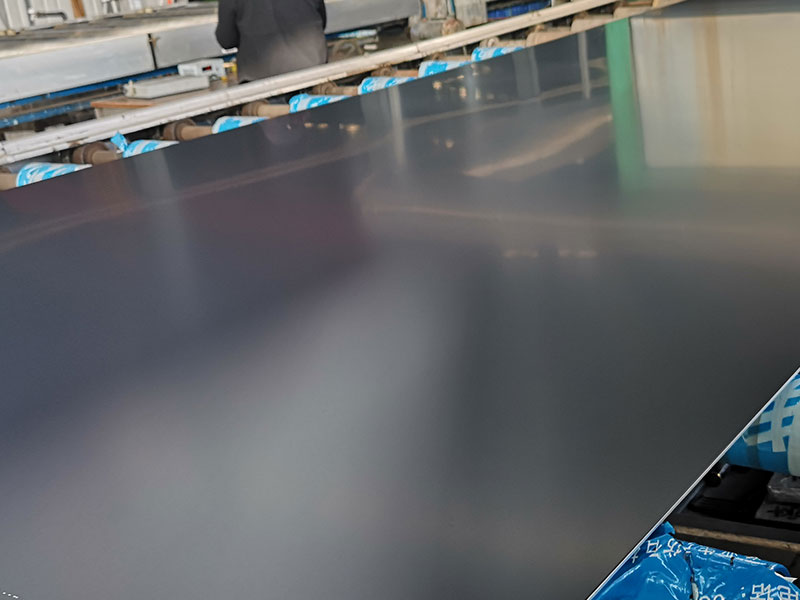
5083 h116 marine grade aluminium alloy sheet
When it comes to marine applications, the choice of materials plays a pivotal role in the performance and longevity of boats and ships. Among the plethora of options.
View Details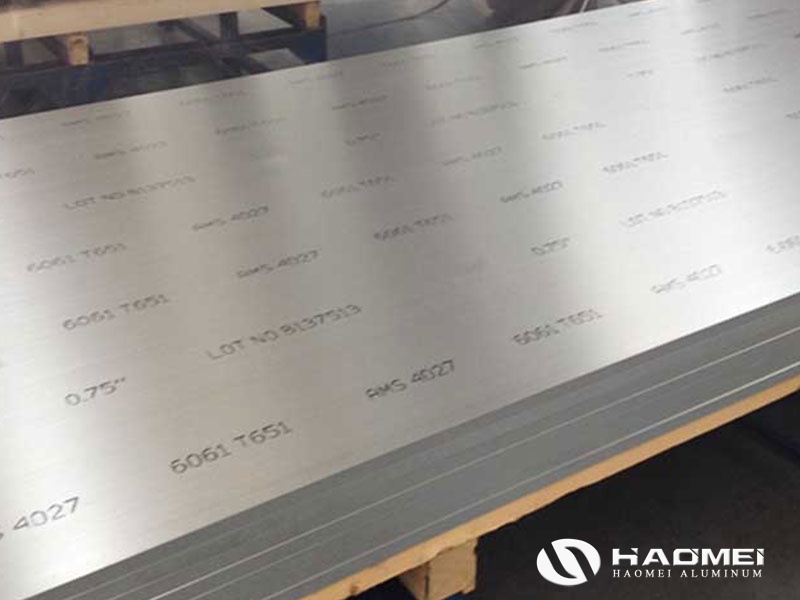
Marine 6061 Aluminum Plate
Marine 6061 aluminum plate offers high strength, excellent machinability, and good corrosion resistance for decks, frames, and marine equipment parts.
View Details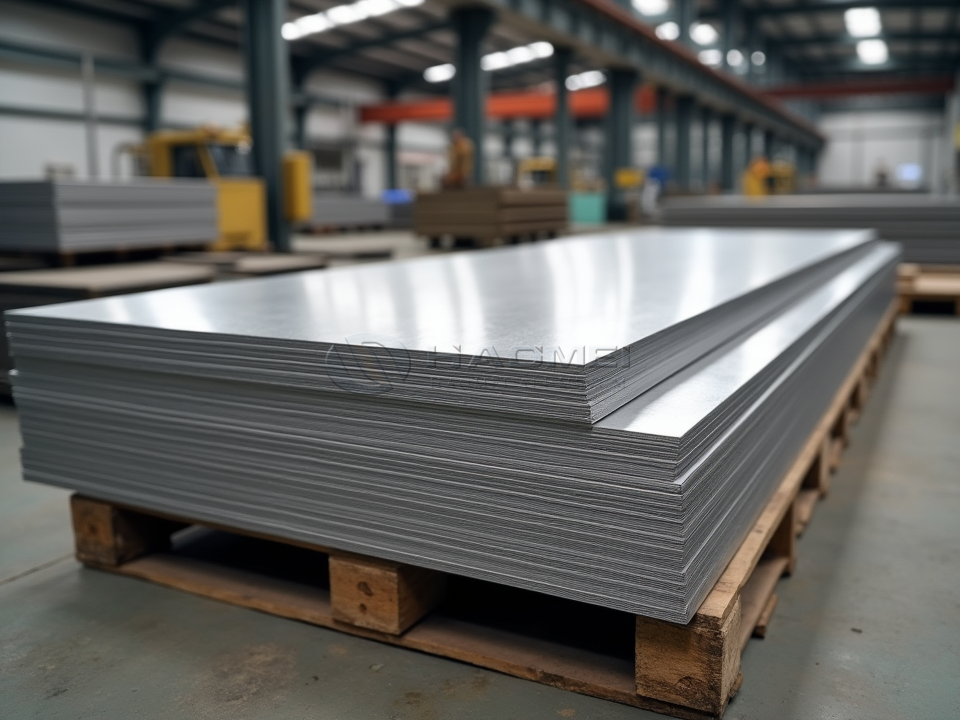
5383 Marine Aluminum Sheet
5383 marine aluminum sheet offers high strength, seawater corrosion resistance, weldability, and long service life for hulls and offshore structures.
View Details
Leave a Message