
Marine 5059 Aluminum Plate
A shipyard does not judge aluminum plate only by the shine of its surface. It judges the plate by what happens after cutting, bending, welding, launching, and years of salt spray. From that practical angle, Marine 5059 aluminum plate is a material chosen when a vessel needs more strength than conventional 5xxx marine alloys can offer, while still keeping the weight advantage and corrosion resistance that make aluminum valuable at sea.
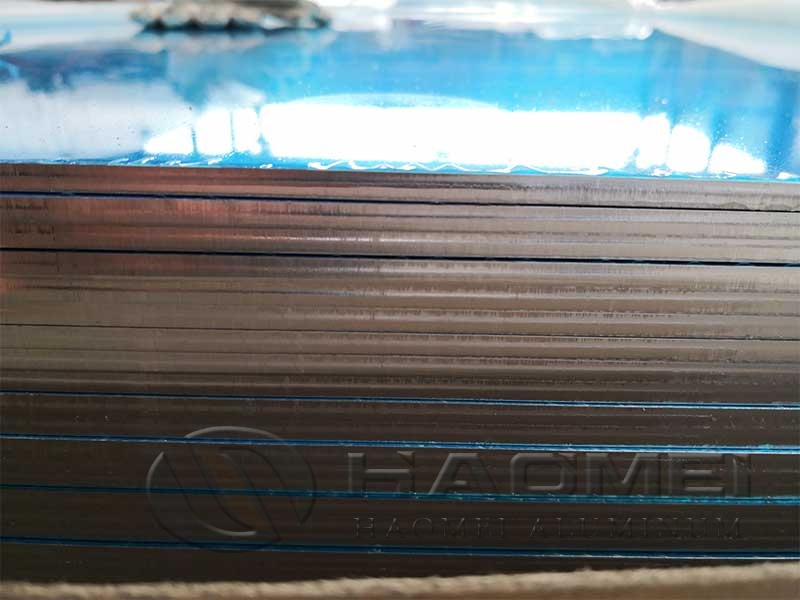
Marine 5059 aluminum plate belongs to the Al-Mg family. It is a non-heat-treatable alloy strengthened mainly by magnesium, manganese, zinc, and controlled cold working. The result is a plate that can carry higher loads, resist seawater attack, and maintain excellent weldability. For buyers comparing the wider range of Marine Grade Aluminum Sheets, 5059 is often selected for demanding hull sections, patrol boats, high-speed craft, naval superstructures, decks, bulkheads, and offshore equipment.
Why 5059 Feels Different in the Workshop
The first difference is strength. Compared with many standard marine aluminum grades, 5059 offers higher tensile and yield performance, which allows designers to reduce plate thickness in some structures without giving up safety margins. This is especially valuable in fast vessels, where every saved kilogram improves fuel efficiency, acceleration, payload, or range.
The second difference is stability in a salty environment. Marine 5059 aluminum plate has excellent resistance to general corrosion and good resistance to exfoliation and stress corrosion cracking when supplied in approved marine tempers such as H116 or H321. These tempers are not just labels; they represent controlled processing designed for long-term service in humid, chloride-rich conditions.
The third difference is weld behavior. Shipbuilders care about how a plate behaves near the weld, not only in the untouched base metal. 5059 can be welded by MIG and TIG processes, commonly with 5183, 5356, or 5556 filler wire depending on design requirements. Its welded joints retain useful strength and show good toughness when proper procedures are followed.
Typical Product Parameters
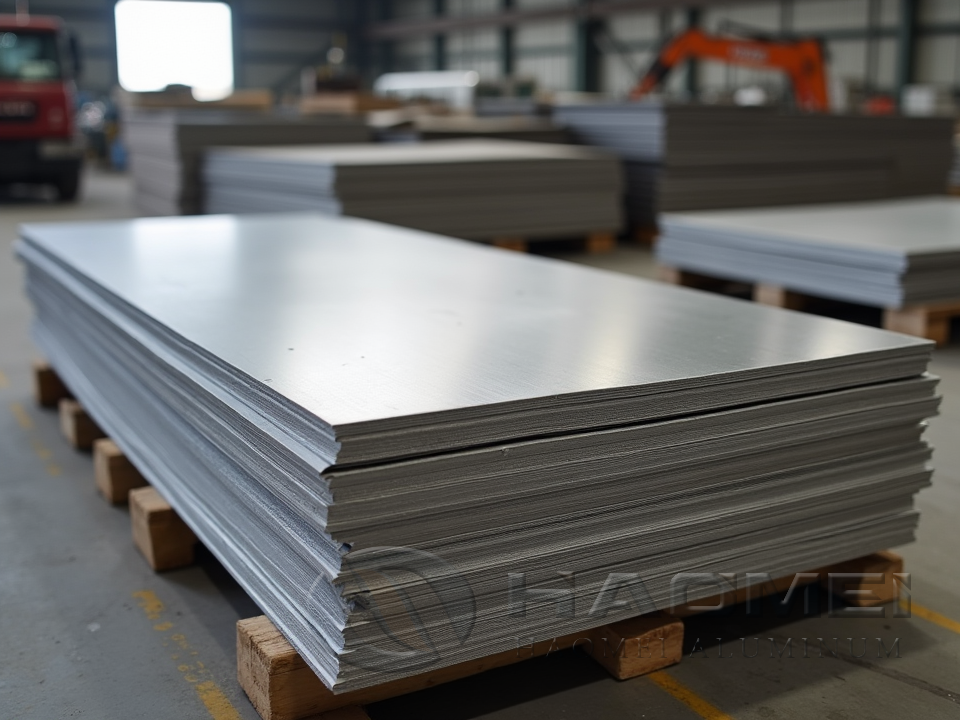
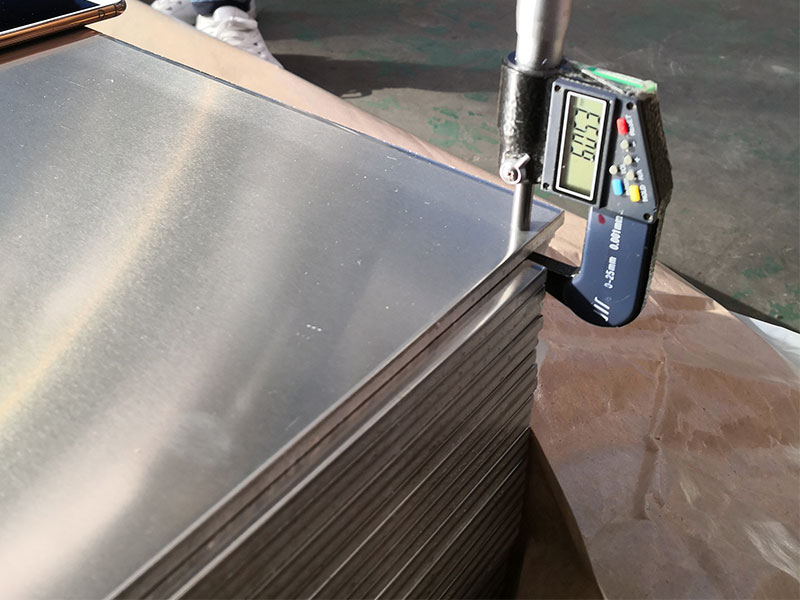
Marine 5059 aluminum plate can be supplied in different sizes according to shipyard cutting plans, classification society requirements, and mill capability. Common supply conditions include mill finish, cut-to-size plate, and flat plate prepared for CNC cutting.
| Item | Common Range or Value |
|---|---|
| Alloy | 5059, EN AW-5059 |
| Product form | Plate, sheet, cut plate |
| Thickness | 3 mm to 100 mm, with thicker options by agreement |
| Width | 1000 mm to 2650 mm typical |
| Length | 2000 mm to 12000 mm typical |
| Density | About 2.66 g/cm3 |
| Elastic modulus | About 70 GPa |
| Melting range | About 590-640°C |
| Surface | Mill finish, brushed, protective film available |
| Processing | Cutting, bending, rolling, welding, machining |
| Main uses | Hull panels, decks, cabins, bulkheads, armor-support structures, offshore platforms |
For projects that benchmark several hull materials, Marine 5083 aluminum sheet is a familiar reference point. 5059 is often considered when higher strength, better damage tolerance, or lighter structural design is required.
Chemical Composition of Marine 5059 Aluminum Plate
The chemistry of 5059 is carefully balanced. Magnesium provides strength and seawater resistance, manganese improves strength and grain structure, zinc contributes to mechanical performance, and zirconium helps control recrystallization during processing.
| Element | Composition, % |
|---|---|
| Silicon, Si | 0.45 max |
| Iron, Fe | 0.50 max |
| Copper, Cu | 0.25 max |
| Manganese, Mn | 0.60-1.20 |
| Magnesium, Mg | 5.00-6.00 |
| Chromium, Cr | 0.25 max |
| Zinc, Zn | 0.40-0.90 |
| Titanium, Ti | 0.20 max |
| Zirconium, Zr | 0.05-0.25 |
| Other each | 0.05 max |
| Other total | 0.15 max |
| Aluminum, Al | Balance |
This composition explains why Marine 5059 aluminum plate is not simply another aluminum sheet with a marine name. Its high magnesium content and microalloying additions give it a strong position in modern lightweight vessels.
Alloy Tempers and Mechanical Behavior
5059 is a non-heat-treatable alloy, so its strength is developed through strain hardening and controlled stabilization rather than solution heat treatment. The most common marine tempers are H116, H321, H112, and O, each serving a different fabrication purpose.
| Temper | Practical Meaning | Typical Use |
|---|---|---|
| O | Annealed, softest condition | Deep forming, severe bending, parts needing high ductility |
| H112 | Strain-hardened from fabrication, moderate strength | Thick plate, welded structures, general ship components |
| H116 | Special marine temper with corrosion resistance control | Hulls, decks, offshore structures, high-reliability seawater service |
| H321 | Strain-hardened and stabilized for marine use | Similar to H116, often used where exfoliation resistance is specified |
Typical mechanical properties vary with thickness and standard, but H116 and H321 plates often show tensile strength around 370-450 MPa, yield strength around 270-340 MPa, and elongation commonly above 10%. H112 plate usually offers lower yield strength but better forming tolerance for heavier sections. Exact values should be confirmed through mill test certificates for the ordered thickness and temper.
Standards and Certification
Marine aluminum is not bought only by grade name. Serious projects require traceability, testing, and classification approval. Marine 5059 aluminum plate can be produced and inspected according to commonly requested standards such as ASTM B928/B928M for high-magnesium aluminum alloy sheet and plate for marine service, ASTM B209/B209M for aluminum sheet and plate, EN 485 for aluminum plate tolerances and mechanical properties, EN 573 for chemical composition, and EN 515 for temper designations.
Classification society approvals may include ABS, DNV, LR, BV, CCS, RINA, KR, or other societies depending on vessel flag, service area, and contract conditions. Buyers should confirm the required certificate before ordering, because plate used in a certified hull normally needs approved production routes, batch traceability, mechanical testing, corrosion testing where applicable, and a complete material test report.
Fabrication Notes for Shipyards
Marine 5059 aluminum plate cuts cleanly by saw, waterjet, plasma, and CNC routing. For bending, the minimum radius should be selected according to plate thickness, temper, and direction relative to rolling. Softer tempers allow tighter forming, while H116 and H321 require more conservative forming plans.
Welding should use clean edges, proper filler selection, controlled heat input, and removal of oxide layers before joining. Because aluminum conducts heat quickly, welding procedures should be qualified rather than improvised. After welding, designers should consider the reduced strength of the heat-affected zone in structural calculations.
Surface protection is usually simple compared with steel. 5059 forms a natural oxide film and performs well without heavy coating systems, but painted or anodized finishes can be applied for appearance, anti-fouling systems, insulation contact areas, or severe service zones. Avoiding direct contact with dissimilar metals such as carbon steel or copper alloys helps prevent galvanic corrosion.
Where Marine 5059 Aluminum Plate Delivers Value
The best use of 5059 is not in replacing every marine alloy blindly. Its value appears where performance demands justify the premium: fast patrol craft, crew transfer vessels, military boats, rescue vessels, high-speed ferries, offshore access platforms, and structures exposed to repeated wave impact. In these applications, high strength-to-weight ratio is not a marketing phrase; it affects speed, fuel cost, operating range, and fatigue life.
For purchasing teams, the practical checklist is clear: confirm alloy and temper, match the standard to the vessel class, request mill test certificates, verify thickness tolerance and flatness, and communicate cutting sizes before production. For engineers, the focus should be weld design, fatigue detail, corrosion isolation, and forming limits.
Marine 5059 aluminum plate is a modern answer to a very old marine problem: how to build lighter structures that remain strong after years of salt, vibration, welding, and wave pressure. When specified correctly, it gives shipbuilders a confident balance of strength, corrosion resistance, weldability, and long-term service performance.

Related Products
Marine anodized aluminum sheets
Marine Anodized Aluminum Sheets start with premium marine-grade aluminum alloys such as 5000 and 6000 series (typically 5083, 5052, and 6061).
View Details
Marine 5059 aluminum sheet
5059 aluminum alloy is a strain-hardened material with a unique addition of magnesium and chromium, which provides outstanding resistance to localized corrosion like pitting and stress corrosion cracking.
View Details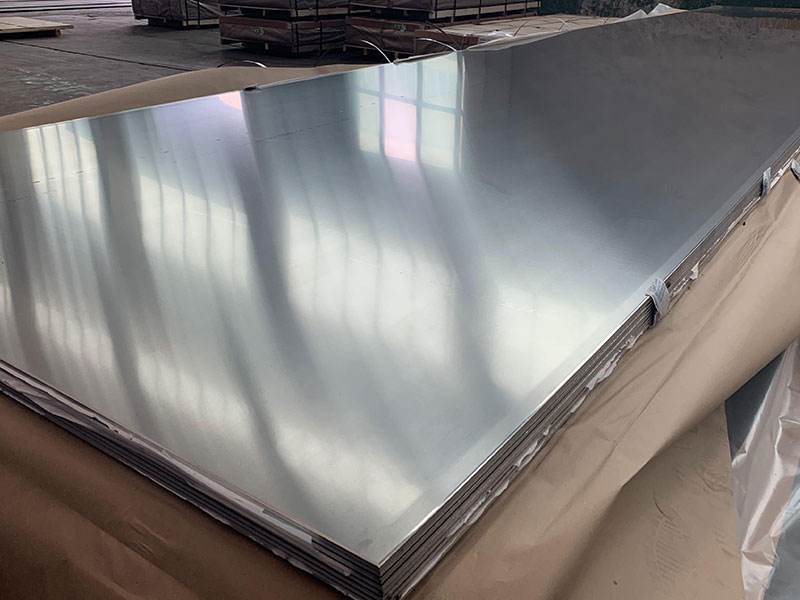
Marine 5086 aluminum sheet
This product article provides an in-depth and comprehensive understanding of Marine 5086 Aluminum Sheets, including their chemical composition, mechanical properties, corrosion resistance, fabrication capabilities, and typical marine applications.
View Details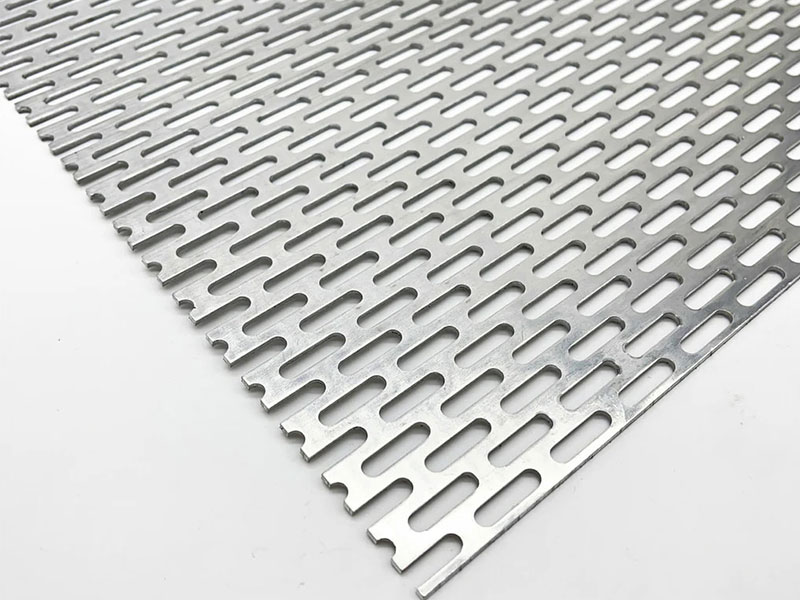
Marine perforated aluminum sheets
Marine Perforated Aluminum Sheets feature a series of uniform holes or shapes punched through the aluminum surface. These perforations can vary in size, pattern, and open area to tailor the sheets for specific applications.
View Details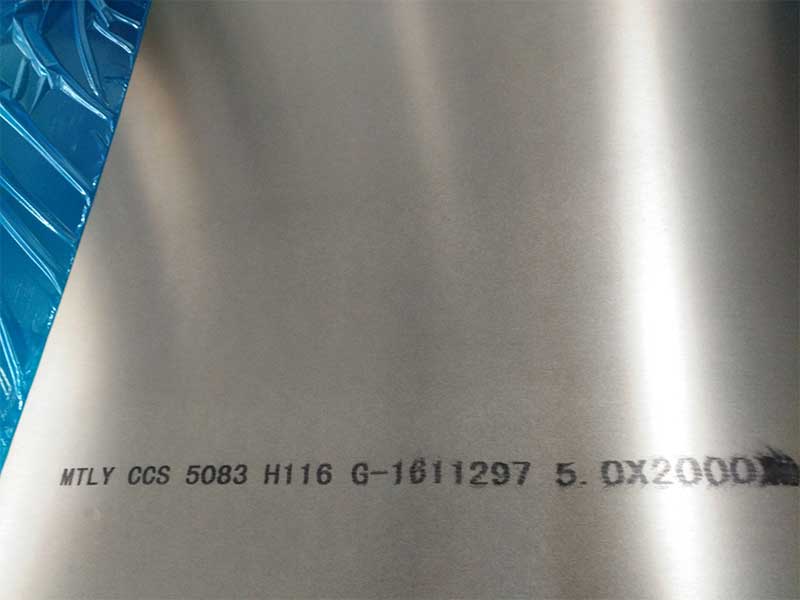
Marine 5083 aluminum sheet
Aluminum alloy 5083 is a non-heat-treatable alloy primarily composed of magnesium and trace elements that deliver outstanding protection against corrosion, particularly in seawater and saline atmospheres.
View Details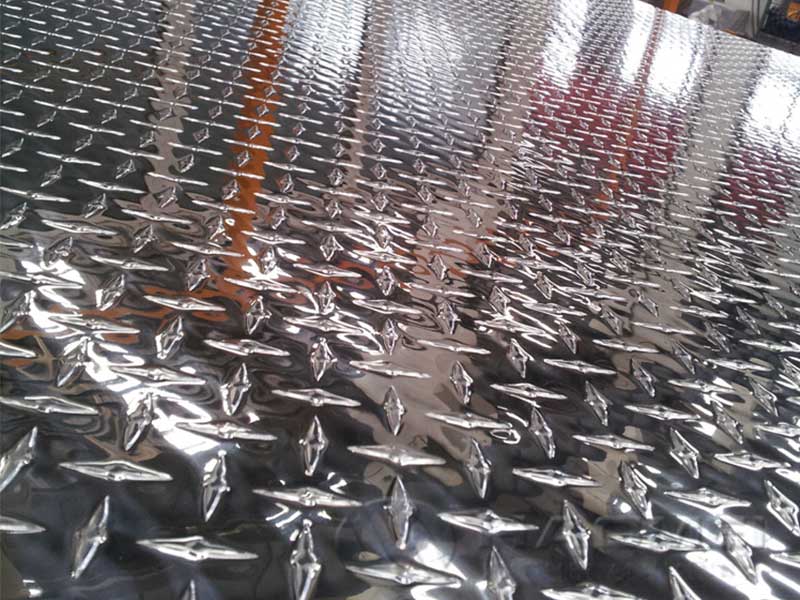
Marine Aluminum Tread Sheets
Marine Aluminum Tread Sheets are aluminum alloy plates featuring a raised surface pattern, commonly referred to as a tread design or diamond plate.
View DetailsRelated Blog
5083 aluminium marine grade 3.2 mm thick aluminium sheet
5083 Aluminium Marine Grade 3.2 mm Thick Aluminium Sheet: Unveiling Its Functional Excellence and Versatile ApplicationsIn the realm of marine engineering, material selection determines durability, safety, and performance.
View Details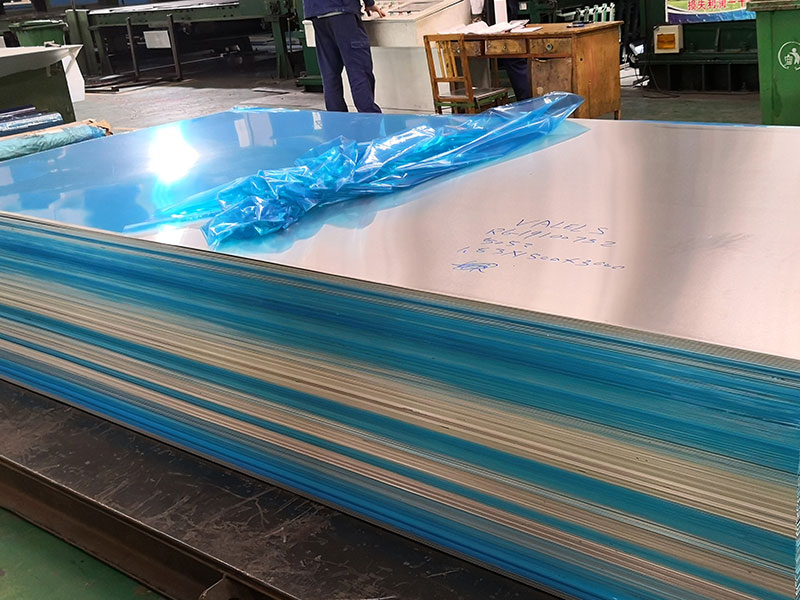
6061 6063 7071 5083 7075 alloy aluminum sheet for boat
Boat builders choose aluminum sheet when they need a hull or structure that stays light, resists corrosion, and remains workable in fabrication. This product range-6061, 6063, 7071, 5083.
View Details
Marine Aluminium Plate for Boat
Marine aluminium plate for boat hulls, decks, tanks, and fittings, with alloy grades, tempers, standards, chemistry, and fabrication data.
View Details
Aluminium Coil Or Sheet For Boat
When it comes to maritime design and construction, selecting materials that balance strength, weight, and corrosion resistance is critical.
View Details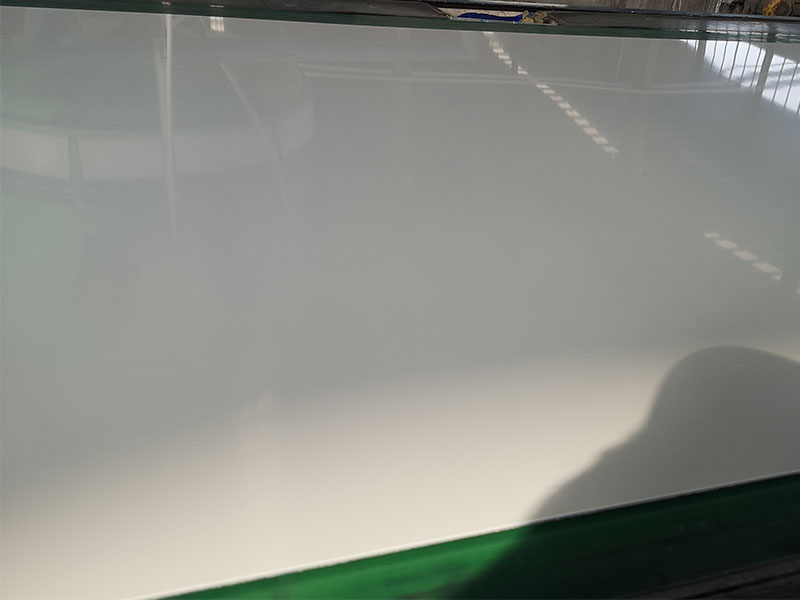
5754 5052 h22 h111 h116 aluminum sheet for boat building
Boat builders need sheet material that stays tough in a salty, wet environment, forms cleanly into hull curves, and resists long-term pitting and crevice corrosion around welds and fasteners.
View Details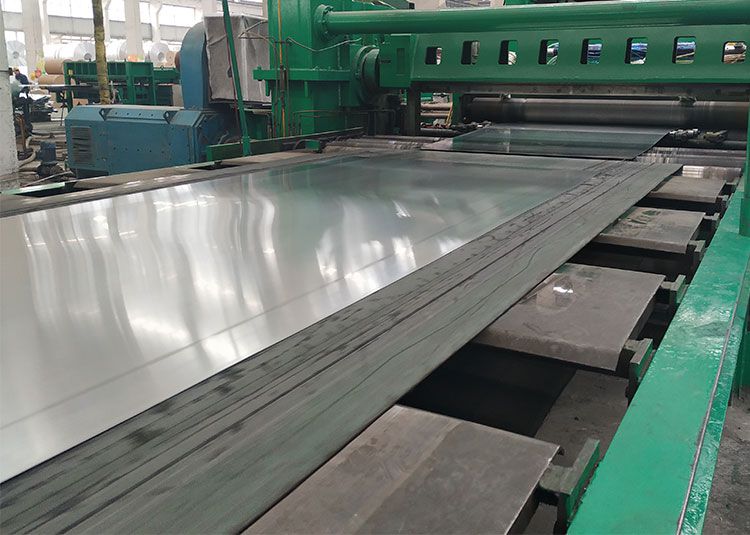
5754 Aluminum Sheet for Shipping Construction
5754 Aluminum Sheet for Shipping Construction: The "Quiet Workhorse" Behind Durable, Efficient VesselsIn modern shipping construction, the most valuable materials are not always the most famous-they're the ones that perform reliably under salt spray.
View Details
Leave a Message