
5083 5052 5754 Naval Aluminum Sheets Plate Coil for Boat
A boat is not built from metal alone. It is built from decisions about seawater exposure, welding heat, panel shape, vibration, payload, and long-term maintenance. This is why 5083, 5052, and 5754 aluminum are often specified together rather than treated as interchangeable marine materials. Each alloy serves a different area of the vessel and responds differently to fabrication.
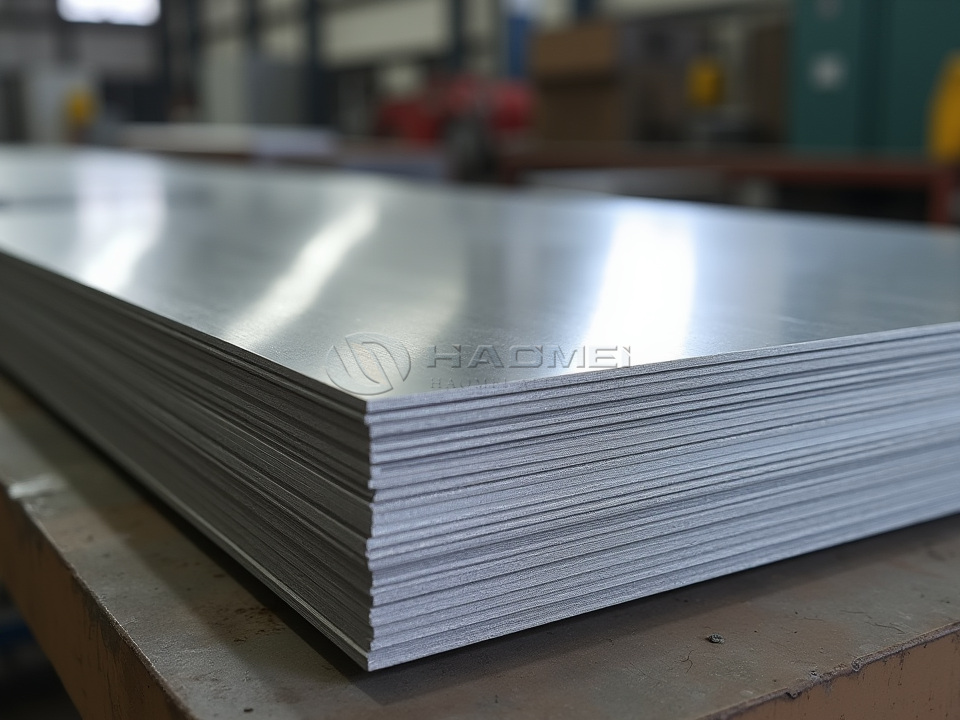
For hull plating that faces saltwater, impact, and cyclic loading, 5083 is generally the strongest choice. For cabin panels, fuel tanks, interior partitions, and formed components, 5052 provides dependable corrosion resistance with easier forming. For lightweight sheet-metal parts, walkways, trim, and coil-fed fabrication, 5754 offers a practical balance between strength and workability.
Reading the Alloy Choice Like a Boatbuilder
5083 belongs to the Al-Mg-Mn family and has a relatively high magnesium content. That chemistry gives it strong resistance to seawater corrosion and higher mechanical strength than 5052 or 5754. It is widely selected for welded hulls, decks, bulkheads, superstructures, offshore workboats, patrol craft, ferries, and fishing vessels. In thick plate, 5083 H116 and H321 are especially valued because they are made for marine service where exfoliation corrosion resistance matters.
5052 contains less magnesium, but it remains highly resistant to marine atmosphere and splash-zone conditions. Its advantage is calm behavior during bending, stamping, rolling, and light welding. A Marine 5052 aluminum sheet is often a sensible material for cabin skins, lockers, consoles, tank covers, interior structures, and smaller formed boat components.
5754 sits close to 5052 in application logic, with good corrosion performance and stronger formability than high-strength hull plate. It is commonly supplied as sheet or coil for panel production, vehicle-like marine structures, access doors, protective cladding, and fabricated parts requiring repeated bends. It is not normally the first selection for a heavy-duty high-speed hull where 5083 is the more appropriate engineering choice.
Product Forms and Common Supply Parameters
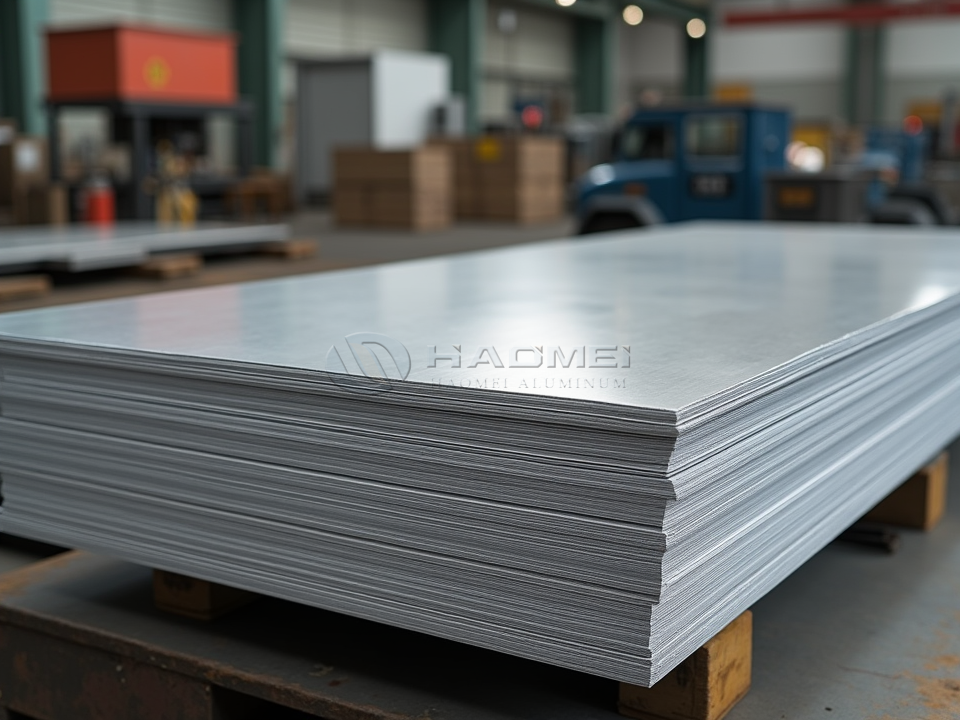
Naval aluminum can be supplied as sheet, plate, coil, strip, or cut-to-length blanks. The ideal format depends on whether the fabricator is welding large panels or feeding material through automated forming equipment.
| Alloy | Typical Product Form | Common Thickness Range | Frequent Boat Uses |
|---|---|---|---|
| 5083 | Sheet and plate | 1.5-200 mm | Hulls, decks, bulkheads, superstructures, tanks |
| 5052 | Sheet, coil and plate | 0.5-6.0 mm sheet, heavier on request | Cabins, interiors, covers, tanks, formed panels |
| 5754 | Sheet, coil and strip | 0.5-6.0 mm | Trim, doors, flooring panels, formed components |
Typical sheet widths range from 1,000 mm to 2,500 mm, while plate widths can reach 3,000 mm or more depending on mill capability. Standard lengths include 2,000 mm, 2,500 mm, 3,000 mm, 6,000 mm, and custom cut lengths. Coil is often available in widths from 800 mm to 1,600 mm, with coil weight matched to the customer's decoiling and stamping equipment.
Surface options may include mill finish, PVC protective film, brushed finish, or checker plate pattern for anti-slip areas. For gangways, engine-room access, and wet deck zones, Marine Aluminum Tread Sheets can provide safer traction without adding excessive weight.
Temper Conditions That Matter in Marine Fabrication
Unlike heat-treatable alloys, 5083, 5052, and 5754 gain strength mainly through cold working. Their temper designation has a direct effect on bending radius, weld-zone behavior, and final panel stiffness.
| Temper | Meaning | Marine Fabrication Relevance |
|---|---|---|
| O | Annealed, soft condition | Best for deep forming, rolling, and complex curves; lower strength |
| H111 | Lightly strain hardened | Good compromise for formed and welded sheet |
| H112 | Strain hardened from hot working | Often used for thicker plate and structural applications |
| H32 | Strain hardened and stabilized, quarter-hard | Common for 5052 and 5754 sheet with good formability |
| H34 | Strain hardened and stabilized, half-hard | Higher panel stiffness, suitable for moderate forming |
| H116 | Special marine temper with corrosion-control requirements | Preferred for 5083 hull and deck plate exposed to seawater |
| H321 | Strain hardened and stabilized marine temper | Used for 5083 plate requiring strength and corrosion reliability |
5083 H116 and H321 are frequently specified for welded hull structures. Welding naturally softens the heat-affected zone of strain-hardened aluminum, so designers should base joint calculations on applicable welded-condition properties rather than parent-metal values alone. Filler wire selection, heat input, joint geometry, and post-weld cleaning are equally important to the life of the structure.
Chemical Composition Limits
The following table gives commonly referenced chemical composition ranges in percent by weight. Actual limits should be confirmed against the ordered standard and mill certificate.
| Alloy | Si | Fe | Cu | Mn | Mg | Cr | Zn | Ti | Al |
|---|---|---|---|---|---|---|---|---|---|
| 5083 | 0.40 max | 0.40 max | 0.10 max | 0.40-1.00 | 4.00-4.90 | 0.05-0.25 | 0.25 max | 0.15 max | Balance |
| 5052 | 0.25 max | 0.40 max | 0.10 max | 0.10 max | 2.20-2.80 | 0.15-0.35 | 0.10 max | 0.15 max | Balance |
| 5754 | 0.40 max | 0.40 max | 0.10 max | 0.50 max | 2.60-3.60 | 0.30 max | 0.20 max | 0.15 max | Balance |
The higher magnesium level in 5083 helps explain its greater strength and robust seawater performance. However, high-magnesium 5xxx alloys require controlled production and correct temper selection for long-term service at elevated temperatures. For normal marine construction, certified H116 or H321 plate is a reliable route when the application requires enhanced resistance to exfoliation corrosion.
Standards and Certification Expectations
Material compliance should be written into the purchase specification rather than assumed from an alloy name. Common standards include ASTM B209 for aluminum sheet and plate, ASTM B928/B928M for 5083 and 5086 marine plate with enhanced corrosion-performance requirements, EN 485 for wrought aluminum sheet and plate properties, and EN 573 for chemical composition and alloy designation.
For marine projects, buyers may also request EN 10204 3.1 inspection certificates, ultrasonic testing where required, dimensional tolerances, surface-quality limits, and classification society documentation from organizations such as DNV, ABS, Lloyd's Register, or Bureau Veritas. Approval requirements vary by vessel type, flag, design code, and contract.
Practical Material Selection for Long Service Life
Choose 5083 plate when structural strength, welded performance, and direct seawater exposure define the job. H116 or H321 is particularly suitable for hull shell, deck plating, transverse frames, and large welded structures. Choose 5052 H32 or H34 when the component needs to be bent, stamped, or formed without demanding the strength level of hull plate. Choose 5754 coil when production speed, consistent flatness, and economical roll-forming or press-forming are priorities.
Even excellent marine aluminum can suffer when installation details are ignored. Avoid prolonged water traps, electrically isolate aluminum from incompatible metals, clean weld residues, seal crevices where practical, and use compatible fasteners and coatings. In boatbuilding, corrosion resistance is not merely an alloy property. It is the result of material selection, fabrication discipline, and thoughtful design working together.

Related Products
Marine 5059 aluminum sheet
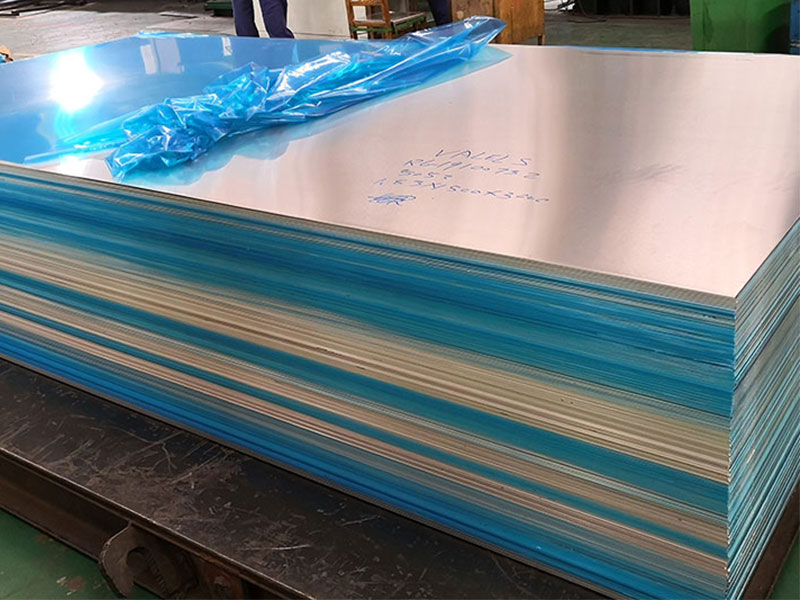
5059 aluminum alloy is a strain-hardened material with a unique addition of magnesium and chromium, which provides outstanding resistance to localized corrosion like pitting and stress corrosion cracking.
View Details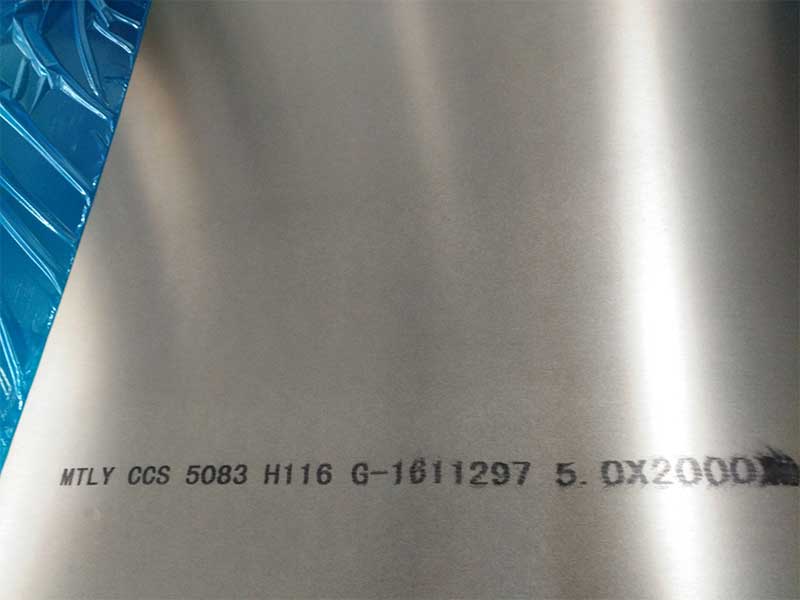
Marine 5083 aluminum sheet
Aluminum alloy 5083 is a non-heat-treatable alloy primarily composed of magnesium and trace elements that deliver outstanding protection against corrosion, particularly in seawater and saline atmospheres.
View Details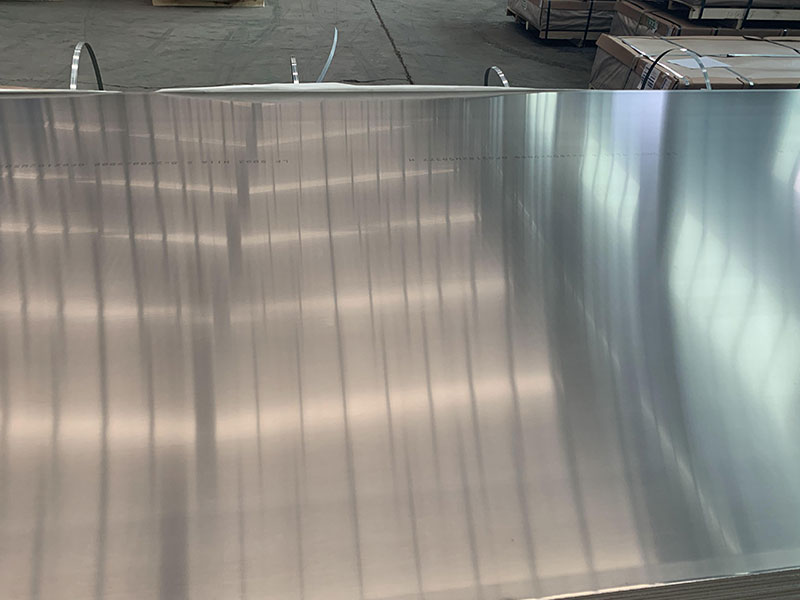
Marine 5383 aluminum sheet
5383 aluminum is a strain-hardened, non-heat-treatable alloy from the 5xxx series primarily alloyed with magnesium. It exhibits a unique balance of corrosion resistance and mechanical properties particularly suited for marine applications.
View Details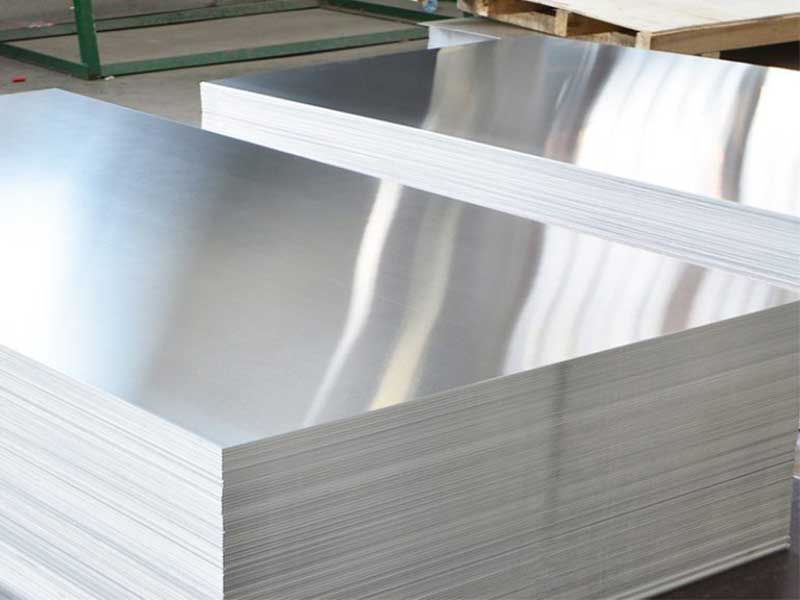
Marine anodized aluminum sheets
Marine Anodized Aluminum Sheets start with premium marine-grade aluminum alloys such as 5000 and 6000 series (typically 5083, 5052, and 6061).
View Details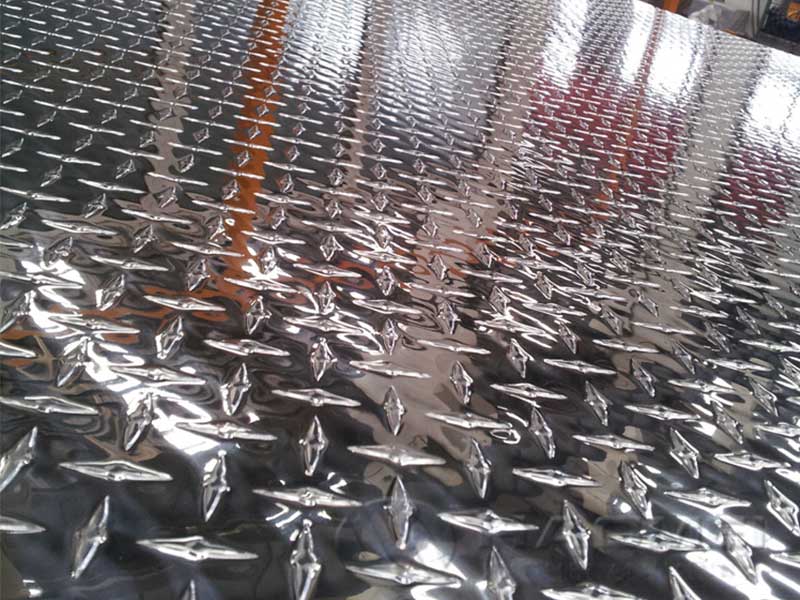
Marine Aluminum Tread Sheets
Marine Aluminum Tread Sheets are aluminum alloy plates featuring a raised surface pattern, commonly referred to as a tread design or diamond plate.
View Details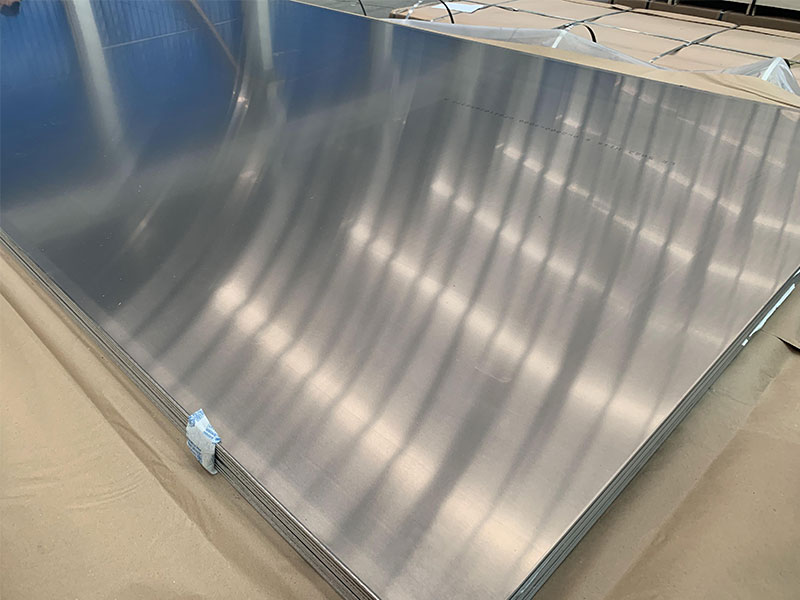
Marine 5052 aluminum sheet
Aluminum alloy 5052 is a non-heat-treatable, strain-hardened alloy with magnesium as the primary alloying element. It is designed to offer superior corrosion resistance in marine and saline environments, making it a dependable choice for components exposed directly to seawater or coastal atmospheric conditions.
View DetailsRelated Blog
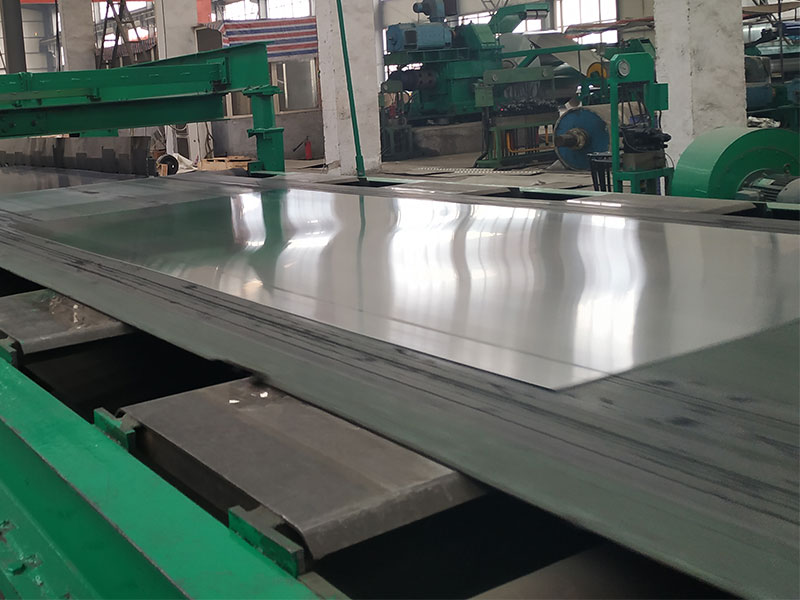
6061 5mm thick 4x8 aluminum sheet for boat
When it comes to maritime applications, selecting the right materials is crucial. Among the varied options available in the world of marine engineering, the 6061 aluminum alloy stands out especially for its versatility, durability, and performance.
View Details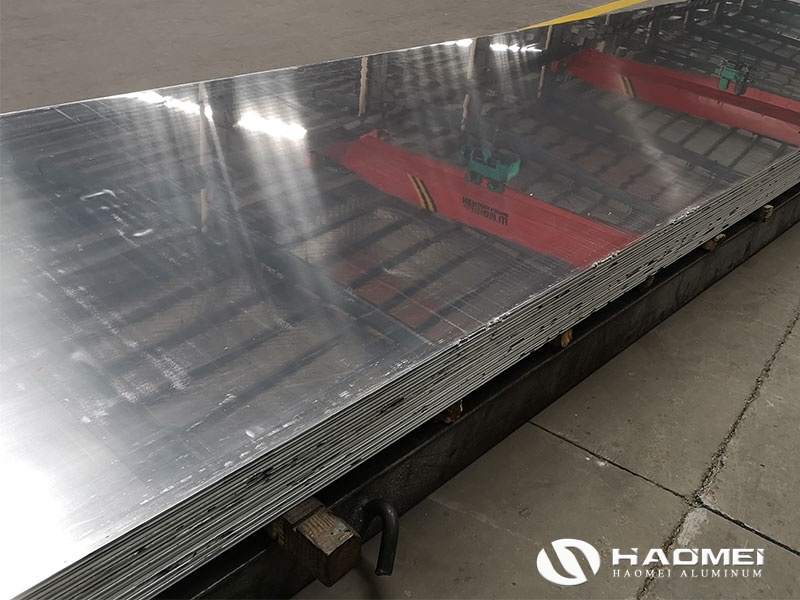
Marine 5083 Aluminum Plate
Marine 5083 aluminum plate offers excellent seawater corrosion resistance, weldability, and high strength, ideal for hulls, decks, tanks, and superstructures.
View Details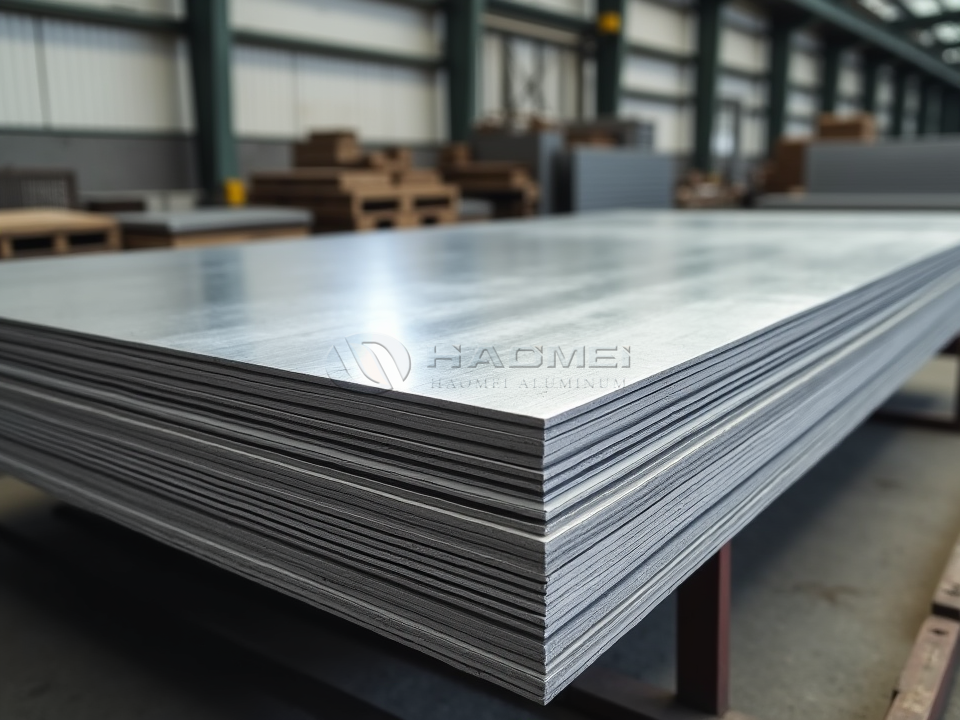
Marine Grade Plate 5083 Aluminium Sheet For Shipbuilding Industry
Explore 5083 marine grade aluminium plate for shipbuilding, including tempers, chemistry, standards, dimensions, welding, corrosion resistance, and uses.
View Details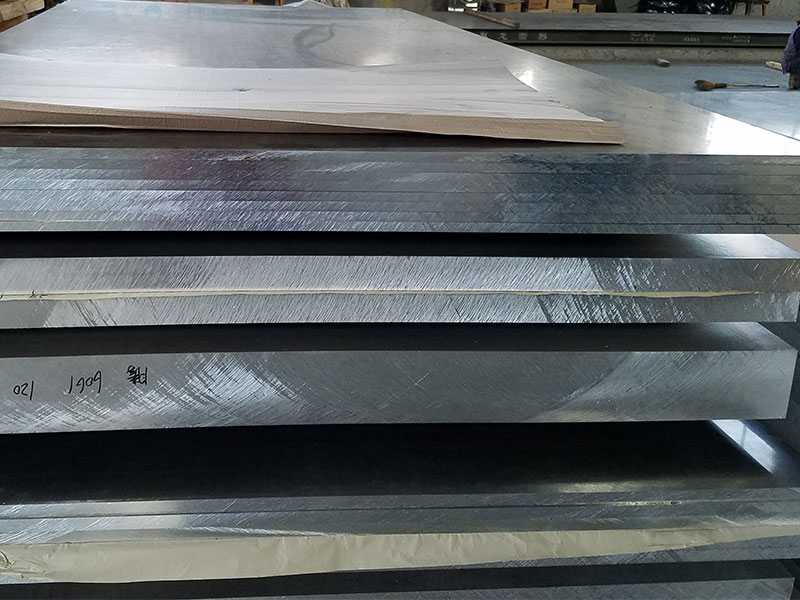
5052 Aluminium Coil for Marine Material
The 5052 aluminium coil is a transformative material, particularly favored in marine applications due to its excellent corrosion resistance, weldability, and remarkable strength characteristics.
View Details
Marine 6061 Aluminum Bar
Marine 6061 aluminum bar offers high strength, excellent machinability, and reliable corrosion resistance for brackets, frames, fittings, and marine hardware.
View Details
Aluminum foil 0.5mm Thick 5000 Series Marine Grade
Aluminum Foil 0.5mm Thick 5000 Series Marine Grade: A "Sealing Skin" for Real-World Marine WorkWhen people hear "aluminum foil," they often imagine thin kitchen wrap.
View Details
Leave a Message