
Aluminum Sheet for Boat H116 H321 Marine Aluminum Sheet 5083
5083 H116 and H321 marine aluminum sheet is a high-magnesium aluminum alloy developed for vessels that must remain strong, light, and corrosion resistant in seawater. It is widely selected for aluminum boat hulls, decks, bulkheads, superstructures, landing craft, workboats, fishing boats, yachts, and offshore structures.
Compared with ordinary aluminum plate, 5083 marine-grade material combines high strength with excellent resistance to chloride-rich environments. Its non-heat-treatable composition gains strength through controlled strain hardening and stabilization. H116 and H321 tempers are especially valued where long-term resistance to exfoliation corrosion and stress-corrosion cracking is required.
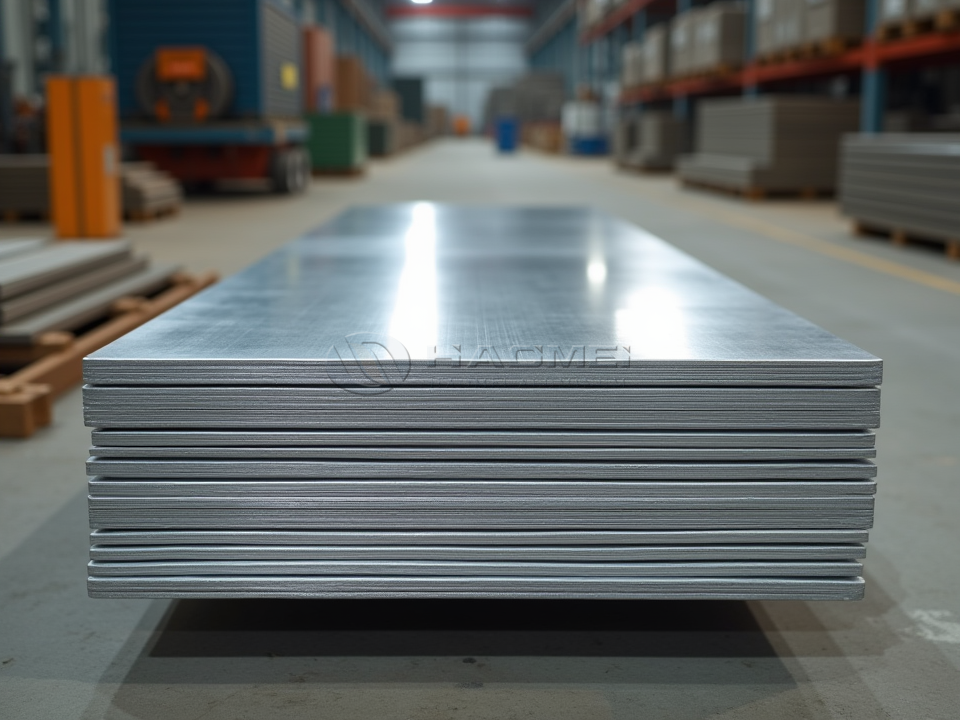
Why 5083 Aluminum Is Used in Boat Building
Boat designers need materials that reduce displacement without sacrificing hull durability. 5083 aluminum sheet has a density of approximately 2.66 g/cm³, about one-third that of steel. This lower weight can improve payload, speed, fuel economy, draft control, and handling efficiency.
The alloy contains a substantial magnesium content, which provides strong mechanical performance while preserving excellent weldability. Properly fabricated 5083 H116 or H321 plate forms a durable structural shell that tolerates wave impact, vibration, wet-dry cycling, and saltwater exposure.
| Property | Value or Performance | Benefit for Marine Structures |
|---|---|---|
| Alloy series | 5xxx, Al-Mg | High corrosion resistance without heat treatment |
| Density | Approx. 2.66 g/cm³ | Lighter hull and reduced vessel displacement |
| Melting range | Approx. 570-640°C | Suitable for controlled welding processes |
| Thermal conductivity | Approx. 117 W/m·K | Helps dissipate heat during fabrication |
| Electrical conductivity | Approx. 29% IACS | Relevant for grounding and marine electrical design |
| Corrosion behavior | Excellent in seawater | Supports long service life in coastal and offshore use |
| Weldability | Excellent | Suitable for large welded hull assemblies |
For hull plating and structural components, Marine 5083 aluminum sheet provides an effective balance between strength, fabrication efficiency, and service durability.
H116 and H321 Temper Conditions
Temper selection affects corrosion performance, forming behavior, and structural strength. Both H116 and H321 are recognized marine tempers for 5083 sheet and plate, but they are processed for slightly different performance targets.
| Temper | Processing Condition | Typical Marine Use | Main Characteristic |
|---|---|---|---|
| H116 | Strain hardened with controlled properties for resistance to exfoliation corrosion and stress-corrosion cracking | Hull sides, bottom plating, decks, offshore structures | Excellent corrosion resistance in marine exposure |
| H321 | Strain hardened and stabilized to reduce property changes over time | Hull plate, bulkheads, superstructures, tank structures | Stable mechanical properties and strong corrosion performance |
| O | Annealed, soft condition | Curved parts, formed panels, complex fabrication | Maximum formability, lower strength |
| H111 | Slightly strain hardened | General marine fabrications | Moderate strength and good workability |
H116 is often specified for exposed plate on fast boats, patrol vessels, ferries, and workboats because it is tested for resistance to corrosion forms associated with marine magnesium alloys. H321 is frequently chosen where stabilized mechanical properties and reliable welded construction are needed.
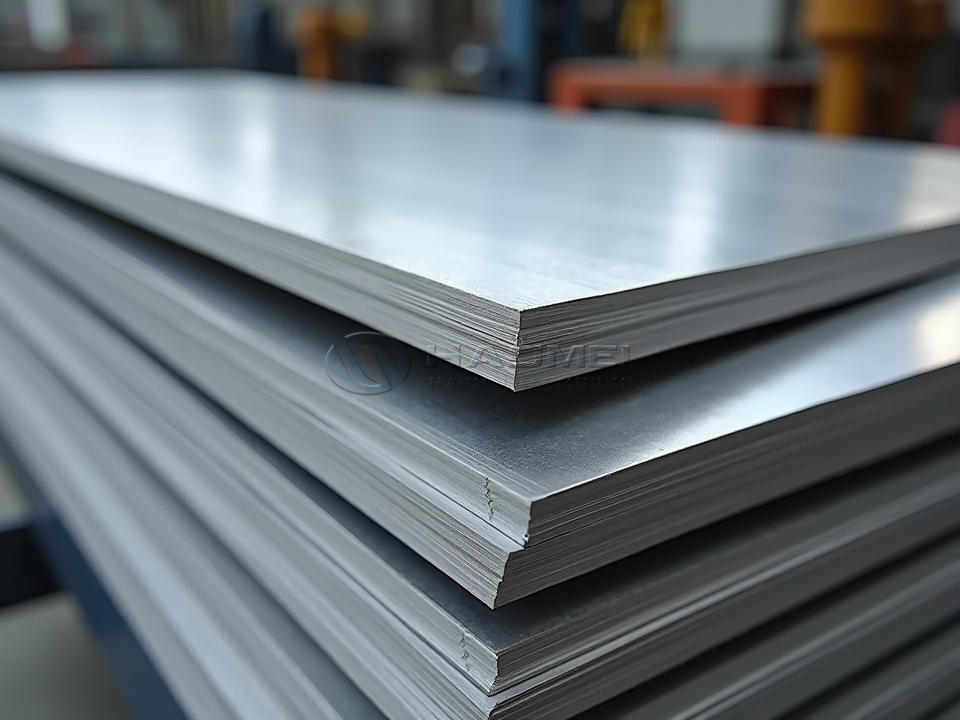
Chemical Composition of 5083 Marine Aluminum Sheet
5083 is primarily aluminum alloyed with magnesium, manganese, and chromium. Magnesium provides strength and corrosion resistance, manganese contributes to structural stability, and chromium helps control grain structure and corrosion behavior.
| Element | Chemical Composition, % by Weight |
|---|---|
| Silicon, Si | 0.40 max |
| Iron, Fe | 0.40 max |
| Copper, Cu | 0.10 max |
| Manganese, Mn | 0.40-1.00 |
| Magnesium, Mg | 4.00-4.90 |
| Chromium, Cr | 0.05-0.25 |
| Zinc, Zn | 0.25 max |
| Titanium, Ti | 0.15 max |
| Other elements, each | 0.05 max |
| Other elements, total | 0.15 max |
| Aluminum, Al | Balance |
The controlled magnesium range is important. It gives 5083 substantially greater strength than 5052 while maintaining the corrosion resistance expected of a true marine alloy. For this reason, 5083 is commonly used for primary hull structures rather than decorative trim or light-duty interior panels.
Mechanical Properties and Technical Data
Actual tensile properties vary with thickness, product form, testing direction, and applicable specification. Values shown are commonly referenced minimum levels for 5083 H116 and H321 plate and should be confirmed against the mill test certificate and purchase specification.
| Temper | Thickness Range | Tensile Strength | Yield Strength | Elongation | Typical Formability |
|---|---|---|---|---|---|
| 5083 H116 | 3.0-50.0 mm | ≥ 275 MPa | ≥ 193 MPa | ≥ 10% | Good for fabricated hull panels |
| 5083 H321 | 3.0-50.0 mm | ≥ 275 MPa | ≥ 193 MPa | ≥ 10% | Good for welded structural plate |
| 5083 O | 3.0-50.0 mm | Approx. 275 MPa max | Approx. 125 MPa min | ≥ 16% | Excellent for deep forming and bending |
| Product Parameter | Common Supply Range |
|---|---|
| Thickness | 1.5-200 mm, subject to mill capability |
| Width | 1,000-2,650 mm |
| Length | 2,000-12,000 mm or cut-to-length |
| Surface | Mill finish, brushed, protective-film covered, or customized finish |
| Flatness | Produced to applicable standard or project tolerance |
| Edge condition | Mill edge, trimmed edge, or precision cut edge |
| Documentation | Mill test certificate, chemical analysis, mechanical test data, dimensional inspection |
Applicable Standards and Marine Classification
5083 H116 H321 marine aluminum sheet can be supplied in accordance with internationally used aluminum material standards. Vessel contracts may also require approval from a classification society. The applicable requirement should be defined before production, particularly for commercial vessels and regulated offshore projects.
| Standard or Rule | Scope |
|---|---|
| ASTM B928/B928M | High-magnesium aluminum-alloy sheet and plate for marine service and similar environments |
| ASTM B209/B209M | General requirements for aluminum and aluminum-alloy sheet and plate |
| EN 573-3 | Chemical composition and alloy designation |
| EN 485-2 | Mechanical properties for wrought aluminum sheet, strip, and plate |
| EN 485-4 | Tolerances for cold-rolled sheet and plate |
| DNV rules | Material approval requirements for marine and offshore projects when specified |
| ABS rules | Aluminum material requirements for classed vessels when specified |
| Lloyd's Register rules | Marine material certification requirements when contractually required |
Fabrication, Welding, and Service Considerations
5083 H116 H321 aluminum sheet is readily cut by CNC routing, sawing, waterjet cutting, plasma cutting, and laser cutting. Bending should use an appropriate inside radius, especially for thicker H116 and H321 plates. For severe forming, 5083 O temper may be more suitable before structural reinforcement is added.
MIG and TIG welding are widely used for marine 5083 fabrication. ER5183, ER5356, and ER5556 filler metals are common choices, depending on the weld design, strength requirement, and corrosion environment. Welding heat softens the heat-affected zone because 5083 is strain hardened rather than precipitation hardened. Design calculations should consider the reduced strength near welds.
Avoid direct, unprotected contact between aluminum and more noble metals such as stainless steel, copper alloys, or carbon steel. Isolation pads, sealants, coatings, and correctly designed drainage paths help reduce galvanic corrosion. Clean fabrication practices are also important: carbon-steel contamination, trapped moisture, and crevices can compromise long-term marine performance.
Common Boat Applications
| Boat Component | Recommended Use of 5083 H116 or H321 |
|---|---|
| Bottom shell plating | Resists wave loading and abrasion in demanding service |
| Side shell and chines | Provides rigid, corrosion-resistant external structure |
| Deck plating | Supports traffic loads and weather exposure |
| Transoms | Suitable for engine loads and welded reinforcement assemblies |
| Bulkheads | Creates strong internal compartments and hull stiffness |
| Superstructures | Reduces top weight while retaining structural integrity |
| Fuel and utility tanks | Suitable when tank design and welding procedure meet project requirements |
| Landing craft ramps | Handles repeated loading, impact, and marine exposure |
5083 H116 and H321 marine aluminum sheet offers the performance profile demanded by modern aluminum vessels: low weight, high weldability, strong seawater resistance, and dependable structural strength. Selecting the correct temper, thickness, certification level, and welding procedure helps transform the plate into a safe and durable boat structure.

Related Products
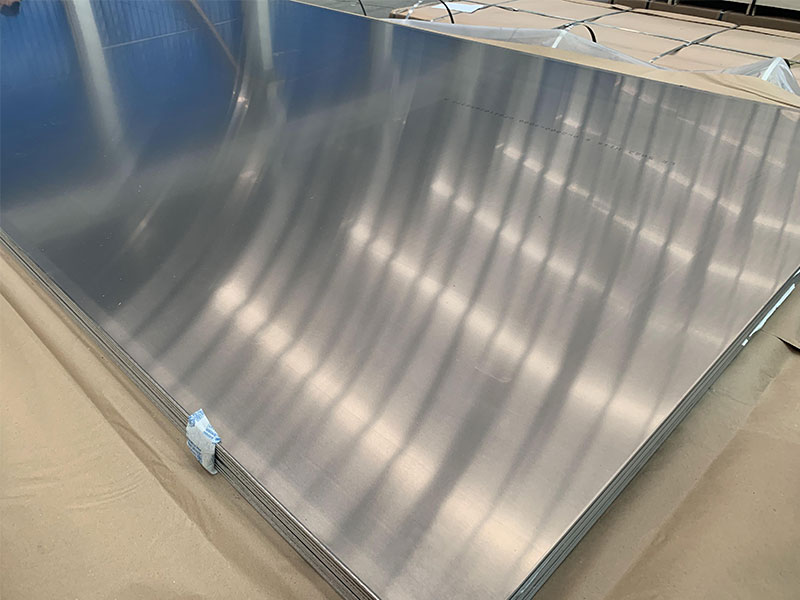
Marine 5052 aluminum sheet
Aluminum alloy 5052 is a non-heat-treatable, strain-hardened alloy with magnesium as the primary alloying element. It is designed to offer superior corrosion resistance in marine and saline environments, making it a dependable choice for components exposed directly to seawater or coastal atmospheric conditions.
View Details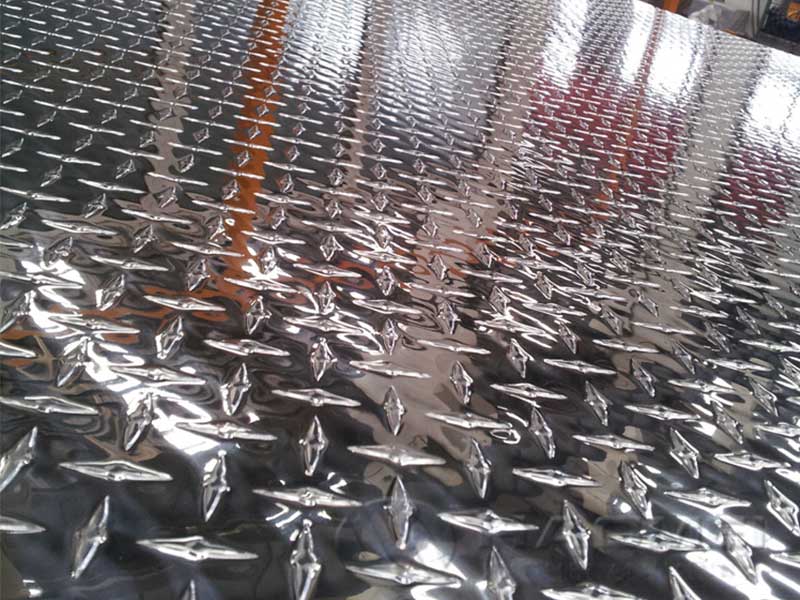
Marine Aluminum Tread Sheets
Marine Aluminum Tread Sheets are aluminum alloy plates featuring a raised surface pattern, commonly referred to as a tread design or diamond plate.
View Details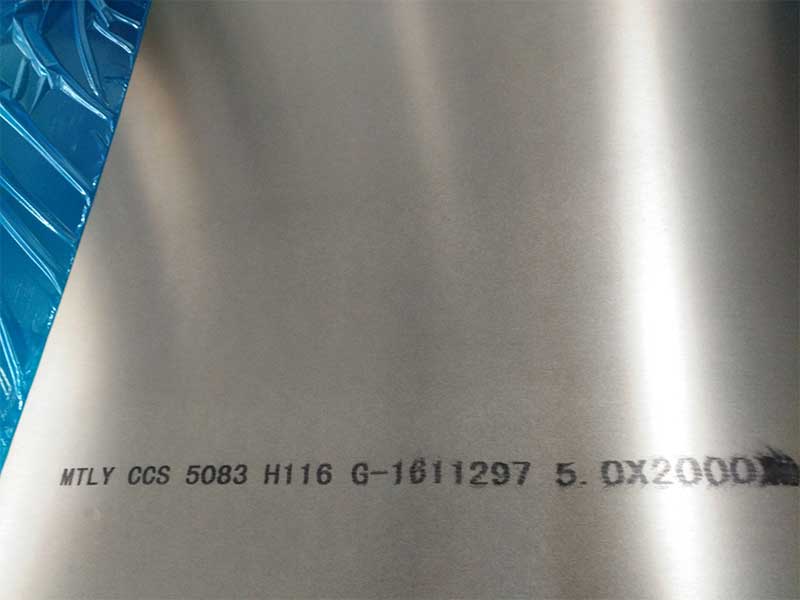
Marine 5083 aluminum sheet
Aluminum alloy 5083 is a non-heat-treatable alloy primarily composed of magnesium and trace elements that deliver outstanding protection against corrosion, particularly in seawater and saline atmospheres.
View Details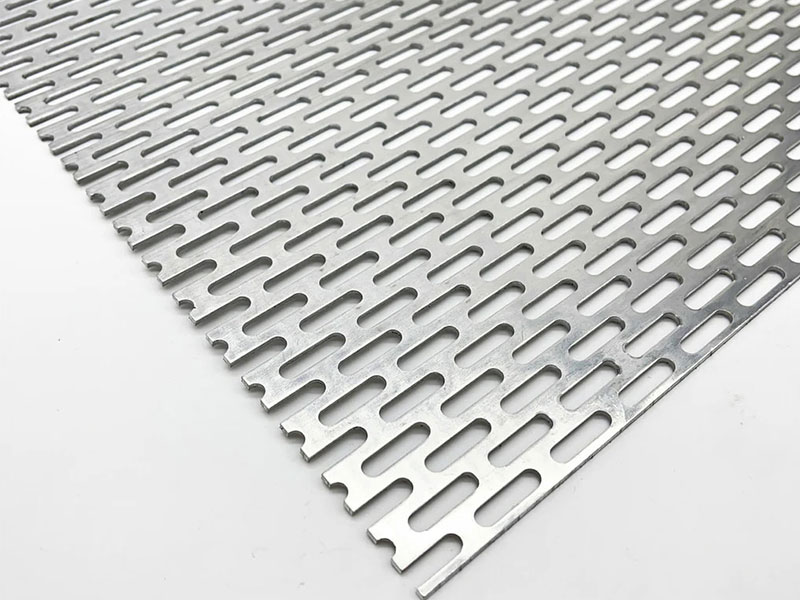
Marine perforated aluminum sheets
Marine Perforated Aluminum Sheets feature a series of uniform holes or shapes punched through the aluminum surface. These perforations can vary in size, pattern, and open area to tailor the sheets for specific applications.
View Details
Marine 5059 aluminum sheet
5059 aluminum alloy is a strain-hardened material with a unique addition of magnesium and chromium, which provides outstanding resistance to localized corrosion like pitting and stress corrosion cracking.
View Details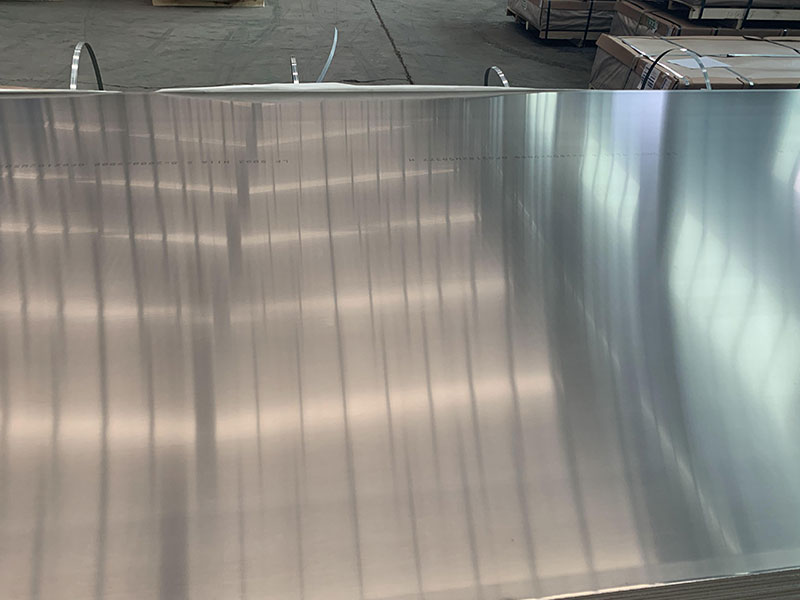
Marine 5383 aluminum sheet
5383 aluminum is a strain-hardened, non-heat-treatable alloy from the 5xxx series primarily alloyed with magnesium. It exhibits a unique balance of corrosion resistance and mechanical properties particularly suited for marine applications.
View DetailsRelated Blog
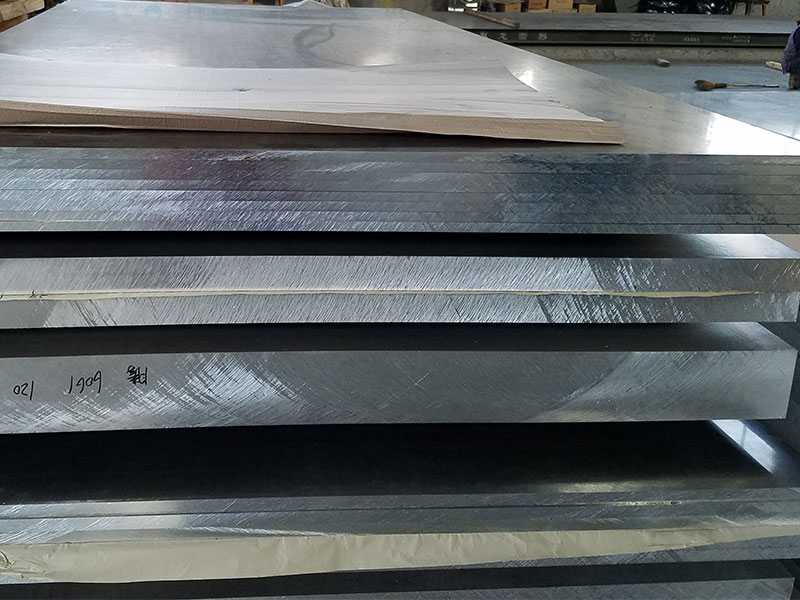
5052 marine grade aluminum
5052 marine grade aluminum is one of the most widely used aluminum alloys for saltwater-exposed structures where corrosion resistance, weldability, and long-term durability matter more than peak strength.
View Details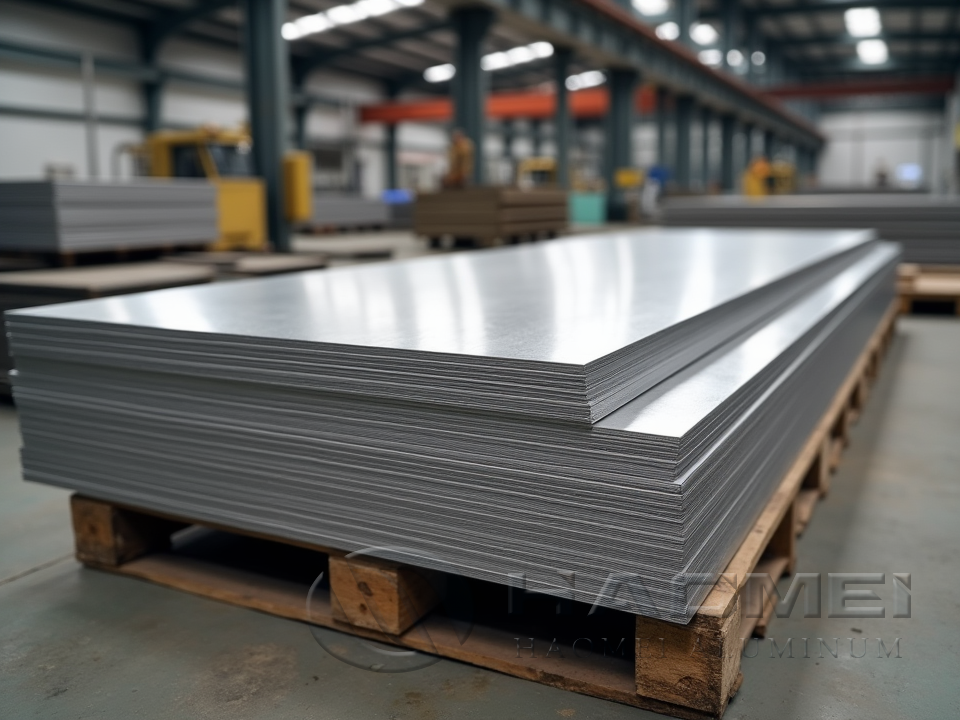
Marine Aluminum Steel Clad Plate
Marine aluminum steel clad plate joins aluminum superstructures to steel hulls with strong bonding, corrosion control, weldable layers, and approved marine grades.
View Details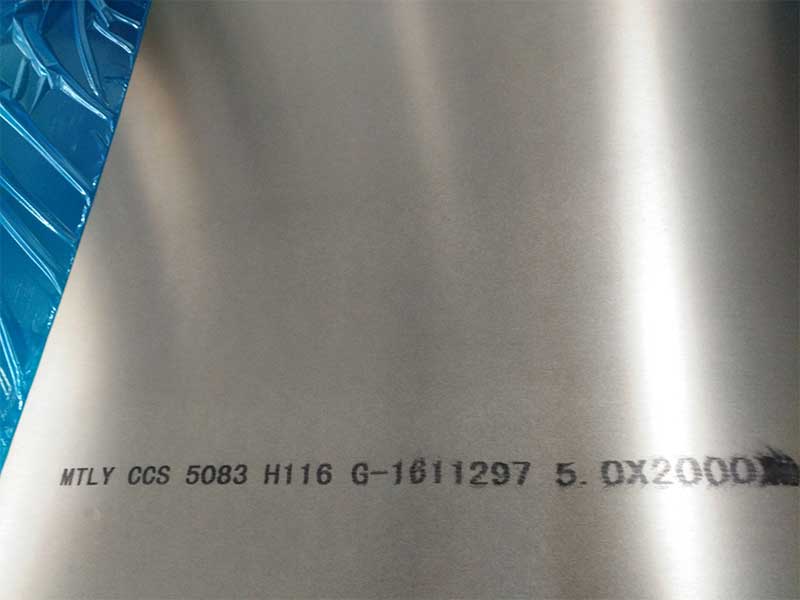
Aluminum perforated sheet for boat
Aluminum perforated sheet is a high-value material choice for boats and marine structures where weight control, corrosion resistance, drainage, airflow, and slip management matter as much as strength.
View Details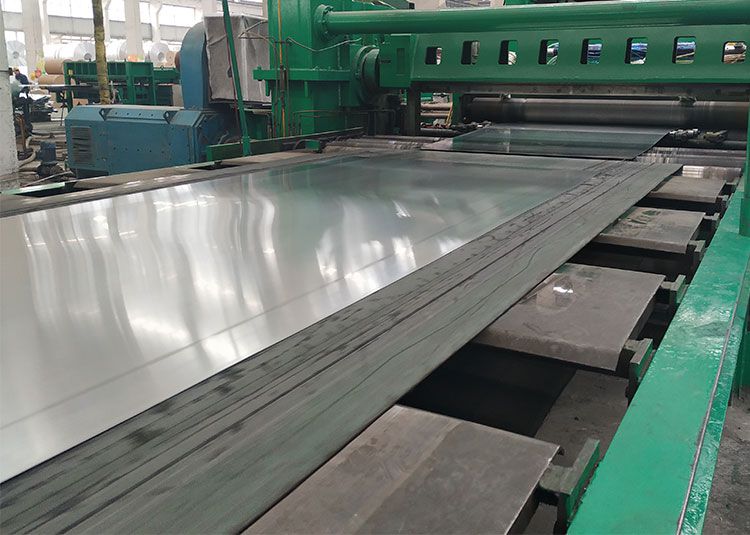
Aluminum sheet for boat 5083 5052 5754
When selecting aluminum sheets for marine applications, particularly boats, alloy choice plays a vital role in ensuring durability, corrosion resistance, and mechanical strength.
View Details
1060 aluminum sheet for boat
When it comes to selecting materials for boat manufacturing, durability, corrosion resistance, and lightweight properties are paramount. 1060 aluminum sheet is an excellent choice widely used in marine environments.
View Details
5059 Marine Aluminum Sheet
Learn how 5059 marine aluminum sheet supports lighter hulls, welded structures, corrosion resistance, class-approved fabrication, and long service life.
View Details
Leave a Message