
Marine Grade Plate 5083 Aluminium Sheet For Shipbuilding Industry
A vessel is not protected by one material property alone. Its hull plating must carry wave loads, tolerate vibration, resist saltwater attack, accept welding, and remain light enough to support fuel-efficient operation. Marine grade plate 5083 aluminium sheet is designed for this demanding balance. Rather than treating it as simply a corrosion-resistant plate, shipbuilders can view 5083 as a structural skin that connects hydrodynamic performance, payload capacity, fabrication efficiency, and long-term maintenance control.
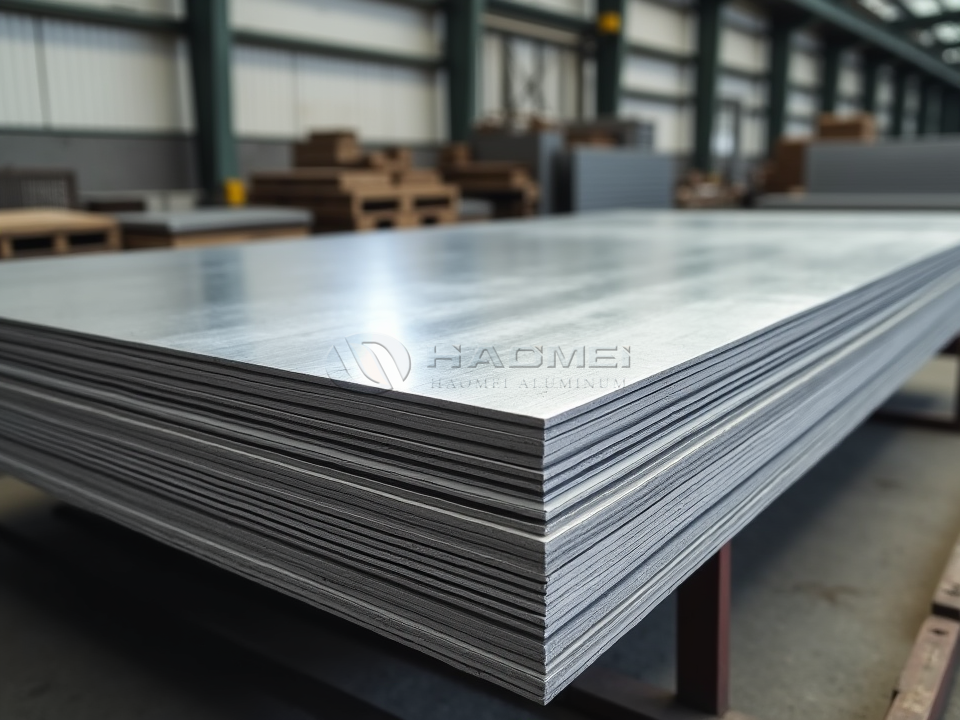
5083 is an aluminum-magnesium alloy from the 5xxx series. Its relatively high magnesium content gives it stronger mechanical performance than 5052 while maintaining excellent behavior in seawater environments. It is commonly selected for welded marine structures because it does not depend on precipitation heat treatment for its strength. This is especially valuable around weld zones, where many heat-treatable alloys may experience a more pronounced loss of properties.
For hulls, decks, side shells, bulkheads, superstructures, tanks, and workboats, Marine 5083 aluminum sheet provides a practical route to lower vessel weight without sacrificing structural reliability. A lighter hull can reduce displacement, improve speed potential, increase cargo capacity, or allow designers to install more equipment within the same weight budget.
The Function of 5083 Plate From the Waterline Inward
The most visible role of 5083 aluminium plate is hull construction. Bottom plates and side plates face repeated slamming loads, impact risks, salt spray, standing water, and temperature variation. The alloy's strength-to-weight ratio helps designers use lighter structures than steel in many fast craft and small-to-medium vessel designs.
Its value continues behind the hull surface. Bulkheads made from 5083 can divide compartments while contributing minimal additional mass. Deck plating benefits from its corrosion resistance in exposed areas, especially on patrol boats, passenger ferries, landing craft, fishing vessels, yachts, offshore support vessels, and high-speed catamarans. The alloy is also appropriate for fuel tanks, liquid tanks, hatch covers, ramps, and structural panels where moisture and salt deposits may remain in contact with the material.
For walkways or high-grip flooring areas, builders may combine structural plate selection with Marine Aluminum Tread Sheets. This allows the vessel to use smooth 5083 plate for load-bearing skin panels and patterned aluminum products for slip-resistant access surfaces.
Chemical Composition of 5083 Aluminium Alloy
Magnesium is the primary strengthening element in 5083. Manganese supports strength and grain structure, while chromium improves resistance to certain corrosion mechanisms. Strict limits on iron, silicon, copper, and zinc help maintain marine-grade performance and consistent fabrication behavior.
| Element | Typical Specification Range, % by Weight |
|---|---|
| Magnesium, Mg | 4.0-4.9 |
| Manganese, Mn | 0.40-1.0 |
| Chromium, Cr | 0.05-0.25 |
| Iron, Fe | 0.40 max |
| Silicon, Si | 0.40 max |
| Copper, Cu | 0.10 max |
| Zinc, Zn | 0.25 max |
| Titanium, Ti | 0.15 max |
| Other elements, each | 0.05 max |
| Other elements, total | 0.15 max |
| Aluminum, Al | Balance |
This chemistry forms a durable oxide film when exposed to air. In marine service, that natural film assists corrosion resistance, but good vessel design remains essential. Drainage paths, insulation from dissimilar metals, controlled crevices, clean weld finishing, and suitable coatings in highly exposed zones all contribute to longer service life.
Tempers and Their Effect on Fabrication
Marine grade 5083 aluminium plate is supplied in several tempers, each supporting a different forming and structural requirement.
| Temper | Condition | Typical Shipbuilding Use |
|---|---|---|
| O | Fully annealed, soft condition | Curved panels, deep forming, complex fabricated parts |
| H111 | Slightly strain hardened | General fabricated sections and moderate forming work |
| H116 | Strain hardened and stabilized for marine corrosion resistance | Hull plating, decks, side shells, exposed structural panels |
| H321 | Strain hardened and stabilized with controlled processing | Heavy-duty hull structures, welded plates, offshore applications |
H116 and H321 are widely preferred for saltwater-facing structural work because they are produced with resistance to exfoliation corrosion in mind. Their controlled stabilization process is important where plate will face prolonged exposure to seawater, splash zones, humid compartments, or coastal atmospheres.
Typical mechanical values vary by thickness, temper, and applicable standard. As a general reference, 5083-H116/H321 plate may offer tensile strength around 275-350 MPa and yield strength around 125-240 MPa. Elongation usually remains sufficient for marine fabrication, commonly in the range of 10-16% depending on product thickness and condition. Project specifications should always use certified mill test data rather than nominal figures alone.
Common Plate Parameters
Marine 5083 plate can be produced across a broad dimensional range to reduce welding seams and simplify hull panel layouts.
| Parameter | Common Range |
|---|---|
| Thickness | 1.5 mm to 200 mm or more |
| Width | 1,000 mm to 2,600 mm |
| Length | 2,000 mm to 12,000 mm, with custom lengths available |
| Density | Approximately 2.66 g/cm³ |
| Melting range | Approximately 570-640°C |
| Surface | Mill finish, brushed, coated, PVC protected, or customized |
| Product form | Sheet, plate, cut-to-size panel, CNC-machined component |
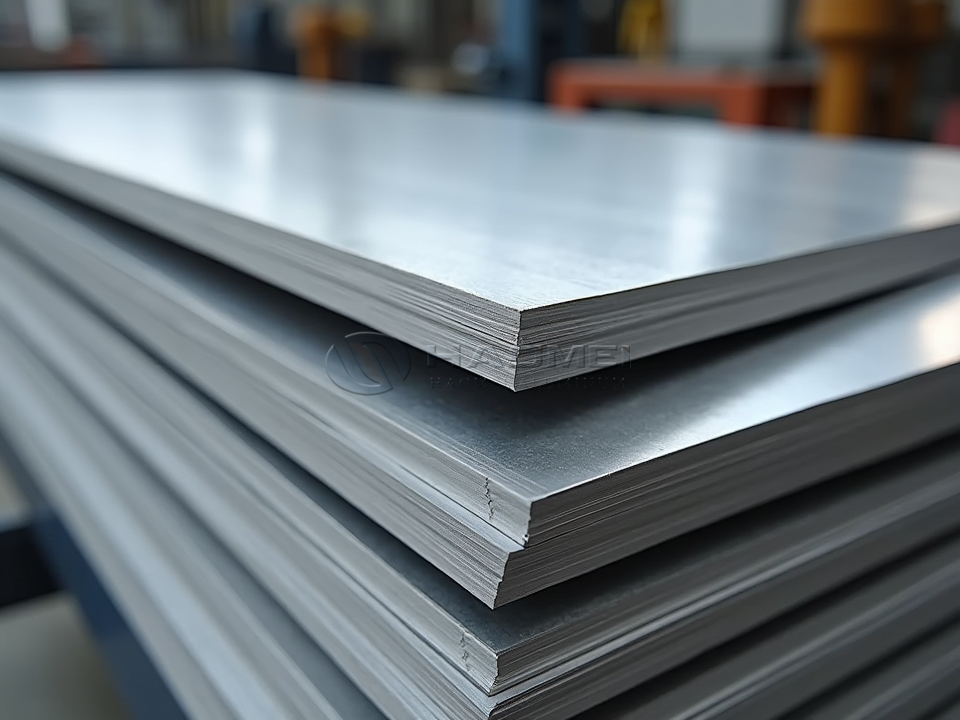
Wide-format plate is especially useful for large hull panels and deck sections. Fewer joints can mean less welding time, lower distortion risk, reduced inspection workload, and smoother exterior surfaces that require less finishing.
Standards That Support Marine Use
Shipbuilding projects often require both material standards and classification-society approvals. Common references for 5083 aluminium sheet and plate include EN 573-3 for chemical composition, EN 485 for rolled product mechanical properties and tolerances, ASTM B209 for aluminum sheet and plate, and ASTM B928/B928M for high-magnesium aluminum alloy plate intended for marine service and similar environments.
Depending on vessel class and contract requirements, plates may also need approval from organizations such as DNV, ABS, Lloyd's Register, Bureau Veritas, CCS, or RINA. Certification should identify alloy, temper, dimensions, heat number, mechanical results, chemical analysis, and applicable approval status. This traceability matters because two plates with the same alloy name may not have the same processing history or corrosion-control qualification.
Welding, Corrosion Control, and Service Performance
5083 is readily welded by MIG and TIG processes. Filler metals such as 5183, 5356, and 5556 are frequently considered, subject to design and welding procedure requirements. Correct filler selection supports joint strength and reduces the risk of corrosion-related concerns near welds.
Heat input deserves close attention. Excessive heat, poor sequence planning, or inadequate fixturing can create distortion in broad thin panels. Balanced welding sequences, suitable backing arrangements, and controlled heat input help preserve panel flatness. Designers should also avoid sustained service temperatures generally above about 65°C where possible. Prolonged exposure within elevated temperature ranges can increase susceptibility to sensitization in high-magnesium 5xxx alloys.
Marine grade plate 5083 aluminium sheet is therefore more than a lightweight replacement for steel. It is a carefully specified hull material that helps shipyards build faster craft, durable working vessels, corrosion-resistant decks, and efficient welded structures. When alloy temper, plate dimensions, certifications, welding procedures, and corrosion design are aligned, 5083 becomes a dependable foundation for modern shipbuilding.

Related Products
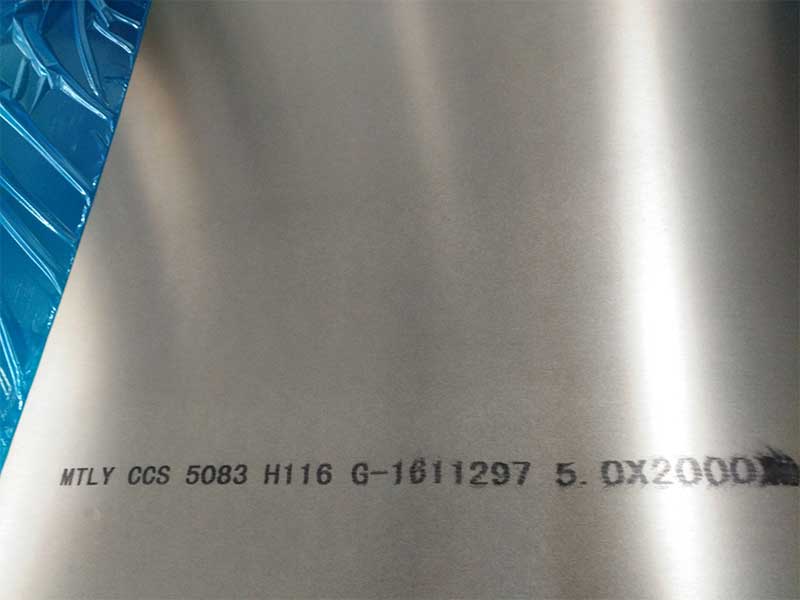
Marine 5083 aluminum sheet
Aluminum alloy 5083 is a non-heat-treatable alloy primarily composed of magnesium and trace elements that deliver outstanding protection against corrosion, particularly in seawater and saline atmospheres.
View Details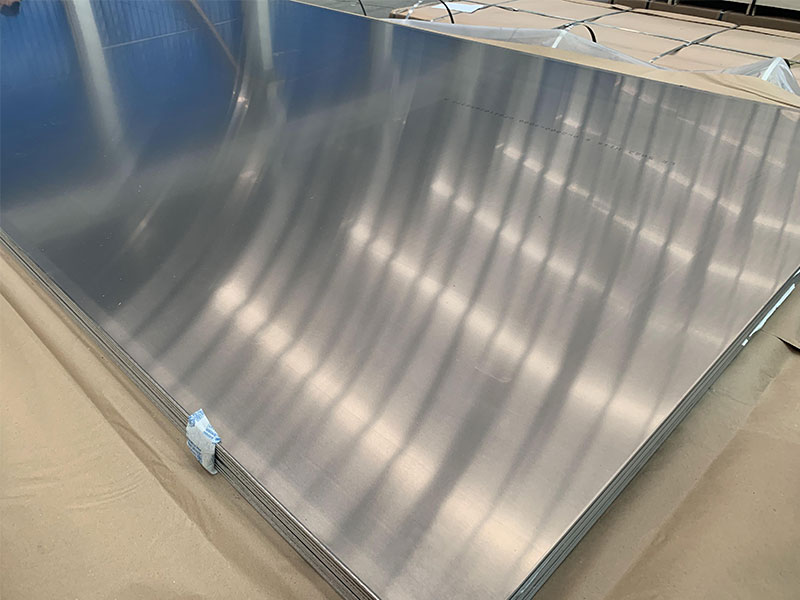
Marine 5052 aluminum sheet
Aluminum alloy 5052 is a non-heat-treatable, strain-hardened alloy with magnesium as the primary alloying element. It is designed to offer superior corrosion resistance in marine and saline environments, making it a dependable choice for components exposed directly to seawater or coastal atmospheric conditions.
View Details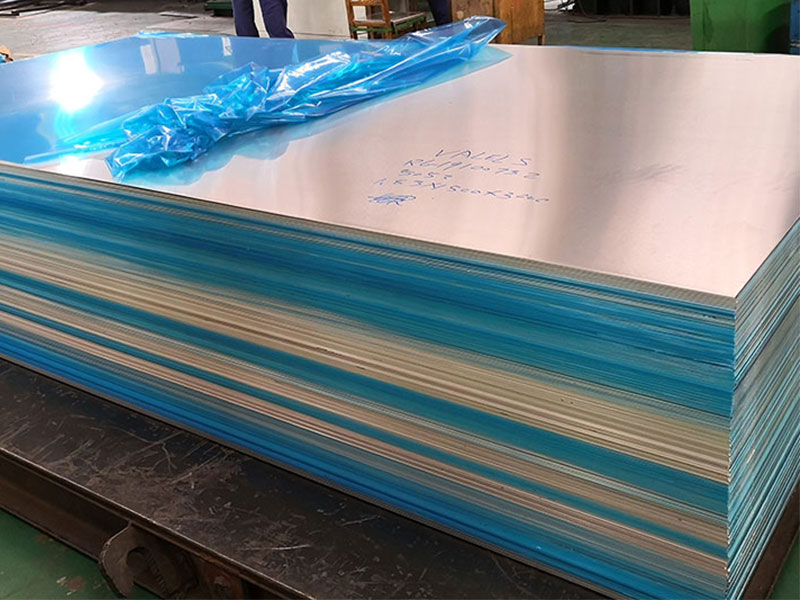
Marine 5059 aluminum sheet
5059 aluminum alloy is a strain-hardened material with a unique addition of magnesium and chromium, which provides outstanding resistance to localized corrosion like pitting and stress corrosion cracking.
View Details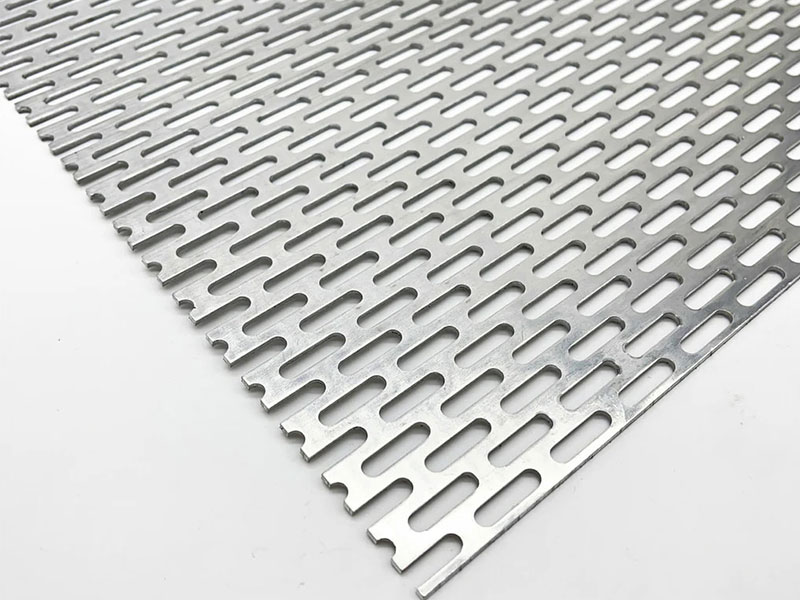
Marine perforated aluminum sheets
Marine Perforated Aluminum Sheets feature a series of uniform holes or shapes punched through the aluminum surface. These perforations can vary in size, pattern, and open area to tailor the sheets for specific applications.
View Details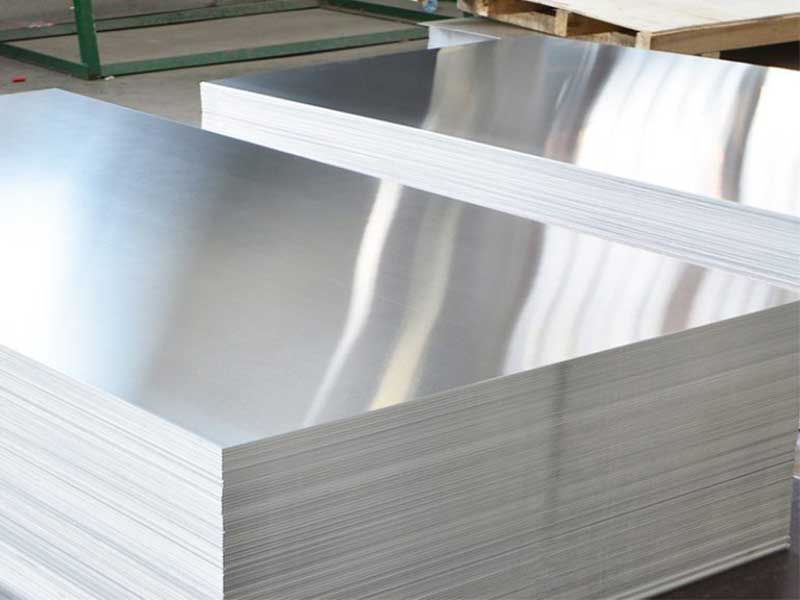
Marine anodized aluminum sheets
Marine Anodized Aluminum Sheets start with premium marine-grade aluminum alloys such as 5000 and 6000 series (typically 5083, 5052, and 6061).
View Details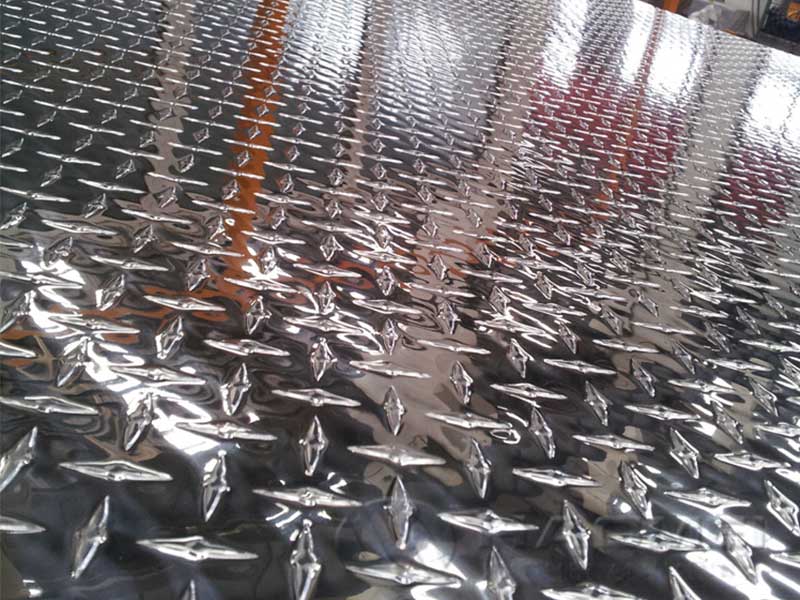
Marine Aluminum Tread Sheets
Marine Aluminum Tread Sheets are aluminum alloy plates featuring a raised surface pattern, commonly referred to as a tread design or diamond plate.
View DetailsRelated Blog
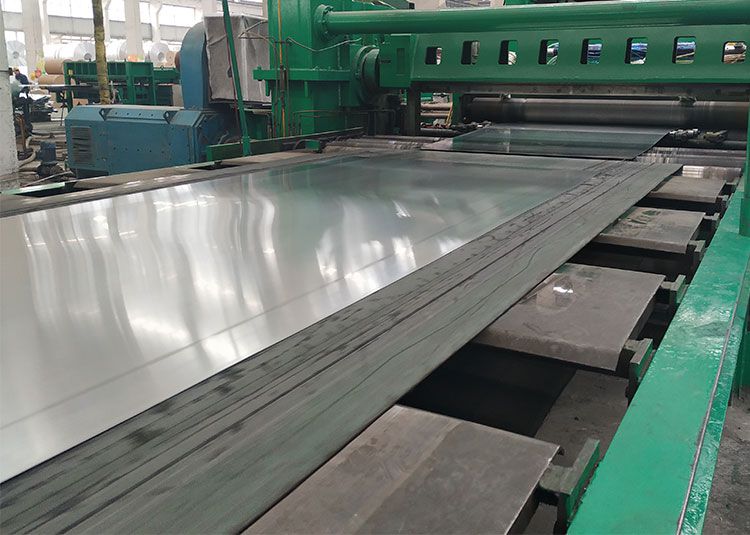
Aluminum sheet for boat 5083 5052 5754
When selecting aluminum sheets for marine applications, particularly boats, alloy choice plays a vital role in ensuring durability, corrosion resistance, and mechanical strength.
View Details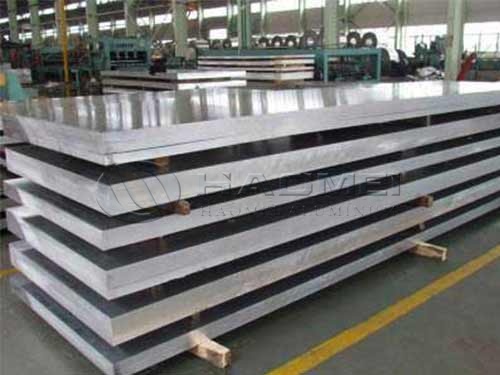
Aluminum Sheets for Shipping Building Boat
Explore marine aluminum sheets for ship and boat construction, including 5052 and 5083 alloys, properties, specifications, fabrication, and uses.
View Details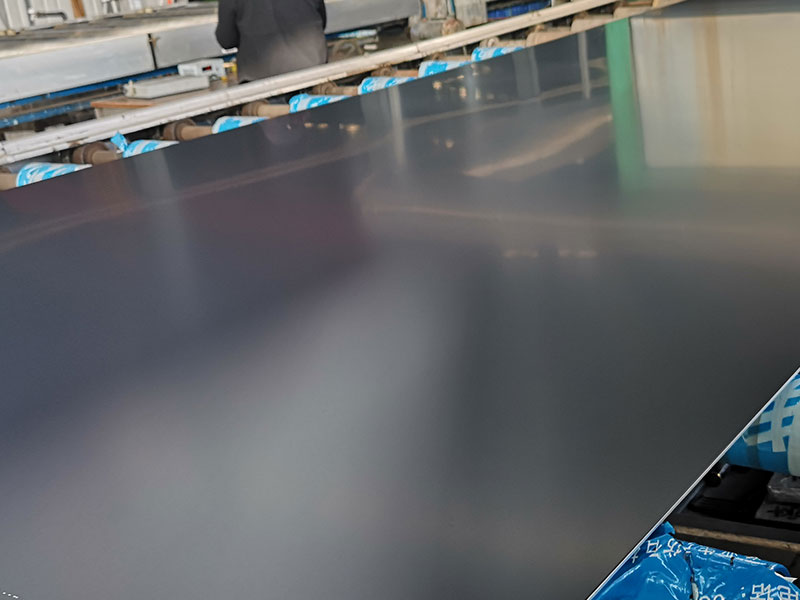
5083 h116 marine grade aluminium alloy sheet
When it comes to marine applications, the choice of materials plays a pivotal role in the performance and longevity of boats and ships. Among the plethora of options.
View Details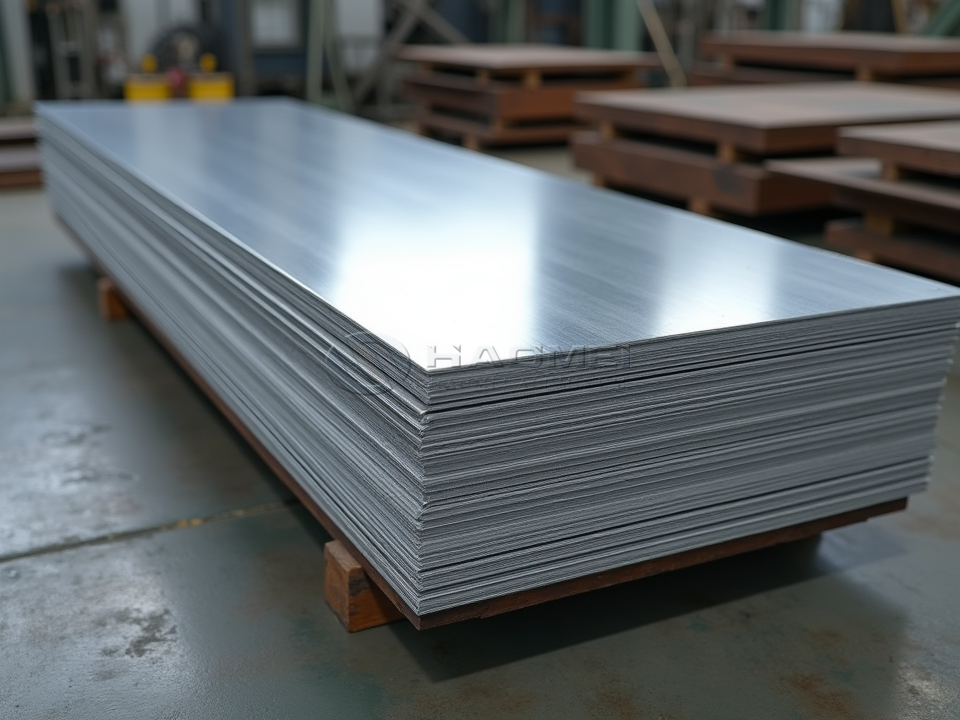
5454 Aluminum Plate Sheet Aluminum Sheets for Tanker Marine Use
5454 aluminum plate sheet for tankers and marine fabrications, featuring corrosion resistance, weldability, temper options, dimensions, and handling guidance.
View Details
Aluminium sheet for the marine grade
Marine-Grade Aluminium Sheet: The Quiet Engineering Behind Reliable Boats and Offshore StructuresWhen people think about marine performance, they often picture hull shapes, propulsion systems, or advanced coatings.
View Details
Aluminum sheet 5754 O H111 H112 Marine Grade
Aluminum sheet 5754 O H111 H112 is a high-performance marine-grade aluminum alloy widely used in the marine industry. Renowned for its excellent corrosion resistance and mechanical properties.
View Details
Leave a Message