
5083 Marine Aluminum I Beams for Durable Marine Structural Parts
A marine I-beam does more than carry a load. It helps a vessel maintain shape while facing vibration, wave impact, equipment movement, humidity, and continuous salt exposure. For builders seeking a corrosion-resistant structural member with favorable strength-to-weight performance, 5083 marine aluminum I beams provide a highly practical material route.
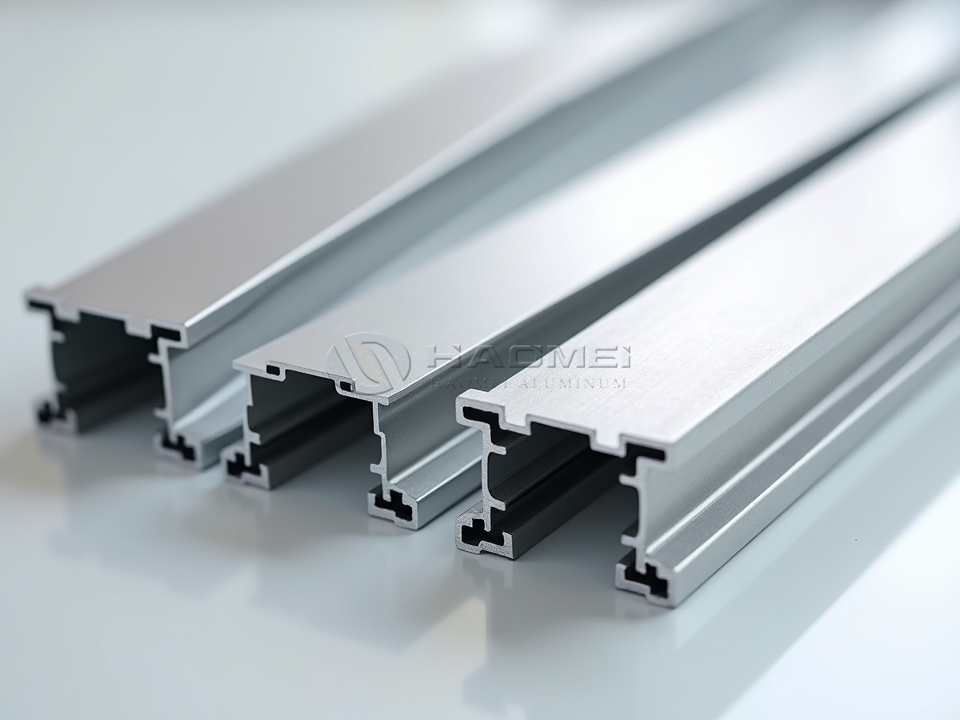
The I-shaped section places material where bending stress is greatest: in the flanges. The central web transfers shear forces between those flanges. This efficient geometry allows a beam to resist vertical bending without adding unnecessary mass, an important advantage for hull structures, deck supports, catamaran cross members, workboat frames, offshore access platforms, and internal machinery foundations.
Why 5083 Performs Well Near Seawater
Alloy 5083 belongs to the aluminum-magnesium family. Its relatively high magnesium content gives it strong corrosion resistance in seawater and excellent weldability, making it one of the most recognized marine alloys for fabricated structures. Rather than relying on a heavy coating system as the first line of defense, 5083 develops a stable natural oxide film that protects the aluminum surface in normal marine service.
This does not mean every 5083 beam should be treated as maintenance-free. Crevices, trapped seawater, poor drainage, contact with stainless steel or carbon steel, and damaged coatings can create local corrosion risks. Good structural detailing remains just as important as alloy selection. Designers should provide drainage paths, isolate dissimilar metals, seal water traps where necessary, and select fasteners carefully.
Compared with heavier steel I-beams, a 5083 section can substantially reduce structural weight. That reduction may support faster acceleration, lower fuel consumption, increased payload capacity, or improved vessel draft. The material also remains non-magnetic, which can be beneficial around sensitive navigation and electronic equipment.
The Important Manufacturing Reality of 5083 I-Beams
Marine buyers should assess I-beams from a fabrication perspective rather than assuming every profile is available as a standard extrusion. 5083 is widely used in plate, sheet, and fabricated components. Complex or large I-beam sections may be produced by welding 5083 flanges and web plates together, while some sizes may be available as special extruded profiles depending on mill capability, tooling, geometry, and order quantity.
A fabricated beam often gives more freedom than a standard profile. Flange width, web thickness, beam height, local reinforcement, cutouts, and connection details can be tailored to the actual load path. This is valuable for vessel retrofits, landing craft, patrol boats, and commercial decks where space is limited and each kilogram matters.
For complementary framing, Marine aluminum I-beams can be specified alongside angles, channels, and custom sections to create a coordinated lightweight structure.
Typical Parameters for 5083 Marine Aluminum I Beams
Actual dimensions and properties depend on whether the beam is extruded or fabricated, its temper, thickness, welding condition, and inspection requirements. The following values are common purchasing references rather than fixed limits for every order.
| Parameter | Typical Range or Requirement |
|---|---|
| Alloy | AA 5083 / EN AW-5083 |
| Product form | Custom welded I-beam, rolled or formed component, limited special extrusion options |
| Beam height | Approximately 50 mm to 600 mm or custom fabricated sizes |
| Flange thickness | Approximately 4 mm to 40 mm, based on design loading |
| Web thickness | Approximately 3 mm to 25 mm, based on shear and buckling requirements |
| Standard lengths | Often 3 m to 12 m, with cut-to-length service available |
| Density | About 2.66 g/cm³ |
| Elastic modulus | About 70 GPa |
| Melting range | Approximately 574-638°C |
| Surface condition | Mill finish, brushed, coated, painted, or marine protective treatment |
| Joining method | MIG or TIG welding, bolting, or mixed structural joints |
For high-load locations, beam design should account for web buckling, flange lateral stability, concentrated loads, weld softening, fatigue cycles, and connection stiffness. A beam that looks adequate in a simple static calculation may need extra local reinforcement when supporting engines, lifting points, deck machinery, or repeated slamming loads.
Alloy Temper and Mechanical Condition
5083 is non-heat-treatable. Its strength comes primarily from magnesium alloying and strain hardening rather than precipitation hardening. This distinction matters because welding can reduce the strength of hardened material adjacent to the weld. Engineers should therefore assess the heat-affected zone, not only the parent-metal strength shown on a mill certificate.
Common tempers for marine structural material include:
- O temper: Fully annealed, highly formable, and suitable where shaping is more important than maximum strength.
- H111 temper: Lightly strain-hardened material with good workability and common marine fabrication use.
- H112 temper: Used for material that receives properties from hot working or limited cold work; frequently relevant to structural forms.
- H116 temper: Developed for enhanced resistance to exfoliation and stress-corrosion cracking in marine environments, commonly associated with marine plate applications.
- H321 temper: A stabilized strain-hardened condition used where marine corrosion resistance and stable mechanical behavior are required, especially for plate and sheet.
For fabricated 5083 I-beams, H111 or H112 plate may be selected for the flanges and web. The final beam should be assessed according to the specified welding procedure and required post-fabrication tolerances.
Chemical Composition of 5083 Aluminum Alloy
The chemistry of 5083 is controlled to provide marine corrosion resistance, weldability, and structural performance. Values shown are typical maximum or specified ranges by weight percentage.
| Element | Content, % |
|---|---|
| Magnesium, Mg | 4.0-4.9 |
| Manganese, Mn | 0.4-1.0 |
| Chromium, Cr | 0.05-0.25 |
| Iron, Fe | 0.40 max |
| Silicon, Si | 0.40 max |
| Copper, Cu | 0.10 max |
| Zinc, Zn | 0.25 max |
| Titanium, Ti | 0.15 max |
| Other elements, each | 0.05 max |
| Other elements, total | 0.15 max |
| Aluminum, Al | Balance |
Magnesium is the dominant strengthening addition, while manganese and chromium help control grain structure and improve resistance to corrosion-related damage. Copper is kept very low because excessive copper can reduce seawater corrosion performance.
Standards and Inspection Expectations
The required standard depends on the beam form, vessel class, destination market, and project specification. Frequently referenced material and dimensional standards include ASTM B928/B928M for high-magnesium marine aluminum plate, ASTM B221 for aluminum extruded bars, rods, wire, profiles, and tubes, EN 485 for sheet and plate, and EN 755 for extruded products.
For marine construction, project documentation may also call for certification from classification organizations such as DNV, ABS, Lloyd's Register, or Bureau Veritas. A complete procurement package commonly includes material test certificates, alloy and temper confirmation, chemical analysis, mechanical test results, dimensional inspection records, weld procedure qualification records, and non-destructive examination requirements where applicable.
Fabrication Practices That Protect Service Life
5083 responds well to MIG and TIG welding when compatible filler wire and controlled procedures are used. Filler alloys such as 5183, 5356, or 5556 may be selected based on joint design, service temperature, strength needs, and corrosion requirements. Clean preparation is essential: remove oxide, oil, moisture, and contaminants before welding.
Avoid designing deep unsealed pockets where saltwater can remain after washdown. Where aluminum meets steel, stainless steel, or copper-bearing metals, use dielectric separation materials and suitable sealants. Coatings can add further protection, particularly in splash zones or areas subject to abrasion, but surface preparation must match the selected paint system.
Selecting the Right Structural Package
A durable beam is not selected by height alone. Buyers should define the load case, support spacing, permitted deflection, corrosion exposure, joining method, and any classification requirement before ordering. Fabricated 5083 I-beams are particularly effective where a standard profile would be oversized, difficult to install, or unable to match the vessel's structural layout.
For transitions, brackets, and perimeter reinforcement, Marine aluminum angles can create efficient connections between I-beams, deck plates, bulkheads, and stiffeners. When the beam geometry, temper, welding plan, and drainage details work together, 5083 becomes more than a light metal section: it becomes a long-service structural foundation for marine equipment and vessels.

Related Products
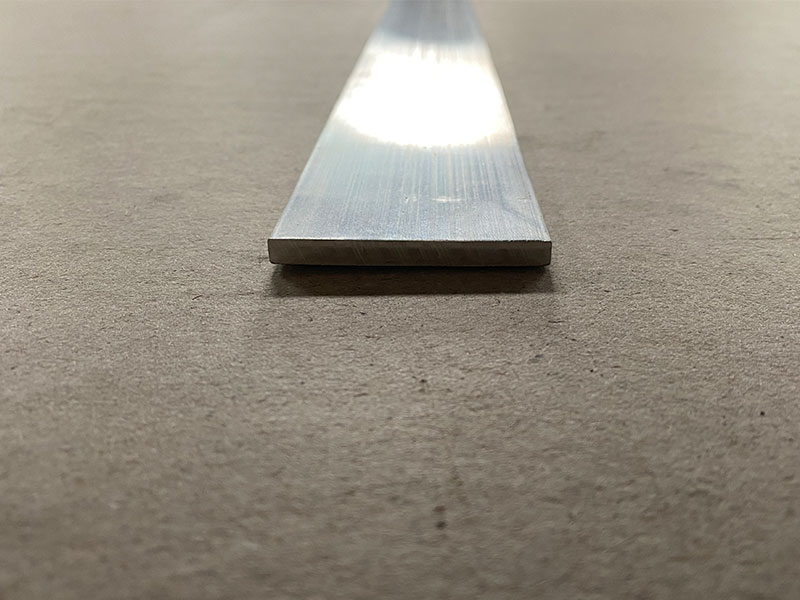
5083 marine aluminum flat bar
5083 aluminum flat bars belong to the 5xxx series of aluminum-magnesium alloys, known primarily for their superior resistance to seawater corrosion and salt spray.
View Details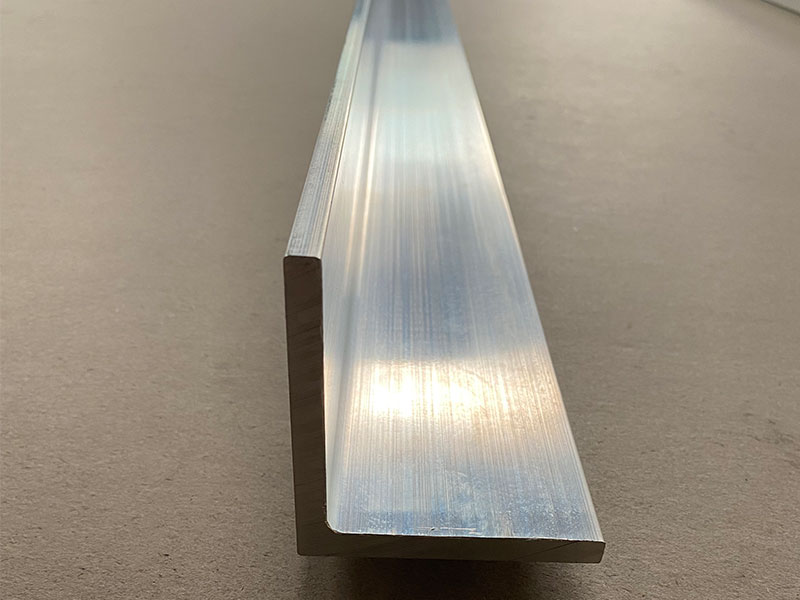
Marine aluminum angles
Marine Aluminum Angles are L-shaped cross-sectional aluminum profiles produced from marine-grade aluminum alloys such as 5083, 5052, and 6061.
View Details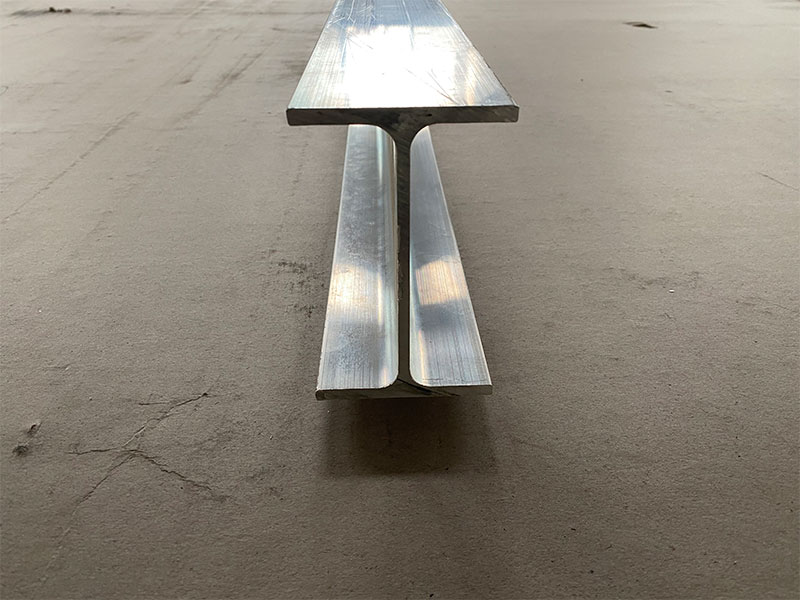
Marine aluminum Z-shaped sections
Marine Aluminum Z-shaped Sections are fabricated from premium marine-grade aluminum alloys such as 5083, 5052, and 6061. These alloys are well-regarded for their superior corrosion resistance in seawater and marine atmospheres, along with good mechanical strength and excellent weldability.
View Details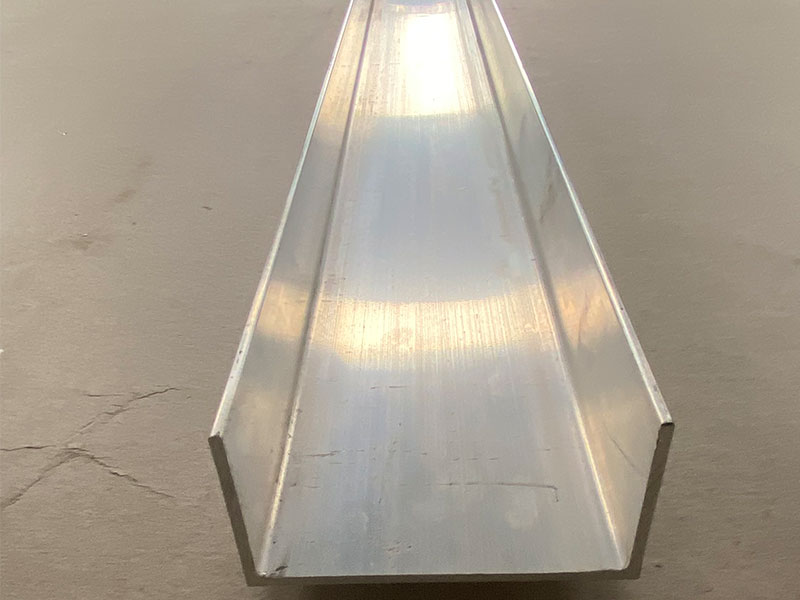
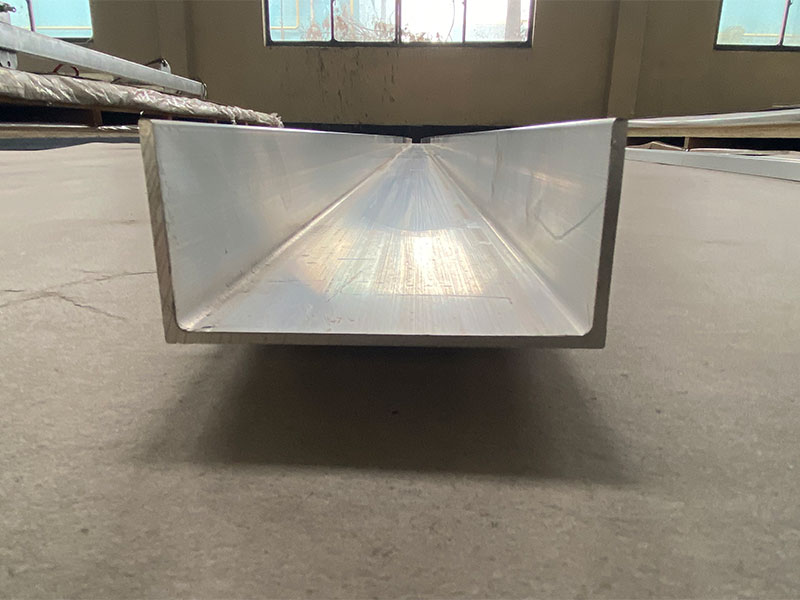
Marine aluminum channels
Marine Aluminum Channels are U-shaped aluminum profiles produced from alloys such as 5083, 5052, and 6061, known for their excellent marine corrosion resistance and superior mechanical strength.
View Details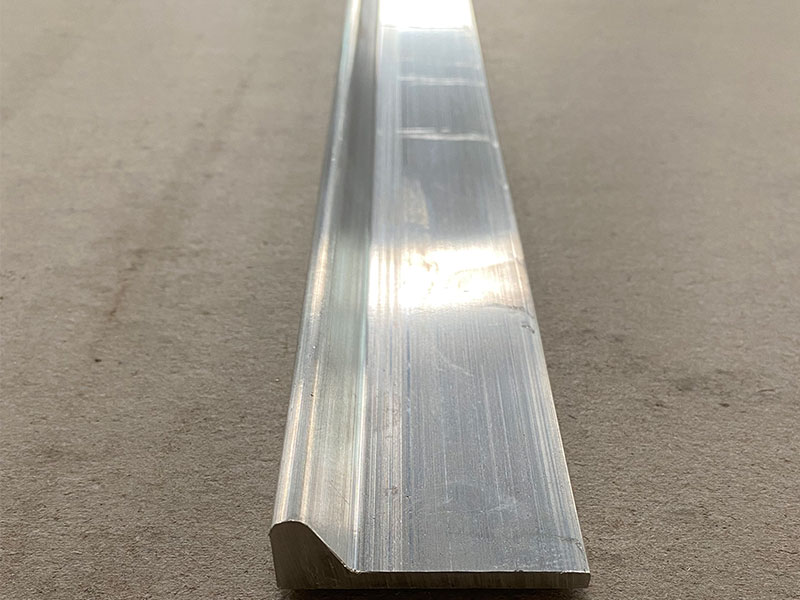
Marine aluminum I-beams
Marine Aluminum I-Beams feature the traditional “I” cross-sectional profile fabricated from marine-grade aluminum alloys like 5083, 5086, and 6061. These alloys are renowned for their outstanding corrosion resistance, especially in saltwater and marine atmospheres, making them ideal for offshore and naval construction.
View Details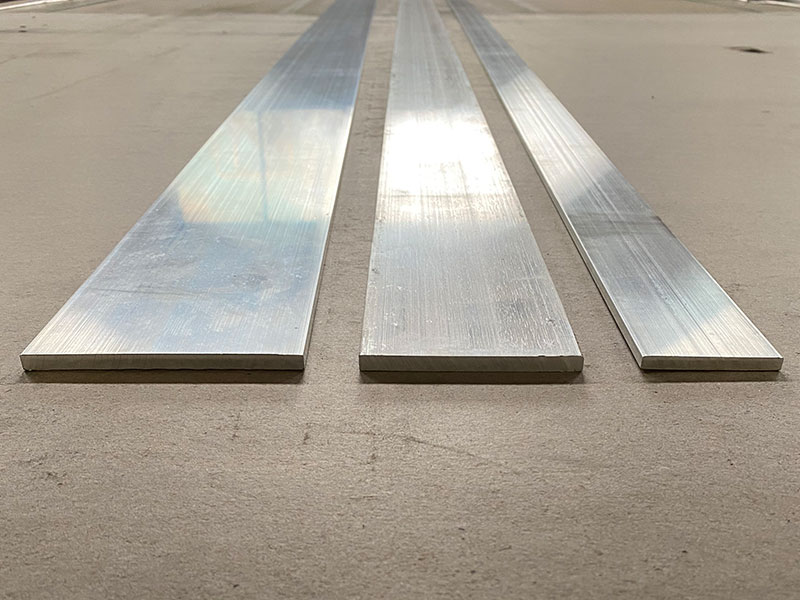
6061 T6 marine aluminum flat bar
6061 aluminum is classified as a heat-treatable 6xxx series alloy, alloyed primarily with magnesium and silicon. The T6 temper designation indicates that the flat bar has been solution heat-treated and artificially aged to achieve optimum strength and hardness.
View DetailsRelated Blog
Marine Aluminum Flat Bar for Saltwater Proof Boat Hull Support
Marine aluminum flat bars are vital materials in the construction of boats, particularly for saltwater environments. These products are engineered to provide robust structural support, ensuring durability and longevity for boat hulls.
View Details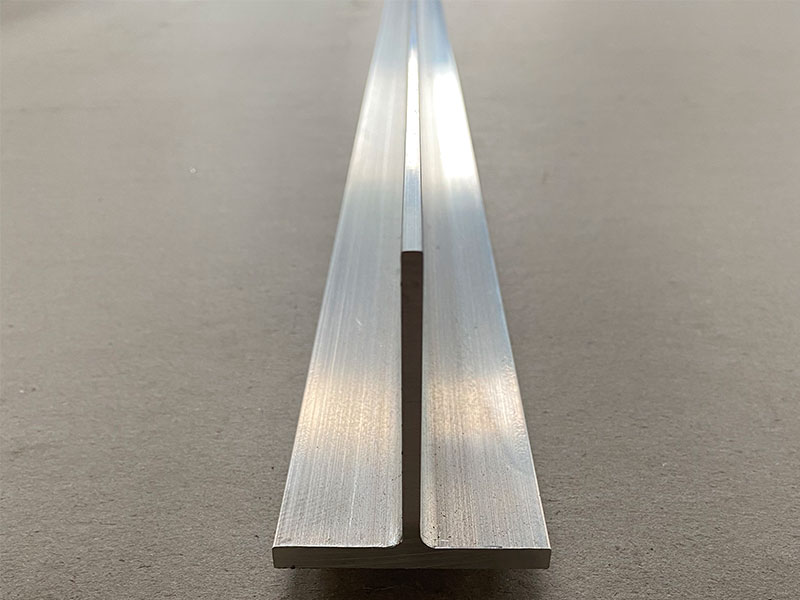
5052 Marine Aluminum Z Shaped Sections for Lightweight Offshore Ship Design
5052 marine aluminum Z shaped sections deliver high strength-to-weight performance, excellent corrosion resistance, and easy weldability for lightweight offshore ship design.
View Details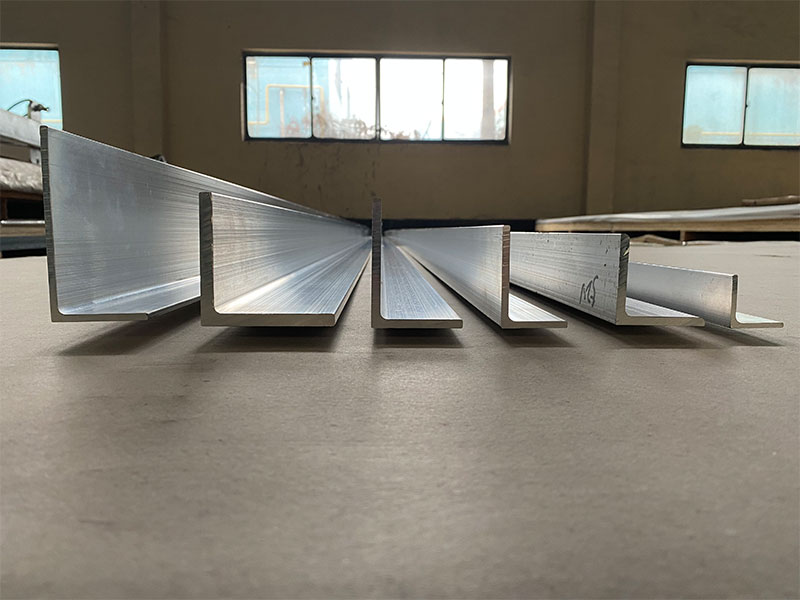
6061 Marine Aluminum Z Shaped Sections for Marine Frame Reinforcement
6061 Marine Aluminum Z Shaped Sections for Marine Frame ReinforcementMarine structures rarely fail because one component is "weak." They fail because loads travel through the hull in complicated paths, concentrate around cutouts and joints.
View Details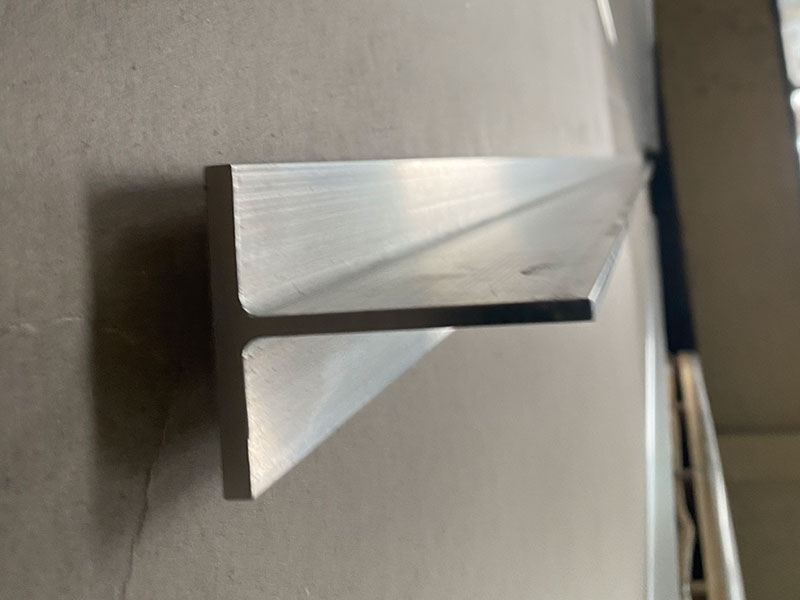
5052 Marine Aluminum Angles for Heavy Duty Marine Applications
In the world of marine applications, the choice of materials can significantly influence performance and longevity. For heavy-duty usage, marine aluminum angles, particularly 5052 Marine Aluminum angles, come out as premier contenders.
View Details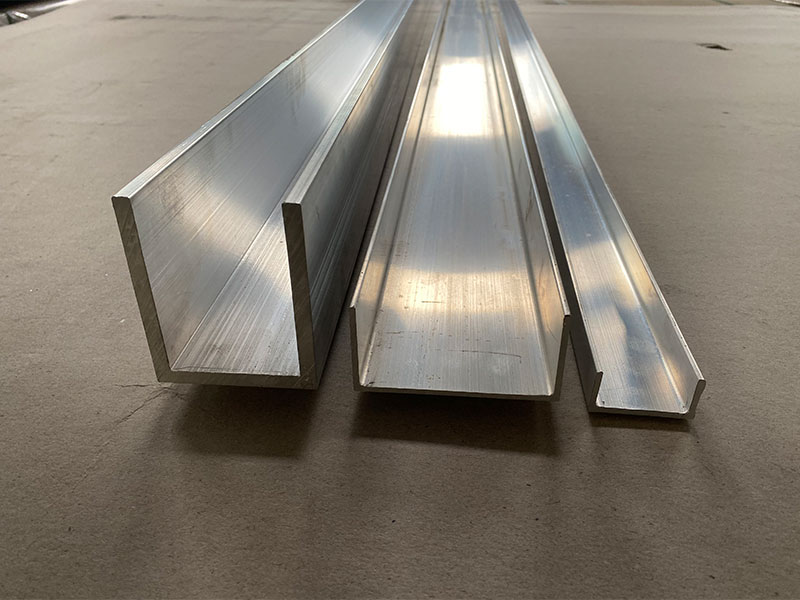
5083 Marine Aluminum Angles for Heavy Duty Boat Frame Customization
5083 marine aluminum angles are purpose-built structural profiles for boatbuilders who need rugged framing without the weight and corrosion risk of steel. Made from Al‑Mg alloy 5083 and supplied in marine-ready tempers, .
View Details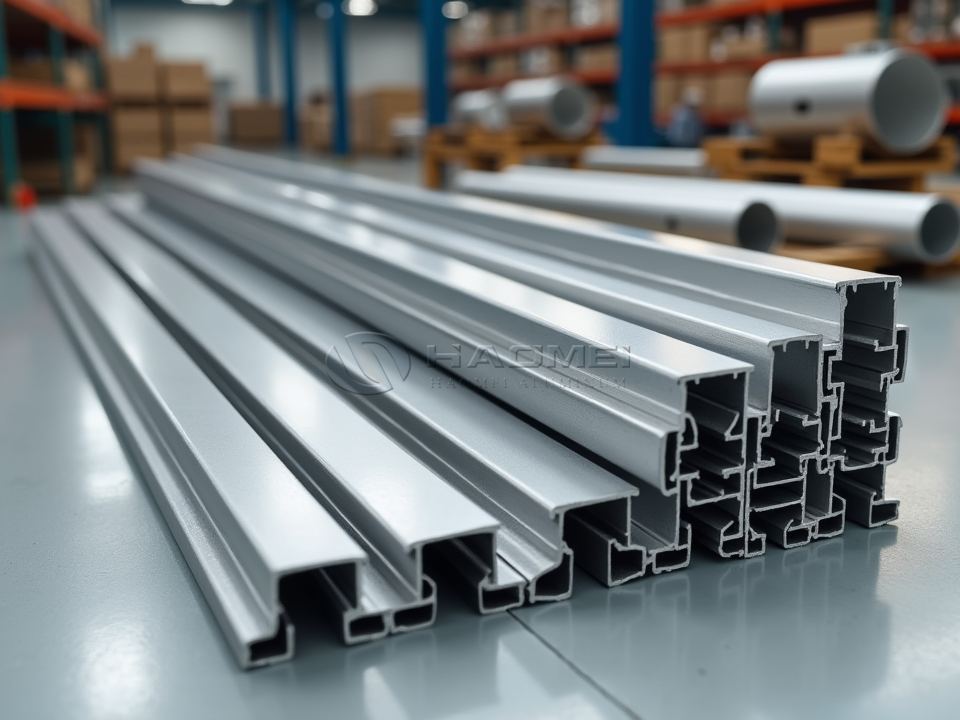
6061 Marine Aluminum Angles for Marine Frame and Hull Reinforcements
Explore 6061 marine aluminum angles for lightweight boat frames, hull reinforcements, decks, cabins, and durable welded marine structures.
View Details
Leave a Message