
Marine Aluminum Flat Bar
Marine aluminum flat bar rarely gets the attention given to hull plate, deck panels, or polished railings. Yet on a working boat, pontoon, dock, trailer, or marina structure, it often acts like the quiet line that holds the sentence together. It spreads load, caps edges, reinforces joints, supports hardware, and gives builders a clean surface for fastening. When chosen well, it disappears into the structure and keeps doing its job season after season.
A practical way to understand marine aluminum flat bar is not to begin with the metal itself, but with movement. Boats flex. Docks twist under wave action. Fasteners pull, fittings vibrate, and saltwater searches for every gap. A flat bar is valuable because it turns concentrated stress into a wider, calmer area. It is simple in shape, but it solves problems that are anything but simple.
Why the Flat Shape Works So Well at Sea
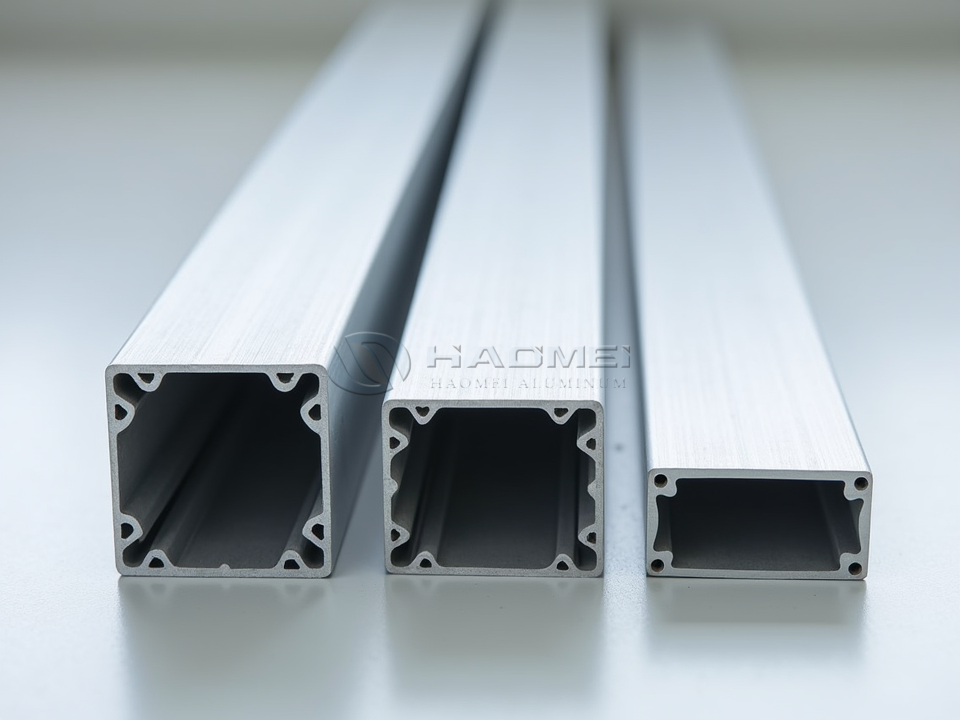
A marine aluminum flat bar is a rectangular strip with consistent width and thickness. That plain geometry gives it a broad contact face, which is why it performs so well as a backing bar, wear strip, spacer, bracket blank, rub surface, or reinforcement plate. Compared with a round bar, it sits flush. Compared with an angle or channel, it can be added without changing the profile of the assembly too much.
This matters in real builds. A hatch hinge bolted through thin sheet may loosen over time, but add a flat backing bar and the load spreads across more material. A boarding ladder bracket may vibrate under repeated use, but a properly sized flat bar behind it can reduce local fatigue. On a dock, flat bar can protect exposed edges where carts, ropes, and fenders cause repeated wear.
The value is not only strength. It also brings neatness. Flat bar can cover cut edges, create alignment surfaces, and give installers a straight reference line. In marine fabrication, a clean edge is more than visual; it helps reduce snag points, water traps, and places where dirt and salt can sit.
Alloy Choice Through the Eyes of the Job
Customers often ask which alloy is best, but the better question is what the bar must survive. For general marine fittings, frames, brackets, and machined parts, 6061 T6 marine aluminum flat bar is widely chosen because it offers strong mechanical performance, good machinability, and dependable weldability when proper practice is used. It is a workhorse material for structural support and fabricated assemblies.
For harsher seawater exposure, especially where corrosion resistance carries more weight than maximum strength, 5083 marine aluminum flat bar is often preferred. It has excellent resistance to marine corrosion and performs well in welded structures. It is common in boatbuilding, offshore equipment, and components that face regular salt spray or immersion.
Other alloys such as 5052 can also suit light-duty marine trim, covers, and formed parts. The point is to match the alloy to the environment, not simply to choose the strongest number on a data sheet. Strength without corrosion resistance can become a short service life. Corrosion resistance without enough thickness or support can lead to bending and vibration issues.
Corrosion Is a Design Problem, Not Just a Material Problem
Marine-grade aluminum is corrosion resistant, but it is not magic. The best flat bar can still suffer if installed in a way that traps saltwater, touches incompatible metals, or receives poor surface preparation.
Galvanic corrosion is a common concern. When aluminum is in electrical contact with stainless steel, copper, brass, or carbon steel in a wet marine environment, the aluminum can become the material that sacrifices itself. This does not mean stainless fasteners cannot be used. It means isolation matters. Nylon washers, suitable sealants, barrier tapes, and proper bedding compounds can greatly improve service life.
Drainage also matters. A flat bar installed as a cover strip should not create a sealed pocket where saltwater sits. Edges should be finished, holes should be deburred, and mating surfaces should be clean. Small details decide whether the part looks fresh after years of use or develops white corrosion staining around every fastener.
Size Selection: Think in Contact Area, Not Only Thickness
Many buyers focus on thickness first. Thickness is important, but width is just as important because width controls contact area. A narrow thick bar may resist bending, yet still concentrate stress at the edges. A wider bar may spread load more effectively and reduce crushing or deformation of the surface beneath it.
For backing plates, choose a width that extends well beyond the fastener pattern. For wear strips, consider the direction of contact and whether the bar will be dragged, rubbed, or impacted. For brackets, check both the unsupported span and the hole spacing. Holes placed too close to the edge can weaken the part, even when the alloy is strong.
Length tolerance should also be considered. In dock and boat trim work, small length errors can create gaps that collect water or force installers to grind on site. If the bar will be welded into a frame, allow for thermal movement and distortion. If it will be anodized or powder coated after cutting, confirm that the finishing process matches the final dimensions.
Surface Finish Changes the Way the Bar Behaves
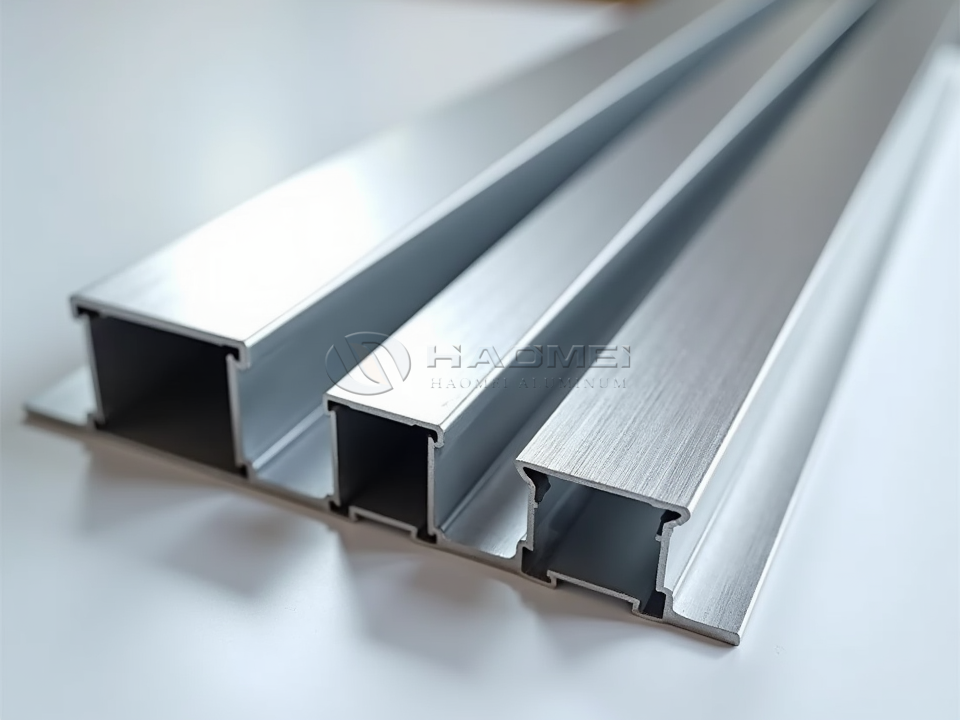
Bare mill finish is common and practical for many hidden supports and fabricated parts. It may show handling marks, but it is efficient and easy to weld or machine. Anodized flat bar adds a harder, more decorative surface and improves wear resistance, making it suitable for visible trim, step edges, and touch points. Powder coating gives broader color choices and a protective barrier, but coating quality depends heavily on preparation.
For marine use, finish selection should follow exposure. A hidden backing bar may not need a decorative surface, but it still needs clean edges and proper isolation. A visible rub or trim strip may need anodizing for appearance and durability. A dock component handled by customers may need a finish that feels smooth and resists staining.
Fabrication Notes Customers Should Not Ignore
Marine aluminum flat bar is easy to cut, drill, mill, and weld compared with many metals, but easy does not mean careless. Use sharp tooling to prevent burrs. Support the bar during cutting so it does not chatter. Deburr holes before installation, especially where cables, ropes, or hands may contact the part.
When welding, clean the surface thoroughly and use suitable filler material. Heat input should be controlled because aluminum moves heat quickly and can distort. For 6061-T6, welding affects temper strength in the heat-affected zone, so design should account for that. For 5083, welded marine structures can perform very well when filler selection and procedure are correct.
If the flat bar will be bent, confirm the bend radius and alloy temper. Some tempers crack if bent too tightly. A small test bend before full production can save wasted material and delayed assembly.
Where It Earns Its Place
On boats, marine aluminum flat bar appears in hatch frames, seat bases, transom reinforcements, rail mounting pads, ladder brackets, cleat backing, engine room supports, and trim protection. On docks, it is used for edge guards, splice plates, hinge supports, gangway parts, fender supports, and utility brackets. Around trailers, it can serve as a wear strip, mounting plate, or light structural reinforcement.
It also works well beside other marine profiles. Flat bar can strengthen an angle joint, cap a channel edge, or provide a fastening land for deck profiles and rub rails. In this sense, it is a connector between ideas: plate to extrusion, hardware to hull, dock surface to frame.
Buying With Fewer Surprises
Before ordering, confirm alloy, temper, width, thickness, length, finish, tolerance, and whether certification is required. Ask how the bar will be packed, because marine aluminum with surface marks may still be structurally sound but unsuitable for visible trim. If the application involves welding, bending, anodizing, or saltwater immersion, share that information before material is selected.
A low price can be attractive, but the true cost appears during installation and service. Bars that arrive twisted, poorly cut, mislabeled, or scratched may slow production. Material that is too soft, too narrow, or poorly matched to the environment may require replacement long before expected.
Marine aluminum flat bar is simple, straight, and modest. That is exactly why it is useful. It gives builders freedom to reinforce, align, protect, and repair without adding unnecessary complexity. In the marine world, where water, salt, vibration, and time test every detail, a well-chosen flat bar is not just a strip of aluminum. It is a quiet promise that the structure around it will hold together with less fuss.

Related Products
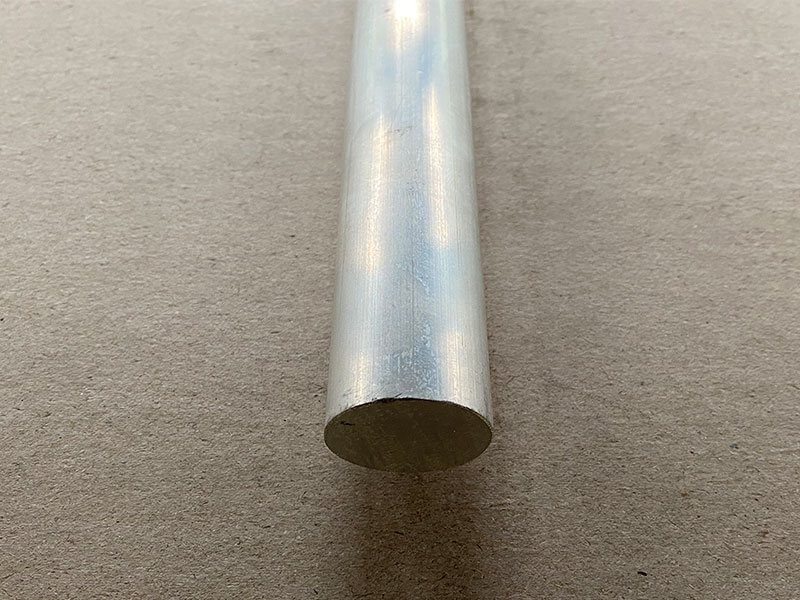
6061 marine aluminum round bar
6061 aluminum belongs to the 6xxx series alloys, alloyed primarily with magnesium and silicon. In the T6 temper, it undergoes solution heat treatment and artificial aging, resulting in enhanced mechanical properties while maintaining excellent corrosion resistance.
View Details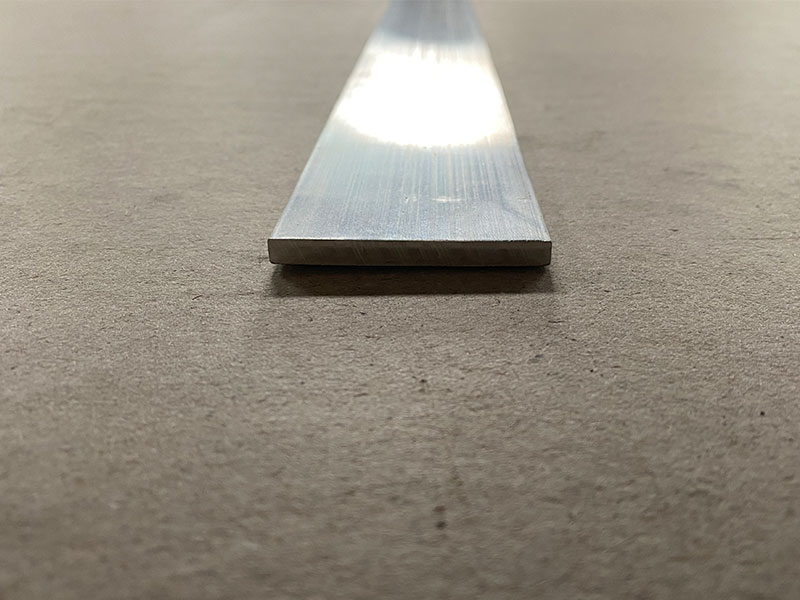
5083 marine aluminum flat bar
5083 aluminum flat bars belong to the 5xxx series of aluminum-magnesium alloys, known primarily for their superior resistance to seawater corrosion and salt spray.
View Details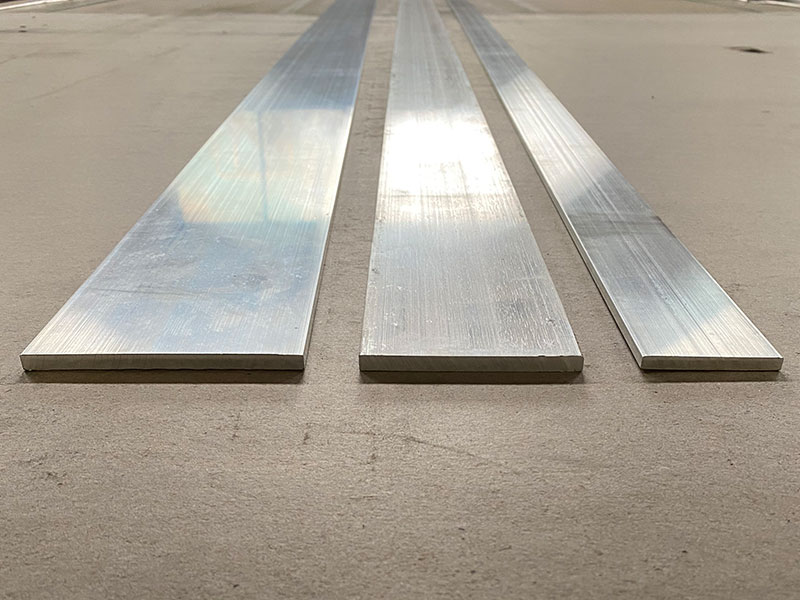
6061 T6 marine aluminum flat bar
6061 aluminum is classified as a heat-treatable 6xxx series alloy, alloyed primarily with magnesium and silicon. The T6 temper designation indicates that the flat bar has been solution heat-treated and artificially aged to achieve optimum strength and hardness.
View Details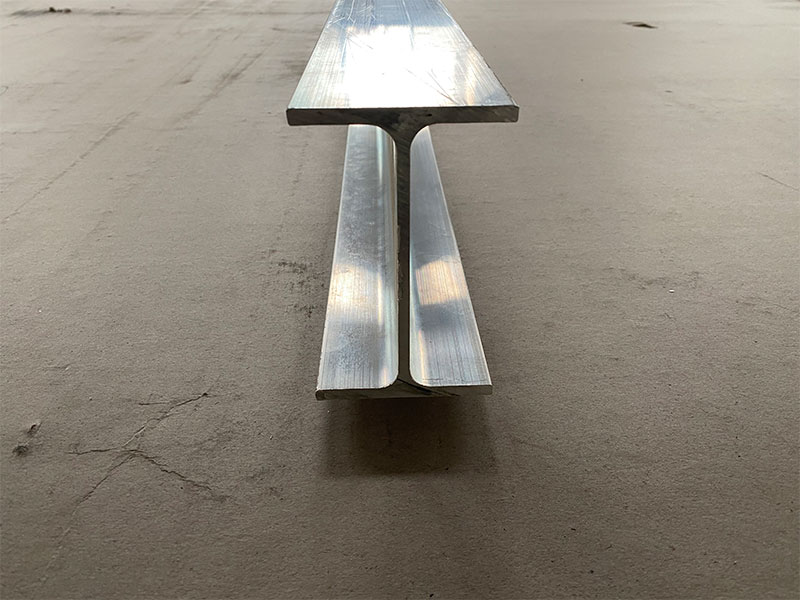
Marine aluminum Z-shaped sections
Marine Aluminum Z-shaped Sections are fabricated from premium marine-grade aluminum alloys such as 5083, 5052, and 6061. These alloys are well-regarded for their superior corrosion resistance in seawater and marine atmospheres, along with good mechanical strength and excellent weldability.
View Details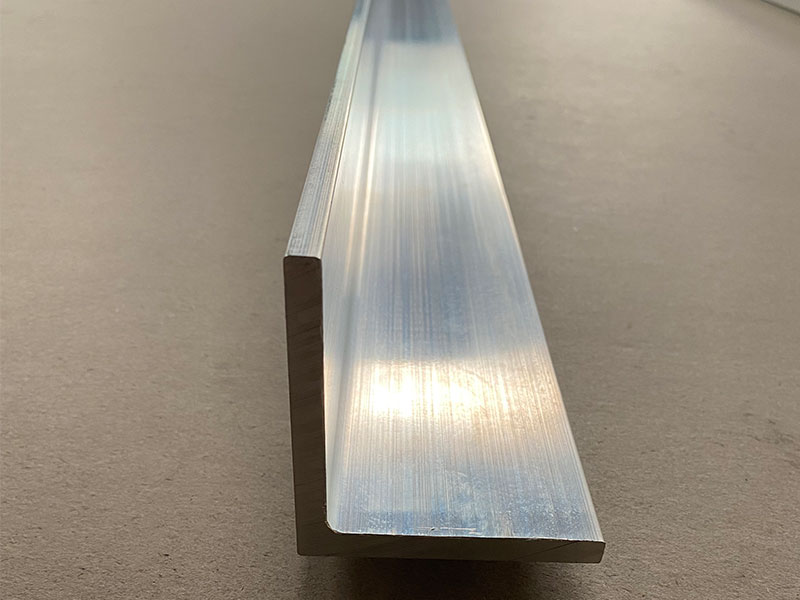
Marine aluminum angles
Marine Aluminum Angles are L-shaped cross-sectional aluminum profiles produced from marine-grade aluminum alloys such as 5083, 5052, and 6061.
View Details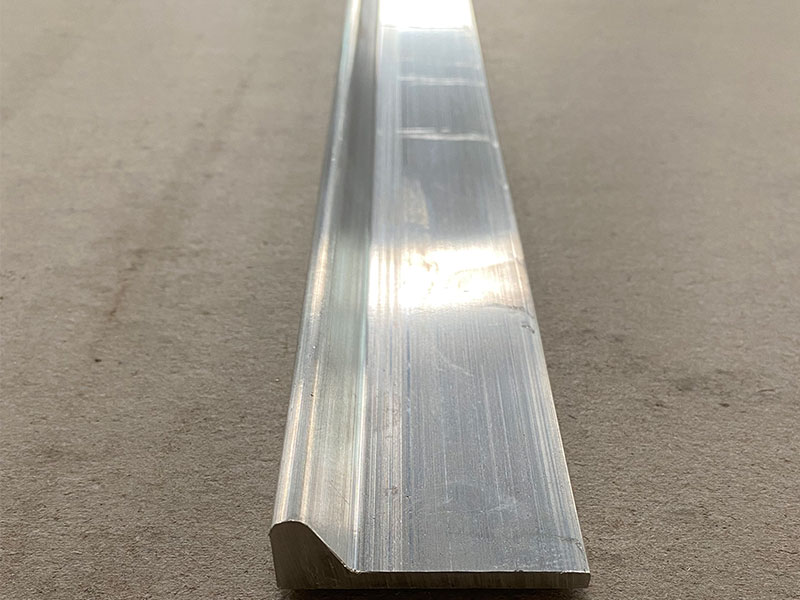
Marine aluminum I-beams
Marine Aluminum I-Beams feature the traditional “I” cross-sectional profile fabricated from marine-grade aluminum alloys like 5083, 5086, and 6061. These alloys are renowned for their outstanding corrosion resistance, especially in saltwater and marine atmospheres, making them ideal for offshore and naval construction.
View DetailsRelated Blog
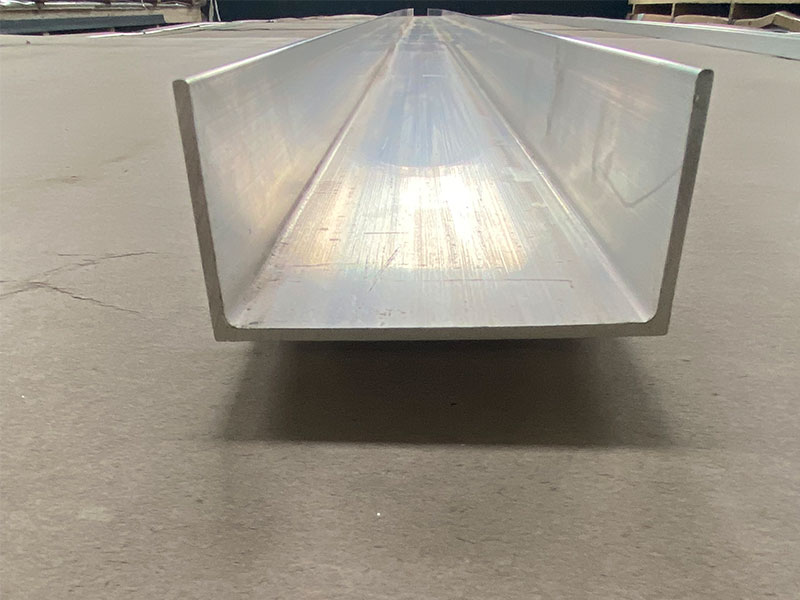
6061 Marine Aluminum Angles for Boat Deck Support and Reinforcement
6061 Marine Aluminum Angles are specially designed aluminum alloy structural components, widely used in marine environments for boat deck support, reinforcement, and framework.
View Details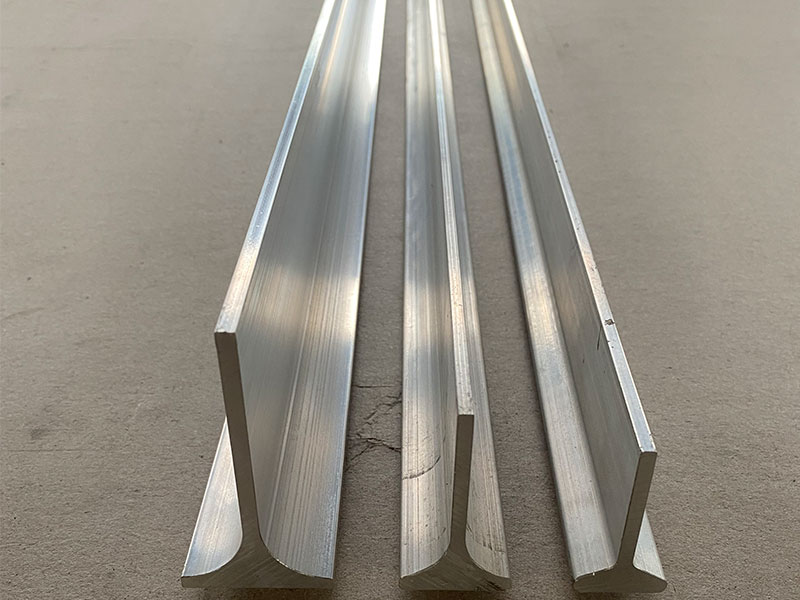
6061 Marine Aluminum Z Shaped Sections for High Strength Boat Reinforcement
6061 Marine Aluminum Z Shaped Sections are purpose-designed extrusions used for structural reinforcement in marine and offshore applications. Made from 6061 aluminum alloy and formed into Z-profile sections, these members combine high strength.
View Details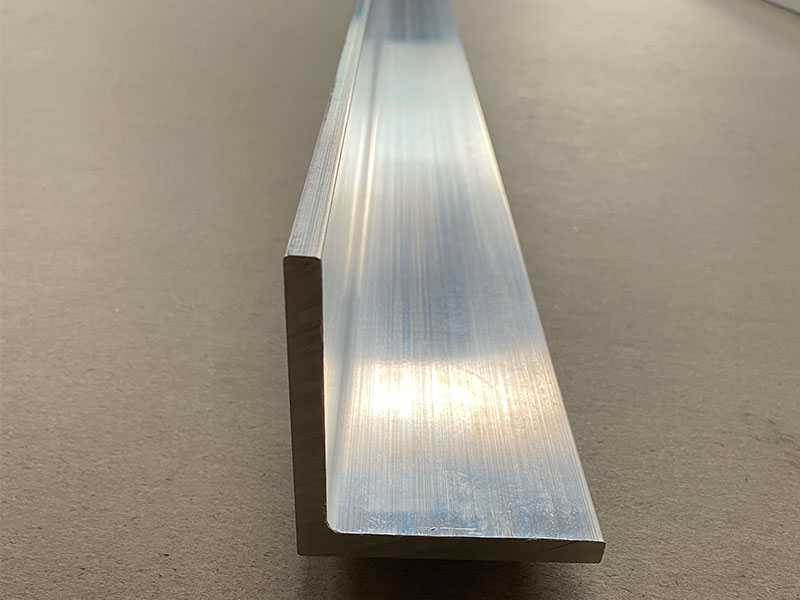
Marine Aluminum Flat Bar for Boat Frame Reinforcement and Repair
Superior durability and corrosion resistance of Marine Aluminum Flat Bars, specifically engineered for boat frame reinforcement and repair. Learn about alloy compositions, mechanical properties, tempering conditions, and industry-compliant standards that
View Details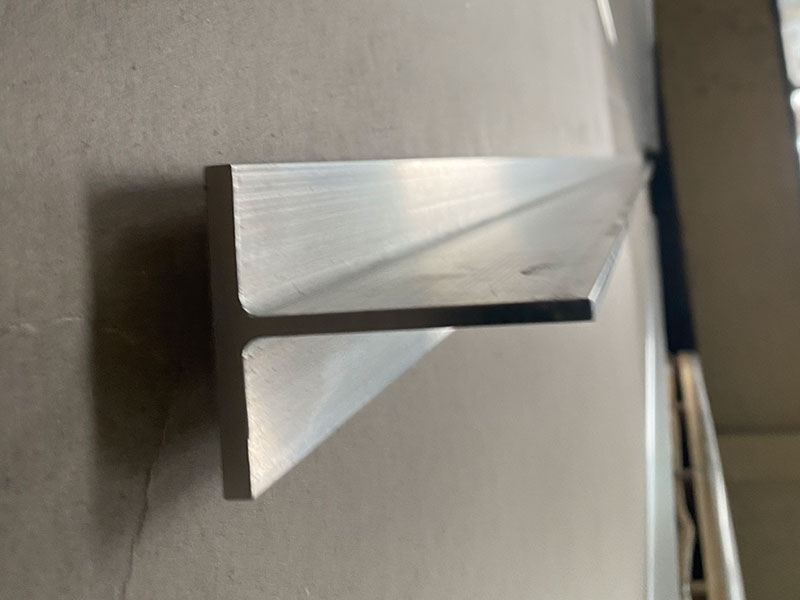
5052 Marine Aluminum Angles for Heavy Duty Marine Applications
In the world of marine applications, the choice of materials can significantly influence performance and longevity. For heavy-duty usage, marine aluminum angles, particularly 5052 Marine Aluminum angles, come out as premier contenders.
View Details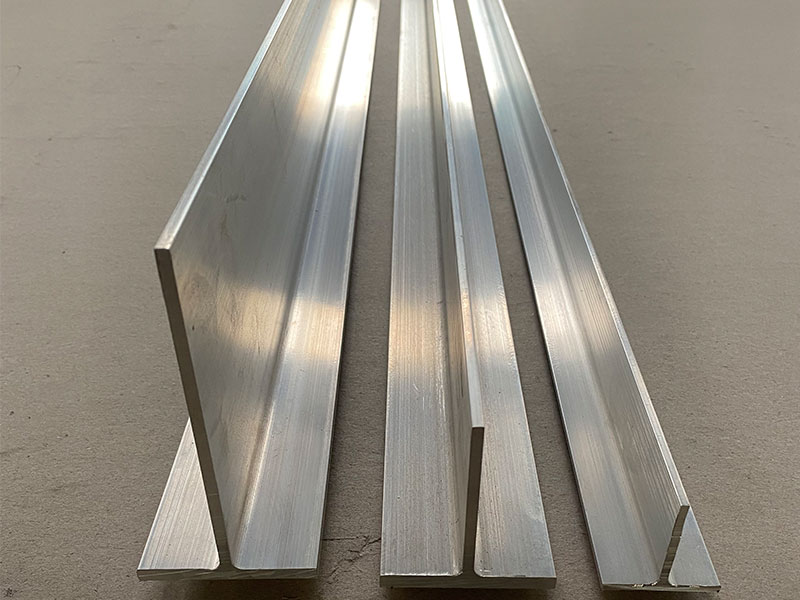
Marine Aluminum Rod & Bar for Offshore Marine Project Design
Marine aluminum rod and bar products are core structural and functional materials in offshore and shipbuilding projects. They combine high strength, excellent corrosion resistance, and low weight.
View Details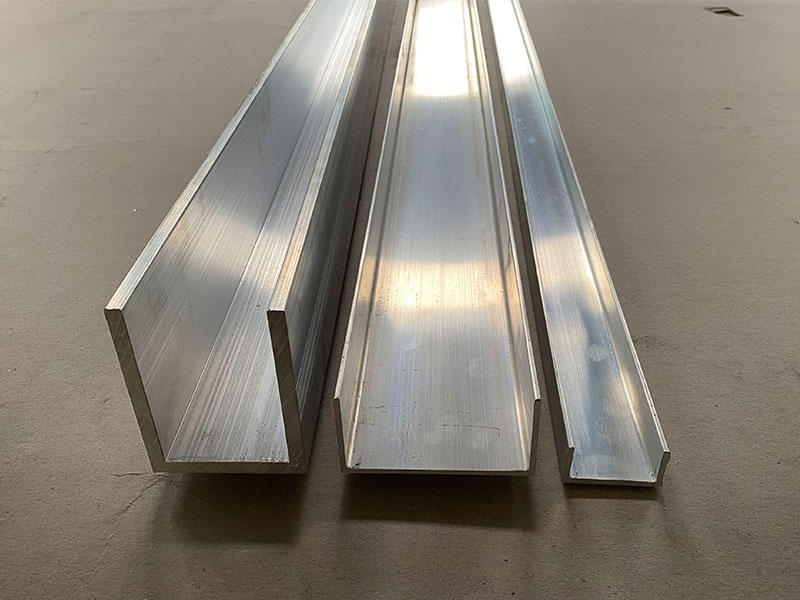
5052 Marine Aluminum Channels for Custom Boat Hull Construction
Aluminum channels are indispensable components in marine construction, providing structural support, corrosion resistance, and design versatility. Among various aluminum alloys available.
View Details
Leave a Message