
Aluminum Elbow for Marine Boiler Feedwater and Circulation Systems
On a vessel, an elbow is not just a bent fitting. It is a quiet traffic director for hot treated water, condensate, circulation flow, and auxiliary service lines. In a marine boiler feedwater route, every change of direction affects pump load, vibration, oxygen control, inspection access, and corrosion behavior. An aluminum elbow earns its place when the system needs low weight, clean fabrication, strong corrosion resistance in the marine atmosphere, and fast installation on compact machinery skids.
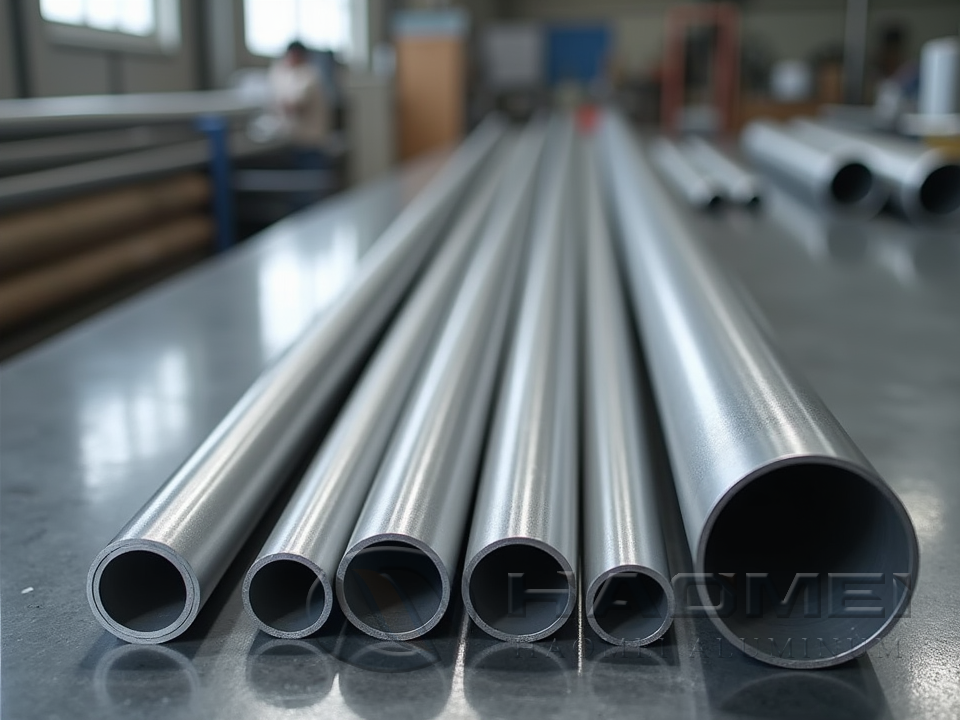
Aluminum is lighter than steel by roughly two thirds, which matters in engine rooms where pipe racks, access platforms, and packaged boiler modules compete for space. Yet boiler feedwater is a demanding medium. Temperature, treatment chemicals, pH, dissolved oxygen, velocity, and contact with other metals must be checked before selecting an aluminum elbow. For many vessels, aluminum elbows are best used in low to moderate temperature feedwater transfer, condensate return, deaerated circulation loops, freshwater auxiliary circuits, and boiler support systems rather than the highest pressure boiler boundary.
Where the Aluminum Elbow Fits Best
A marine boiler system has different water zones. Some are hot, high pressure, and governed by strict boiler codes. Others handle treated water before final pressurization, condensate return, cooling circulation, drain recovery, or packaged skid connections. Aluminum elbows can be a practical choice in these latter zones when the design pressure and temperature remain within calculated limits.
The shape of the elbow also matters. A short-radius elbow saves space but increases turbulence and pressure loss. A long-radius elbow gives smoother flow, reduces erosion at the outer wall, and is usually preferred for pump discharge, circulation lines, and any location where vibration or flashing may occur. For 90-degree turns, many projects specify a long radius of 1.5D or 3D, while compact skids may require customized centerline dimensions.
For direct product matching, a 6061-T6 90-Degree Marine Aluminum Pipe Elbow is commonly selected for strong welded assemblies, equipment frames, and fresh-water piping modules. When the whole piping package must use certified compatible stock, Marine Grade Aluminum Tubing helps maintain consistent metallurgy from straight pipe to formed fitting.
Typical Product Parameters
| Parameter | Common Supply Range | Notes for Marine Feedwater and Circulation Service |
|---|---|---|
| Elbow angle | 30, 45, 60, 90, 180 degrees, custom | 90 degrees is most common for machinery room routing |
| Outside diameter | 10 mm to 300 mm | Larger sizes can be fabricated by mandrel bending or welded segments |
| Wall thickness | 1.5 mm to 12 mm | Final thickness depends on pressure calculation and corrosion allowance |
| Bend radius | 1D, 1.5D, 2D, 3D, custom | Long radius reduces pressure drop and pump stress |
| End type | Plain end, beveled end, flanged, grooved, threaded adapter | Welded and flanged ends are preferred for marine duty |
| Surface finish | Mill finish, anodized, pickled, passivated, coated | External coating is useful near bilge vapor or salt spray |
| Suggested pH window | 6.5 to 8.5 preferred | High alkalinity can attack aluminum oxide film |
| Typical service temperature | Ambient to 120 C continuous, higher only after derating | Strength decreases as temperature rises |
| Pressure class | Project calculated, often PN6 to PN25 for auxiliary circuits | Must be verified by wall thickness, alloy, weld quality, and rules |
| Inspection | Dimensional check, PMI, hydrotest, dye penetrant, weld record | Class approval may require additional documentation |
Alloy and Temper Selection
The alloy is the personality of the elbow. Temper is the memory of how it was processed. Both decide strength, bendability, weld response, and long-term corrosion behavior.
6061-T6 is popular because it combines strength, machinability, and availability. It works well for formed elbows and welded modules in freshwater and treated water service. The T6 temper means the alloy has been solution heat treated and artificially aged. After welding, the heat-affected zone loses some strength, so pressure calculations should use post-weld values unless the fitting is re-heat-treated and qualified.
6082-T6 provides higher strength than many 6xxx alloys and is often chosen for structural pipework, heavy-duty brackets, and circulation systems exposed to vibration. It machines well and has good corrosion resistance, though welding derating still applies.
5083-H116 or H321 is valued for seawater resistance and welded performance. It is often selected where external salt exposure is severe. For hot treated water service, long-term temperature exposure must be reviewed because high magnesium aluminum alloys can become sensitized if used beyond suitable limits.
5086-H32 or H116 offers good marine corrosion resistance, fair strength, and reliable weldability. It is suitable for shipboard piping, tanks, and circulation circuits where seawater atmosphere is more aggressive than the internal fluid.
5052-H32 is easier to form and has excellent general corrosion resistance. It is useful for smaller elbows, low pressure circulation, condensate return, and light-duty auxiliary lines.
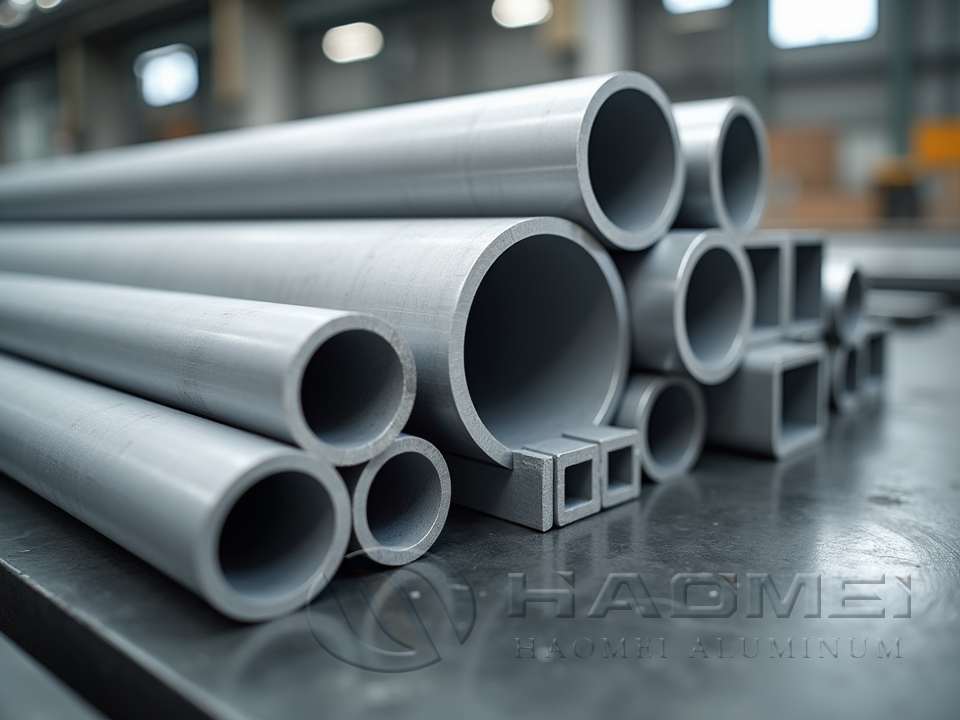
Chemical Composition and Water Chemistry Behavior
| Alloy | Main Chemical Composition, wt% | Practical Behavior in Marine Water Systems |
|---|---|---|
| 6061 | Mg 0.80-1.20, Si 0.40-0.80, Cu 0.15-0.40, Cr 0.04-0.35, Fe <=0.70, Al balance | Strong and versatile; best in controlled freshwater, treated water, and protected circulation lines |
| 6082 | Si 0.70-1.30, Mg 0.60-1.20, Mn 0.40-1.00, Fe <=0.50, Cu <=0.10, Al balance | Higher strength 6xxx alloy; good for vibration-prone circulation piping with proper weld derating |
| 5083 | Mg 4.00-4.90, Mn 0.40-1.00, Cr 0.05-0.25, Fe <=0.40, Si <=0.40, Al balance | Excellent marine atmosphere resistance; temperature and sensitization must be controlled |
| 5086 | Mg 3.50-4.50, Mn 0.20-0.70, Cr 0.05-0.25, Fe <=0.50, Si <=0.40, Al balance | Good welded marine alloy for auxiliary piping and exposed locations |
| 5052 | Mg 2.20-2.80, Cr 0.15-0.35, Fe <=0.40, Si <=0.25, Cu <=0.10, Al balance | Very formable and corrosion resistant; ideal for smaller low pressure elbows |
Aluminum protects itself through a thin oxide film. In clean neutral water, this film is stable. In highly alkaline boiler treatment, it may dissolve. That is why chemical control is as important as wall thickness. Chlorides should be minimized, dissolved oxygen should be managed, and pH should not be raised beyond what the selected alloy can tolerate. If the plant uses strong phosphate, caustic, or amine treatment, compatibility testing is wise before installation.
Standards and Approval Conditions
Marine aluminum elbows are normally ordered against a mix of material, dimensional, welding, and class requirements. ASTM B241/B241M covers aluminum seamless pipe and tube, while ASTM B221 applies to extruded bars, rods, wire, profiles, and tubes. EN 573 defines aluminum alloy designations and chemical composition, and EN 755 covers extruded products. For welded fabrication, AWS D1.2, ISO 15614-2, and ISO 9606-2 are frequently referenced.
For piping design, ASME B31.1 may apply to power piping near boiler systems, while ASME B31.3 may apply to process-style auxiliary piping. Classification society rules from ABS, DNV, LR, BV, RINA, CCS, or KR can add requirements for traceability, pressure testing, weld inspection, and material certificates. Elbow geometry may follow project drawings or be aligned with ASME B16.9 style dimensions, but pressure rating should not be copied from steel fittings. Aluminum requires its own design calculation.
Welding, Fabrication, and Installation Notes
A good aluminum elbow starts with clean metal. Oil, cutting fluid, oxide, and stainless-steel contamination can lead to porosity or early corrosion. TIG welding is preferred for smaller precise elbows; MIG welding is efficient for larger assemblies. Filler metal selection depends on alloy and temperature. 4043 is often used with 6061 where thermal stability is important. 5356 or 5183 may be chosen for marine corrosion resistance, especially with 5xxx alloys, but elevated service temperature must be reviewed.
Galvanic corrosion is another shipboard concern. Aluminum connected directly to carbon steel, stainless steel, copper alloy, or brass can become the sacrificial metal in wet environments. Insulating gaskets, nonconductive sleeves, compatible fasteners, and coating breaks should be planned before installation. Drainage also matters. An elbow that traps stagnant treated water can concentrate chemicals and create pitting risk.
Flow velocity should be moderate. Excessive velocity at a bend can remove protective films and intensify erosion-corrosion, especially where entrained air or solid particles are present. Long-radius elbows, smooth internal surfaces, and proper pump alignment reduce this risk.
Buyer Checklist for a Reliable Order
- Alloy and temper, such as 6061-T6, 6082-T6, 5083-H116, 5086-H32, or 5052-H32
- Outside diameter, wall thickness, bend angle, bend radius, and end preparation
- Design pressure, design temperature, pH range, chloride level, and treatment chemicals
- Required standards, class society approval, material certificate type, and test reports
- Welding process, filler metal, inspection method, hydrotest pressure, and surface finish
- Packaging for marine transport, including dry wrapping and end protection
An aluminum elbow for marine boiler feedwater and circulation systems should be specified as part of a living system, not as a simple catalog bend. When alloy, temper, chemistry, welding, and approval rules are aligned, the fitting delivers lightweight routing, clean installation, and dependable service in the tight, hot, and salt-exposed world of ship machinery spaces.

Related Products
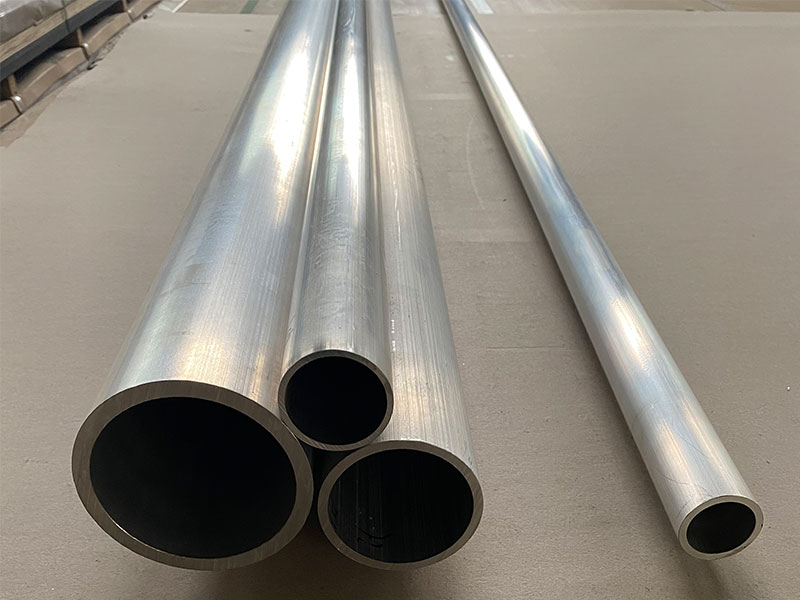
Marine aluminum round tubes
Marine Grade Aluminum Round Tubes are manufactured from premium marine alloys such as 5083, 5052, 6061, and 6082, all selected for their proven resistance to seawater corrosion and marine atmosphere degradation.
View Details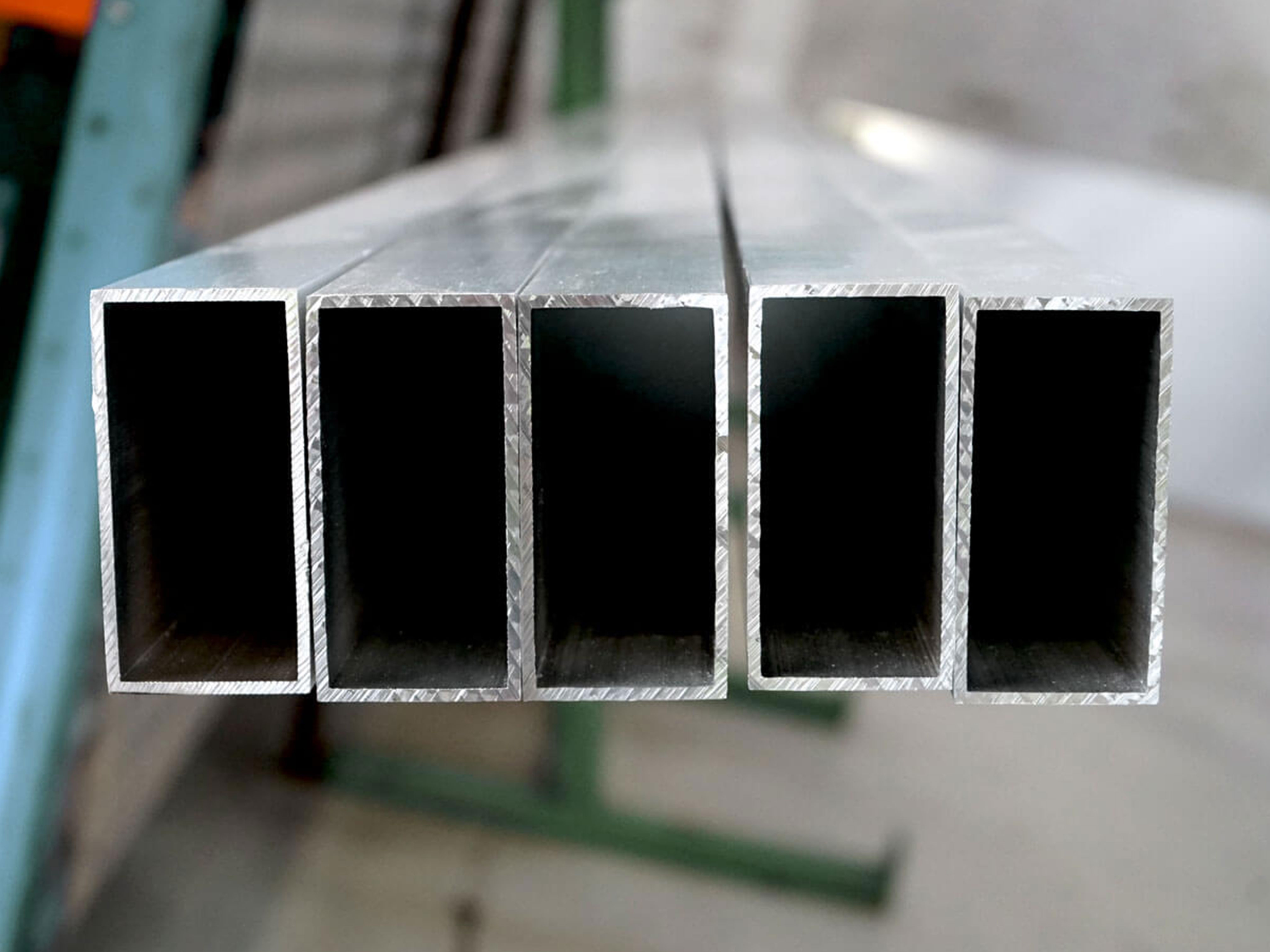
Marine aluminum rectangular tubes
Marine Grade Aluminum Rectangular Tubes are made from high-performance alloys such as 5083, 5052, 6061, and 6082. These alloys are renowned for their ability to resist corrosive seawater and marine atmospheres while providing excellent mechanical strength and toughness.
View Details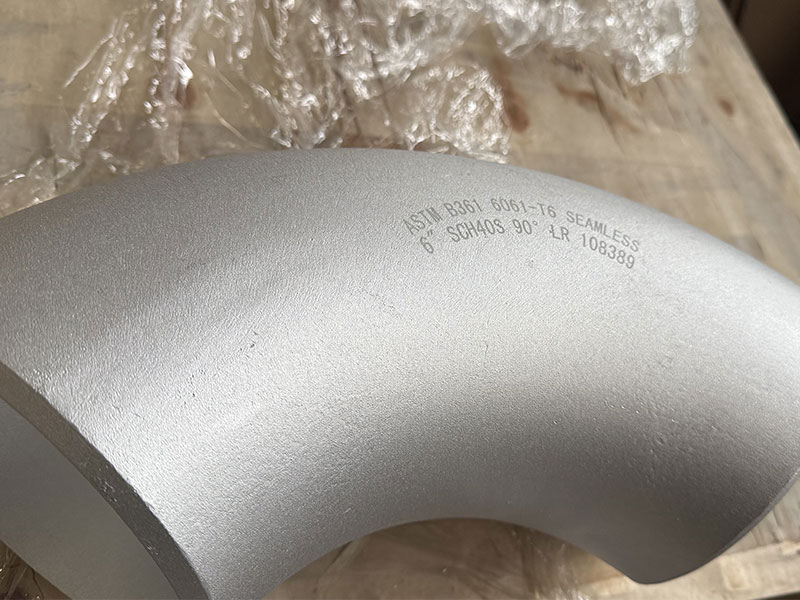
6061-T6 90-Degree Marine Aluminum Pipe Elbow
Manufactured from premium 6061-T6 marine-grade aluminum alloy, this elbow fitting is engineered to provide reliable and efficient pipe direction changes within shipbuilding, offshore platforms, and marine infrastructure systems.
View Details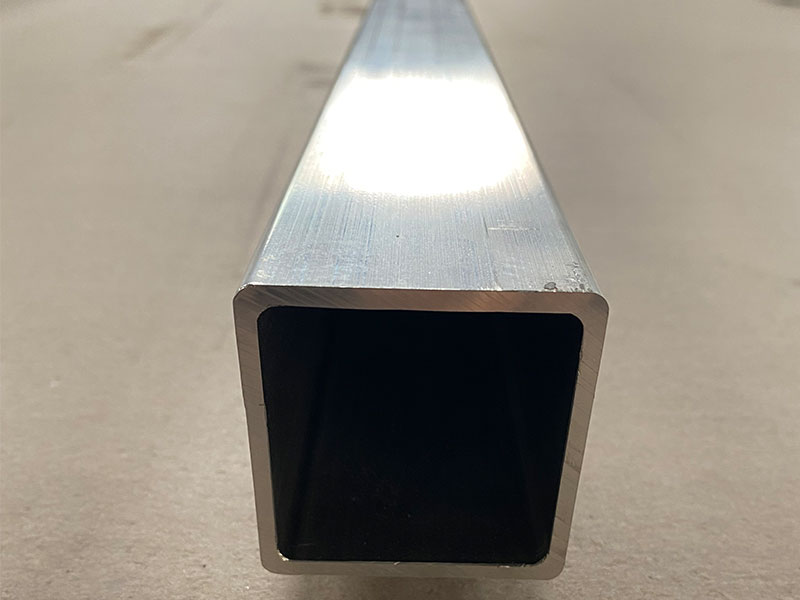
Marine aluminum square tubes
Marine Grade Aluminum Square Tubes are typically constructed from marine-grade alloys such as 5083, 5052, 6061, and 6082—well-known for their ability to withstand the aggressive effects of saltwater and marine atmospheres.
View Details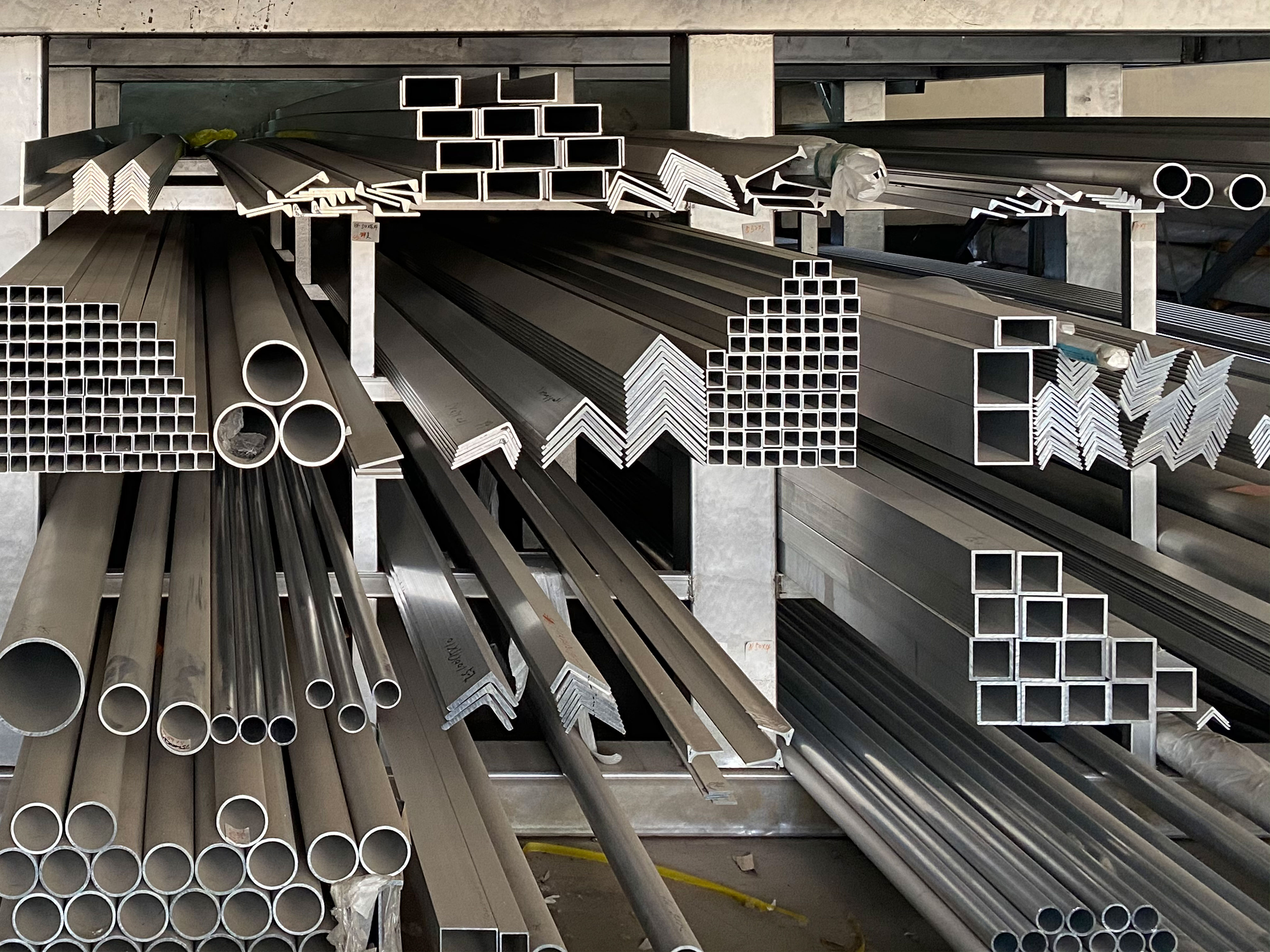
Custom marine aluminum profile tubes
Custom Marine Grade Aluminum Profile Tubes are manufactured from premium marine aluminum alloys such as 5083, 5052, 6061, and 6082.
View DetailsRelated Blog
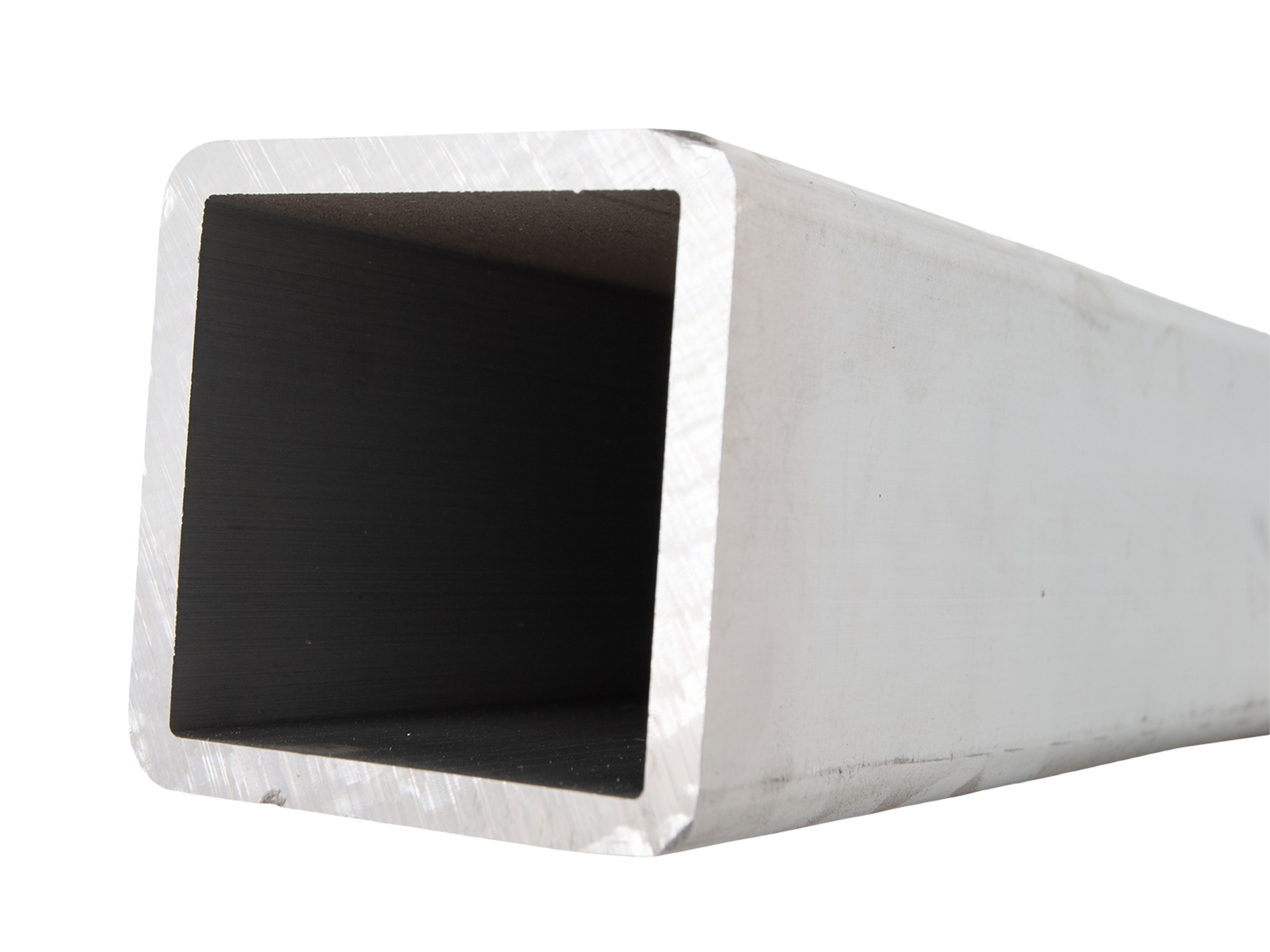
5083 Marine Aluminum Tubes for Ship Hull Reinforcement Materials
When it comes to building and reinforcing ship hulls, selecting the right material is critical for durability, strength, and resistance to the harsh marine environment.
View Details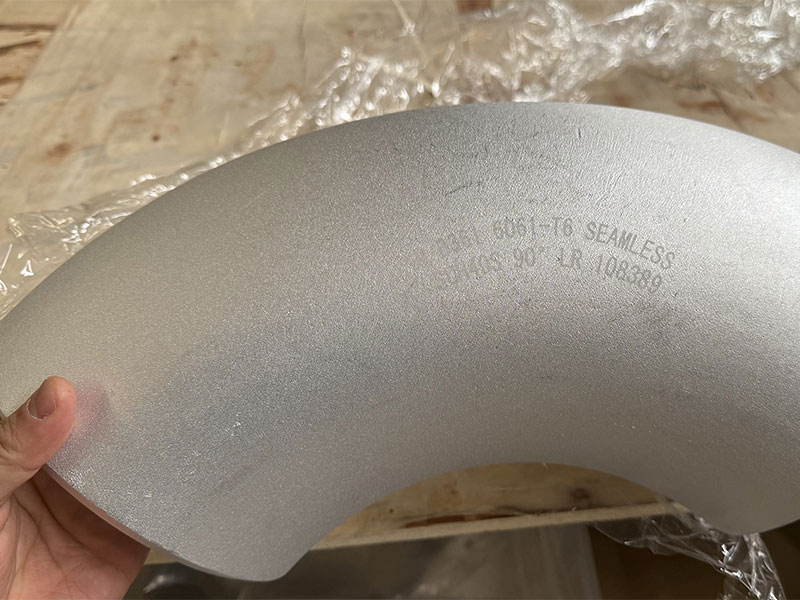
Aluminum Pipe Elbow for Saltwater Marine Equipment
High-performance aluminum pipe elbows specifically designed for saltwater marine equipment. Constructed from marine-grade aluminum alloys with superior corrosion resistance, light weight, and high strength, these elbows provide reliable.
View Details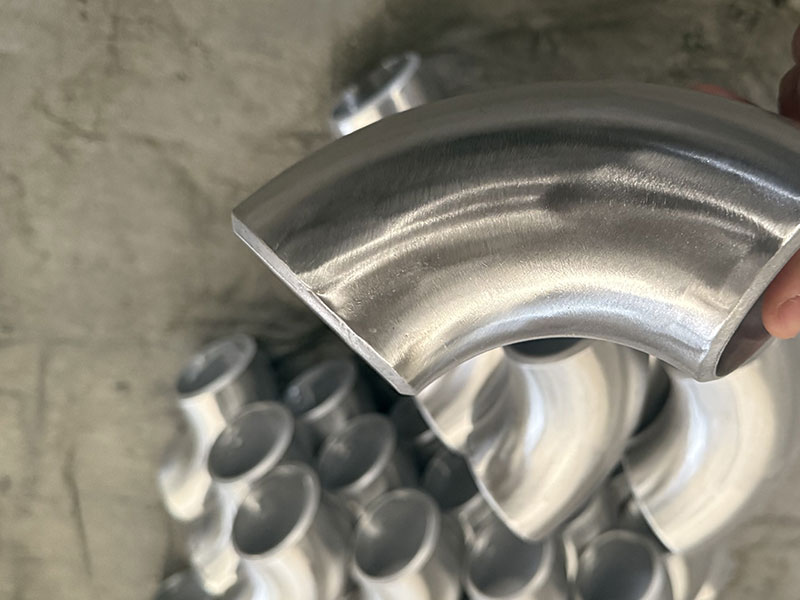
Aluminum Marine Elbow with High Corrosion Resistance
FeaturesHigh corrosion resistance compatible with seawater and brackish environmentsLightweight compared to steel or bronze fittings.
View Details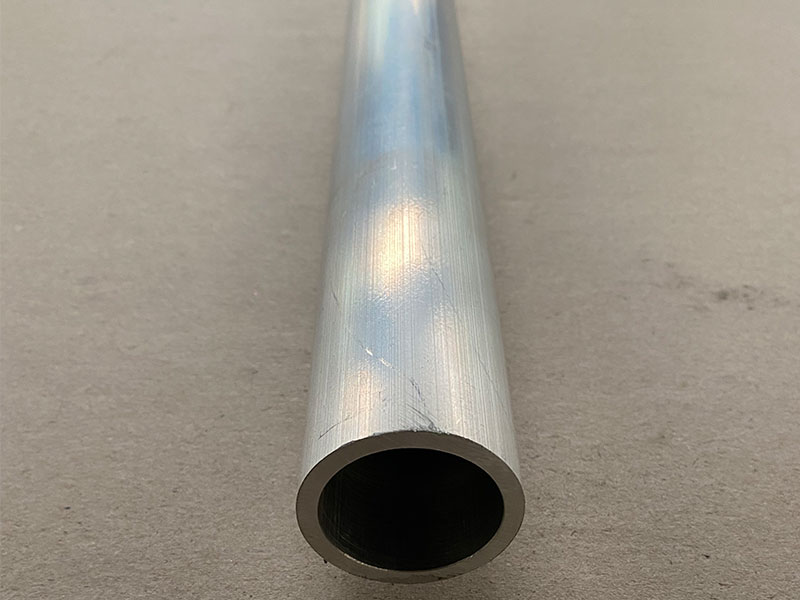
5052 Marine Aluminum Tubes for Heavy Duty Marine Structures
In heavy-duty marine structures, 5052 marine aluminum tubes occupy a very particular niche: they are not the strongest alloy in the shipyard, but they often become the most reliable part of the system when saltwater, vibration.
View Details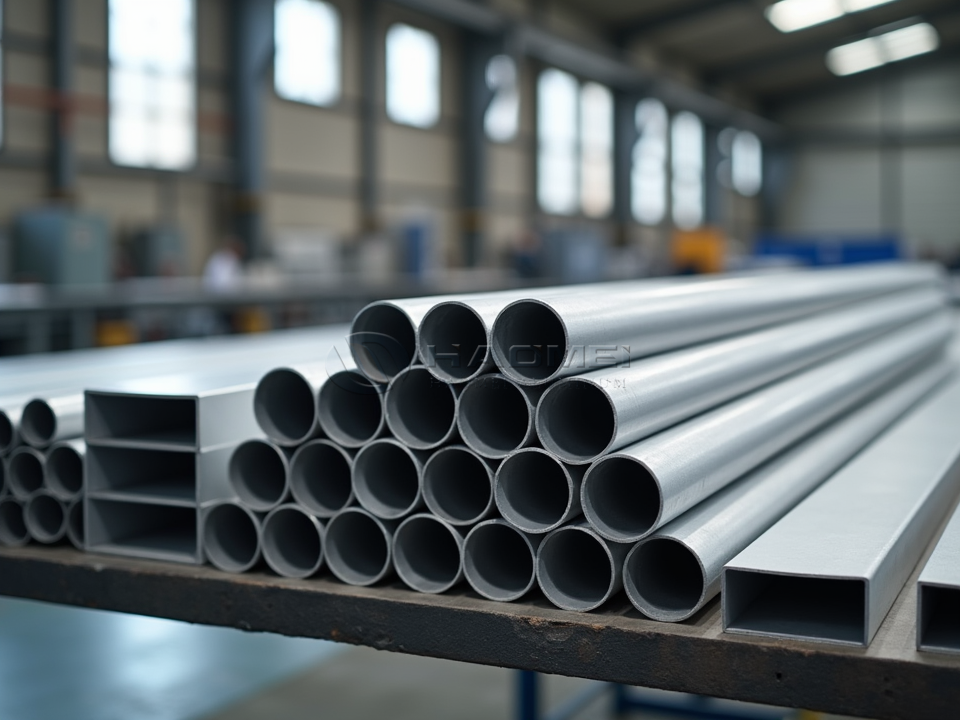
Marine Aluminum Elbow for Fuel Line and Power System Piping on Vessels
Marine aluminum elbow for vessel fuel, cooling, and power piping, with alloy data, pressure ranges, corrosion benefits, and fabrication guidance for yards.
View Details
Marine Aluminum Elbow for Saltwater Inlet and Treatment Systems
Practical details on marine aluminum elbows for seawater inlet and treatment piping, covering corrosion behavior, materials, sizing, and applications.
View Details
Leave a Message