
Marine Aluminum Elbow for Waste Gas Venting on Offshore Rigs
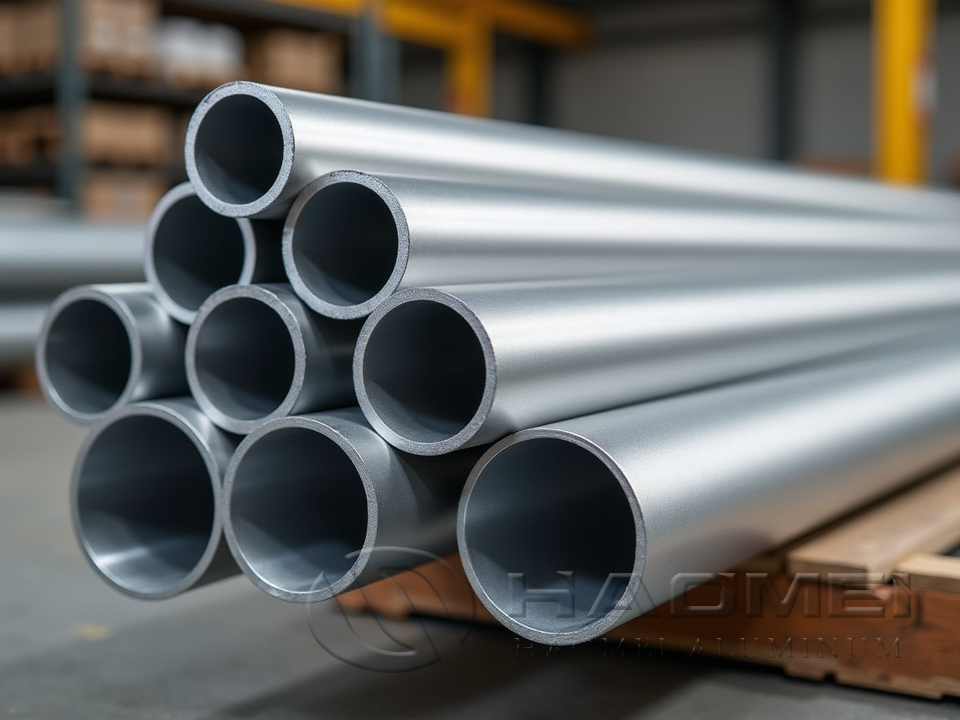
A marine aluminum elbow for waste gas venting on offshore rigs is a directional pipe fitting used to guide exhaust air, treated gas, ventilation discharge, and low-pressure waste gas streams through compact offshore structures. It connects straight aluminum pipe runs, changes flow direction, reduces layout stress, and helps route vent lines around decks, bulkheads, equipment skids, living modules, and process areas.
Offshore rigs demand fittings that resist salt spray, humidity, vibration, and aggressive atmospheric corrosion while keeping structure weight under control. Aluminum elbows answer this requirement with a high strength-to-weight ratio, excellent weldability, and strong performance in marine environments when the correct alloy, temper, coating, and installation practice are selected.
What the Marine Aluminum Elbow Does
The elbow is more than a curved connector. In waste gas venting systems, it performs several practical functions at the same time:
| Function | Practical Value on Offshore Rigs |
|---|---|
| Flow direction control | Routes waste gas around structural members, equipment packages, platforms, and deck openings |
| Layout compactness | Allows vent systems to fit tight module spaces without excessive pipe length |
| Weight reduction | Lowers support load compared with carbon steel or stainless steel fittings |
| Corrosion resistance | Performs well in salt-laden air, splash zones with coating, and humid ventilation routes |
| Vibration accommodation | Reduces rigid-line stress when paired with suitable supports and flexible joints |
| Welded system continuity | Supports welded, flanged, or mechanical connections depending on specification |
Typical elbow angles include 30 degrees, 45 degrees, 60 degrees, 90 degrees, and 180 degrees. The 90-degree type is widely used for vertical risers, deck penetrations, and horizontal-to-vertical gas discharge routing. For engineered pipe networks, a 6061-T6 90-Degree Marine Aluminum Pipe Elbow is often selected where strength, dimensional stability, and corrosion resistance must be balanced.
Offshore Applications
Marine aluminum elbows are used in low-pressure and moderate-temperature venting lines where aluminum is compatible with the gas composition and thermal duty. Common offshore uses include:
| Application Area | Typical Media | Design Considerations |
|---|---|---|
| Machinery space ventilation | Warm air, oil mist traces, treated fumes | Drainage slope, access for cleaning, vibration isolation |
| Waste gas vent headers | Non-condensing process off-gas, purge gas, treated discharge | Gas compatibility, pressure drop, safe discharge height |
| Generator enclosure venting | Warm exhaust ventilation air, not direct hot exhaust unless cooled | Temperature limit, insulation clearance, expansion movement |
| Sewage treatment venting | Odor gas, humid air, chemically treated vapor | Coating selection, condensate management, sealing method |
| Battery room ventilation | Hydrogen-diluted air stream | Static control, classification rules, suitable grounding practice |
| Offshore HVAC exhaust | Return air, galley exhaust after filtration, utility ventilation | Cleanability, fire zone compliance, support spacing |
Aluminum elbows are not intended for uncooled flare lines, direct high-temperature turbine exhaust, or sour gas service unless engineering review confirms alloy suitability, temperature exposure, coating stability, and regulatory acceptance.
Common Alloys and Temper Conditions
The alloy and temper determine strength, weld behavior, corrosion resistance, and forming capability. For offshore vent elbows, 5xxx and 6xxx series aluminum alloys are frequently considered.
| Alloy | Temper | Main Strength | Typical Use in Vent Elbows |
|---|---|---|---|
| 6061 | T6, T651 | High strength, good machinability, good weldability | Structural vent elbows, flanged fittings, rigid duct-pipe transitions |
| 6063 | T5, T6 | Smooth extrusion finish, good corrosion resistance | Light-duty ventilation elbows, architectural module venting |
| 5083 | O, H111, H112 | Excellent seawater resistance, strong welded performance | Harsh marine atmospheres, splash-prone areas, welded pipe systems |
| 5086 | H32, H116 | Marine corrosion resistance, good formability | Deck venting, hull-adjacent ventilation, welded fittings |
| 5052 | H32, H34 | Good formability, moderate strength | Light vent elbows, thin-wall ducting, low-pressure systems |
5xxx alloys are valued for chloride resistance and welded strength retention. 6061-T6 offers higher base metal strength and precise machining behavior, although welded zones lose some T6 strength unless post-weld heat treatment is considered or the design allows for reduced heat-affected-zone properties.
Chemical Composition Reference
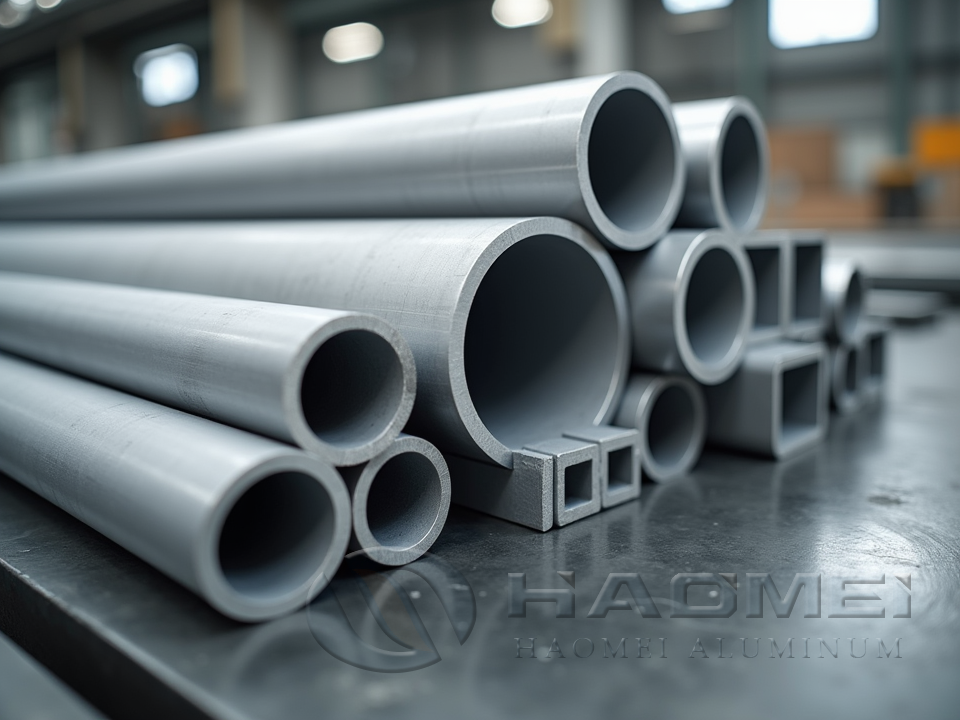
Typical chemical composition ranges are shown as weight percent. Final supply values should be confirmed by mill certificate.
| Alloy | Mg | Si | Mn | Cr | Cu | Zn | Fe | Al |
|---|---|---|---|---|---|---|---|---|
| 6061 | 0.80-1.20 | 0.40-0.80 | Max 0.15 | 0.04-0.35 | 0.15-0.40 | Max 0.25 | Max 0.70 | Balance |
| 6063 | 0.45-0.90 | 0.20-0.60 | Max 0.10 | Max 0.10 | Max 0.10 | Max 0.10 | Max 0.35 | Balance |
| 5083 | 4.00-4.90 | Max 0.40 | 0.40-1.00 | 0.05-0.25 | Max 0.10 | Max 0.25 | Max 0.40 | Balance |
| 5086 | 3.50-4.50 | Max 0.40 | 0.20-0.70 | 0.05-0.25 | Max 0.10 | Max 0.25 | Max 0.50 | Balance |
| 5052 | 2.20-2.80 | Max 0.25 | Max 0.10 | 0.15-0.35 | Max 0.10 | Max 0.10 | Max 0.40 | Balance |
Technical Specifications
Actual dimensions are supplied according to project drawings, pipe schedule, or custom fabrication requirements.
| Parameter | Common Range or Option |
|---|---|
| Outside diameter | 25 mm to 610 mm, larger sizes by fabrication |
| Wall thickness | 2 mm to 20 mm, selected by pressure and rigidity demand |
| Bend angle | 30 degrees, 45 degrees, 60 degrees, 90 degrees, 180 degrees, custom angles |
| Bend radius | 1D, 1.5D, 2D, 3D, 5D, custom radius |
| Connection type | Butt weld, socket weld, flange, clamp, grooved, custom transition |
| Surface finish | Mill finish, brushed, anodized, epoxy coated, powder coated, marine paint system |
| Service pressure | Usually low-pressure venting; project-specific calculation required |
| Operating temperature | Commonly -40 C to 150 C; higher duty requires engineering approval |
| Fabrication route | Mandrel bending, segmented welded elbow, extrusion plus forming, rolled and welded |
| Inspection options | Dimensional check, weld visual inspection, dye penetrant, pressure or leak test |
Long-radius elbows are favored when pressure drop and noise control matter. Short-radius elbows save space but increase turbulence, erosion risk from particulates, and local pressure loss. In corrosive or condensing vent lines, smooth internal surfaces and proper drainage reduce deposit build-up.
Mechanical Data
Values vary with product form, thickness, supplier, and heat treatment. The figures shown are typical reference values.
| Alloy and Temper | Tensile Strength MPa | Yield Strength MPa | Elongation % | Density g/cm3 |
|---|---|---|---|---|
| 6061-T6 | 290-310 | 240-275 | 8-12 | 2.70 |
| 6063-T6 | 205-240 | 170-215 | 8-12 | 2.70 |
| 5083-H112 | 270-350 | 125-200 | 10-16 | 2.66 |
| 5086-H32 | 240-305 | 170-215 | 8-12 | 2.66 |
| 5052-H32 | 210-260 | 160-195 | 8-12 | 2.68 |
Standards and Compliance
Offshore procurement often requires material traceability, class approval, and welding qualification. The following standards are commonly referenced.
| Category | Common Standard | Relevance |
|---|---|---|
| Aluminum chemical composition | EN 573, ASTM B209, ASTM B221 | Alloy identity and chemistry control |
| Aluminum pipe and tube | ASTM B241/B241M, ASTM B345/B345M, EN 755 | Pipe, seamless tube, and extruded tube supply |
| Aluminum structural welding | AWS D1.2, ISO 15614-2, ISO 9606-2 | Welding procedure and welder qualification |
| Piping design | ASME B31.3, ASME B31.1 where applicable | Stress, pressure, supports, fabrication practice |
| Marine classification | ABS, DNV, LR, BV, CCS | Offshore and shipboard approval routes |
| Surface protection | ISO 7599, ISO 12944, NORSOK M-501 where specified | Anodizing, paint systems, offshore coating durability |
| Quality management | ISO 9001, EN 10204 3.1 certificates | Traceability and inspection documentation |
Design Details That Affect Performance
Good vent elbow performance depends on more than alloy selection. The internal bend should be smooth, with no sharp weld protrusions that trap condensate or increase pressure loss. For humid waste gas, the elbow should be installed with drain points or slope toward a collection area. Where dissimilar metals are connected, insulation washers, compatible gaskets, and sealants help reduce galvanic corrosion.
Wall thickness should consider pressure, vacuum, handling damage, vibration fatigue, and possible external loads from supports. Offshore wind, wave-induced movement, compressor pulsation, and module vibration can shorten service life if elbows are unsupported near bends. Clamps should hold the pipe without crushing it and should include suitable liners where necessary.
For hazardous areas, electrical continuity and grounding should follow platform rules. If gas contains chlorides, sulfur compounds, solvents, or acidic condensate, chemical compatibility review is essential before final alloy selection.
Surface Treatment and Protection
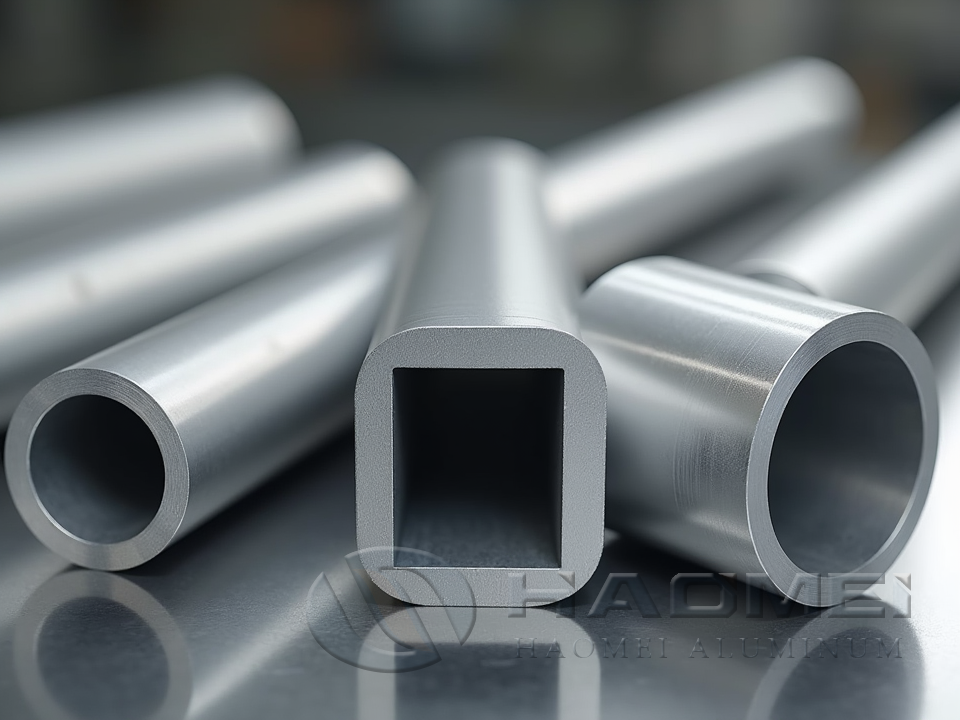
Marine aluminum naturally forms an oxide layer, but offshore exposure may require added protection. Anodizing improves surface hardness and oxidation resistance on suitable 6xxx alloys. Epoxy primers, polyurethane topcoats, and offshore coating systems improve durability in splash zones or aggressive atmospheres. For 5xxx alloys, coating selection should avoid practices that create sensitization risk in long high-temperature exposure.
| Surface Option | Suitable Situation | Benefit |
|---|---|---|
| Mill finish | Indoor modules, mild atmospheric exposure | Cost-effective, easy fabrication |
| Clear or hard anodizing | 6061 and 6063 fittings | Better surface hardness and oxidation resistance |
| Epoxy coating | Humid, salty, or chemically exposed venting | Barrier protection and longer service life |
| Marine paint system | Exposed decks and offshore modules | Color coding, UV resistance, corrosion control |
| Internal coating | Condensing or mildly corrosive gas | Reduces pitting and deposit adhesion |
Purchasing Notes
When ordering a marine aluminum elbow for waste gas venting on offshore rigs, useful information includes alloy, temper, diameter, wall thickness, bend angle, bend radius, connection type, coating, inspection class, certificate requirement, and intended gas composition. Drawings should also show tolerances, flange standard, weld bevel, support positions, and any need for drain bosses or inspection ports.
A well-specified aluminum elbow helps offshore operators reduce topside weight, simplify routing, resist marine corrosion, and maintain safe vent discharge. With correct alloy selection, qualified welding, proper coating, and class-compliant documentation, it becomes a reliable component for long-term offshore waste gas venting systems.

Related Products
Marine aluminum rectangular tubes
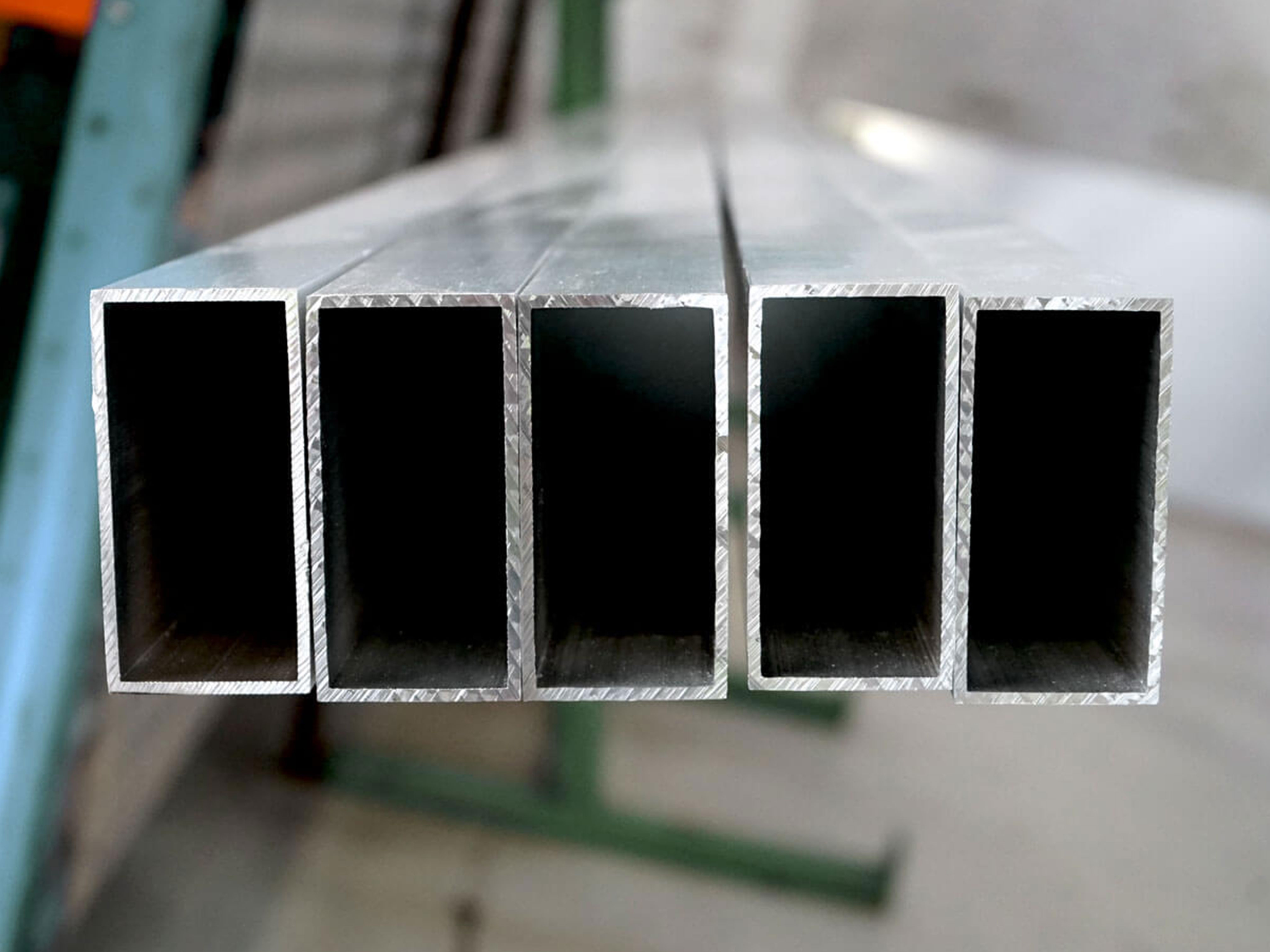
Marine Grade Aluminum Rectangular Tubes are made from high-performance alloys such as 5083, 5052, 6061, and 6082. These alloys are renowned for their ability to resist corrosive seawater and marine atmospheres while providing excellent mechanical strength and toughness.
View Details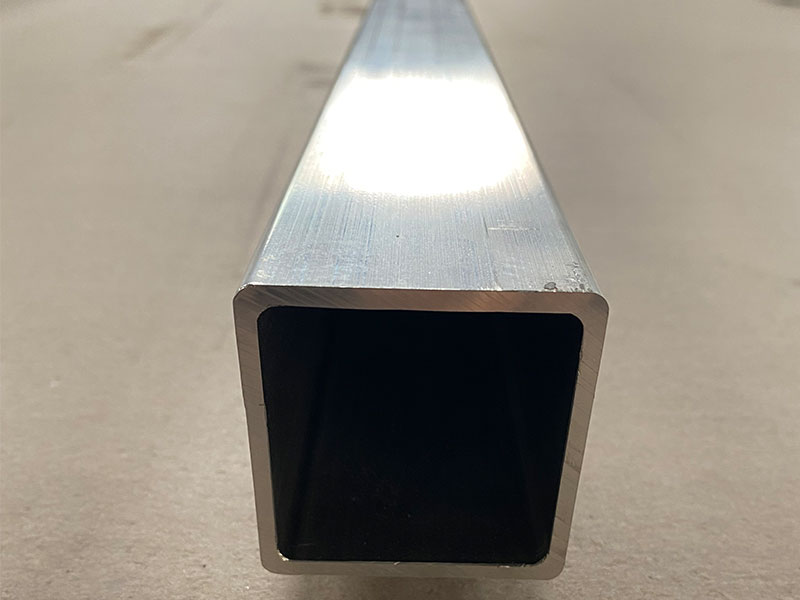
Marine aluminum square tubes
Marine Grade Aluminum Square Tubes are typically constructed from marine-grade alloys such as 5083, 5052, 6061, and 6082—well-known for their ability to withstand the aggressive effects of saltwater and marine atmospheres.
View Details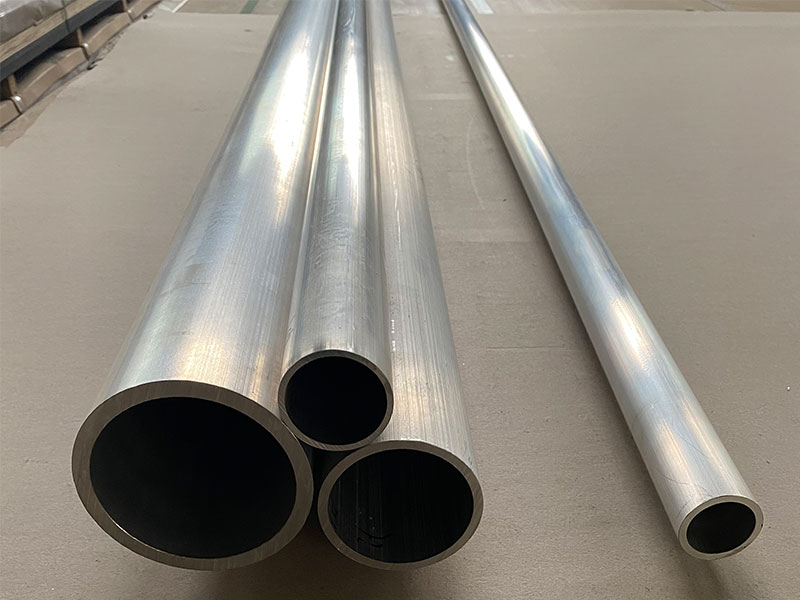
Marine aluminum round tubes
Marine Grade Aluminum Round Tubes are manufactured from premium marine alloys such as 5083, 5052, 6061, and 6082, all selected for their proven resistance to seawater corrosion and marine atmosphere degradation.
View Details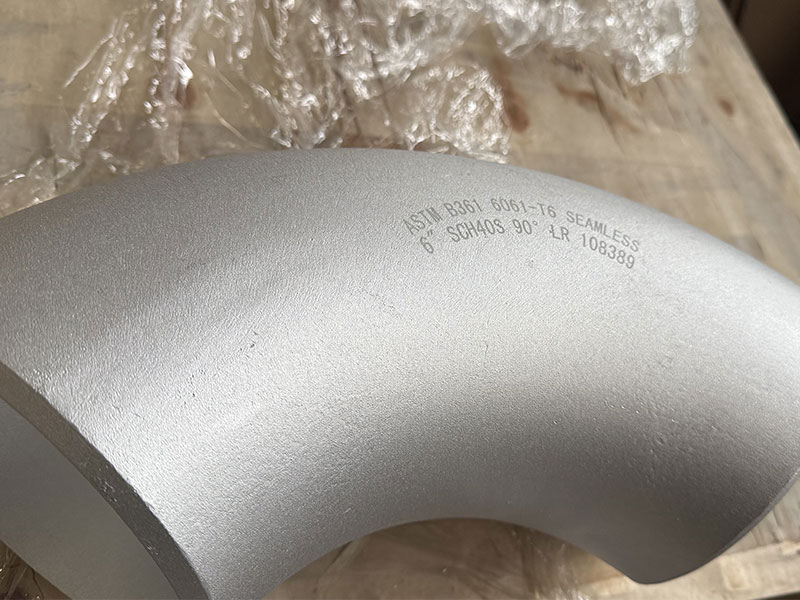
6061-T6 90-Degree Marine Aluminum Pipe Elbow
Manufactured from premium 6061-T6 marine-grade aluminum alloy, this elbow fitting is engineered to provide reliable and efficient pipe direction changes within shipbuilding, offshore platforms, and marine infrastructure systems.
View Details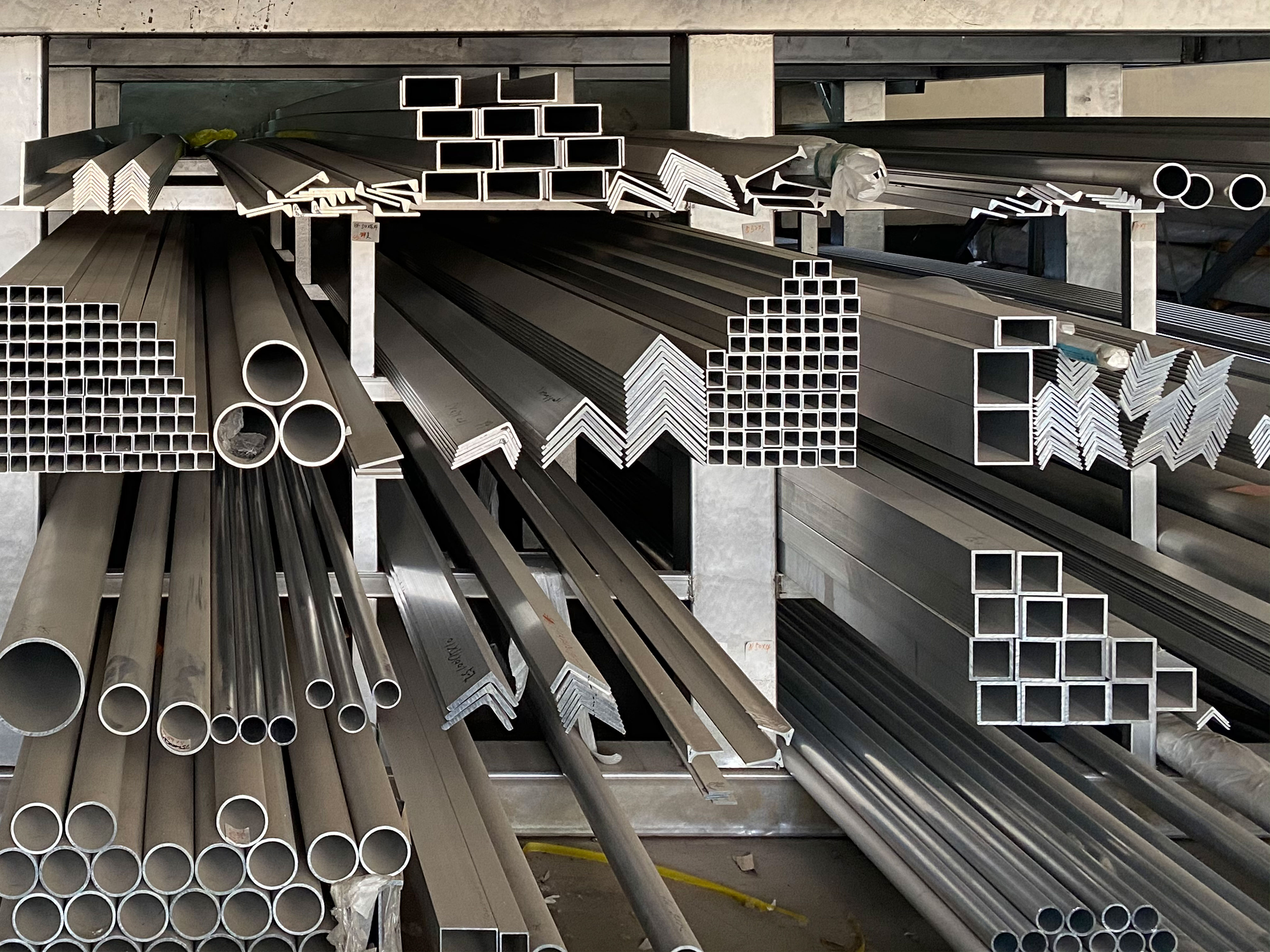
Custom marine aluminum profile tubes
Custom Marine Grade Aluminum Profile Tubes are manufactured from premium marine aluminum alloys such as 5083, 5052, 6061, and 6082.
View DetailsRelated Blog
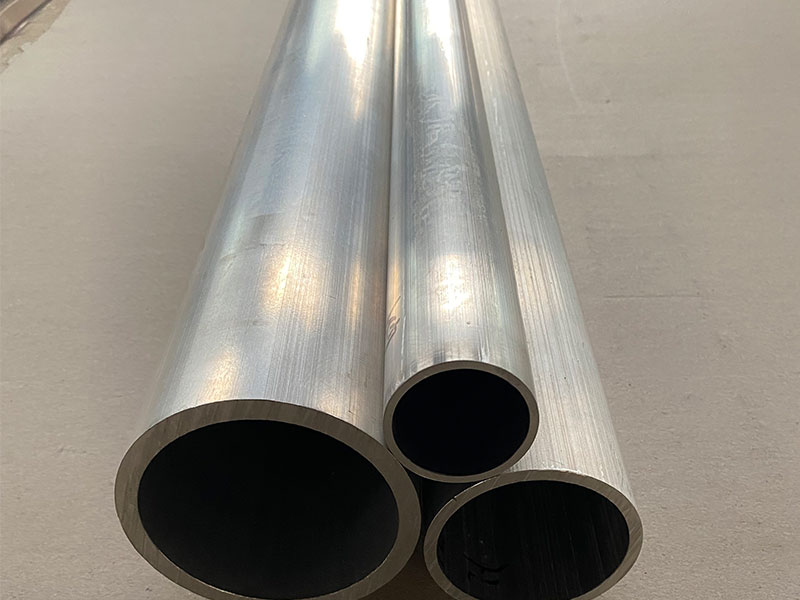
6082 Marine Aluminum Tubes for Coastal Marine Infrastructure
In native natural ecosystems straddling our planet’s coastlines, coastal marine infrastructure serves as the lifeblood of myriad industries, ranging from transportation to tourism, aquaculture, and conservation initiatives.
View Details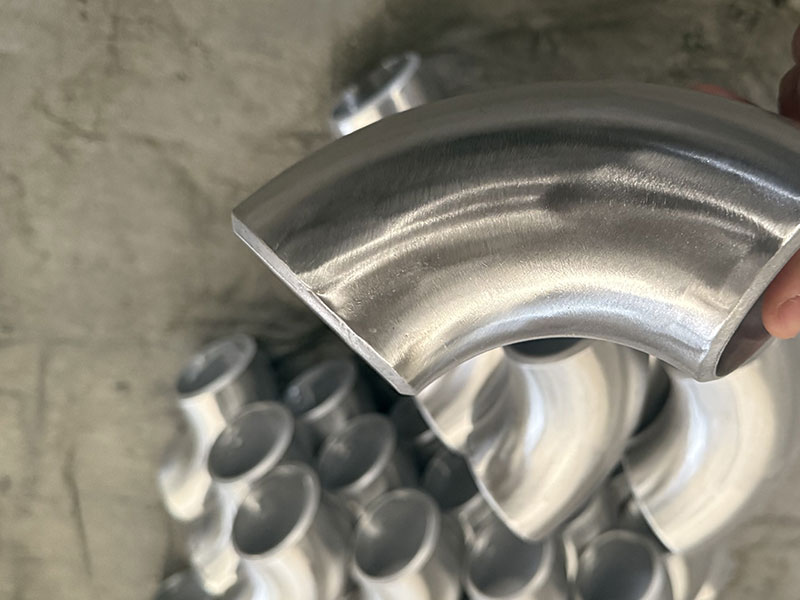
45 Degree Marine Aluminum Elbow for Ship Plumbing Systems
The 45 Degree Marine Aluminum Elbow is a precision-formed pipe fitting designed for ship plumbing, cooling, ballast, fuel, and utility systems. Engineered specifically for harsh marine environments, this elbow delivers high corrosion resistance.
View Details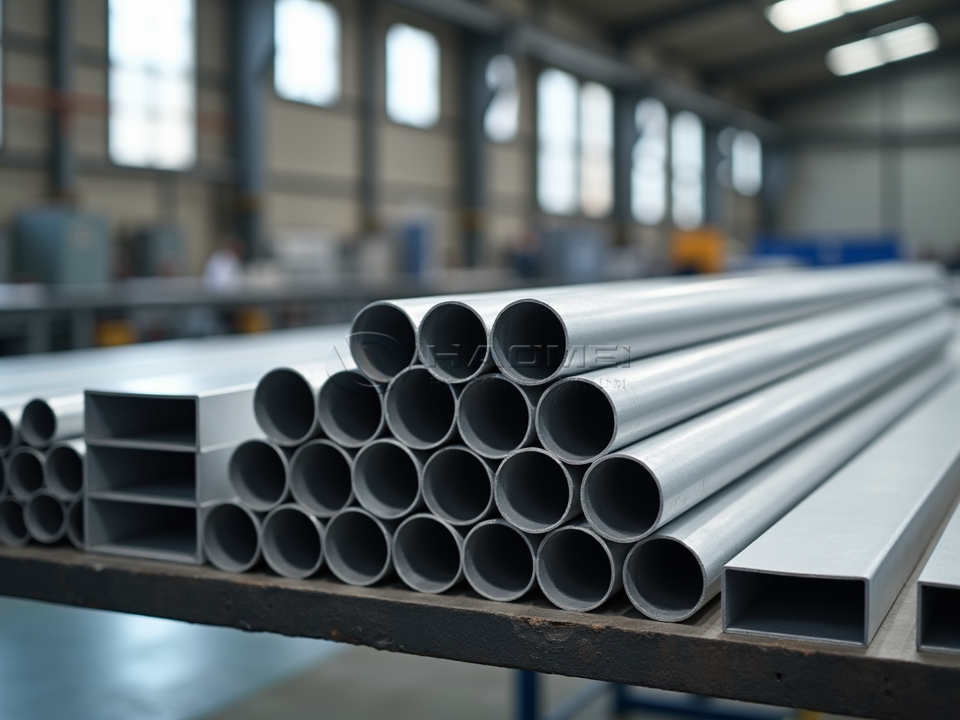
Marine Aluminum Elbow for Fresh Water Filtration and Distribution
Marine aluminum elbows provide lightweight, corrosion-resistant direction changes for reliable fresh water filtration and distribution piping.
View Details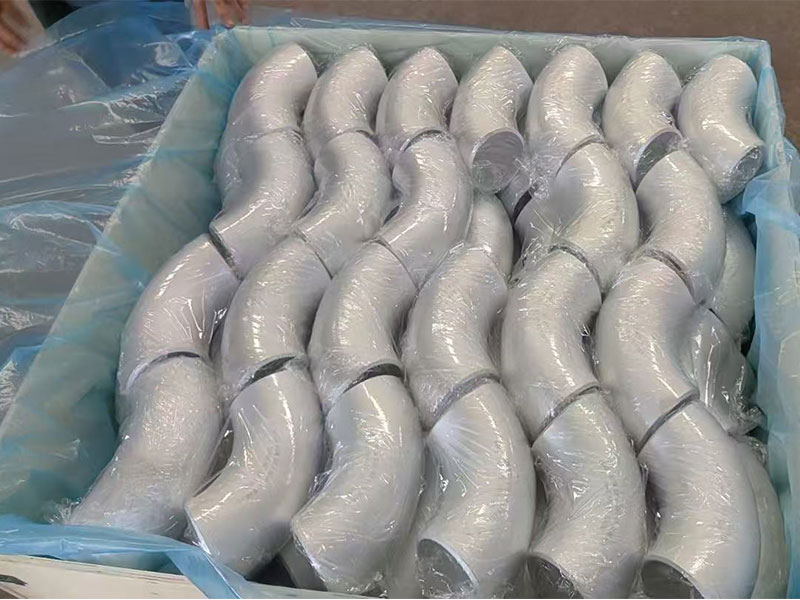
5083 Marine Aluminum Tubes for Saltwater Exposure Resistance
In the marine world, corrosion is never just a surface problem. It is a slow negotiation between metal, salt, oxygen, moisture, stress, and time. Among the aluminum alloys used in offshore structures, shipbuilding, dock systems, desalination equipment.
View Details
Marine Aluminum Elbow for Pressurized Water Systems on Ships
Explore our high-grade Marine Aluminum Elbow designed specifically for pressurized water systems onboard ships. Engineered for superior corrosion resistance, durability, and compliance with maritime standards, this product ensures reliable fluid dynamics
View Details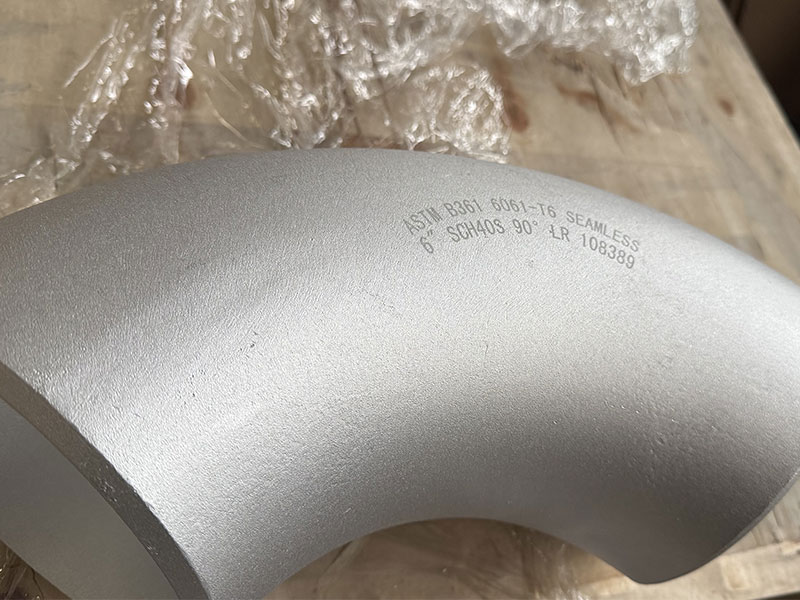
5083 Marine Aluminum Tubes for Saltwater Environment Durability
When it comes to marine applications, durability, corrosion resistance, and mechanical performance are paramount for structural materials. Among the various aluminum alloys available, 5083 aluminum alloy stands out as a premium choice.
View Details
Leave a Message