
6061 Marine Aluminum I Beams for Offshore Platform Frame Design
Offshore frame design is often discussed in terms of strength, but the more practical question is this: how will the structure behave after years of vibration, salt spray, maintenance traffic, and equipment replacement? That viewpoint changes how engineers use 6061 marine aluminum I beams.
For offshore platforms, aluminum I beams are usually most effective in secondary structural work rather than in every major load-bearing member. They can support walkways, access bridges, equipment skids, handrail foundations, modular deck frames, service platforms, ladder landings, and lightweight enclosure structures. Their value comes from reducing dead weight while still providing an efficient section shape for bending loads.
A lighter frame can reduce lifting demands during installation, ease module handling, and lower loads transferred to supporting steel or concrete. Yet offshore aluminum design must be treated as a complete system. The beam is only one part of the answer. Weld condition, joint geometry, drainage, material isolation, inspection access, and cyclic loading determine whether the frame remains dependable in service.
Why the I-Beam Shape Works Offshore
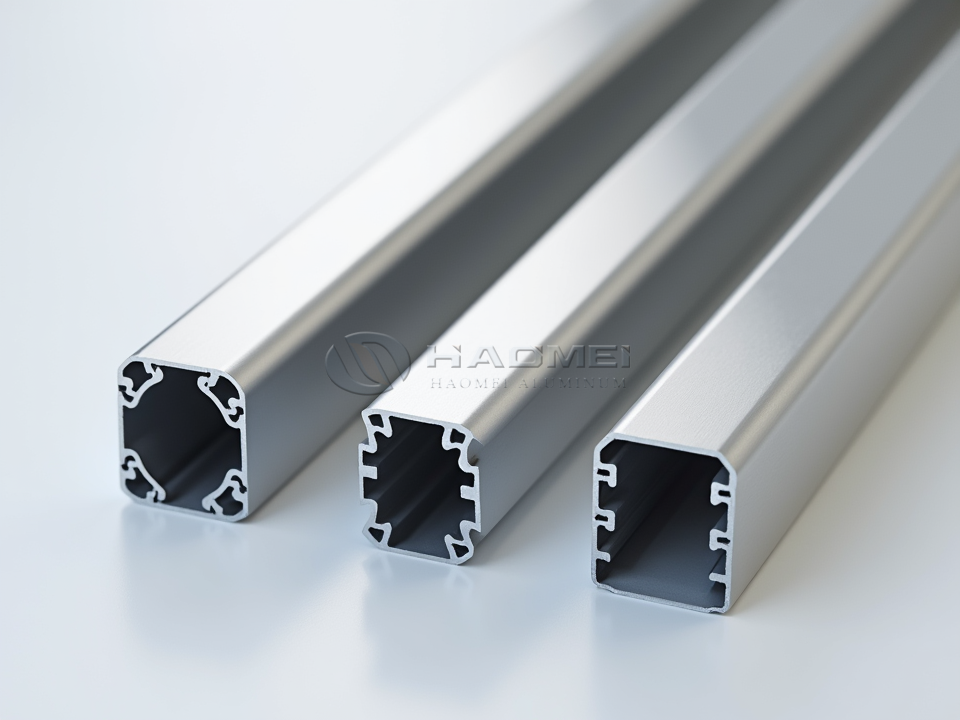
An I beam places most of its material in the flanges, away from the neutral axis. This makes it efficient for resisting bending when loads act through the web plane. In an offshore access frame, that may mean supporting grating, maintenance personnel, pipe supports, cable tray loads, or compact machinery.
6061-T6 aluminum is widely selected because it offers a useful balance of strength, machinability, extrudability, and fabrication flexibility. Compared with heavier structural materials, its density is about one-third of steel. This does not mean an aluminum beam can simply replace a steel beam of the same dimensions. Aluminum has a lower elastic modulus, so deflection and vibration often govern the design before basic strength does.
For this reason, beam depth is frequently more valuable than adding material randomly. A deeper 6061 I beam can improve stiffness substantially while keeping the frame light. Designers should check serviceability early, especially for pedestrian platforms, instrument frames, and members carrying sensitive equipment. A frame that is safe but noticeably flexible can create discomfort, loosen connections, or affect mounted systems.
For applications requiring matched profiles around a beam network, Marine Grade Aluminum Extrusions can provide complementary sections for bracing, edge members, covers, and fabricated details.
Use 6061 Where Its Advantages Are Real
The most sensible location for 6061 aluminum I beams is generally above the persistent splash zone, in controlled deck areas, elevated access structures, accommodation-related frames, or removable modules. In these locations, their low mass can bring measurable benefits during fabrication and offshore lifting.
The splash zone demands extra caution. Repeated wetting, drying, impact exposure, marine growth, and crevice conditions create an aggressive environment. Where a beam will remain wet, receive trapped deposits, or sit directly against dissimilar materials, designers may need a different alloy strategy, more robust coating protection, or a revised structural arrangement.
6061 is not automatically a poor marine choice, but it is not a substitute for corrosion planning. Its performance depends strongly on surface condition and detailing. Freshwater wash-down capability, free drainage, accessible inspection faces, and properly designed interfaces can influence service life as much as nominal alloy selection.
Welded Frames Need a Different Strength Mindset
One of the most important details in offshore aluminum work is the heat-affected zone. 6061-T6 receives much of its strength from heat treatment. Welding locally reduces that temper, so the region next to a weld may have substantially lower mechanical properties than the parent beam.
This means a welded 6061-T6 I-beam frame should not be designed using only the un-welded T6 strength values. The connection region must be evaluated using allowable properties appropriate to the welded condition and the governing design code. The same care applies to attachments such as pad eyes, gussets, pipe shoes, bracket plates, and grating clips.
A practical fabrication approach is to keep highly stressed connections away from the beam's most critical bending region where possible. For example, a support bracket placed near a beam end may be easier to manage than one added at midspan, where bending demand is highest. If a welded detail cannot be avoided, use smooth load paths, adequate gusset geometry, and transitions that reduce stress concentration.
Bolted connections can preserve more of the original temper, but they introduce their own offshore concerns. Bolt materials must be selected carefully to limit galvanic corrosion. Isolating washers, sleeves, sealants, and suitable coatings may be required when stainless steel fasteners connect to aluminum. Drainage around bolted joints is also essential because trapped seawater can turn a small joint gap into a corrosion site.
Design Connections as Water-Shedding Details
A good offshore aluminum frame should behave like a roof: it should encourage water to leave. Flat ledges, unsealed lap joints, upward-facing channels, and tight crevices can retain saltwater and contaminants. Those locations are harder to inspect and more likely to develop localized corrosion.
For 6061 marine aluminum I beams, specify end closures or drainage openings where internal cavities or fabricated traps may collect water. Arrange stiffeners and connection plates so they do not create pockets at the flange-web intersection. Avoid placing aluminum directly against carbon steel without an engineered isolation system. Coatings, dielectric barriers, non-absorbing pads, and sealed interfaces help interrupt galvanic paths.
When the frame includes transverse members, carefully selected Marine aluminum I-beams can form a clean load-carrying grid while maintaining open access for cleaning and inspection. The objective is not just to create a rigid platform on day one. It is to create a frame that crews can wash, inspect, repair, and modify without dismantling half the module.
Fatigue Is Often More Important Than a Single Heavy Load
Offshore structures see repetitive action. Machinery vibration, wave-induced movement, wind excitation, personnel traffic, crane activity, and thermal expansion can impose many small stress cycles. A beam that easily survives one static load may still need attention at welded attachments and abrupt geometry changes.
Fatigue-conscious design favors smooth transitions, generous radii, continuous load paths, and reduced eccentricity. Avoid forcing loads through one small bracket welded onto a thin flange. Spread loads through doubler plates or properly proportioned connection assemblies when necessary. Ensure that pipe supports and equipment bases account for movement, rather than restraining thermal expansion until the frame becomes the unintended spring.
Inspection should be designed into the geometry. If a weld, bolt group, or corrosion-prone interface cannot be seen, it cannot be efficiently maintained. Leave practical clearance around beam flanges, especially at deck intersections and equipment supports. In offshore service, accessible details are often the details that last.
A Balanced Material Decision
6061 marine aluminum I beams are not a universal replacement for steel, nor are they intended for every heavily loaded primary platform member. Their strongest role is in lightweight offshore structures where transport weight, corrosion management, modular fabrication, and maintainable access all matter.
The best frame design starts by classifying the environment and load path. Determine whether the member is above deck, exposed to spray, intermittently immersed, near dissimilar metals, or subject to constant vibration. Then size the I beam for strength, deflection, local buckling, connection demand, and fatigue performance. Finally, detail the frame so water drains away and inspection crews can reach the areas that matter.
When those decisions are made together, 6061 aluminum I beams become more than lightweight structural members. They become practical tools for building offshore frames that are easier to lift, simpler to maintain, and better prepared for the realities of marine operation.

Related Products
Marine aluminum angles
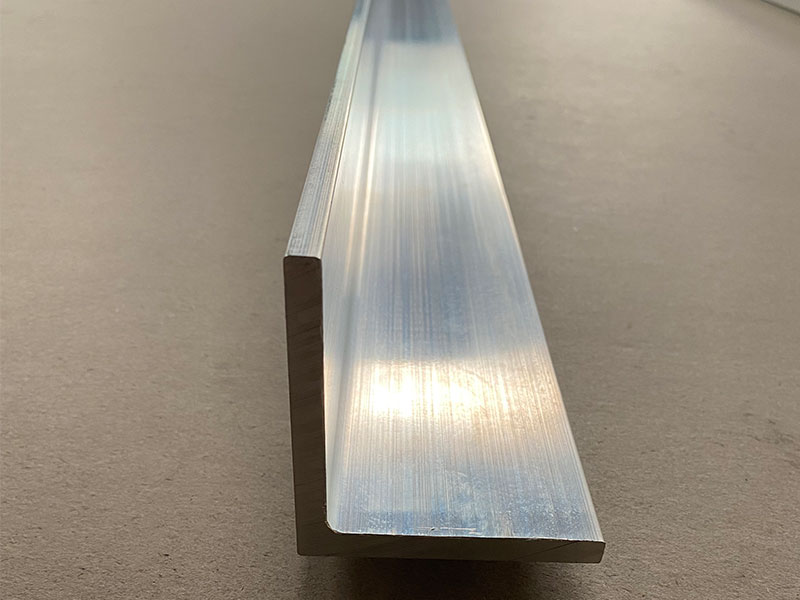
Marine Aluminum Angles are L-shaped cross-sectional aluminum profiles produced from marine-grade aluminum alloys such as 5083, 5052, and 6061.
View Details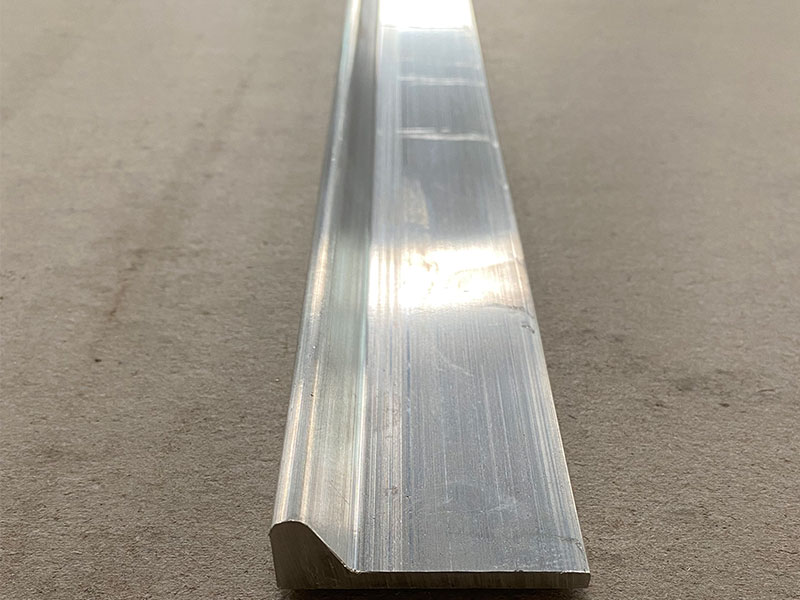
Marine aluminum I-beams
Marine Aluminum I-Beams feature the traditional “I” cross-sectional profile fabricated from marine-grade aluminum alloys like 5083, 5086, and 6061. These alloys are renowned for their outstanding corrosion resistance, especially in saltwater and marine atmospheres, making them ideal for offshore and naval construction.
View Details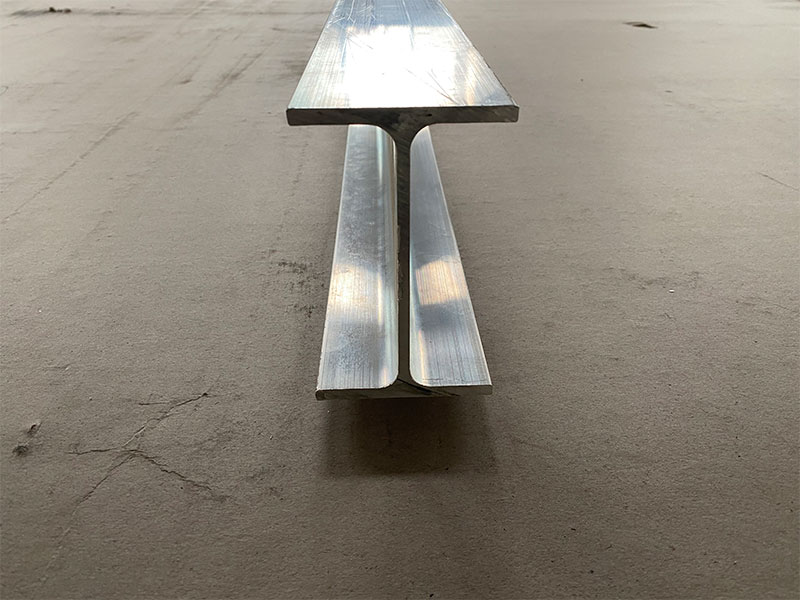
Marine aluminum Z-shaped sections
Marine Aluminum Z-shaped Sections are fabricated from premium marine-grade aluminum alloys such as 5083, 5052, and 6061. These alloys are well-regarded for their superior corrosion resistance in seawater and marine atmospheres, along with good mechanical strength and excellent weldability.
View Details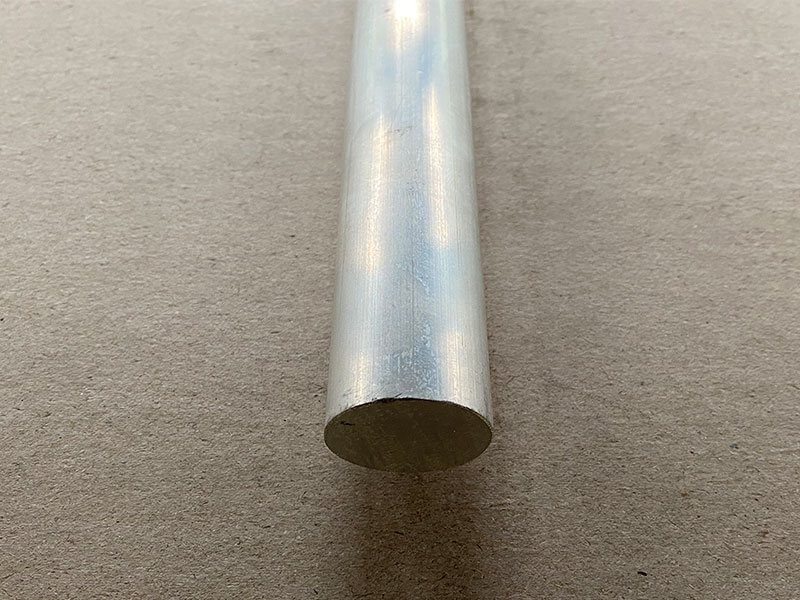
6061 marine aluminum round bar
6061 aluminum belongs to the 6xxx series alloys, alloyed primarily with magnesium and silicon. In the T6 temper, it undergoes solution heat treatment and artificial aging, resulting in enhanced mechanical properties while maintaining excellent corrosion resistance.
View Details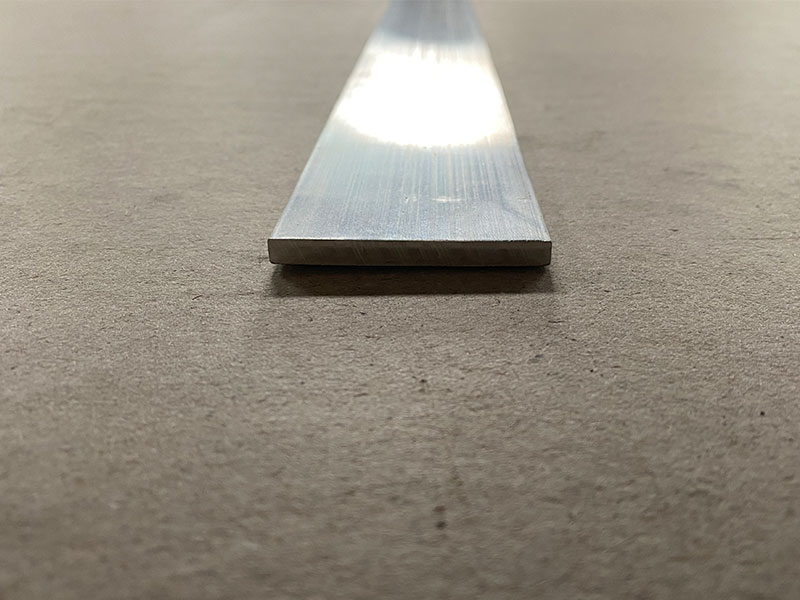
5083 marine aluminum flat bar
5083 aluminum flat bars belong to the 5xxx series of aluminum-magnesium alloys, known primarily for their superior resistance to seawater corrosion and salt spray.
View Details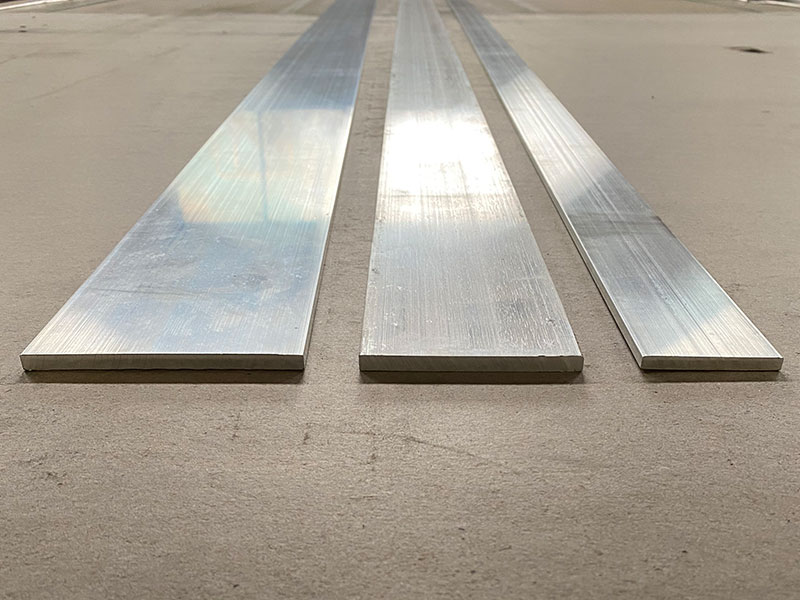
6061 T6 marine aluminum flat bar
6061 aluminum is classified as a heat-treatable 6xxx series alloy, alloyed primarily with magnesium and silicon. The T6 temper designation indicates that the flat bar has been solution heat-treated and artificially aged to achieve optimum strength and hardness.
View DetailsRelated Blog
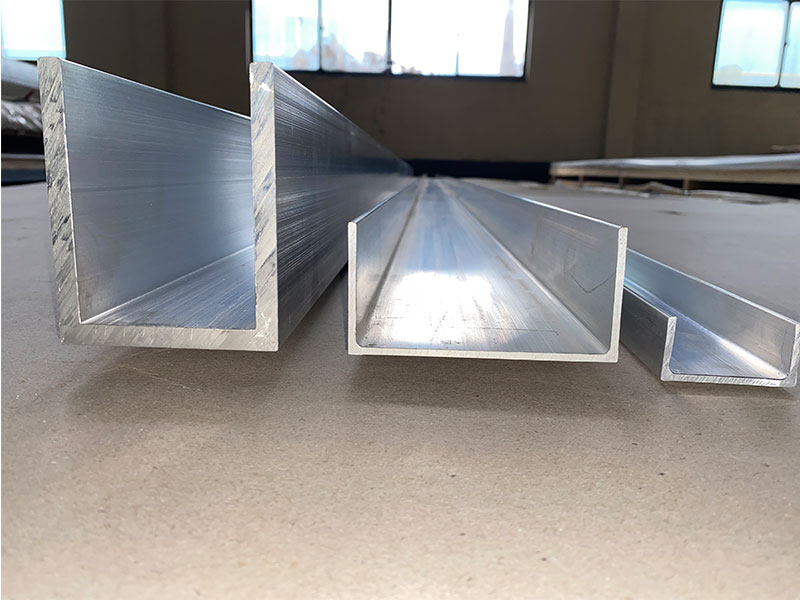
5083 5086 6061 6082 marine aluminum channel
IntroductionMarine aluminum channel is an essential structural product in shipbuilding, offshore platforms, marine fittings, and related coastal infrastructure. Compared with steel.
View Details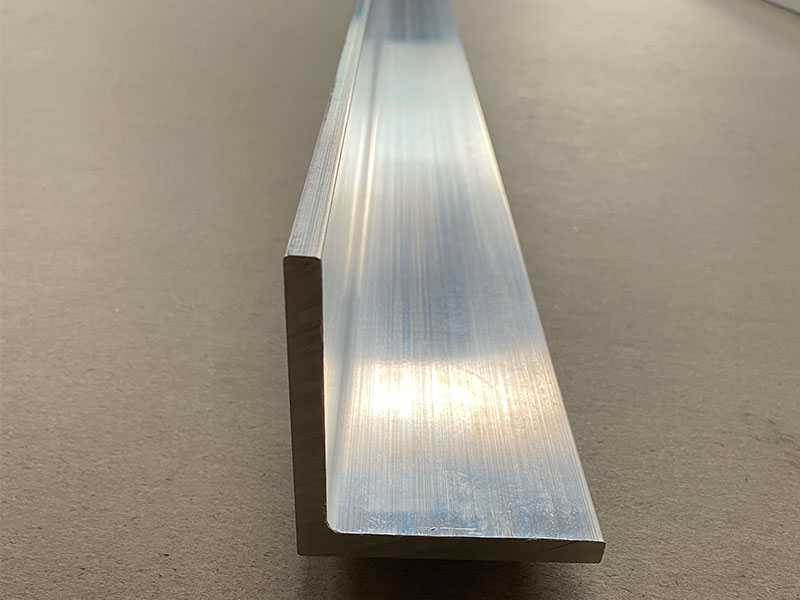
Marine Aluminum Angles for Boat Hull Frame and Structural Support
When it comes to marine construction, selecting the right materials is crucial to ensure durability, corrosion resistance, and structural integrity.
View Details
5083 Marine Aluminum Flat Bar for Offshore Platform Design
5083 marine aluminum flat bar delivers high strength, outstanding corrosion resistance, and excellent weldability, making it a preferred material choice for offshore platform design, topside structures, walkways, brackets.
View Details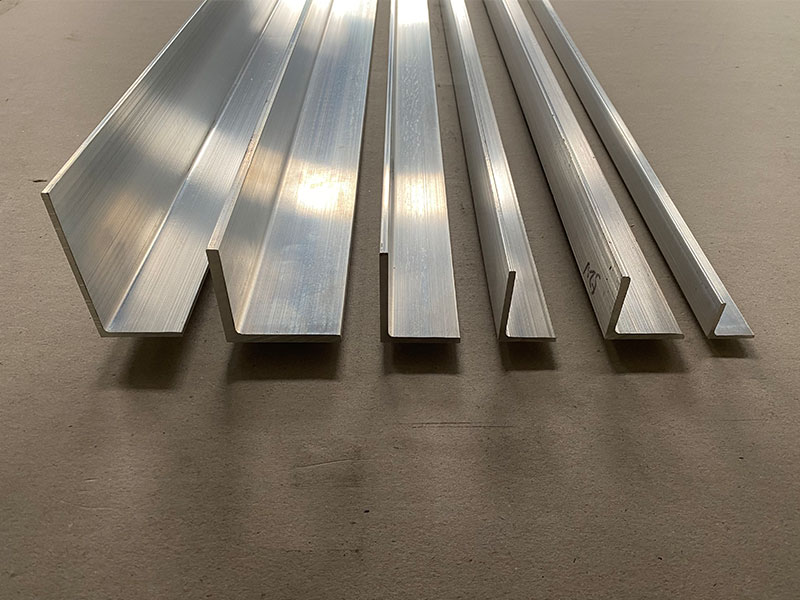
Marine Aluminum Round Bar for Custom Offshore Platform Fabrication
In the realm of offshore engineering, material selection is critical to ensuring the longevity, safety, and performance of marine structures.
View Details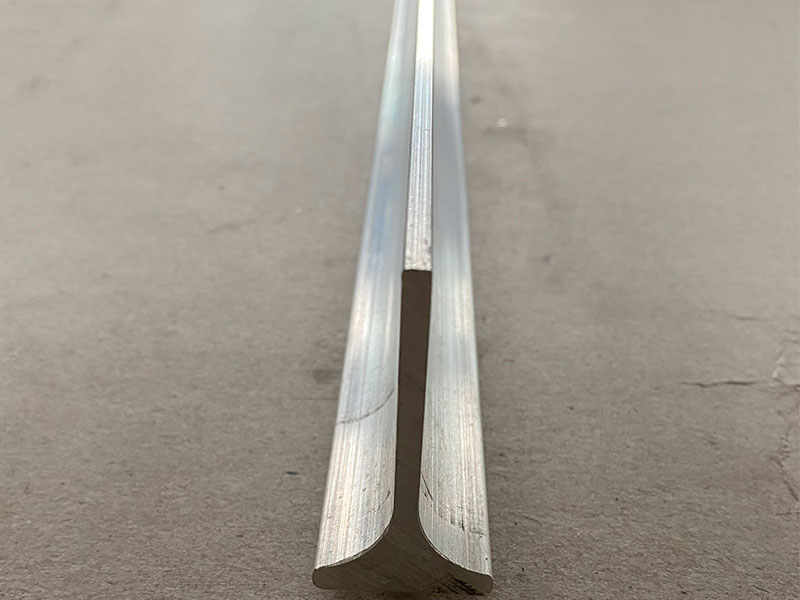
Marine Aluminum Round Bar for Custom Shipbuilding and Repair Parts
Marine Aluminum Round Bar for Custom Shipbuilding and Repair Parts Marine aluminum round bar has become one of the most strategic materials in modern shipyards, especially where custom machining, rapid repair.
View Details
6061 Marine aluminum angles
6061 Marine Aluminum Angles are among the most popular and versatile aluminum alloy products used in marine and structural engineering applications. Renowned for their excellent strength, corrosion resistance, and machinability.
View Details
Leave a Message