
5086 Marine Aluminum I Beams for Custom Coastal Marine Construction
Coastal construction is rarely gentle on structural materials. Salt spray reaches places that were never intended to get wet, tidal movement creates repeated loading, and marine hardware can introduce galvanic corrosion risks. In this environment, a beam is not merely a load-bearing member. It becomes part of a long-term corrosion-control strategy.
5086 marine aluminum I beams offer an effective structural option for custom docks, floating platforms, access gangways, marina walkways, boat-lift frames, work barges, coastal observation decks, and lightweight support structures. The alloy is especially valued where seawater exposure, weldability, and lower structural weight matter as much as strength.
Why 5086 Performs Well Near Saltwater
5086 is an aluminum-magnesium alloy from the 5xxx series. Unlike heat-treatable 6xxx alloys, its strength is primarily developed through controlled strain hardening rather than solution heat treatment and artificial aging. This gives 5086 a practical advantage in marine fabrication: it retains excellent corrosion resistance and can be welded without the severe corrosion concerns associated with many high-strength alloys.
For coastal builders, the real value of a 5086 I beam is not simply its corrosion resistance in laboratory conditions. It is its ability to remain dependable when construction details are imperfect. A well-designed 5086 beam can tolerate humid air, splash-zone exposure, standing water risks, and repeated seasonal use when proper drainage, isolation, and finishing practices are included.
An I-beam shape is also structurally efficient. Its flanges resist bending stresses, while the web transfers shear loads. This geometry allows engineers to place material where it works hardest, reducing dead weight compared with solid bars or oversized rectangular members. Lower weight can simplify installation on floating docks, reduce lifting requirements, and limit loads transferred to pontoons or pile-supported platforms.
Typical Applications in Coastal Construction
Custom 5086 marine aluminum I beams are commonly specified for long-span structures where low weight and corrosion performance must work together. They can support deck framing, gangways, catwalks, small marina bridges, equipment platforms, vessel boarding ramps, floating dock transitions, and lightweight marine utility frames.
In a floating dock system, an I beam may serve as the principal longitudinal stiffener beneath deck panels. In a gangway, it can act as the main side rail or lower support member. For a coastal service platform, fabricated I sections can carry localized equipment loads while keeping the structure manageable during transport and assembly.
Where connections require secondary stiffeners, designers often combine I beams with Marine aluminum angles for brackets, edge reinforcement, and gusseted joints. For broader structural systems, matching Marine aluminum I-beams can help maintain consistent material selection across the project.
5086 Aluminum Chemical Composition
The chemical balance of 5086 is built around magnesium for strength and marine corrosion resistance, with manganese and chromium contributing to structural stability and corrosion behavior. Composition limits are normally expressed as mass percentage.
| Element | Composition, % |
|---|---|
| Magnesium, Mg | 3.5-4.5 |
| Manganese, Mn | 0.20-0.70 |
| Chromium, Cr | 0.05-0.25 |
| Iron, Fe | 0.50 max |
| Silicon, Si | 0.40 max |
| Zinc, Zn | 0.25 max |
| Copper, Cu | 0.10 max |
| Titanium, Ti | 0.15 max |
| Other elements, each | 0.05 max |
| Other elements, total | 0.15 max |
| Aluminum, Al | Balance |
The low copper level is especially relevant for saltwater service. Copper can reduce corrosion resistance in certain aluminum alloys, so 5086 is formulated to avoid that tradeoff. Magnesium supplies strength without sacrificing the alloy's strong response to marine exposure.
Tempers and Mechanical Properties
5086 is supplied in several tempers depending on the manufacturing route, section geometry, and structural demand. Common marine tempers include H111, H112, H116, and H321. Not every temper is available for every I-beam size, particularly for large custom fabricated sections, so the final specification should match the mill product form and project drawings.
| Temper | Common Use Condition | Typical Tensile Strength | Typical Yield Strength | Corrosion Consideration |
|---|---|---|---|---|
| H111 | Lightly strain-hardened, stabilized condition | Approx. 240 MPa | Approx. 125 MPa | Good for formed and welded marine parts |
| H112 | As-fabricated or strain-hardened condition | Approx. 240-290 MPa | Approx. 125-165 MPa | Suitable for structural shapes and fabricated members |
| H116 | Strain-hardened and stabilized for marine exposure | Approx. 290 MPa | Approx. 205 MPa | Designed for strong resistance to exfoliation corrosion |
| H321 | Strain-hardened and stabilized condition | Approx. 290 MPa | Approx. 205 MPa | Common for marine plate and demanding saltwater service |
Mechanical values vary with thickness, product form, testing direction, and governing specification. Engineering calculations should use certified mill test report values and the applicable design code rather than general figures.
5086 should not be specified as T6. T6 is a heat-treatment temper generally associated with alloys such as 6061. For 5086, H-series tempers are the correct language for ordering and design documentation.
Dimensions and Practical Parameters
Custom I beams may be produced as extruded shapes where geometry and production volume allow, or fabricated from 5086 plate using welded flanges and webs. Fabricated beams provide greater freedom for deep sections, heavier flanges, asymmetric profiles, and project-specific connection details.
Typical parameters to define in a purchase request include beam depth, flange width, flange thickness, web thickness, overall length, straightness tolerance, cut tolerance, temper, surface condition, required certification, and welding requirements. Structural designers should also state service exposure, expected loading, support spacing, drainage direction, and attachment materials.
For preliminary planning, 5086 has a density of approximately 2.66 g/cm³, an elastic modulus near 70 GPa, and a melting range around 575-640°C. Aluminum's modulus is lower than steel, so deflection control often governs beam sizing before strength capacity does. A deeper aluminum I section can be more effective than simply increasing flange thickness, especially on long gangway spans.
Standards and Compliance Considerations
Material standards depend on whether the beam is extruded, rolled, or fabricated from plate. Common references include ASTM B928/B928M for high-magnesium aluminum-alloy plate intended for marine service, ASTM B209 for aluminum sheet and plate, and ASTM B221 for aluminum extruded bars, rods, wire, profiles, and tubes. EN 485, EN 515, and EN 755 may also be relevant for projects using European standards.
For marine structures, class society or project rules may introduce additional controls. ABS, DNV, Lloyd's Register, and other marine authorities may require traceability, approved welding procedures, material certificates, inspection documentation, or corrosion testing according to the vessel or offshore application.
Fabrication Details That Protect Service Life
5086 is highly weldable using suitable filler metals such as 5183, 5356, or 5556, selected according to joint design, service temperature, and required strength. Gas metal arc welding and gas tungsten arc welding are widely used. Heat input should be managed because the heat-affected zone becomes softer than the parent H-temper material.
Good coastal fabrication is as much about water management as alloy selection. Beam webs should not create sealed pockets that trap saltwater. Drain holes, accessible cleaning areas, smooth weld transitions, and sensible orientation all help prevent crevice corrosion. Stainless steel fasteners should be electrically isolated with compatible nonconductive washers, sleeves, or coatings to reduce galvanic attack.
A bare mill finish can perform well in many marine applications, but coating, anodizing, or a marine paint system may be selected for appearance, additional protection, or easier inspection. Surface preparation must match the chosen finish. Thick oxide, oil, weld residue, and embedded steel contamination should be removed before coating.
A Structural Choice Designed for Real Coastal Conditions
5086 marine aluminum I beams bring together low weight, weldability, seawater resistance, and flexible custom fabrication. They are particularly effective when a project needs long-lasting structural support without the handling burden and corrosion-maintenance cycle often associated with conventional steel members.
For dock builders and coastal engineers, the best beam is not always the heaviest one. It is the member that fits the load path, drains properly, accepts reliable welds, avoids corrosion traps, and stays serviceable after years of tides, spray, traffic, and weather. Properly specified 5086 I beams are built for exactly that kind of work.

Related Products
Marine aluminum channels
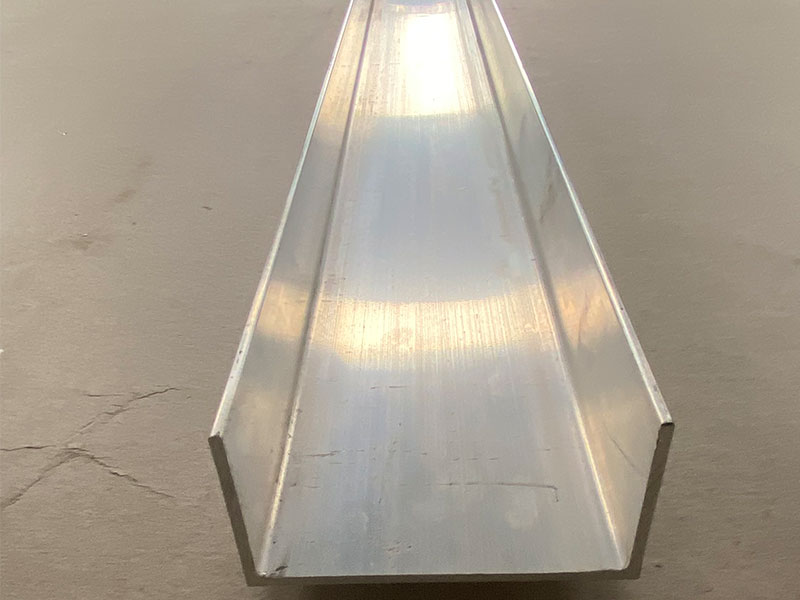
Marine Aluminum Channels are U-shaped aluminum profiles produced from alloys such as 5083, 5052, and 6061, known for their excellent marine corrosion resistance and superior mechanical strength.
View Details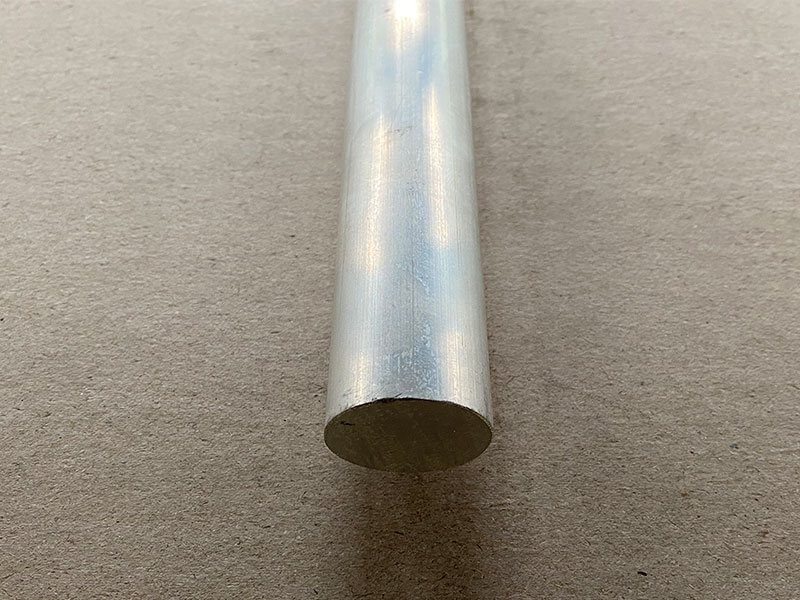
6061 marine aluminum round bar
6061 aluminum belongs to the 6xxx series alloys, alloyed primarily with magnesium and silicon. In the T6 temper, it undergoes solution heat treatment and artificial aging, resulting in enhanced mechanical properties while maintaining excellent corrosion resistance.
View Details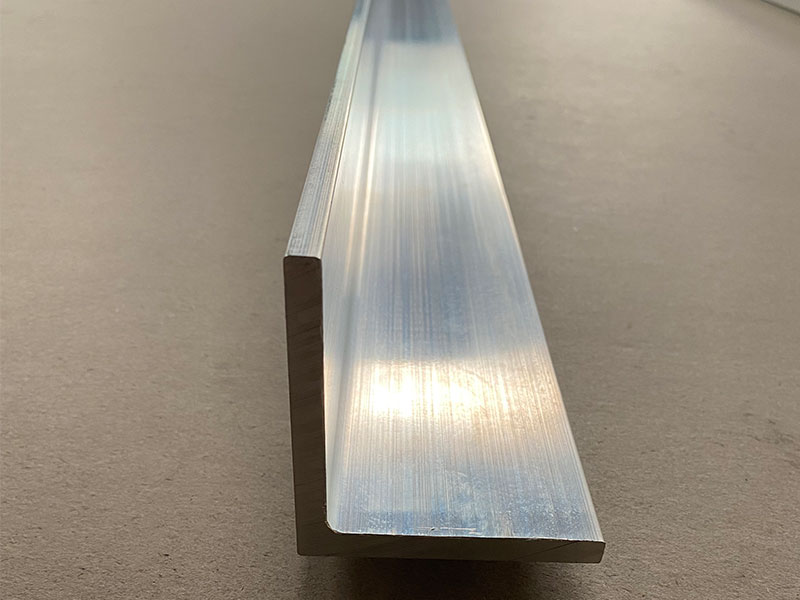
Marine aluminum angles
Marine Aluminum Angles are L-shaped cross-sectional aluminum profiles produced from marine-grade aluminum alloys such as 5083, 5052, and 6061.
View Details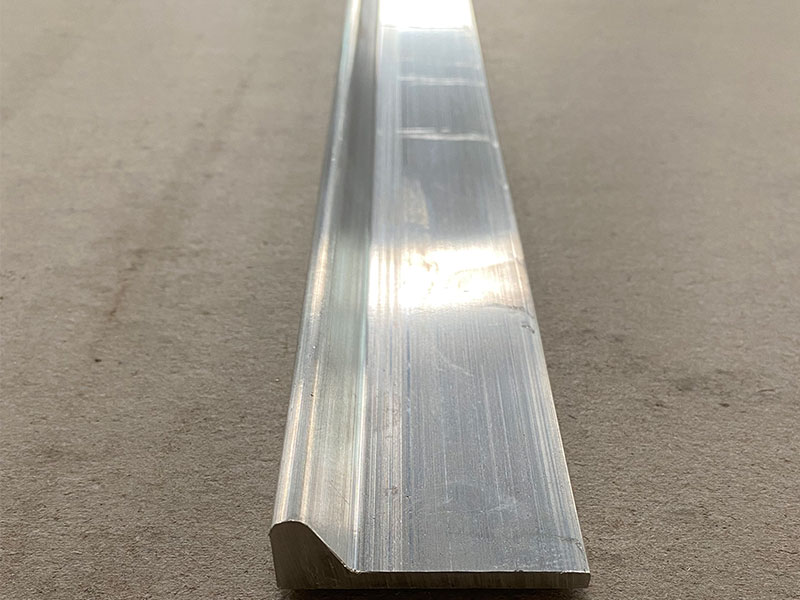
Marine aluminum I-beams
Marine Aluminum I-Beams feature the traditional “I” cross-sectional profile fabricated from marine-grade aluminum alloys like 5083, 5086, and 6061. These alloys are renowned for their outstanding corrosion resistance, especially in saltwater and marine atmospheres, making them ideal for offshore and naval construction.
View Details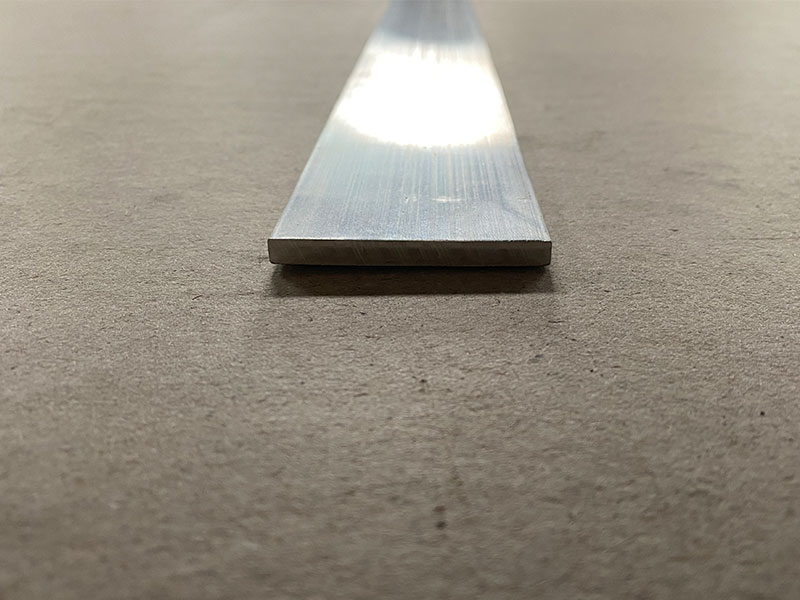
5083 marine aluminum flat bar
5083 aluminum flat bars belong to the 5xxx series of aluminum-magnesium alloys, known primarily for their superior resistance to seawater corrosion and salt spray.
View Details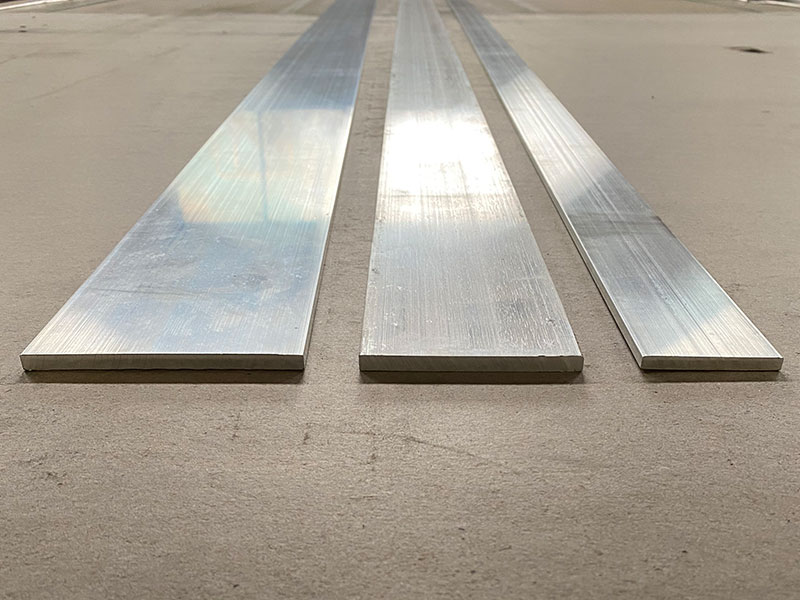
6061 T6 marine aluminum flat bar
6061 aluminum is classified as a heat-treatable 6xxx series alloy, alloyed primarily with magnesium and silicon. The T6 temper designation indicates that the flat bar has been solution heat-treated and artificially aged to achieve optimum strength and hardness.
View DetailsRelated Blog
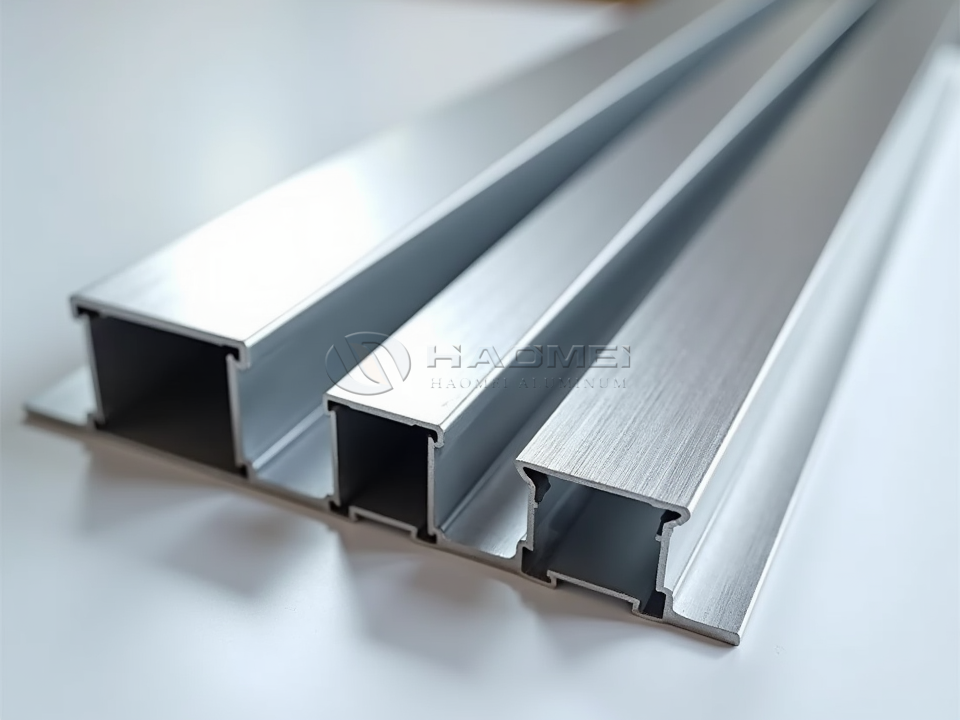
5086 Marine Aluminum I Beams
5086 Marine Aluminum I beams provide saltwater corrosion resistance, weldability, and reliable strength for hulls, decks, docks, and offshore frames.
View Details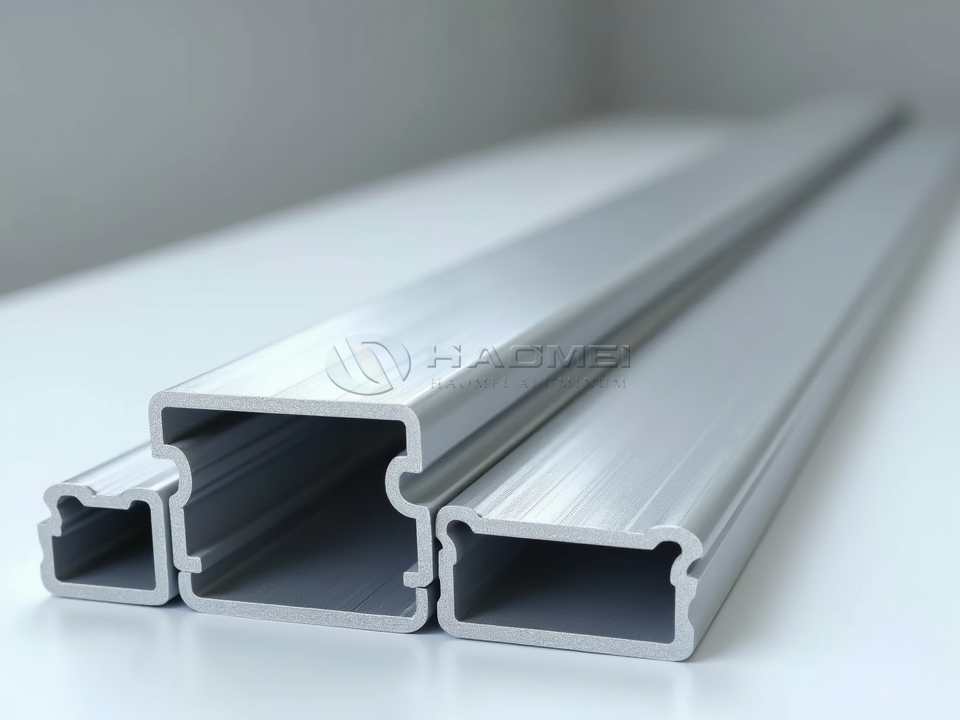
6061 Marine Aluminum Channels
Learn how 6061 Marine aluminum channels perform in boat frames, docks, rails, and structural marine parts with standards and properties.
View Details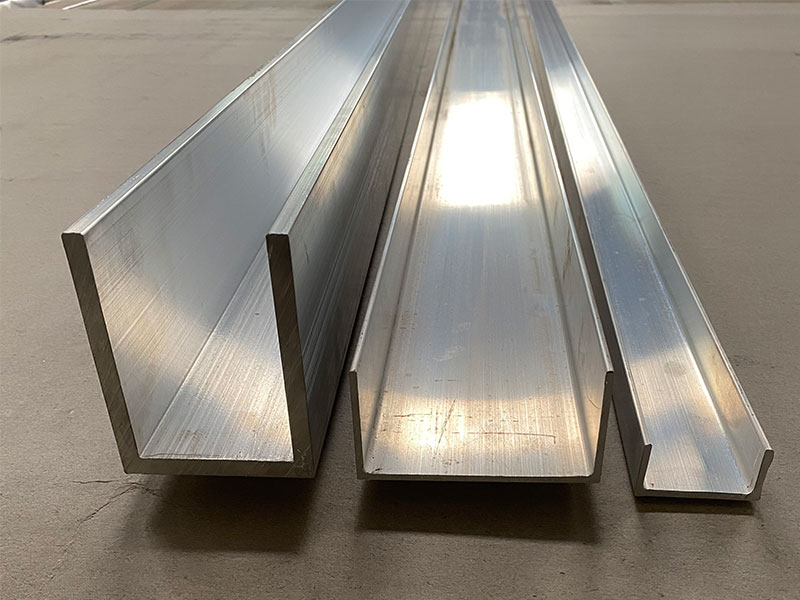
5083 Marine Aluminum Round Bar for Durable Offshore Vessel Parts
When it comes to constructing durable offshore vessel parts, material choice is paramount. Among various options, 5083 marine aluminum round bar stands out as a highly reliable and versatile solution.
View Details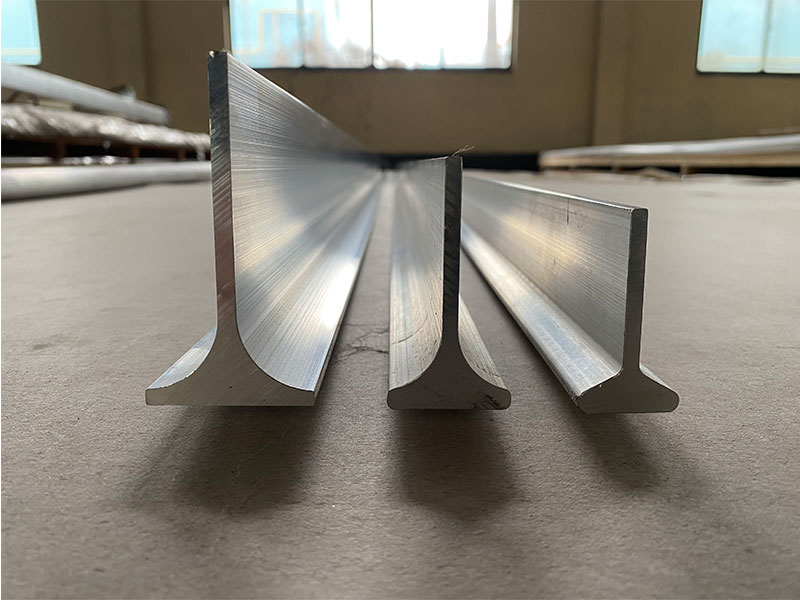
6061 Marine Aluminum Channels for High Strength Coastal Engineering
Marine aluminum has revolutionized coastal engineering, and at the fulcrum of this evolution lies 6061 marine aluminum channels. These channels bring unparalleled strength, corrosion resistance.
View Details
6061 Marine Aluminum Flat Bar for Custom Marine Applications
When a marine project demands strength without excess weight, predictable machining, and corrosion resistance that holds up in coastal service, 6061 marine aluminum flat bar is one of the most dependable building blocks available.
View Details
5086 Marine Aluminum I Beams for Offshore Boat Frame Support
5086 Marine Aluminum I Beams are a premium grade structural component extensively used in the offshore marine industry. Renowned for their exceptional combination of high strength, corrosion resistance, and lightweight properties.
View Details
Leave a Message