
6061 Marine Aluminum Rod & Bar
In a boatyard, material choice is often judged by touch before it is judged by datasheets. A 6061 marine aluminum rod or bar feels practical: light enough to handle without drama, strong enough to carry real loads, and machinable enough to become a hinge pin, cleat base, rail support, spacer, bracket, shaft sleeve, ladder component, or dock fitting. It is not the most corrosion-resistant aluminum alloy in seawater, yet it remains one of the most frequently selected materials for marine hardware because it balances strength, workability, availability, and finishing performance.
6061 belongs to the aluminum-magnesium-silicon family. Its strength comes mainly from Mg2Si precipitation during heat treatment. In simple terms, it can be shaped, machined, and then hardened into a reliable structural material. For boat builders and marine fabricators, that matters because a rod or bar is rarely used as it arrives. It is cut, drilled, threaded, milled, welded, polished, anodized, or assembled with stainless fasteners and composite panels.
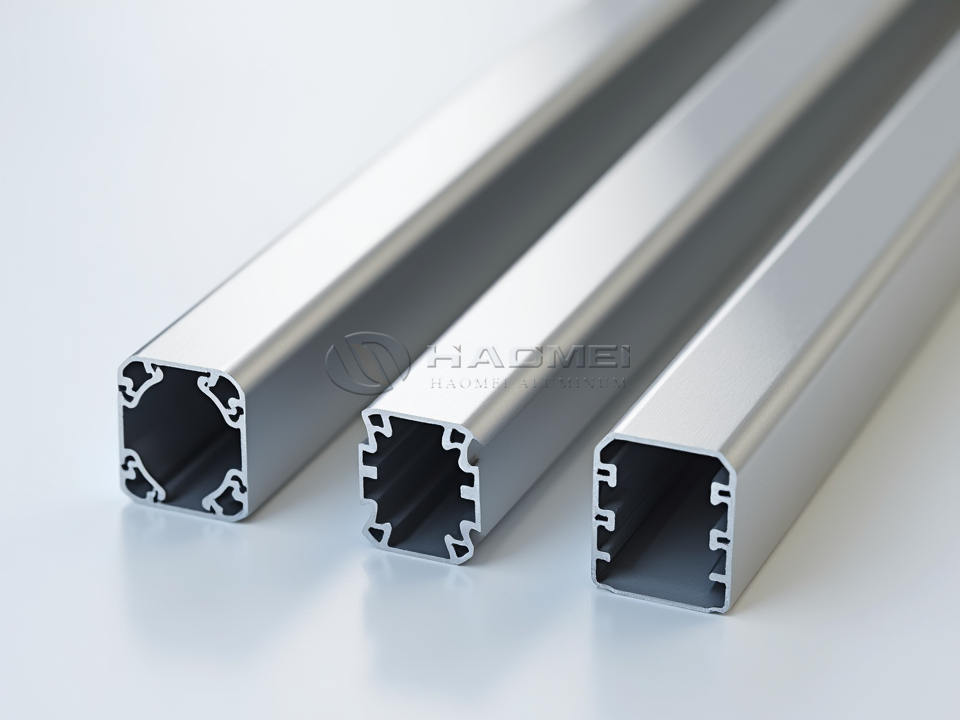
Why 6061 Rod and Bar Earn a Place Near the Water
The marine environment is not gentle. Salt spray finds gaps, moisture sits under fittings, and mixed metals can create galvanic corrosion. 6061 marine aluminum rod and bar handle these conditions well when the design respects drainage, isolation, surface treatment, and maintenance. Compared with 5xxx alloys such as 5083 or 5086, 6061 offers higher machinability and heat-treatable strength, while the 5xxx grades usually provide better direct seawater resistance.
That distinction is important. 6061 is a strong marine-use alloy, not a magic seawater shield. It performs best in boat hardware, deck structures, freshwater craft, pontoon parts, dock equipment, rail systems, frame members, and components that can be anodized, painted, powder coated, or kept away from long-term stagnant saltwater immersion.
For round-section parts such as pins, posts, supports, and machined bushings, 6061 marine aluminum round bar is often selected because it turns cleanly on a lathe and offers good dimensional stability. For brackets, mounting plates, stiffeners, and edge supports, 6061 T6 marine aluminum flat bar gives fabricators a ready shape that reduces machining time.
Typical Product Forms and Practical Parameters
6061 marine aluminum rod and bar can be supplied as round bar, square bar, rectangular bar, flat bar, hex bar, and precision cut lengths. Extruded bar is common for general fabrication, while cold-finished or drawn rod may be preferred where tighter tolerance, smoother surface, or better straightness is needed.
| Item | Common Range or Condition |
|---|---|
| Alloy | 6061 aluminum alloy |
| Product forms | Round rod, round bar, flat bar, square bar, rectangular bar, hex bar |
| Diameter for round bar | About 3 mm to 300 mm, larger sizes by production route |
| Flat bar thickness | About 3 mm to 200 mm |
| Flat bar width | About 10 mm to 400 mm |
| Standard length | 2 m, 3 m, 4 m, 6 m, or custom cut length |
| Surface | Mill finish, brushed, polished, anodized, painted, powder coated |
| Density | About 2.70 g/cm3 |
| Elastic modulus | About 69 GPa |
| Melting range | About 582-652°C |
| Electrical conductivity | About 40 percent IACS in T6 condition |
| Weldability | Good, with strength reduction in heat-affected zone |
| Machinability | Very good, especially in T6 and T651 |
Temper Choices: The Personality of the Alloy
Temper is where 6061 changes character. The same chemistry can feel soft and bendable in one condition, then strong and crisp in another. For marine rod and bar, the most common choices are O, T4, T6, and T651.
| Temper | What It Means | Typical Use in Marine Fabrication |
|---|---|---|
| O | Annealed, soft condition | Bending, forming, parts needing maximum ductility before finishing |
| T4 | Solution heat-treated and naturally aged | Moderate strength, better formability than T6 |
| T6 | Solution heat-treated and artificially aged | High strength, common for machined fittings and structural bars |
| T651 | T6 with stress relief by stretching | Precision machining, reduced distortion during milling |
The T6 temper is the familiar workhorse. It gives 6061 rod and bar a strong strength-to-weight ratio and good surface response to anodizing. T651 is preferred when a part will be heavily machined, especially from flat or thick bar, because internal stress can cause unwanted movement after metal is removed. For bent items, T4 or O may be more suitable before final heat treatment or coating.
Mechanical Properties for Fast Material Screening
Actual values depend on diameter, thickness, production method, and governing standard. The figures here are typical reference values used for early design comparison.
| Temper | Tensile Strength | Yield Strength | Elongation | Brinell Hardness |
|---|---|---|---|---|
| 6061-O | 110-130 MPa | 55 MPa approx. | 16-25 percent | 30 HB approx. |
| 6061-T4 | 180-240 MPa | 110-145 MPa | 14-20 percent | 65 HB approx. |
| 6061-T6 | 290-310 MPa | 240-275 MPa | 8-12 percent | 95 HB approx. |
| 6061-T651 | 290-310 MPa | 240-275 MPa | 8-12 percent | 95 HB approx. |
For customers comparing aluminum with steel, the main advantage is not only weight. 6061 has enough stiffness and strength for many fittings while being easier to cut and drill on standard shop equipment. It also avoids red rust, which is a visible benefit on boats, marinas, and outdoor structures.
Chemical Properties Table
The chemistry of 6061 is carefully balanced. Magnesium and silicon create heat-treatable strength, copper adds strength but must be controlled for corrosion behavior, and chromium helps grain structure and toughness.
| Element | Content, percent by weight |
|---|---|
| Silicon, Si | 0.40-0.80 |
| Iron, Fe | 0.70 max. |
| Copper, Cu | 0.15-0.40 |
| Manganese, Mn | 0.15 max. |
| Magnesium, Mg | 0.80-1.20 |
| Chromium, Cr | 0.04-0.35 |
| Zinc, Zn | 0.25 max. |
| Titanium, Ti | 0.15 max. |
| Other elements, each | 0.05 max. |
| Other elements, total | 0.15 max. |
| Aluminum, Al | Balance |
Implementation Standards and Documentation
Reliable 6061 marine aluminum rod and bar should be ordered against recognized standards, especially when the part is used in load-bearing or safety-related assemblies.
| Standard | Scope or Common Application |
|---|---|
| ASTM B211 | Aluminum and aluminum-alloy rolled or cold-finished bar, rod, and wire |
| ASTM B221 | Aluminum and aluminum-alloy extruded bars, rods, wire, profiles, and tubes |
| EN 573 | Chemical composition and alloy designation for aluminum products |
| EN 755 | Extruded aluminum rod, bar, tube, and profiles |
| EN 485 | Sheet, strip, and plate reference where flat products are involved |
| AMS-QQ-A-200/8 | Aerospace-style reference often requested for 6061 extrusions |
| GB/T 3191 | Chinese standard for extruded aluminum and aluminum alloy products |
| JIS H4040 | Japanese standard for aluminum alloy bars and shapes |
For marine projects, buyers may also request mill test certificates, heat numbers, ultrasonic inspection for larger bars, dimensional inspection, RoHS or REACH declarations, and classification society review where required by the vessel design.
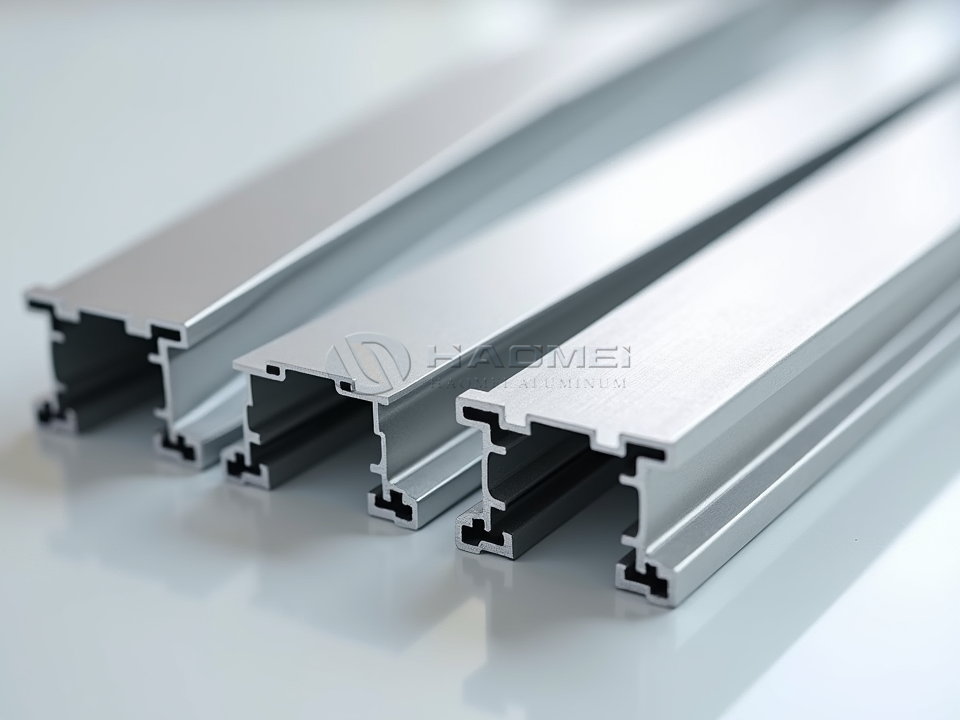
Fabrication Notes From the Shop Floor
6061 cuts cleanly with carbide tools and proper chip evacuation. In T6 condition, it produces a bright machined surface and holds threads well. For tapped holes exposed outdoors, coarse threads, anti-seize compound, and proper fastener isolation help reduce galling and galvanic attack.
Welding is possible with filler metals such as ER4043 or ER5356, depending on strength, color match after anodizing, and service conditions. The welded heat-affected zone loses some T6 strength, so welded designs should be sized with that reduction in mind. If maximum post-weld strength is required, engineers may consider heat treatment after welding, though this is not always practical for large marine assemblies.
Anodizing is one of the best finishing choices for 6061 marine aluminum bar because the alloy develops a clean, durable oxide layer. Powder coating and marine paint systems are also effective, especially when edges are rounded and surfaces are properly cleaned before coating. In saltwater service, avoid trapping moisture between aluminum and stainless steel. Nylon washers, sealants, isolating tapes, and thoughtful drainage are small details that greatly extend service life.
How to Choose the Right 6061 Marine Aluminum Rod or Bar
A good purchase starts with the part's job. If the component will be turned, threaded, and used as a pin or spacer, round rod in T6 or T651 is usually a smart starting point. If it will become a bracket or support plate, flat bar may save time. If the part will be bent, ask for a softer temper or confirm bend radius before buying T6 material. If the part will live in constant saltwater immersion, compare 6061 with 5083 or 5086 and consider protective finishing from the beginning.
Dimensional tolerance is another decision point. General extruded bar works well for frames, supports, and common hardware. Precision bar is worth the extra cost when parts must fit bearings, sliding assemblies, telescoping elements, or CNC-machined pockets.
The best use of 6061 marine aluminum rod and bar is not based on one property. It comes from the combination: moderate corrosion resistance, high strength after heat treatment, excellent machinability, attractive surface finish, broad size availability, and easy integration into boat and dock construction. When the design gives water a way out and protects dissimilar-metal contact, 6061 becomes a dependable material that turns drawings into long-lasting marine components.

Related Products
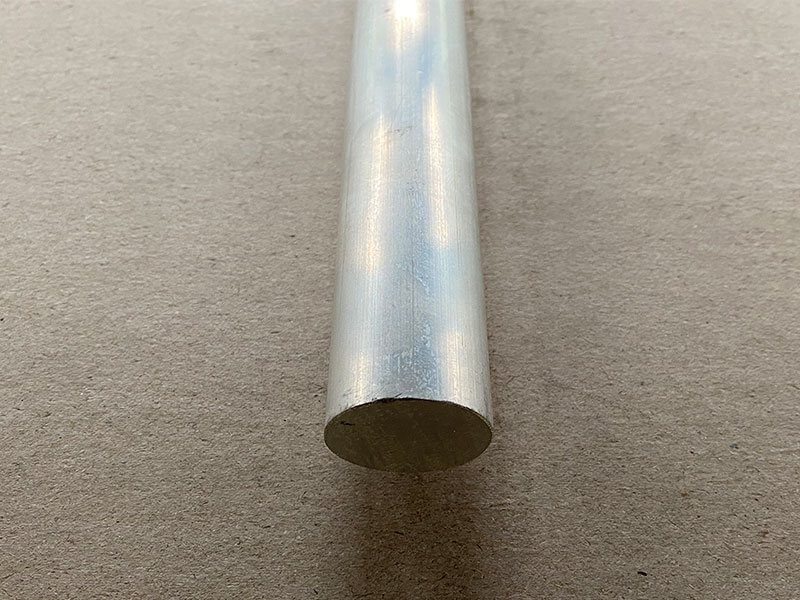
6061 marine aluminum round bar
6061 aluminum belongs to the 6xxx series alloys, alloyed primarily with magnesium and silicon. In the T6 temper, it undergoes solution heat treatment and artificial aging, resulting in enhanced mechanical properties while maintaining excellent corrosion resistance.
View Details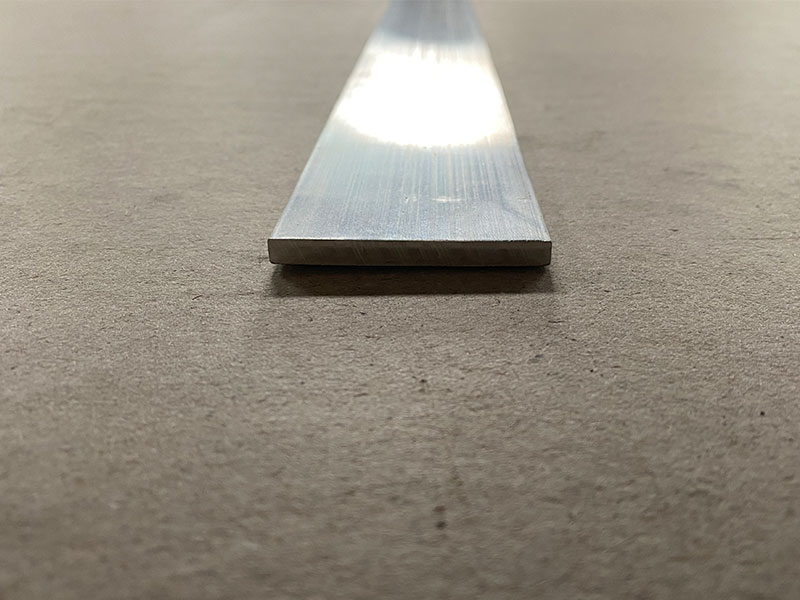
5083 marine aluminum flat bar
5083 aluminum flat bars belong to the 5xxx series of aluminum-magnesium alloys, known primarily for their superior resistance to seawater corrosion and salt spray.
View Details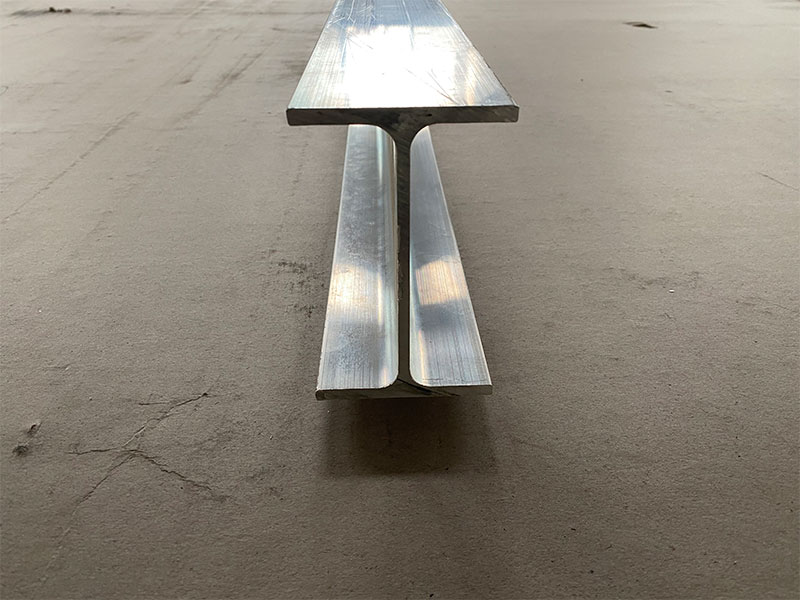
Marine aluminum Z-shaped sections
Marine Aluminum Z-shaped Sections are fabricated from premium marine-grade aluminum alloys such as 5083, 5052, and 6061. These alloys are well-regarded for their superior corrosion resistance in seawater and marine atmospheres, along with good mechanical strength and excellent weldability.
View Details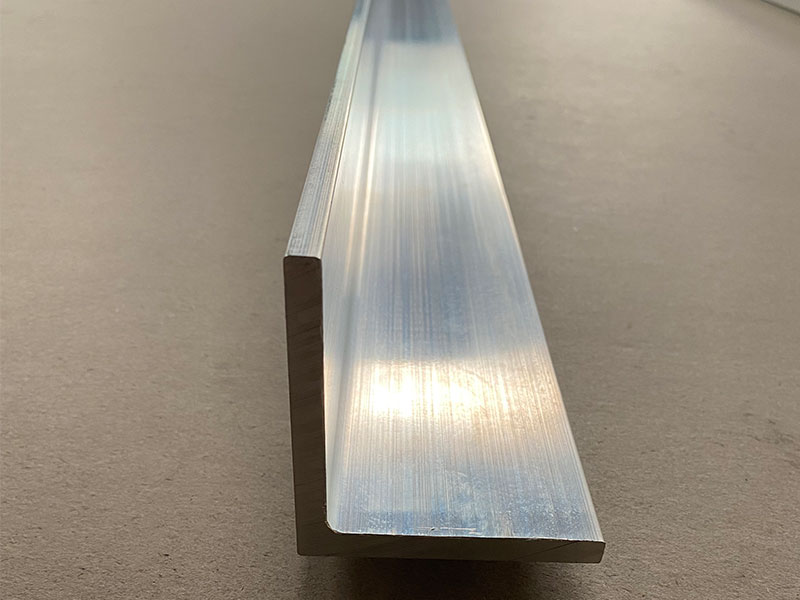
Marine aluminum angles
Marine Aluminum Angles are L-shaped cross-sectional aluminum profiles produced from marine-grade aluminum alloys such as 5083, 5052, and 6061.
View Details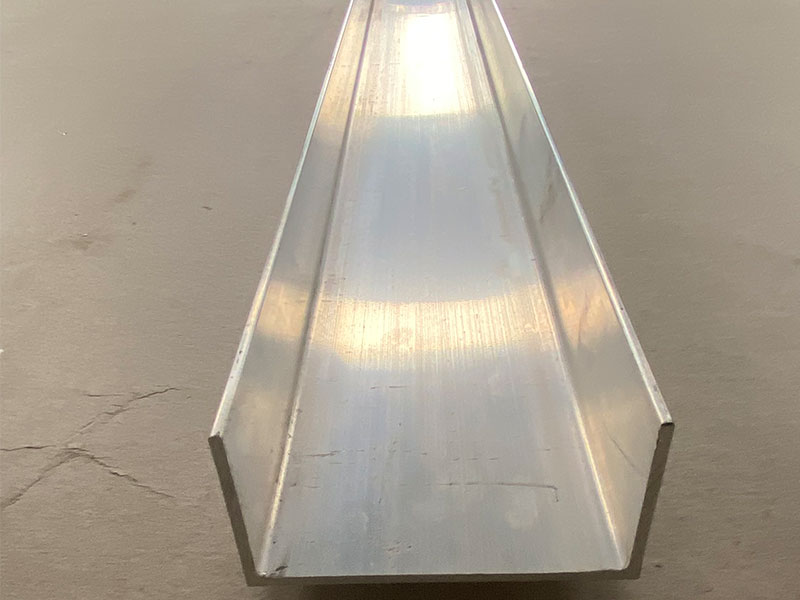
Marine aluminum channels
Marine Aluminum Channels are U-shaped aluminum profiles produced from alloys such as 5083, 5052, and 6061, known for their excellent marine corrosion resistance and superior mechanical strength.
View Details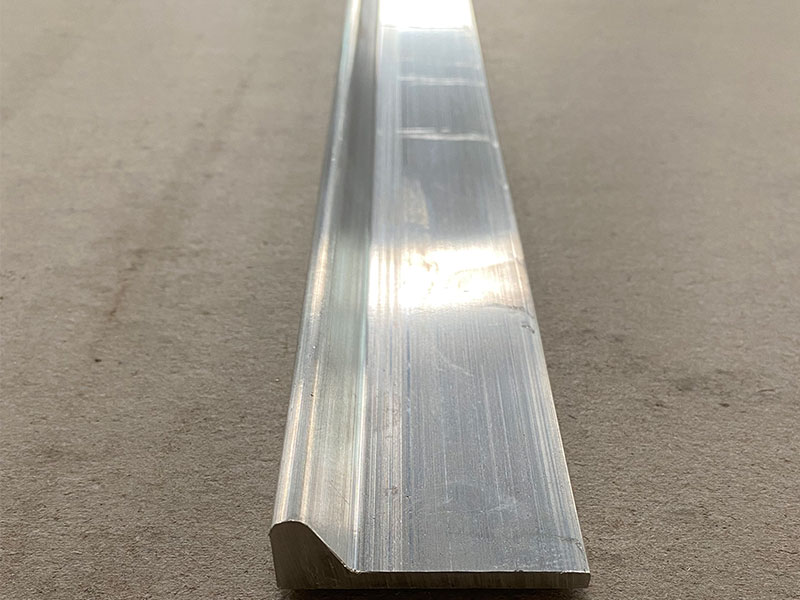
Marine aluminum I-beams
Marine Aluminum I-Beams feature the traditional “I” cross-sectional profile fabricated from marine-grade aluminum alloys like 5083, 5086, and 6061. These alloys are renowned for their outstanding corrosion resistance, especially in saltwater and marine atmospheres, making them ideal for offshore and naval construction.
View DetailsRelated Blog
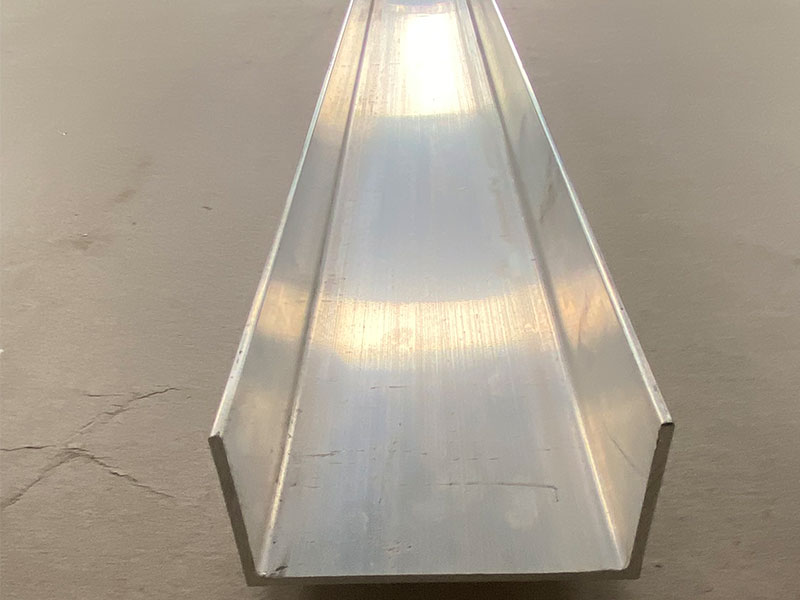
6061 Marine Aluminum Angles for High Strength Coastal Marine Parts
6061 Marine Aluminum Angles are premium-grade structural aluminum components widely used in the marine industry due to their exceptional strength, corrosion resistance, and versatility.
View Details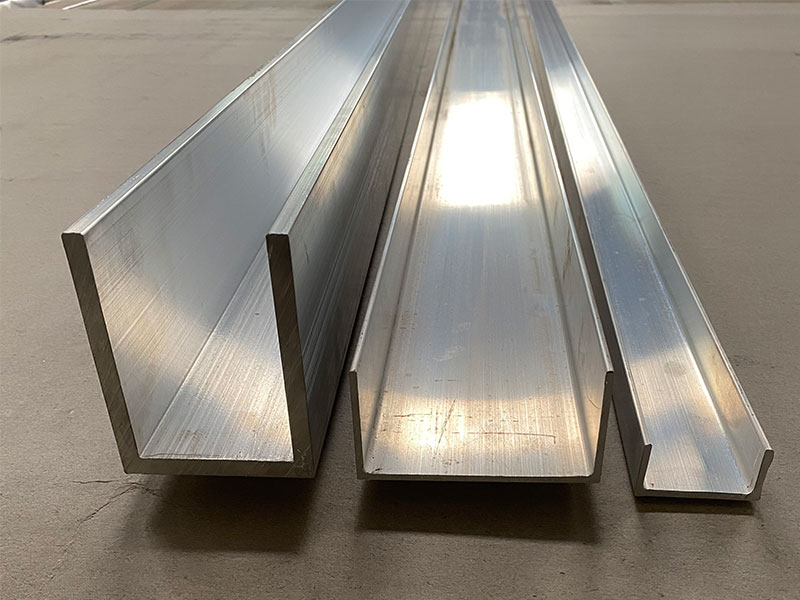
5083 Marine Aluminum Round Bar for Durable Offshore Vessel Parts
When it comes to constructing durable offshore vessel parts, material choice is paramount. Among various options, 5083 marine aluminum round bar stands out as a highly reliable and versatile solution.
View Details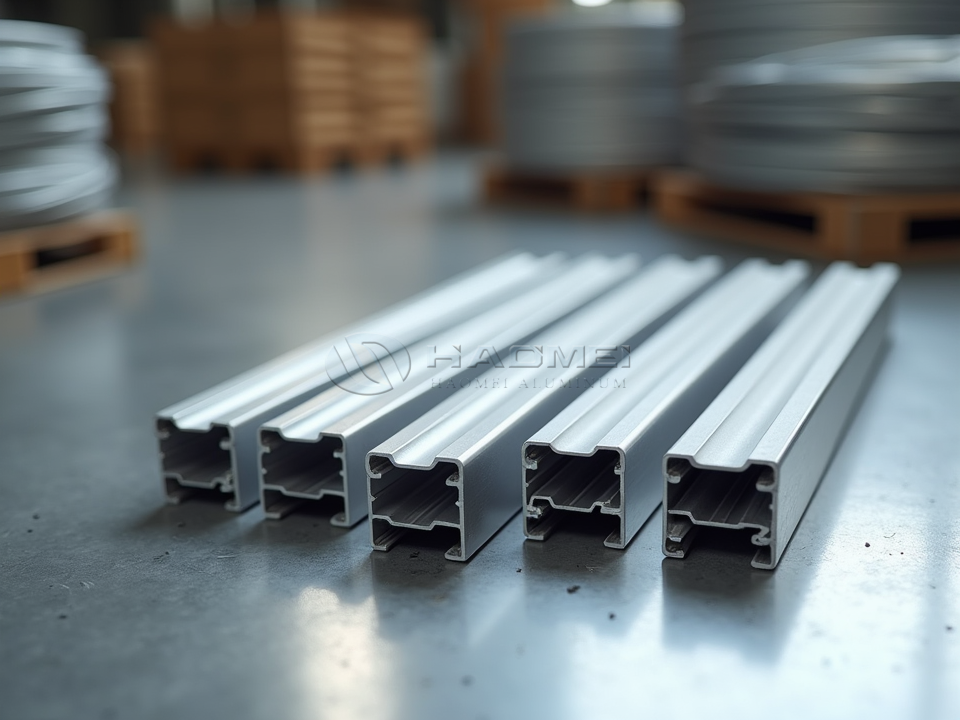
5052 Marine Aluminum Angles
Learn how 5052 marine aluminum angles deliver corrosion resistance, formability, weldability, and reliable strength for boat structures.
View Details
6061 Marine Aluminum Channels for Offshore Structural Support Beams
6061 marine aluminum channels are engineered for offshore structural support beams where strength, corrosion resistance, and fabrication speed must coexist. In marine and offshore environments, structural members face cyclic loading, salt spray.
View Details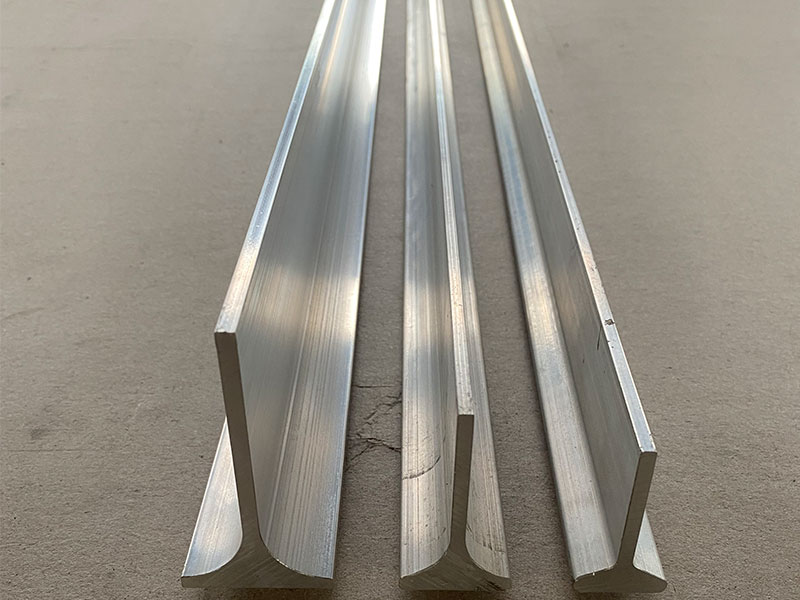
6061 Marine Aluminum Z Shaped Sections for High Strength Boat Reinforcement
6061 Marine Aluminum Z Shaped Sections are purpose-designed extrusions used for structural reinforcement in marine and offshore applications. Made from 6061 aluminum alloy and formed into Z-profile sections, these members combine high strength.
View Details
5083 Marine Aluminum I Beams for Heavy Duty Offshore Platform Design
Discover how 5083 marine aluminum I beams deliver corrosion resistance, weldability, and lightweight structural strength for offshore platforms.
View Details
Leave a Message