
5083 Marine Aluminum Flat Bar
5083 marine aluminum flat bar is a high-magnesium, non-heat-treatable aluminum product designed for seawater exposure, welded structures, and demanding marine fabrication. It is widely used where strength, corrosion resistance, and long service life must work together without adding unnecessary weight.
In marine environments, material failure is rarely caused by one factor alone. Salt spray, standing seawater, vibration, welding heat, and continuous loading all affect performance. 5083 aluminum flat bar is valued because it keeps good mechanical strength after welding and offers excellent resistance to seawater corrosion, especially when supplied in marine tempers such as H116 and H321.
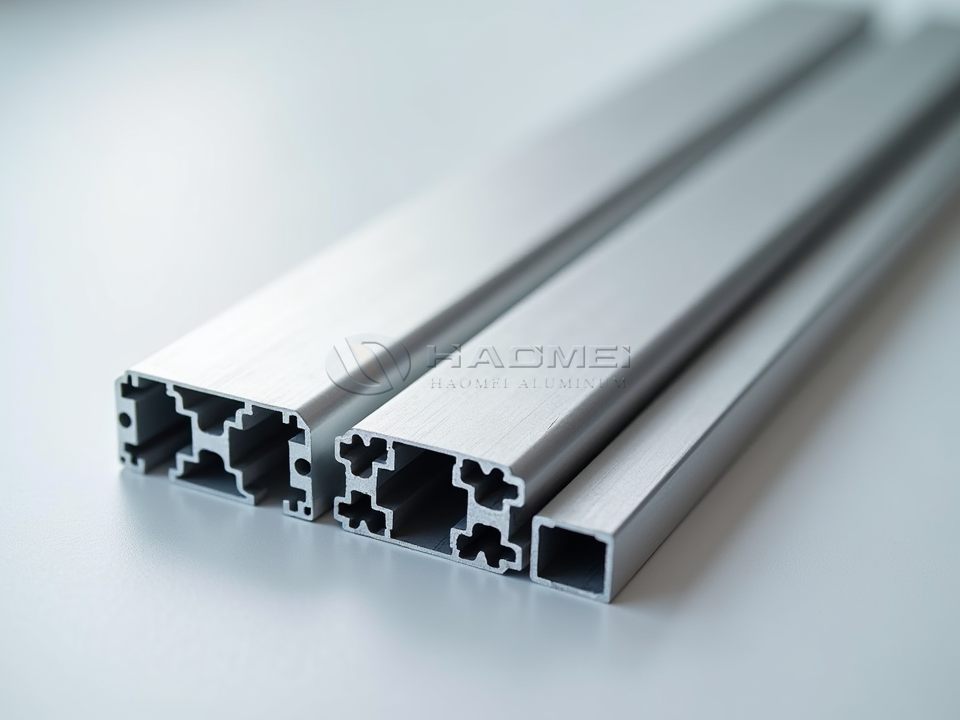
What Makes 5083 Flat Bar Suitable for Marine Use
5083 belongs to the Al-Mg-Mn alloy family. Its magnesium content gives it higher strength than many common commercial aluminum grades, while manganese improves stability and toughness. Unlike 6061, 5083 is not strengthened by heat treatment, so its performance depends on controlled rolling, strain hardening, and temper selection.
| Performance factor | Customer benefit |
|---|---|
| High magnesium alloy system | Stronger than 5052 and many standard marine aluminum grades |
| Excellent seawater corrosion resistance | Suitable for hull parts, deck structures, dock components, and coastal equipment |
| Strong welded performance | Maintains reliable strength in welded assemblies |
| Non-sparking and non-magnetic | Useful for shipyard, offshore, and industrial marine areas |
| Good formability in proper temper | Can be drilled, cut, bent, and machined for fabrication |
| Low density | Reduces structural weight compared with steel |
For projects requiring higher machinability or a heat-treated bar option, engineers may also compare it with 6061 T6 marine aluminum flat bar, although 5083 is usually preferred when seawater corrosion resistance and welded strength are the main priorities.
Common Marine Applications
5083 marine aluminum flat bar is often used as a reinforcement, support strip, edge member, mounting bar, or fabricated structural part. Its flat shape makes it easy to fasten, weld, and integrate with plates, channels, angles, and extrusions.
| Application area | Typical use |
|---|---|
| Boat hull construction | Stiffeners, backing strips, internal supports, repair bars |
| Deck systems | Frame strips, cover supports, hatch reinforcement, walkway edges |
| Dock and pier structures | Bracing, rail support, fender mounting, corrosion-resistant framing |
| Offshore equipment | Platforms, ladder components, service frames, equipment mounts |
| Ship interior fabrication | Bulkhead support, furniture framing, utility brackets |
| Marine trailers | Lightweight cross members, tie-down supports, corrosion-resistant accessories |
| Coastal engineering | Seawall equipment, service platforms, salt-air exposed assemblies |
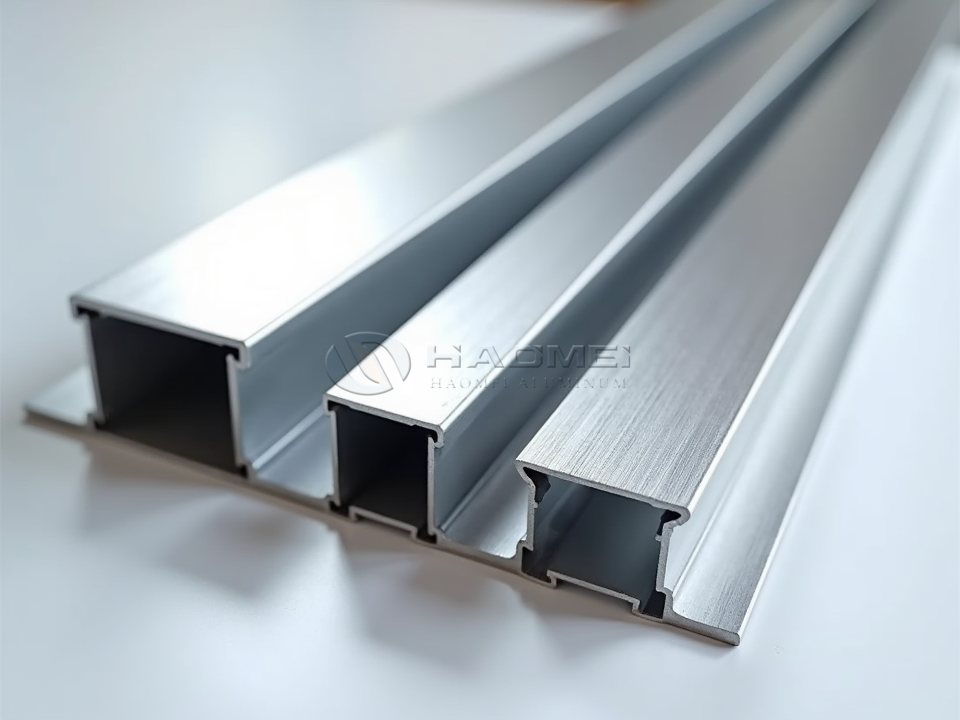
Chemical Composition
The chemical composition of 5083 is controlled to achieve corrosion resistance, strength, and weldability. The values shown are typical reference limits used in major aluminum standards. Final certification should follow the purchase standard specified on the order.
| Element | Content, % by weight |
|---|---|
| Aluminum, Al | Balance |
| Magnesium, Mg | 4.0-4.9 |
| Manganese, Mn | 0.40-1.00 |
| Chromium, Cr | 0.05-0.25 |
| Iron, Fe | Max 0.40 |
| Silicon, Si | Max 0.40 |
| Zinc, Zn | Max 0.25 |
| Copper, Cu | Max 0.10 |
| Titanium, Ti | Max 0.15 |
| Other elements, each | Max 0.05 |
| Other elements, total | Max 0.15 |
Low copper content is important for marine use because it helps reduce corrosion sensitivity in saltwater exposure. The magnesium level is the main reason 5083 has better strength than lower-magnesium marine alloys.
Technical Specifications
5083 marine aluminum flat bar can be supplied as extruded bar, cut-to-size plate strip, or sawn flat bar depending on size, tolerance, and project demand. For structural marine work, customers often select mill finish flat bar for welding, coating, or direct fabrication.
| Item | Typical specification |
|---|---|
| Alloy | 5083, EN AW-5083, AA5083 |
| Product form | Flat bar, rectangular bar, cut strip, sawn bar |
| Temper options | O, H111, H112, H116, H321 |
| Thickness range | 3-100 mm, larger sizes on request |
| Width range | 10-300 mm, wider cut strips available |
| Standard length | 1000-6000 mm |
| Custom length | Available by cutting or sawing |
| Surface | Mill finish, brushed, coated, anodized on request |
| Density | About 2.66 g/cm3 |
| Melting range | About 570-640 degrees C |
| Elastic modulus | About 70 GPa |
| Electrical conductivity | About 29% IACS |
| Applicable standards | ASTM B209, ASTM B221, EN 485, EN 573, EN 755, customer drawings |
Dimensional tolerance depends on whether the flat bar is extruded, rolled, slit, or sawn from plate. Sawn bars usually allow thicker and wider sizes, while extruded bars may provide cleaner edges and consistent section geometry in suitable dimensions.
Mechanical Properties by Temper
Mechanical properties vary with product thickness, testing direction, standard, and production route. The table gives common reference values for quick material comparison. Certified values should be confirmed from the mill test certificate.
| Temper | Tensile strength, MPa | Yield strength, MPa | Elongation, % | Typical use |
|---|---|---|---|---|
| O | 270-350 | 115 min | 14 min | Maximum formability and bending |
| H111 | 275-350 | 125 min | 12 min | General fabrication and light forming |
| H112 | 270 min | 125 min | 10 min | Thick bar, sawn bar, machined marine parts |
| H116 | 305-385 | 215 min | 10 min | Marine structures requiring exfoliation resistance |
| H321 | 305-385 | 215 min | 10 min | Stabilized marine plate and bar applications |
H116 and H321 are commonly selected for severe seawater environments because they are controlled to resist exfoliation and stress corrosion behavior associated with high-magnesium aluminum alloys. For less severe service or indoor marine fabrication, H111 or H112 may be sufficient.
Fabrication and Welding Guidance
5083 marine aluminum flat bar is friendly to common shipyard fabrication methods. It can be cut by saw, shear, waterjet, or CNC machining. Drilling and countersinking are straightforward when sharp tooling, proper chip evacuation, and suitable lubricant are used.
| Process | Recommendation |
|---|---|
| Welding method | MIG, TIG, and automated aluminum welding systems |
| Filler alloy | 5183, 5356, or 5556 depending on strength and service condition |
| Cutting | Carbide saw, waterjet, CNC router, or band saw |
| Forming | Best in O or H111 temper for tight bends |
| Surface preparation | Degrease, remove oxide layer, and clean before welding or coating |
| Fastening | Use compatible stainless or aluminum fasteners with isolation where needed |
| Protection | Paint, powder coating, or anodizing may be used for added service life |
When welding 5083, avoid excessive heat input and poor fit-up. Good joint preparation helps reduce distortion and supports consistent weld strength. In assemblies exposed to saltwater, drainage design is also important because trapped seawater can accelerate crevice corrosion even on high-quality aluminum.
5083 Compared with Other Marine Aluminum Grades
Different aluminum grades serve different marine needs. 5083 is not always the easiest alloy to machine, but it is one of the strongest choices for welded seawater structures.
| Alloy | Strength | Marine corrosion resistance | Welded performance | Typical selection reason |
|---|---|---|---|---|
| 5083 | High | Excellent | Excellent | Hulls, decks, offshore structures |
| 5052 | Medium | Very good | Very good | Light panels, tanks, covers |
| 5086 | Medium-high | Excellent | Excellent | Workboats, hull structures, marine sheet |
| 6061-T6 | High | Good | Moderate after welding | Machined parts, fittings, structural bars |
| 6082-T6 | High | Good | Moderate after welding | Frames, bridges, transport structures |
If the component will be heavily welded and exposed to seawater, 5083 is often a safer marine choice than heat-treated 6xxx series aluminum. If the part needs precision machining, threaded holes, and minimal welding, 6061-T6 may be more practical.
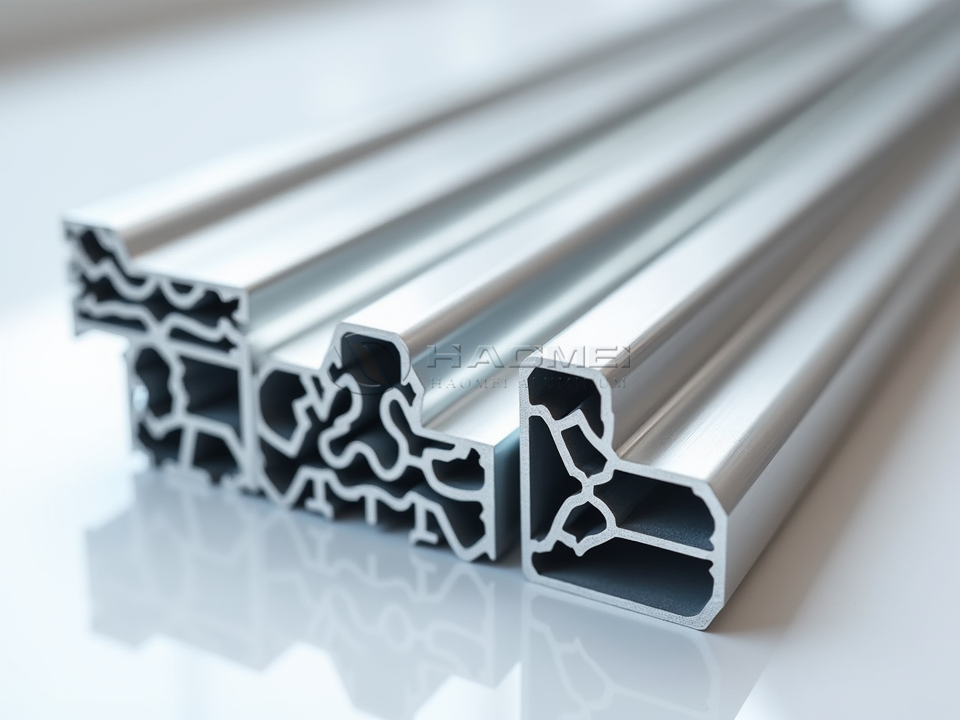
Surface Finish and Quality Control
Marine aluminum flat bar should be clean, straight, and free from defects that affect fabrication or service life. Typical inspection includes dimension checks, surface inspection, mechanical testing, and chemical analysis.
| Quality item | Inspection focus |
|---|---|
| Chemical analysis | Confirms alloy grade and trace element limits |
| Mechanical test | Verifies tensile strength, yield strength, and elongation |
| Dimensional check | Confirms thickness, width, length, straightness, and squareness |
| Surface inspection | Checks scratches, pits, dents, oil stains, and handling marks |
| Certification | Mill test certificate available with heat number traceability |
| Packing | Waterproof paper, film, wooden pallet, or export crate |
For painted or coated marine structures, proper pretreatment matters as much as alloy selection. Cleaning, conversion coating, primer compatibility, and sealed edges all help extend service life in salt spray and immersion-adjacent conditions.
Purchasing Notes
When ordering 5083 marine aluminum flat bar, specify alloy, temper, dimensions, length tolerance, surface condition, standard, and required certificate. For welded hull or offshore work, include the service environment and any classification requirement so the correct temper and documentation can be prepared.
| Order detail | Example |
|---|---|
| Alloy and temper | 5083-H116 flat bar |
| Size | 12 mm x 80 mm x 6000 mm |
| Standard | ASTM or EN requirement |
| Surface | Mill finish, no deep scratches |
| Certification | MTC with chemical and mechanical data |
| Packing | Seaworthy wooden pallet |
5083 marine aluminum flat bar is a dependable material for builders who need corrosion resistance, welded strength, and weight savings in one product. With the right temper, size tolerance, and fabrication plan, it offers long-lasting performance for boats, docks, offshore platforms, and coastal structures.

Related Products
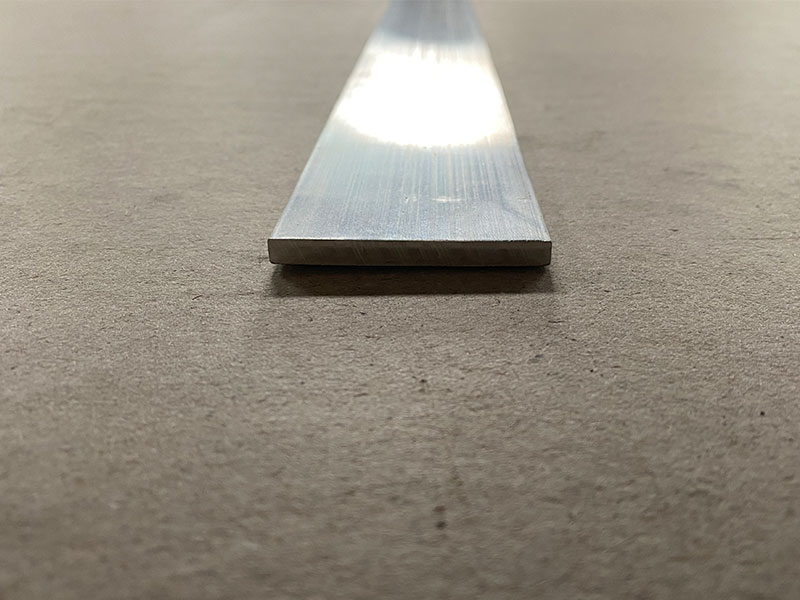
5083 marine aluminum flat bar
5083 aluminum flat bars belong to the 5xxx series of aluminum-magnesium alloys, known primarily for their superior resistance to seawater corrosion and salt spray.
View Details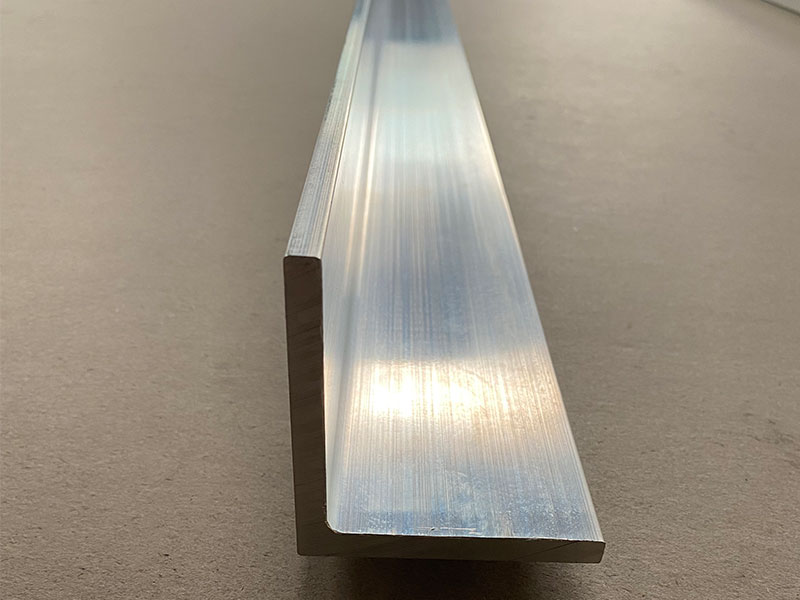
Marine aluminum angles
Marine Aluminum Angles are L-shaped cross-sectional aluminum profiles produced from marine-grade aluminum alloys such as 5083, 5052, and 6061.
View Details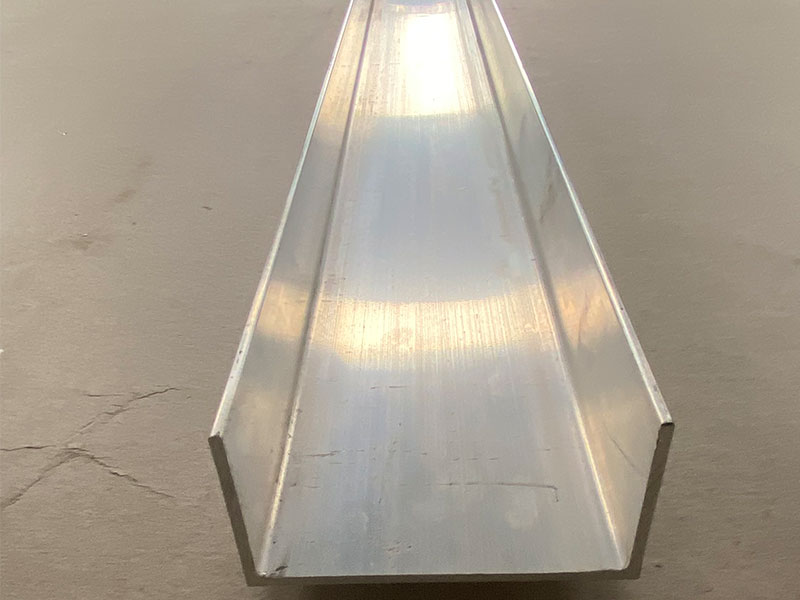
Marine aluminum channels
Marine Aluminum Channels are U-shaped aluminum profiles produced from alloys such as 5083, 5052, and 6061, known for their excellent marine corrosion resistance and superior mechanical strength.
View Details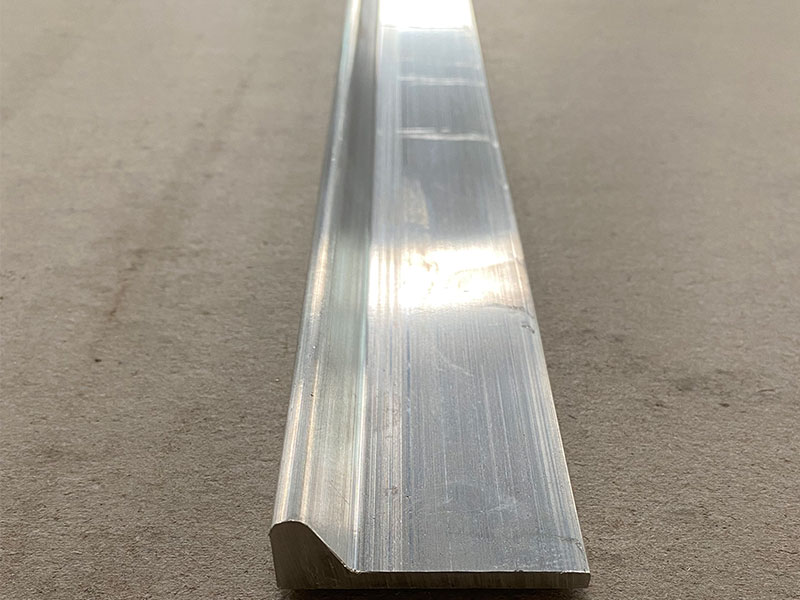
Marine aluminum I-beams
Marine Aluminum I-Beams feature the traditional “I” cross-sectional profile fabricated from marine-grade aluminum alloys like 5083, 5086, and 6061. These alloys are renowned for their outstanding corrosion resistance, especially in saltwater and marine atmospheres, making them ideal for offshore and naval construction.
View Details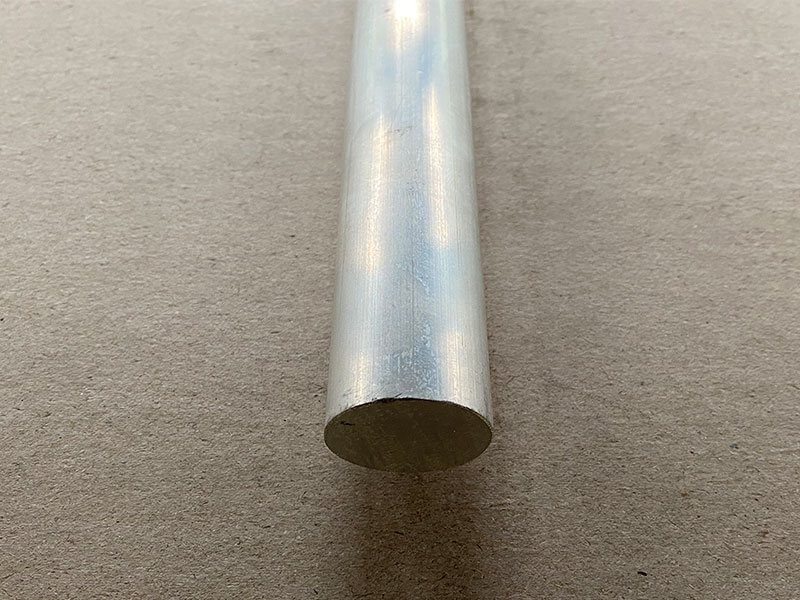
6061 marine aluminum round bar
6061 aluminum belongs to the 6xxx series alloys, alloyed primarily with magnesium and silicon. In the T6 temper, it undergoes solution heat treatment and artificial aging, resulting in enhanced mechanical properties while maintaining excellent corrosion resistance.
View Details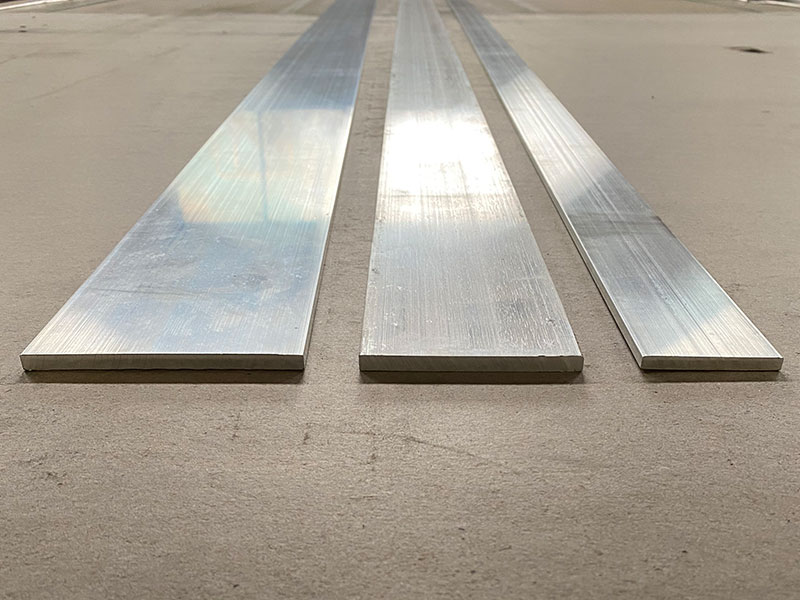
6061 T6 marine aluminum flat bar
6061 aluminum is classified as a heat-treatable 6xxx series alloy, alloyed primarily with magnesium and silicon. The T6 temper designation indicates that the flat bar has been solution heat-treated and artificially aged to achieve optimum strength and hardness.
View DetailsRelated Blog
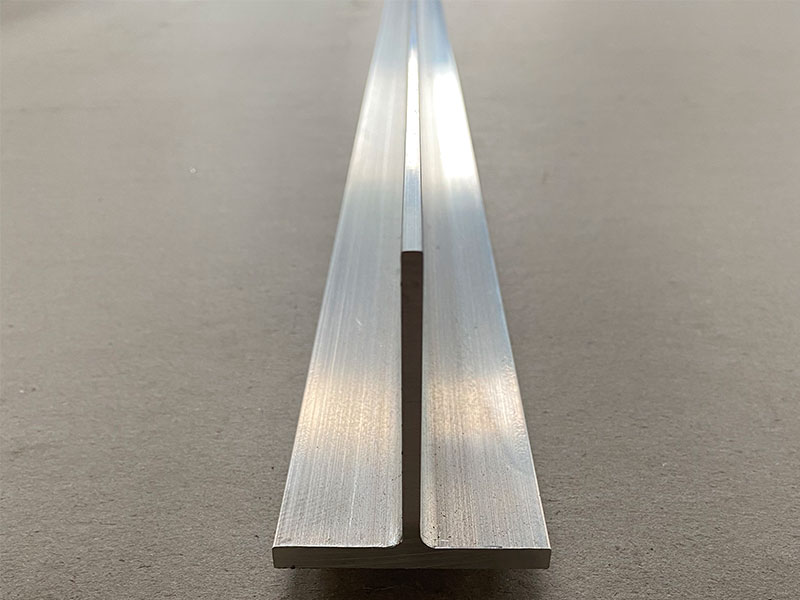
5083 Marine Aluminum I Beams for Heavy Duty Coastal Engineering Parts
5083 marine aluminum I beams are purpose-built structural sections designed for harsh coastal environments where salt spray, tidal wetting, and long service life are non-negotiable.
View Details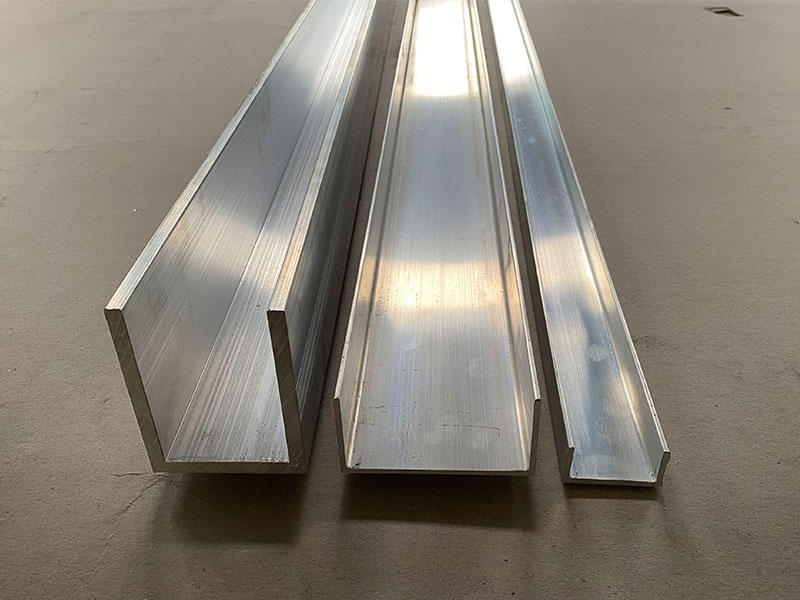
5083 Marine Aluminum Channels for Lightweight Marine Vessel Design
5083 Marine Aluminum Channels for Lightweight Marine Vessel Design: A Perfect Fusion of Strength, Durability, and Corrosion ResistanceIn the evolving world of marine vessel design, the quest for materials that offer unbeatable strength.
View Details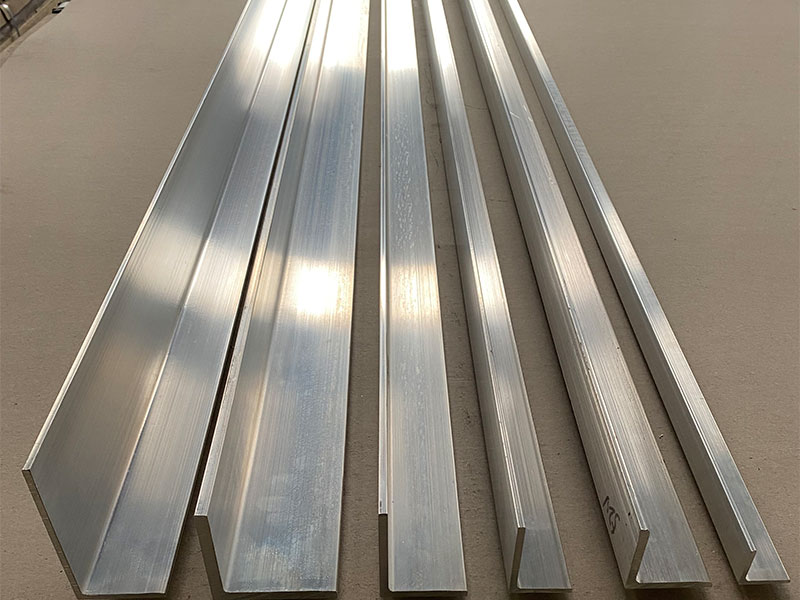
5083 Marine Aluminum Channels for Offshore Platform Construction
In the demanding world of offshore platform construction, material selection forms the backbone of structural integrity, durability, and performance. With increasing emphasis on lightweight and corrosion-resistant materials.
View Details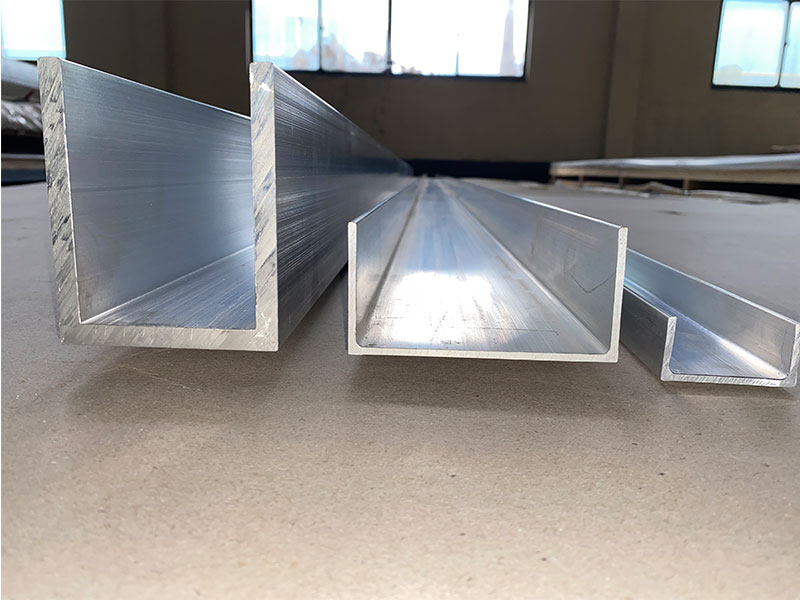
5083 Marine Aluminum Angles for Custom Offshore Vessel Reinforcement
Aluminum alloy 5083 marine aluminum angles are a premium-grade aluminum product specifically engineered for demanding marine and offshore environments. Renowned for excellent corrosion resistance, superior strength, and excellent weldability.
View Details
5052 Marine Aluminum Z Shaped Sections for Lightweight Offshore Ship Design
5052 marine aluminum Z shaped sections deliver high strength-to-weight performance, excellent corrosion resistance, and easy weldability for lightweight offshore ship design.
View Details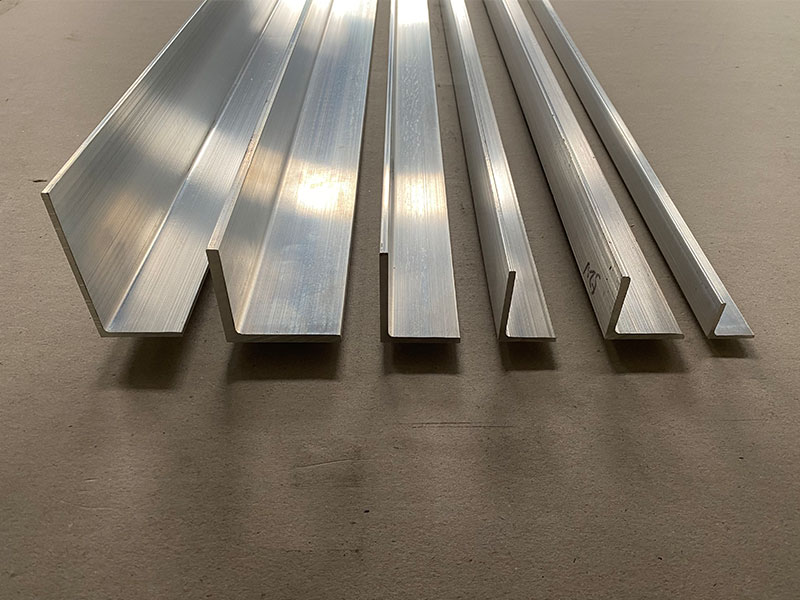
5083 Marine Aluminum Round Bar for High Strength Offshore Reinforcements
In the demanding world of offshore engineering, materials must withstand severe environmental conditions without compromising structural integrity. One such pivotal material is the 5083 Marine Aluminum Round Bar.
View Details
Leave a Message