
6061 Marine Aluminum Z Shaped Sections
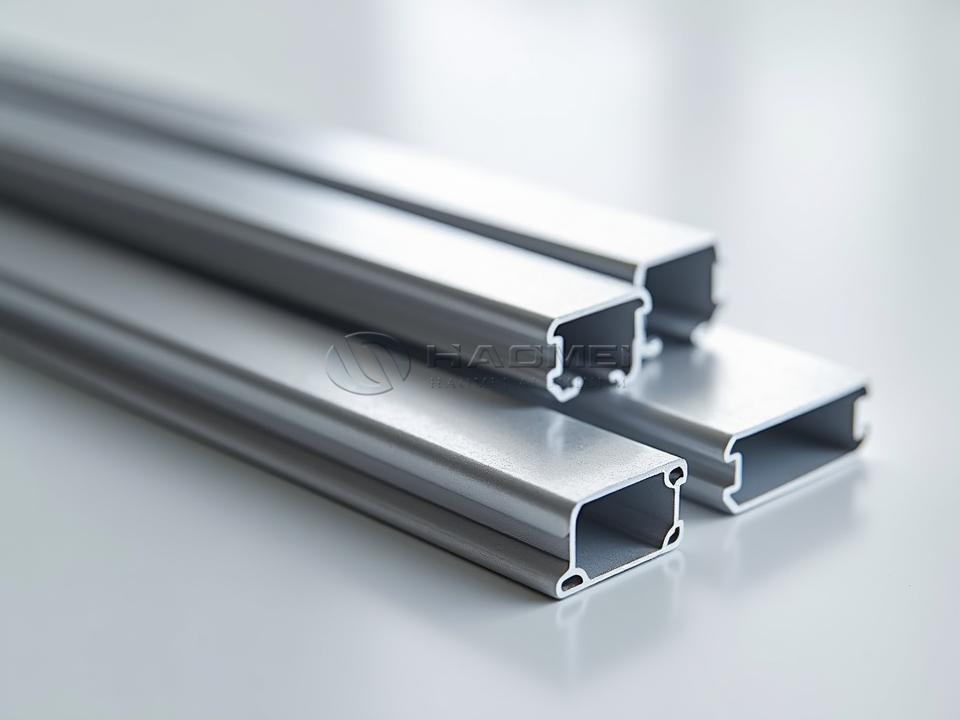
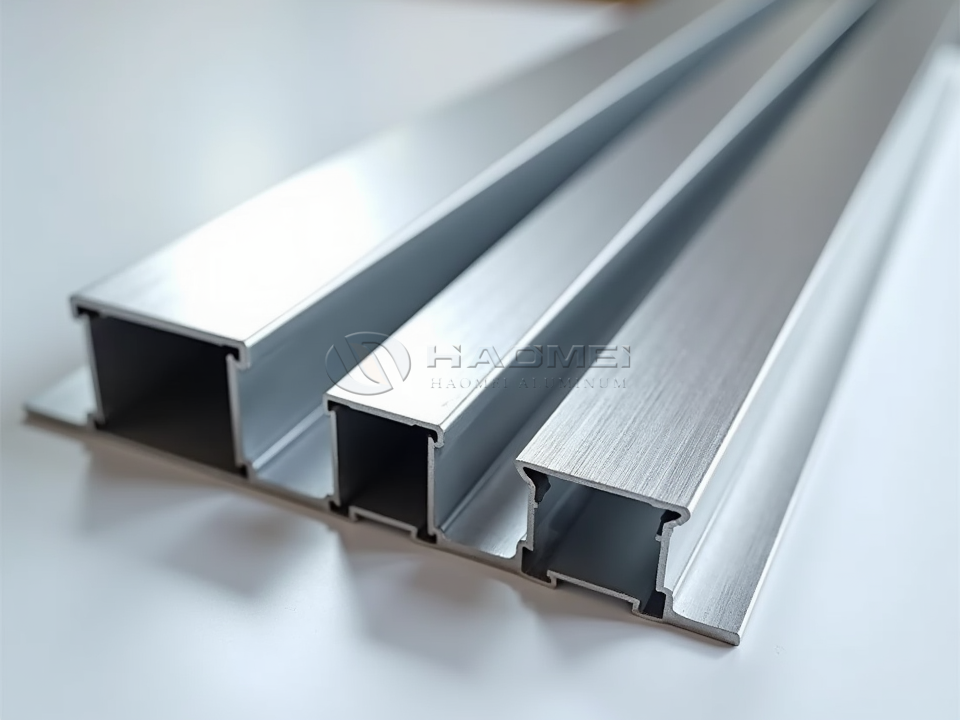
6061 Marine aluminum Z shaped sections are extruded profiles designed for structural offset joints, edge reinforcement, panel transitions and lightweight marine framing. The Z geometry creates two parallel flanges connected by an offset web, allowing one surface to overlap or step past another without bulky brackets. In boats, pontoons, docks and deck structures, this simple shape helps builders align panels, stiffen edges and reduce assembly weight while maintaining corrosion resistance in wet and salt-laden environments.
Why 6061 Aluminum Works Well in Z Sections
6061 is an Al-Mg-Si alloy valued for balanced strength, weldability, machinability and finishing performance. Compared with many non-heat-treatable marine alloys, 6061 can be strengthened by heat treatment, making it suitable for Z profiles that must carry moderate loads, hold fasteners and remain dimensionally stable after fabrication.
The Z shaped section is especially useful when two surfaces are not on the same plane. It can function as a step rail, stiffener, cap strip, deck support, hatch frame member or side transition profile. For projects using multiple extrusion shapes, 6061 Z sections can be paired with Marine aluminum Z-shaped sections in custom widths, flange lengths and wall thicknesses.
Main Functions in Marine Structures
| Function | How the Z Section Helps | Common Benefit |
|---|---|---|
| Offset joining | Connects two panels at different heights | Cleaner alignment with fewer spacers |
| Edge reinforcement | Supports panel edges, deck plates and covers | Reduced vibration and deflection |
| Structural transition | Bridges hull, deck, bulkhead or trim interfaces | Stronger load path across stepped surfaces |
| Mounting rail | Provides a flat flange for screws, rivets or adhesive bonding | Faster installation and repeatable positioning |
| Protective trim | Covers exposed plate edges or seams | Improved appearance and reduced wear |
| Drainage or splash control | Creates small barriers or channels depending on orientation | Better water management on decks and docks |
Marine Applications
6061 marine aluminum Z shaped sections are found in both commercial and recreational structures. Their corrosion resistance and good strength-to-weight ratio make them practical where steel would be too heavy or where plastic trims lack stiffness.
| Application Area | Typical Use of Z Profile | Preferred Temper |
|---|---|---|
| Aluminum boats | Deck edge supports, cockpit trims, hatch frames, console bases | T6 or T6511 |
| Pontoon boats | Cross-member details, seat platform transitions, side panel attachment | T6 |
| Workboats | Equipment bases, inspection covers, bulkhead step joints | T6 or T6511 |
| Floating docks | Deck board retainers, side trims, frame offsets | T6 |
| Marinas | Gangway trims, access platform reinforcement, service covers | T6 |
| Trailers and marine equipment | Light structural brackets, splash guards, rail supports | T6 |
Alloy Temper Conditions
Temper selection affects strength, formability and dimensional stability. For Z shaped extrusions, T6 and T6511 are the most common choices because they provide high mechanical properties after solution heat treatment and artificial aging.
| Temper | Processing Condition | Typical Advantage | Notes for Marine Fabrication |
|---|---|---|---|
| O | Annealed | Highest formability | Low strength, rarely used for final structural Z sections |
| T4 | Solution heat treated and naturally aged | Better forming than T6 | Useful before certain forming operations |
| T5 | Cooled from extrusion and artificially aged | Moderate strength | Suitable for less demanding trim parts |
| T6 | Solution heat treated and artificially aged | High strength and hardness | Common for marine framing and load-bearing profiles |
| T6511 | T6 plus stress relief by stretching, minor straightening allowed | Better dimensional stability | Preferred for precision extrusions and machining |
Chemical Composition of 6061 Aluminum
The alloy chemistry gives 6061 its combination of strength and corrosion resistance. Magnesium and silicon form Mg2Si strengthening phases, while chromium supports grain control.
| Element | Composition Range, wt.% |
|---|---|
| Aluminum, Al | Balance |
| Magnesium, Mg | 0.80-1.20 |
| Silicon, Si | 0.40-0.80 |
| Iron, Fe | ≤ 0.70 |
| Copper, Cu | 0.15-0.40 |
| Chromium, Cr | 0.04-0.35 |
| Zinc, Zn | ≤ 0.25 |
| Titanium, Ti | ≤ 0.15 |
| Manganese, Mn | ≤ 0.15 |
| Other each | ≤ 0.05 |
| Other total | ≤ 0.15 |
Mechanical Properties
Mechanical values depend on profile size, wall thickness, production route and testing standard. The following ranges are practical references for extruded 6061 marine Z sections.
| Property | 6061-T6 Typical Value | 6061-T6511 Typical Value | Unit |
|---|---|---|---|
| Tensile strength | 260-310 | 260-310 | MPa |
| Yield strength | 240-276 | 240-276 | MPa |
| Elongation | 8-12 | 8-12 | % |
| Brinell hardness | 90-100 | 90-100 | HB |
| Elastic modulus | 68.9 | 68.9 | GPa |
| Density | 2.70 | 2.70 | g/cm3 |
| Thermal conductivity | 167 | 167 | W/m·K |
| Melting range | 582-652 | 582-652 | °C |
Technical Specifications for Z Shaped Sections
Z profile dimensions are usually customized around deck plate thickness, fastening method and structural span. Tight tolerance control is important because offset profiles often act as locating parts during assembly.
| Parameter | Common Range or Option |
|---|---|
| Alloy | 6061 marine grade aluminum |
| Shape | Z shaped extrusion with two flanges and one offset web |
| Temper | T5, T6, T6511, other tempers by request |
| Flange width | 10-100 mm typical, custom available |
| Web height or offset | 10-150 mm typical, custom available |
| Wall thickness | 1.5-12 mm depending on load and die design |
| Length | 3-6 m standard, cut-to-length available |
| Surface finish | Mill finish, anodized, powder coated, brushed, polished |
| Fabrication | Cutting, drilling, CNC machining, punching, welding, bending within limits |
| Packaging | Protective film, paper interleaving, wooden cases or bundles |
Implementation Standards and Compliance
Marine aluminum profiles should be ordered against recognized standards and supported with mill test certificates. For critical shipbuilding structures, classification society approval or project-specific inspection may be required.
| Standard or Rule | Scope for 6061 Z Sections |
|---|---|
| ASTM B221 | Aluminum and aluminum-alloy extruded bars, rods, wire, profiles and tubes |
| ASTM B308/B308M | 6061-T6 structural shapes where applicable |
| EN 755 | Aluminum and aluminum alloy extruded rod, bar, tube and profiles |
| EN 12020 | Precision profiles in 6060 and 6063; tolerance reference for similar extrusions when agreed |
| GB/T 6892 | Wrought aluminum and aluminum alloy extruded profiles for general engineering |
| ISO 6362 | Wrought aluminum and aluminum alloy extruded rods, bars, tubes and profiles |
| ABS, DNV, LR, BV | Marine classification verification when specified by project contract |
| RoHS or REACH | Environmental compliance on request for coated or finished profiles |
Corrosion Resistance and Surface Protection
6061 has good natural corrosion resistance because aluminum forms a thin oxide film. In seawater exposure, surface protection and correct installation greatly improve service life. Anodizing increases surface hardness and improves resistance to abrasion. Powder coating adds color and barrier protection, while mill finish is acceptable for many interior or freshwater marine uses.
| Finish | Typical Thickness | Marine Benefit |
|---|---|---|
| Mill finish | Natural oxide film | Economical for protected structures |
| Clear anodizing | 10-25 µm | Better abrasion and oxidation resistance |
| Hard anodizing | 25-50 µm | Higher wear resistance for contact areas |
| Powder coating | 60-100 µm | Color control and barrier protection |
| Brushed finish | Project dependent | Decorative trim with improved visual consistency |
When installed near stainless steel fasteners, copper alloys or carbon steel, galvanic corrosion should be controlled. Use insulating washers, sealants, compatible primers and drainage gaps. Avoid trapping seawater behind overlapping flanges.
Fabrication and Installation Notes
6061 Z sections are easy to cut, drill, mill and tap. Carbide tools, proper chip evacuation and moderate cutting speeds give clean edges. Welding is possible by MIG or TIG processes, commonly using 4043 or 5356 filler depending on strength, color match and service conditions. Heat from welding reduces strength in the heat-affected zone, so designers should allow for lower local mechanical properties or use mechanical fastening where full T6 strength is needed.
| Operation | Practical Recommendation |
|---|---|
| Cutting | Use fine-tooth carbide saw blades and secure clamping |
| Drilling | Deburr holes to reduce stress concentration and coating damage |
| Fastening | Use marine-grade stainless fasteners with isolation where needed |
| Welding | Clean oxide and oil before welding; allow for HAZ strength reduction |
| Sealing | Apply marine sealant at lap joints exposed to spray or bilge water |
| Drainage | Orient the Z profile so water cannot remain trapped in the offset corner |
Selecting the Right 6061 Z Profile
For a light trim part, a thin wall Z section may be enough. For a deck support, hatch frame or dock edge, the designer should check span, load, fastener spacing and deflection limits. Larger flange widths improve bearing area, while thicker webs improve stiffness. T6511 is recommended where straightness and machining accuracy matter, such as removable panels, long rails or modular deck systems.
A well-specified 6061 marine aluminum Z shaped section can reduce assembly steps, protect panel edges and create a clean stepped connection in demanding marine environments. With the right temper, surface finish and installation method, it offers a durable balance of strength, corrosion resistance and fabrication flexibility for boats, docks and marine equipment.

Related Products
6061 T6 marine aluminum flat bar
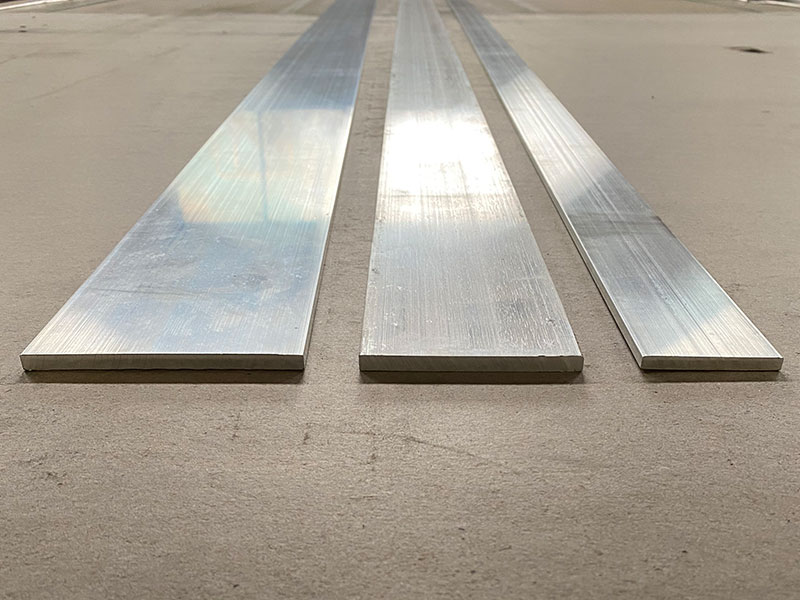
6061 aluminum is classified as a heat-treatable 6xxx series alloy, alloyed primarily with magnesium and silicon. The T6 temper designation indicates that the flat bar has been solution heat-treated and artificially aged to achieve optimum strength and hardness.
View Details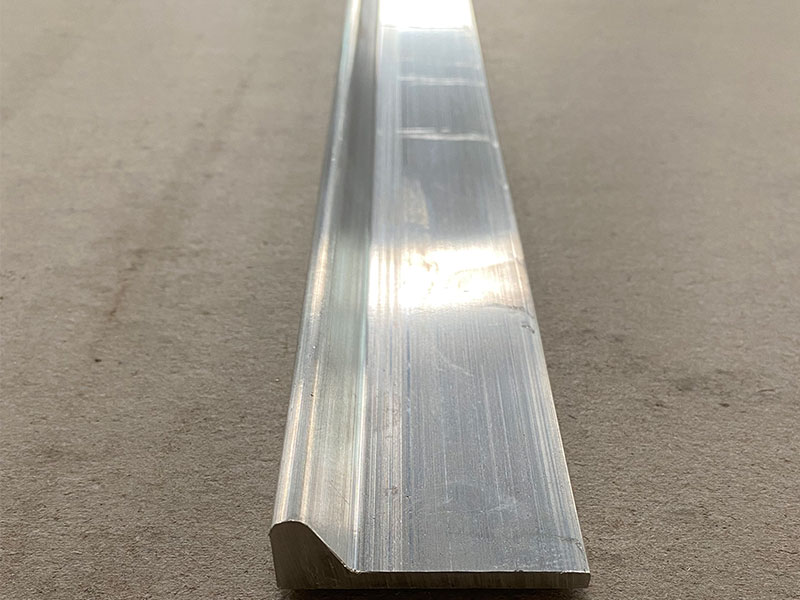
Marine aluminum I-beams
Marine Aluminum I-Beams feature the traditional “I” cross-sectional profile fabricated from marine-grade aluminum alloys like 5083, 5086, and 6061. These alloys are renowned for their outstanding corrosion resistance, especially in saltwater and marine atmospheres, making them ideal for offshore and naval construction.
View Details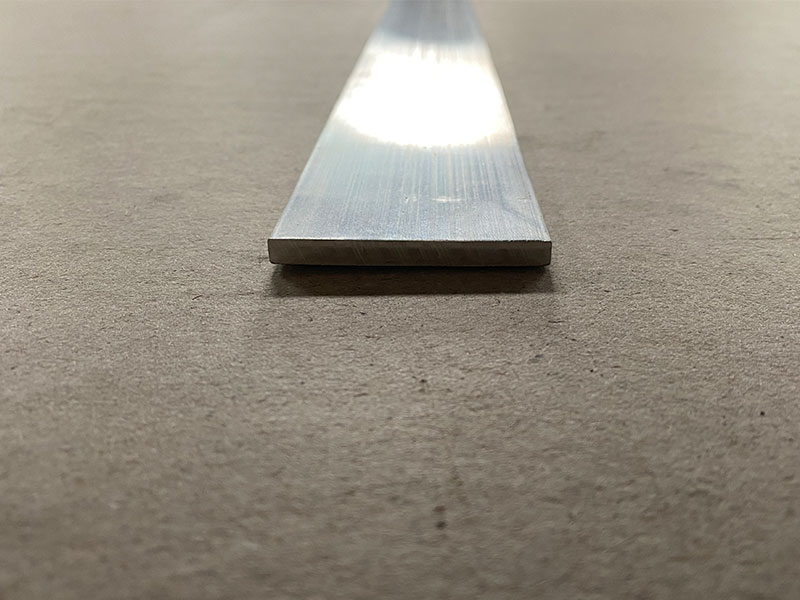
5083 marine aluminum flat bar
5083 aluminum flat bars belong to the 5xxx series of aluminum-magnesium alloys, known primarily for their superior resistance to seawater corrosion and salt spray.
View Details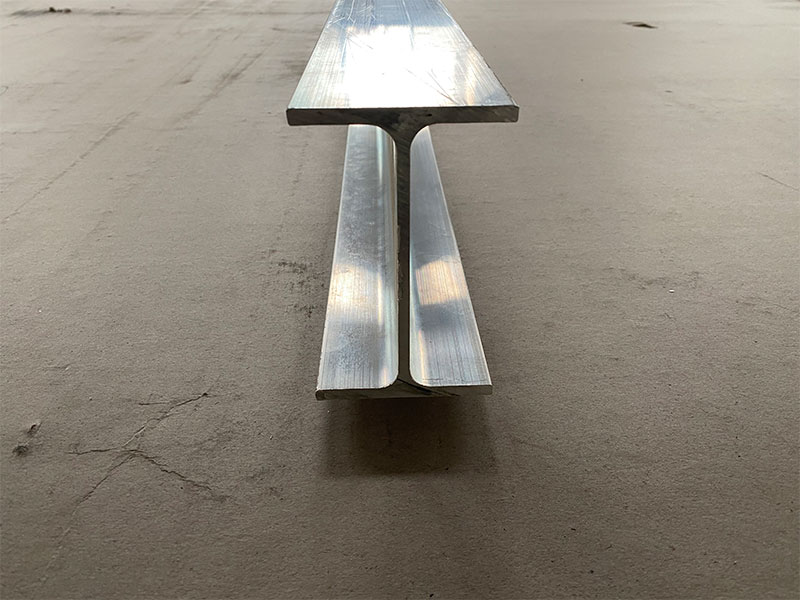
Marine aluminum Z-shaped sections
Marine Aluminum Z-shaped Sections are fabricated from premium marine-grade aluminum alloys such as 5083, 5052, and 6061. These alloys are well-regarded for their superior corrosion resistance in seawater and marine atmospheres, along with good mechanical strength and excellent weldability.
View Details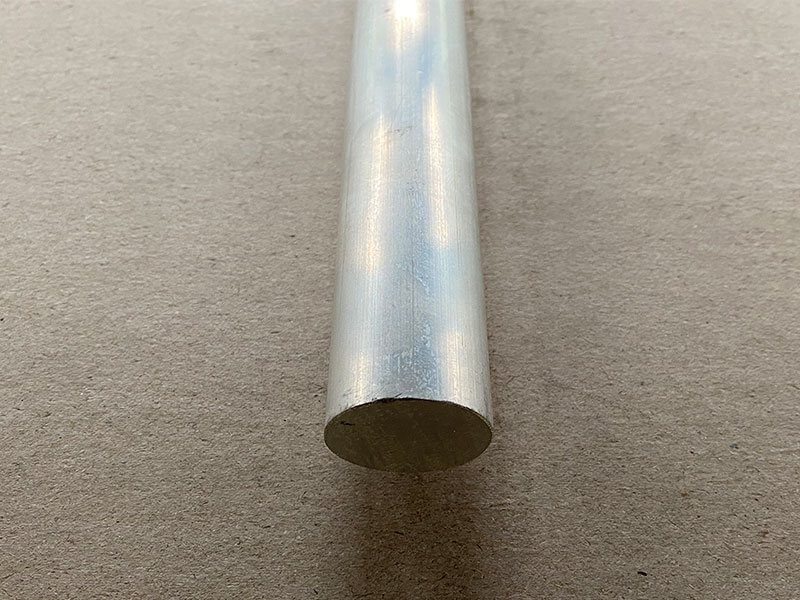
6061 marine aluminum round bar
6061 aluminum belongs to the 6xxx series alloys, alloyed primarily with magnesium and silicon. In the T6 temper, it undergoes solution heat treatment and artificial aging, resulting in enhanced mechanical properties while maintaining excellent corrosion resistance.
View Details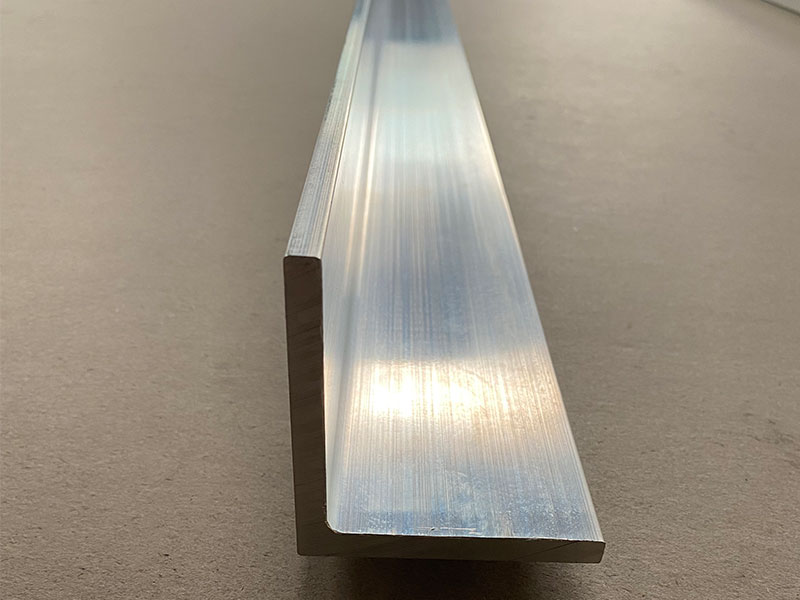
Marine aluminum angles
Marine Aluminum Angles are L-shaped cross-sectional aluminum profiles produced from marine-grade aluminum alloys such as 5083, 5052, and 6061.
View DetailsRelated Blog
6061 Marine Aluminum Flat Bar for Custom Boat Frame Engineering
6061 Marine Aluminum Flat Bar for Custom Boat Frame Engineering: Designing Strength You Can Feel, Not Just CalculateIn custom boat frame engineering, the most important structural parts rarely look dramatic.
View Details
6061 Marine Aluminum Z Shaped Sections for Saltwater Resistant Engineering
In the world of marine construction, material selection is critical for ensuring durability, strength, and resistance to harsh environmental conditions.
View Details
Marine Aluminum Flat Bar
Learn how marine aluminum flat bar performs in boats and docks, from alloy choice and corrosion control to fabrication, sizing, maintenance, and buying checks.
View Details
6061 Marine Aluminum Channels for Boat Deck and Frame Construction
6061 marine aluminum channels are extruded structural profiles manufactured from 6061-T6 (or T6511) aluminum alloy, engineered specifically for marine applications such as boat decks, hull framing, stringers, railings, and equipment mounts.
View Details
Marine Aluminum Rod & Bar for Boat Deck Reinforcements
In the demanding marine environment, materials must withstand harsh conditions including saltwater exposure, mechanical stresses, and varying weather.
View Details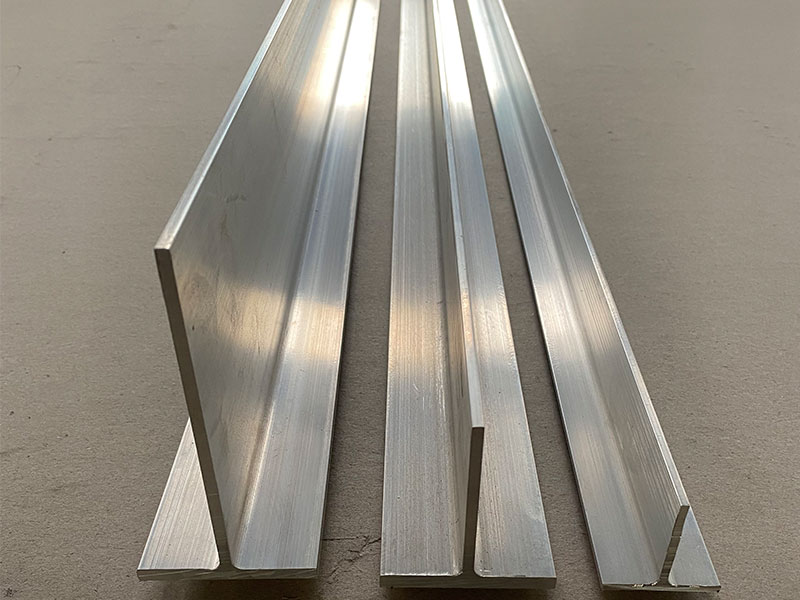
Marine Aluminum Flat Bar for Offshore Boat and Platform Reinforcement
High-performance marine aluminum flat bars engineered for offshore boat and platform reinforcement applications. Steel-like strength, corrosion resistance, and optimal composition for harsh marine environments.
View Details
Leave a Message