
5052 Marine Aluminum Z Shaped Sections
In marine fabrication, a Z shaped section is more than a bent profile. It is an offset bridge between two planes that do not want to meet directly: deck to frame, panel to stringer, hatch edge to support rail, bulkhead lining to hull reinforcement. When made from 5052 marine aluminum, the Z section becomes especially valuable in spaces where salt spray, vibration, flexing, and compact assembly all occur at the same time.
5052 belongs to the aluminum-magnesium alloy family. Its strength is moderate, its corrosion resistance is excellent, and its forming behavior is friendly to bending, flanging, and custom profile production. For boat builders, dock fabricators, ship outfitters, and marine equipment producers, 5052 Marine aluminum Z shaped sections often serve as the small structural parts that make larger assemblies cleaner, lighter, and longer lasting.
A Z Section Works Like a Controlled Offset
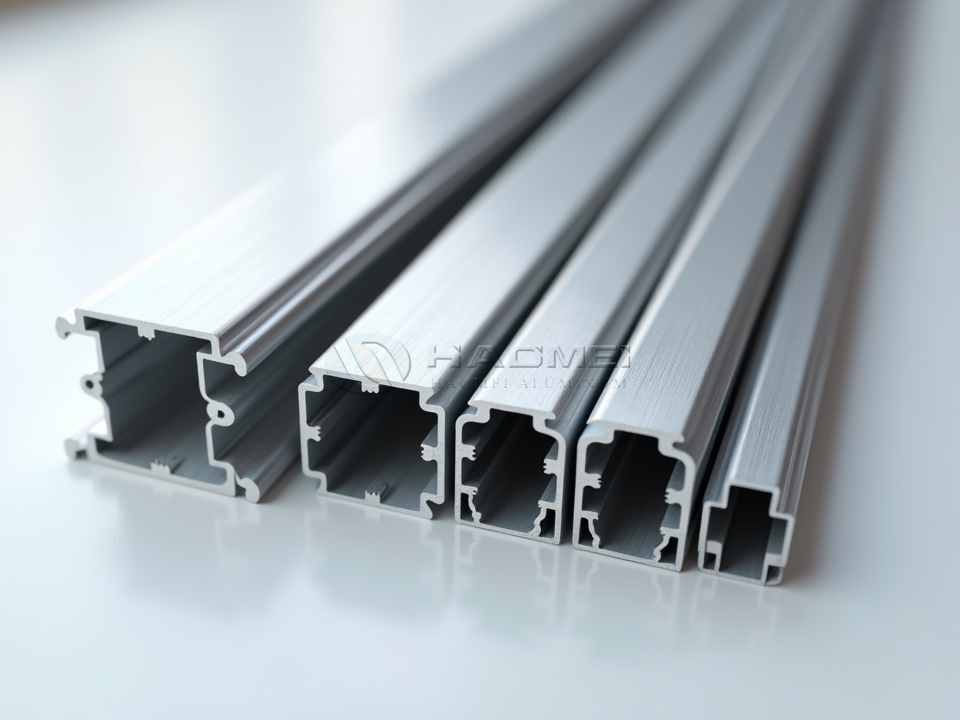
The shape itself explains much of the function. A Z section has two flanges facing opposite directions, connected by a web. This geometry creates separation between mounting surfaces while keeping a continuous metal path for load transfer. In a hull or deck system, that offset can solve practical problems that flat bars and angles cannot handle neatly.
For example, a Z section can raise a deck panel above a support beam to create drainage clearance. It can shift a trim surface away from a bulkhead to accommodate insulation or wiring. It can create a lap joint where two sheets overlap without adding unnecessary thickness. Compared with Marine aluminum angles, the Z profile offers a more balanced offset, making it useful where one side must sit under a plate and the other must sit over a frame.
This is why many engineers treat the Z shape as a positioning part as much as a strengthening part. It establishes spacing, alignment, edge protection, and fastening zones in a single profile.
Why 5052 Is Well Suited to Marine Z Profiles
The marine environment punishes materials through chloride attack, trapped moisture, temperature cycling, and continuous vibration. 5052 performs well here because magnesium improves resistance to seawater corrosion while maintaining good ductility. It is not a heat-treatable alloy, so its mechanical properties are mainly controlled by work hardening and stabilizing tempers.
In real fabrication, this matters. A Z shaped section may need tight bends, slotted holes, rivets, sealant contact, or welded connections. 5052 handles these operations with less cracking risk than many higher-strength aluminum alloys. Its surface also accepts anodizing, powder coating, painting, and marine sealant systems when proper cleaning and pretreatment are used.
For assemblies that need higher column stiffness or heavy concentrated loading, designers may combine 5052 Z sections with larger Marine Grade Aluminum Extrusions. In that role, the Z section often becomes the connector, spacer, cover rail, or light stiffener that completes the structure.
Common Functions on Boats, Docks, and Marine Equipment
5052 Marine aluminum Z shaped sections are often used as panel supports for cabin interiors, deck edges, ceiling panels, locker frames, instrument housings, and hatch surrounds. Their offset design gives installers a hidden fastening surface, which helps produce clean visible lines while keeping screws or rivets away from walking surfaces.
They are also used as stiffeners in thin aluminum sheet assemblies. A Z section attached to a plate increases bending resistance without the weight of a larger channel. In small craft, workboats, pontoons, and service platforms, this can reduce vibration and oil-canning in panels.
On docks and floating platforms, Z profiles can act as transition rails, fascia supports, mounting strips, or edge retainers. The shape is helpful when decking, side plates, and support frames must meet at different elevations. In marine electrical cabinets and equipment enclosures, 5052 Z sections provide corrosion-resistant mounting rails and gasket seats.
Typical Parameters for 5052 Marine Aluminum Z Shaped Sections
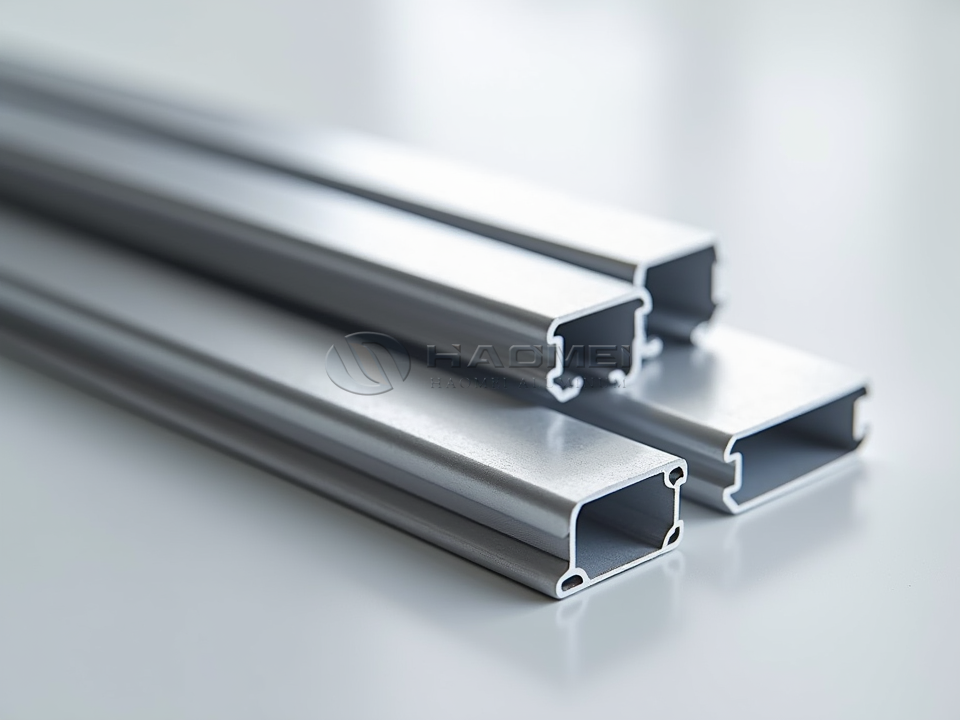
Dimensions vary by drawing, but buyers usually define a Z section through flange width, web height, thickness, inside bend radius, length, and hole pattern. Because 5052 is highly formable, many Z sections are produced by press brake forming from sheet or strip, especially for customized marine structures. In some cases, special profile production may be selected for repeated sections and tighter dimensional consistency.
| Parameter | Common Range or Practice |
|---|---|
| Alloy | 5052 marine aluminum |
| Typical tempers | O, H32, H34, H36, H38, H112 |
| Thickness | 1.5 mm to 8.0 mm, custom thickness available |
| Flange width | 15 mm to 120 mm or made to drawing |
| Web height | 15 mm to 150 mm or made to drawing |
| Length | 1 m to 6 m standard, cut-to-length available |
| Inside bend radius | Usually 1T to 3T depending on temper and thickness |
| Surface | Mill finish, brushed, anodized, powder coated, painted |
| Processing | Cutting, drilling, punching, countersinking, bending, welding |
| Packaging | Film, paper interleaving, wooden case, moisture protection |
For marine use, corners should not be treated as an afterthought. A bend radius that is too sharp may create stress concentration, especially in H34 or harder tempers. If the part will be repeatedly flexed or welded near the bend, a softer temper or larger bend radius is usually safer.
Temper Selection and Mechanical Behavior
The choice of temper changes how the Z section behaves during production and service. O temper is soft and very formable, often used when complex bending is needed. H32 is a popular balance for marine sheet-formed parts because it offers good strength with reliable ductility. H34 and H36 provide higher strength but require more attention to bend radius and forming direction. H112 is often used for products that need stable properties after fabrication.
Typical mechanical properties vary by standard, thickness, and production route, but the following values are useful for design discussions and purchasing communication.
| Temper | Tensile Strength | Yield Strength | Elongation | Fabrication Character |
|---|---|---|---|---|
| 5052-O | 170-215 MPa | 65-90 MPa | High | Best for deep bending and forming |
| 5052-H32 | 210-260 MPa | 130-180 MPa | Good | Balanced marine structural use |
| 5052-H34 | 230-280 MPa | 160-215 MPa | Moderate | Higher rigidity, careful bending needed |
| 5052-H36 | 250-300 MPa | 190-240 MPa | Lower | Stiffer parts with larger bend radius |
| 5052-H112 | 170 MPa min. typical | Project dependent | Good | Stable for general fabricated sections |
Chemical Composition of 5052 Aluminum
The corrosion behavior of 5052 comes mainly from magnesium, while chromium helps improve resistance to stress corrosion and grain structure stability. The low copper content is also important because copper can reduce corrosion resistance in saltwater exposure.
| Element | Content, % by Weight |
|---|---|
| Aluminum, Al | Balance |
| Magnesium, Mg | 2.2-2.8 |
| Chromium, Cr | 0.15-0.35 |
| Iron, Fe | Max. 0.40 |
| Silicon, Si | Max. 0.25 |
| Copper, Cu | Max. 0.10 |
| Manganese, Mn | Max. 0.10 |
| Zinc, Zn | Max. 0.10 |
| Others, each | Max. 0.05 |
| Others, total | Max. 0.15 |
Standards and Quality Conditions
5052 Marine aluminum Z shaped sections are commonly supplied according to recognized aluminum material and fabrication standards. Relevant references may include ASTM B209 for sheet and plate used in formed profiles, ASTM B221 when extruded aluminum profiles are involved, EN 485 for sheet and strip, EN 755 for extruded products, JIS H4000, GB/T 3880, and GB/T 6892 depending on market requirements. Marine projects may also request inspection aligned with classification society expectations such as ABS, DNV, LR, BV, CCS, or RINA.
Dimensional checks should include flange width, web height, total width, straightness, twist, bend angle, thickness tolerance, surface scratches, burrs, and hole position. For parts used near visible deck or cabin areas, surface quality can be as important as strength. Saltwater service also calls for clean packaging, dry storage, and separation from carbon steel to prevent galvanic contamination.
Installation Notes for Better Service Life
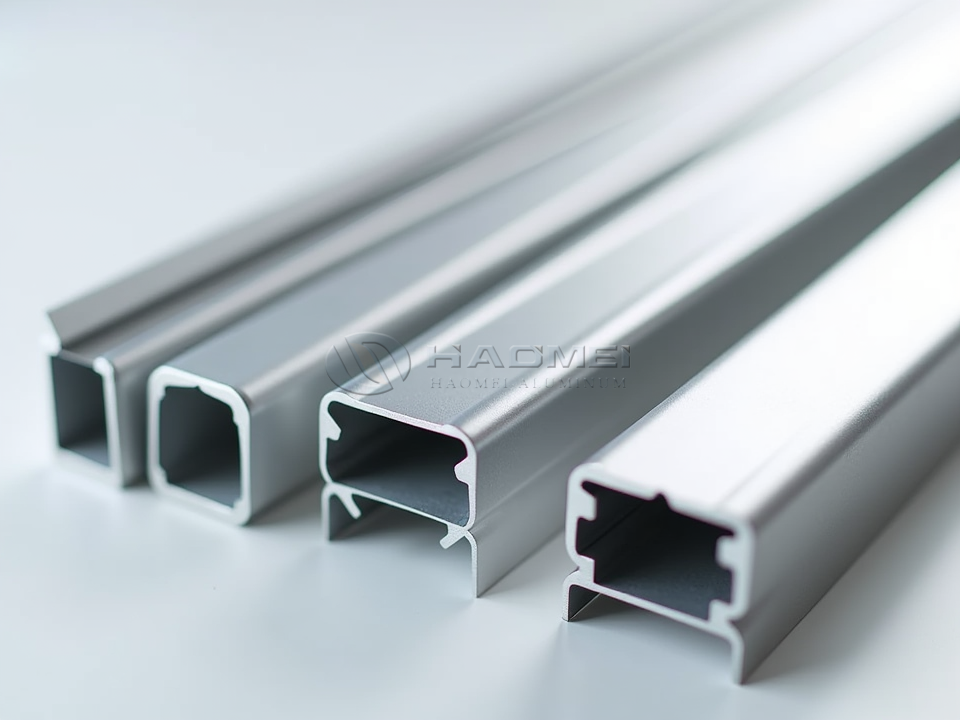
A good Z section can fail early if installed carelessly. Fasteners should be compatible with aluminum or isolated with washers, sleeves, sealants, or coatings. Stainless steel fasteners are common in marine work, but they should not be allowed to create wet galvanic cells without isolation. Drainage gaps are also important. If seawater is trapped behind the web or flange, even corrosion-resistant aluminum faces unnecessary stress.
When welding 5052, common filler choices include 5356 or 5183, depending on strength and service needs. Heat input should be controlled to reduce distortion, especially in thin Z profiles. For adhesive bonding or sealing, the surface should be degreased, lightly abraded if required, and treated according to the coating or sealant system instructions.
Purchasing Perspective
When ordering 5052 Marine aluminum Z shaped sections, the most useful drawing is one that shows thickness, flange dimensions, web height, bend radius, angle tolerance, length, hole pattern, surface condition, and temper. If the section must match an existing deck frame, hatch, bulkhead, or dock module, providing assembly photos or mating part dimensions can prevent costly mismatch.
For buyers, the main advantage of 5052 is not only corrosion resistance. It is the way this alloy lets a compact Z profile perform several jobs at once: spacing, fastening, stiffening, trimming, and protecting edges. In marine construction, that kind of multifunctional part saves weight, reduces assembly time, and supports long-term reliability in harsh saltwater conditions.

Related Products
Marine aluminum channels
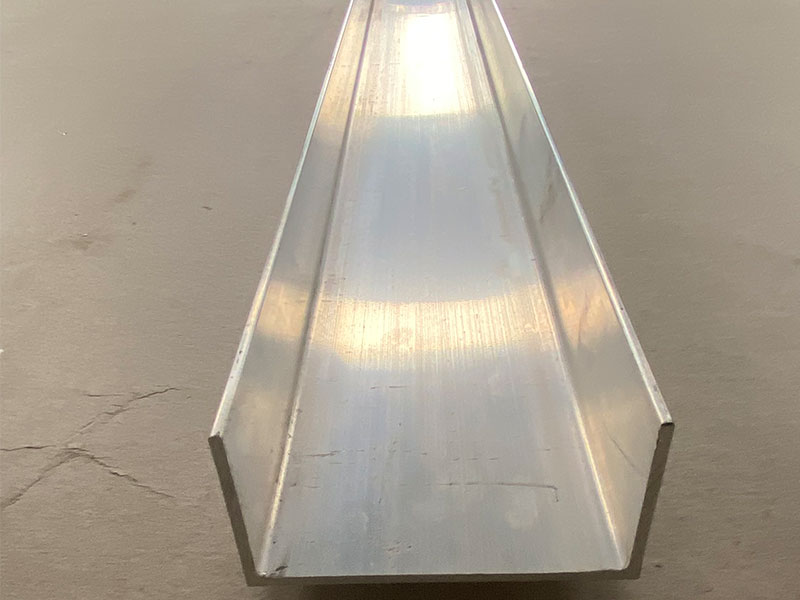
Marine Aluminum Channels are U-shaped aluminum profiles produced from alloys such as 5083, 5052, and 6061, known for their excellent marine corrosion resistance and superior mechanical strength.
View Details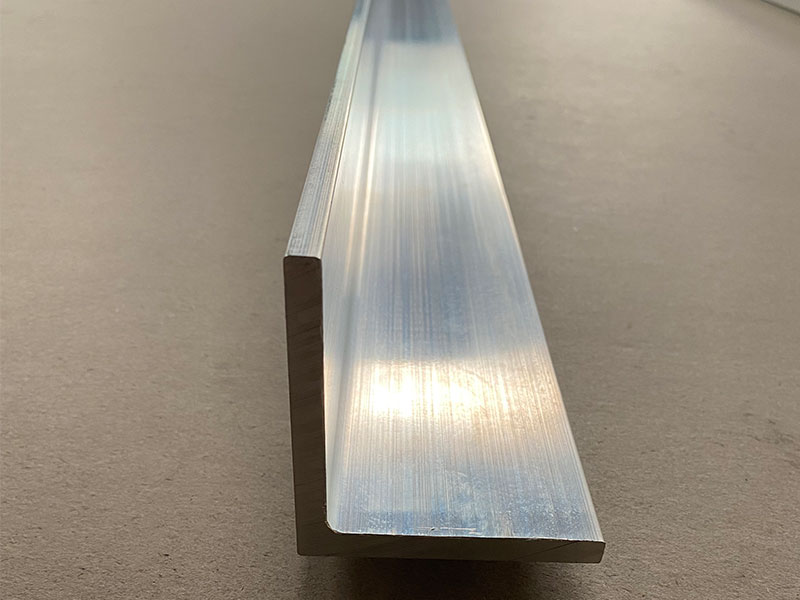
Marine aluminum angles
Marine Aluminum Angles are L-shaped cross-sectional aluminum profiles produced from marine-grade aluminum alloys such as 5083, 5052, and 6061.
View Details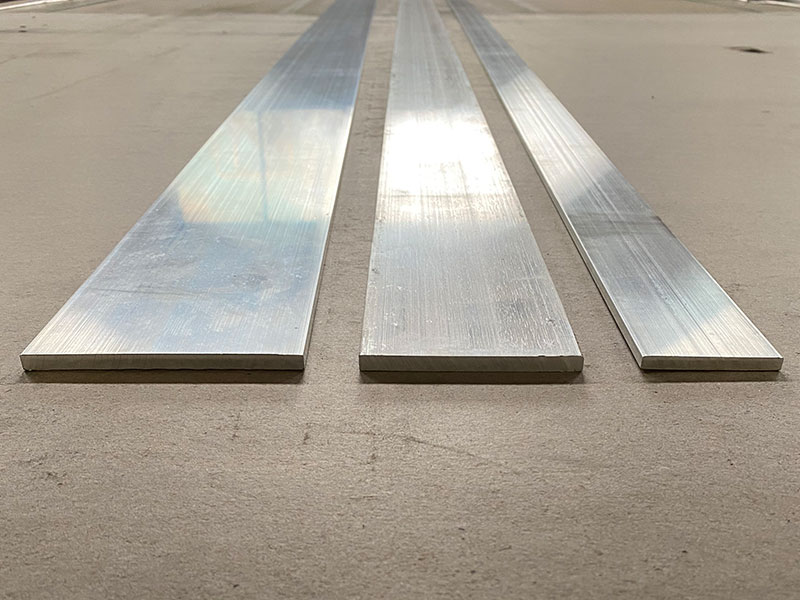
6061 T6 marine aluminum flat bar
6061 aluminum is classified as a heat-treatable 6xxx series alloy, alloyed primarily with magnesium and silicon. The T6 temper designation indicates that the flat bar has been solution heat-treated and artificially aged to achieve optimum strength and hardness.
View Details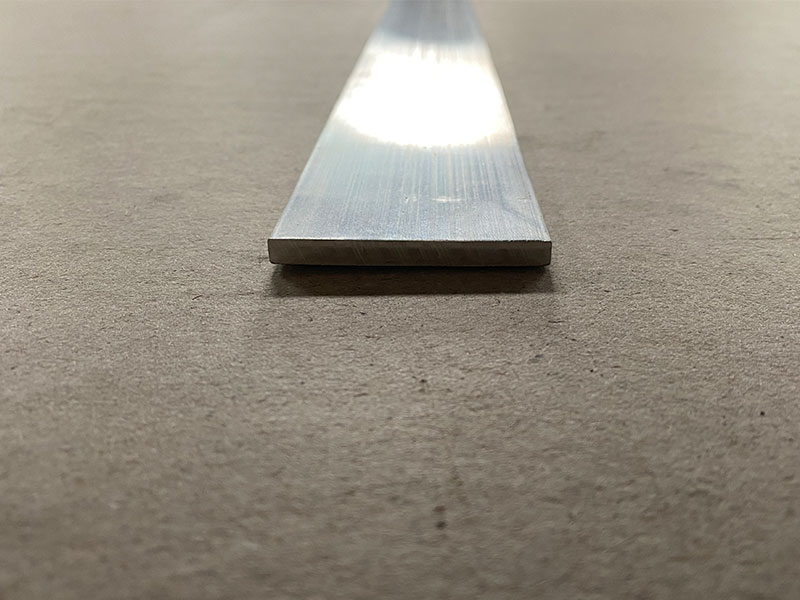
5083 marine aluminum flat bar
5083 aluminum flat bars belong to the 5xxx series of aluminum-magnesium alloys, known primarily for their superior resistance to seawater corrosion and salt spray.
View Details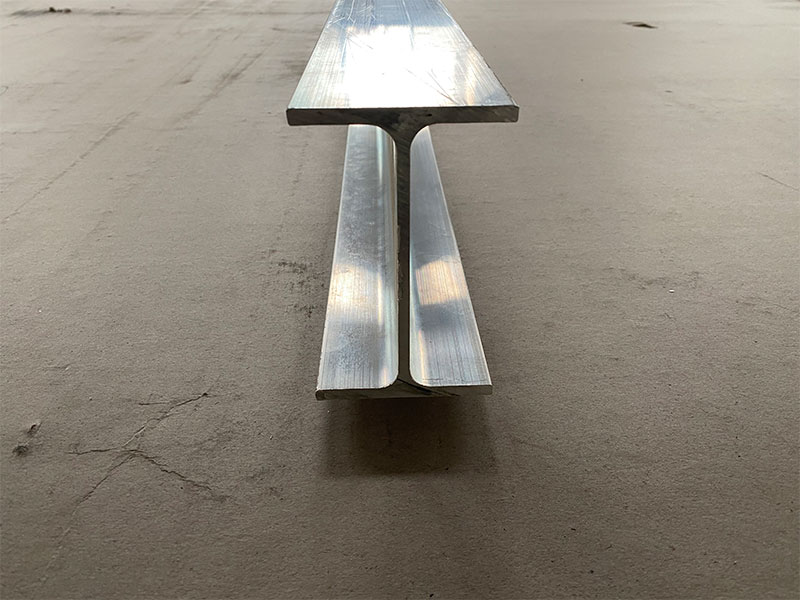
Marine aluminum Z-shaped sections
Marine Aluminum Z-shaped Sections are fabricated from premium marine-grade aluminum alloys such as 5083, 5052, and 6061. These alloys are well-regarded for their superior corrosion resistance in seawater and marine atmospheres, along with good mechanical strength and excellent weldability.
View Details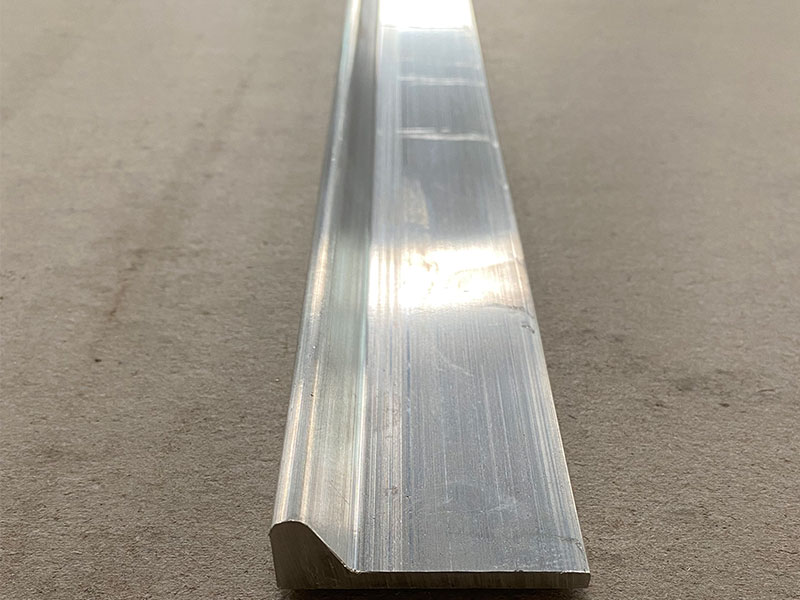
Marine aluminum I-beams
Marine Aluminum I-Beams feature the traditional “I” cross-sectional profile fabricated from marine-grade aluminum alloys like 5083, 5086, and 6061. These alloys are renowned for their outstanding corrosion resistance, especially in saltwater and marine atmospheres, making them ideal for offshore and naval construction.
View DetailsRelated Blog
Marine Aluminum Channels for Boat Frame Strengthening
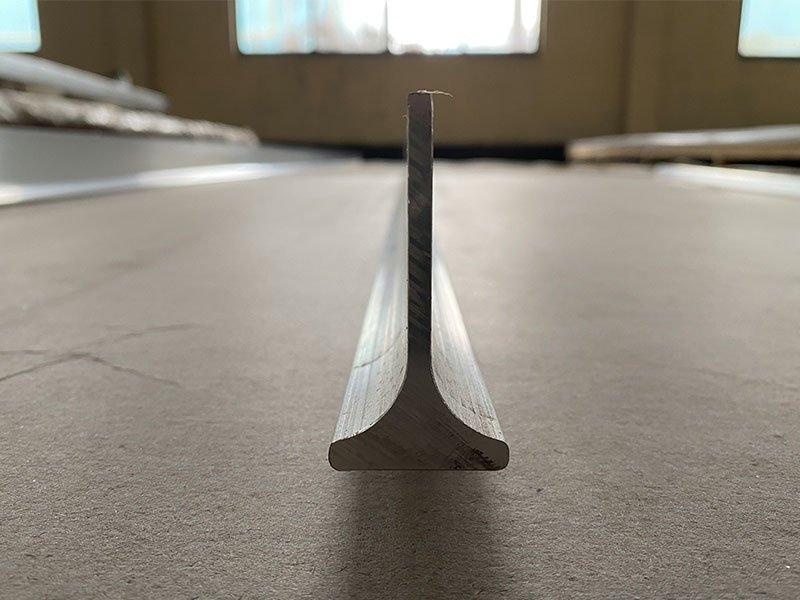
Marine Aluminum Channels for Boat Frame Strengthening: The "Quiet Backbone" of a HullWhen people talk about strengthening a boat frame, attention usually goes to dramatic parts: thick plating, heavy ribs, or big weldments.
View Details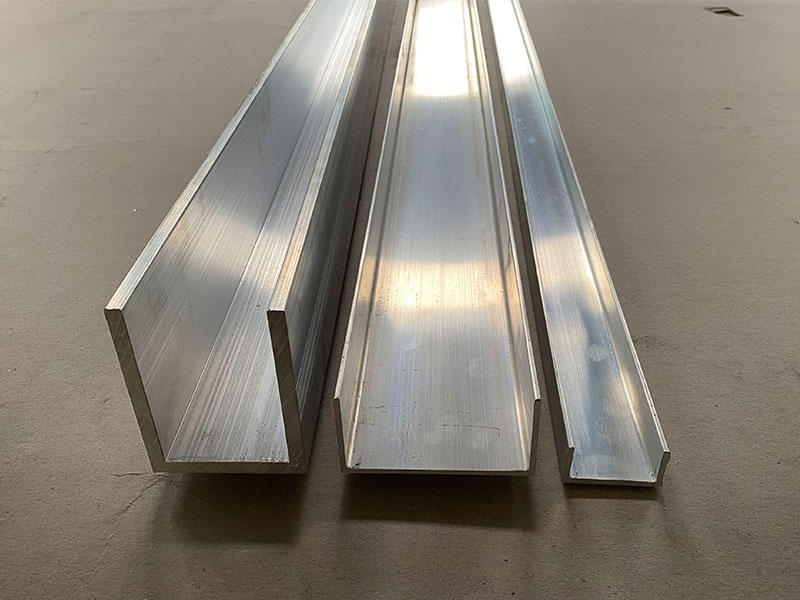
5052 Marine Aluminum Channels for Custom Boat Hull Construction
Aluminum channels are indispensable components in marine construction, providing structural support, corrosion resistance, and design versatility. Among various aluminum alloys available.
View Details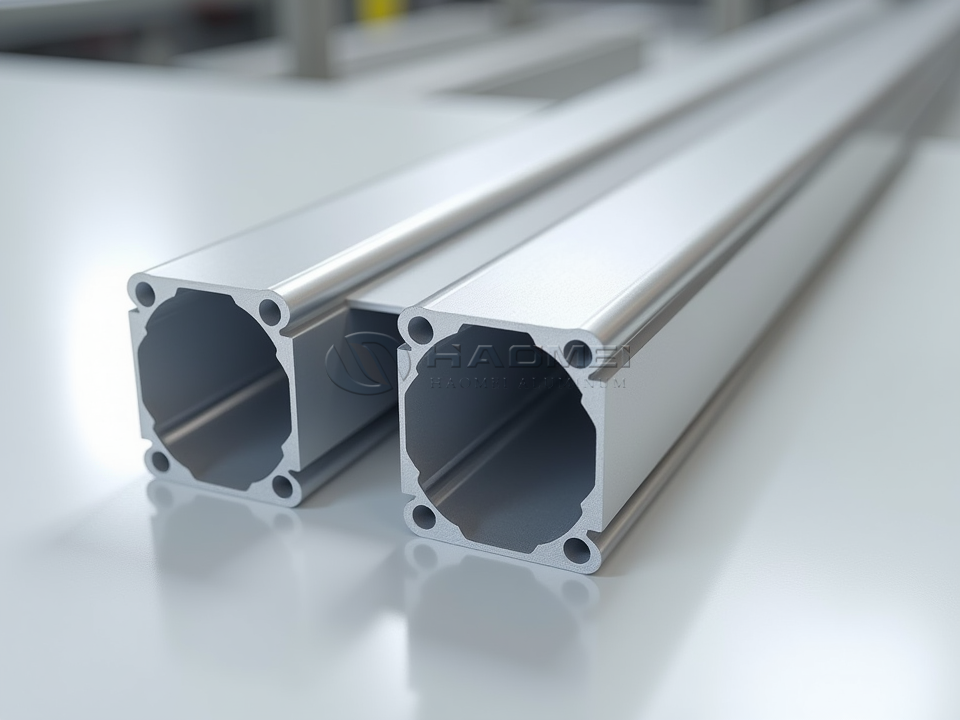
5083 5086 6061 6082 Aluminum I Beam Marine Aluminum
Guide to 5083, 5086, 6061 and 6082 aluminum I beams for marine use, covering alloys, tempers, standards, sizes, chemical properties and selection tips.
View Details
5083 Marine Aluminum Channels for Lightweight Marine Vessel Design
5083 Marine Aluminum Channels for Lightweight Marine Vessel Design: A Perfect Fusion of Strength, Durability, and Corrosion ResistanceIn the evolving world of marine vessel design, the quest for materials that offer unbeatable strength.
View Details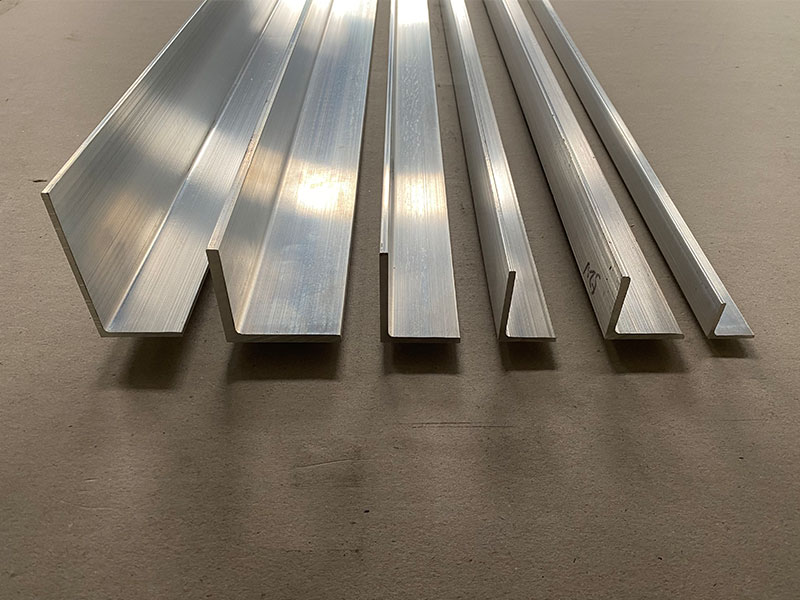
5083 Marine Aluminum Round Bar for High Strength Offshore Reinforcements
In the demanding world of offshore engineering, materials must withstand severe environmental conditions without compromising structural integrity. One such pivotal material is the 5083 Marine Aluminum Round Bar.
View Details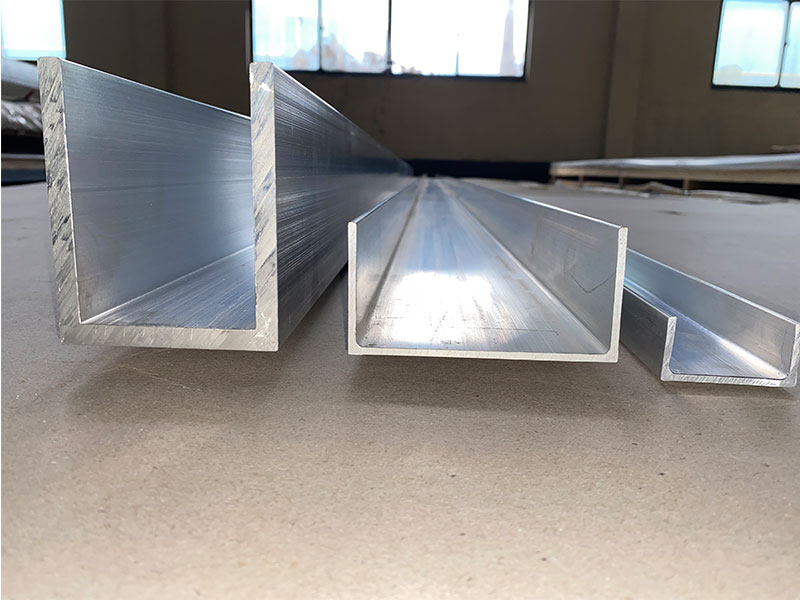
5052 Marine Aluminum Angles for Seawater Resistant Offshore Equipment
5052 marine aluminum angles are purpose-built structural shapes for offshore and nearshore environments where salt spray, seawater splash zones, and humid, corrosive atmospheres quickly degrade ordinary metals.
View Details
Leave a Message