
6061 Marine Aluminum Flat Bar for Custom Boat Frame Engineering
6061 Marine Aluminum Flat Bar for Custom Boat Frame Engineering: Designing Strength You Can Feel, Not Just Calculate
In custom boat frame engineering, the most important structural parts rarely look dramatic. They're often straight, quiet pieces of metal doing unglamorous work under vibration, salt spray, and cyclic loads. That's where 6061 marine aluminum flat bar earns its reputation. Not because it's exotic, but because it behaves predictably when you cut it, weld it, fasten it, and ask it to survive years of real marine use.
Why 6061 Flat Bar Makes Sense in Marine Frame Builds
A boat frame is not a static structure. It experiences repeated bending from wave impacts, torsion during trailering, engine vibration, and point loads from seats, consoles, and deck hardware. Many alloys can meet a strength target on paper, but 6061 stands out because its performance stays stable through the whole build cycle-from machining and drilling to welding and final assembly.
In marine fabrication, the flat bar format matters as much as the alloy. 6061 marine aluminum flat bar is commonly used for:
- Longitudinal stiffeners and framing members
- Deck framing, seat bases, console supports
- Transom bracing elements and motor well structures
- Mounting rails and reinforcement straps
- Custom brackets and gusset plates where flat geometry is preferred
Flat bar is the "engineering sentence" you write when you want load to travel cleanly in one plane. You can place it on edge for stiffness, lay it flat for bearing area, or laminate it into composite structures with isolation and proper fasteners.
The "Marine" Reality: Corrosion Is a System, Not a Material Checkbox
6061 is often called "marine aluminum," but the distinctive truth is this: the alloy is only one part of the corrosion equation. 6061 offers good corrosion resistance, particularly in atmospheric and many freshwater applications, and it performs well in many marine environments when properly designed and protected.
What makes 6061 especially useful in custom boat frames is that it tolerates the real-world measures engineers rely on:
- Anodizing or marine coatings where aesthetics and extra protection are needed
- Isolation from dissimilar metals to reduce galvanic couples
- Smart drainage and avoid-crevice design so water doesn't sit in seams
- Weld design that considers heat-affected-zone strength changes
If you're building a frame that includes stainless fasteners, copper-based antifouling nearby, or mixed-metal accessories, the design approach matters. 6061 gives you a stable platform, but you still want correct insulation washers, sealants, and compatible hardware strategies.
Temper and Heat Treatment: Where 6061 Gets Its Personality
6061 is a heat-treatable aluminum alloy. The temper determines whether your flat bar behaves like a stiff structural member or a more formable piece for fabrication steps.
Common tempers used for 6061 aluminum flat bar in marine fabrication include:
- 6061-T6: Solution heat-treated and artificially aged. This is the go-to for high strength and stiffness in structural members.
- 6061-T651: T6 plus stress-relieving by stretching. Often preferred for machining stability, reduced warping, and dimensional consistency.
- 6061-T4: Solution heat-treated and naturally aged. More formable, sometimes chosen when bending is required before final strengthening steps.
A critical fabrication truth for custom boat frames is welding behavior: welding locally reduces the strength of T6/T651 in the heat-affected zone, commonly shifting properties closer to T4/T5-like levels unless post-weld heat treatment is performed (which is not always practical for large assemblies). Engineers often compensate by adding section thickness, using gussets, or adjusting joint geometry.
Implementation Standards That Matter in Real Shops
To keep custom boat frame builds consistent-especially when parts are sourced from different mills or need to satisfy inspection requirements-6061 flat bar is commonly supplied to recognized standards.
Typical reference standards include:
- ASTM B221 for aluminum and aluminum-alloy extruded bars, rods, wire, profiles, and tubes
- AMS-QQ-A-200/8 (aerospace-oriented spec often referenced for quality expectations in 6061 extrusions)
- EN 755 series (common in EU markets for extruded aluminum alloys; exact part depends on tolerance and property requirements)
In procurement language, you'll often see requirements that combine alloy, temper, and dimensional tolerances. For boat frame engineering, those tolerances influence fit-up, weld gap consistency, and how cleanly long members stay aligned.
Typical Parameters for 6061 Marine Aluminum Flat Bar (Engineering Snapshot)
While exact values depend on temper and supplier certifications, the following are widely used typical properties for design discussion and preliminary engineering.
Common mechanical property ranges (typical):
- Density: about 2.70 g/cm³
- Elastic modulus: about 69 GPa
- Thermal conductivity: roughly 167 W/m·K (varies with temper and condition)
- 6061-T6 / T651 tensile strength: typically around 290–310 MPa
- 6061-T6 / T651 yield strength: typically around 240–276 MPa
- Elongation: often around 8–12% depending on thickness
For frame design, the practical meaning is this: 6061-T6 flat bar gives high stiffness-to-weight, and the bar geometry lets you tune section modulus without adding complex tooling.
Common marine fabrication thickness choices are often driven by weld accessibility and local bearing needs rather than pure stress math. Flat bar shines here because you can "add strength where the load is" by widening or thickening only the needed segments.
Chemical Composition: The Alloy's Built-In Balance
6061 is an Al-Mg-Si alloy with controlled additions that enable heat treatment and good overall corrosion performance. Below is a standard composition range table commonly referenced for 6061.
6061 Aluminum Alloy Chemical Composition (Typical Standard Limits, wt.%)
| Element | Composition (wt.%) |
|---|---|
| Aluminum (Al) | Balance |
| Magnesium (Mg) | 0.80–1.20 |
| Silicon (Si) | 0.40–0.80 |
| Copper (Cu) | 0.15–0.40 |
| Chromium (Cr) | 0.04–0.35 |
| Iron (Fe) | ≤ 0.70 |
| Manganese (Mn) | ≤ 0.15 |
| Zinc (Zn) | ≤ 0.25 |
| Titanium (Ti) | ≤ 0.15 |
| Others (each) | ≤ 0.05 |
| Others (total) | ≤ 0.15 |
This chemistry is the reason 6061 can be heat-treated into a high-strength condition while maintaining the corrosion resistance profile that boat builders expect for structural members, especially when paired with good finishing practices.
Distinctive Engineering View: 6061 Flat Bar as a "Load Path Translator"
In custom boat frames, failure often happens where load paths change direction: at seat pedestals, console mounts, transom knees, and deck-to-frame transitions. A flat bar is not just a piece of stock-it can be treated as a load path translator.
Because it offers a wide face, 6061 flat bar:
- Reduces localized bearing stress under bolted joints
- Provides stable weld land areas that make fillets more consistent
- Allows efficient gusseting without bulky shapes
- Creates predictable stiffness transitions when you taper or step widths
This is valuable in marine structures because stiffness mismatches can concentrate stress and amplify fatigue. A thoughtfully placed flat bar can soften or redirect those stiffness gradients without adding much weight.
Welding and Joining Considerations for 6061 Boat Frames
6061 can be welded successfully with common marine fabrication processes, but the engineering intent should acknowledge post-weld properties.
Common shop realities include:
- Filler selection often involves 4043 or 5356 depending on strength targets, crack sensitivity, and anodizing/color-match preferences
- The heat-affected zone softening is a design input, not a surprise-joint placement and reinforcement strategy can manage it
- Mechanical fastening through flat bar is straightforward, but isolation from stainless fasteners in wet salt environments helps prevent galvanic issues
For custom frame builds that will see harsh saltwater service, corrosion protection is usually achieved through a combination of surface prep, coatings/anodizing where applicable, and intelligent detailing that avoids water traps.
Why 6061 Marine Aluminum Flat Bar Is a Smart Choice for Custom Builds
Custom boat engineering is always a compromise between theoretical perfection and practical buildability. 6061 flat bar sits in a sweet spot:
- Strong enough for many structural members in T6/T651
- Machinable, drillable, and widely available
- Weldable with common marine practices
- Reliable dimensional consistency under standard supply specs
- Excellent strength-to-weight for small and mid-sized vessels and structural modules
If your goal is a custom frame that feels rigid underfoot, stays aligned during fabrication, and holds up over seasons of real use, 6061 marine aluminum flat bar is one of the most dependable material choices you can specify.
Closing: Engineering Confidence Is Built From Predictable Material Behavior
In boat frames, confidence comes from materials that behave the same way on day one and year five-after cutting, welding, fastening, and living in a marine environment. 6061 marine aluminum flat bar for custom boat frame engineering brings that predictability. It's not just a commodity alloy; it's a structural language that fabricators and engineers both understand, which is often the difference between a frame that merely "meets spec" and one that truly lasts.

Related Products
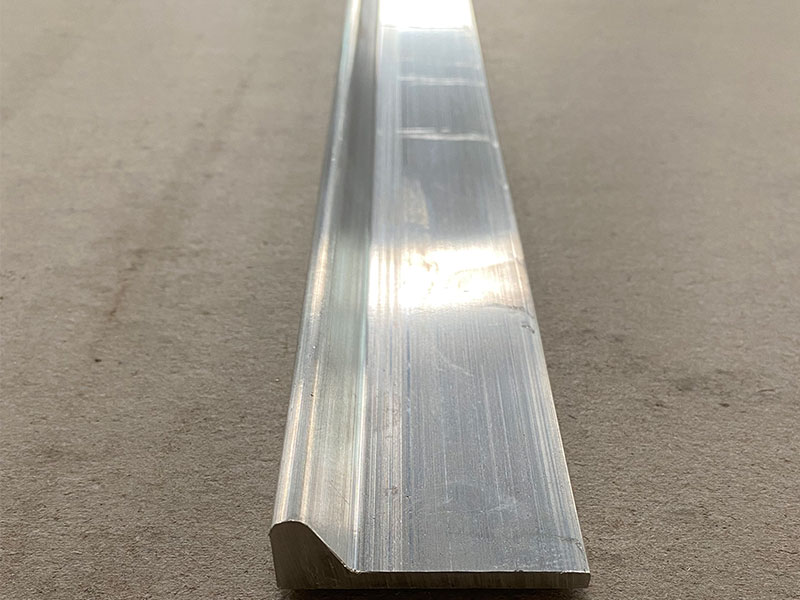
Marine aluminum I-beams
Marine Aluminum I-Beams feature the traditional “I” cross-sectional profile fabricated from marine-grade aluminum alloys like 5083, 5086, and 6061. These alloys are renowned for their outstanding corrosion resistance, especially in saltwater and marine atmospheres, making them ideal for offshore and naval construction.
View Details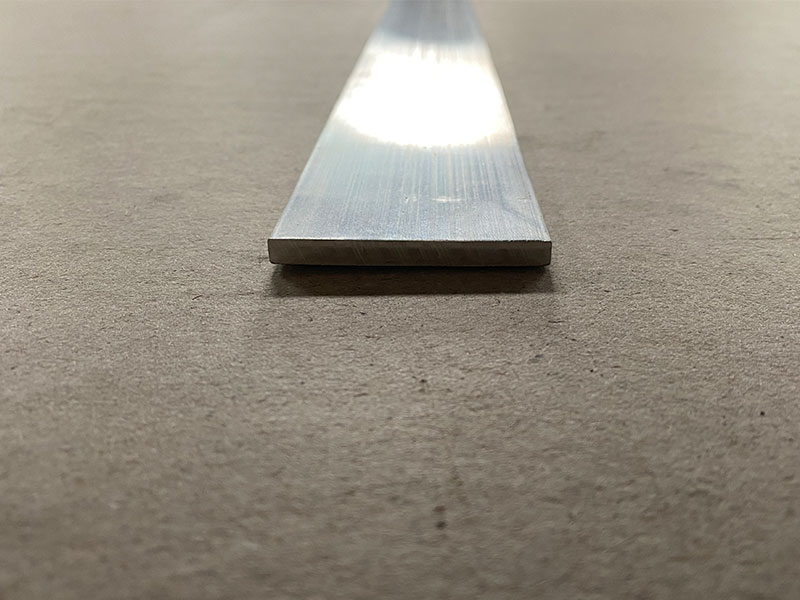
5083 marine aluminum flat bar
5083 aluminum flat bars belong to the 5xxx series of aluminum-magnesium alloys, known primarily for their superior resistance to seawater corrosion and salt spray.
View Details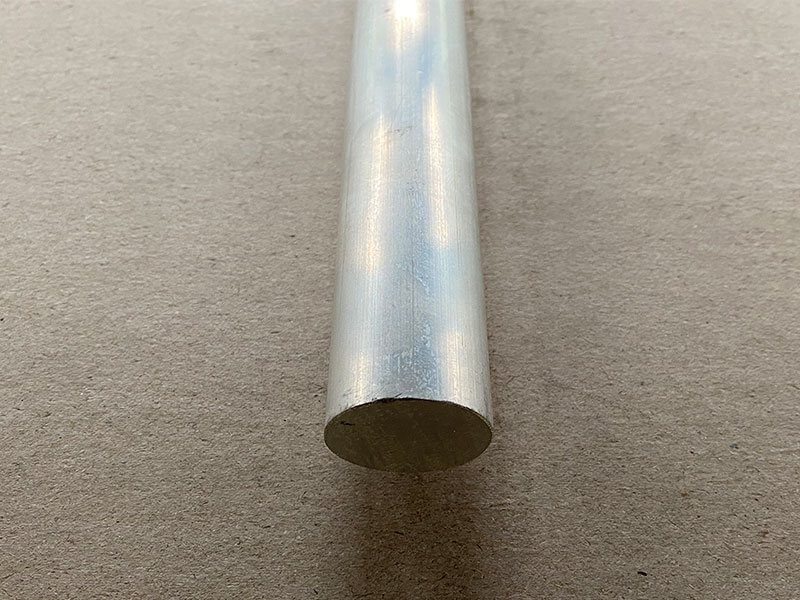
6061 marine aluminum round bar
6061 aluminum belongs to the 6xxx series alloys, alloyed primarily with magnesium and silicon. In the T6 temper, it undergoes solution heat treatment and artificial aging, resulting in enhanced mechanical properties while maintaining excellent corrosion resistance.
View Details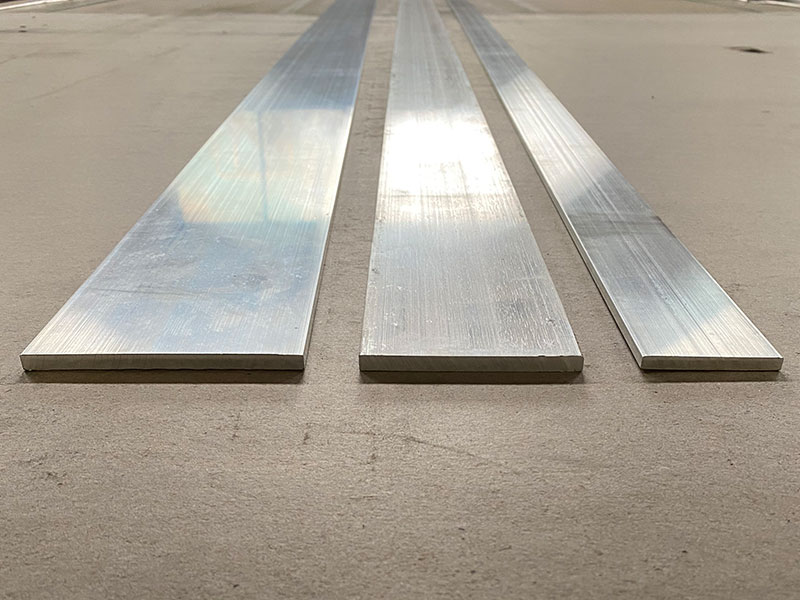
6061 T6 marine aluminum flat bar
6061 aluminum is classified as a heat-treatable 6xxx series alloy, alloyed primarily with magnesium and silicon. The T6 temper designation indicates that the flat bar has been solution heat-treated and artificially aged to achieve optimum strength and hardness.
View Details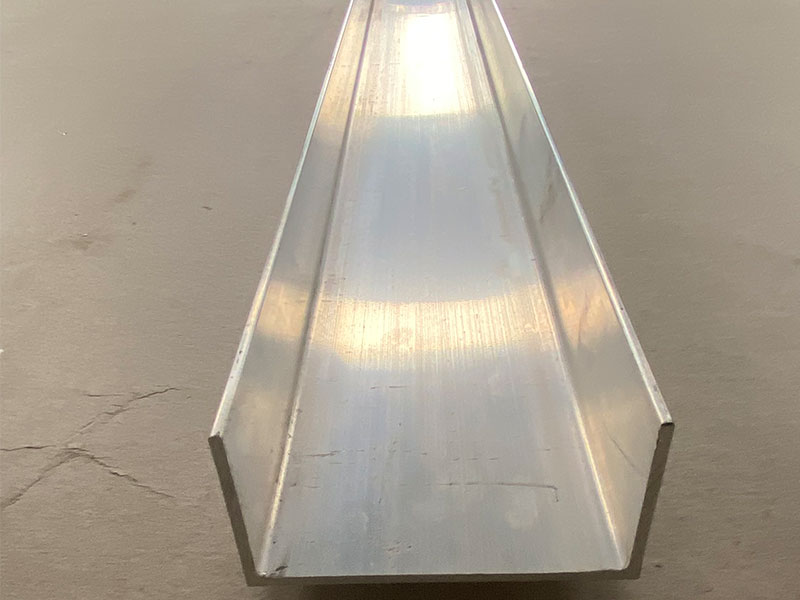
Marine aluminum channels
Marine Aluminum Channels are U-shaped aluminum profiles produced from alloys such as 5083, 5052, and 6061, known for their excellent marine corrosion resistance and superior mechanical strength.
View Details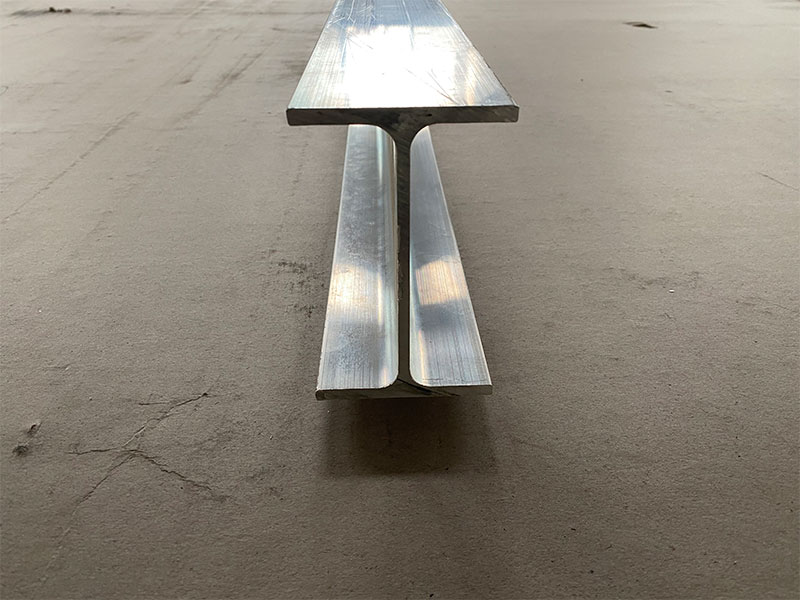
Marine aluminum Z-shaped sections
Marine Aluminum Z-shaped Sections are fabricated from premium marine-grade aluminum alloys such as 5083, 5052, and 6061. These alloys are well-regarded for their superior corrosion resistance in seawater and marine atmospheres, along with good mechanical strength and excellent weldability.
View DetailsRelated Blog
6061 Marine Aluminum Round Bar for Custom Marine Vessel Parts
When it comes to marine vessel construction and maintenance, the materials chosen play an integral part in their functionality, longevity, and structural integrity.
View Details
6061 Marine Aluminum Rod & Bar for Durable Boat Deck Design
When it comes to crafting a boat deck that not only withstands the rigorous marine environment but also elevates performance and longevity, the choice of material is paramount.
View Details
6061 Marine Aluminum Z Shaped Sections for Marine Frame Reinforcement
6061 Marine Aluminum Z Shaped Sections for Marine Frame ReinforcementMarine structures rarely fail because one component is "weak." They fail because loads travel through the hull in complicated paths, concentrate around cutouts and joints.
View Details
6061 Marine Aluminum I Beams for High Performance Marine Engineering
The 6061 marine aluminum I beams are a premier choice for engineers and designers in the marine industry. Renowned for their strength, corrosion resistance, and versatility, these aluminum I beams are ideal for various applications.
View Details
6061 Marine Aluminum Channels for Boat Deck and Frame Construction
6061 marine aluminum channels are extruded structural profiles manufactured from 6061-T6 (or T6511) aluminum alloy, engineered specifically for marine applications such as boat decks, hull framing, stringers, railings, and equipment mounts.
View Details
6061 Marine Aluminum Z Shaped Sections for Custom Boat Deck Parts
6061 marine aluminum Z shaped sections are engineered profiles used to build strong, lightweight deck structures-especially where you need a step, offset, or flange for fastening.
View Details
Leave a Message