
6063 Marine Aluminum Heat Sink Profile
Start With the Heat Journey, Not the Fin Shape
A 6063 marine aluminum heat sink profile is often judged by its fins: deeper fins, more fins, tighter spacing. In marine equipment, that is only part of the decision. The more useful viewpoint is to follow heat from its source to the surrounding air. Every interface in that journey can either preserve cooling performance or quietly waste it.
A typical path begins at an LED board, inverter module, charger, radar electronics enclosure, or navigation device. Heat then travels through a mounting plate, thermal pad or paste, the extruded aluminum base, the fins, and finally into moving or still air. A profile with dramatic fins can still run hot if its base is too thin, the contact surface is uneven, or the fins sit inside a sealed compartment with no air exchange.
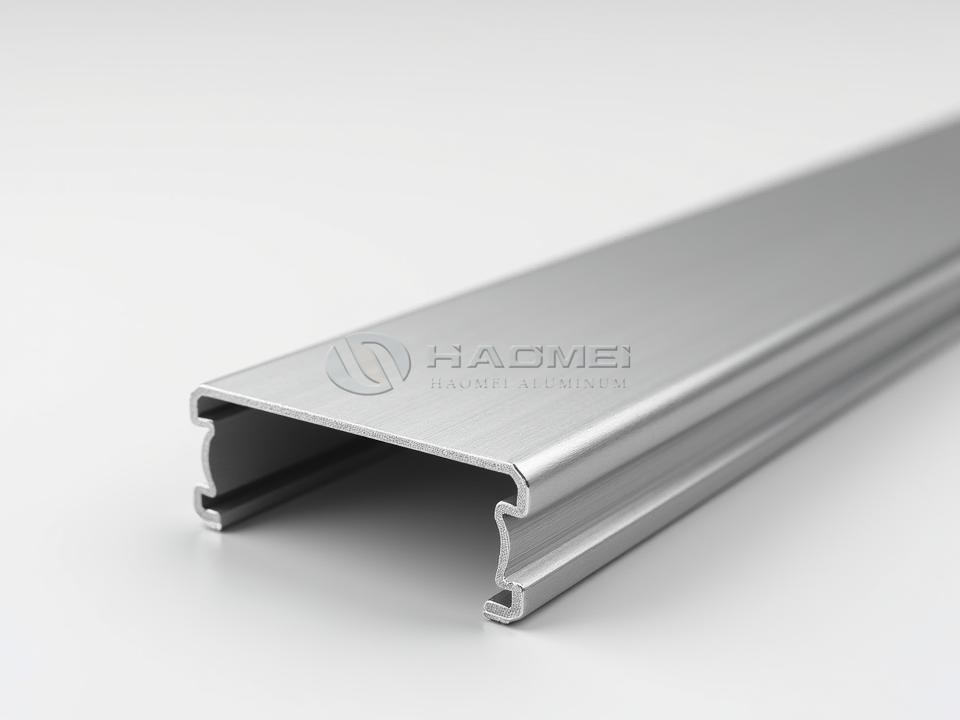
6063 aluminum is well suited to this task because it extrudes cleanly into detailed shapes with a smooth surface. It allows practical features to be made as part of one section: cooling fins, screw channels, gasket lands, wire ways, snap-fit covers, and mounting flanges. For equipment builders, fewer secondary parts usually mean fewer vibration points and fewer locations where moisture can enter.
Why 6063 Fits Heat Sink Extrusions
6063 is an aluminum-magnesium-silicon alloy widely used for architectural and precision extrusion work. Its thermal conductivity is commonly around 200 W/m·K, depending on temper and exact chemistry. That makes it an effective conductor for moderate and high-output electronic assemblies, while its extrusion behavior supports thin fins and controlled dimensional tolerances.
T5 and T6 tempers are common choices. T5 can offer an economical combination of strength and extrusion productivity. T6 is often selected when a housing or heat sink must carry greater mechanical loads, maintain thread engagement, or resist deformation around fasteners. The right temper should follow the assembly requirement rather than being selected solely for a higher strength figure.
Marine use adds an important qualification. 6063 should not be treated as the same material choice as 5083 or 5086 plate used for hull structures. In exposed salt-spray conditions, alloy selection, drainage, coating, fastener isolation, and maintenance all matter. A 6063 heat sink works particularly well in protected exterior equipment, cabins, control boxes, lighting housings, and sealed electronic enclosures where its surface is properly finished and water is not trapped against it.
For systems requiring an integrated cooling body rather than a standard catalog shape, Marine aluminum heat sink profile options can be developed around the actual board size, airflow direction, mounting method, and enclosure constraints.
Fin Geometry Must Match the Airflow Reality
In a calm electronics locker, air rises slowly through the fins by natural convection. This calls for wider channels and vertical fin orientation. If fins are packed too closely, the channels restrict buoyant airflow and the center of the profile becomes a warm pocket rather than an active cooling surface.
With forced airflow from a fan, blower, or vessel motion through a ventilated housing, narrower fin spacing can become effective. The profile must still leave room for salt residue, dust, and cleaning access. A marine heat sink that performs well in a laboratory can lose capacity after a season if the fin passages collect grime and cannot be rinsed or inspected.
Fin height should also be viewed realistically. Taller fins increase exposed area, but they add extrusion complexity and may be fragile during handling. On a vessel, vibration and impacts are normal. A moderate fin with a thicker root often survives better than an extremely thin fin with a sharp, delicate edge. Rounded transitions at the fin base improve metal flow during extrusion and reduce stress concentration.
The base section deserves as much attention as the fins. It must spread heat laterally before the heat reaches the fin field. A base that is too thin creates a temperature peak near the semiconductor or power module. A thicker base can lower that peak and make the entire profile work more evenly, especially when the heat source covers only a small area.
Corrosion Protection Is Part of Thermal Design
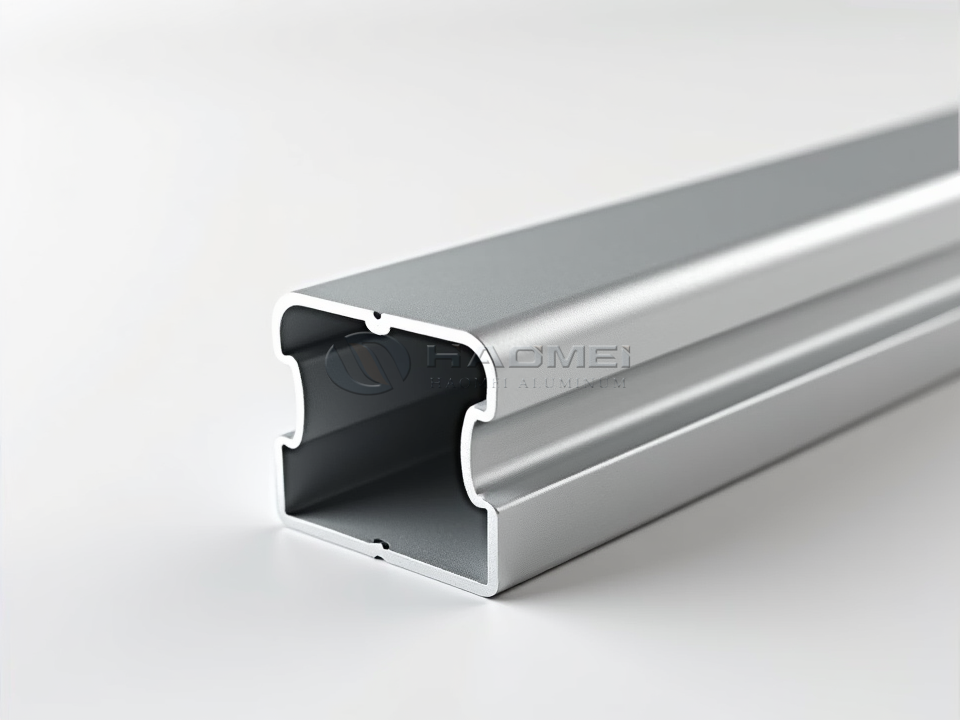
Saltwater does not need to immerse a heat sink to cause trouble. Salt mist, condensation, and trapped moisture can create corrosion cells in crevices around fasteners, gaskets, and mounting brackets. Therefore, the most reliable thermal profile is one designed to drain and dry.
Specify smooth transitions rather than deep blind pockets. Provide drainage paths at the lowest installed points. Avoid horizontal ledges that hold wash water. If the profile forms part of a sealed enclosure, position gasket grooves where compression is consistent and water cannot sit against the seal.
Anodizing is frequently chosen for 6063 marine aluminum heat sink profiles. A well-controlled anodized layer improves corrosion resistance and provides an orderly, durable finish. Natural, black, and dark bronze finishes are common. Black anodizing can improve radiant heat emission, although convection usually remains the larger cooling mechanism in ordinary marine installations. The coating should be chosen for the service environment and required appearance, not as a substitute for airflow.
Galvanic corrosion deserves special attention. Stainless steel screws, copper conductors, and carbon steel brackets can create risk when moisture bridges dissimilar metals. Use suitable insulating washers, compatible sealants, plated hardware, or isolating pads where needed. The mounting stack should be reviewed as a complete system, not as separate materials purchased independently.
Practical Details That Save Rework
A heat sink is easier to install when extrusion features are planned before tooling begins. Screw bosses need sufficient wall thickness. T-slots should suit the intended nut and fastener size. Machined flatness should be specified for semiconductor contact faces, particularly where a thin thermal interface material is used. If a board must slide into a channel, allow for anodizing buildup and production tolerances.
It is also useful to define the duty cycle. A navigation light driver running intermittently has different thermal needs from a DC-DC converter operating continuously in an engine-room enclosure. Ambient temperature, enclosure ventilation, solar loading, fan reliability, and nearby heat sources all influence the required profile mass and fin area.
Prototype testing should use actual mounting pressure, interface material, electrical load, and enclosure conditions. A bare heat sink on an open bench may appear excellent, while the installed assembly can be much hotter. Temperature sensors placed at the device case, base center, base edge, and fin tip reveal whether the restriction lies in contact resistance, spreading resistance, or air movement.
Specifying a Profile That Works at Sea
An effective purchase specification describes more than the alloy. It should state the 6063 temper, finished dimensions, tolerance priorities, required flatness, length, finish, machining operations, packaging method, and intended marine exposure. Indicate whether parts will be anodized before or after cutting and machining, because exposed cut faces may require additional protection in harsh locations.
Designers who need wider system compatibility can also coordinate the heat sink with Marine Grade Aluminum Profiles used for equipment frames, covers, rails, or mounting structures. Matching alloys, finishes, and assembly logic can simplify fabrication while improving the visual consistency of onboard equipment.
The best 6063 marine aluminum heat sink profile is not necessarily the one with the most fins. It is the profile that moves heat through a short, well-supported path; admits usable airflow; avoids moisture traps; resists galvanic attack; and remains easy to mount, inspect, and clean after years on the water. That approach turns an extrusion from a passive piece of metal into a dependable part of the vessel's thermal protection system.

Related Products
Marine aluminum customized shapes
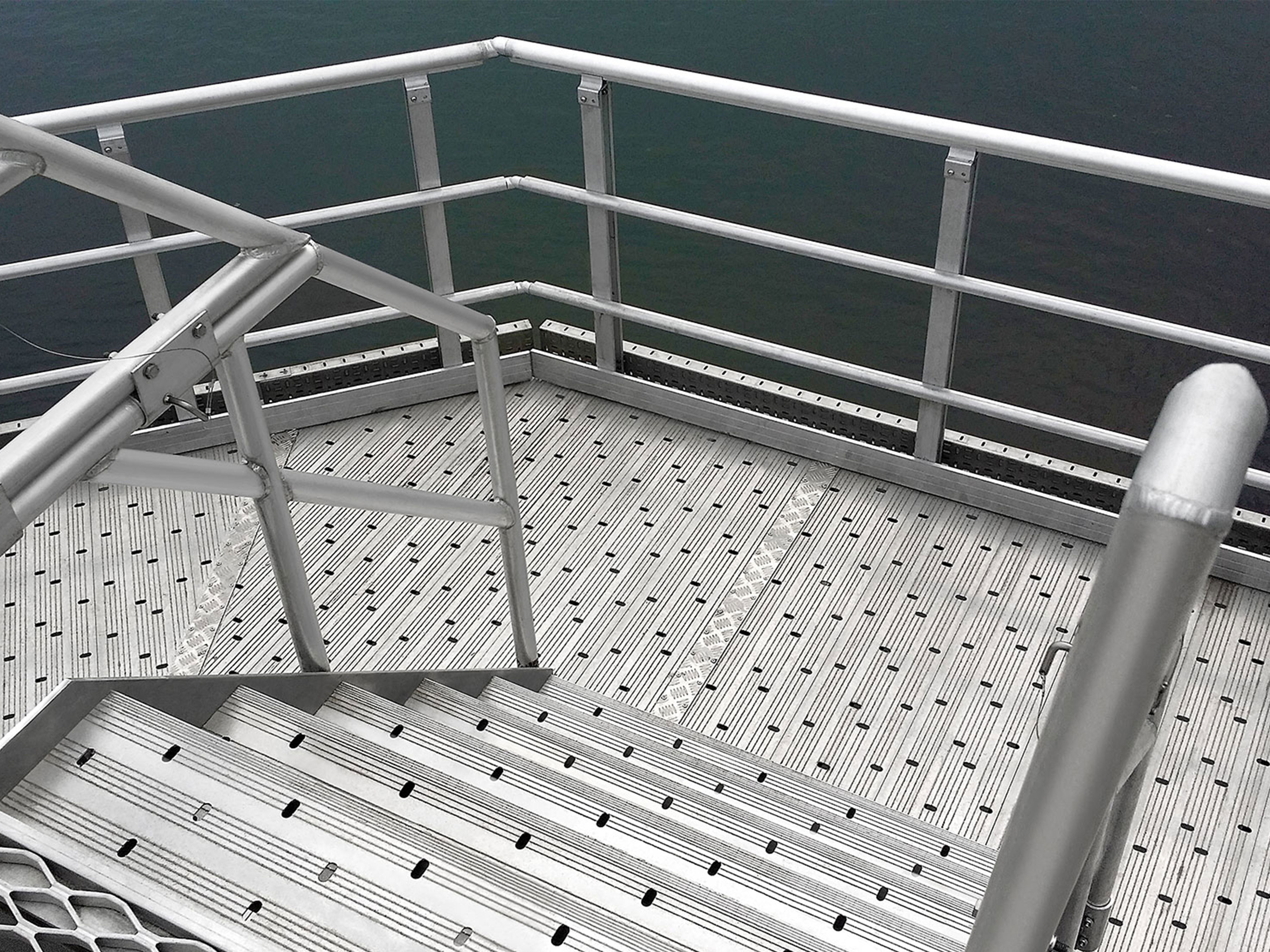
Marine Grade Aluminum Customized Shapes encompass a broad range of aluminum extrusions and fabrications engineered beyond standard profiles—such as channels, angles, tubes, and beams—into complex, project-specific geometries.
View Details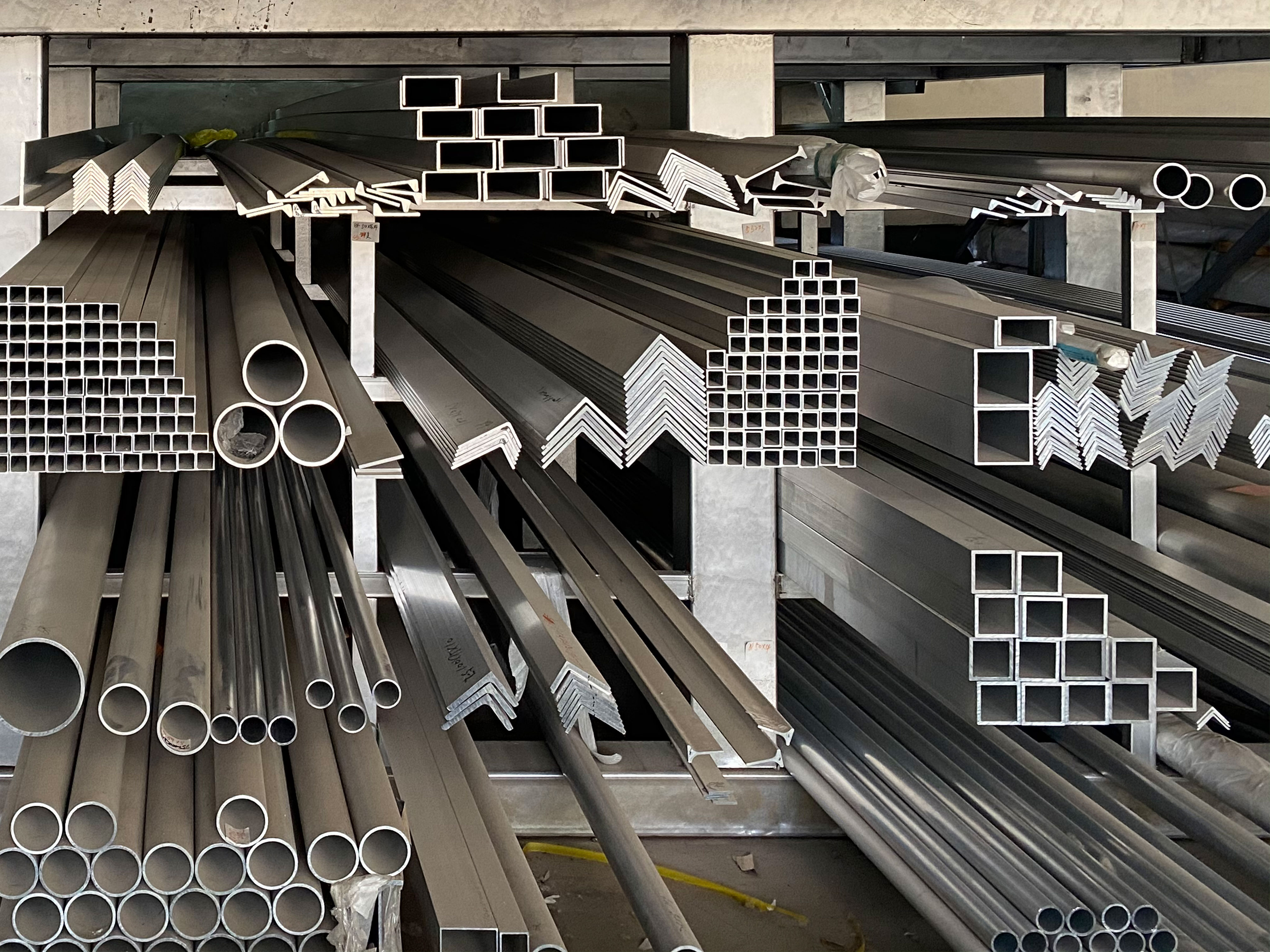
Marine aluminum fencing and railings
Marine Grade Aluminum Fencing and Railings are fabricated using marine-grade aluminum alloys such as 5083, 5052, and 6061, which are engineered specifically for protection against saltwater corrosion and marine atmospheric conditions.
View Details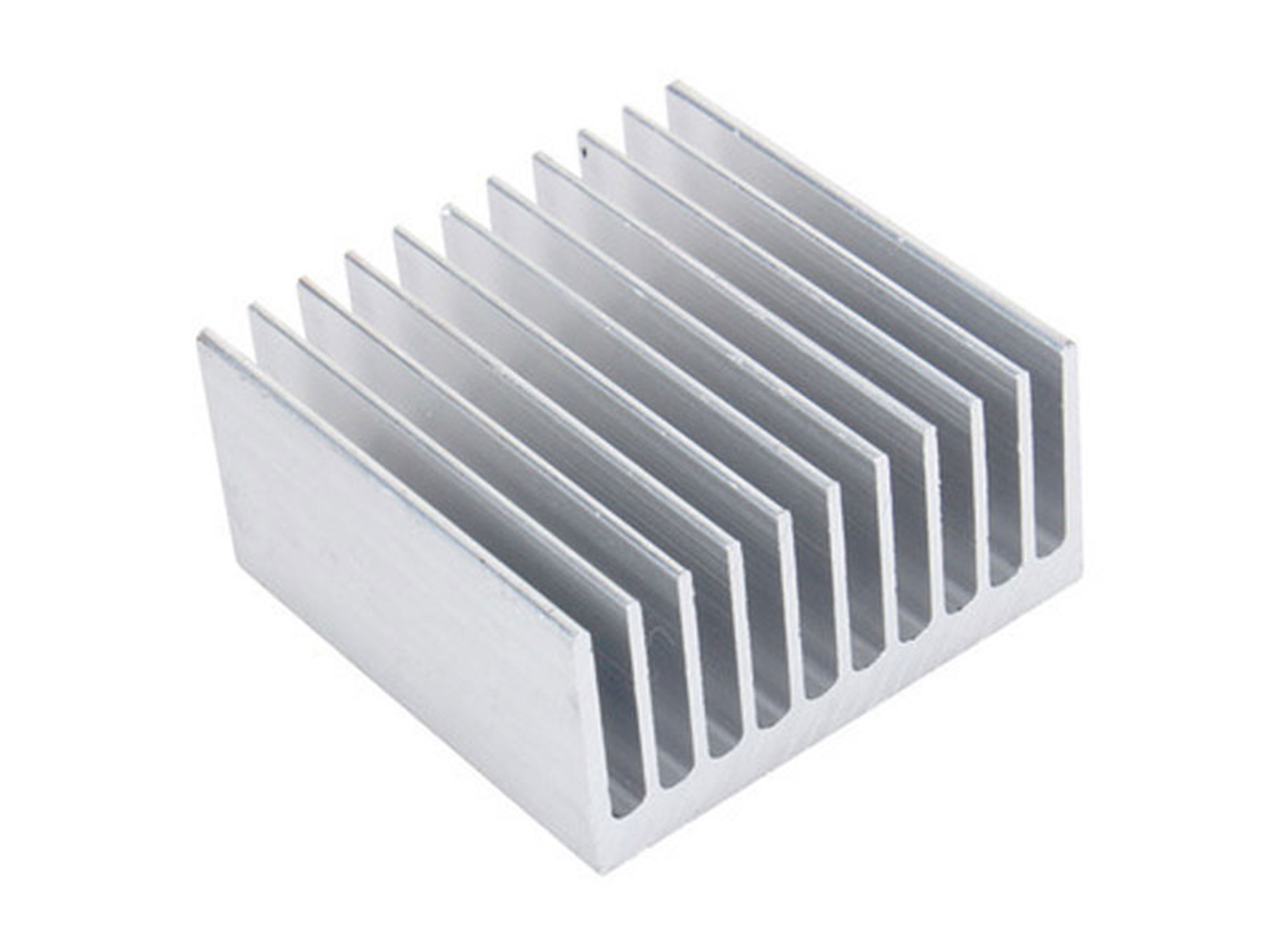
Marine aluminum heat sink profile
Marine Grade Aluminum Heat Sink Profiles utilize alloys such as 6061 and 6063 that not only exhibit high thermal conductivity but also possess excellent corrosion resistance required for saltwater exposure.
View DetailsRelated Blog
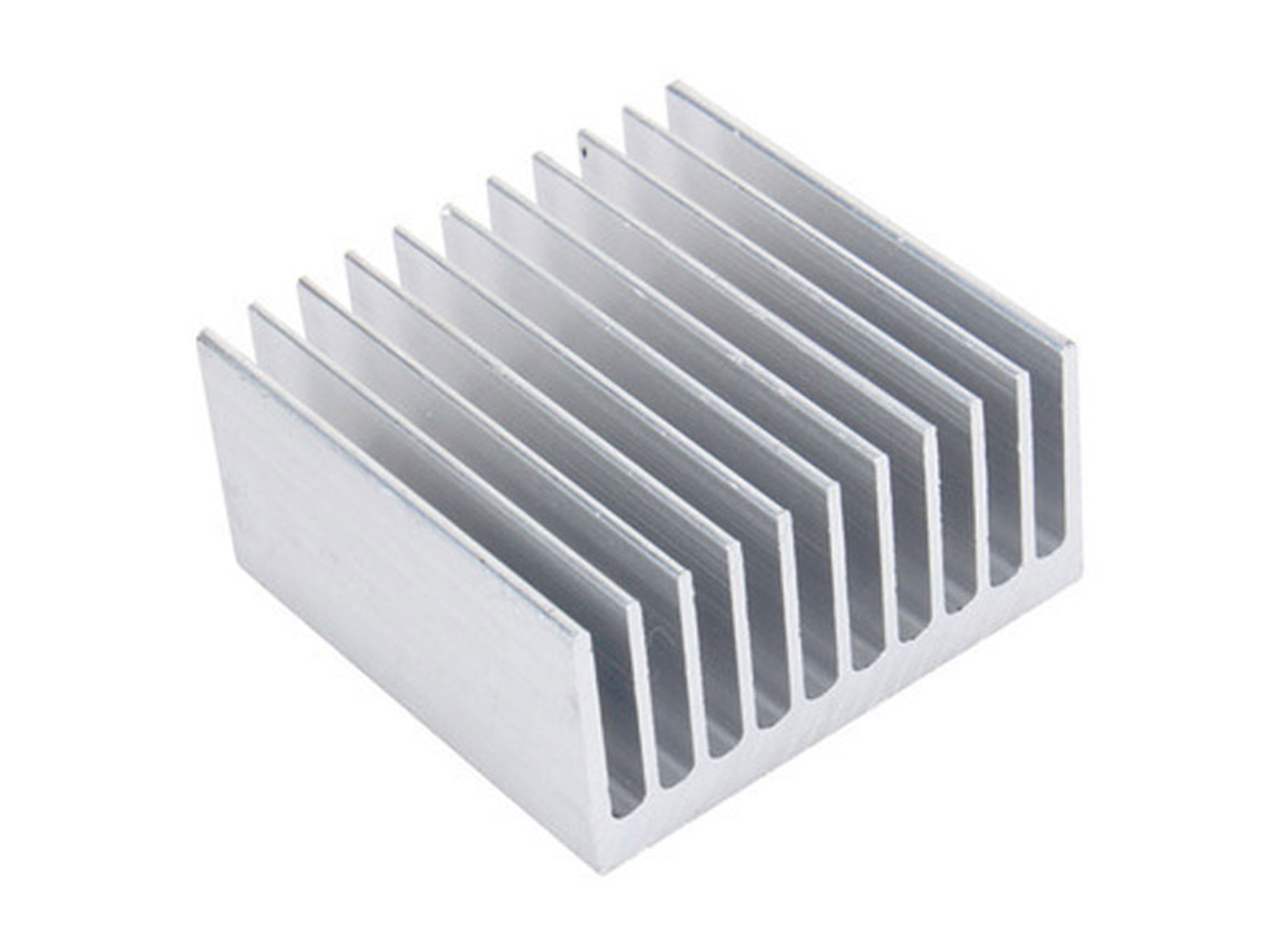
6063 Marine Aluminum Heat Sink Profile for Cooling High Performance Offshore Equipment
6063 Marine Aluminum Heat Sink Profile for Cooling High Performance Offshore EquipmentOffshore equipment rarely fails because it is "underpowered." It fails because heat, salt, vibration.
View Details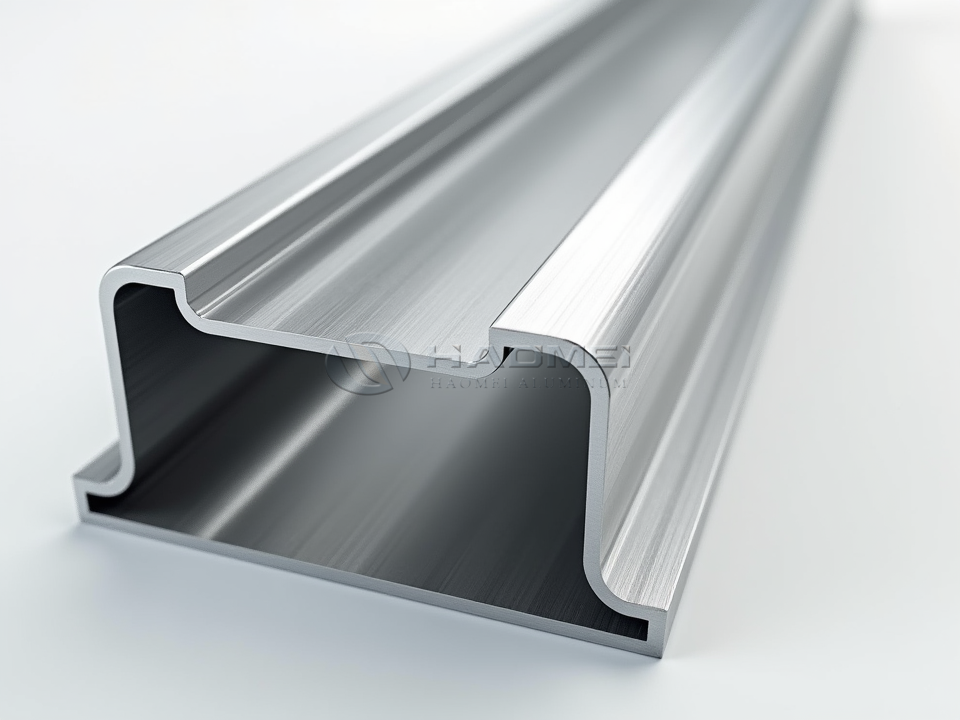
6063 Marine Aluminum Heat Sink Profile for Efficient Heat Transfer for Coastal Electronics
6063 marine aluminum heat sink profiles provide efficient cooling, low weight, and durable corrosion resistance for coastal and offshore electronics.
View Details
Marine Aluminum Heat Sink Profile for High Performance Heat Transfer in Coastal Equipment
High-performance Marine Aluminum Heat Sink Profile specially engineered for coastal equipment, offering superior corrosion resistance, thermal conductivity, and durability to ensure optimal heat transfer even in harsh marine environments.
View Details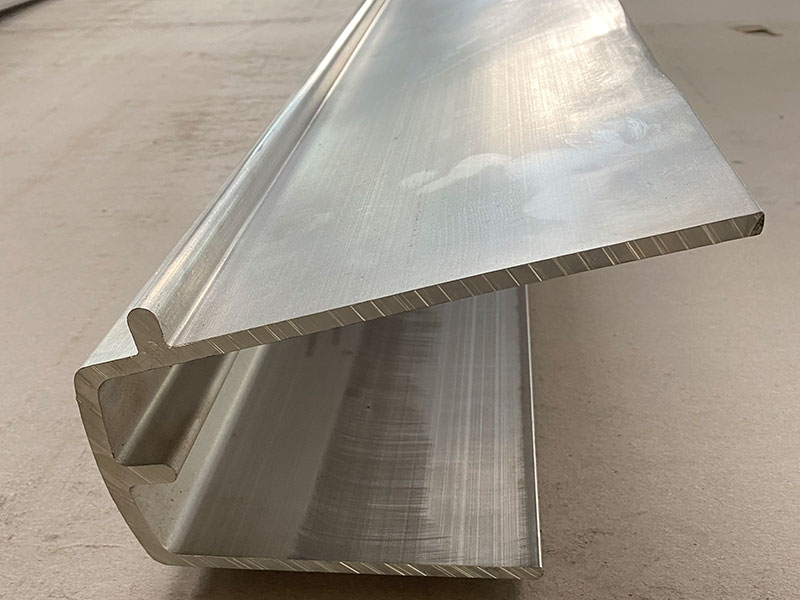
6063 Marine Aluminum Heat Sink Profile for Offshore Platform Cooling Solutions
6063 Marine Aluminum Heat Sink Profile for Offshore Platform Cooling SolutionsOffshore platforms don't "run hot" in the same way a factory does. Heat offshore is rarely a single obvious source; it's a constant accumulation-inside electrical enclosures.
View Details
6061 Marine Aluminum Heat Sink Profile for Cooling Solutions for Offshore Electronics
6061 Marine Aluminum Heat Sink Profile: Optimal Cooling Solutions for Offshore ElectronicsIn the demanding environment of offshore electronics, reliable thermal management is critical.
View Details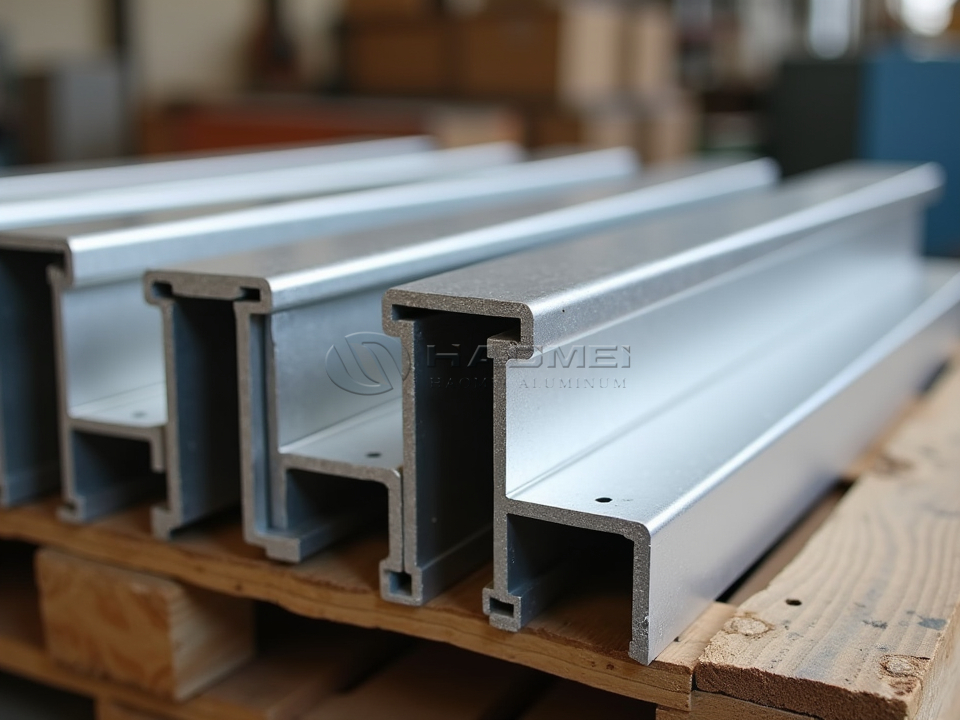
5083 Marine Aluminum Fencing and Railings for Seawater Resistant Coastal Guardrails
5083 marine aluminum guardrails deliver seawater corrosion resistance, weldability, strength, and low maintenance for piers, docks, and coastal sites.
View Details
Leave a Message