
6082 Marine Aluminum Tubes for Offshore Boat and Vessel Frames
6082 Marine Aluminum Tubes for Offshore Boat and Vessel Frames: The "Structural Spine" Approach to Corrosion, Weight, and Weld Reality
Offshore boats and working vessels don't fail in the showroom; they fail in the seam lines, at heat-affected zones, around brackets, and at the tube-to-plate transitions where stress, saltwater, and vibration concentrate. Looking at 6082 marine aluminum tubes through a "structural spine" lens makes the selection logic clearer: a vessel frame is less a collection of parts and more a load path system that must stay stiff, predictable, and corrosion-resilient after welding, after years of spray, and after endless cycles of wave slam.
AA 6082 is one of the most trusted marine-grade structural alloys for offshore tubular frameworks because it sits in a rare sweet spot: high strength among 6xxx alloys, excellent machinability, strong corrosion resistance in marine atmospheres, and dependable weld performance when the design anticipates post-weld property changes.
Why 6082 Tubes Behave Like a "Frame Backbone" Offshore
Strength that matters in the direction loads actually travel
Offshore frames rarely load purely in tension. The real work is bending, torsion, and localized bearing at joints. 6082-T6/T651 tubes provide a stiffness-and-strength profile that helps frames keep geometry under impact and cyclic loads. That translates into better alignment of deck structures, reduced fatigue amplification at joints, and fewer "mystery cracks" that show up after a season of pounding.
Corrosion resistance that supports longevity rather than perfection
No coating system stays perfect around clamps, weld toes, and fastener interfaces. 6082's base corrosion resistance in marine air and splash zones helps protect the frame when coatings get nicked, salt sits in crevices, or water gets trapped inside unsealed tubes. The practical goal offshore isn't "no corrosion"; it's controlled, predictable corrosion behavior with minimal structural penalty.
Weld reality: strength drops where you need it most, unless you design for it
All 6xxx alloys experience softening in the heat-affected zone (HAZ) after welding. The distinctive advantage with 6082 is that its as-supplied strength is high enough to let designers accept some HAZ reduction while still meeting frame performance targets, especially when joint geometry, gusseting, and weld sequencing are optimized.
Typical Applications in Offshore Boat and Vessel Frames
6082 marine aluminum tubes are widely used for:
- Offshore patrol and workboat frame members and longitudinals
- T-top and superstructure tubular frames where stiffness controls vibration
- Deck framing, railing substructures, and equipment supports
- RIB and high-speed craft structures where weight and inertia drive performance
- Davits, light masts, antenna and sensor frames requiring machinability and stability
Parameters for 6082 Marine Aluminum Tubes
Marine frames are not just "tube size and wall." Offshore reliability depends on repeatable mechanical performance, dimensional control, and weld-friendly tolerances.
Common tube supply parameters include:
- Alloy designation: EN AW-6082 / AA6082 (Al-Mg-Si-Mn)
- Product form: Extruded round tubes, square tubes, rectangular tubes
- Outside diameter or side length: commonly from small structural sizes up to large section tubes for frame chords
- Wall thickness: selected to balance buckling resistance, weld heat input tolerance, and fatigue life
- Length: fixed lengths or mill lengths, often tailored to reduce joint count (fewer joints, fewer fatigue initiation sites)
- Surface condition: mill finish, brushed, anodizing-ready, or marine coating-ready
A practical offshore note: when tubes are used as closed sections, sealing and drainage strategy matters. Trapped seawater inside a tube turns a structural advantage into a maintenance problem. Many builders specify vent/drain features or require end closures compatible with coating systems.
Tempering Choices: Selecting the "Behavior After Welding," Not Just the Catalog Strength
6082 temper isn't merely a strength label; it's a statement about how the tube will behave during fabrication and in service.
6082-T6
Solution heat treated and artificially aged. Often selected for maximum strength in the as-delivered condition. Common in load-bearing members where post-weld strength reduction is already compensated by design.
6082-T651
T6 with stress relief by stretching. Preferred where dimensional stability matters, such as precision frame assemblies, machined joint ends, or components prone to distortion.
6082-T4 / T451
Solution heat treated and naturally aged (T451 stress-relieved). Used when forming is needed before final aging, or where builders want a softer starting condition for shaping. In marine frames, this can be useful for complex fit-ups before final reinforcement and welding.
Welding perspective that saves projects: if the structure is weld-dense, the "best" temper on paper can become less important than consistent extrusion quality, good joint design, and disciplined heat input control. 6082 gives fabricators that consistency.
Implementation Standards Commonly Used for 6082 Marine Aluminum Tubes
Offshore fabrication lives on standards because the environment punishes shortcuts. 6082 tubes are typically produced and verified with reference to widely recognized aluminum and marine norms, such as:
- EN 573 (chemical composition of wrought aluminum and alloys)
- EN 755 (extruded rod/bar/tube profiles: technical conditions of delivery, tolerances, properties)
- EN 10204 (inspection documents; often 3.1 certificates for traceability)
- ISO 3834 (quality requirements for fusion welding, frequently applied in marine fabrication)
- ISO 15614 / ISO 9606 (welding procedure qualification and welder qualification, commonly used in aluminum structures)
- Marine classification guidance such as DNV, Lloyd's Register, ABS depending on vessel class and project requirements
Buyers building certified offshore assets often request full traceability, heat number tracking, mechanical property verification, and corrosion-sensitive process controls.
Chemical Composition of 6082 Marine Aluminum (Typical Specification Ranges)
6082 is defined by its Al-Mg-Si system with manganese enhancing strength and structural performance.
| Element | Composition (wt. %) |
|---|---|
| Si | 0.70 – 1.30 |
| Mg | 0.60 – 1.20 |
| Mn | 0.40 – 1.00 |
| Fe | ≤ 0.50 |
| Cu | ≤ 0.10 |
| Cr | ≤ 0.25 |
| Zn | ≤ 0.20 |
| Ti | ≤ 0.10 |
| Others (each) | ≤ 0.05 |
| Others (total) | ≤ 0.15 |
| Al | Balance |
Why this matters offshore: magnesium and silicon enable heat-treat strengthening, while manganese helps with structural strength and performance consistency in thicker sections-useful for tubes that must resist denting, buckling, and local damage.
Mechanical Behavior and Frame Design Implications
Marine tubular frames often fail from fatigue long before they fail from static overload. 6082 helps in several practical ways:
- High specific strength reduces structural mass, which reduces inertia loads during wave impacts
- Good stiffness-to-weight ratio improves handling and reduces "working" of joints
- Machinability supports accurate fishmouth joints, precise saddle cuts, and repeatable fit-up
- Corrosion performance supports longer inspection intervals and better retention of cross-section
In welded tube frameworks, design choices commonly include wider load spreaders, smoother transitions, and weld toe finishing where fatigue is critical. 6082 is a cooperative alloy in this context because it's widely understood by marine fabricators and responds predictably to standard welding practices.
Welding and Fabrication Conditions: Making the Alloy Work Offshore
6082 tubes are commonly welded using GTAW or GMAW processes with appropriate marine-grade filler selection. The critical concept is to treat the welded zone as a different "material state" than the parent T6 tube.
Fabrication considerations that influence offshore results:
- Cleanliness is not cosmetic; oxide and salt contamination directly affect weld integrity
- Heat input management reduces distortion and limits excessive softening
- Joint design that avoids sharp notches and tight crevices improves fatigue and corrosion performance
- Post-weld surface protection is most effective when applied after proper cleaning and controlled surface preparation
For many offshore builders, the best long-term outcomes come from combining 6082 tubes with a deliberate corrosion strategy: drainage, isolation from dissimilar metals, and coating systems designed for marine splash and UV exposure.
Why 6082 Marine Aluminum Tubes Are a Smart Offshore Frame Choice
If you think of an offshore vessel frame as a "spine," the alloy must do three things at once: carry load efficiently, tolerate fabrication without becoming fragile, and endure a hostile salt environment with minimal drama. 6082 marine aluminum tubes meet that profile unusually well. They provide the structural confidence of a high-strength 6xxx alloy, the fabrication familiarity builders trust, and the corrosion resistance that supports real-world offshore service where maintenance access is limited and every kilogram matters.

Related Products
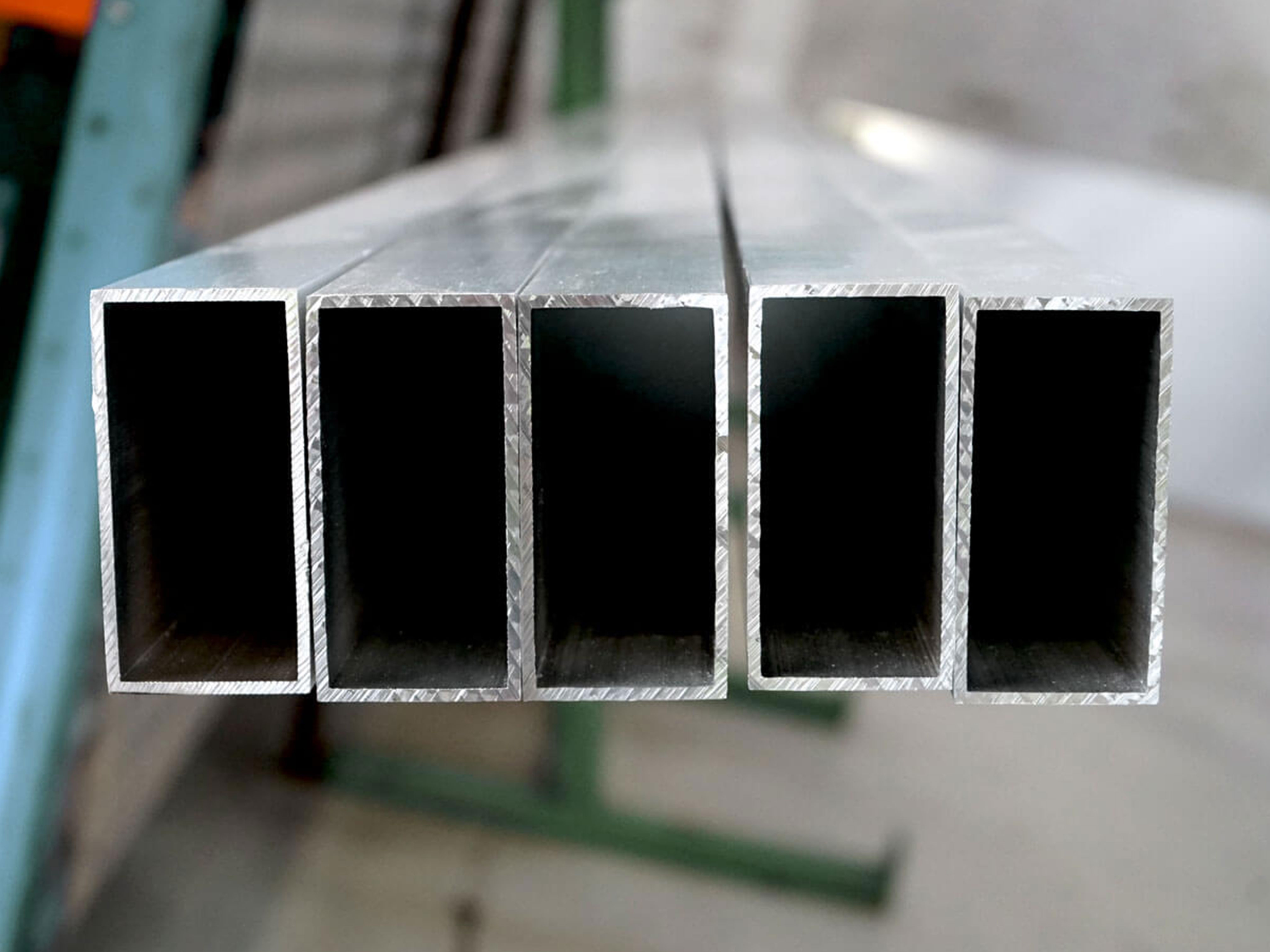
Marine aluminum rectangular tubes
Marine Grade Aluminum Rectangular Tubes are made from high-performance alloys such as 5083, 5052, 6061, and 6082. These alloys are renowned for their ability to resist corrosive seawater and marine atmospheres while providing excellent mechanical strength and toughness.
View Details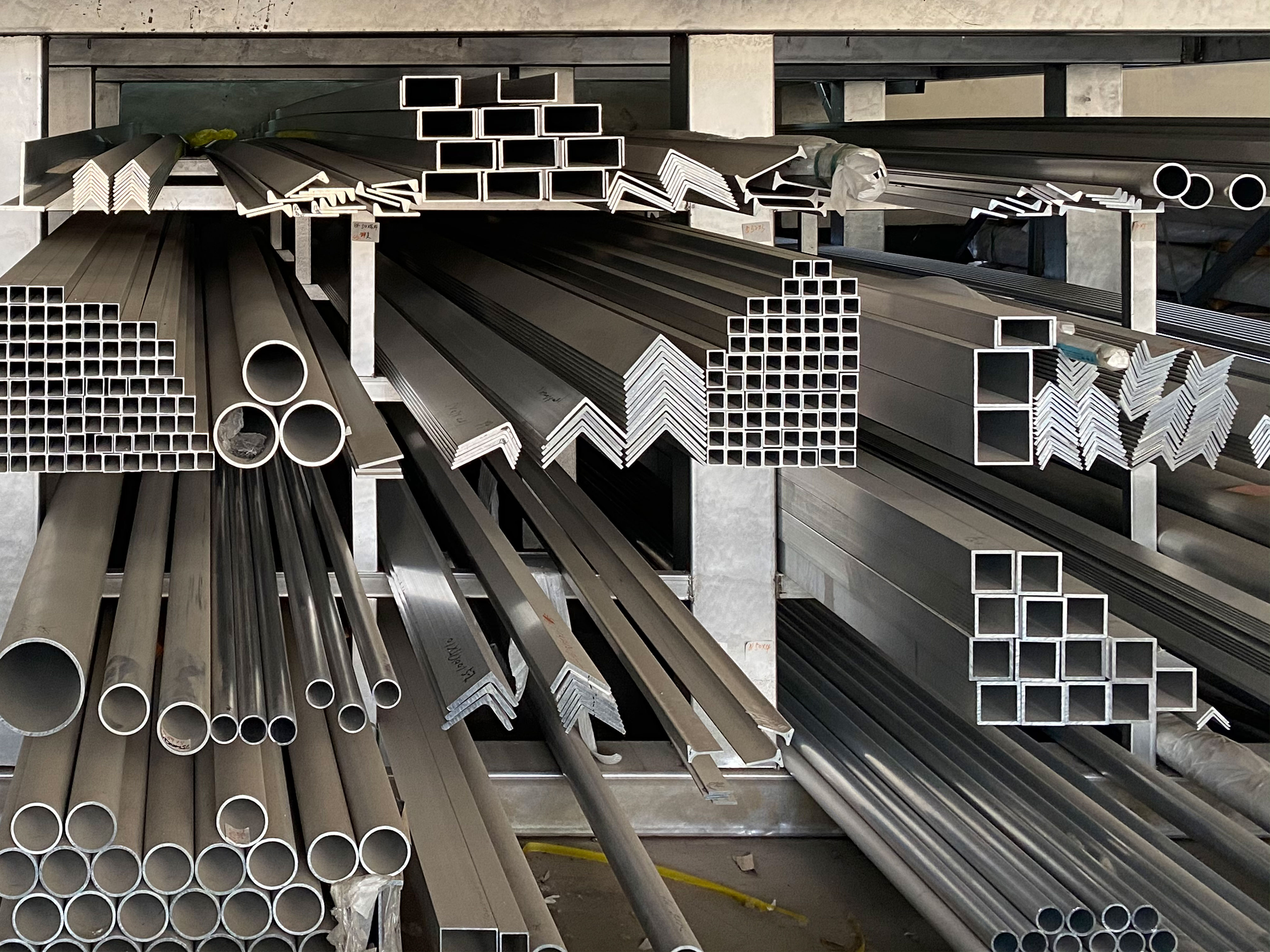
Custom marine aluminum profile tubes
Custom Marine Grade Aluminum Profile Tubes are manufactured from premium marine aluminum alloys such as 5083, 5052, 6061, and 6082.
View Details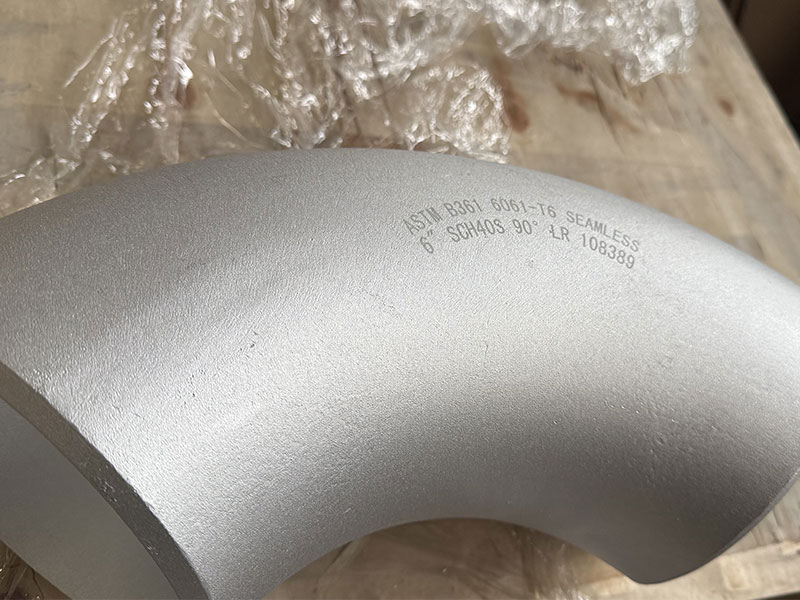
6061-T6 90-Degree Marine Aluminum Pipe Elbow
Manufactured from premium 6061-T6 marine-grade aluminum alloy, this elbow fitting is engineered to provide reliable and efficient pipe direction changes within shipbuilding, offshore platforms, and marine infrastructure systems.
View Details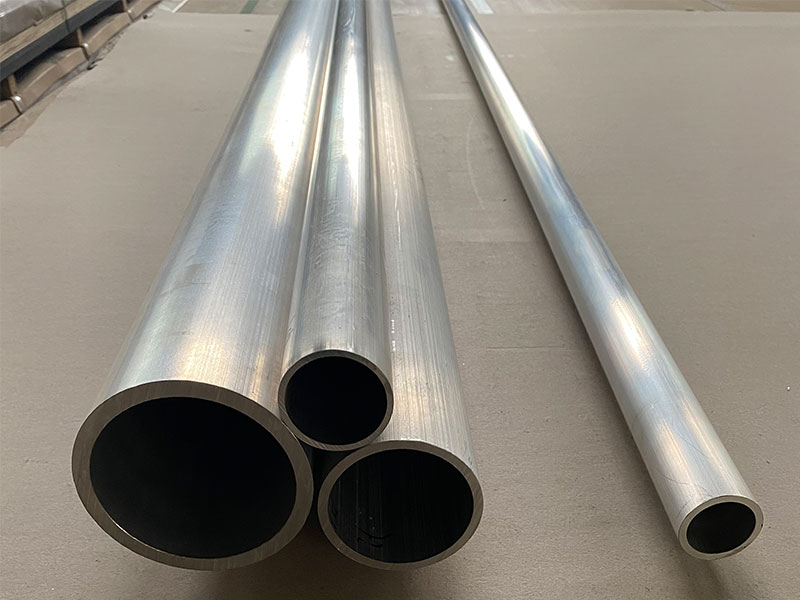
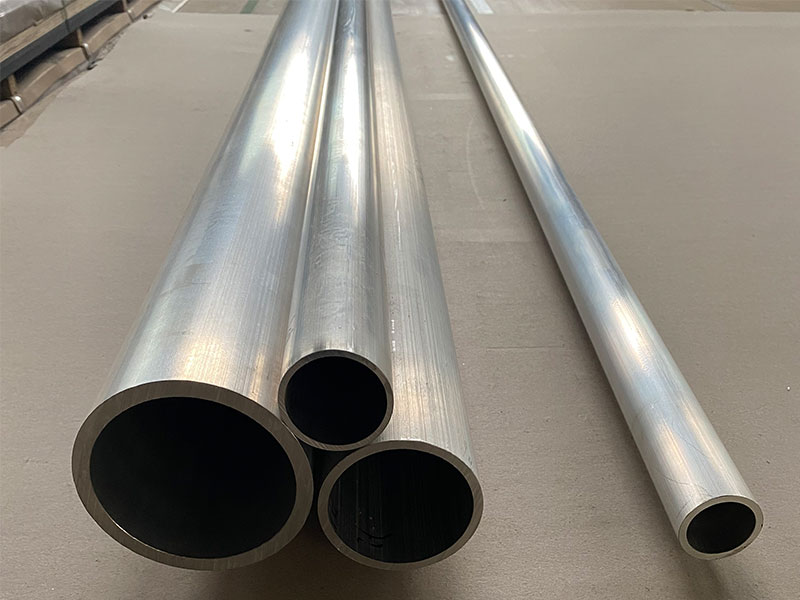
Marine aluminum round tubes
Marine Grade Aluminum Round Tubes are manufactured from premium marine alloys such as 5083, 5052, 6061, and 6082, all selected for their proven resistance to seawater corrosion and marine atmosphere degradation.
View Details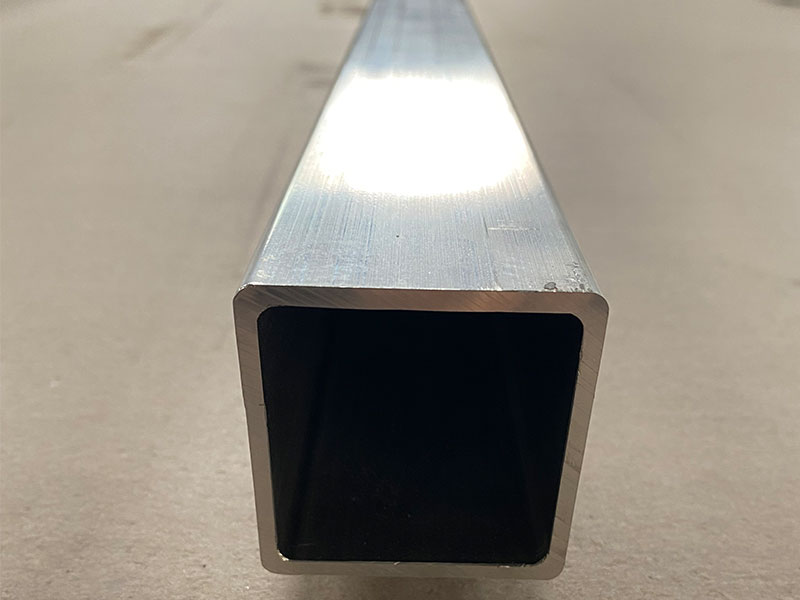
Marine aluminum square tubes
Marine Grade Aluminum Square Tubes are typically constructed from marine-grade alloys such as 5083, 5052, 6061, and 6082—well-known for their ability to withstand the aggressive effects of saltwater and marine atmospheres.
View DetailsRelated Blog
6082 Marine Aluminum Square Tubes for Corrosion Resistant Projects
When it comes to constructing structures that demand impeccable resistance to corrosion in harsh marine environments, 6082 marine aluminum square tubes is know as an industry favorite.
View Details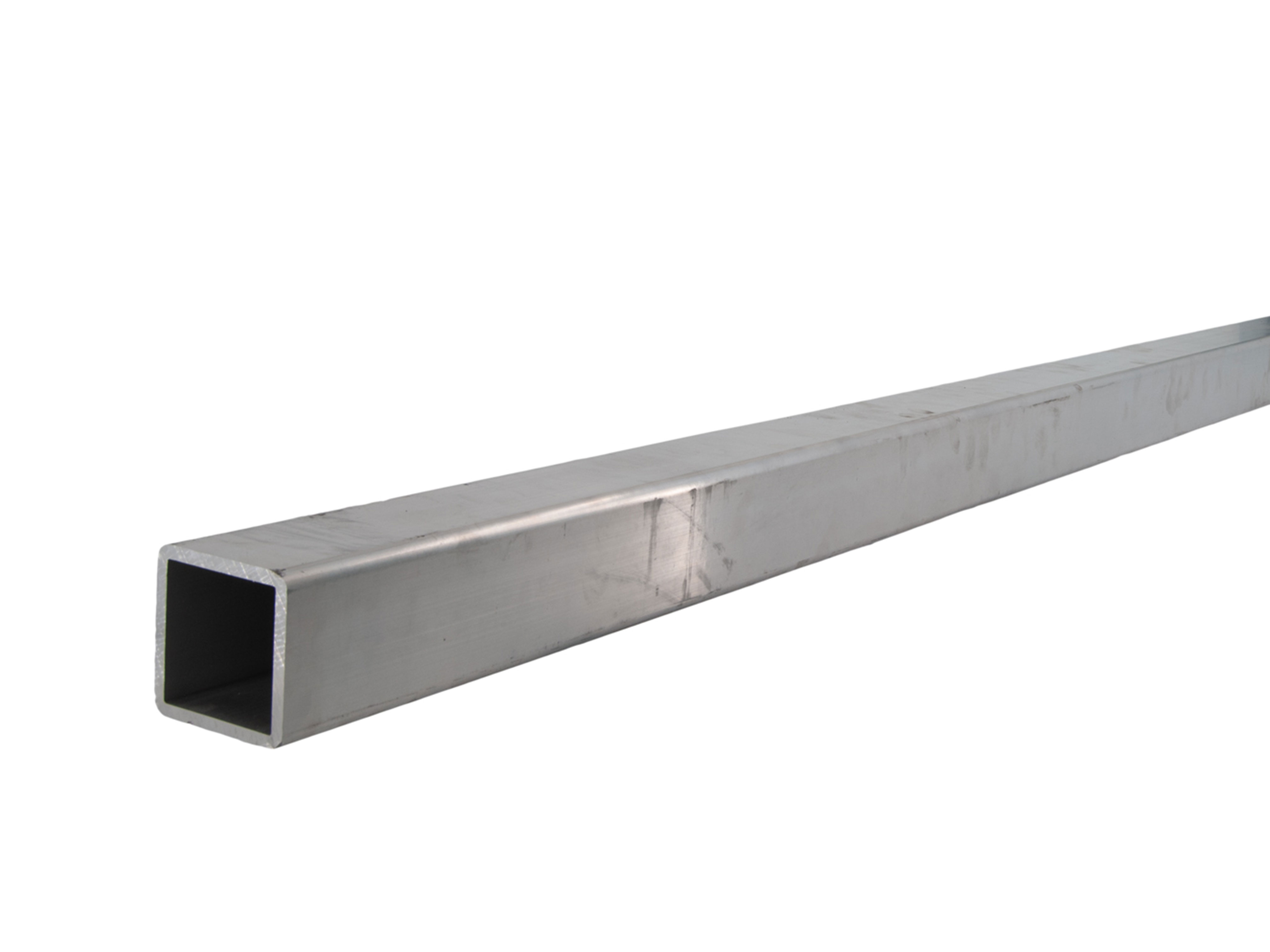
6082 Marine Aluminum Tubes for Superyacht Construction
6082 Marine Aluminum Tubes for Superyacht ConstructionA Technical Deep Dive from a Designer’s Perspective In modern superyacht construction, 6082 marine aluminum tubes occupy a quiet but critical role.
View Details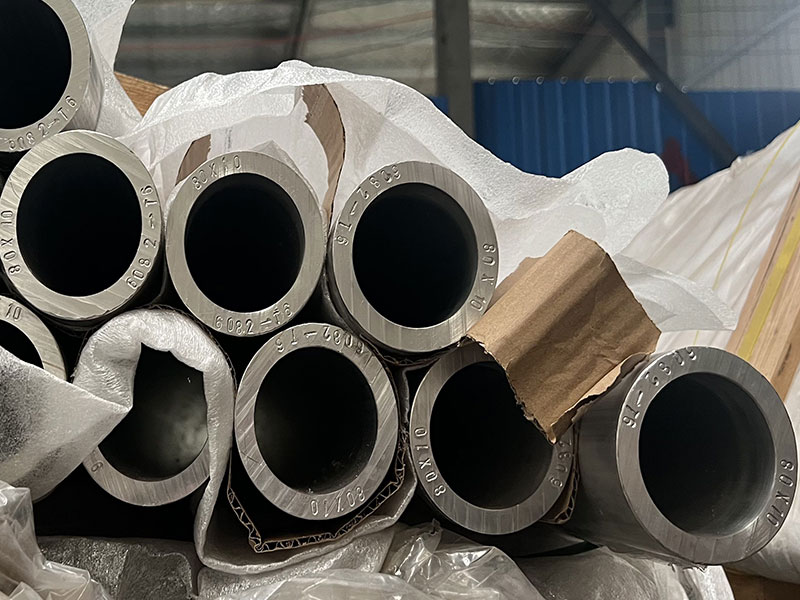
6082 Marine Aluminum Tubes for Marine Vessel Frame Strengthening
6082 marine aluminum tubes are a high-strength, corrosion-resistant solution designed for reinforcing marine vessel frames while keeping structures lightweight and efficient.
View Details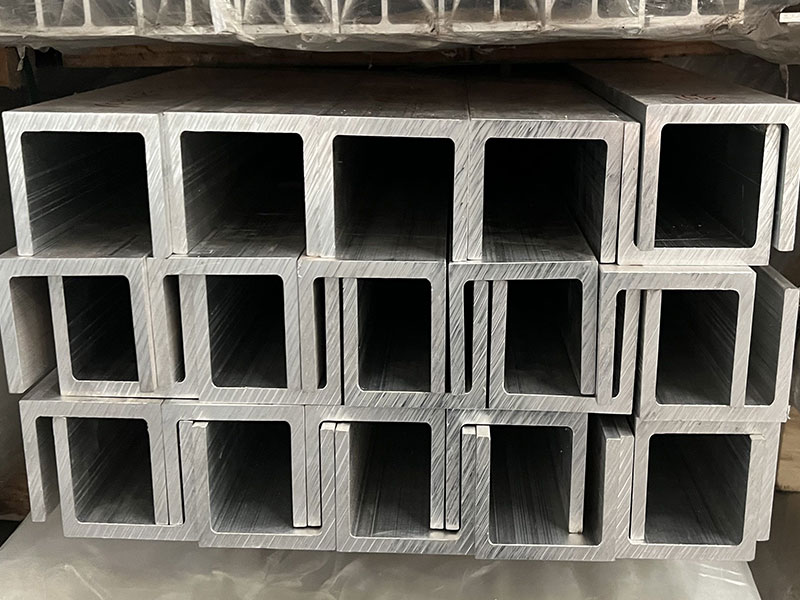
6082 Marine Aluminum Tubes for Yacht Frame Strengthening
Marine aluminum tubes are vital components designed to enhance the integrity, longevity, and performance of yacht structures. Among various aluminum alloys, 6082 marine aluminum tubes is know as a premium choice.
View Details
6082 Marine Aluminum Round Tubes for Offshore Construction
In the demanding arena of offshore construction, selecting materials that combine strength, corrosion resistance, and manufacturability is crucial for ensuring durability and safety.
View Details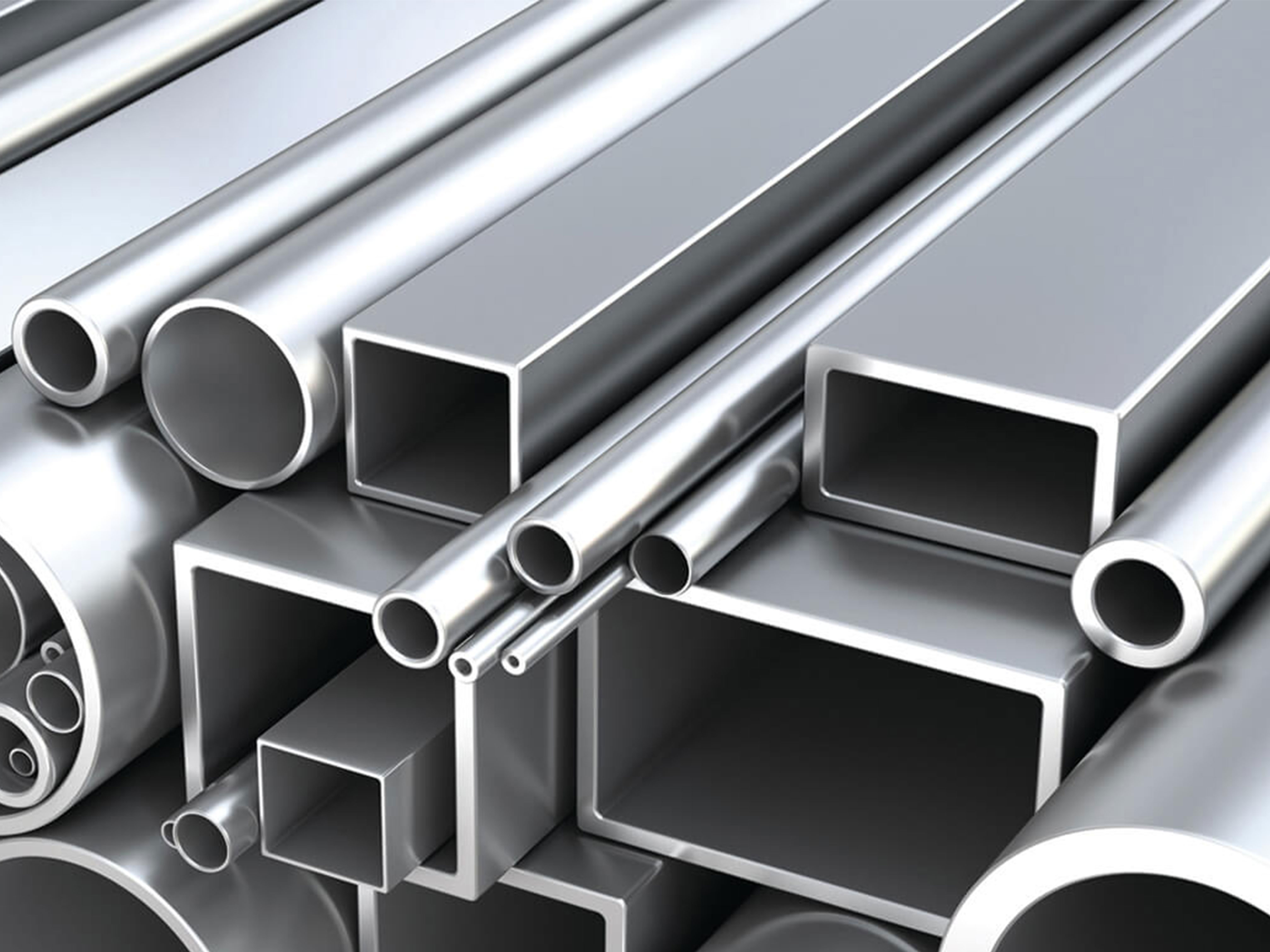
6082 Marine Aluminum Tubes for Offshore Boat and Vessel Frames
6082 Marine Aluminum Tubes for Offshore Boat and Vessel Frames: The "Structural Spine" Approach to Corrosion, Weight, and Weld RealityOffshore boats and working vessels don't fail in the showroom; they fail in the seam lines, at heat-affected zones.
View Details
Leave a Message