
6082 T6 Aluminum Sheet For Ship Building
6082 T6 aluminum sheet is a high-strength Al-Mg-Si alloy engineered for demanding shipbuilding components where structural stiffness, reduced vessel weight, and dependable fabrication performance are required. Heat treated to the T6 condition, this material offers substantially higher mechanical strength than common 5xxx marine alloys, making it a practical choice for superstructures, gangways, deck supports, engine-room frameworks, ladders, masts, and other load-bearing marine assemblies.
The alloy combines moderate corrosion resistance with excellent machinability and a clean surface suitable for marine finishing systems. Its lighter weight supports fuel efficiency, payload improvement, and easier onboard handling while retaining the rigidity needed for structural design.
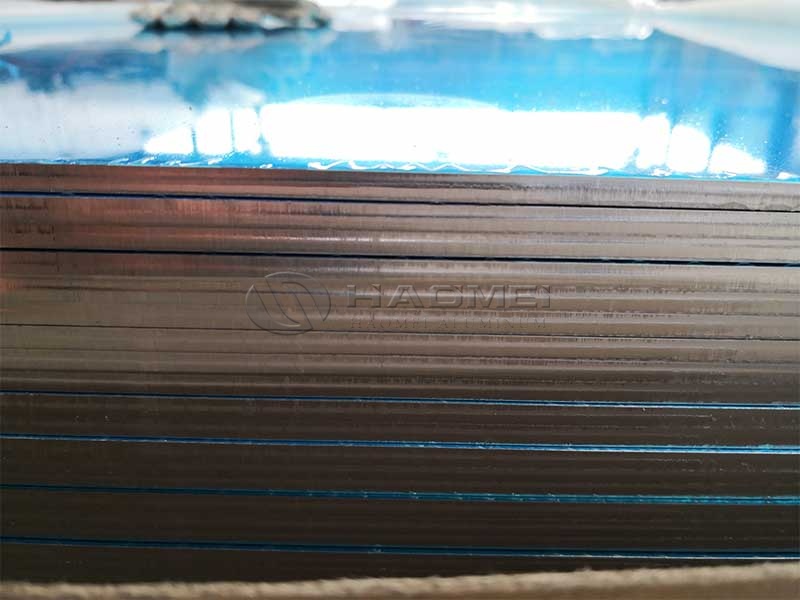
Material Characteristics
| Property | Performance in Ship Building |
|---|---|
| Alloy family | 6xxx series aluminum-magnesium-silicon alloy |
| Temper | T6, solution heat treated and artificially aged |
| Principal strength benefit | High yield strength and structural stiffness |
| Weight advantage | Density is about one-third of carbon steel |
| Corrosion behavior | Good resistance in marine atmospheres with suitable coating and isolation practice |
| Machinability | Excellent for drilling, milling, routing, and precision cutting |
| Weldability | Good, although heat-affected zones lose T6 strength |
| Surface treatment | Suitable for anodizing, painting, powder coating, and marine protective systems |
| Typical form | Sheet, plate, cut-to-size blank, machined component stock |
T6 temper is produced through solution heat treatment, quenching, and controlled artificial aging. This process develops fine strengthening precipitates within the aluminum matrix, giving 6082 sheet its high tensile and yield strength. The result is a rigid, lightweight material that performs well in fabricated marine structures subjected to vibration, bending, and service loads.
Chemical Composition
The composition of 6082 aluminum is controlled in accordance with EN 573-3 or equivalent applicable standards. Silicon and magnesium form magnesium silicide, the phase responsible for age-hardening response, while manganese assists with grain structure and strength.
| Element | Content, % by Weight |
|---|---|
| Silicon, Si | 0.70-1.30 |
| Iron, Fe | 0.00-0.50 |
| Copper, Cu | 0.00-0.10 |
| Manganese, Mn | 0.40-1.00 |
| Magnesium, Mg | 0.60-1.20 |
| Chromium, Cr | 0.00-0.25 |
| Zinc, Zn | 0.00-0.20 |
| Titanium, Ti | 0.00-0.10 |
| Other elements, each | 0.05 max |
| Other elements, total | 0.15 max |
| Aluminum, Al | Balance |
Mechanical and Physical Specifications
Mechanical values vary with thickness, test direction, production standard, and mill processing route. The figures shown are common reference values for 6082 T6 sheet and plate; project purchasing should be based on the certified mill test certificate.
| Parameter | Typical Value | Unit |
|---|---|---|
| Tensile strength | 310 min | MPa |
| Yield strength, 0.2% proof | 260 min | MPa |
| Elongation | 8-10 | % |
| Brinell hardness | Approx. 95 | HBW |
| Density | 2.70 | g/cm³ |
| Elastic modulus | 69 | GPa |
| Thermal conductivity | Approx. 170 | W/m·K |
| Electrical conductivity | Approx. 42 | % IACS |
| Melting range | 555-650 | °C |
| Thermal expansion coefficient | 23.4 × 10⁻⁶ | /°C |
| Supply Parameter | Common Range | Availability Note |
|---|---|---|
| Thickness | 1.5-150 mm | Sheet and plate ranges depend on rolling capability |
| Width | 1,000-2,500 mm | Wider sizes may be available by inquiry |
| Length | 2,000-12,000 mm | Cut-to-length service can reduce fabrication waste |
| Surface | Mill finish, brushed, coated | Protective film available for cosmetic surfaces |
| Standards | EN 485, EN 573, ASTM B209 | Specification depends on project and destination |
Shipbuilding Uses
6082 T6 aluminum sheet is especially suitable for parts that need a favorable strength-to-weight ratio rather than continuous seawater immersion resistance. It is frequently selected for fast ferries, workboats, patrol vessels, yachts, offshore support equipment, and port-side marine infrastructure.
| Marine Component | Why 6082 T6 Is Suitable |
|---|---|
| Superstructure panels | Reduces top-side weight while maintaining rigidity |
| Deck beams and supports | Provides strong, stable sections for fabricated frameworks |
| Gangways and access bridges | Combines load capacity with easy handling and installation |
| Wheelhouse structures | Supports lightweight, precision-fabricated assemblies |
| Engine-room platforms | Resists vibration and allows efficient machining of brackets |
| Ladders, rails, and frames | Delivers durability with a clean finish for coating |
| Mast bases and equipment supports | Offers strength for concentrated loads |
| Interior structural partitions | Low mass supports vessel weight reduction targets |
For wetted hull plating and highly exposed seawater areas, designers often use 5xxx-series alloys because of their stronger long-term resistance to marine corrosion. A Marine 5083 aluminum sheet is commonly specified for these severe exposure zones, while 6082 T6 is an effective structural partner for machined and high-strength fabricated parts.
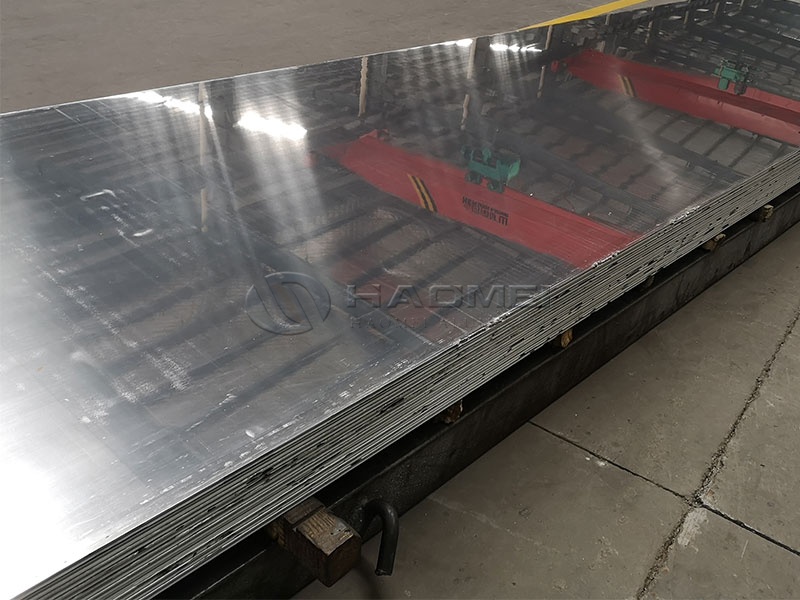
Fabrication Guidance
6082 T6 sheet can be cut by CNC routing, sawing, waterjet cutting, laser cutting, and plasma cutting. It machines cleanly and is well suited to drilled holes, tapped features, milled pockets, and precision connection details. Sharp bends should be evaluated carefully because T6 material has lower formability than softer tempers. Larger bend radii, bend testing, or supply in a softer temper before post-forming heat treatment may be appropriate for complex shapes.
Welding can be performed using MIG or TIG methods with compatible filler metals such as 5356, 5183, or 4043, subject to design and corrosion requirements. Engineers should account for softening in the heat-affected zone, since welding locally reduces the strength achieved by the T6 temper. Where maximum joint strength is essential, bolted connections, stiffener design, or post-weld structural calculations should be considered.
| Fabrication Operation | Recommended Practice |
|---|---|
| Cutting | Use clean, low-contamination tools and remove sharp edges |
| Bending | Use generous inside radii to reduce cracking risk |
| Welding | Qualify procedure and allow for heat-affected-zone strength reduction |
| Fastening | Isolate dissimilar metals to limit galvanic corrosion |
| Coating | Prepare surface correctly before marine paint or conversion coating |
| Storage | Keep sheets dry, protected, and separated from standing water |
Marine Corrosion Considerations
6082 T6 has good resistance to atmospheric corrosion and performs well when correct marine design practices are applied. Salt deposits, trapped moisture, crevices, and direct contact with stainless steel or carbon steel can accelerate localized attack. Protective paint systems, sealants, drainage paths, and dielectric isolation materials help preserve service life.
For exposed deck structures, rail systems, cabins, and equipment supports, coating 6082 T6 aluminum is often the preferred approach. Proper surface preparation and maintenance are particularly important in splash zones, bilges, and areas where seawater can remain trapped against the metal.
Why Choose 6082 T6 for Marine Structures
6082 T6 aluminum sheet offers a balanced solution for shipyards seeking strength, weight savings, and efficient machining in one material. Its T6 condition supports compact structural designs, while aluminum's naturally protective oxide layer and coating compatibility support durable marine service. When matched to the correct exposure zone and fabricated with sound welding and corrosion-control practices, 6082 T6 sheet contributes to lighter, stronger, and more efficient vessels.

Related Products
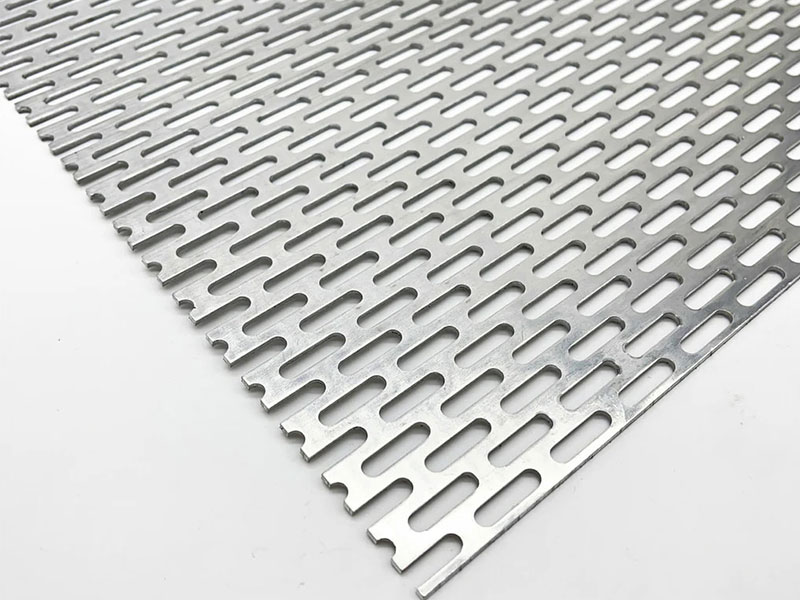
Marine perforated aluminum sheets
Marine Perforated Aluminum Sheets feature a series of uniform holes or shapes punched through the aluminum surface. These perforations can vary in size, pattern, and open area to tailor the sheets for specific applications.
View Details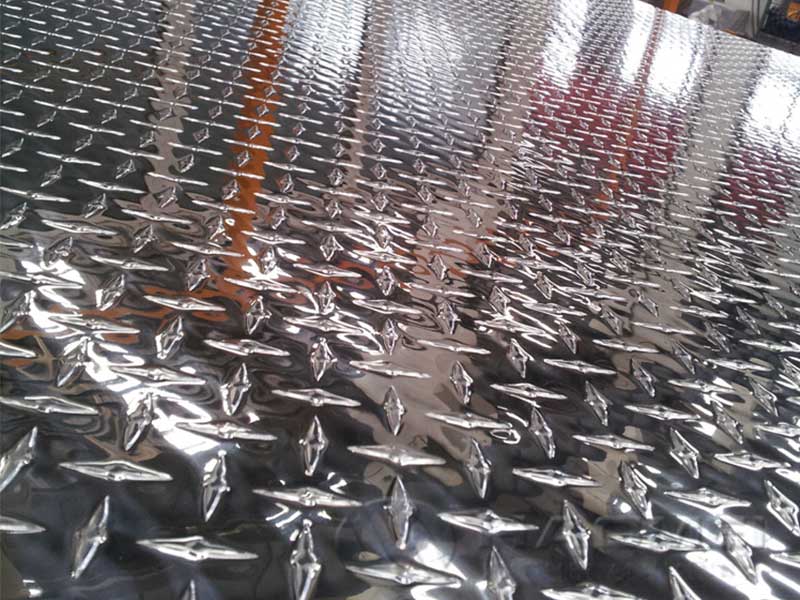
Marine Aluminum Tread Sheets
Marine Aluminum Tread Sheets are aluminum alloy plates featuring a raised surface pattern, commonly referred to as a tread design or diamond plate.
View Details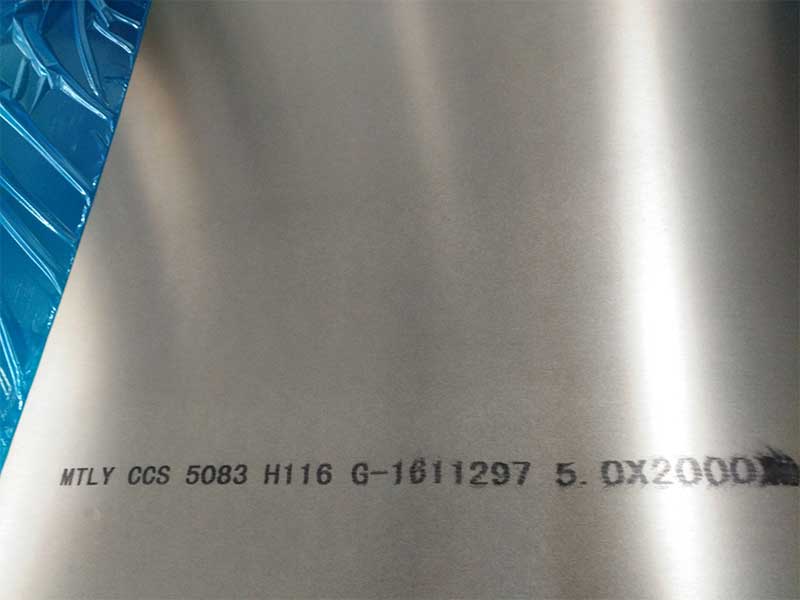
Marine 5083 aluminum sheet
Aluminum alloy 5083 is a non-heat-treatable alloy primarily composed of magnesium and trace elements that deliver outstanding protection against corrosion, particularly in seawater and saline atmospheres.
View Details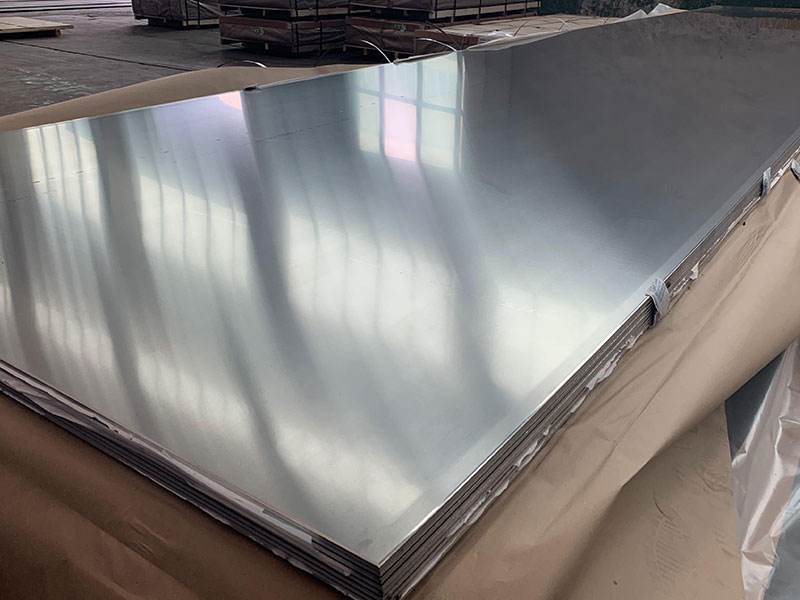
Marine 5086 aluminum sheet
This product article provides an in-depth and comprehensive understanding of Marine 5086 Aluminum Sheets, including their chemical composition, mechanical properties, corrosion resistance, fabrication capabilities, and typical marine applications.
View Details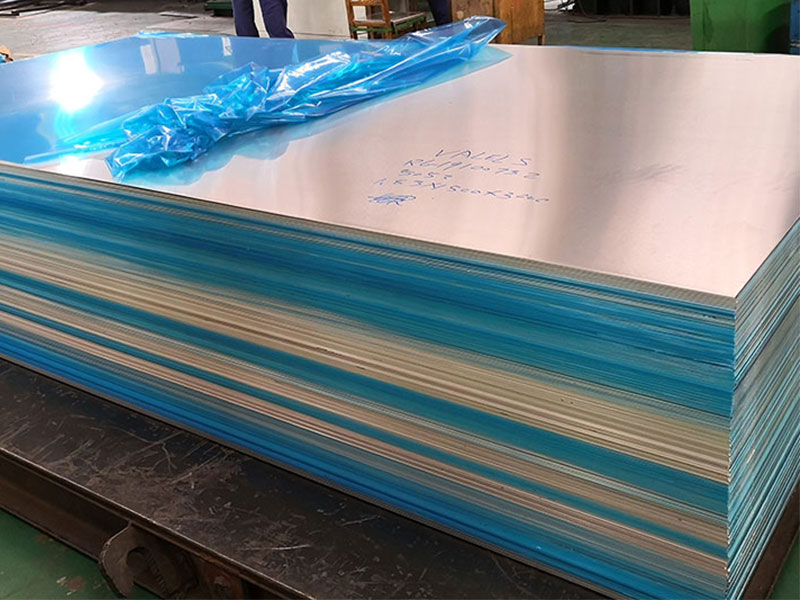
Marine 5059 aluminum sheet
5059 aluminum alloy is a strain-hardened material with a unique addition of magnesium and chromium, which provides outstanding resistance to localized corrosion like pitting and stress corrosion cracking.
View Details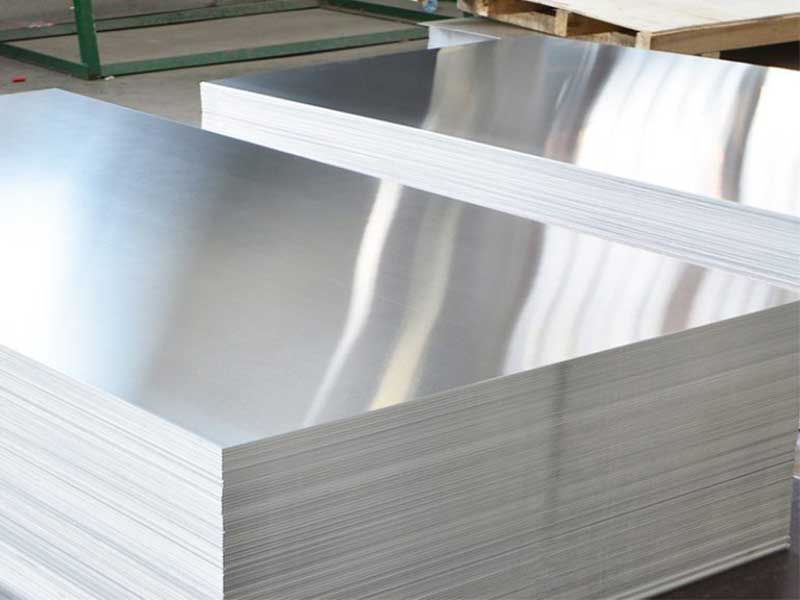
Marine anodized aluminum sheets
Marine Anodized Aluminum Sheets start with premium marine-grade aluminum alloys such as 5000 and 6000 series (typically 5083, 5052, and 6061).
View DetailsRelated Blog
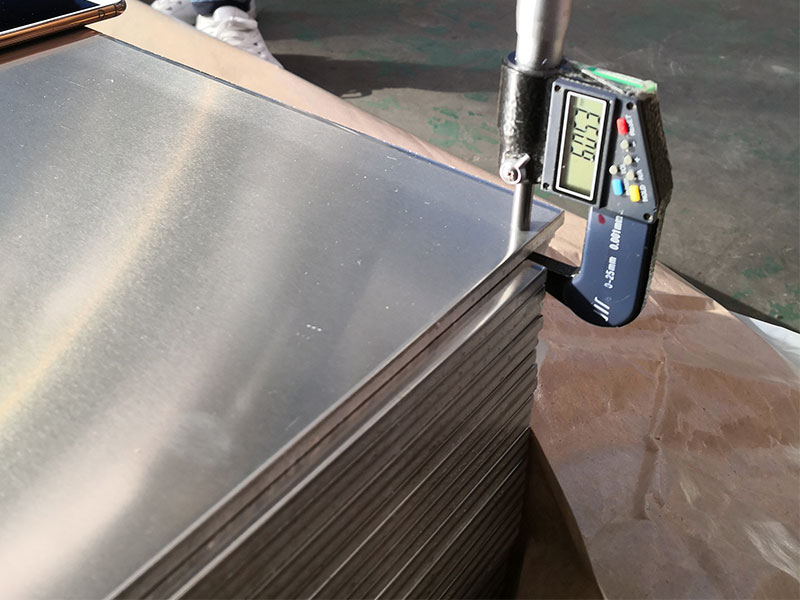
5052 5083 marine grade aluminium sheet for boat
Marine grade aluminium alloys 5052 and 5083 are among the most widely used non-heat-treatable alloys for shipbuilding, small vessels, and marine components. They combine good corrosion resistance in seawater, excellent weldability and formability.
View Details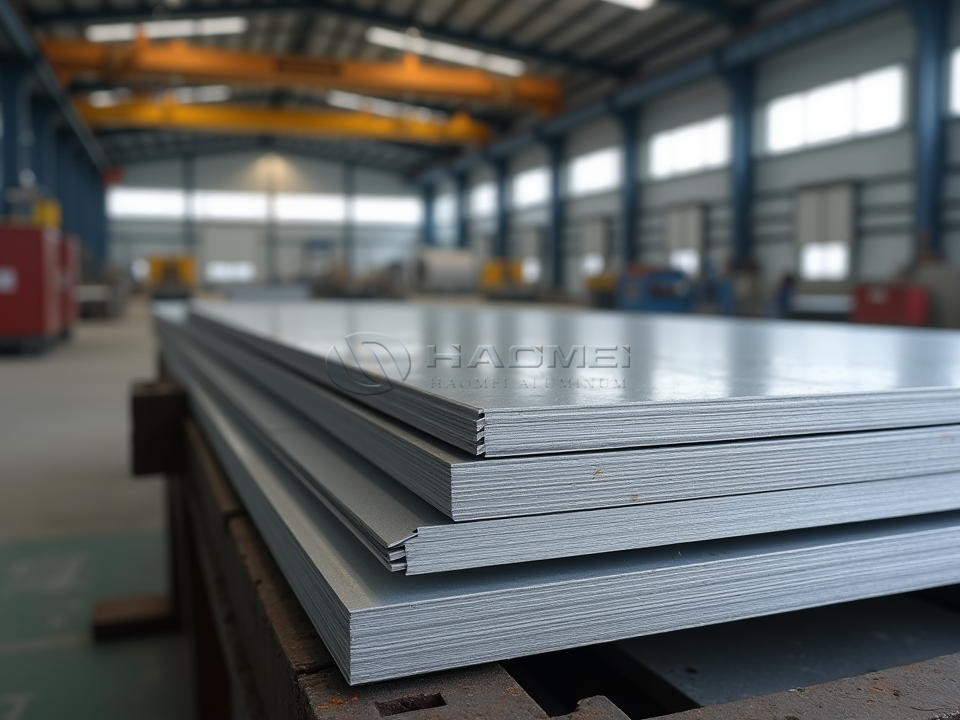
5059 Marine Aluminum Plate
5059 marine aluminum plate delivers high strength, weldability, and seawater corrosion resistance for hulls, decks, patrol craft, and offshore structures.
View Details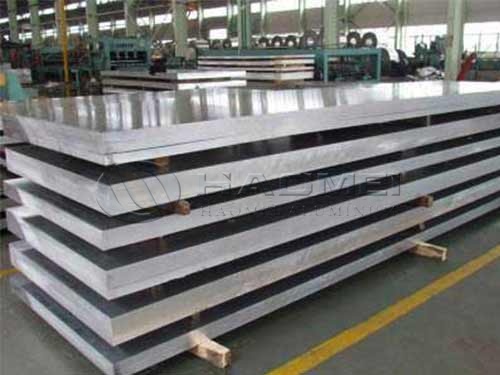
Aluminum Sheets for Shipping Building Boat
Explore marine aluminum sheets for ship and boat construction, including 5052 and 5083 alloys, properties, specifications, fabrication, and uses.
View Details
2mm 3mm 4mm marine grade 5083 aluminum sheet
When considering materials for marine applications, the demand for durability, adaptability, and weight efficiency comes to the forefront of innovation. One leading solution in this arena is the 5083 aluminum alloy.
View Details
5052 h38 h32 aluminium sheet for boat
When it comes to building durable, lightweight, and corrosion-resistant boats, the choice of material plays a crucial role in ensuring optimal performance and longevity.
View Details
Marine Grade Aluminum Plate Sheet
Marine grade aluminum plate sheet combines low weight, weldability, and seawater corrosion resistance for hulls, decks, cabins, and offshore equipment.
View Details
Leave a Message