
Aluminium Plate 5083 for Ship Boat
Aluminium plate 5083 for ship boat construction is a trusted material for builders seeking a practical balance of structural strength, low weight, weldability, and long-term seawater resistance. As an aluminum-magnesium alloy from the 5xxx family, 5083 is widely specified for hull plating, decks, bulkheads, superstructures, fuel tanks, and offshore-related marine components.
For fast craft, workboats, fishing vessels, patrol boats, ferries, yachts, and landing craft, material weight directly affects speed, fuel consumption, payload, and handling. A 5083 aluminum hull can reduce displacement compared with a steel equivalent while retaining the robust performance needed for demanding saltwater service. Its naturally formed oxide film provides strong resistance to atmospheric and marine corrosion, helping vessels maintain a clean, durable surface through repeated exposure to spray, humidity, and waves.
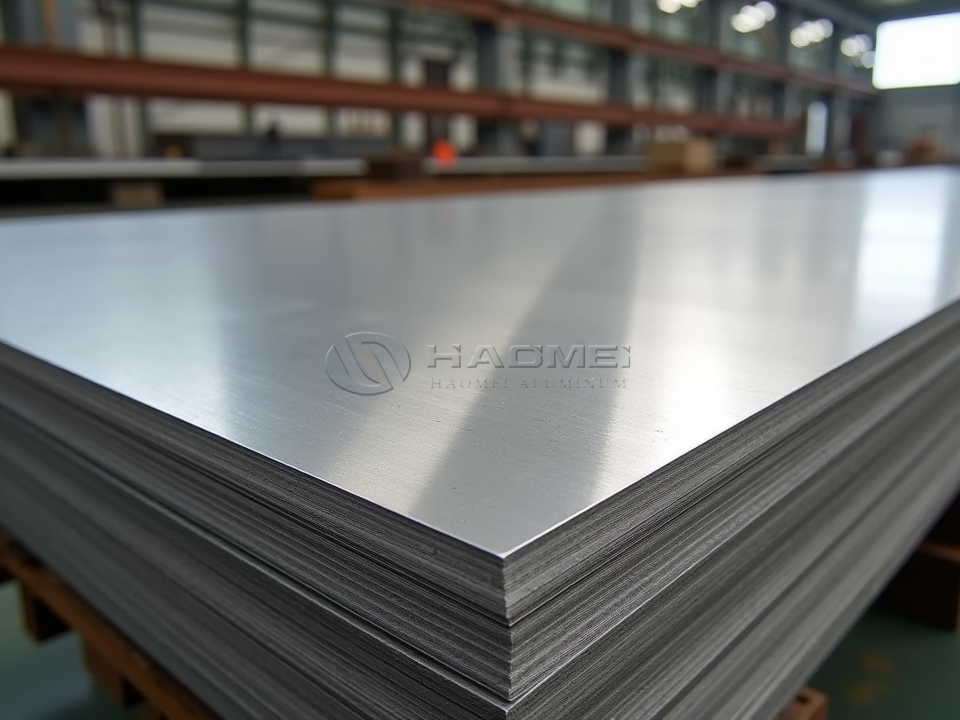
Why 5083 Aluminum Plate Performs Well at Sea
The principal alloying element in 5083 is magnesium. This gives the plate higher strength than many general-purpose aluminum sheets while preserving very good forming and welding behavior. Manganese and chromium additions contribute to grain structure control and corrosion performance, making the alloy especially suitable for welded marine structures.
Unlike heat-treatable 6xxx aluminum alloys, 5083 gains strength through strain hardening and temper control. Marine fabricators commonly choose O, H111, H116, H321, or H32 tempers depending on the design loading, required bend radius, plate thickness, and service environment. H116 and H321 are frequently selected for hull and offshore structures because they are designed to offer resistance to exfoliation corrosion in marine exposure.
| Performance characteristic | Value for ship and boat construction |
|---|---|
| Seawater corrosion resistance | Excellent in saltwater and humid coastal environments |
| Weldability | Excellent with suitable aluminum welding procedures |
| Strength-to-weight ratio | High, supporting lighter yet durable structures |
| Formability | Good, particularly in O and H111 tempers |
| Low-temperature behavior | Retains dependable toughness in cold service |
| Machinability | Fair; suitable tools and cutting practice are recommended |
| Surface protection | Often used bare, painted, or protected with compatible marine coatings |
The alloy is not magnetic, which can be useful in specialized naval, research, and electronic marine applications. Its low density, approximately one-third that of steel, gives designers greater freedom to reduce hull weight or increase useful payload without excessive structural mass.
Typical Chemical Composition
5083 is controlled by recognized international standards, although exact limits can vary slightly by specification and mill certification. Magnesium is the dominant addition and supports the alloy's strength and corrosion behavior.
| Element | Typical specified range, % by weight |
|---|---|
| Magnesium, Mg | 4.0-4.9 |
| Manganese, Mn | 0.4-1.0 |
| Chromium, Cr | 0.05-0.25 |
| Iron, Fe | 0.40 max |
| Silicon, Si | 0.40 max |
| Copper, Cu | 0.10 max |
| Zinc, Zn | 0.25 max |
| Titanium, Ti | 0.15 max |
| Aluminum, Al | Balance |
This chemistry is especially valuable in welded fabrication. While the heat-affected zone around a weld may soften compared with the parent plate in strain-hardened tempers, 5083 remains one of the preferred alloys for welded hull fabrication when plate thickness, joint design, filler wire, and weld sequence are properly engineered.
Common Tempers and Mechanical Properties
Mechanical values depend on plate thickness, temper, product standard, and testing direction. The figures shown are typical reference ranges rather than a replacement for mill test certification.
| Temper | Typical tensile strength | Typical yield strength | Suitable marine use |
|---|---|---|---|
| O | 270-350 MPa | 125 MPa minimum | Curved plates, formed sections, tanks |
| H111 | 275-350 MPa | 125 MPa minimum | General fabricated marine structures |
| H116 | 305-385 MPa | 215 MPa minimum | Hull plating, decks, offshore structures |
| H321 | 305-385 MPa | 215 MPa minimum | High-duty hull and vessel structures |
For vessel builders, H116 and H321 plate often provide an excellent working combination of strength and marine corrosion resistance. O temper remains valuable where deep forming, rolling, or complex shaping is more important than higher parent-metal strength.
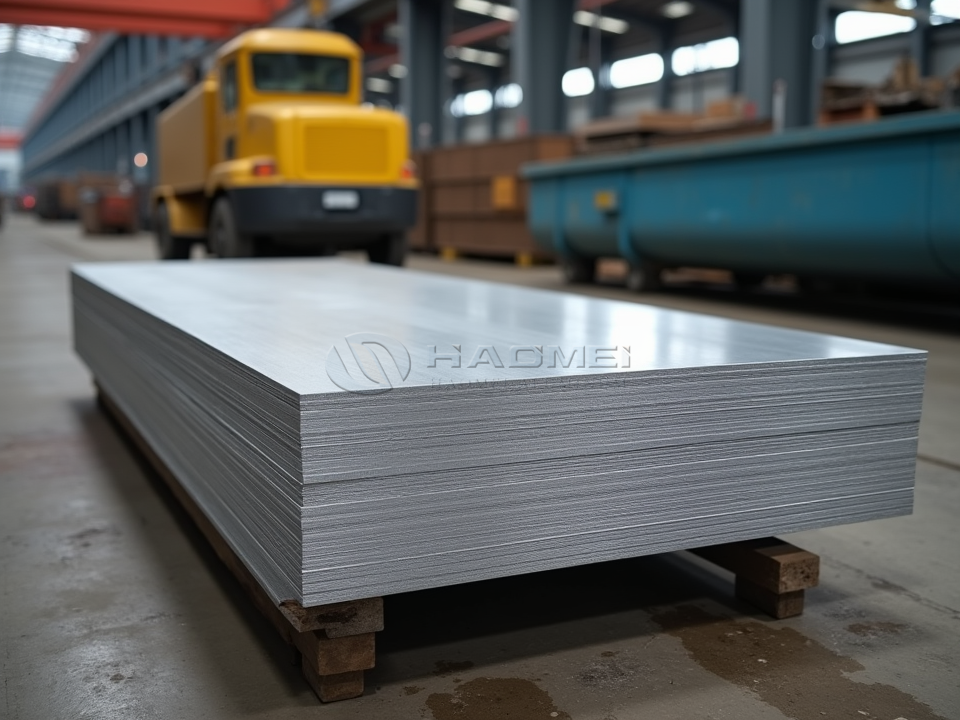
Ship and Boat Applications
5083 plate is used wherever a vessel needs dependable structural behavior in a corrosive, weight-sensitive environment. Larger thicknesses are frequently used in bottom shell plating, chines, transoms, frames, and heavy-duty decks. Thinner gauges may be selected for cabin panels, interior partitions, lockers, and non-load-bearing enclosures.
Typical applications include:
- Hull bottoms, side shells, transoms, and bow sections
- Deck plates, wheelhouse structures, bulkheads, and cabin panels
- Fishing boats, trawlers, crew boats, ferries, and patrol vessels
- Yacht hulls, catamarans, RIB support structures, and tender platforms
- Landing craft ramps, workboat decks, and cargo handling areas
- Fuel tanks, freshwater tanks, machinery foundations, and equipment housings
- Offshore gangways, floating platforms, and marine transport modules
For projects requiring tightly controlled marine grades and temper selections, Marine 5083 aluminum sheet can be specified in forms suited to hull plating, deck fabrication, and structural components. For slip-resistant walking surfaces, boarding zones, and machinery access areas, Marine Aluminum Tread Sheets provide a practical complementary material option.
Fabrication Considerations
5083 aluminum plate can be cut by CNC routing, sawing, waterjet, plasma cutting, or laser systems selected for aluminum processing. Clean cutting surfaces and controlled heat input help preserve edge quality. Bending is generally straightforward, but minimum bend radius should be matched to temper and thickness. Softer tempers allow tighter forming, while harder tempers require more generous radii.
MIG and TIG welding are both commonly used. ER5183, ER5356, and ER5556 filler metals are often considered for 5083 structures, subject to the vessel specification and welding procedure qualification. Surface preparation matters: remove oxide, oil, moisture, and shop contamination before welding. Using dedicated stainless steel brushes and clean tooling reduces the risk of embedded contaminants.
Designers should also prevent galvanic corrosion. Direct contact between aluminum and more noble metals, especially copper alloys or stainless steel in wet service, should be isolated with sealants, gaskets, coatings, or suitable insulating materials. Proper drainage and avoidance of trapped seawater further support long service life.
Available Plate Supply Forms
5083 marine aluminum plate can be supplied in cut-to-length panels or larger mill plates to suit hull nesting plans and fabrication equipment. Wide plates reduce the number of welded seams across large hull panels, supporting efficient production and cleaner vessel lines.
| Supply parameter | Common capability |
|---|---|
| Thickness | Approximately 1.5 mm to 200 mm, subject to mill availability |
| Width | Standard and wide plate widths for marine panel layouts |
| Length | Standard lengths or custom cut lengths |
| Tempers | O, H111, H112, H116, H32, H321 |
| Surface | Mill finish, protected surface, or customer-specified treatment |
| Documentation | Mill test certificate, chemical analysis, mechanical test data, inspection records |
Aluminium plate 5083 for ship boat projects offers a durable route to lighter, corrosion-resistant, weldable vessel structures. When the temper, thickness, welding plan, and protective detailing are selected for the actual service conditions, 5083 plate delivers dependable performance from coastal workboats to high-speed commercial craft and premium aluminum yachts.

Related Products
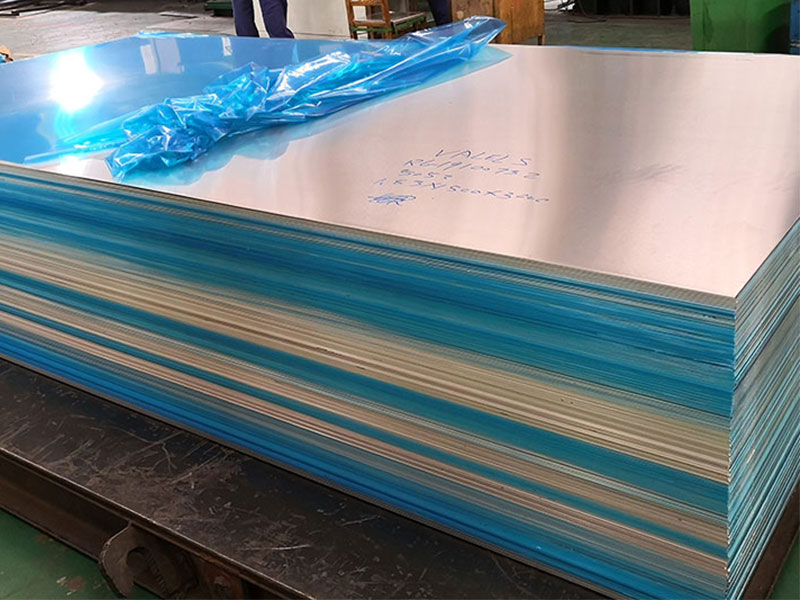
Marine 5059 aluminum sheet
5059 aluminum alloy is a strain-hardened material with a unique addition of magnesium and chromium, which provides outstanding resistance to localized corrosion like pitting and stress corrosion cracking.
View Details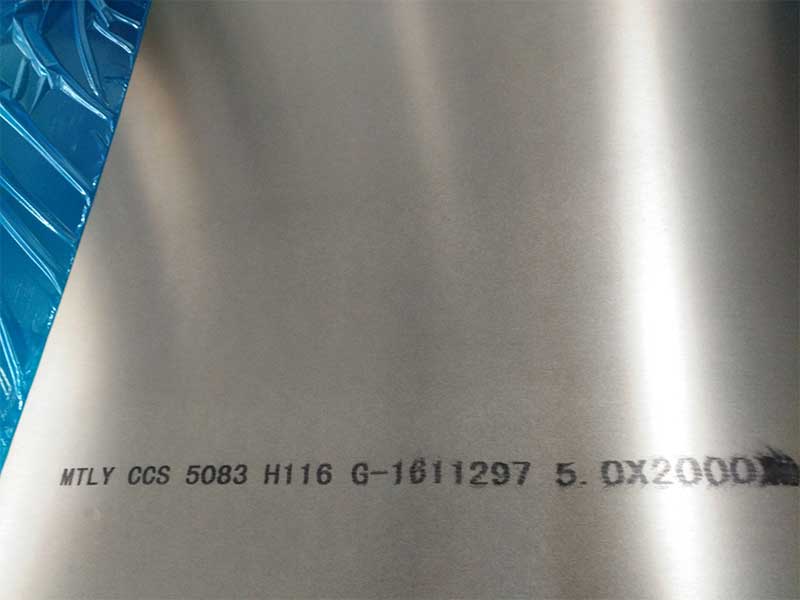
Marine 5083 aluminum sheet
Aluminum alloy 5083 is a non-heat-treatable alloy primarily composed of magnesium and trace elements that deliver outstanding protection against corrosion, particularly in seawater and saline atmospheres.
View Details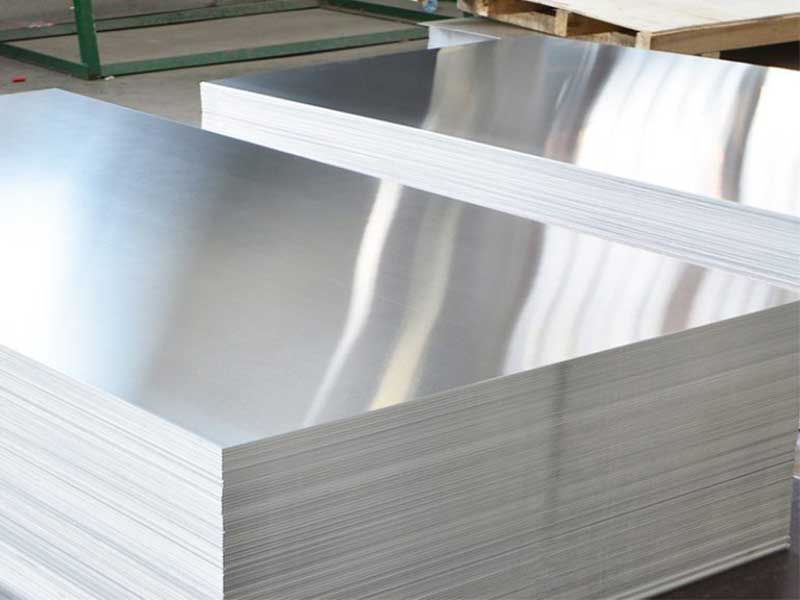
Marine anodized aluminum sheets
Marine Anodized Aluminum Sheets start with premium marine-grade aluminum alloys such as 5000 and 6000 series (typically 5083, 5052, and 6061).
View Details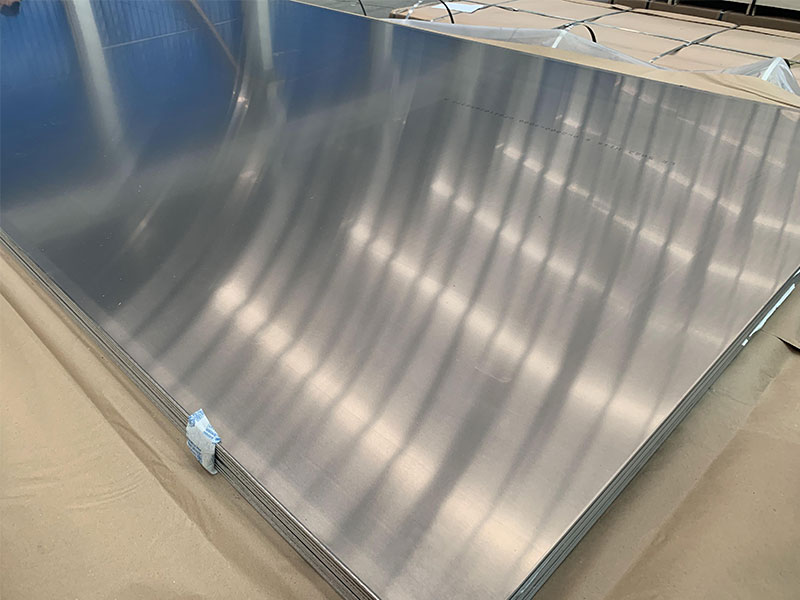
Marine 5052 aluminum sheet
Aluminum alloy 5052 is a non-heat-treatable, strain-hardened alloy with magnesium as the primary alloying element. It is designed to offer superior corrosion resistance in marine and saline environments, making it a dependable choice for components exposed directly to seawater or coastal atmospheric conditions.
View Details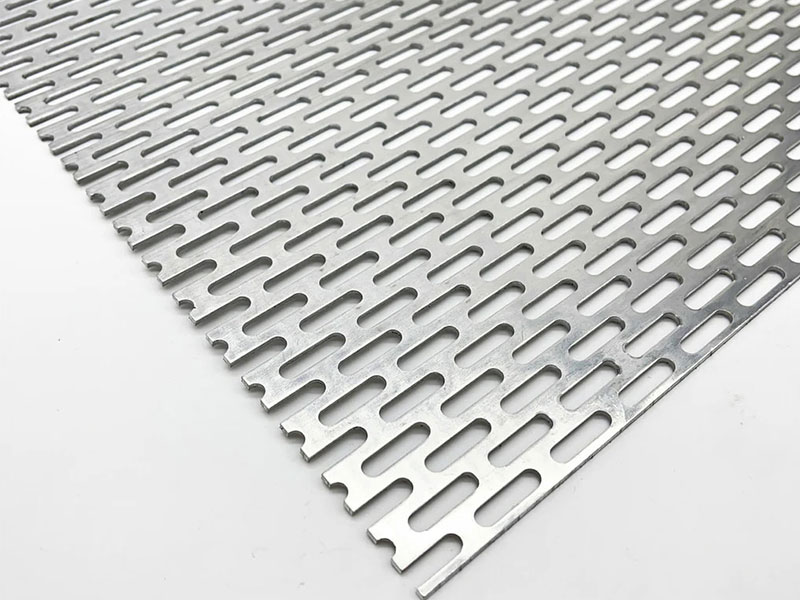
Marine perforated aluminum sheets
Marine Perforated Aluminum Sheets feature a series of uniform holes or shapes punched through the aluminum surface. These perforations can vary in size, pattern, and open area to tailor the sheets for specific applications.
View Details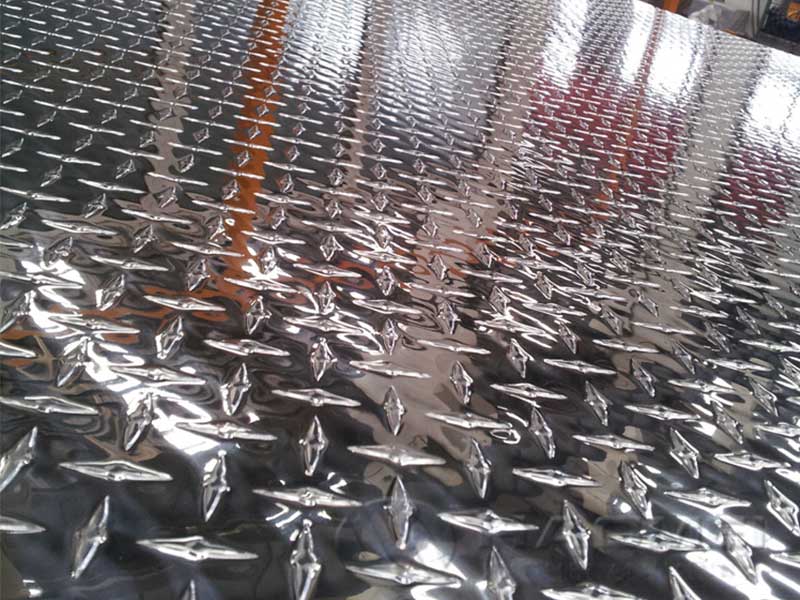
Marine Aluminum Tread Sheets
Marine Aluminum Tread Sheets are aluminum alloy plates featuring a raised surface pattern, commonly referred to as a tread design or diamond plate.
View DetailsRelated Blog
Aluminum coil 5052 H32 1.6mm thick for coated boat
Aluminum coil 5052 H32 1.6mm thick is a premium-material choice widely trusted in marine engineering, particularly for coated boat structures. It offers an excellent balance between strength, corrosion resistance, and workability.
View Details
Marine Uses 5083 Aluminum Sheet for Boat
When the sapphire waves beckon—whether for pleasure, transport, or industry—choosing the right materials for constructing boats and marine vessels becomes pivotal.
View Details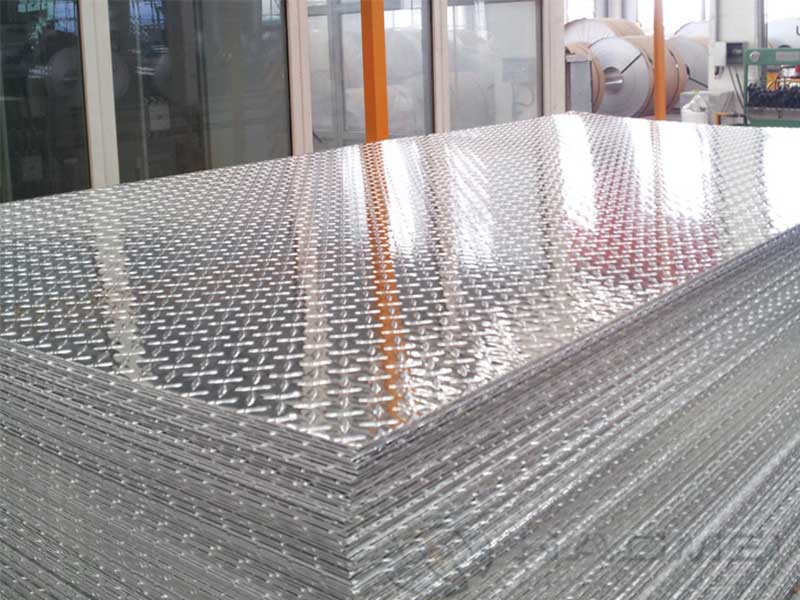
4mm thick 8x4 feet alloy 5083 aluminum sheet for ships
4mm Thick 8x4 Feet Alloy 5083 Aluminum Sheet for ShipsA Technical Deep Dive from the Hulls Perspective When naval architects choose a material for modern ship hulls, they are not just comparing alloys on paper.
View Details
3mm 5000 Series Marine Aluminum Sheet
Explore 3mm 5000 series marine aluminum sheet, featuring seawater corrosion resistance, weldability, formability, and practical vessel uses.
View Details
Marine 6061 Aluminum Plate
Marine 6061 aluminum plate offers high strength, excellent machinability, and good corrosion resistance for decks, frames, and marine equipment parts.
View Details
Marine Grade 5083 Aluminum Plate
Learn how marine grade 5083 aluminum plate performs in hulls, decks, and structures through corrosion resistance, welding, temper, and fabrication choices.
View Details
Leave a Message