
Marine Grade Aluminium 5083 Plate
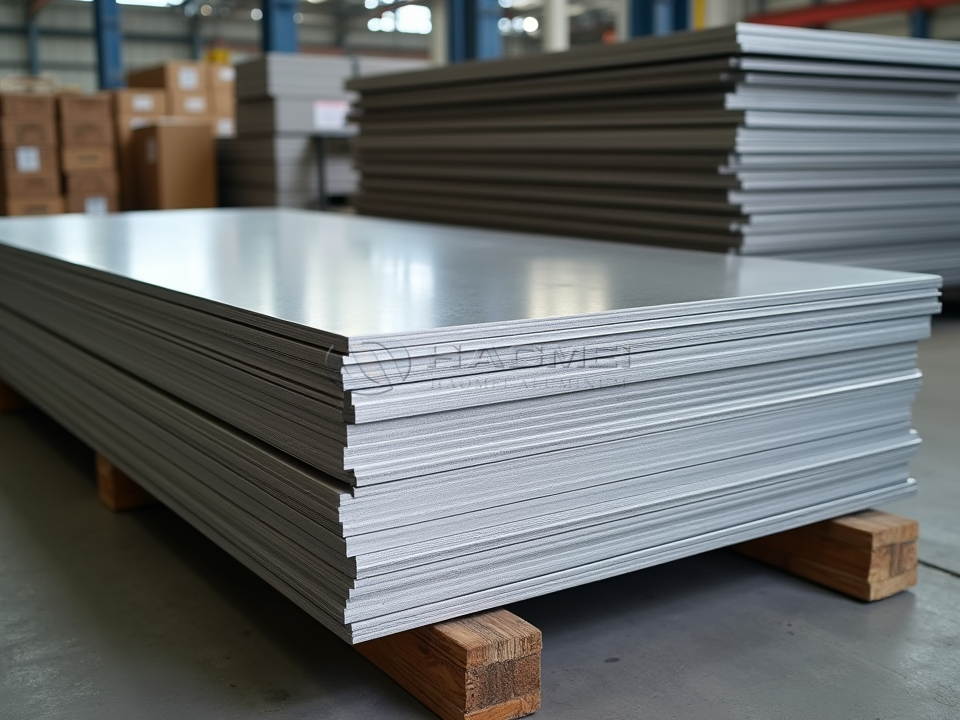
Marine grade aluminium 5083 plate is a high-magnesium aluminum alloy engineered for demanding saltwater environments. It is widely selected for boat hulls, fast ferries, fishing vessels, offshore platforms, ship superstructures, pressure vessels, and coastal equipment where corrosion resistance, structural strength, and welding reliability matter every day.
As a non-heat-treatable 5xxx-series alloy, 5083 develops its strength through controlled rolling and strain hardening rather than precipitation heat treatment. This gives fabricators a material that remains practical to cut, bend, form, and weld while delivering excellent service life in wet, salty, and industrial atmospheres.
Why 5083 Plate Performs So Well at Sea
The alloy's high magnesium content is the foundation of its marine performance. Magnesium improves strength while helping the naturally formed aluminum oxide film resist general seawater attack. Manganese and chromium further support grain structure and corrosion performance, particularly in plate used for welded hull structures.
Compared with many structural metals, marine grade aluminium 5083 plate combines a favorable strength-to-weight ratio with low density. A lighter vessel can support higher payload, reduced fuel consumption, increased speed, or greater design flexibility. It also retains good toughness at low temperatures, making it suitable for refrigerated marine equipment and cold-region operations.
| Performance characteristic | Value to marine construction |
|---|---|
| Seawater corrosion resistance | Helps protect hulls and structures exposed to splash zones, bilges, decks, and coastal air |
| High specific strength | Reduces structural weight without sacrificing dependable load capacity |
| Excellent weldability | Supports MIG and TIG welding for large, continuous marine assemblies |
| Low-temperature toughness | Remains suitable for cold waters and cryogenic-related equipment |
| Formability | Allows plate to be shaped into hull panels, curved shells, brackets, and bulkheads |
| Non-magnetic behavior | Useful near sensitive navigation, research, and defense equipment |
Chemical Composition
Marine grade aluminium 5083 plate is produced to controlled chemistry limits. Exact values may vary with applicable standards, plate thickness, and certification requirements.
| Element | Typical specified range, % by weight |
|---|---|
| Magnesium, Mg | 4.0-4.9 |
| Manganese, Mn | 0.40-1.00 |
| Chromium, Cr | 0.05-0.25 |
| Iron, Fe | 0.40 max |
| Silicon, Si | 0.40 max |
| Copper, Cu | 0.10 max |
| Zinc, Zn | 0.25 max |
| Titanium, Ti | 0.15 max |
| Aluminum, Al | Balance |
This chemistry places 5083 among the strongest commonly used non-heat-treatable aluminum alloys. Its magnesium-rich composition is especially valuable when welded joints must operate in seawater exposure for extended periods.
Available Tempers and Technical Specifications
Temper selection should reflect fabrication method, required strength, thickness, and corrosion service conditions. For marine plate, H116 and H321 are frequent choices because they are intended for improved resistance to exfoliation corrosion and stress corrosion cracking in marine environments. O temper is preferred when maximum forming capability is needed.
| Item | Typical supply range or condition |
|---|---|
| Alloy | AA 5083 / EN AW-5083 / AlMg4.5Mn0.7 |
| Product form | Hot-rolled plate, cut-to-size plate, wide plate |
| Common tempers | O, H111, H112, H116, H321 |
| Typical thickness | 3.0-200 mm |
| Typical width | 1,000-2,500 mm |
| Typical length | 2,000-12,000 mm or custom cut length |
| Density | Approximately 2.66 g/cm³ |
| Melting range | Approximately 570-640°C |
| Surface options | Mill finish, brushed, PVC protected, precision cut |
| Common standards | ASTM B928, ASTM B209, EN 485, EN 573, ABS, DNV, LR, BV, CCS certifications where required |
For customers comparing grades across a project, our Marine 5083 aluminum sheet range can support thinner-gauge panels and fabricated marine components alongside heavier structural plate.
Mechanical Properties
Mechanical values depend on temper and thickness. The data in the table are representative planning values rather than a substitute for mill test certification. Project specifications should always confirm the required minimum properties for the ordered size and temper.
| Temper | Typical thickness range | Tensile strength, MPa | Yield strength, MPa | Elongation, % |
|---|---|---|---|---|
| O | 3-50 mm | 270-350 | 125 min | 16-20 |
| H111 | 3-50 mm | 275-350 | 125 min | 12-16 |
| H116 | 6-50 mm | 305-385 | 215 min | 10-12 |
| H321 | 6-50 mm | 305-385 | 215 min | 10-12 |
The H116 and H321 tempers are often specified for hull plating, decks, shell plating, transverse frames, and other areas exposed to cyclic loading and saltwater. Their controlled processing provides a strong balance of plate strength, weldability, and long-term corrosion resistance.
Marine and Industrial Applications
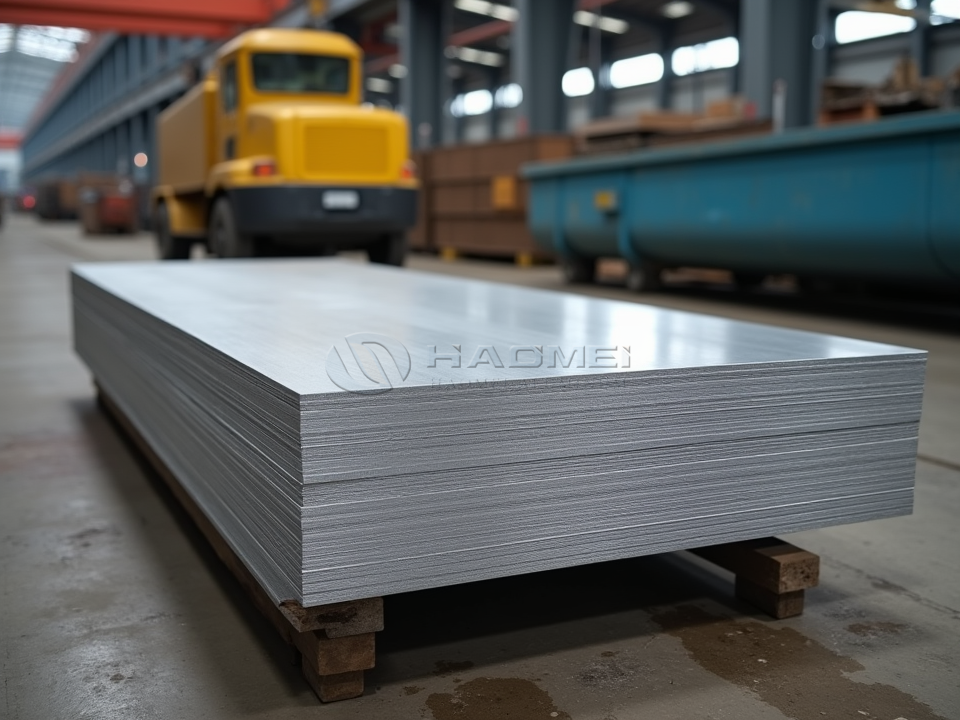
5083 plate has become a trusted material wherever water, weight, and structural demand converge. In shipbuilding, it is used for high-speed craft hulls, patrol boats, landing craft, workboats, fishing vessels, yacht structures, wheelhouses, decks, bulkheads, tank boundaries, and accommodation modules. Its low density is particularly beneficial for vessels that need fast acceleration, shallow draft, or efficient operating economics.
Offshore and coastal projects use 5083 plate in helideck components, walkways, equipment enclosures, access platforms, gangways, splash-zone structures, and service vessels. The alloy is also suitable for cryogenic tanks, LNG-related equipment, road tankers, rail vehicles, and welded pressure vessels because it maintains useful toughness at reduced temperatures.
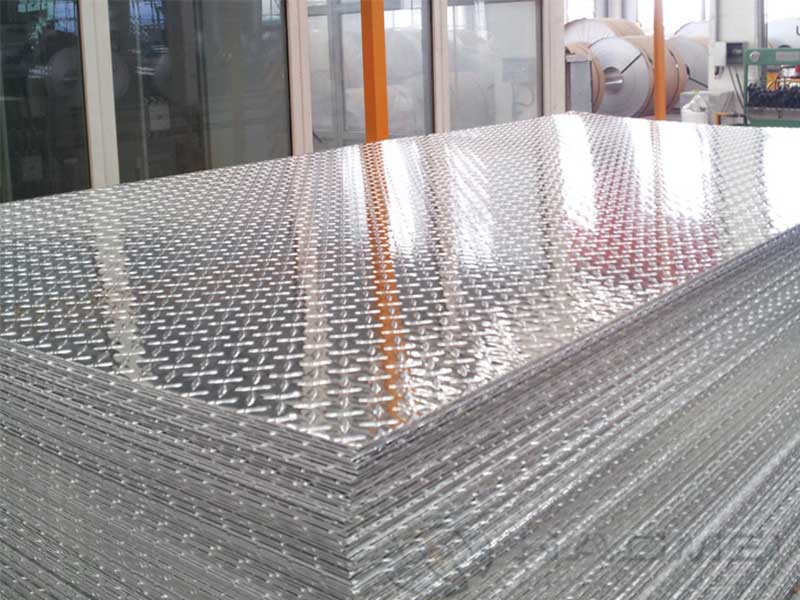
For non-structural walking surfaces requiring additional slip resistance, Marine Aluminum Tread Sheets can complement smooth 5083 plate in deck access routes, engine-room floors, and maintenance platforms.
| Application area | Typical 5083 plate function | Preferred material benefit |
|---|---|---|
| Boat hulls | Bottom plating, side shell, chine areas | High strength with reduced vessel mass |
| Decks and bulkheads | Flat or formed structural panels | Weldability and corrosion resistance |
| Fast ferries and workboats | Lightweight hull and superstructure members | Improved payload and fuel efficiency |
| Offshore equipment | Platforms, housings, access structures | Salt-spray durability |
| Cryogenic equipment | Tank shells and transport systems | Reliable low-temperature toughness |
| Industrial tanks | Welded chemical and liquid storage vessels | Good corrosion resistance and formability |
Fabrication Guidance
Marine grade aluminium 5083 plate is readily processed using conventional fabrication equipment. Plasma, waterjet, laser, and mechanical cutting can be selected according to thickness, edge-quality targets, and production volume. Clean handling is important: carbon steel tools, iron contamination, and grinding debris should be kept away from aluminum surfaces to prevent staining and localized corrosion risk.
MIG welding is commonly used for thicker plate and long marine seams, while TIG welding is suitable for thinner sections and precision work. Filler alloys such as 5183, 5356, and 5556 are commonly considered for 5083, subject to design code, required joint strength, and service temperature. Because welding softens strain-hardened material in the heat-affected zone, designers should account for welded-joint properties rather than base-metal values alone.
Bending should use adequate inside radii, especially in H116 and H321 tempers. When tight forming is required, O or H111 temper may offer a more suitable route. Protective film, careful stacking, dry storage, and non-metallic separators help preserve the plate surface before fabrication.
Customer Value in Long-Term Service
Choosing 5083 marine aluminum plate can reduce lifecycle cost beyond the initial material purchase. Its corrosion resistance lowers reliance on heavy protective systems, its light weight supports operational efficiency, and its weldability enables practical repair or modification throughout the vessel's life. The result is a durable structural material that meets the real demands of saltwater service while allowing designers and fabricators to build lighter, cleaner, and more efficient marine equipment.
For critical marine projects, specify alloy, temper, thickness, dimensional tolerances, inspection requirements, and class certification at the purchasing stage. This ensures the delivered 5083 plate matches the intended hull design, welding procedure, and regulatory requirements.

Related Products
Marine 5052 aluminum sheet
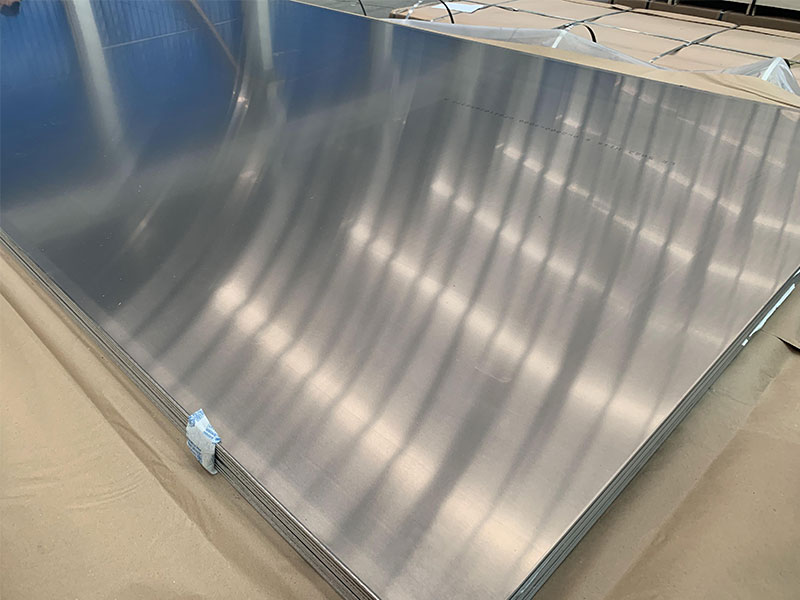
Aluminum alloy 5052 is a non-heat-treatable, strain-hardened alloy with magnesium as the primary alloying element. It is designed to offer superior corrosion resistance in marine and saline environments, making it a dependable choice for components exposed directly to seawater or coastal atmospheric conditions.
View Details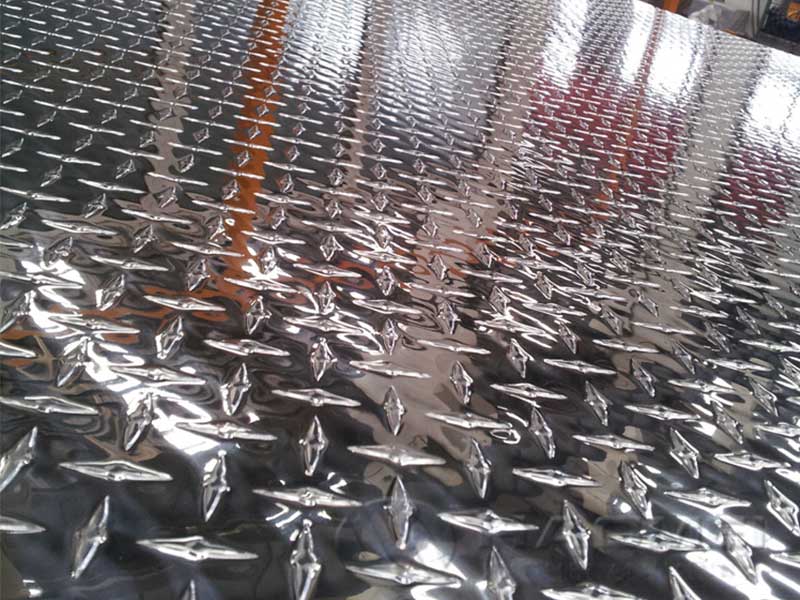
Marine Aluminum Tread Sheets
Marine Aluminum Tread Sheets are aluminum alloy plates featuring a raised surface pattern, commonly referred to as a tread design or diamond plate.
View Details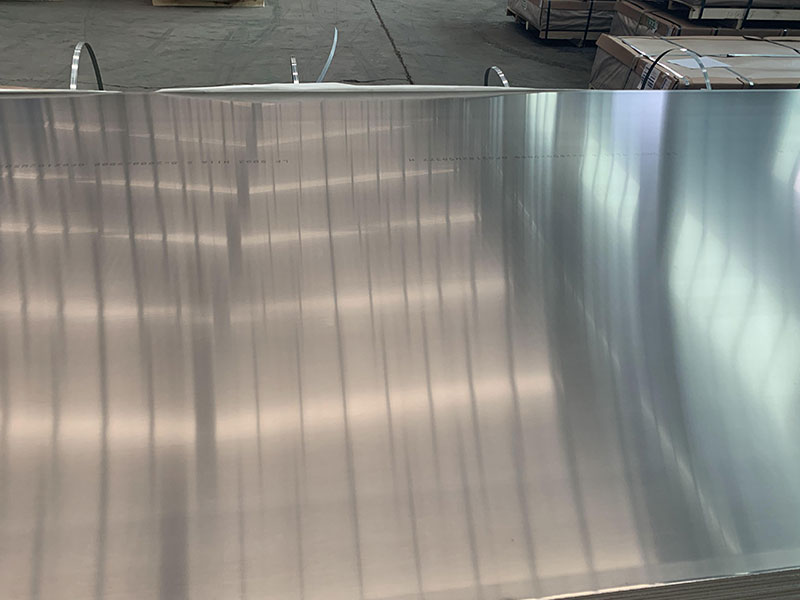
Marine 5383 aluminum sheet
5383 aluminum is a strain-hardened, non-heat-treatable alloy from the 5xxx series primarily alloyed with magnesium. It exhibits a unique balance of corrosion resistance and mechanical properties particularly suited for marine applications.
View Details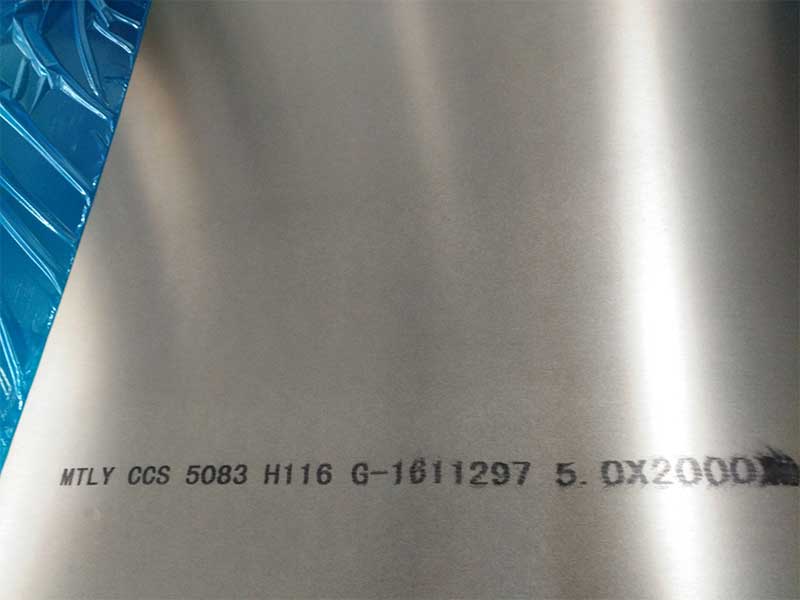
Marine 5083 aluminum sheet
Aluminum alloy 5083 is a non-heat-treatable alloy primarily composed of magnesium and trace elements that deliver outstanding protection against corrosion, particularly in seawater and saline atmospheres.
View Details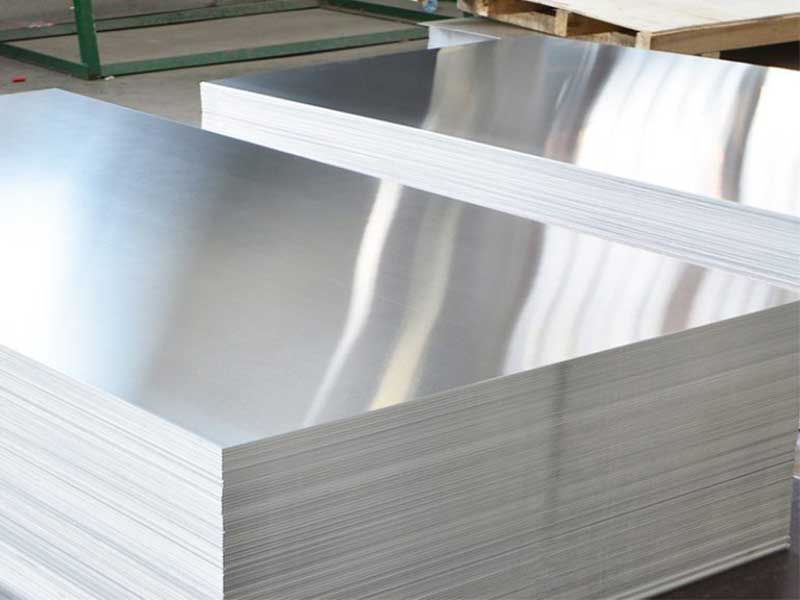
Marine anodized aluminum sheets
Marine Anodized Aluminum Sheets start with premium marine-grade aluminum alloys such as 5000 and 6000 series (typically 5083, 5052, and 6061).
View Details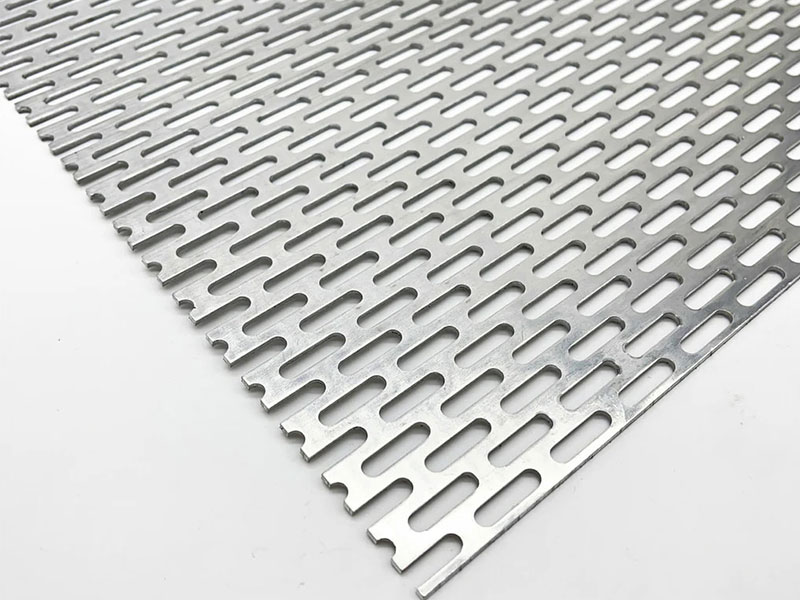
Marine perforated aluminum sheets
Marine Perforated Aluminum Sheets feature a series of uniform holes or shapes punched through the aluminum surface. These perforations can vary in size, pattern, and open area to tailor the sheets for specific applications.
View DetailsRelated Blog
4mm thick 8x4 feet alloy 5083 aluminum sheet for ships
4mm Thick 8x4 Feet Alloy 5083 Aluminum Sheet for ShipsA Technical Deep Dive from the Hulls Perspective When naval architects choose a material for modern ship hulls, they are not just comparing alloys on paper.
View Details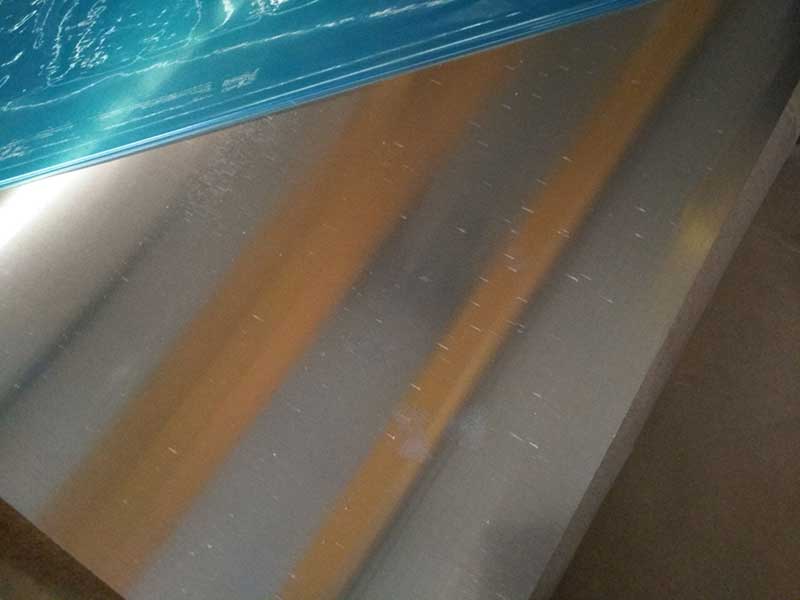
Marine aluminium alloy sheet
Marine aluminum alloy sheet is an indispensable material in the construction and maintenance of vessels, offshore platforms, and various marine infrastructure. Its unique combination of strength, corrosion resistance.
View Details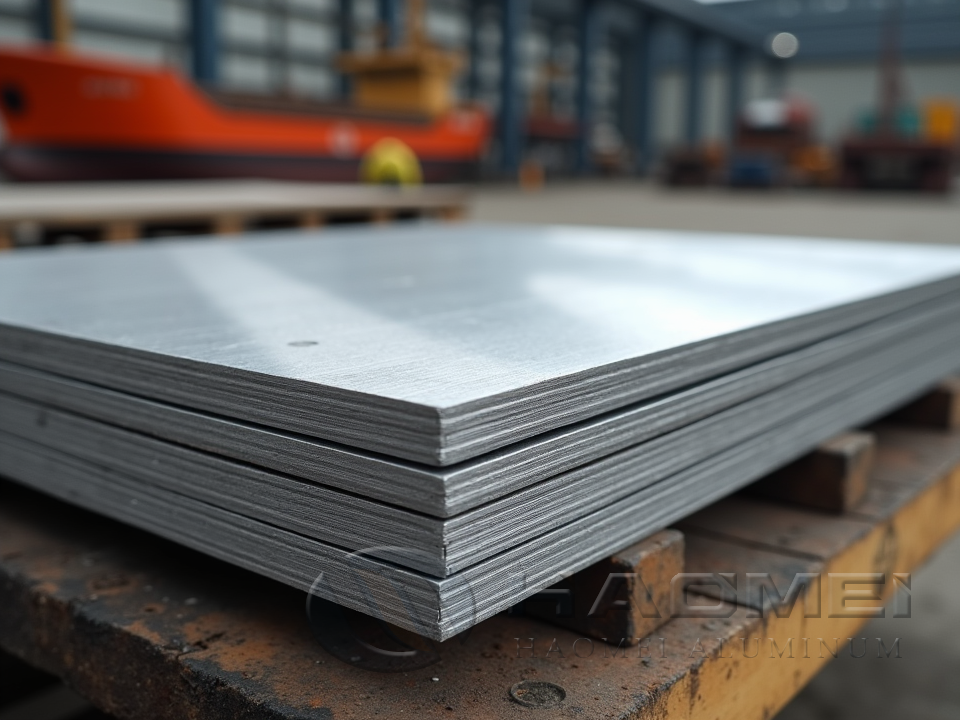
5086 Marine Heavy Duty Aluminum Plate
5086 marine heavy duty aluminum plate delivers seawater corrosion resistance, weldability, strength, and stable service for hulls and offshore structures.
View Details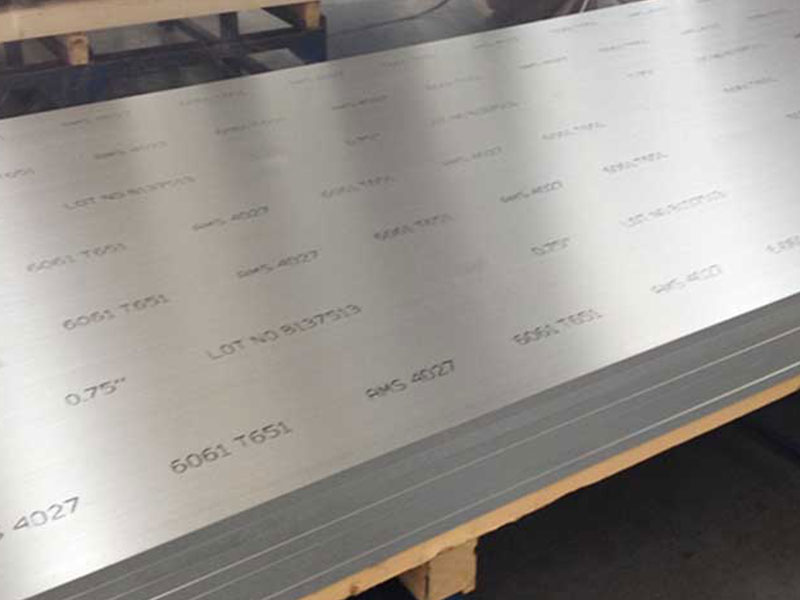
2mm Thick Aluminum Sheet Marine Grade
Navigating the marine industry requires robust materials that exhibit unparalleled durability, resilience, and corrosion resistance. Among these materials, the 2mm thick aluminum sheet, specifically tailored for marine applications.
View Details
Marine Grade 5083 Aluminum Plate
Learn how marine grade 5083 aluminum plate performs in hulls, decks, and structures through corrosion resistance, welding, temper, and fabrication choices.
View Details
5083 H321 Marine Grade Aluminium Sheet
5083 H321 Marine Grade Aluminium Sheet: The "Working Hull Skin" That Thrives Where Steel Gets TiredIn marine design, the ocean is not just a backdrop-it is a relentless testing machine.
View Details
Leave a Message