
Aluminium sheet for the marine grade
Marine-Grade Aluminium Sheet: The Quiet Engineering Behind Reliable Boats and Offshore Structures
When people think about marine performance, they often picture hull shapes, propulsion systems, or advanced coatings. Yet one of the most decisive materials choices sits in plain sight: marine-grade aluminium sheet. It is not simply "aluminium that resists rust." In seawater service, aluminium behaves more like a system than a metal-its alloying elements, temper condition, sheet quality, and fabrication rules all determine whether it becomes a long-life structure or a maintenance headache.
From a distinctive viewpoint, marine aluminium sheet works like a designed compromise between strength, corrosion behavior, and weld integrity. The ocean punishes weak links. Marine-grade sheet succeeds because it was engineered to remove weak links before fabrication even begins.
What "Marine Grade" Really Does in Seawater
Seawater corrosion isn't a single phenomenon. It's a mix of chloride attack, oxygen gradients, crevice conditions, galvanic coupling, and sometimes stray current exposure. Marine-grade aluminium sheet is designed to remain stable in this environment by forming an oxide film that is both protective and self-repairing. But the is chemistry control.
Most marine aluminium sheet comes from two alloy families:
5xxx series (Al-Mg) such as 5083, 5086, 5454, 5052
These are the workhorses of marine fabrication because magnesium increases strength while keeping excellent resistance to seawater corrosion. Their greatest advantage is that strength is achieved without heat treatment-meaning welded areas retain better properties and reliability.
6xxx series (Al-Mg-Si) such as 6061, 6082
These are heat-treatable and can deliver high strength, but in marine settings they're often chosen for extrusions, structural parts, and machined components rather than thin sheet plating. When used as sheet, temper selection and corrosion prevention design become more critical.
Functions: Why Marine Aluminium Sheet Performs Beyond "Lightweight"
Marine-grade aluminium sheet functions as a performance multiplier in several ways:
Weight efficiency that translates into usable payload
Lower density reduces displacement and fuel consumption, improving speed or increasing cargo capacity without increasing hull volume.
Weldability that supports real-world fabrication
Marine vessels are built, repaired, and modified. 5xxx sheet supports MIG/TIG welding with good post-weld integrity, especially in H116/H321 conditions where properties are stabilized.
Corrosion resistance that reduces total ownership cost
Well-selected marine sheet resists pitting and general corrosion. Good practice avoids dissimilar-metal coupling and crevices, keeping maintenance closer to inspection than constant repair.
Formability for hydrodynamics and layout freedom
Sheet can be rolled, pressed, or bent to fit hull curvature, bulkheads, decks, and superstructures with fewer joints than composite or steel solutions.
Where It's Used: Applications That Benefit Most
Marine-grade aluminium sheet is used across saltwater environments and also in brackish or freshwater where durability still matters:
Hull plating and side shells for fast ferries, patrol boats, workboats, fishing vessels, and yachts
Decks, bulkheads, and internal partitions where stiffness and corrosion resistance matter
Superstructures to reduce topweight and improve stability
Offshore gangways, platforms, ladders, and access covers where salt spray is constant
Marine tanks and containment for certain non-aggressive fluids, often with 5454 due to its compatibility with elevated temperatures and industrial use
Dock components and coastal architectural panels where aesthetics and longevity must coexist
A practical way to view applications is by the "stress + salt + welding" triangle. When all three are high, alloys like 5083-H116 and 5086-H116 are common choices.
Alloy Choices and Tempering: Matching Sheet to Service Reality
5083 is often selected when higher strength is needed in plated structures.
Common tempers: H116, H321 for marine service; O for forming before final assembly.
5086 offers excellent corrosion resistance and good weld performance, frequently used for hulls and plating.
Common tempers: H116, H321.
5052 is very formable and corrosion resistant, widely used for smaller boats, interior marine panels, and fuel tank-related components (depending on regulations and design).
Common temper: H32.
5454 is valued in industrial and marine-adjacent environments, including certain tank applications, due to good corrosion performance and thermal stability.
Common temper: H32, H34.
6061 is widely available and strong in T6, but welded zones lose strength unless post-weld heat treatment is possible. For marine sheet use, it often suits structural components where design compensates for weld softening.
Common tempers: T6, T651.
Implementation Standards Customers Actually Rely On
Marine aluminium sheet purchasing isn't only about alloy; it's about meeting standards that control composition, mechanical properties, dimensional tolerances, and surface quality.
Commonly referenced standards include:
ASTM B928 for high-magnesium 5xxx sheet/plate intended for marine service (a frequent requirement for hull plating)
ASTM B209 general aluminium sheet/plate specification (often used for non-marine-specific applications)
EN 485 for European requirements on aluminium sheet/plate tolerances and properties
ISO 6361 for wrought aluminium sheet/strip general technical conditions
Classification society expectations such as DNV, ABS, Lloyd's Register depending on vessel class and approval pathway
If your project is hull-critical, customers often specify B928 for 5083/5086 because it is tailored to marine corrosion performance and controlled quality.
Typical Parameters Customers Check Before Buying
Marine aluminium sheet is usually specified by:
Thickness range commonly from 1.5 mm to 50 mm depending on hull/deck structure
Sheet width/length tailored to reduce weld seams, often 1000–2500 mm wide and up to 6000–12000 mm length (mill capability dependent)
Surface condition mill finish, brushed, or pre-treated depending on coating plan
Flatness and tolerances important for CNC cutting, panel assembly, and fair hull lines
Protective film/paper to preserve surface quality during fabrication and transport
Chemical Composition Snapshot (Typical, wt.%)
Below is a practical reference table for common marine and marine-adjacent alloys. Values are typical specification limits; exact ranges vary by standard revision.
| Alloy | Mg | Mn | Si | Fe | Cu | Cr | Zn | Ti | Al |
|---|---|---|---|---|---|---|---|---|---|
| 5083 | 4.0–4.9 | 0.4–1.0 | ≤0.40 | ≤0.40 | ≤0.10 | 0.05–0.25 | ≤0.25 | ≤0.15 | Balance |
| 5086 | 3.5–4.5 | 0.2–0.7 | ≤0.40 | ≤0.50 | ≤0.10 | 0.05–0.25 | ≤0.25 | ≤0.15 | Balance |
| 5052 | 2.2–2.8 | ≤0.10 | ≤0.25 | ≤0.40 | ≤0.10 | 0.15–0.35 | ≤0.10 | ≤0.15 | Balance |
| 5454 | 2.4–3.0 | 0.5–1.0 | ≤0.25 | ≤0.40 | ≤0.10 | 0.05–0.20 | ≤0.25 | ≤0.20 | Balance |
| 6061 | 0.8–1.2 | ≤0.15 | 0.4–0.8 | ≤0.70 | 0.15–0.40 | 0.04–0.35 | ≤0.25 | ≤0.15 | Balance |
A subtle but important marine insight: keeping copper low helps corrosion resistance in seawater. That's one reason 5xxx alloys dominate hull plating.
Fabrication Conditions That Protect the "Marine Grade" Promise
Marine-grade aluminium sheet can be undermined by design and fabrication choices. The best results come from treating corrosion as a layout issue, not only a material issue.
Avoid persistent crevices where seawater can stagnate. Design for drainage and ventilation.
Control dissimilar metal contact. Use isolation materials and compatible fasteners to limit galvanic corrosion.
Use proper filler wire for welding. For 5xxx alloys, fillers like 5356 or 5183 are commonly selected based on strength and crack resistance requirements.
Respect service temperature limits. High-magnesium 5xxx alloys can be sensitive to prolonged elevated temperatures, so material selection should reflect operating conditions.
The Distinctive Takeaway: Marine Sheet Is a "Whole-Life" Material
Marine-grade aluminium sheet isn't just chosen for today's build-it's chosen for the vessel's next decade of docking impacts, weld repairs, salt spray cycles, and repainting schedules. The smartest selection comes from aligning alloy family, temper, and standards with the real operating profile: speed, load, welding intensity, and exposure severity.

Related Products
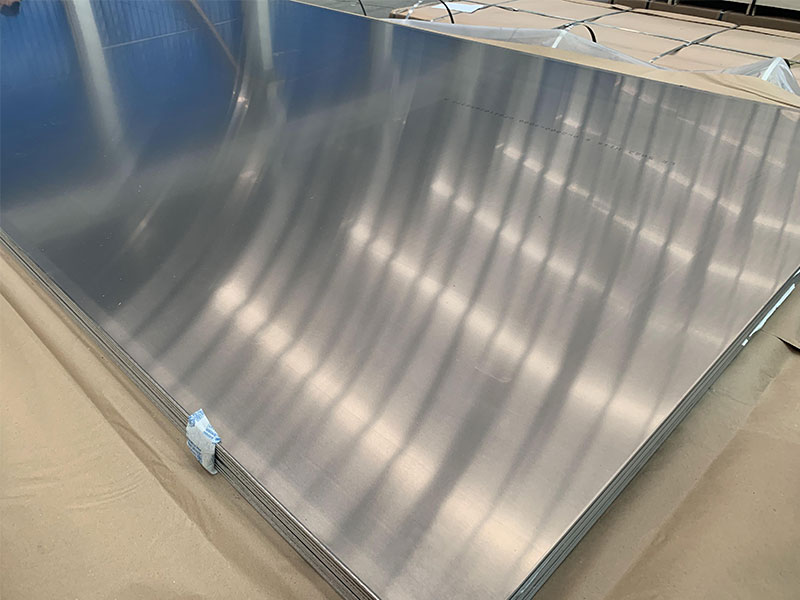
Marine 5052 aluminum sheet
Aluminum alloy 5052 is a non-heat-treatable, strain-hardened alloy with magnesium as the primary alloying element. It is designed to offer superior corrosion resistance in marine and saline environments, making it a dependable choice for components exposed directly to seawater or coastal atmospheric conditions.
View Details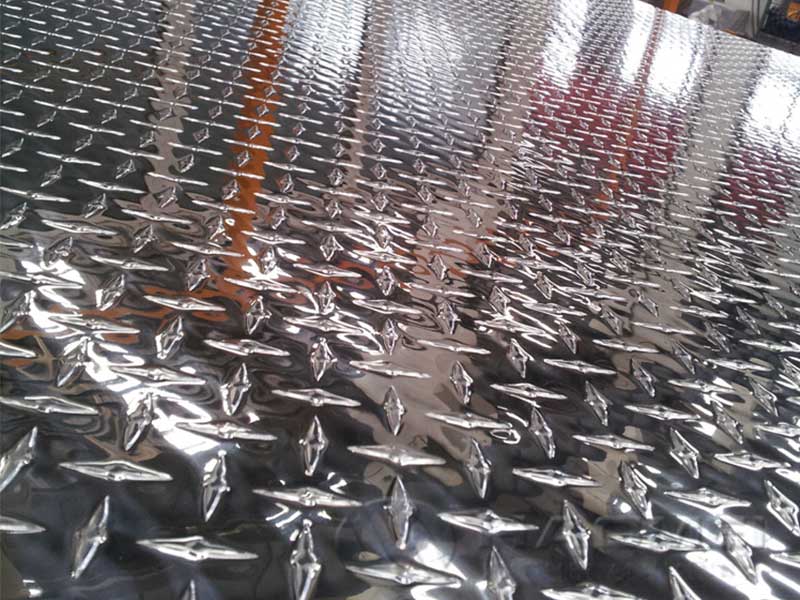
Marine Aluminum Tread Sheets
Marine Aluminum Tread Sheets are aluminum alloy plates featuring a raised surface pattern, commonly referred to as a tread design or diamond plate.
View Details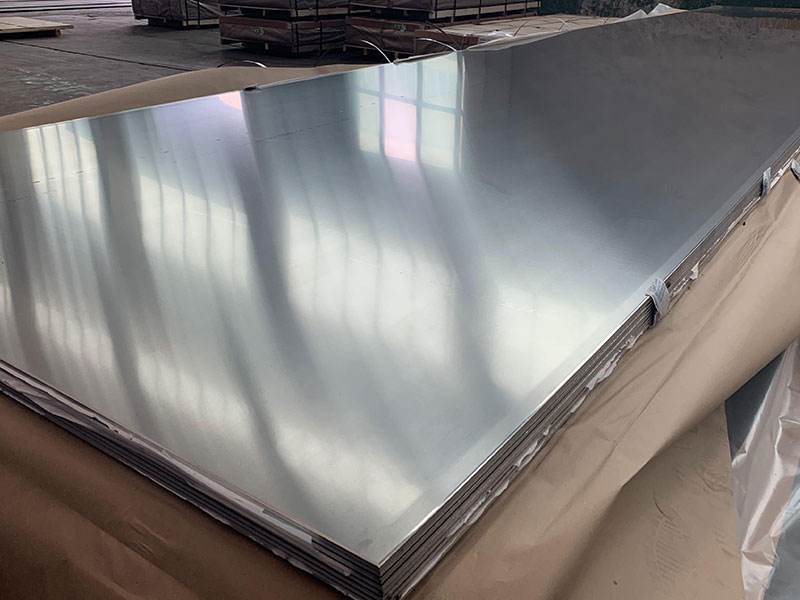
Marine 5086 aluminum sheet
This product article provides an in-depth and comprehensive understanding of Marine 5086 Aluminum Sheets, including their chemical composition, mechanical properties, corrosion resistance, fabrication capabilities, and typical marine applications.
View Details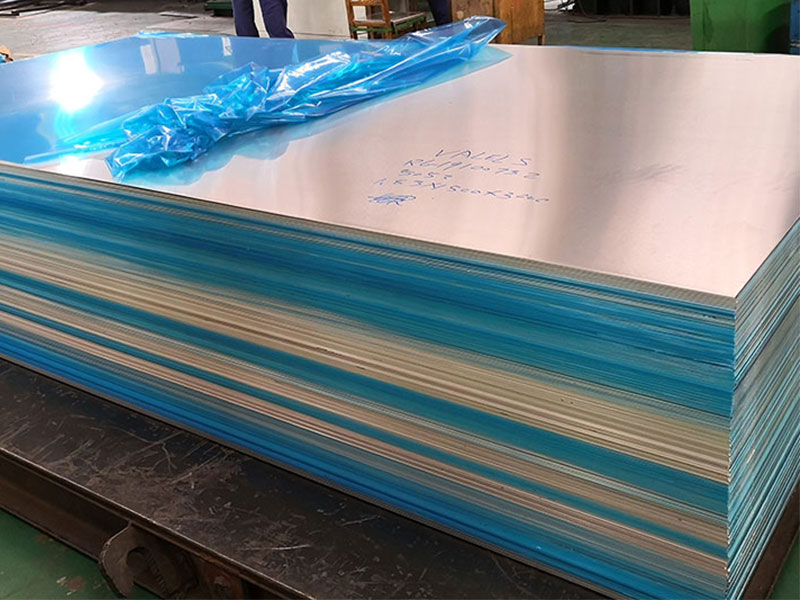
Marine 5059 aluminum sheet
5059 aluminum alloy is a strain-hardened material with a unique addition of magnesium and chromium, which provides outstanding resistance to localized corrosion like pitting and stress corrosion cracking.
View Details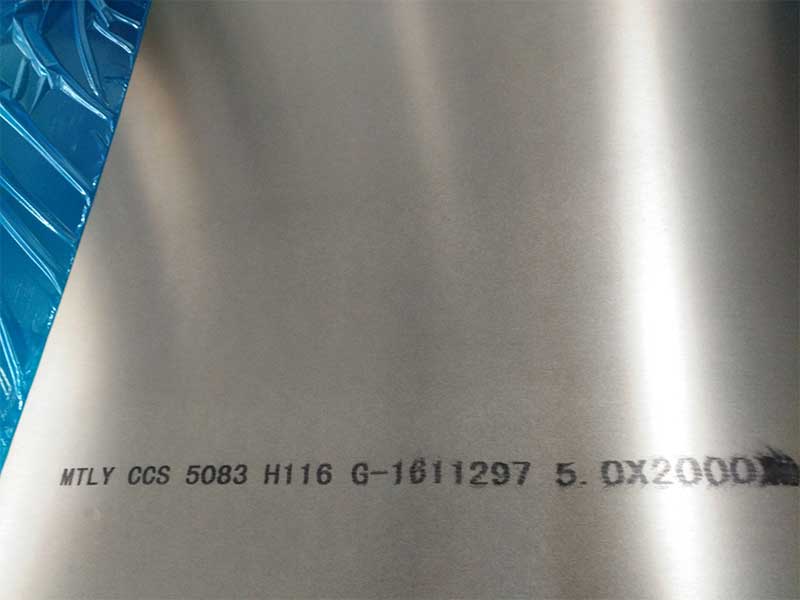
Marine 5083 aluminum sheet
Aluminum alloy 5083 is a non-heat-treatable alloy primarily composed of magnesium and trace elements that deliver outstanding protection against corrosion, particularly in seawater and saline atmospheres.
View Details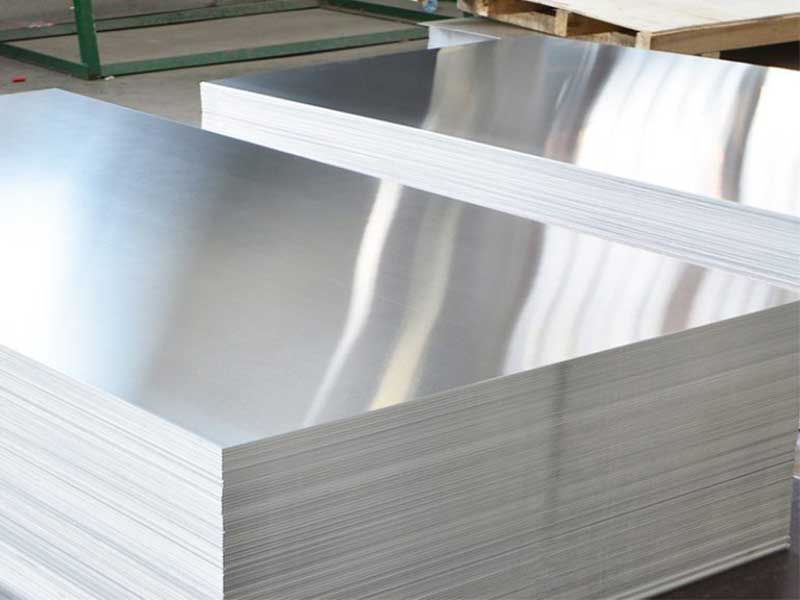
Marine anodized aluminum sheets
Marine Anodized Aluminum Sheets start with premium marine-grade aluminum alloys such as 5000 and 6000 series (typically 5083, 5052, and 6061).
View DetailsRelated Blog
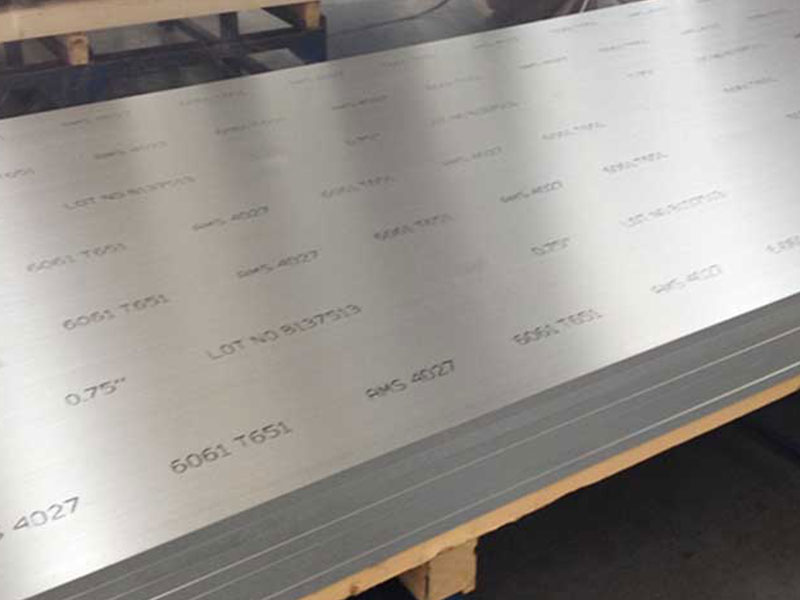
5083 H116 H321 Aluminum sheet for Ship or boat 5083
When it comes to marine applications, having sturdy and corrosion-resistant materials is essential for durability and safety. Aluminum, specifically the alloy grades 5083 in temper states H116 and H321.
View Details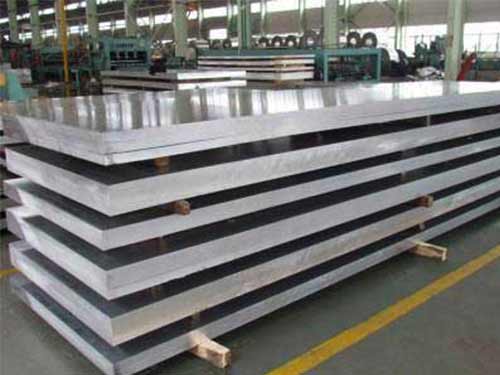
Marine 5083 Aluminum Sheet
Marine 5083 aluminum sheet delivers strong, weldable, seawater-resistant performance for hulls, decks, tanks, and offshore structures.
View Details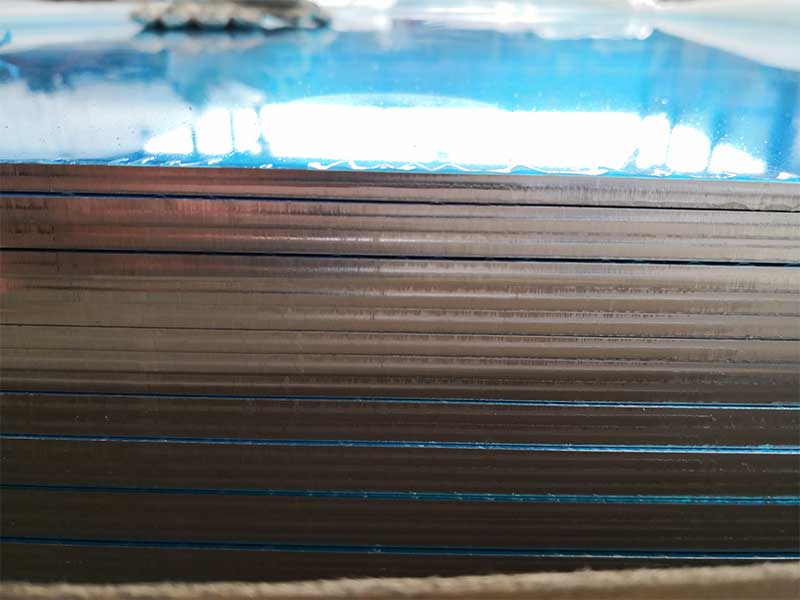
0.3mm 0.4mm 0.5mm 1.6mm Thickness Roll Aluminium Coil Sheet 5052 h32 For Boat
When it comes to marine applications, selecting the right material is crucial for performance, durability, and safety. Enter the 5052 H32 marine aluminum coil sheet, available in thicknesses ranging from 0.
View Details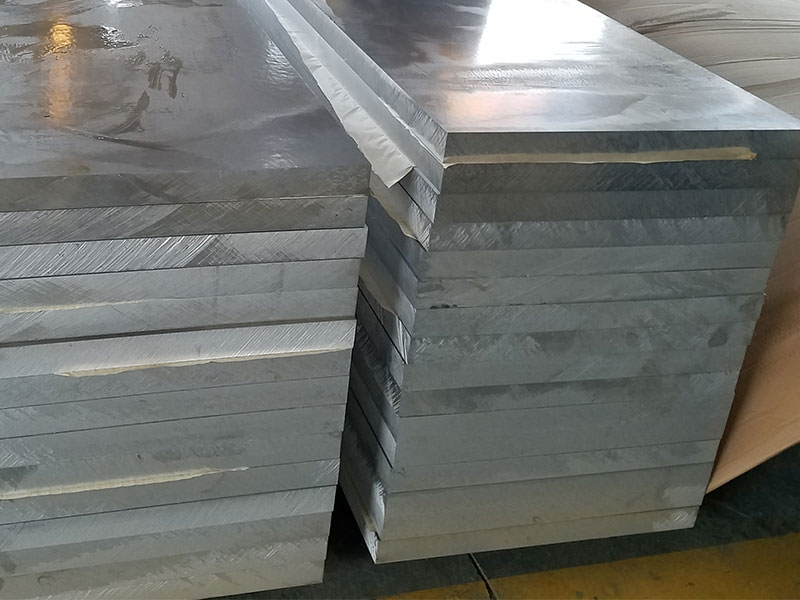
Marine grade 6063 5083 5052 H32 Aluminium Coil Roll
When engineers discuss marine aluminum coil roll, the conversation often starts with strength, corrosion resistance, or weldability. But the ocean does not read datasheets the way people do.
View Details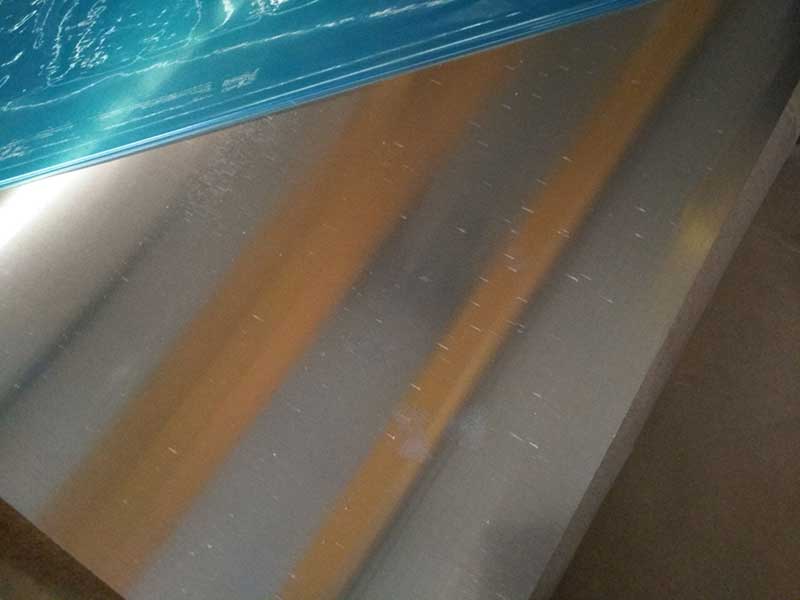
Marine Grade 0.2mm 6mm 5052 h46 Color Coated Aluminum Sheet
The Marine Grade 0.2mm-6mm 5052 H46 Color Coated Aluminum Sheet is a premium aluminum product designed specifically for marine and harsh environmental applications.
View Details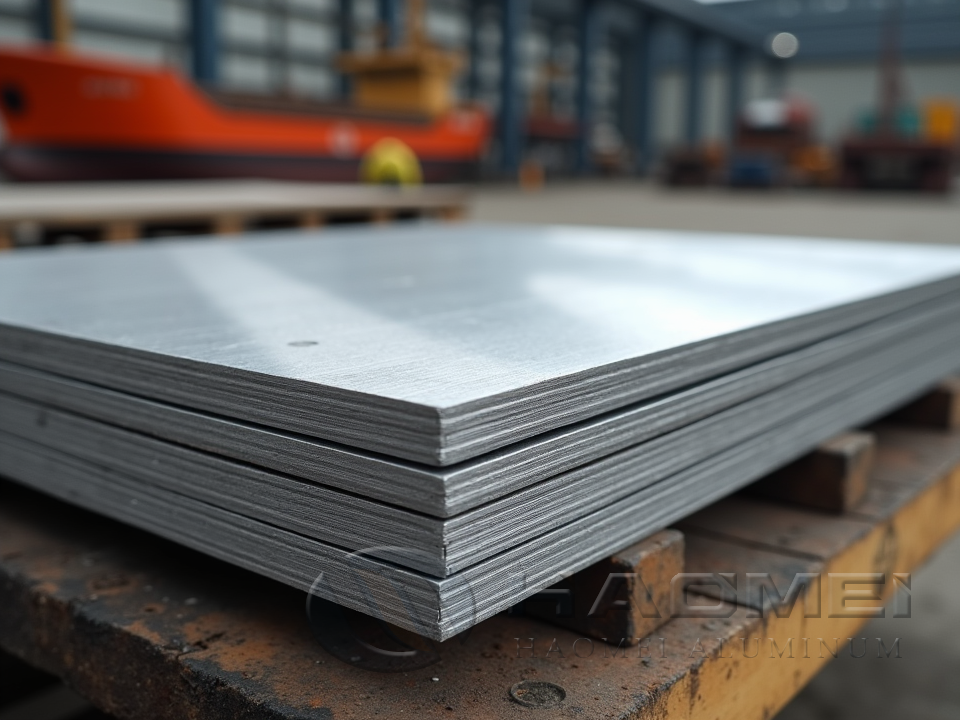
5086 Marine Heavy Duty Aluminum Plate
5086 marine heavy duty aluminum plate delivers seawater corrosion resistance, weldability, strength, and stable service for hulls and offshore structures.
View Details
Leave a Message