
Aluminum Pipe Elbow for Marine Water Intake and Drainage Systems
An aluminum pipe elbow is a directional fitting designed to route water efficiently through confined marine piping layouts. Used in seawater intake lines, overboard drainage, bilge circuits, ballast support lines, deck-wash systems, and freshwater discharge networks, it creates a controlled change in pipe direction while reducing installation weight and preserving dependable flow performance.
For aluminum vessels, workboats, patrol craft, offshore platforms, ferries, and yacht equipment rooms, matching the elbow material to the connected pipe is essential. Marine-grade aluminum elbows can be fabricated from 5083, 5086, 6061, or 6082 alloy systems according to pressure requirements, welding method, exposure conditions, and class requirements. Proper alloy selection helps prevent galvanic corrosion, simplifies welding, and supports a long operating life in humid and salt-laden environments.
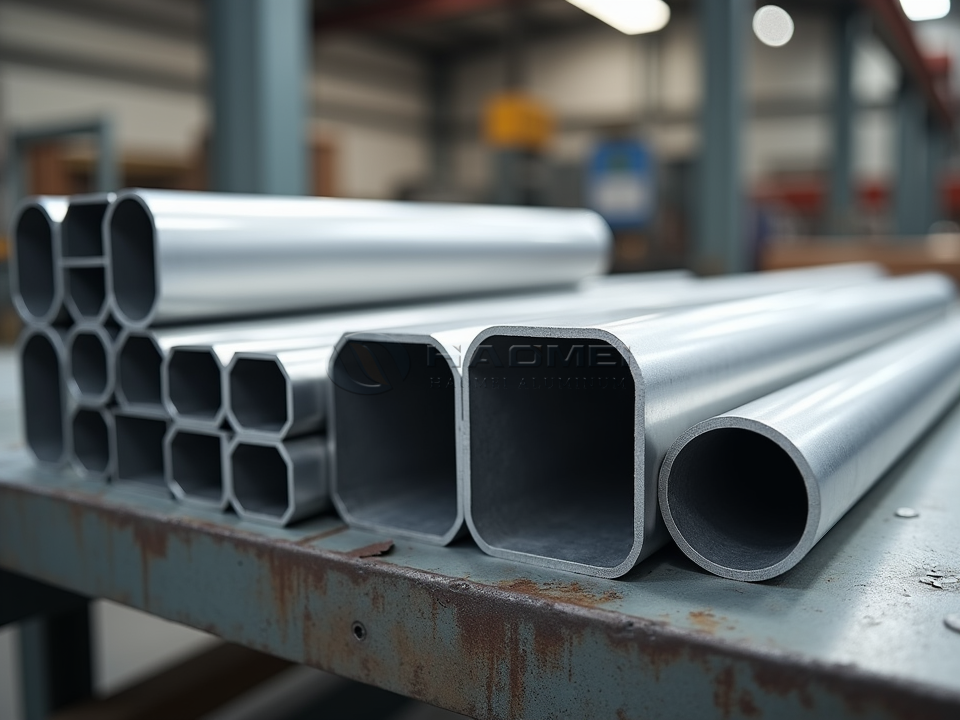
Product Characteristics
Marine piping rarely follows a straight path. Hull frames, pumps, filters, sea chests, bulkheads, tanks, and service access zones often demand tight routing. Aluminum pipe elbows allow designers to redirect flow around these obstacles without using multiple straight-pipe joints or excessive flexible hose sections.
Common configurations include 45-degree, 90-degree, and 180-degree elbows. Long-radius elbows are preferred where stable flow and lower pressure loss are important, such as raw-water supply to pumps or cooling circuits. Short-radius elbows provide a compact alternative where installation space is limited and system flow demand is moderate.
The fitting can be supplied with plain ends for butt welding, socket ends, flanged ends, threaded transition ends, or custom-machined interfaces. Welded construction produces a continuous metallic pipeline suitable for permanent vessel installations, while flanged arrangements support easier inspection and component replacement.
| Product benefit | Practical value in marine systems |
|---|---|
| Low density | Reduces piping weight compared with steel or bronze fittings |
| Marine alloy compatibility | Supports welding to aluminum pipework and hull-adjacent structures |
| Corrosion resistance | Performs well in marine atmosphere and protected seawater service |
| Smooth internal passage | Helps reduce turbulence, debris accumulation, and localized pressure loss |
| Flexible geometry | Available in standard angles, radii, wall thicknesses, and connection styles |
| Fabrication efficiency | Can be formed, machined, welded, and integrated into custom spool assemblies |
Alloy Options and Chemical Composition
For continuously wetted seawater intake and drainage lines, 5xxx-series aluminum is frequently selected because its magnesium-bearing chemistry provides strong corrosion resistance and excellent weldability. Alloy 5083 is widely used for demanding marine structures and fabricated piping components. Alloy 5086 is also suitable where corrosion resistance and weld performance are priorities.
6061-T6 elbows are commonly used in less aggressive water services, equipment skids, protected compartments, and structural pipe supports. Where 6061 is used near seawater, coating design, electrical isolation, drainage control, and regular inspection are especially important.
| Element, % by weight | 5083 Marine Alloy | 5086 Marine Alloy | 6061 Alloy |
|---|---|---|---|
| Magnesium, Mg | 4.0-4.9 | 3.5-4.5 | 0.8-1.2 |
| Manganese, Mn | 0.4-1.0 | 0.2-0.7 | 0.15 max |
| Silicon, Si | 0.4 max | 0.4 max | 0.4-0.8 |
| Iron, Fe | 0.4 max | 0.5 max | 0.7 max |
| Copper, Cu | 0.1 max | 0.1 max | 0.15-0.4 |
| Chromium, Cr | 0.05-0.25 | 0.05-0.25 | 0.04-0.35 |
| Zinc, Zn | 0.25 max | 0.25 max | 0.25 max |
| Aluminum, Al | Balance | Balance | Balance |
Chemical limits may vary slightly with the governing material standard, product form, and customer specification. Material certificates should be reviewed for every pressure-retaining installation.
Technical Specifications
Aluminum pipe elbows can be produced to common marine and industrial piping requirements or manufactured to drawing. Dimensions should be coordinated with the pipe outside diameter, nominal bore, wall thickness, bending radius, welding allowance, and flange standard.
| Parameter | Typical range or option |
|---|---|
| Available alloys | 5083, 5086, 6061, 6082 |
| Temper options | H111, H116, H321, T6, subject to alloy and fabrication route |
| Elbow angle | 45 degrees, 90 degrees, 180 degrees, custom angle |
| Outside diameter | 20 mm to 400 mm, custom sizes available |
| Wall thickness | 2 mm to 20 mm, based on pressure and fabrication requirements |
| Bend radius | Short radius, long radius, or drawing-controlled radius |
| End preparation | Plain end, bevel end, flange end, socket end, machined transition |
| Surface condition | Mill finish, brushed, anodized, primed, painted, or marine coating system |
| Inspection options | Dimensional check, visual weld inspection, dye penetrant testing, pressure testing |
| Applicable references | ASTM, EN, ASME dimensions, vessel drawings, and classification requirements |
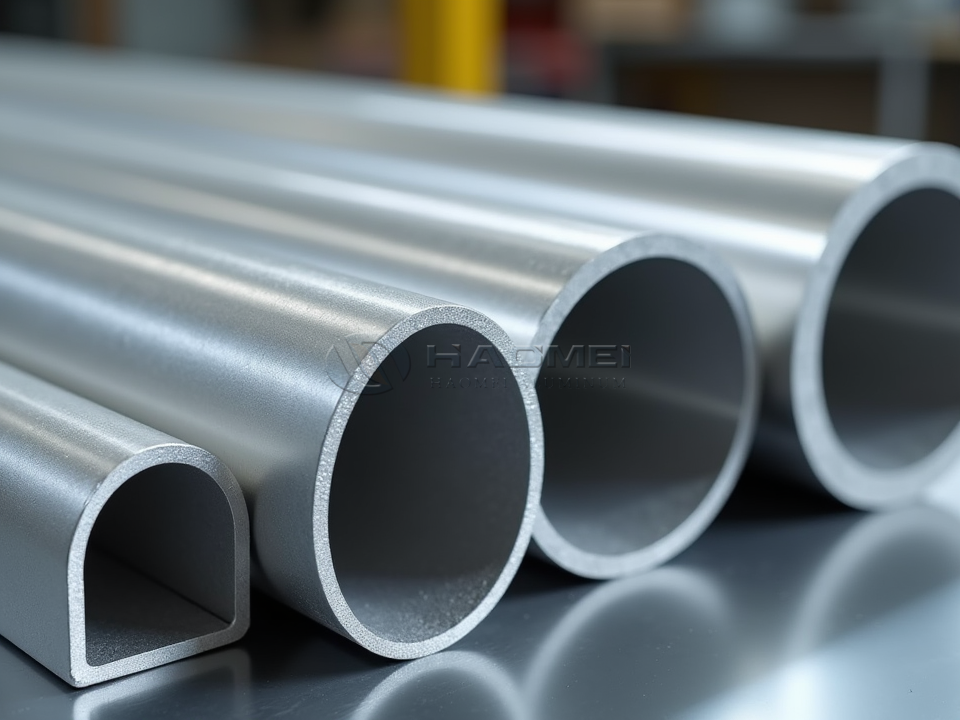
Mechanical and Flow Performance
The elbow must withstand internal pressure, vibration, thermal movement, support loads, and repeated vessel motion. A properly selected wall thickness and bend radius distribute stress more evenly through the curved section. For welded elbows, fabrication procedures should account for heat-affected-zone strength changes, especially when T6 tempers are involved.
| Performance metric | 5083-H111 or H116, typical | 6061-T6, typical | Marine relevance |
|---|---|---|---|
| Density | 2.66 g/cm³ | 2.70 g/cm³ | Supports lightweight vessel design |
| Tensile strength | 275-350 MPa | 290-320 MPa | Resists handling and service loads |
| Yield strength | 125-240 MPa | 240-275 MPa | Assists pressure and structural design |
| Elastic modulus | 70 GPa | 69 GPa | Used in deflection calculations |
| Thermal conductivity | Approx. 115 W/m·K | Approx. 167 W/m·K | Helps dissipate localized heat |
| Typical elbow loss coefficient, long radius 90 degrees | 0.2-0.4 | 0.2-0.4 | Supports lower pumping energy |
| Typical elbow loss coefficient, short radius 90 degrees | 0.7-1.0 | 0.7-1.0 | Suitable where compact routing is required |
Flow-loss values are indicative only. Actual results depend on diameter, internal finish, Reynolds number, bend geometry, nearby valves, reducers, and pump operating conditions. Long-radius designs are generally favored for suction piping because they help maintain smoother approach flow into pumps and reduce the risk of turbulence-related performance loss.
Marine Water Intake and Drainage Applications
In a raw-water intake circuit, elbows connect sea chests, strainers, isolation valves, pumps, coolers, and discharge points. Their lightweight construction reduces load on brackets and bulkhead penetrations. Smooth, accurately formed bends also reduce stagnant zones where sediment, marine growth, or debris may collect.
Typical service locations include:
- Seawater intake piping for engine cooling and auxiliary machinery
- Bilge drainage and oily-water transfer support piping
- Deck-wash and fire-water distribution lines
- Livewell, baitwell, and fish-hold circulation systems
- Greywater and freshwater drain networks
- Ballast, washdown, and equipment-room drainage arrangements
- Overboard discharge sections with appropriate corrosion and isolation measures
For connected straight runs, Marine Grade Aluminum Tubing provides compatible material options for welded piping assemblies. Where the layout requires a standard right-angle transition, a 6061-T6 90-Degree Marine Aluminum Pipe Elbow can provide a practical solution for protected systems and engineered equipment installations.
Installation and Corrosion Control Considerations
Marine aluminum fittings perform best when the entire piping system is designed as a corrosion-management package. Avoid direct electrical contact with copper alloys, carbon steel, and stainless steel unless suitable nonconductive isolation materials are installed. Fasteners, clamps, supports, and flange faces require special attention because trapped seawater can create localized corrosion sites.
Drainage should be designed so water does not remain inside low points after shutdown. External surfaces may be protected with a suitable marine coating system, particularly in splash zones, wet bilges, or areas exposed to cleaning chemicals. Welds should be cleaned thoroughly, inspected for porosity and incomplete fusion, and coated where the vessel specification requires it.
An aluminum pipe elbow brings light weight, fabrication flexibility, and reliable flow routing to marine intake and drainage networks. With the correct alloy, geometry, welding practice, and corrosion-control measures, it becomes a durable component in efficient onboard water-management systems.

Related Products
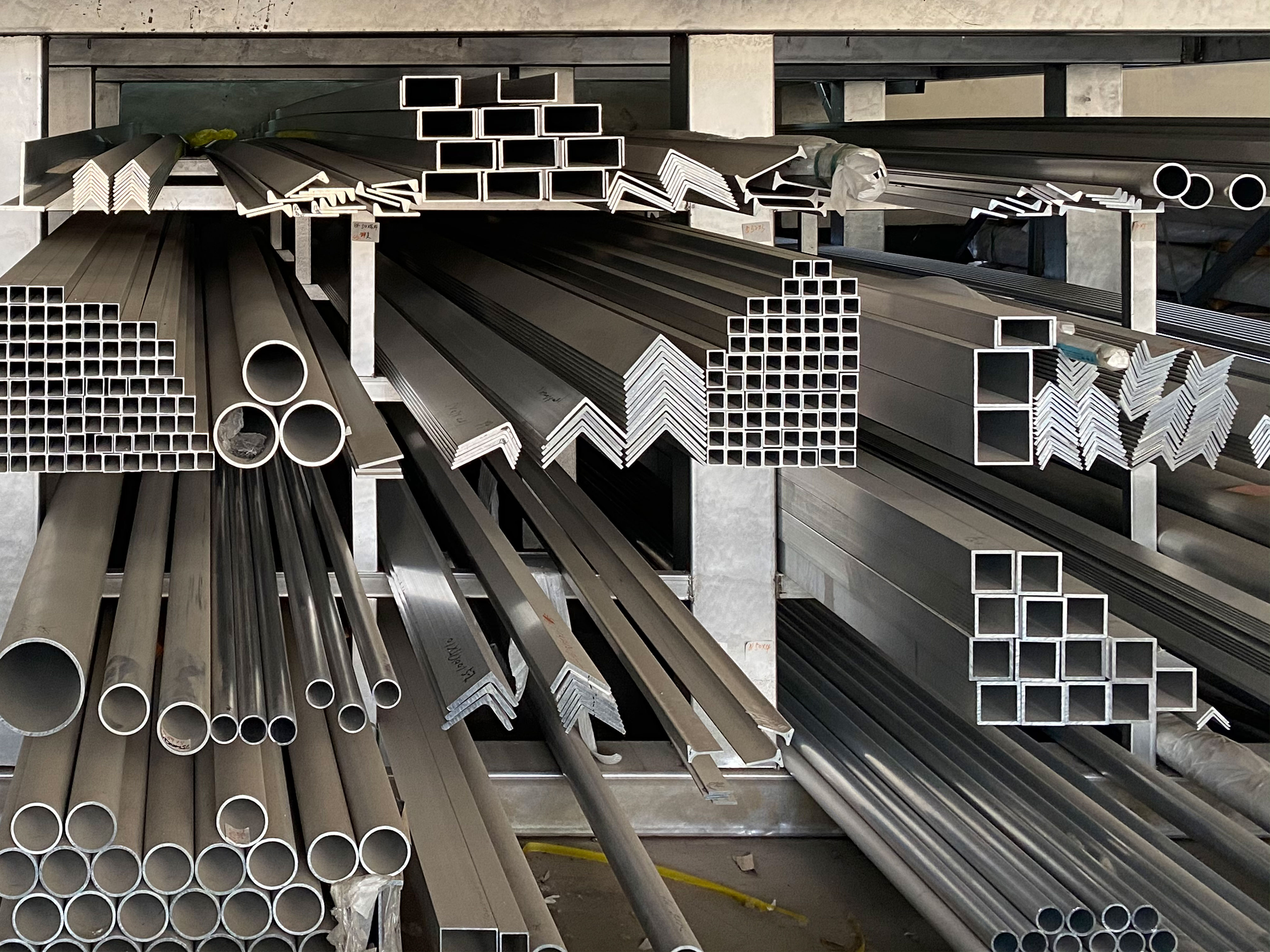
Custom marine aluminum profile tubes
Custom Marine Grade Aluminum Profile Tubes are manufactured from premium marine aluminum alloys such as 5083, 5052, 6061, and 6082.
View Details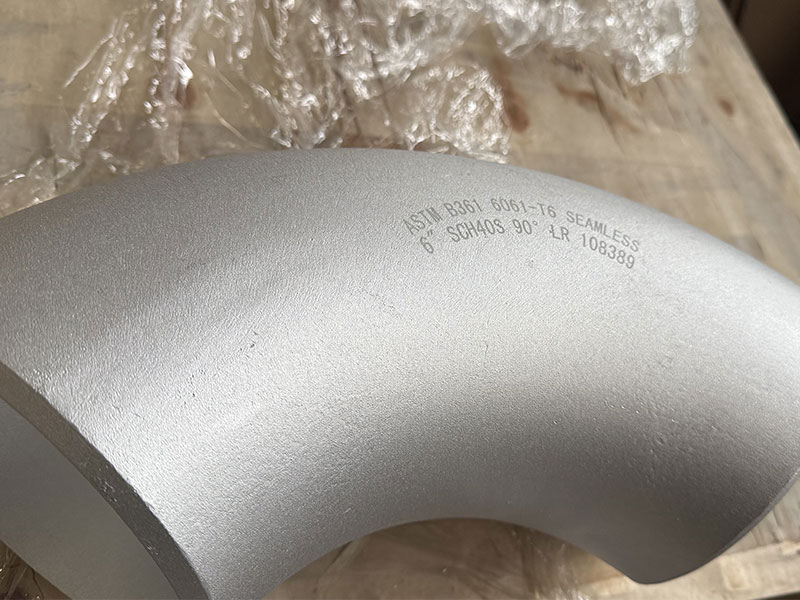
6061-T6 90-Degree Marine Aluminum Pipe Elbow
Manufactured from premium 6061-T6 marine-grade aluminum alloy, this elbow fitting is engineered to provide reliable and efficient pipe direction changes within shipbuilding, offshore platforms, and marine infrastructure systems.
View Details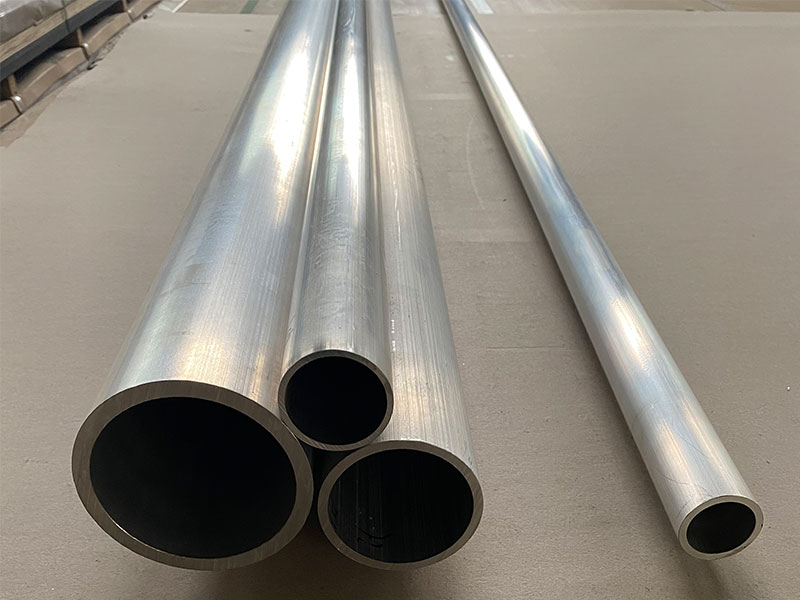
Marine aluminum round tubes
Marine Grade Aluminum Round Tubes are manufactured from premium marine alloys such as 5083, 5052, 6061, and 6082, all selected for their proven resistance to seawater corrosion and marine atmosphere degradation.
View Details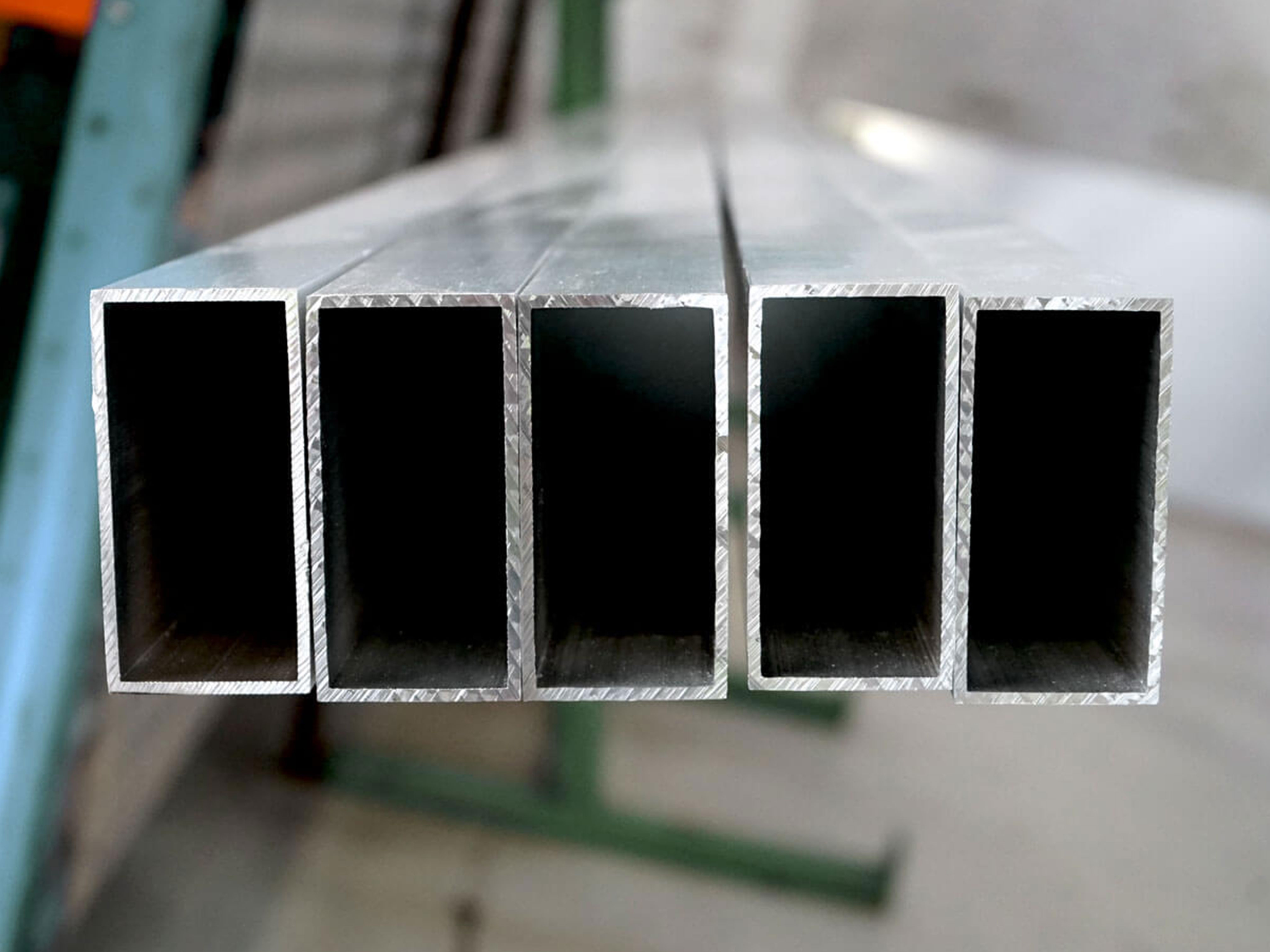
Marine aluminum rectangular tubes
Marine Grade Aluminum Rectangular Tubes are made from high-performance alloys such as 5083, 5052, 6061, and 6082. These alloys are renowned for their ability to resist corrosive seawater and marine atmospheres while providing excellent mechanical strength and toughness.
View Details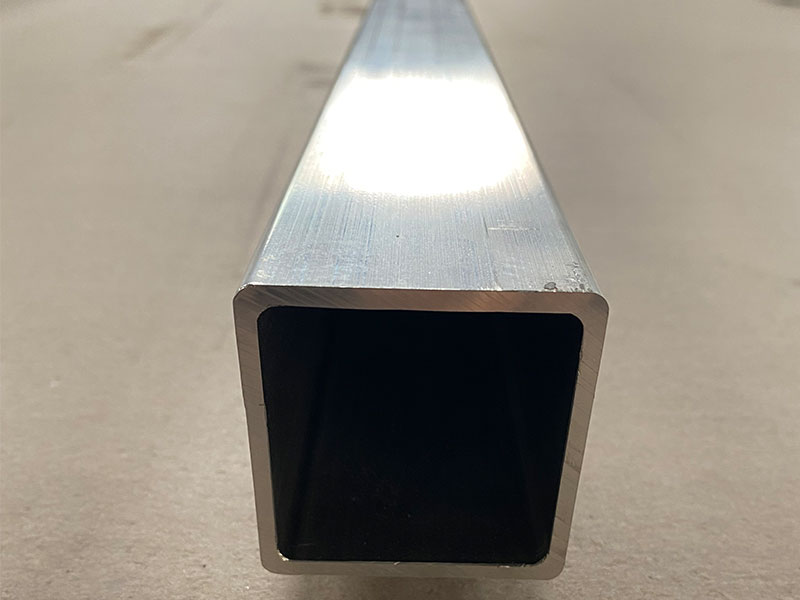
Marine aluminum square tubes
Marine Grade Aluminum Square Tubes are typically constructed from marine-grade alloys such as 5083, 5052, 6061, and 6082—well-known for their ability to withstand the aggressive effects of saltwater and marine atmospheres.
View DetailsRelated Blog
Marine Aluminum Tubes for Offshore Engineering Projects
Offshore engineering doesn't fail in one dramatic moment; it fails in tiny, repetitive conversations between metal, seawater, oxygen, temperature swings, vibration, and time.
View Details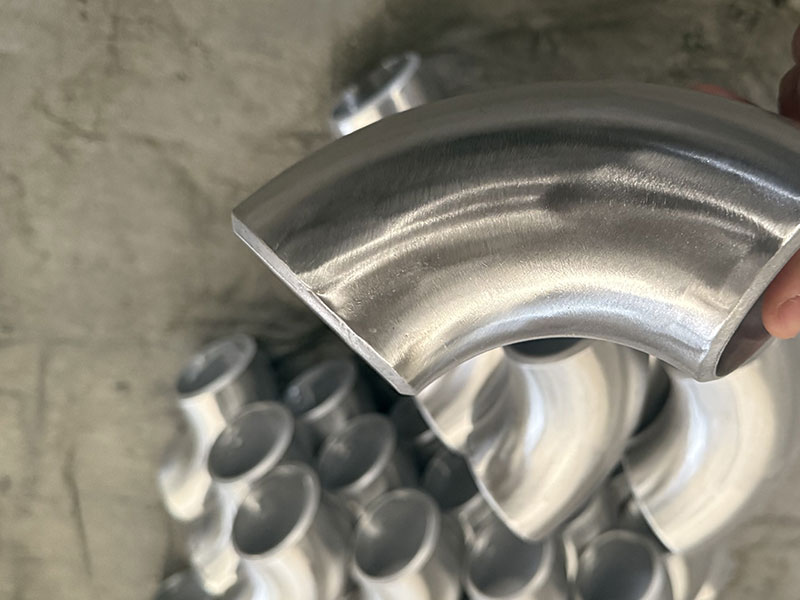
Aluminum 5083 Marine Pipe Elbow for Ship Building Projects
Aluminum 5083 marine pipe elbows are essential fittings used in shipbuilding and maritime systems where strength, corrosion resistance, and lightweight construction are critical.
View Details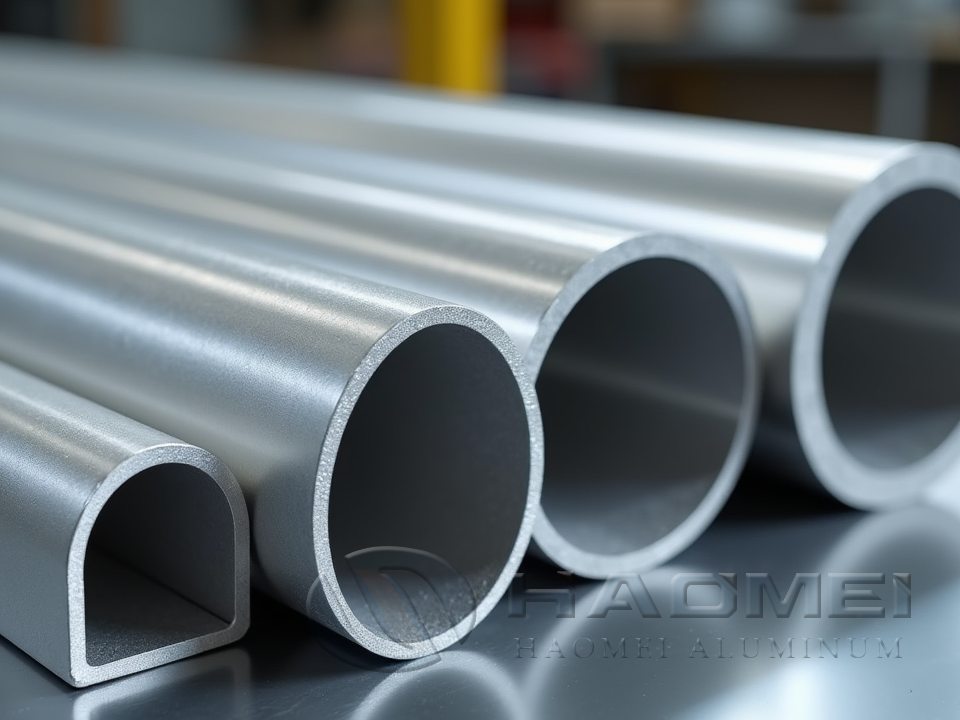
Aluminum Elbow for Seawater Outflow and Intake Systems on Ships
Explore marine aluminum elbows for ship seawater intake and outflow lines, with alloy choices, pressure data, standards, corrosion facts, and installation tips.
View Details
Marine Aluminum Elbow for Offshore Gas Storage Facilities
Offshore gas storage facilities represent some of the most challenging engineering arenas where materials must exhibit reliability, strength, and corrosion resistance under extreme marine conditions.
View Details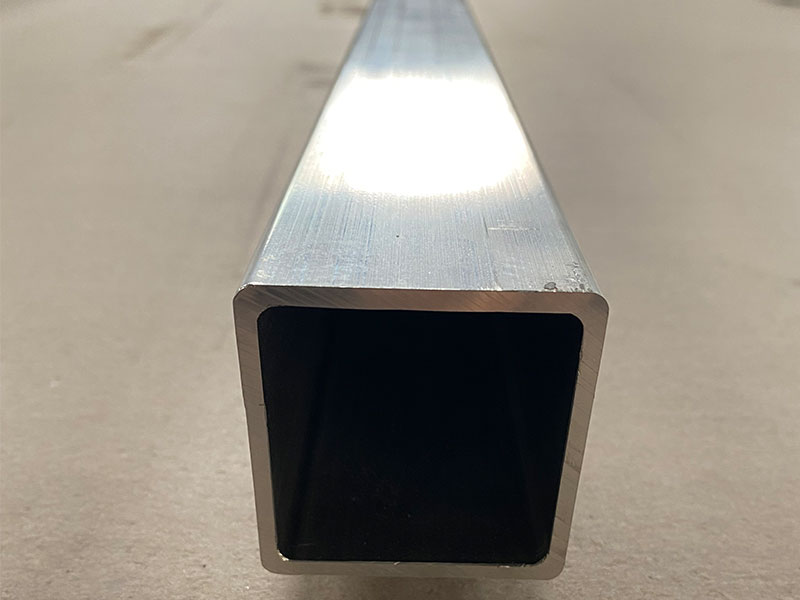
5052 Marine Aluminum Tubes for Marine Industrial Use
5052 marine aluminum tubes are widely used in shipbuilding, offshore structures, and marine equipment due to their excellent corrosion resistance in seawater, medium‑high strength, and good forming/welding performance.
View Details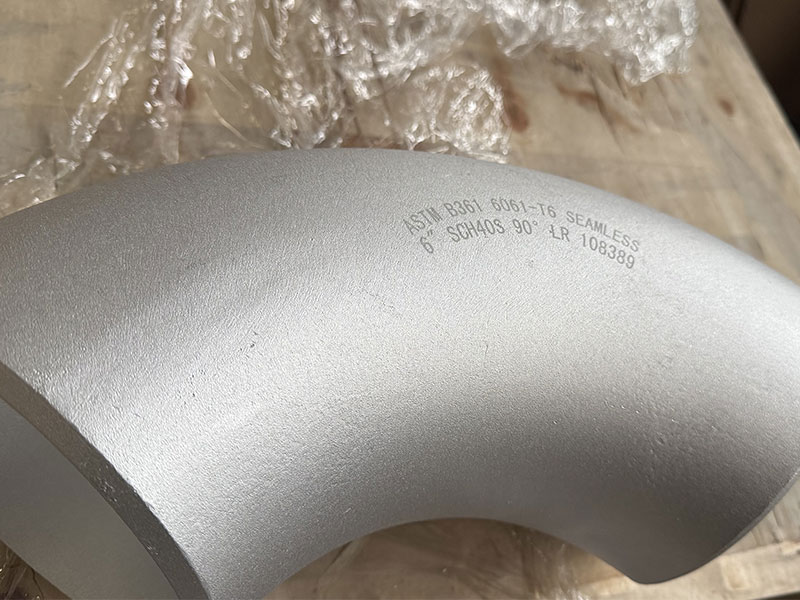
Marine Aluminum Elbow for Wastewater Filtration Systems
Durable, corrosion-resistant Marine Aluminum Elbow designed specifically for wastewater filtration systems. Engineered to meet rigorous marine standards, this elbow ensures optimal flow management and longevity in harsh saline and wastewater environments.
View Details
Leave a Message