
Marine 5086 Aluminum Plate
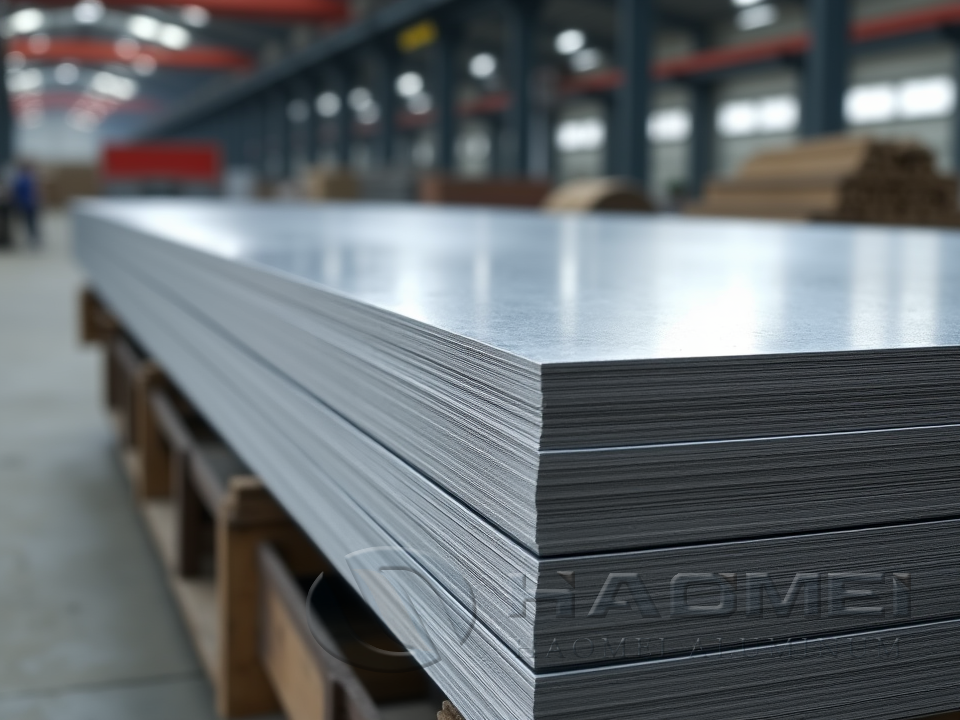
Marine 5086 aluminum plate is a high-magnesium, non-heat-treatable aluminum alloy widely used in shipbuilding, coastal engineering, pressure vessels, and transport equipment exposed to seawater. It combines excellent corrosion resistance, reliable welded strength, good forming performance, and a favorable strength-to-weight ratio, making it a practical material for vessels that must remain light, strong, and serviceable in harsh environments.
What Marine 5086 Aluminum Plate Does
5086 aluminum plate belongs to the 5xxx Al-Mg alloy family. Its performance comes mainly from magnesium solid-solution strengthening, supported by manganese and chromium for stability. Unlike heat-treatable alloys, 5086 gains strength through strain hardening, so its marine tempers are designed to preserve resistance to exfoliation corrosion and stress corrosion cracking.
In vessel construction, the plate functions as both a structural and protective material. It reduces hull weight, supports high welded joint efficiency, resists saltwater attack, and helps extend service life with less maintenance than carbon steel. Compared with many general-purpose aluminum alloys, 5086 is better suited for continuous marine exposure, especially in H116 and H321 tempers.
For buyers comparing plate and sheet options, Marine 5086 aluminum sheet is commonly selected for thinner panels, while 5086 aluminum plate is preferred for hull bottoms, ribs, bulkheads, tanks, and load-bearing marine structures.
Typical Applications
| Application Area | Common Uses | Why 5086 Is Selected |
|---|---|---|
| Shipbuilding | Hull plates, side shells, superstructures, bulkheads | High corrosion resistance and good welded strength |
| Workboats and patrol boats | Decks, cabins, pontoons, internal frames | Lightweight structure with dependable toughness |
| LNG and fuel tanks | Storage tanks, tank floors, baffles | Good weldability and resistance to marine atmosphere |
| Offshore platforms | Walkways, equipment panels, splash-zone structures | Resistance to salt spray and humid exposure |
| Transport equipment | Trailer bodies, tanker trucks, rail panels | Weight reduction and high fatigue performance |
| Dock and harbor systems | Gangways, ramps, floating platforms | Low maintenance and long outdoor service life |
Alloy Temper Conditions
Marine 5086 plate is supplied in several tempers depending on forming, strength, and corrosion requirements. H116 and H321 are especially important for shipbuilding because they are controlled for marine corrosion performance.
| Temper | Condition Description | Typical Marine Use |
|---|---|---|
| O | Annealed, soft condition | Deep forming, bending, complex shapes |
| H32 | Strain hardened and stabilized to quarter-hard level | Panels, decks, light marine structures |
| H34 | Strain hardened and stabilized to half-hard level | Stiffer panels and moderate structural parts |
| H112 | Slight strain hardening from hot working | Thick plates, machined parts, general fabrication |
| H116 | Special marine temper with corrosion resistance control | Hulls, seawater structures, vessel plates |
| H321 | Strain hardened and thermally stabilized for marine service | Ship hulls, welded structures, classification projects |
Chemical Composition
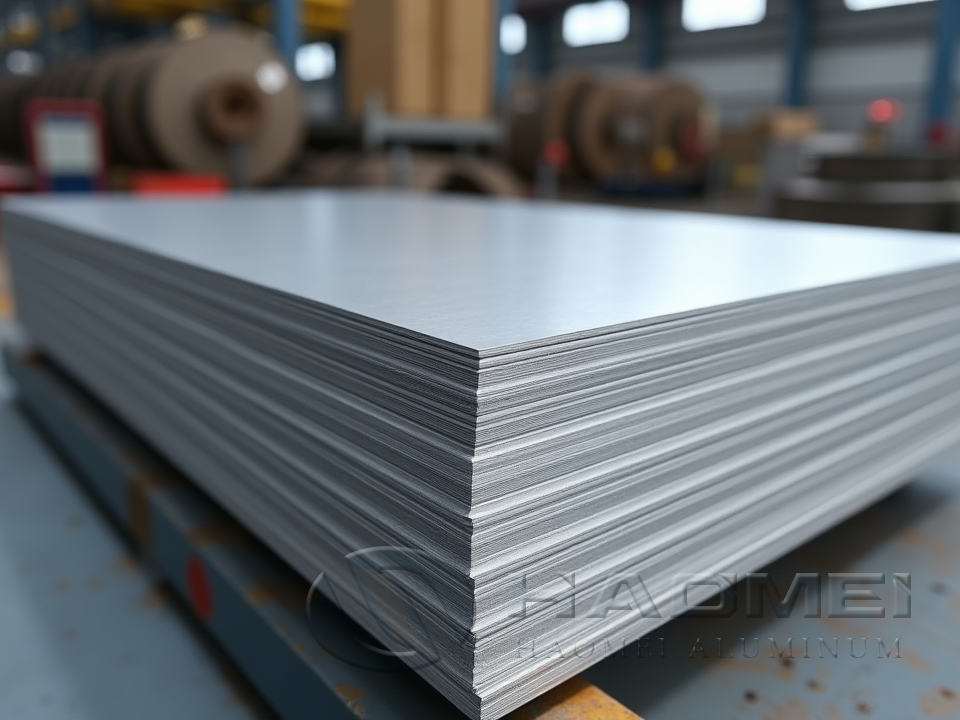
The composition range of 5086 aluminum plate is controlled to deliver strong seawater resistance while maintaining weldability. Actual mill certificates may vary slightly according to governing standards and order requirements.
| Element | Typical Range or Maximum, % |
|---|---|
| Magnesium, Mg | 3.5-4.5 |
| Manganese, Mn | 0.20-0.70 |
| Chromium, Cr | 0.05-0.25 |
| Iron, Fe | 0.50 max |
| Silicon, Si | 0.40 max |
| Copper, Cu | 0.10 max |
| Zinc, Zn | 0.25 max |
| Titanium, Ti | 0.15 max |
| Other each | 0.05 max |
| Other total | 0.15 max |
| Aluminum, Al | Balance |
Low copper content is especially important in marine aluminum. It helps reduce galvanic sensitivity and improves resistance in saltwater environments. Magnesium provides strength and corrosion resistance, while chromium helps grain structure and corrosion stability.
Mechanical Properties
Mechanical values depend on plate thickness, temper, testing direction, and standard. The data shown are typical reference ranges for purchasing and engineering discussion. Final acceptance should be based on certified mill test reports.
| Temper | Tensile Strength, MPa | Yield Strength, MPa | Elongation, % | Brinell Hardness, HB |
|---|---|---|---|---|
| O | 240-290 | 95-125 | 16-22 | 65-75 |
| H32 | 275-335 | 200-240 | 10-14 | 75-85 |
| H34 | 300-360 | 230-270 | 8-12 | 85-95 |
| H112 | 240-330 | 105-180 | 10-18 | 65-85 |
| H116 | 275-350 | 195-255 | 10-16 | 75-90 |
| H321 | 275-350 | 195-255 | 10-16 | 75-90 |
Technical Specifications
| Parameter | Common Supply Range |
|---|---|
| Product | Marine 5086 aluminum plate |
| Alloy | AA 5086, EN AW-5086 |
| Thickness | 3 mm-200 mm, project dependent |
| Width | 1000 mm-3000 mm |
| Length | 2000 mm-12000 mm or cut to size |
| Surface | Mill finish, brushed, film protected, coated on request |
| Cutting | Shearing, sawing, CNC cutting, waterjet cutting |
| Flatness | According to ASTM, EN, or agreed tolerance |
| Inspection | Chemical analysis, tensile test, ultrasonic test when required |
| Documentation | MTC, classification certificate, packing list, certificate of origin |
Implementation Standards and Certification
Marine projects often require third-party inspection or ship classification approval. 5086 aluminum plate can be supplied according to international standards and survey requirements when specified at ordering.
| Standard or Body | Scope |
|---|---|
| ASTM B928/B928M | High-magnesium aluminum alloy sheet and plate for marine service |
| ASTM B209/B209M | Aluminum and aluminum-alloy sheet and plate |
| EN 485 | Aluminum sheet, strip, and plate requirements |
| EN 573 | Chemical composition and product designation |
| ABS | American Bureau of Shipping approval for marine use |
| DNV | Det Norske Veritas classification projects |
| LR | Lloyd's Register vessel certification |
| BV | Bureau Veritas marine approval |
| CCS | China Classification Society certification |
For hull construction, ASTM B928 is frequently preferred because it addresses marine-grade requirements for 5xxx aluminum alloys. Classification approval should be confirmed before production, especially for commercial vessels, patrol boats, ferries, and offshore platforms.
Fabrication and Welding Performance
5086 aluminum plate performs well in MIG and TIG welding. Common filler metals include 5356, 5183, and 5556, selected according to strength, corrosion resistance, and service temperature. Welded joints retain good toughness, which is essential for hull structures subject to vibration, wave impact, and cyclic loading.
| Process | Recommendation |
|---|---|
| MIG welding | Suitable for long seams and production welding |
| TIG welding | Suitable for precision welds and thinner sections |
| Filler wire | 5356, 5183, 5556 depending on design requirements |
| Cutting | Plasma, laser, waterjet, saw cutting |
| Forming | Good in O and H32, moderate in H34 and marine hard tempers |
| Surface protection | Mill finish for many uses, coating or anodizing for appearance or added protection |
Because 5086 is non-heat-treatable, post-weld heat treatment is not used to recover strength. Good weld design, correct filler selection, edge cleaning, and controlled heat input are more important for long service life.
Corrosion Resistance in Seawater
Marine 5086 aluminum plate has strong resistance to seawater, salt spray, industrial atmosphere, and humid coastal climates. H116 and H321 tempers are engineered to resist exfoliation corrosion, which can be a concern in high-magnesium alloys if the temper is not properly controlled.
| Corrosion Factor | 5086 Plate Performance |
|---|---|
| Seawater exposure | Excellent for hull and deck structures |
| Salt spray | Strong resistance with low maintenance |
| Welded zones | Good corrosion behavior with proper filler and cleaning |
| Galvanic contact | Use insulation when joined to steel, copper alloys, or stainless steel |
| Coating compatibility | Suitable for marine primers, epoxy coatings, and anti-fouling systems |
Designers should avoid direct contact between aluminum and more noble metals in wet environments unless insulating gaskets, sealants, or coatings are used. Proper drainage also prevents stagnant water from accelerating localized corrosion.
5086 Compared with 5083 and 5052
| Alloy | Strength Level | Marine Corrosion Resistance | Typical Choice |
|---|---|---|---|
| 5052 | Medium | Good | Small boats, panels, cabin parts |
| 5086 | Medium-high | Excellent | Hulls, decks, tanks, welded structures |
| 5083 | High | Excellent | Heavy-duty hulls, pressure vessels, demanding ship structures |
5086 is often chosen when a project needs better strength than 5052 but does not require the higher strength level of 5083. It offers a balanced combination of forming ability, welding performance, and marine durability.
Purchasing Guidance
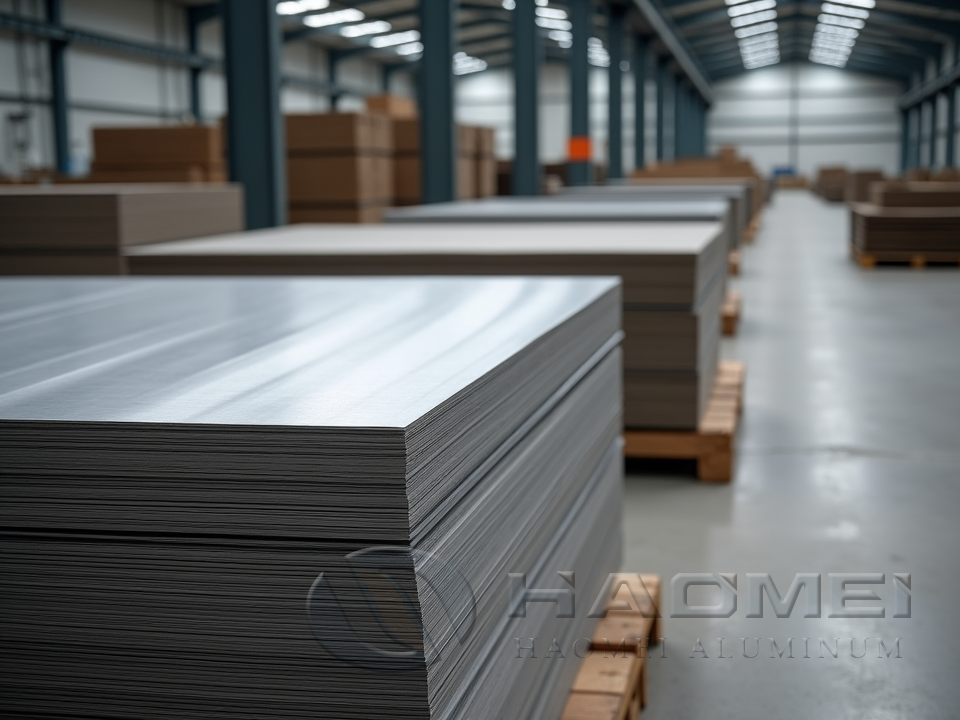
When ordering marine 5086 aluminum plate, confirm alloy, temper, thickness, width, length, applicable standard, classification requirement, surface condition, and packaging method. For hull plates, H116 or H321 with ASTM B928 and class approval is usually recommended. For formed parts, O or H32 may provide easier bending and shaping.
Marine 5086 aluminum plate is a dependable material for builders who need lighter structures, clean weldability, and long-term resistance in seawater. With the right temper, standard, and certification package, it supports efficient fabrication and reliable service across commercial vessels, offshore equipment, harbor systems, and marine transport structures.

Related Products
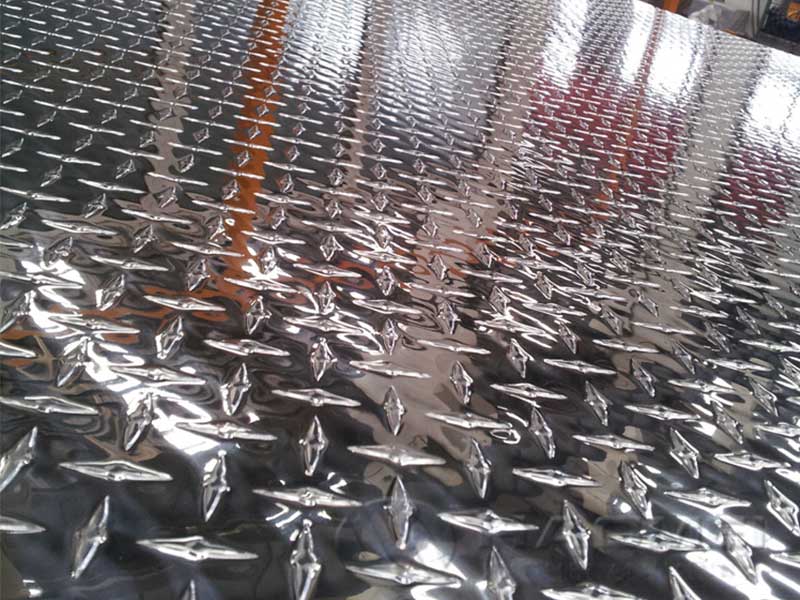
Marine Aluminum Tread Sheets
Marine Aluminum Tread Sheets are aluminum alloy plates featuring a raised surface pattern, commonly referred to as a tread design or diamond plate.
View Details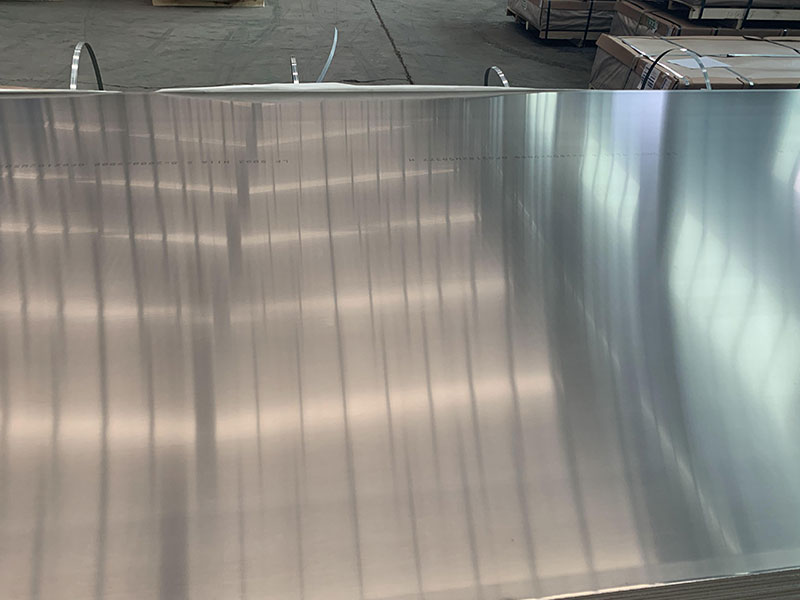
Marine 5383 aluminum sheet
5383 aluminum is a strain-hardened, non-heat-treatable alloy from the 5xxx series primarily alloyed with magnesium. It exhibits a unique balance of corrosion resistance and mechanical properties particularly suited for marine applications.
View Details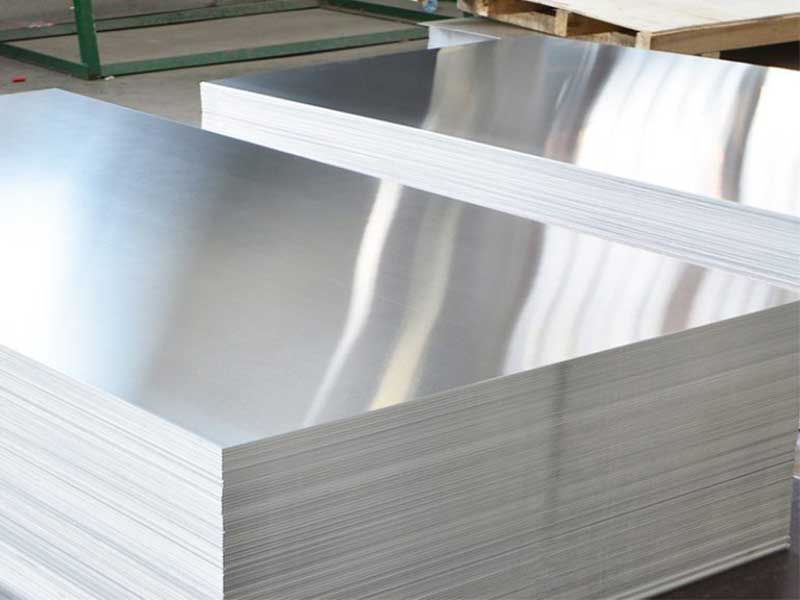
Marine anodized aluminum sheets
Marine Anodized Aluminum Sheets start with premium marine-grade aluminum alloys such as 5000 and 6000 series (typically 5083, 5052, and 6061).
View Details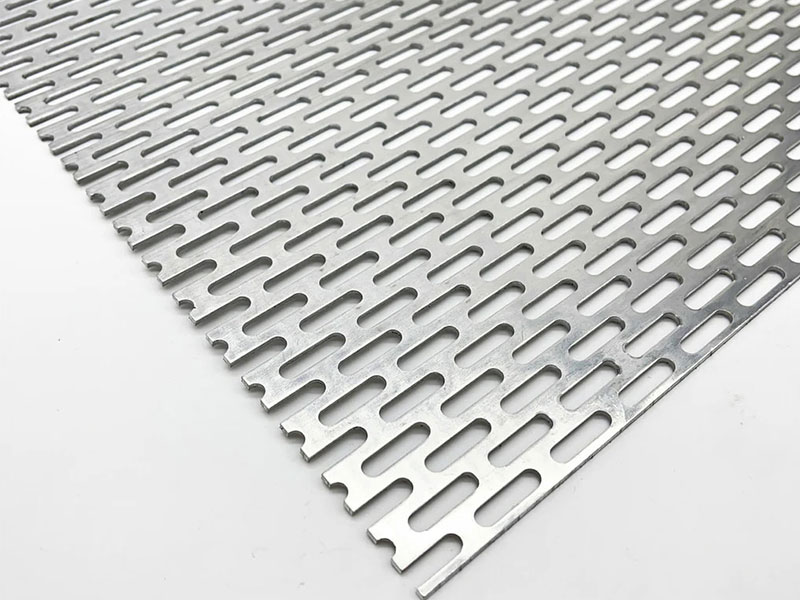
Marine perforated aluminum sheets
Marine Perforated Aluminum Sheets feature a series of uniform holes or shapes punched through the aluminum surface. These perforations can vary in size, pattern, and open area to tailor the sheets for specific applications.
View Details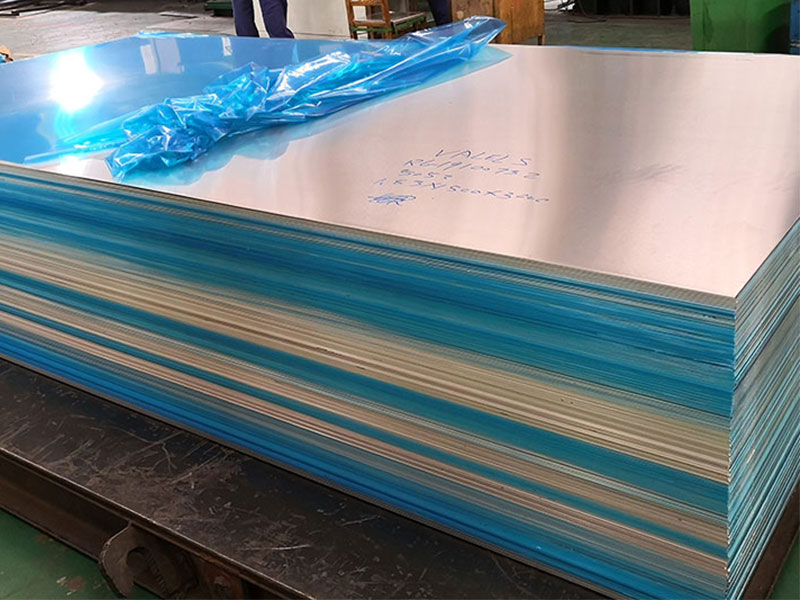
Marine 5059 aluminum sheet
5059 aluminum alloy is a strain-hardened material with a unique addition of magnesium and chromium, which provides outstanding resistance to localized corrosion like pitting and stress corrosion cracking.
View Details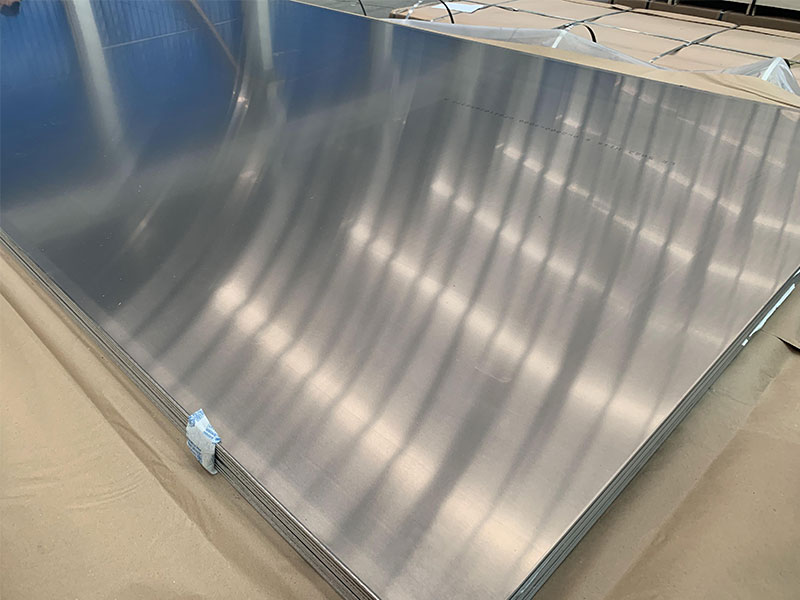
Marine 5052 aluminum sheet
Aluminum alloy 5052 is a non-heat-treatable, strain-hardened alloy with magnesium as the primary alloying element. It is designed to offer superior corrosion resistance in marine and saline environments, making it a dependable choice for components exposed directly to seawater or coastal atmospheric conditions.
View DetailsRelated Blog
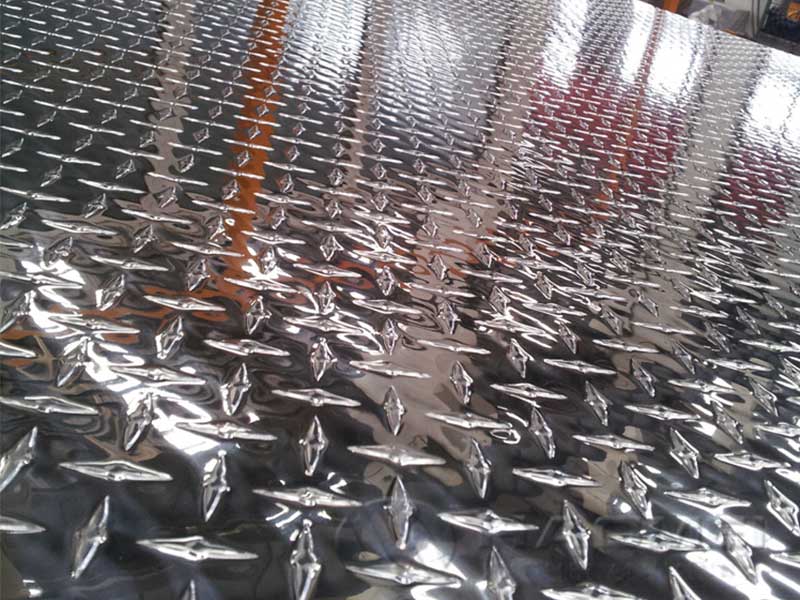
6061 6063 6082 o t5 t6 t651 h112 marine aluminum sheet
High-strength, corrosion-resistant 6061, 6063, and 6082 marine aluminum sheet in tempers O, T5, T6, T651, and H112, ideal for boat hulls, decks, structures, and offshore applications.
View Details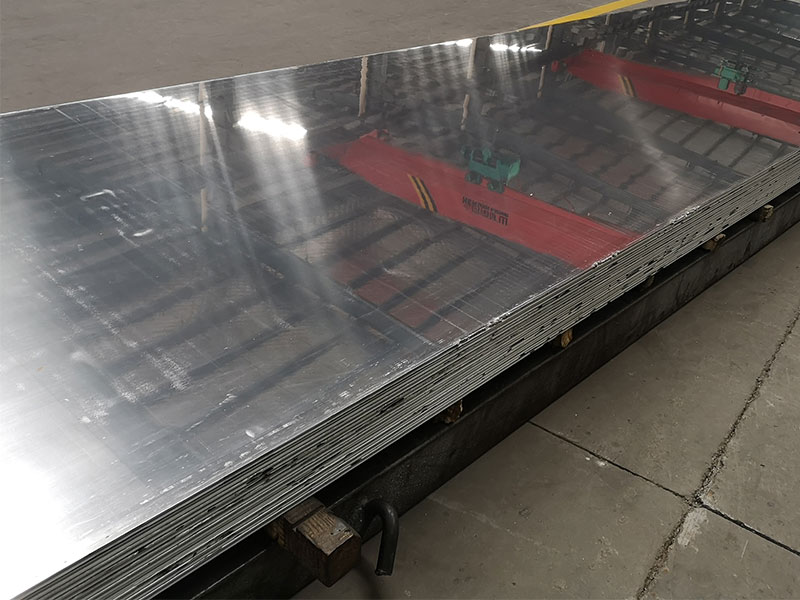
5052 5083 5086 Marine Grade Aluminium Sheet for Boat Building
Marine-grade aluminum is essential for constructing durable, lightweight vessels capable of withstanding harsh marine environments. In particular, 5052, 5083.
View Details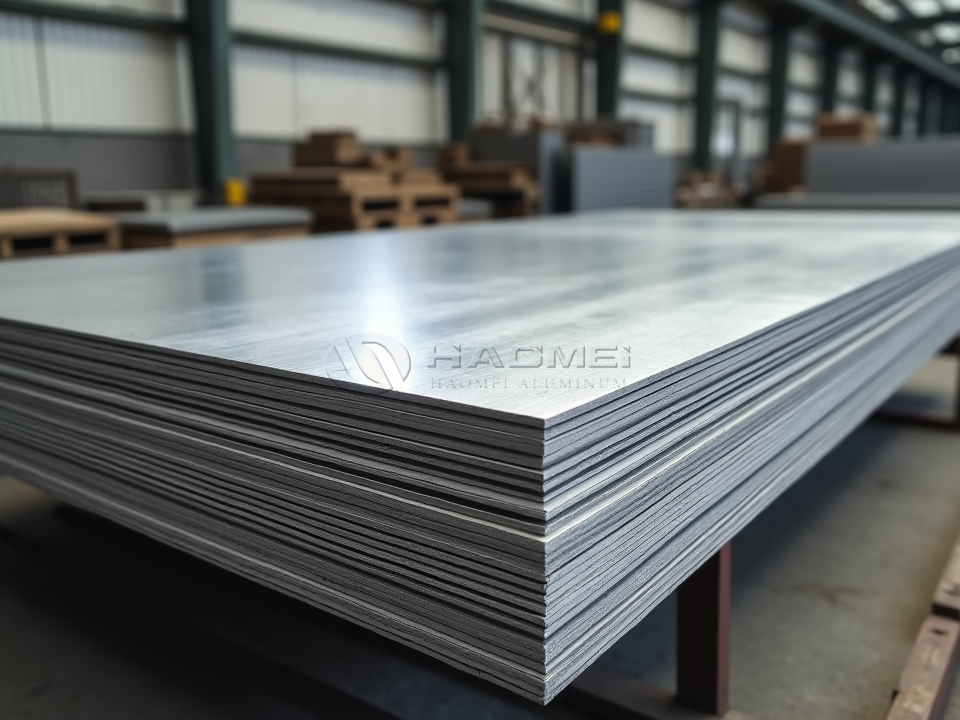
5083 Marine Perforated Aluminum Sheets
5083 marine perforated aluminum sheets bring seawater resistance, strength, drainage, airflow, and custom hole patterns to boat structures.
View Details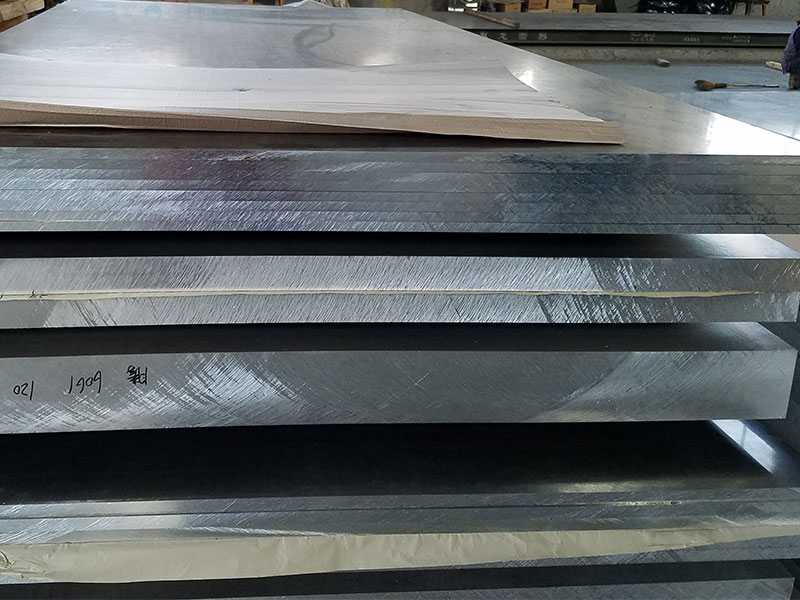
5083 Marine Grade Color Coated Aluminum
When it comes to durable, reliable, and visually appealing materials for marine environments, 5083 Marine Grade Color Coated Aluminum stands out as an industry leader.
View Details
Aluminium sheet marine
Marine aluminum sheets are crucial components in the maritime industry, providing durability, lightweighting, and corrosion resistance for various applications.Functions of Marine Aluminum SheetsMarine aluminum sheets serve several important functions.
View Details
Marine 5086 Aluminum Plate
Marine 5086 aluminum plate offers strong corrosion resistance, weldability, and stable strength for hulls, decks, tanks, and offshore use.
View Details
Leave a Message