
Marine 5383 Aluminum Plate
Marine 5383 Aluminum Plate: Reading the Metal Like a Shipyard Does
Marine 5383 aluminum plate is not just another 5xxx alloy on a material list. In a shipyard, it is judged by a different standard: how it behaves after cutting, forming, welding, inspection, coating, launching, and years of saltwater service. A plate may look perfect on a warehouse rack, but the real question is whether it helps the builder reduce weight without creating trouble during fabrication or maintenance.
That is where 5383 earns attention. It belongs to the aluminum-magnesium family used widely in marine construction, but it was developed to provide higher strength than traditional 5083 while keeping the corrosion resistance, weldability, and practical shop handling that marine builders expect.
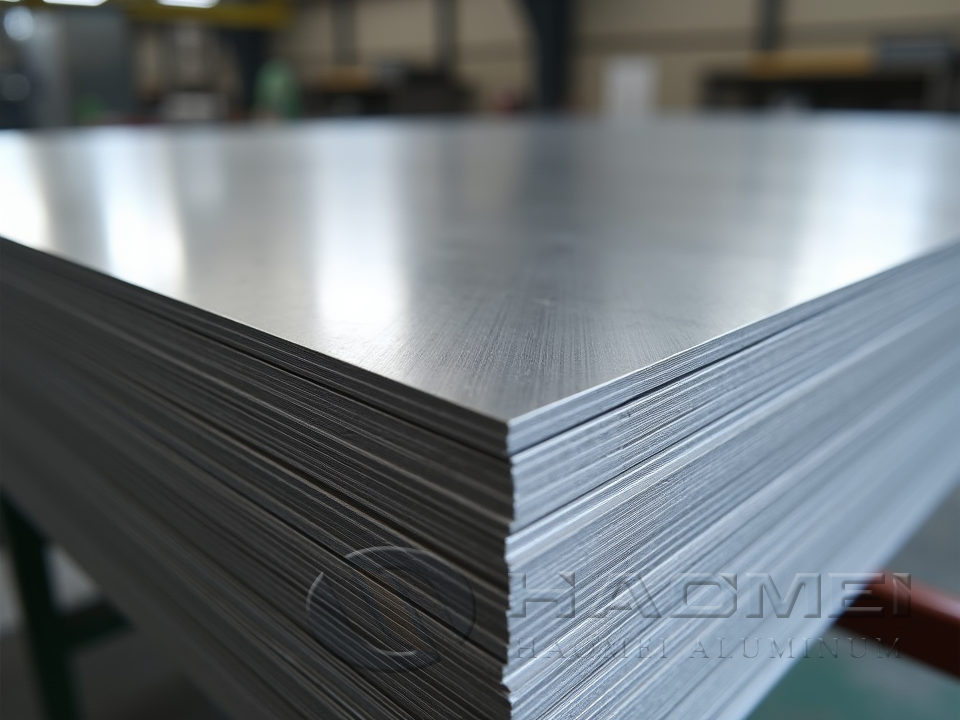
Why Buyers Compare 5383 With 5083
Many customers first discover 5383 while comparing it with Marine 5083 aluminum sheet. This comparison is natural because 5083 has been a familiar choice for hulls, decks, superstructures, and offshore structures for decades. The difference is that 5383 is often selected when the project needs a higher strength level without moving away from proven non-heat-treatable marine aluminum behavior.
In simple terms, 5383 can allow designers to save weight or improve load capacity, depending on the vessel design. On high-speed craft, patrol boats, ferries, workboats, and aluminum ship structures, even small weight reductions can affect speed, fuel use, payload, and stability. For a shipyard, that can mean easier compliance with design targets and better long-term operating value for the vessel owner.
This does not mean 5383 replaces every other alloy. For lightly loaded interior panels or decorative parts, a lower-strength alloy may be enough. For demanding hull plating, welded structural members, and areas exposed to seawater, 5383 becomes more attractive.
The Yard-Floor View: Strength After Welding Matters
The most important number is not always the strength printed in the mill certificate before fabrication. Marine structures are welded everywhere: seams, frames, stiffeners, bulkheads, foundations, tanks, and deck structures. Welding changes the local condition around the joint, so the welded performance of the alloy matters greatly.
Marine 5383 aluminum plate performs well in welded construction because it is a non-heat-treatable Al-Mg alloy. It gains strength mainly from strain hardening and composition rather than heat treatment. This gives builders a predictable material during welding. It also reduces the risk of losing strength in the way some heat-treatable alloys can when welded.
For welding consumables, many builders consider fillers such as 5183 or 5356, depending on strength, corrosion requirements, classification society rules, and the welding procedure specification. The right filler should be selected with the project engineer or welding specialist, especially for critical hull structures.
Corrosion Resistance Is More Than a Surface Claim
Customers often ask whether 5383 is "seawater resistant." The short answer is yes, when produced and used correctly. The better answer is that marine corrosion performance depends on alloy chemistry, temper, fabrication practice, joint design, drainage, coating, and maintenance.
5383 aluminum plate is intended for marine environments and has strong resistance to seawater corrosion. For hull applications, buyers usually look for tempers such as H116 or H321. These tempers are associated with improved resistance to exfoliation and intergranular corrosion, which are important concerns for magnesium-rich 5xxx marine alloys.
A practical purchasing point is to ask for testing and certification suitable for marine service. Depending on the specification, this may include corrosion tests such as ASTM G66 or ASTM G67, plus compliance with marine plate standards such as ASTM B928. Classification society approval from bodies such as ABS, DNV, LR, BV, or CCS may also be required for shipbuilding projects.
Where 5383 Plate Makes Sense
Marine 5383 aluminum plate is commonly considered for hull plating, side shells, bottom structures, decks, bulkheads, superstructures, high-speed vessel structures, offshore access platforms, and welded marine components. It is especially useful where strength-to-weight ratio matters and where welding is central to the build.
For example, a passenger ferry may need lighter structure to improve fuel economy. A patrol craft may need a strong hull with good fatigue behavior under repeated wave impact. A workboat may need a plate that can handle abrasion, seawater, welding, and repairs without becoming difficult for the fabrication team.
The alloy also fits customers who want a step above conventional marine plate but still want a material that workshops can cut, form, weld, and inspect with familiar methods.
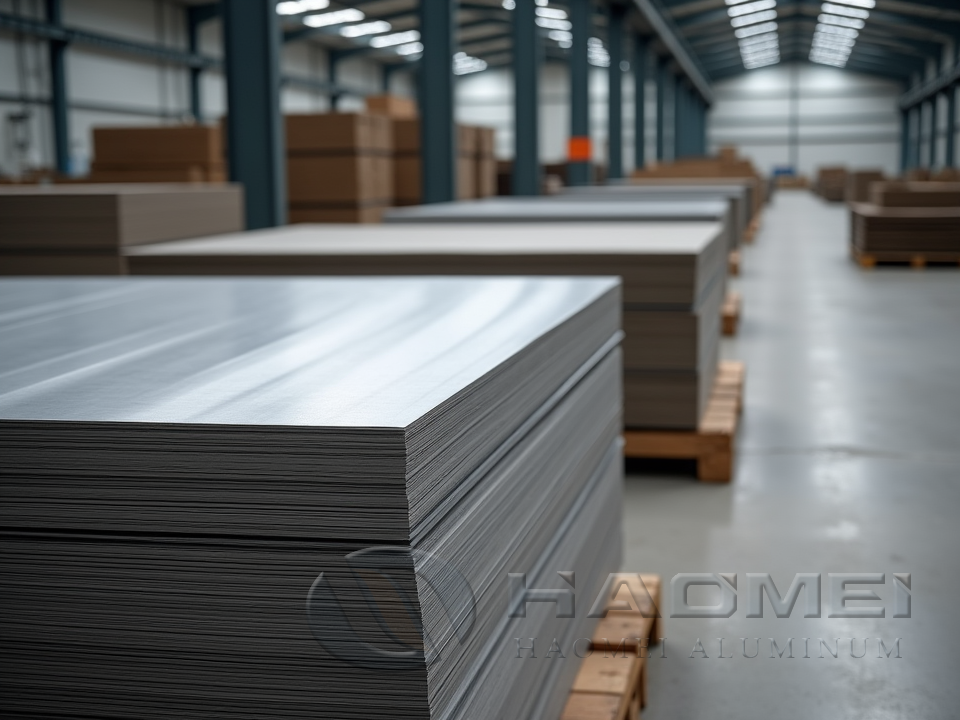
Plate Temper: H116 and H321 Are Not Just Codes
Temper selection can affect the service life of the structure. H116 is often used for marine plate because it is controlled for resistance to exfoliation corrosion and stress corrosion concerns. H321 is also used in marine structures and provides stabilized properties after controlled working and thermal treatment.
For buyers, the temper should not be treated as a small detail. If the drawing calls for 5383-H116, replacing it with another temper without approval may create problems during classification inspection or long-term service. The safest approach is to match the drawing, standard, and approval documents from the beginning.
Thickness also matters. Thin sheets may be used for panels or non-critical areas, while thicker plates are used for hulls, decks, frames, and structural members. When ordering, customers should confirm thickness tolerance, width, length, flatness, surface quality, and whether cutting to size is needed.
Fabrication Notes Customers Should Know
Marine 5383 aluminum plate can be cut by saw, router, waterjet, plasma, or laser, depending on thickness and shop equipment. Edge quality matters because poor edges may affect fit-up and welding quality. For formed parts, bending radius should be planned according to thickness, temper, and direction of rolling.
Before welding, the oxide layer and contamination should be removed properly. Aluminum is sensitive to surface cleanliness, and marine plates often pass through several handling steps before fabrication. Oil, moisture, dust, and storage stains can reduce weld quality if not controlled.
Distortion is another practical issue. Aluminum conducts heat quickly and expands more than steel, so welding sequence, fixturing, and heat input must be managed carefully. A good plate will not solve a poor welding process, but a consistent plate makes the process easier to control.
How 5383 Fits Into a Broader Marine Material Plan
A vessel rarely uses only one aluminum grade. Builders may combine 5383 plate for high-strength hull zones with other Marine Grade Aluminum Sheets for decks, cabins, interior structures, and outfitting. This material planning helps balance cost, performance, forming needs, and availability.
For instance, 5052 may be suitable for lighter-duty marine panels, 5086 may be chosen for certain welded structures, and 5083 remains a dependable option for many hull applications. 5383 is best viewed as a performance-focused choice for projects where its added strength brings measurable benefit.
What to Check Before Buying
A reliable order for marine 5383 aluminum plate should include alloy, temper, thickness, width, length, quantity, standard, certification requirement, surface requirement, and any classification approval. If the plate will be used in a classed vessel, the supplier should understand marine documentation, heat number traceability, and inspection requirements.
Customers should also ask about packaging. Marine aluminum plate can be damaged by careless handling, moisture trapping, or surface abrasion during transport. Good export packaging, protective film when needed, dry storage, and clear marking help prevent problems before the plate reaches the workshop.
Mill certificates should match the delivered material. Chemical composition, mechanical properties, temper, batch number, and applicable standards should be clear. If third-party inspection is required, this should be arranged before shipment rather than after the goods arrive.
The Real Value of Marine 5383 Aluminum Plate
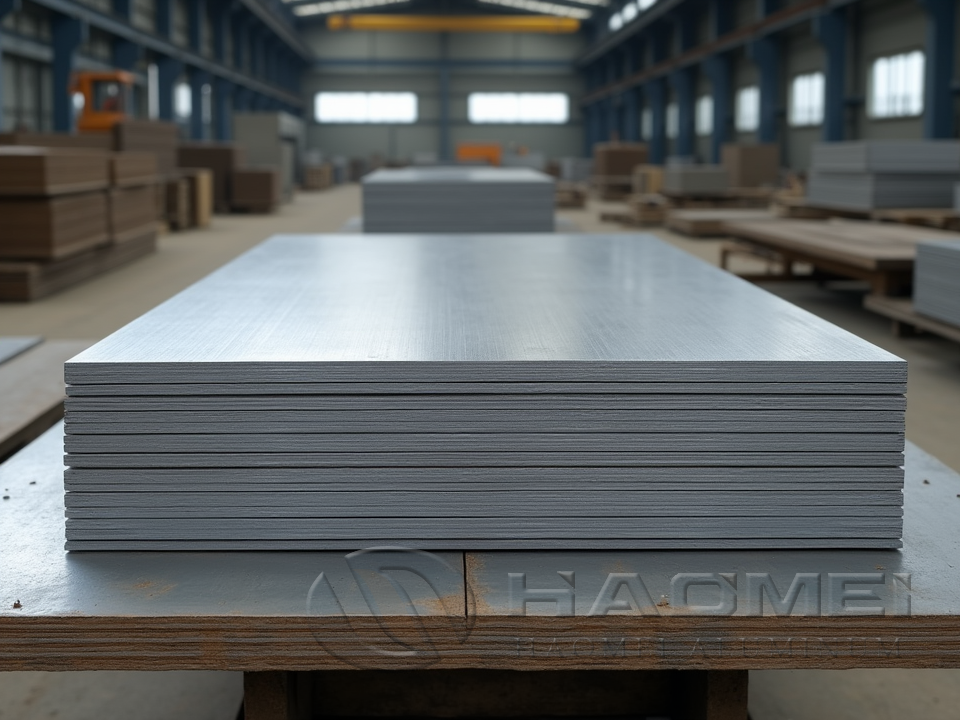
The value of marine 5383 aluminum plate is not only in higher strength. Its value is in the combination of strength, corrosion resistance, weldability, weight saving, and acceptance in serious marine fabrication. For a buyer, that means fewer compromises between design ambition and shop reality.
When specified correctly, supplied with proper certificates, and fabricated with sound marine practice, 5383 can help build vessels that are lighter, stronger, and better prepared for harsh seawater service. It is a smart choice when the project needs more than ordinary marine aluminum, but still demands a plate that behaves well in the hands of real builders.

Related Products
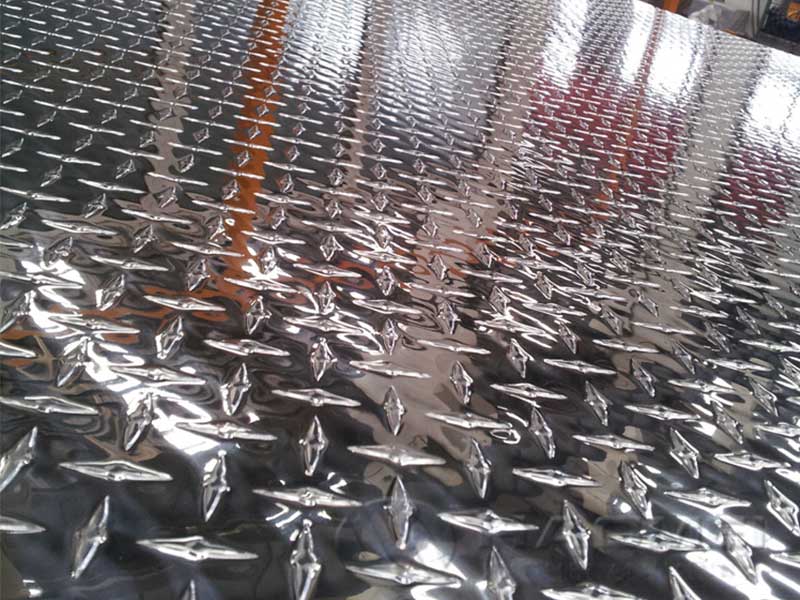
Marine Aluminum Tread Sheets
Marine Aluminum Tread Sheets are aluminum alloy plates featuring a raised surface pattern, commonly referred to as a tread design or diamond plate.
View Details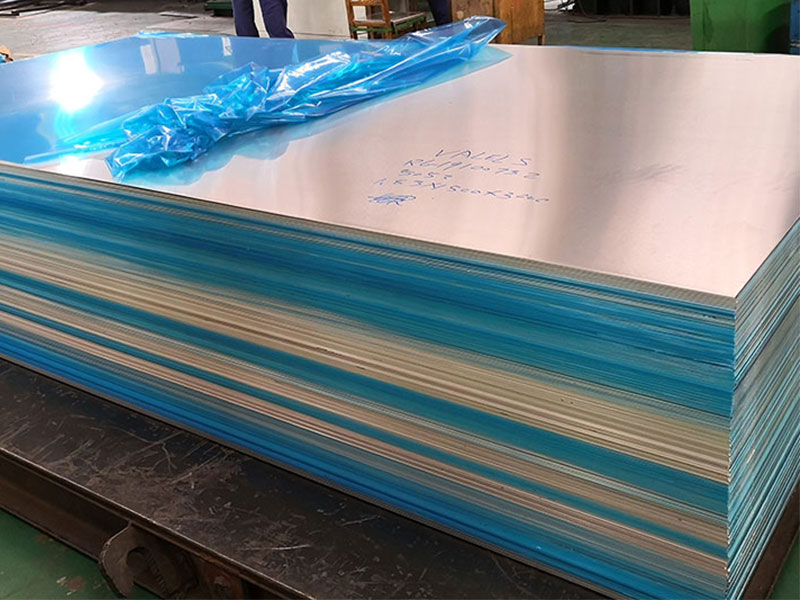
Marine 5059 aluminum sheet
5059 aluminum alloy is a strain-hardened material with a unique addition of magnesium and chromium, which provides outstanding resistance to localized corrosion like pitting and stress corrosion cracking.
View Details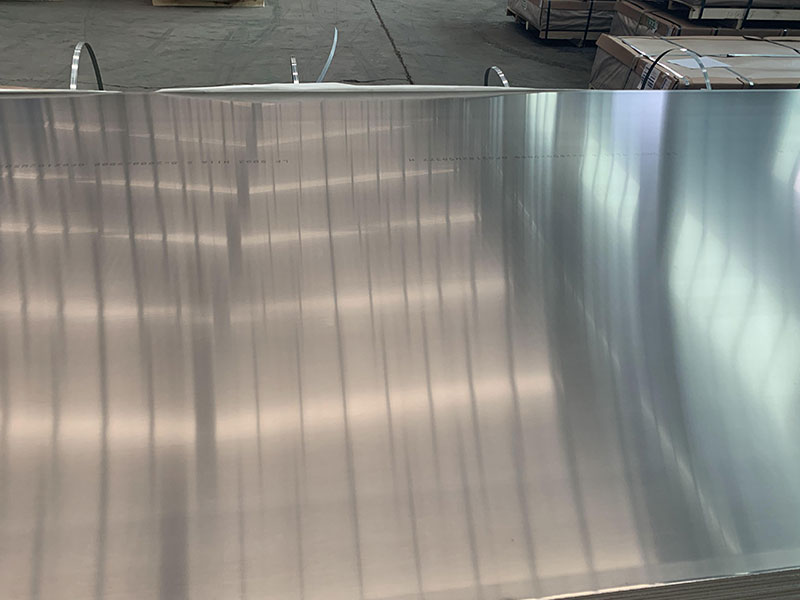
Marine 5383 aluminum sheet
5383 aluminum is a strain-hardened, non-heat-treatable alloy from the 5xxx series primarily alloyed with magnesium. It exhibits a unique balance of corrosion resistance and mechanical properties particularly suited for marine applications.
View Details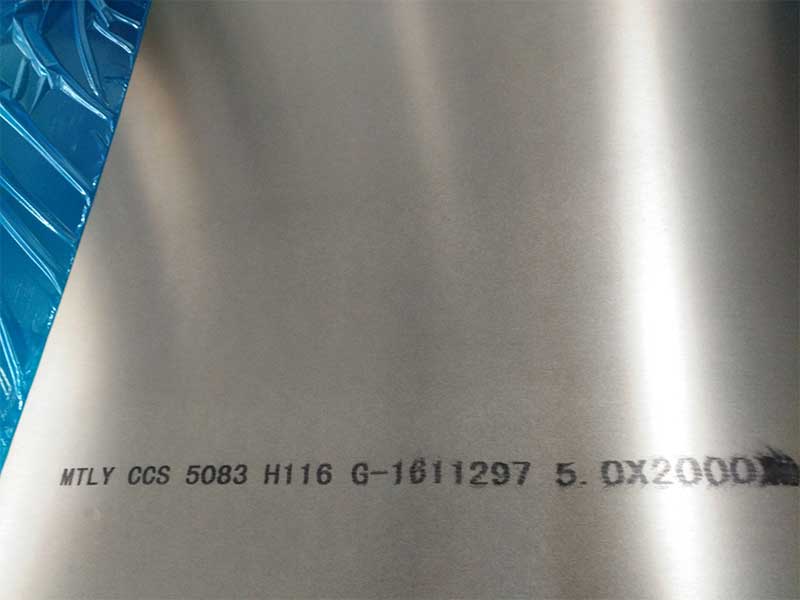
Marine 5083 aluminum sheet
Aluminum alloy 5083 is a non-heat-treatable alloy primarily composed of magnesium and trace elements that deliver outstanding protection against corrosion, particularly in seawater and saline atmospheres.
View Details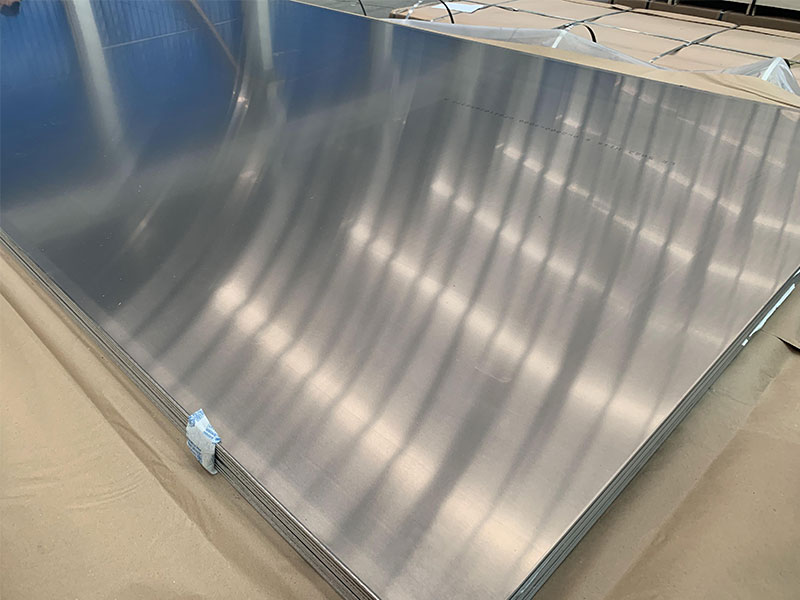
Marine 5052 aluminum sheet
Aluminum alloy 5052 is a non-heat-treatable, strain-hardened alloy with magnesium as the primary alloying element. It is designed to offer superior corrosion resistance in marine and saline environments, making it a dependable choice for components exposed directly to seawater or coastal atmospheric conditions.
View Details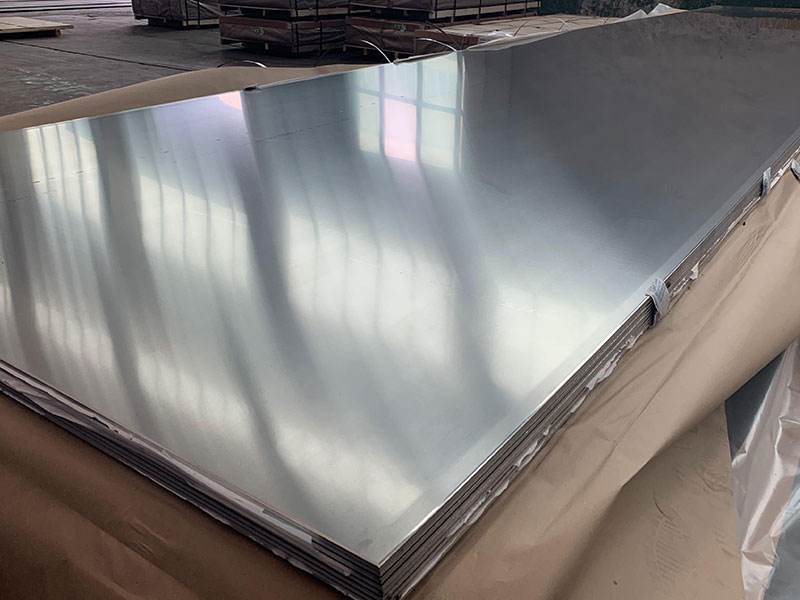
Marine 5086 aluminum sheet
This product article provides an in-depth and comprehensive understanding of Marine 5086 Aluminum Sheets, including their chemical composition, mechanical properties, corrosion resistance, fabrication capabilities, and typical marine applications.
View DetailsRelated Blog
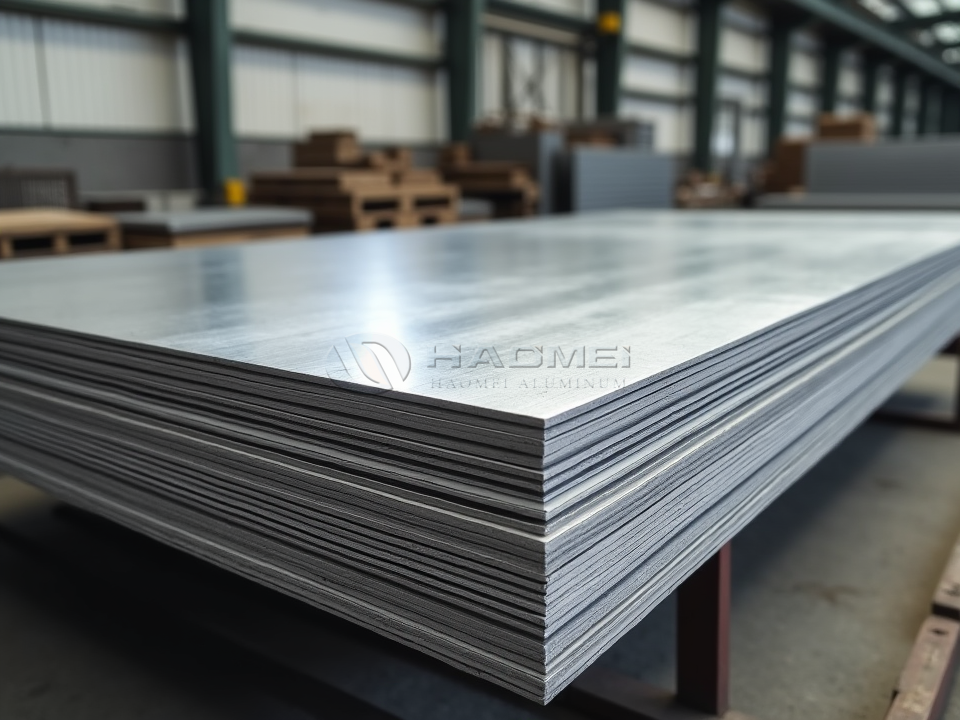
Marine Aluminum 5083 H116 6082 T6 Coil Sheet Plate
Marine aluminum 5083 H116 and 6082 T6 coil, sheet and plate for hulls, decks, cabins, offshore structures and welded marine parts.
View Details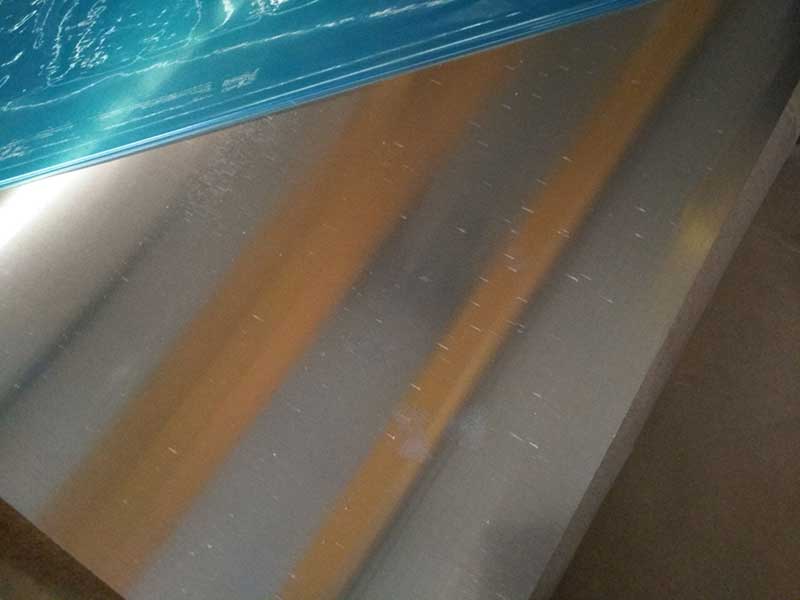
Marine Grade 0.2mm 6mm 5052 h46 Color Coated Aluminum Sheet
The Marine Grade 0.2mm-6mm 5052 H46 Color Coated Aluminum Sheet is a premium aluminum product designed specifically for marine and harsh environmental applications.
View Details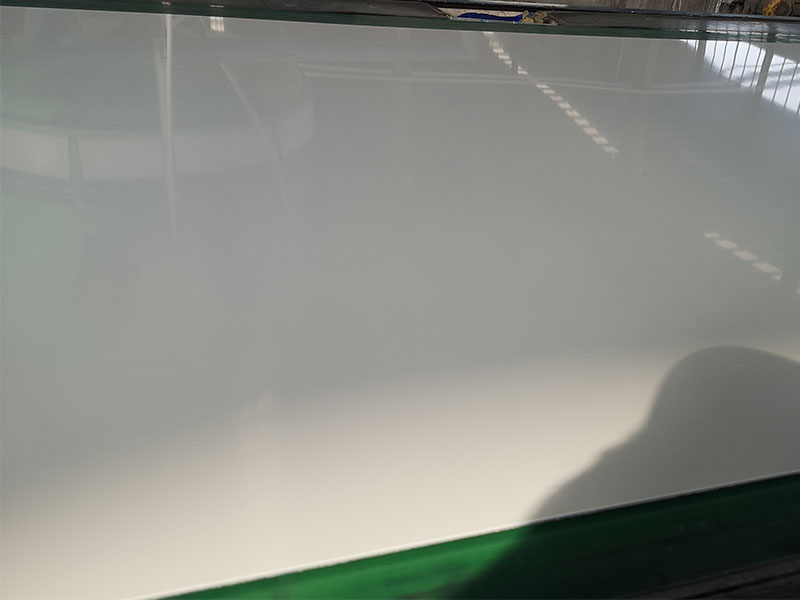
5083 marine grade anodized aluminum sheets coils
In the marine industry, where durability, corrosion resistance, and lightweight materials are quintessential, 5083 marine grade anodized aluminum sheets and coils stand as a pinnacle product.
View Details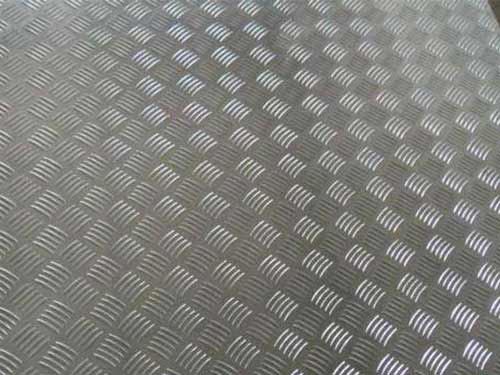
6061 Marine Aluminum Tread Sheets
6061 Marine Aluminum Tread Sheets (often called 6061 aluminum diamond plate or tread plate) are engineered to deliver a practical blend of corrosion resistance, structural strength, and slip-resistant surface performance in wet, abrasive.
View Details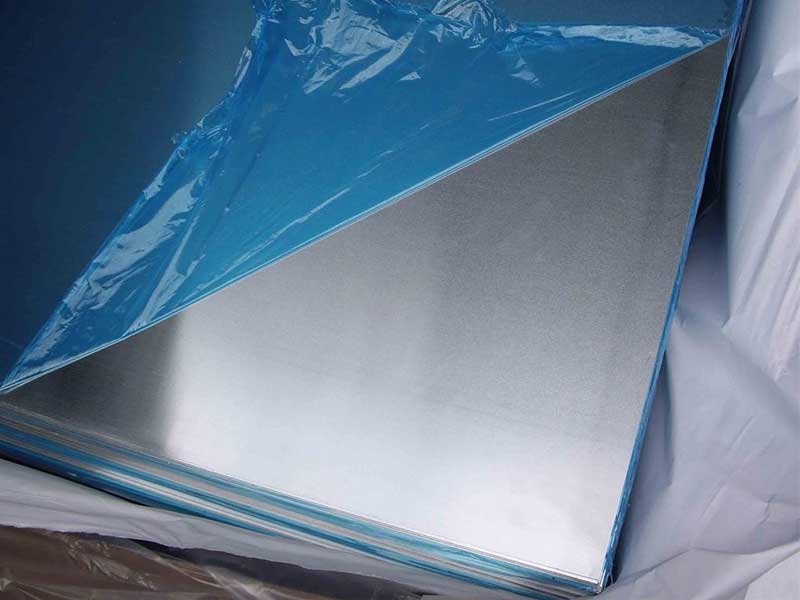
5754 Marine Grade Aluminum Alloy Aluminium Sheet
5754 marine grade aluminum alloy sheet is a workhorse material for corrosive, saltwater, and high-humidity environments where durability, formability, and long-term appearance matter.
View Details
Marine Perforated Aluminum Sheets
Marine perforated aluminum sheets offer corrosion resistance, ventilation, drainage, grip, and weight savings for boats, docks, and offshore use.
View Details
Leave a Message