
Marine Aluminum Angles for Custom Shipbuilding Applications
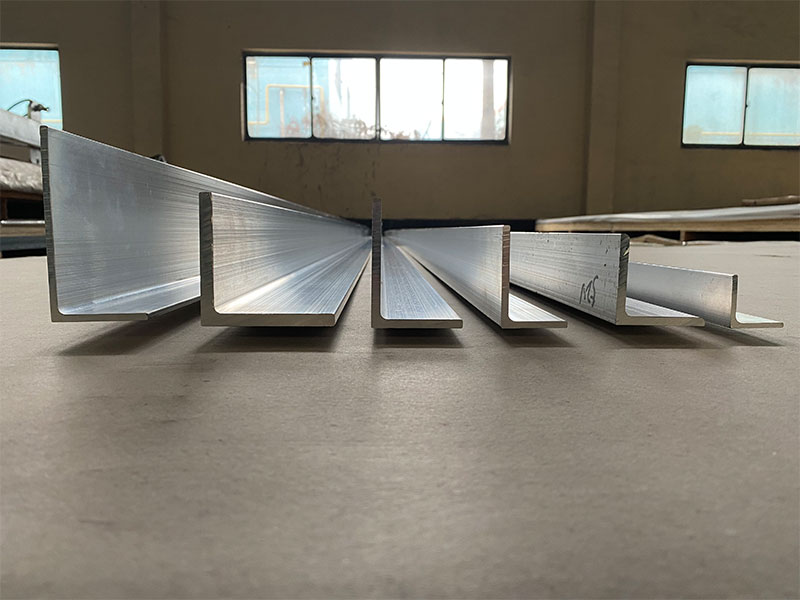
Marine aluminum angles are versatile L-shaped structural profiles engineered for lightweight, corrosion-resistant vessel construction. Used throughout hulls, deck systems, cabins, equipment supports, and interior outfitting, these sections provide dependable edge reinforcement and joining strength without the mass penalty of steel.
For custom shipbuilding, aluminum angles can be produced in a wide range of leg sizes, wall thicknesses, tempers, lengths, and surface conditions. This flexibility helps naval architects and fabricators match the profile to the vessel's structural loads, available installation space, welding method, and appearance requirements.
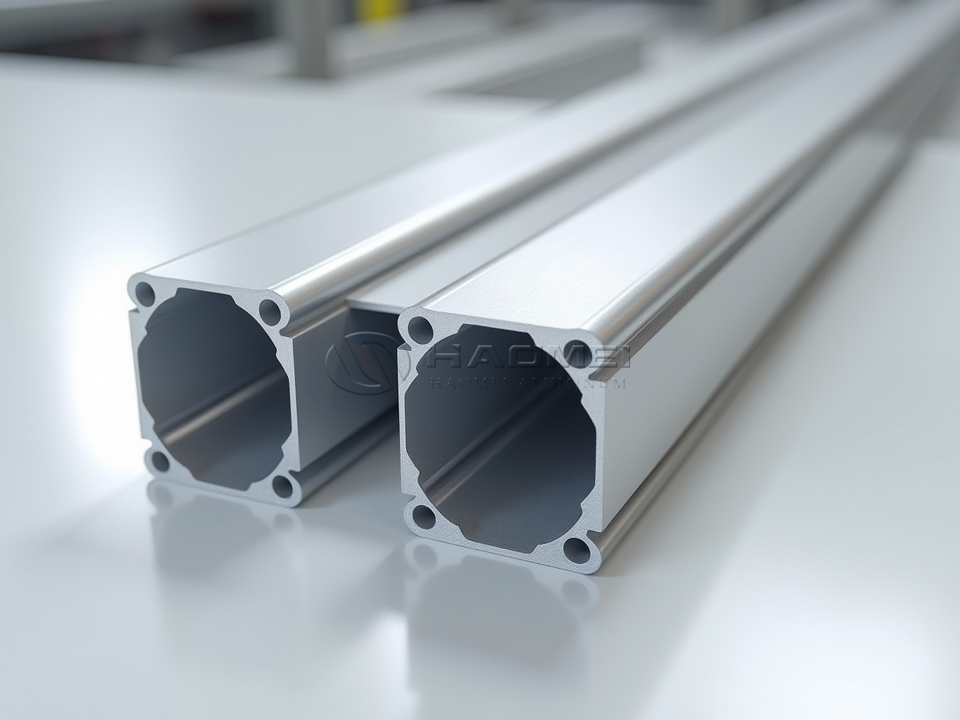
Built for Saltwater Service
The right marine aluminum angle combines alloy selection, temper, dimensional control, and fabrication quality. Aluminum naturally forms a protective oxide film, while marine-capable alloys offer improved resistance to chloride-rich spray, humidity, bilge conditions, and coastal atmospheres.
Compared with conventional steel angles, aluminum profiles reduce structural weight substantially. A lighter vessel can improve payload capacity, fuel economy, draft control, acceleration, and handling. Aluminum also avoids red-rust corrosion, reducing the maintenance burden associated with repeated coating repairs.
| Product Characteristic | Marine Value |
|---|---|
| Low density | Approximately one-third the density of steel, supporting lighter vessel structures |
| Corrosion resistance | Suitable for marine atmosphere and splash-zone exposure when alloy and finishing are properly selected |
| Fabrication flexibility | Can be cut, drilled, machined, formed, bolted, riveted, or welded |
| Strength-to-weight ratio | Supports efficient stiffening and framing without excessive deadweight |
| Recyclability | Aluminum retains high material value at the end of service life |
| Custom production | Leg dimensions, thickness, length, radius, and finish can be specified for the vessel design |
Alloy Options and Chemical Composition
Extruded 6061-T6 is widely selected for structural angles because it offers balanced strength, machinability, and weldability. 6082-T6 is often chosen where higher structural strength is required. For corrosion-sensitive fabricated components, 5083 in suitable strain-hardened tempers is valued for its excellent seawater resistance, although profile availability depends on processing route and project requirements.
| Alloy | Si % | Fe % | Cu % | Mn % | Mg % | Cr % | Zn % | Ti % | Al % |
|---|---|---|---|---|---|---|---|---|---|
| 6061 | 0.40-0.80 | 0.70 max | 0.15-0.40 | 0.15 max | 0.80-1.20 | 0.04-0.35 | 0.25 max | 0.15 max | Balance |
| 6082 | 0.70-1.30 | 0.50 max | 0.10 max | 0.40-1.00 | 0.60-1.20 | 0.25 max | 0.20 max | 0.10 max | Balance |
| 5083 | 0.40 max | 0.40 max | 0.10 max | 0.40-1.00 | 4.00-4.90 | 0.05-0.25 | 0.25 max | 0.15 max | Balance |
Composition ranges are typical limits and should be confirmed against the required material standard, class requirement, and mill certificate.
Mechanical Performance
Mechanical values vary with alloy, temper, angle thickness, production method, and test direction. The figures shown are typical reference values for design discussion. Final engineering calculations should use certified values for the supplied product and applicable vessel rules.
| Alloy and Temper | Tensile Strength | Yield Strength | Elongation | Density | Elastic Modulus |
|---|---|---|---|---|---|
| 6061-T6 | 260 MPa min | 240 MPa min | 8-10% | 2.70 g/cm³ | 69 GPa |
| 6082-T6 | 290 MPa min | 250 MPa min | 8-10% | 2.70 g/cm³ | 69 GPa |
| 5083-H116 | 305 MPa min | 215 MPa min | 12% min | 2.66 g/cm³ | 71 GPa |
6061-T6 and 6082-T6 offer strong, clean extruded sections for brackets, deck frames, cabin structures, and machinery supports. Welding locally reduces the strength of heat-treatable alloys in the heat-affected zone, so joint design must account for post-weld properties. 5083 provides strong marine corrosion performance and good weld retention, making it appropriate for fabricated members and applications near wet spaces or exposed shell structures.
Typical Dimensions and Supply Parameters
Custom shipbuilding rarely follows a single standard profile size. Marine aluminum angles may be supplied as equal-leg or unequal-leg sections, allowing designers to place material where it delivers the most useful stiffness.
| Parameter | Common Supply Range | Custom Possibility |
|---|---|---|
| Equal leg size | 20 x 20 mm to 150 x 150 mm | Larger or smaller sections subject to tooling and process review |
| Unequal leg size | 25 x 15 mm to 200 x 100 mm | Designed for offset connections and constrained spaces |
| Wall thickness | 2 mm to 12 mm | Heavier gauges available for structural projects |
| Standard length | 3 m, 6 m, or 12 m | Fixed cut lengths and nested cutting packages available |
| Corner radius | Standard extrusion radius | Controlled radius for fit-up and welding access |
| Straightness | Controlled to applicable extrusion tolerances | Tighter limits by agreement |
| Surface | Mill finish, brushed, anodized, powder coated | Protective and decorative finishes available |
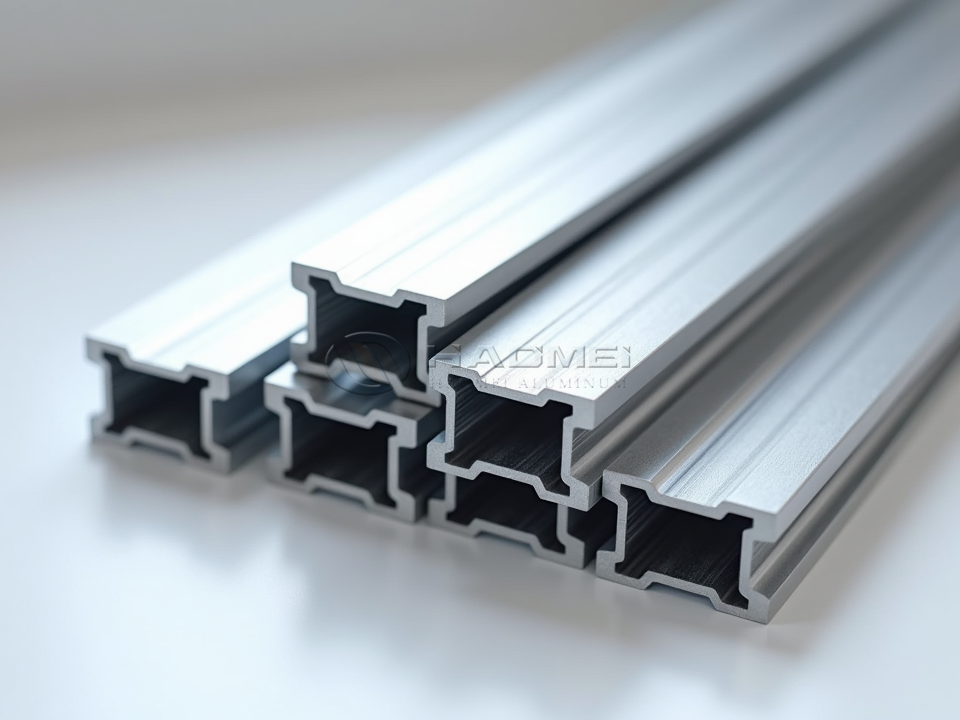
Where Marine Aluminum Angles Add Value
Angles are practical connection members because their two perpendicular legs can reinforce an edge while creating a broad fastening or welding surface. They are frequently paired with plate, flat bar, channels, and tubular profiles to form rigid but weight-conscious assemblies.
| Vessel Area | Typical Use of Aluminum Angle | Customer Benefit |
|---|---|---|
| Hull and superstructure | Local stiffeners, flange reinforcement, light framing | Lower structural mass and efficient load transfer |
| Deck construction | Deck edge support, hatch framing, panel attachment | Stable interfaces for decking and fittings |
| Cabin and wheelhouse | Window surrounds, partition frames, interior supports | Clean fabrication with low maintenance |
| Railings and walkways | Brackets, tread supports, guard interfaces | Durable support in exposed environments |
| Machinery spaces | Equipment stands, protective frames, service supports | Easy machining and corrosion-resistant installation |
| Fishing and workboats | Bait station frames, lockers, consoles, work platforms | Robust utility structures with reduced weight |
| Passenger vessels | Seating frames, signage supports, trim structures | Adaptable sections for detailed outfitting work |
For integrated framing projects, Marine Grade Aluminum Extrusions can be combined with angles to create efficient deck, cabin, and equipment-support assemblies. Where a continuous U-shaped connection is more suitable, Marine aluminum channels provide an effective companion profile.
Fabrication and Installation Considerations
Marine aluminum angles are compatible with common workshop processes, but fabrication discipline has a major effect on service life. Saw cutting with suitable blades produces clean ends. Drilling and machining should use tooling designed for aluminum to prevent built-up edge and surface tearing. Burr removal is important around fastener holes, especially in areas exposed to moisture.
For welded structures, 5xxx-series filler metals such as 5356 are frequently considered for compatible marine aluminum joints, subject to alloy, service temperature, and engineering requirements. Welding procedures should control heat input, distortion, fit-up, and cleaning. Surfaces must be free from oil, oxide buildup, paint, salt, and moisture before welding.
Galvanic corrosion deserves careful attention whenever aluminum angles contact stainless steel, carbon steel, bronze, or copper-bearing materials in a wet environment. Isolating washers, sealants, non-conductive gaskets, protective coatings, and well-designed drainage paths help prevent dissimilar-metal attack.
| Installation Practice | Recommended Approach |
|---|---|
| Dissimilar-metal contact | Use isolation materials and compatible fasteners |
| Water traps | Provide drainage and avoid closed, moisture-retaining crevices |
| Fastener holes | Deburr, seal where required, and avoid damaging protective finishes |
| Weld zones | Remove contaminants before welding and inspect after fabrication |
| Coated profiles | Protect coated surfaces during handling and installation |
| Structural design | Consider local buckling, weld softening, fatigue, and class-rule requirements |
Selection Guidance for Custom Vessels
The most suitable angle is not always the thickest section. Efficient selection considers load direction, unsupported span, attachment method, corrosion exposure, access for welding, and allowable weight. Unequal-leg angles can be especially useful when one leg must carry a panel while the other supports a frame or stiffener.
For exposed deck hardware and cabin framing, 6061-T6 offers a practical balance of strength and finish quality. For heavily loaded structural brackets, 6082-T6 may provide added strength. For wet, welded, or seawater-facing structures where corrosion resistance is the priority, 5083-based fabricated solutions may be preferable.
Marine aluminum angles bring structural efficiency, design freedom, and long-term corrosion resistance to custom shipbuilding. With the appropriate alloy, dimensions, temper, and joining method, they support durable vessels ranging from agile recreational craft to demanding commercial workboats and passenger platforms.

Related Products
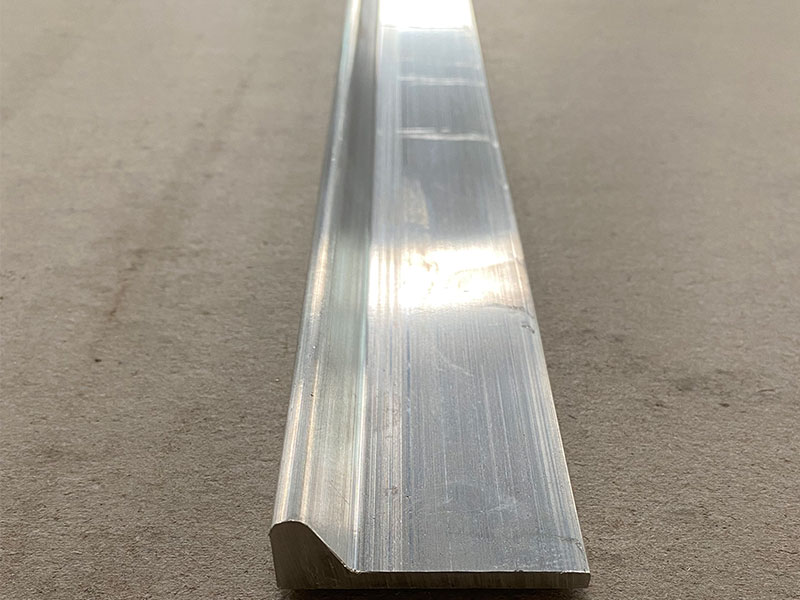
Marine aluminum I-beams
Marine Aluminum I-Beams feature the traditional “I” cross-sectional profile fabricated from marine-grade aluminum alloys like 5083, 5086, and 6061. These alloys are renowned for their outstanding corrosion resistance, especially in saltwater and marine atmospheres, making them ideal for offshore and naval construction.
View Details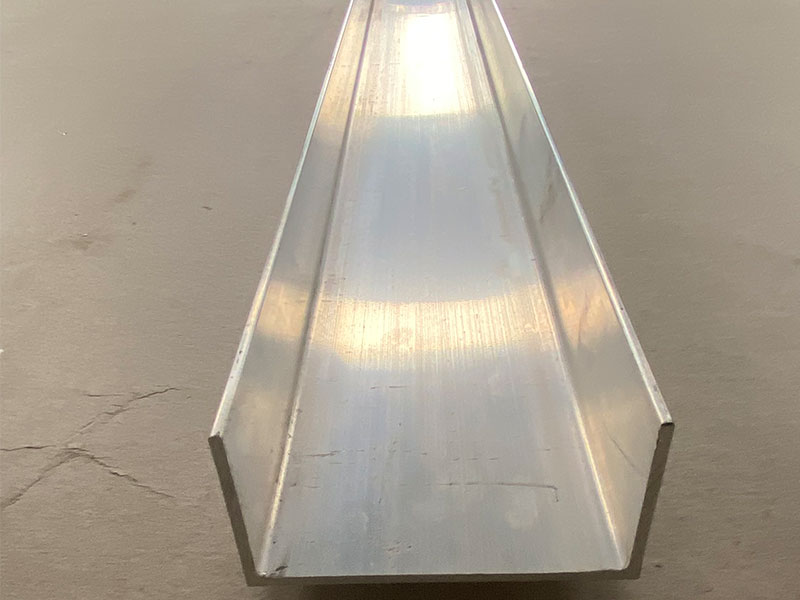
Marine aluminum channels
Marine Aluminum Channels are U-shaped aluminum profiles produced from alloys such as 5083, 5052, and 6061, known for their excellent marine corrosion resistance and superior mechanical strength.
View Details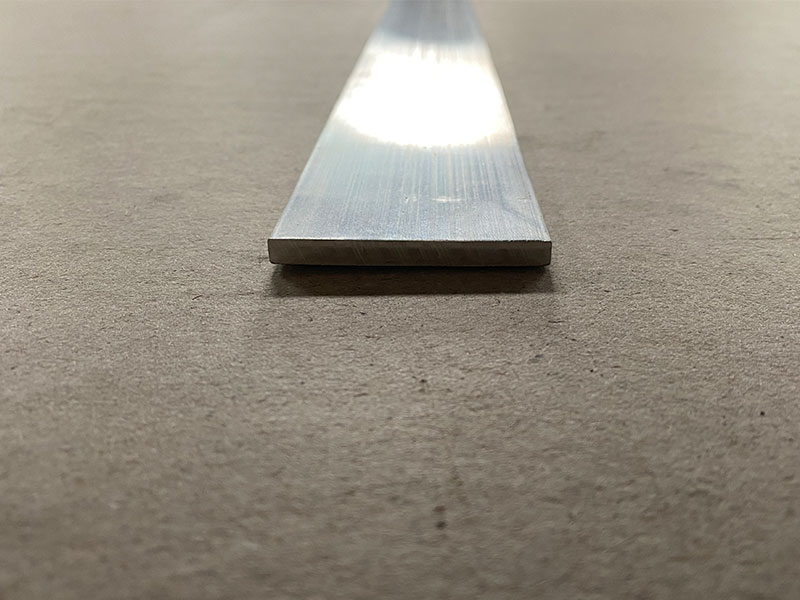
5083 marine aluminum flat bar
5083 aluminum flat bars belong to the 5xxx series of aluminum-magnesium alloys, known primarily for their superior resistance to seawater corrosion and salt spray.
View Details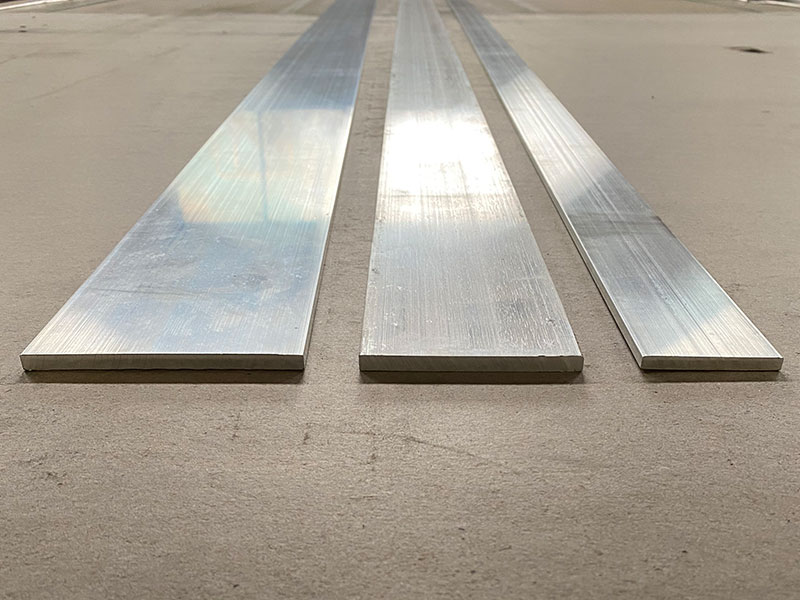
6061 T6 marine aluminum flat bar
6061 aluminum is classified as a heat-treatable 6xxx series alloy, alloyed primarily with magnesium and silicon. The T6 temper designation indicates that the flat bar has been solution heat-treated and artificially aged to achieve optimum strength and hardness.
View Details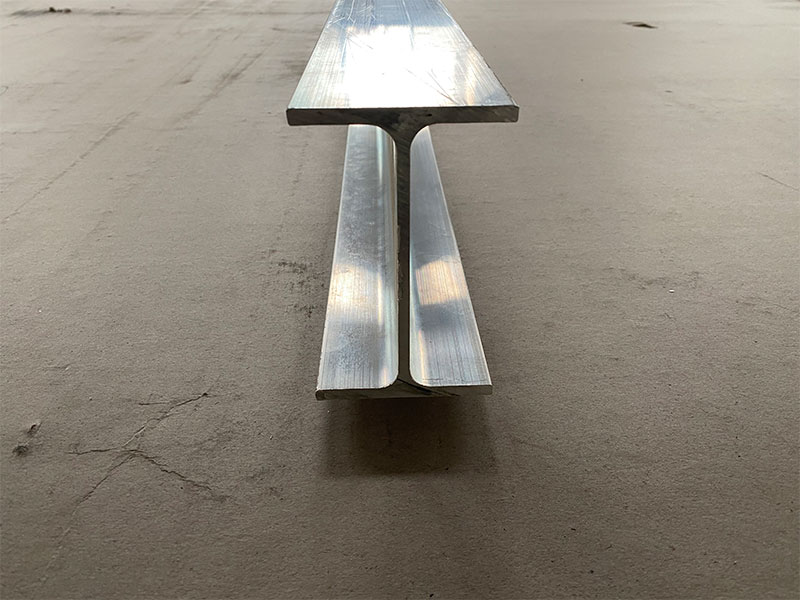
Marine aluminum Z-shaped sections
Marine Aluminum Z-shaped Sections are fabricated from premium marine-grade aluminum alloys such as 5083, 5052, and 6061. These alloys are well-regarded for their superior corrosion resistance in seawater and marine atmospheres, along with good mechanical strength and excellent weldability.
View Details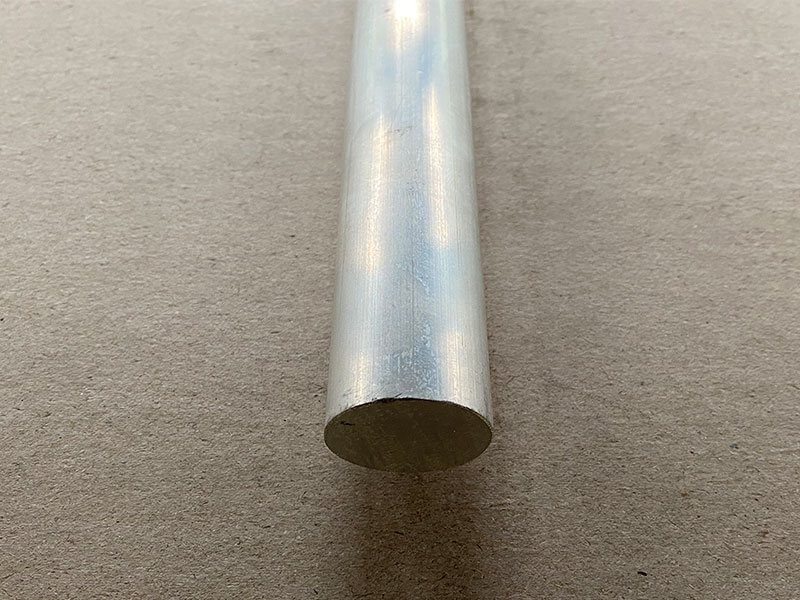
6061 marine aluminum round bar
6061 aluminum belongs to the 6xxx series alloys, alloyed primarily with magnesium and silicon. In the T6 temper, it undergoes solution heat treatment and artificial aging, resulting in enhanced mechanical properties while maintaining excellent corrosion resistance.
View DetailsRelated Blog
Marine Aluminum Rod & Bar for High Performance Boat Construction
In the demanding field of high performance boat construction, material selection is critical to achieving the perfect balance of strength, weight, corrosion resistance, and durability.
View Details
6061 Marine Aluminum Z Shaped Sections for High Strength Boat Reinforcement
6061 Marine Aluminum Z Shaped Sections are purpose-designed extrusions used for structural reinforcement in marine and offshore applications. Made from 6061 aluminum alloy and formed into Z-profile sections, these members combine high strength.
View Details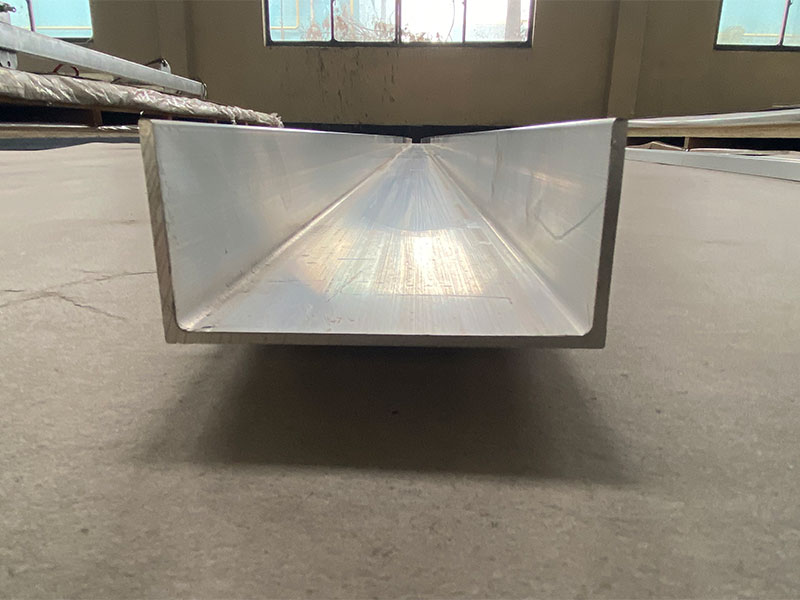
Marine Aluminum Round Bar for Saltwater Resistant Boat Design
When designing boats destined for saltwater environments, materials selection is paramount for ensuring long-lasting performance and reliable structural integrity.
View Details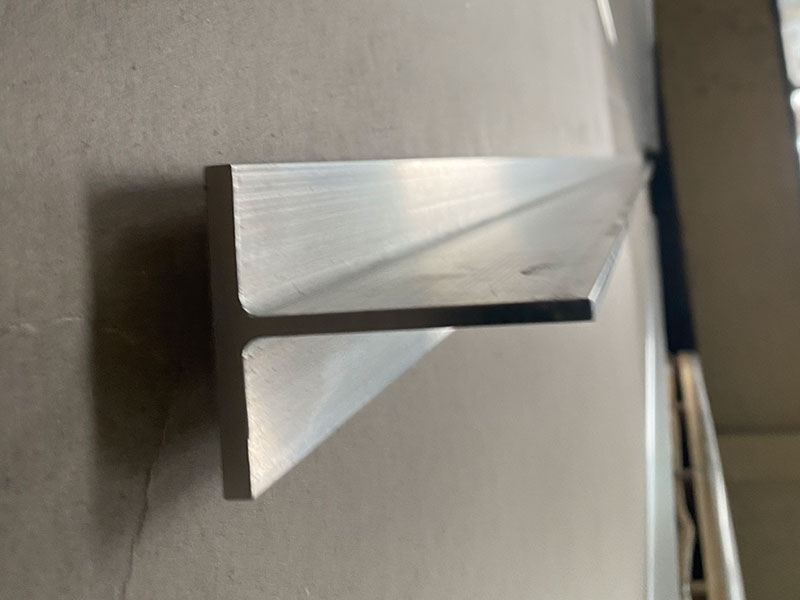
Marine Aluminum Rod & Bar for Lightweight Marine Frame Reinforcement
Marine structures demand materials that combine low weight, high strength, and long-term corrosion resistance in harsh saltwater environments. Marine aluminum rod and bar products are engineered specifically to meet these needs.
View Details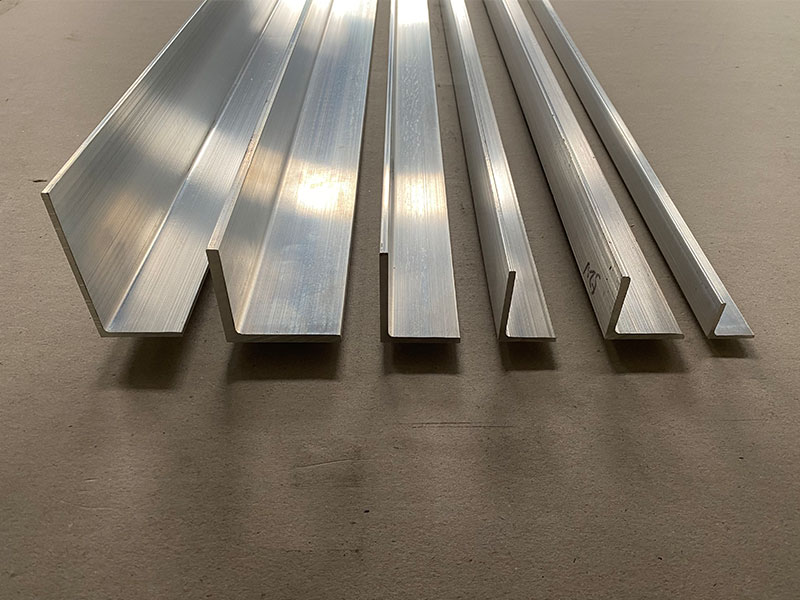
5086 Marine Aluminum I Beams for Custom Marine Vessel Design
Aluminum 5086 is a high-strength, corrosion-resistant alloy strategically engineered for marine applications. Its benefits, such as excellent real-world longevity and ease of customization, make it a favored choice for shipbuilding or repair processes.
View Details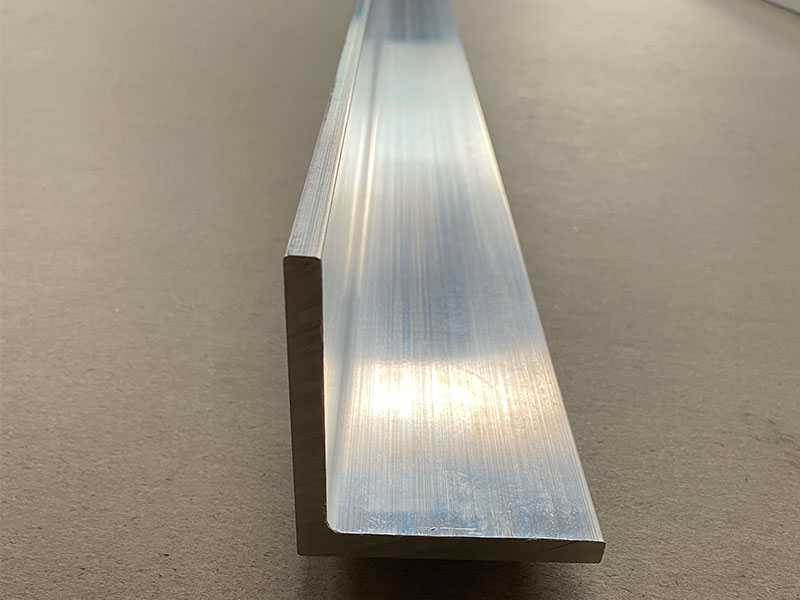
Marine Aluminum Flat Bar for Durable Boat Hull Fabrication
When it comes to building boats that brave the unpredictable, often harsh marine environment, the choice of materials determines their longevity, safety, and performance.
View Details
Leave a Message