
5083 Marine Aluminum Angles for Offshore Vessel Reinforcement
5083 marine aluminum angles are structural L-sections engineered for vessels and offshore structures exposed to salt spray, seawater immersion, humidity, vibration, and cyclic loading. Made from a high-magnesium aluminum alloy, these angles combine low weight with dependable strength and excellent resistance to marine corrosion.
For shipbuilders, offshore fabricators, and repair yards, 5083 angles provide an efficient reinforcement material for hull frameworks, deck supports, bulkheads, equipment foundations, and internal stiffening systems. Their weldability and non-heat-treatable alloy structure make them particularly suitable for large welded marine assemblies.

Performance Highlights
| Property | Benefit for Offshore Structures |
|---|---|
| Seawater corrosion resistance | Magnesium-rich 5083 alloy withstands chloride-bearing atmospheres and seawater service effectively. |
| High strength-to-weight ratio | Reduces structural mass compared with steel reinforcement while maintaining rigid support. |
| Excellent weldability | Supports MIG and TIG welding for hull fabrication, repairs, and modular construction. |
| Good fatigue behavior | Suitable for structures subjected to wave impact, engine vibration, and repeated loading. |
| Cryogenic toughness | Retains useful mechanical properties in low-temperature offshore conditions. |
| Non-magnetic material | Appropriate for specialized naval, survey, and instrumentation environments. |
| Forming flexibility | Can be cut, drilled, bent, and fabricated into equal-leg or unequal-leg reinforcement angles. |
5083 is a non-heat-treatable alloy. Its strength is obtained mainly through magnesium alloying and strain hardening rather than precipitation hardening. Common marine tempers include H116 and H321, selected for their corrosion performance and stable strength in marine service.
Alloy Chemistry
The chemical balance of 5083 is designed around magnesium for strength and manganese and chromium for structural stability and corrosion resistance. Values shown are typical specification limits in percent by weight.
| Element | Content, wt. % |
|---|---|
| Magnesium, Mg | 4.0–4.9 |
| Manganese, Mn | 0.40–1.00 |
| Chromium, Cr | 0.05–0.25 |
| Iron, Fe | 0.40 max. |
| Silicon, Si | 0.40 max. |
| Copper, Cu | 0.10 max. |
| Zinc, Zn | 0.25 max. |
| Titanium, Ti | 0.15 max. |
| Other elements, each | 0.05 max. |
| Other elements, total | 0.15 max. |
| Aluminum, Al | Remainder |
The limited copper content is particularly important in saltwater construction. Excess copper can reduce resistance to marine corrosion, while the controlled 5083 composition helps preserve durability in wet and chloride-rich environments.
Mechanical and Physical Data
Mechanical values vary with temper, thickness, forming method, and final angle geometry. Project requirements should be confirmed against the applicable material certificate and vessel-class documentation.
| Parameter | Typical Value or Range | Test / Condition |
|---|---|---|
| Density | 2.66 g/cm³ | At room temperature |
| Elastic modulus | 70 GPa | Typical aluminum value |
| Poisson's ratio | 0.33 | Typical |
| Melting range | 574–638°C | Approximate |
| Electrical conductivity | Approx. 29% IACS | Typical |
| Thermal conductivity | Approx. 117 W/m·K | At room temperature |
| Tensile strength | 275–350 MPa | H116/H321, dependent on thickness |
| Yield strength | 125–240 MPa | H116/H321, dependent on thickness |
| Elongation | 10–16% | Dependent on section and gauge |
| Brinell hardness | Approx. 75–90 HB | Temper dependent |
Available Forms and Dimensional Range
5083 angles may be press-brake formed from marine plate, rolled, machined, or supplied as purpose-made structural sections where production capability permits. Formed angles are frequently preferred for heavy offshore reinforcement because they can be produced from certified 5083 plate with controlled grain direction and project-specific dimensions.
| Dimensional Item | Common Supply Range | Custom Capability |
|---|---|---|
| Angle type | Equal-leg and unequal-leg | Asymmetric reinforcement profiles available |
| Leg width | 25–150 mm | Larger legs by fabrication agreement |
| Thickness | 3–12 mm | Heavier gauges available for structural projects |
| Inside bend radius | Based on thickness and forming requirement | Controlled to suit crack-free forming |
| Standard length | 3 m, 4 m, 5 m, 6 m | Cut-to-length service available |
| Surface finish | Mill finish | Brushed, protected, or project-specified finish |
| Edge condition | Mill edge, trimmed edge, deburred | CNC-cut and drilled components available |
| Temper | H111, H116, H321 | Selected according to design and certification needs |
For matching profiles in a complete vessel framework, Marine aluminum angles can be specified alongside flat bars, channels, deck sections, and fabricated brackets.
Offshore Vessel Applications
The L-shaped geometry places material efficiently at corners, joints, and panel intersections where local stiffness is needed. This allows designers to reinforce thin aluminum plating without adding unnecessary dead weight.
| Application Area | Typical Function of 5083 Angle |
|---|---|
| Hull framing | Reinforces longitudinal members, transverse frames, and shell-plating connections. |
| Deck structures | Supports deck edges, hatches, walkways, grating frames, and stiffener intersections. |
| Bulkheads | Creates rigid junctions around watertight or non-watertight partitions. |
| Offshore workboats | Strengthens crew boat, supply vessel, patrol craft, and service-vessel structures. |
| Equipment foundations | Forms brackets and support frames for pumps, cabinets, pipe racks, and marine machinery. |
| Helideck and platform modules | Supports lightweight access structures and corrosion-resistant peripheral framing. |
| Repair and conversion work | Replaces corroded steel angles or damaged aluminum reinforcement sections. |
Welding and Fabrication Guidance
5083 angles are readily joined by MIG or TIG welding. Filler alloys such as 5183 and 5356 are widely used when compatible with the welding procedure, parent material thickness, service temperature, and class requirements. Weld areas naturally experience softening because strain-hardened temper strength is reduced by welding heat; joint geometry and reinforcement spacing should therefore be designed around the as-welded condition.
| Fabrication Topic | Recommended Practice |
|---|---|
| Cutting | Use saw cutting, waterjet, CNC routing, or plasma methods suited to aluminum. Remove burrs after cutting. |
| Welding preparation | Clean oxide, moisture, oil, and contaminants immediately before welding. |
| Filler selection | Use approved marine filler metal compatible with 5083 and the approved WPS. |
| Heat input | Control heat input to limit distortion and preserve practical joint performance. |
| Bending | Use an appropriate inside radius and bend orientation to avoid surface cracking. |
| Fasteners | Use compatible aluminum or suitably isolated stainless-steel fasteners. |
| Galvanic control | Electrically isolate dissimilar metals and prevent trapped seawater at joints. |
Uncoated mill-finish 5083 performs well in many marine applications. Where the angle will contact steel, copper-bearing materials, or permanently wet crevices, protective isolation, sealants, drainage paths, and coating systems should be included in the structural design.
Standards and Documentation
Material can be supplied against the governing specification required by the project. Certification requirements depend on vessel type, flag authority, offshore operator, and classification society.
| Documentation or Standard | Typical Relevance |
|---|---|
| ASTM B928 / B928M | High-magnesium aluminum-alloy sheet and plate for marine service; relevant for formed-angle feedstock. |
| ASTM B209 / B209M | Aluminum sheet and plate requirements. |
| EN 485-2 | Mechanical-property requirements for aluminum sheet, strip, and plate. |
| EN 10204 3.1 | Mill test certification with chemical and mechanical traceability. |
| DNV, ABS, Lloyd's Register, BV, CCS | Class approval or inspection may be arranged when required by the project. |
5083 marine aluminum angles offer a practical balance of corrosion resistance, weldable strength, and lightweight structural efficiency. With the right temper, verified material documentation, and careful joint design, they provide long-lasting reinforcement for offshore vessels operating in demanding saltwater environments.

Related Products
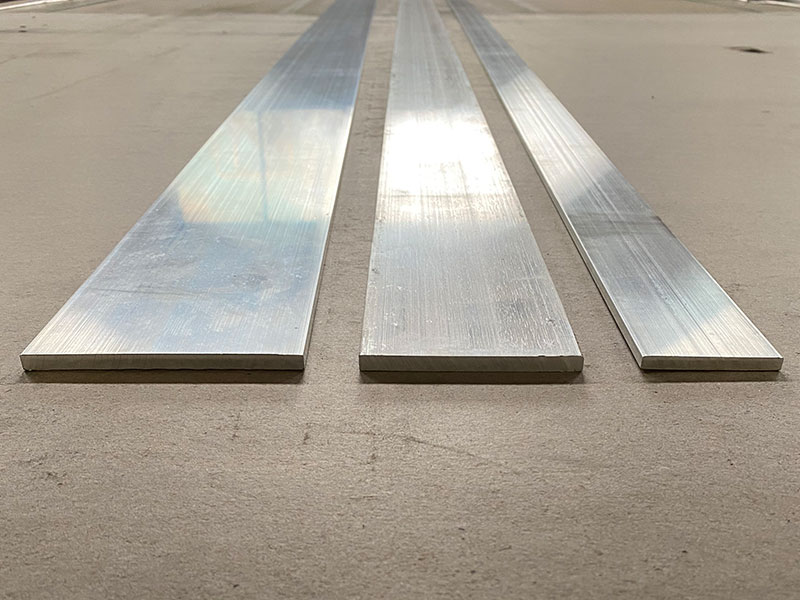
6061 T6 marine aluminum flat bar
6061 aluminum is classified as a heat-treatable 6xxx series alloy, alloyed primarily with magnesium and silicon. The T6 temper designation indicates that the flat bar has been solution heat-treated and artificially aged to achieve optimum strength and hardness.
View Details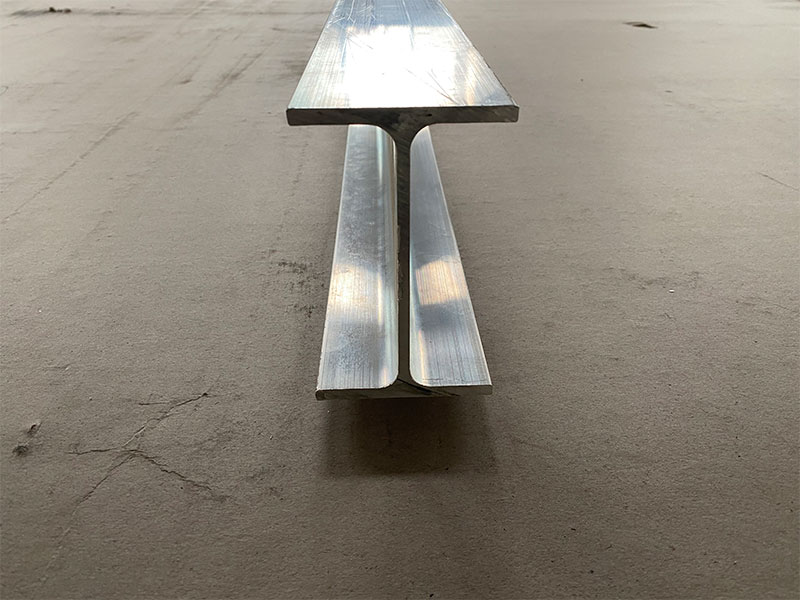
Marine aluminum Z-shaped sections
Marine Aluminum Z-shaped Sections are fabricated from premium marine-grade aluminum alloys such as 5083, 5052, and 6061. These alloys are well-regarded for their superior corrosion resistance in seawater and marine atmospheres, along with good mechanical strength and excellent weldability.
View Details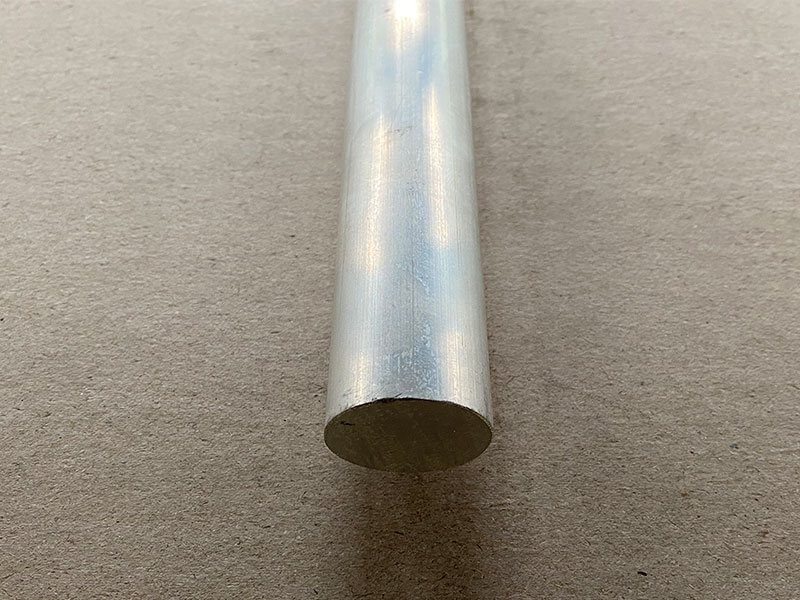
6061 marine aluminum round bar
6061 aluminum belongs to the 6xxx series alloys, alloyed primarily with magnesium and silicon. In the T6 temper, it undergoes solution heat treatment and artificial aging, resulting in enhanced mechanical properties while maintaining excellent corrosion resistance.
View Details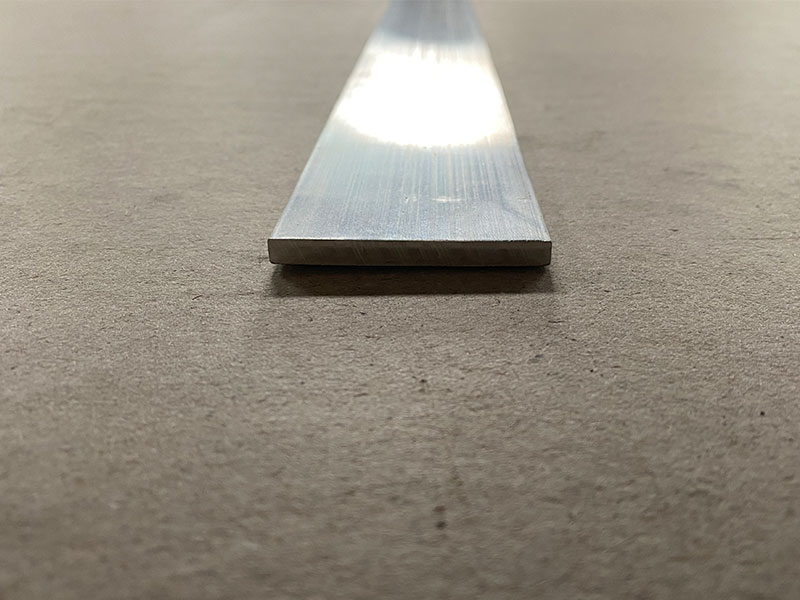
5083 marine aluminum flat bar
5083 aluminum flat bars belong to the 5xxx series of aluminum-magnesium alloys, known primarily for their superior resistance to seawater corrosion and salt spray.
View Details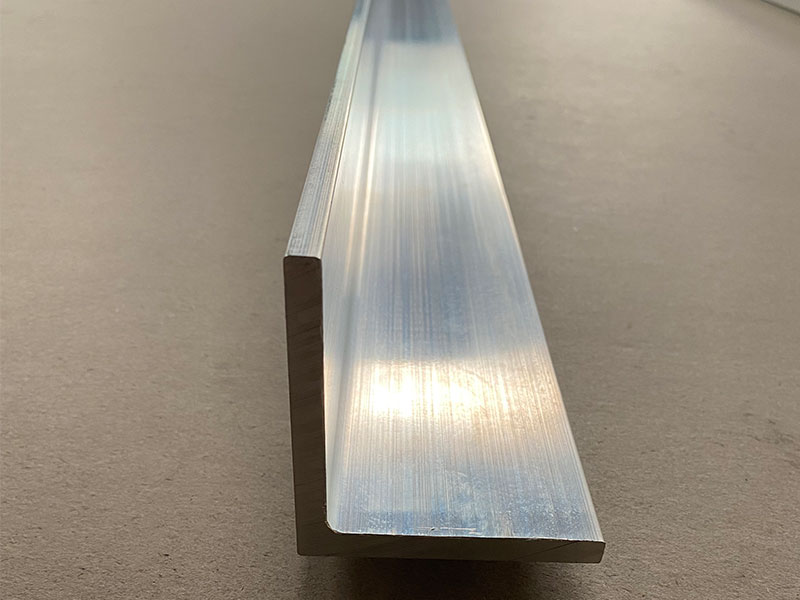
Marine aluminum angles
Marine Aluminum Angles are L-shaped cross-sectional aluminum profiles produced from marine-grade aluminum alloys such as 5083, 5052, and 6061.
View Details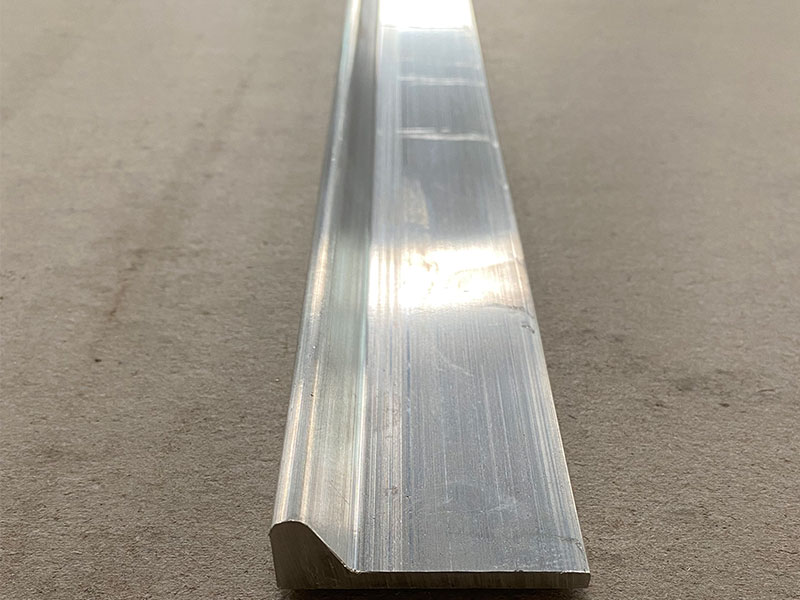
Marine aluminum I-beams
Marine Aluminum I-Beams feature the traditional “I” cross-sectional profile fabricated from marine-grade aluminum alloys like 5083, 5086, and 6061. These alloys are renowned for their outstanding corrosion resistance, especially in saltwater and marine atmospheres, making them ideal for offshore and naval construction.
View DetailsRelated Blog
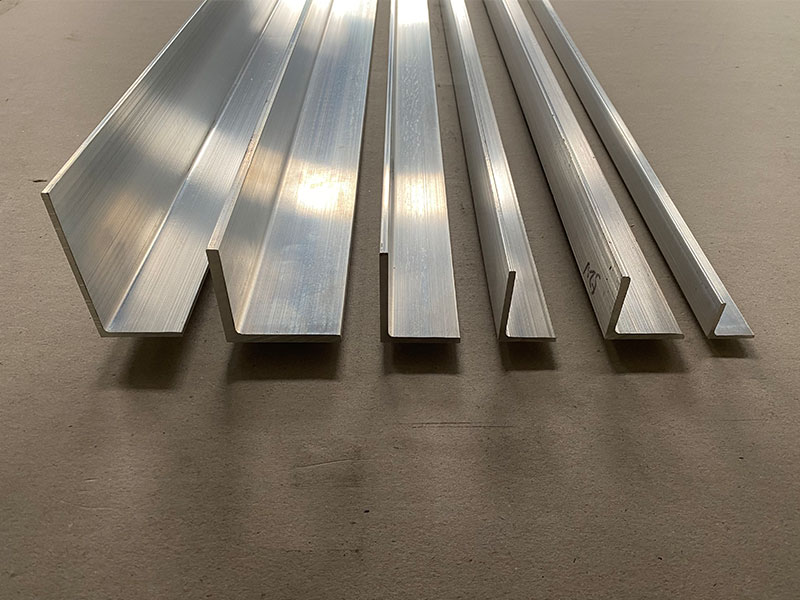
Marine Aluminum Round Bar for Custom Offshore Platform Fabrication
In the realm of offshore engineering, material selection is critical to ensuring the longevity, safety, and performance of marine structures.
View Details
6061 Marine Aluminum Rod & Bar for Durable Marine Engineering
6061 marine aluminum rod and bar, engineered for strength, corrosion resistance, and performance in harsh marine environments. Detailed specifications, chemical composition, temper conditions, and industrial standards included.
View Details
6061 T6 marine aluminum flat bar
6061 T6 marine aluminum flat bar is a widely used structural and fabrication material within the marine industry. Combining excellent strength, good corrosion resistance, weldability, and formability.
View Details
Marine Aluminum Channels for Marine Engineering and Custom Solutions
Marine aluminum channels are vital components for a wide range of applications in marine engineering. Specially engineered to withstand the unique challenges posed by marine environments, these products combine strength, lightweight properties.
View Details
6061 Marine Aluminum Round Bar for Heavy Duty Marine Frame Reinforcements
6061 Marine Aluminum Round Bar is a premium-grade aluminum product specifically engineered for heavy-duty marine frame reinforcements. Renowned for its superior strength, corrosion resistance, and excellent machinability.
View Details
5083 Marine Aluminum Z Shaped Sections for Offshore Vessel Frame Design
In the demanding offshore marine environment, the structural integrity and corrosion resistance of vessels are crucial for reliable performance and safety.
View Details
Leave a Message