
Marine Aluminum Elbow for Offshore Emergency Fluid Transfer Lines
Offshore emergency fluid transfer systems must work when conditions are at their hardest. Firefighting water, ballast water, bilge liquids, cooling water, foam solution, fuel return media, and emergency drainage streams often need to move through restricted pipe routes at short notice. A marine aluminum elbow changes flow direction while maintaining a lightweight, corrosion-resistant piping system suitable for vessels, platforms, floating production units, and marine support equipment.
Designed for saltwater exposure and demanding installation spaces, aluminum elbows reduce piping weight compared with steel fittings. This can lower support loads, simplify handling during retrofit work, and support faster emergency-line assembly. Proper alloy selection, wall thickness, bend radius, welding practice, and isolation from dissimilar metals are essential for dependable service.
Function in Emergency Transfer Pipework
A marine aluminum elbow connects two pipe sections at an angle, most commonly 45 degrees or 90 degrees. Its purpose is not simply to turn a line. In emergency-duty systems, the fitting must guide fluid with controlled pressure loss, resist vibration and salt spray, and retain structural integrity during pressure surges or rapid valve operation.
Long-radius elbows are generally preferred where space permits because their gentler centerline radius reduces turbulence, erosion, and localized pressure drop. Short-radius elbows may be selected for compact skid modules, deck machinery zones, or congested bulkhead penetrations. The final geometry should match the system hydraulic calculation and the applicable class or project specification.
| Function | Offshore Value |
|---|---|
| Changes pipe direction | Routes emergency lines around bulkheads, equipment, and structural members |
| Maintains fluid continuity | Supports steady delivery of water, foam concentrate, drainage fluid, or compatible process media |
| Reduces installation weight | Eases manual handling and reduces support demand compared with many steel alternatives |
| Absorbs layout variation | Enables fabrication of compact manifolds, risers, and transfer skids |
| Supports corrosion control | Uses marine-grade aluminum alloys with strong atmospheric and seawater resistance |
Typical Offshore Applications
Marine aluminum elbows are used where a light, durable piping route is needed and the transferred medium is compatible with aluminum. They are especially useful in non-hydrocarbon service lines, temporary emergency transfer assemblies, topside utility piping, and vessel systems where corrosion exposure is continuous.
| Application Area | Typical Fluid | Preferred Elbow Feature |
|---|---|---|
| Firefighting and washdown lines | Fresh water, seawater, foam solution | Smooth bore, pressure-rated wall, corrosion-resistant alloy |
| Ballast and bilge transfer | Seawater, contaminated water | Welded or seamless construction with protected external surfaces |
| Emergency dewatering skids | Seawater, drainage fluids | Compact 90-degree elbows and flange-ready ends |
| Cooling-water bypass lines | Treated water, seawater where approved | Long-radius geometry for reduced flow resistance |
| Temporary fluid-transfer packages | Water-based service media | Lightweight construction for rapid mobilization |
| Deck and accommodation utility lines | Wash water, sanitation water | Durable finish and low maintenance requirements |
For fuel, aggressive chemicals, high-temperature media, or fluids containing chlorides under unfavorable electrical conditions, compatibility must be verified by the piping engineer. Aluminum should not be assumed suitable for every offshore fluid duty.
Alloy Choices and Temper Conditions
The alloy used for a marine aluminum elbow affects corrosion behavior, weldability, strength, and fabrication route. Aluminum-magnesium alloys such as 5083 and 5086 are widely valued in marine exposure. Heat-treatable 6061 and 6082 are often selected where higher mechanical strength, machined ends, or extruded tube-based fabrication is required.
| Alloy | Common Temper | Strength Profile | Marine Suitability | Common Elbow Construction |
|---|---|---|---|---|
| 5083 | H111, H116, H321 | High strength among 5xxx alloys | Excellent seawater resistance | Formed and welded elbow, fabricated bend |
| 5086 | H32, H111, H116 | Medium-high strength | Excellent corrosion resistance | Welded pipe elbow, custom fabricated fitting |
| 6061 | T6, T651 | High yield strength | Good with proper design and protection | Machined, extruded, forged, or welded elbow |
| 6082 | T6 | High structural strength | Good for marine structures | Extruded or machined fitting components |
The T6 temper indicates solution heat treatment and artificial aging, producing high strength in 6061 and 6082. Welding in the heat-affected zone can reduce T6 strength, so pipe schedule, weld design, and post-weld allowable stress must reflect the reduced mechanical properties. For welded seawater lines, 5083-H116 or 5086-H116 frequently provides a practical balance of weldability and corrosion performance.
A compact option for fabricated utility systems is the 6061-T6 90-Degree Marine Aluminum Pipe Elbow, particularly where dimensional consistency, light weight, and structural performance are required.
Chemical Composition of Common Marine Aluminum Alloys
Values shown are typical maximum or specified composition ranges in weight percent. Material certificates should govern final procurement requirements.
| Element, % | 5083 | 5086 | 6061 | 6082 |
|---|---|---|---|---|
| Magnesium, Mg | 4.0-4.9 | 3.5-4.5 | 0.8-1.2 | 0.6-1.2 |
| Manganese, Mn | 0.4-1.0 | 0.2-0.7 | 0.15 max | 0.4-1.0 |
| Silicon, Si | 0.4 max | 0.4 max | 0.4-0.8 | 0.7-1.3 |
| Iron, Fe | 0.4 max | 0.5 max | 0.7 max | 0.5 max |
| Copper, Cu | 0.1 max | 0.1 max | 0.15-0.40 | 0.1 max |
| Chromium, Cr | 0.05-0.25 | 0.05-0.25 | 0.04-0.35 | 0.25 max |
| Zinc, Zn | 0.25 max | 0.25 max | 0.25 max | 0.2 max |
| Titanium, Ti | 0.15 max | 0.15 max | 0.15 max | 0.1 max |
| Aluminum, Al | Balance | Balance | Balance | Balance |
Technical Parameters and Dimensional Options
Marine aluminum elbows can be supplied as seamless bends, welded fittings, machined elbows, extruded sections, or custom assemblies with flanges and transition ends. Selection depends on pressure class, pipe diameter, joining method, inspection requirements, and operating temperature.
| Parameter | Typical Supply Range | Engineering Consideration |
|---|---|---|
| Nominal diameter | DN15-DN300, custom sizes available | Match pipe OD, flow rate, and connection standard |
| Elbow angle | 45 degrees, 90 degrees, custom | 90 degrees is common for compact emergency routing |
| Bend radius | Short radius or long radius | Long radius supports smoother hydraulic performance |
| Wall thickness | 1.5-12 mm or project-specific | Determine from pressure, corrosion allowance, and weld design |
| End preparation | Plain end, bevel end, flange end, threaded where appropriate | Choose according to joining method and service duty |
| Surface finish | Mill finish, brushed, anodized, coated | Coatings may improve external atmospheric protection |
| Design temperature | Commonly -50°C to +80°C, subject to alloy and system design | Confirm for fluid temperature and mechanical allowance |
| Pressure rating | Project calculated or class-approved | Depends on diameter, wall, temper, weld factor, and temperature |
Standards, Testing, and Documentation
Implementation standards depend on the installation location, vessel class, client rules, and piping category. Aluminum elbows should be manufactured with traceable material, controlled dimensions, and inspection records appropriate to the project.
| Standard or Requirement | Relevance to Marine Aluminum Elbows |
|---|---|
| ASTM B241/B241M | Aluminum and aluminum-alloy seamless pipe and seamless extruded tube |
| ASTM B210 | Drawn seamless aluminum and aluminum-alloy tube |
| EN 755 | Extruded aluminum alloy bars, tubes, and profiles |
| EN 485 | Aluminum alloy sheet, strip, and plate used for fabricated components |
| ASME B31.3 | Process piping design principles where contractually specified |
| ASME B31.1 | Power piping requirements for applicable utility systems |
| DNV, ABS, Lloyd's Register rules | Classification review where required for marine and offshore projects |
| ISO 9001 documentation | Material traceability, process control, and inspection management |
Common quality records include a mill test certificate, chemical analysis, mechanical-property report, dimensional inspection sheet, weld procedure qualification where applicable, visual weld inspection, pressure test record, and coating documentation.
Installation Practices for Long Service Life
Aluminum piping fittings require clean installation discipline. Avoid direct electrical contact with carbon steel, copper alloys, and stainless steel in wet marine locations unless approved insulating barriers are used. Galvanic isolation washers, sleeves, nonconductive gaskets, and compatible support liners help protect the elbow and adjoining pipe.
Welded joints should use approved filler metal, controlled heat input, and thorough oxide removal before welding. For 5xxx marine alloys, filler selection is commonly based on alloy chemistry and service temperature. Internal weld spatter, sharp transitions, and excessive reinforcement should be avoided in fluid-transfer service because they can disrupt flow and create localized corrosion sites.
A properly specified marine aluminum elbow delivers more than a directional change. It supports rapid emergency fluid movement, reduces offshore piping weight, and provides durable service in salt-laden environments when alloy, fabrication method, and installation details are matched to the operating duty.

Related Products
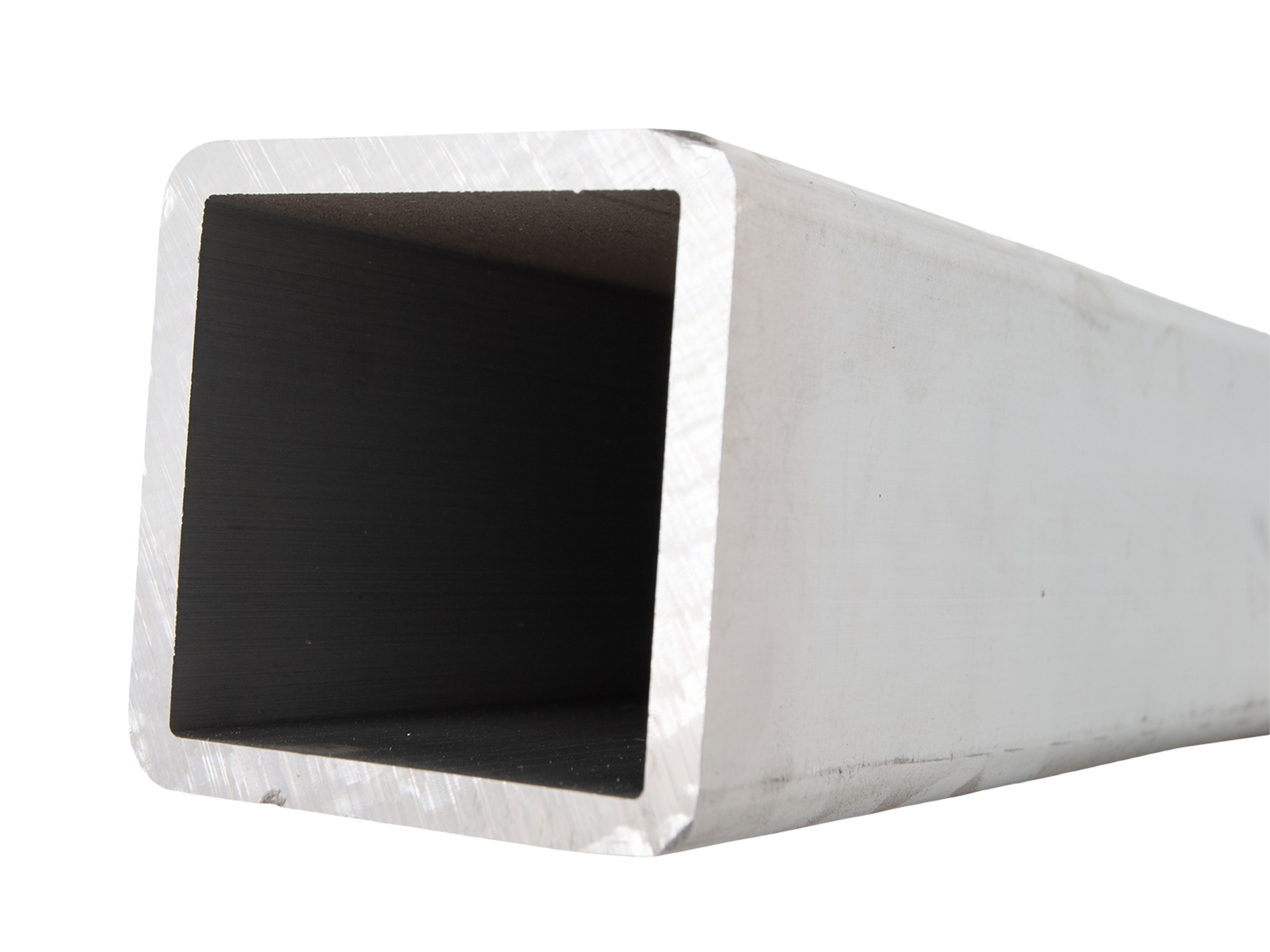
Marine aluminum square tubes
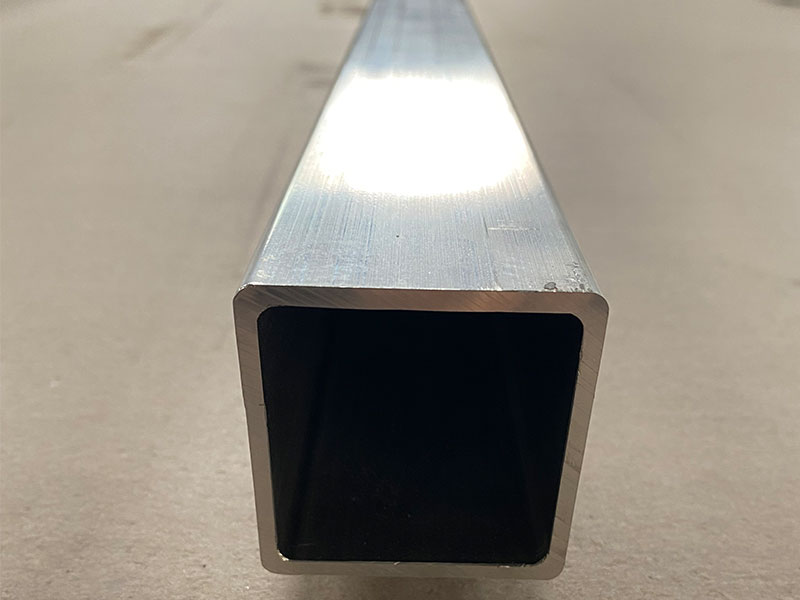
Marine Grade Aluminum Square Tubes are typically constructed from marine-grade alloys such as 5083, 5052, 6061, and 6082—well-known for their ability to withstand the aggressive effects of saltwater and marine atmospheres.
View Details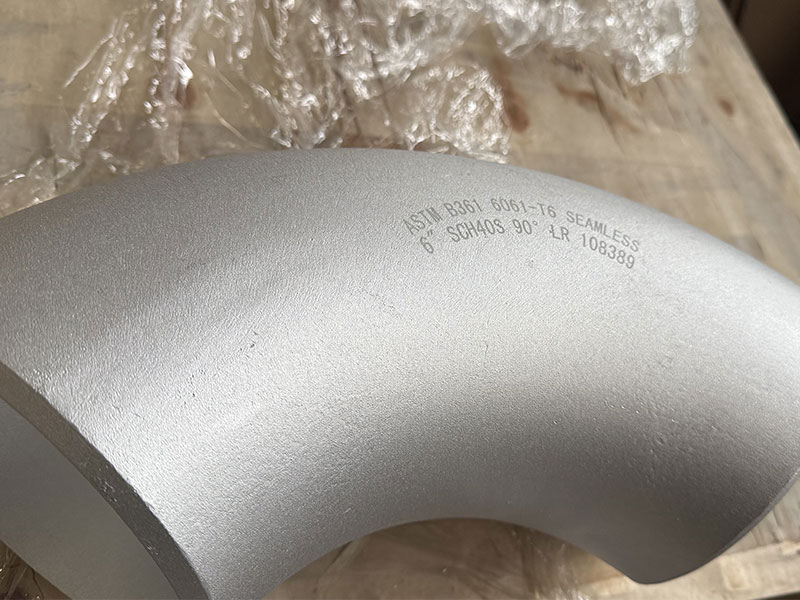
6061-T6 90-Degree Marine Aluminum Pipe Elbow
Manufactured from premium 6061-T6 marine-grade aluminum alloy, this elbow fitting is engineered to provide reliable and efficient pipe direction changes within shipbuilding, offshore platforms, and marine infrastructure systems.
View Details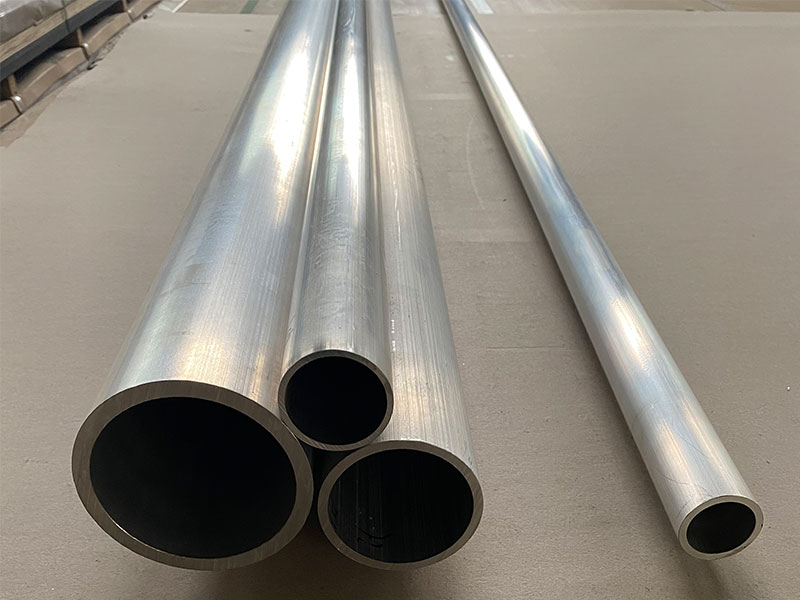
Marine aluminum round tubes
Marine Grade Aluminum Round Tubes are manufactured from premium marine alloys such as 5083, 5052, 6061, and 6082, all selected for their proven resistance to seawater corrosion and marine atmosphere degradation.
View Details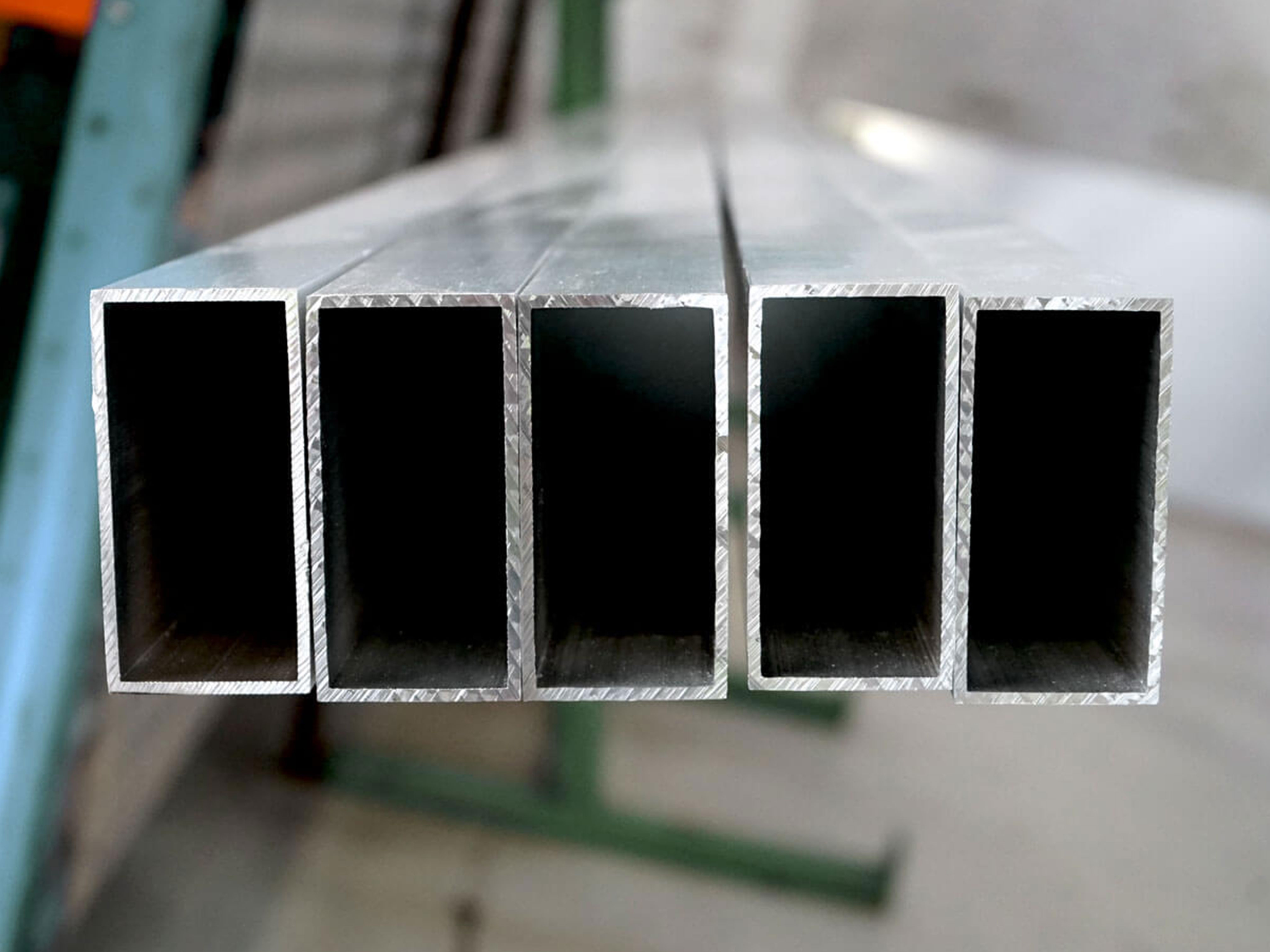
Marine aluminum rectangular tubes
Marine Grade Aluminum Rectangular Tubes are made from high-performance alloys such as 5083, 5052, 6061, and 6082. These alloys are renowned for their ability to resist corrosive seawater and marine atmospheres while providing excellent mechanical strength and toughness.
View Details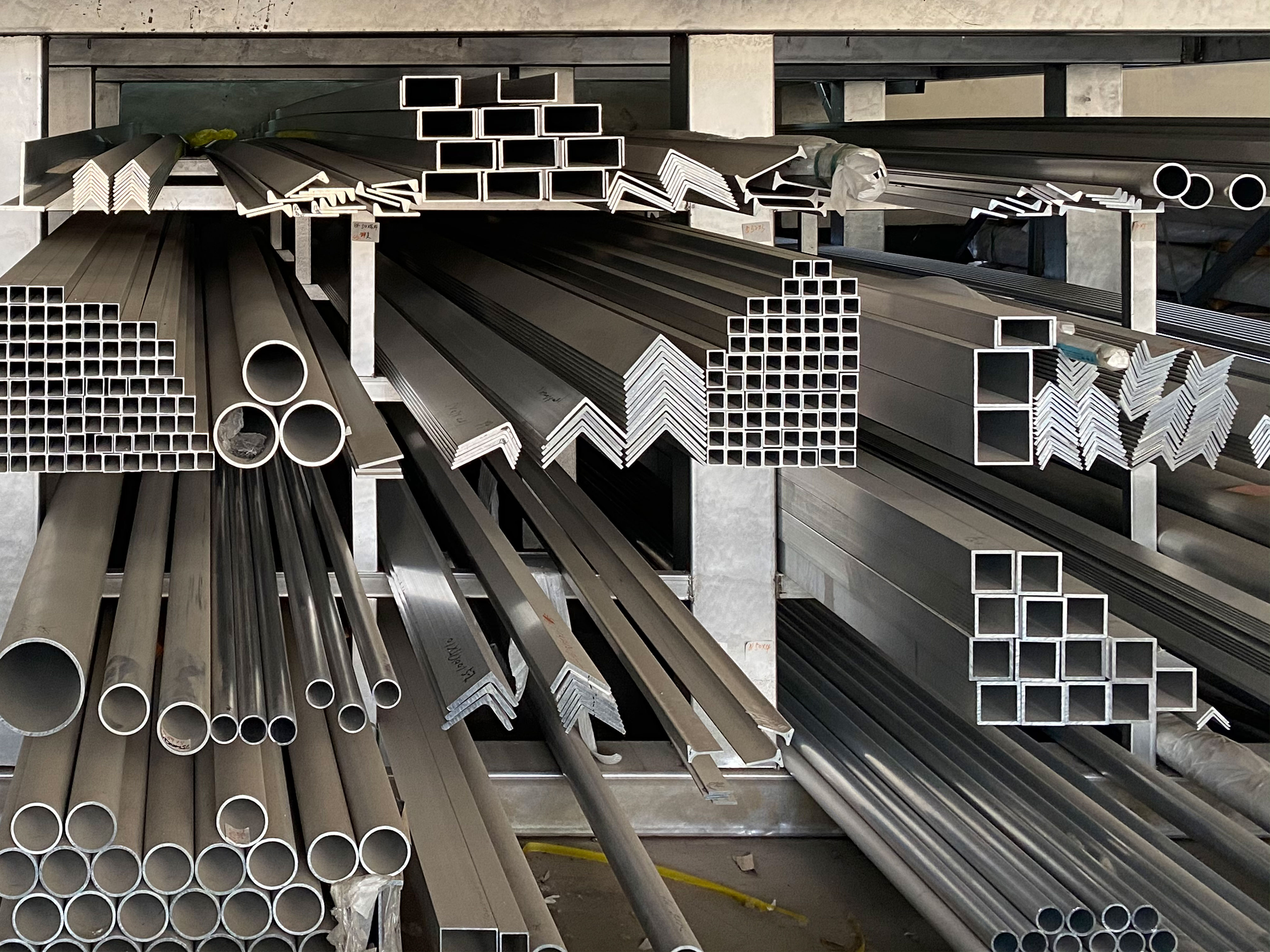
Custom marine aluminum profile tubes
Custom Marine Grade Aluminum Profile Tubes are manufactured from premium marine aluminum alloys such as 5083, 5052, 6061, and 6082.
View DetailsRelated Blog
6082 Marine Aluminum Tubes for Saltwater Tolerant Marine Parts
6082 Marine Aluminum Tubes for Saltwater‑Tolerant Marine PartsA structural engineer’s perspective on choosing the “workhorse” alloy for modern boats and offshore equipmentWhen designers talk about marine alloys for direct saltwater exposure, 6082.
View Details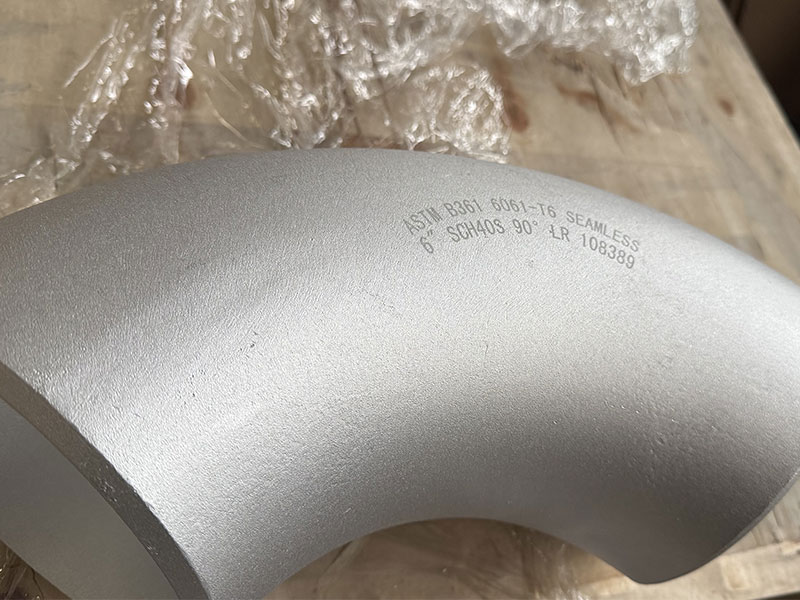
5083 Marine Aluminum Tubes for Saltwater Environment Durability
When it comes to marine applications, durability, corrosion resistance, and mechanical performance are paramount for structural materials. Among the various aluminum alloys available, 5083 aluminum alloy stands out as a premium choice.
View Details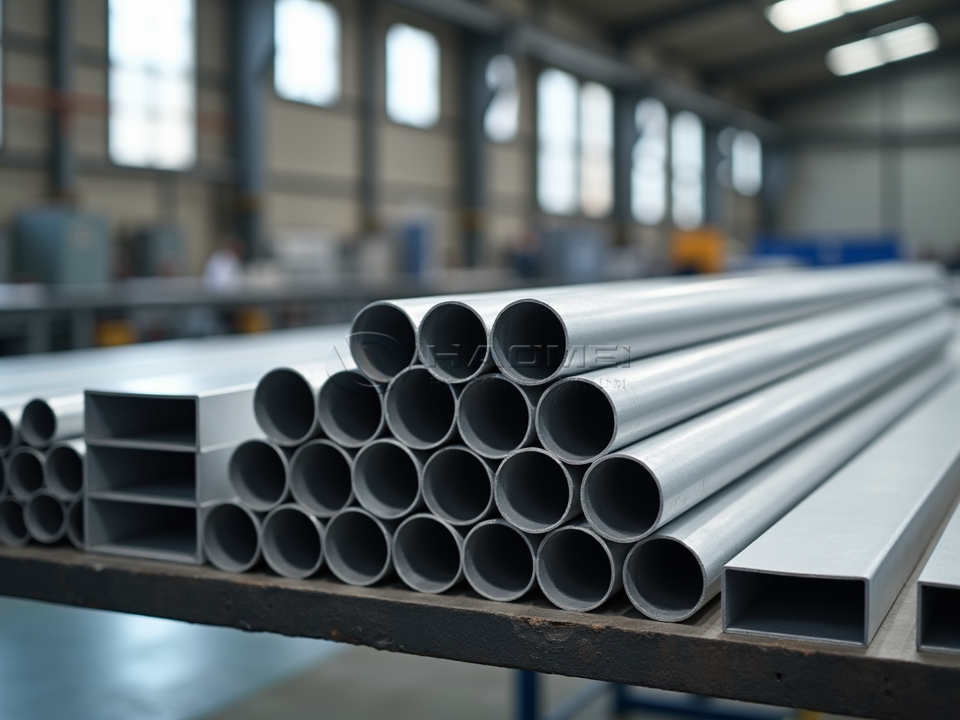
Marine Aluminum Elbow for Fresh Water Filtration and Distribution
Marine aluminum elbows provide lightweight, corrosion-resistant direction changes for reliable fresh water filtration and distribution piping.
View Details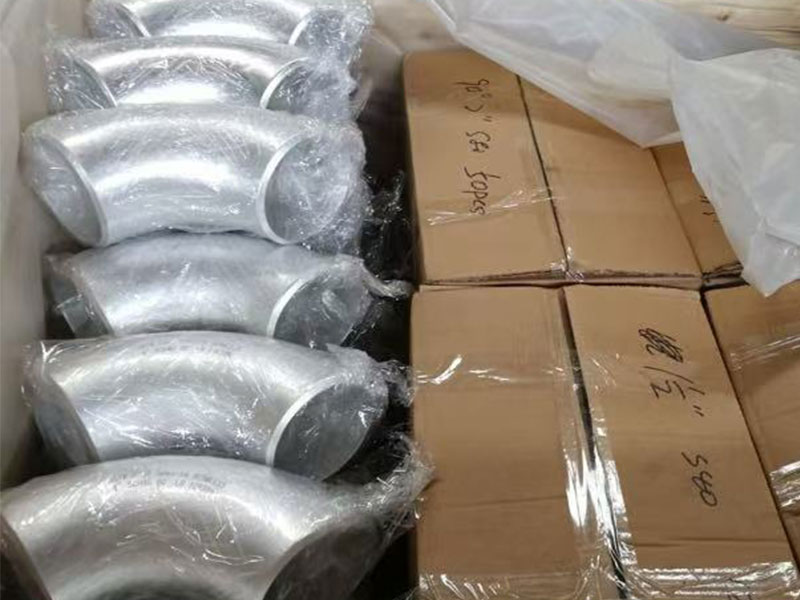
Marine Aluminum Elbow for Saltwater Intake and Pumping Systems
Our Marine Aluminum Elbow designed specifically for saltwater intake and pumping systems—engineered for maximum corrosion resistance, durability, and strength in harsh marine environments.
View Details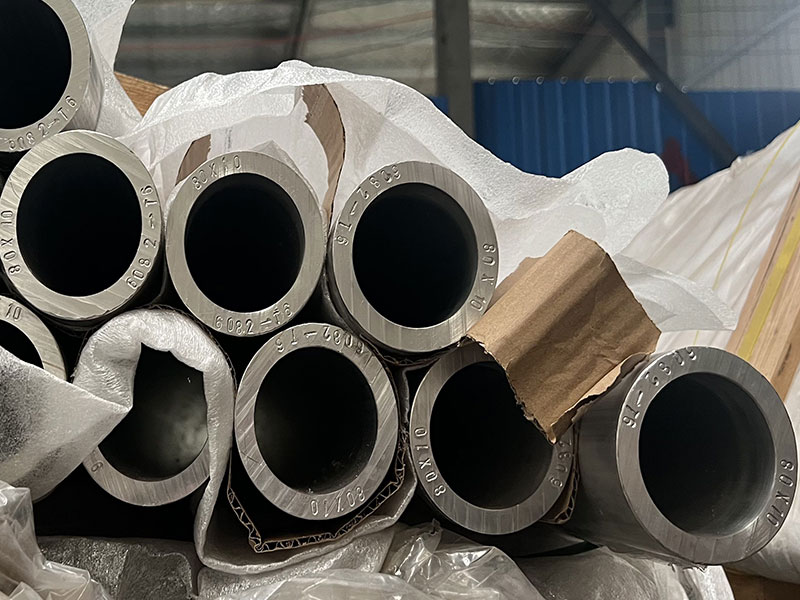
6082 Marine Aluminum Tubes for Marine Vessel Frame Strengthening
6082 marine aluminum tubes are a high-strength, corrosion-resistant solution designed for reinforcing marine vessel frames while keeping structures lightweight and efficient.
View Details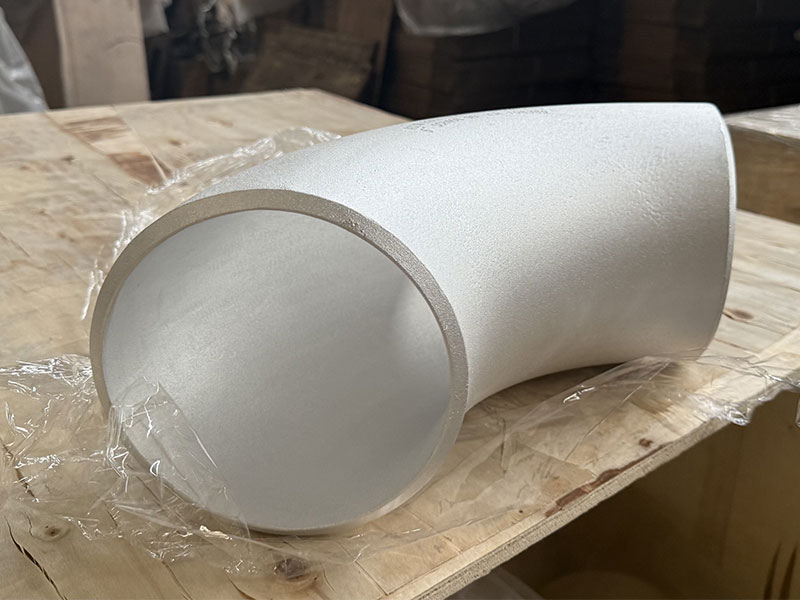
Marine Aluminum Elbow Pipe Fittings for Offshore Oil Rigs
Marine Aluminum Elbow Pipe Fittings for Offshore Oil Rigs: Functions, Applications, and Technical Deep DiveIn the maritime industry, especially concerning offshore oil rigs, the importance of marine-grade materials cannot be overstressed.
View Details
Leave a Message