
Marine Aluminum I Beams for Lightweight Ship and Boat Frame Construction
Marine aluminum I beams are structural extrusions designed to carry bending loads efficiently while minimizing the weight of ships, workboats, fishing vessels, yachts, pontoons, and offshore support structures. Their familiar I-shaped cross-section places material in the upper and lower flanges, where bending stress is highest, while the central web maintains shear strength with less metal than a solid bar.
For builders seeking stronger framing without excessive displacement, aluminum I beams offer an effective balance of stiffness, corrosion performance, weldability, and fabrication efficiency. They are commonly supplied in 6061-T6 and 6082-T6 alloys, with dimensions selected according to span, design load, connection method, and class requirements.
Why I-Beam Profiles Fit Marine Structures
An I beam provides a high moment of inertia relative to its mass. This means it can resist deflection under deck loads, cabin loads, machinery supports, and hull-frame forces without adding unnecessary weight high in the vessel. Reducing structural weight can improve payload capacity, fuel economy, draft, acceleration, and vessel handling.
Marine aluminum I beams also simplify modular fabrication. Long, straight extrusions can be cut to length, machined, welded, bolted, or integrated with aluminum plates, channels, angles, and tubular framing. Compared with fabricated steel members, aluminum sections reduce lifting demands during construction and do not require heavy anti-corrosion paint systems to protect the base metal.
| Performance Benefit | Practical Value for Boatbuilders |
|---|---|
| Low density | Aluminum weighs approximately one-third of carbon steel, reducing structural mass and vessel displacement. |
| Efficient section geometry | Wide flanges resist bending while the web carries shear loads economically. |
| Natural oxide protection | Aluminum develops a protective oxide layer suitable for marine exposure when alloy selection and detailing are correct. |
| High strength in T6 temper | 6061-T6 and 6082-T6 provide dependable strength for beams, deck girders, and frame members. |
| Good fabrication flexibility | Extrusions can be saw-cut, drilled, CNC-machined, welded, or bolted into marine assemblies. |
| Low maintenance potential | Mill finish, anodizing, or suitable coating systems can be selected according to appearance and exposure conditions. |
Common Uses in Ships and Boats
Marine aluminum I beams serve as primary or secondary supporting members where a light but stiff longitudinal or transverse member is needed. Their final size should be established by a qualified naval architect or structural designer based on vessel geometry, load cases, local reinforcement, and applicable rules.
| Application Area | Typical Beam Function |
|---|---|
| Deck framing | Supports deck plate, walkways, hatches, consoles, and passenger loading. |
| Cabin and hardtop structures | Forms lightweight roof rails, window-frame supports, and canopy beams. |
| Hull longitudinals | Reinforces hull panels and distributes loads along the vessel length. |
| Transverse frames | Supports hull shape and improves rigidity across the beam of the boat. |
| Engine-room structures | Supports equipment foundations, service platforms, and access floors when properly isolated. |
| Pontoon and landing craft frames | Stiffens deck platforms and connects structural modules. |
| Gangways and boarding systems | Provides rigid, corrosion-resistant support for marine access structures. |
For complete framing packages, Marine aluminum I-beams can be matched with compatible extruded sections and plate materials to create efficient welded assemblies.
Alloy and Temper Options
6061-T6 is a widely used extrusion alloy because it combines good strength, machining behavior, weldability, and broad availability. 6082-T6 may be selected where higher strength is needed, particularly in larger structural members. 6063-T5 or 6063-T6 is generally used for lighter architectural or trim-oriented profiles where surface quality and extrusion complexity matter more than maximum structural strength.
Welding changes the local temper adjacent to the weld. In 6061-T6 and 6082-T6, the heat-affected zone has lower strength than the original T6 material. Structural design must therefore use appropriate welded-property values rather than base-metal tensile values alone.
| Alloy and Temper | Typical Use | Yield Strength, MPa | Tensile Strength, MPa | Fabrication Notes |
|---|---|---|---|---|
| 6061-T6 | General boat frames, deck beams, supports | 240-276 | 260-310 | Strong, machinable, readily available as extrusions. |
| 6082-T6 | Higher-duty frames and larger vessels | 250-310 | 290-340 | Higher-strength option with good marine structural suitability. |
| 6063-T5 | Light cabin, trim, and low-load framing | 110-160 | 150-205 | Excellent extrudability and surface finish. |
| 6063-T6 | Architectural marine structures | 160-215 | 205-245 | Better strength than T5, still suited to complex profiles. |
Mechanical properties are typical guide values and vary with section thickness, production route, certification standard, and test direction.
Chemical Composition of Popular Extrusion Alloys
The controlled addition of magnesium and silicon creates the magnesium-silicide strengthening phase in 6xxx-series aluminum. Iron, copper, manganese, chromium, and zinc are limited to maintain suitable extrusion, corrosion, welding, and mechanical characteristics.
| Alloy | Si % | Fe % | Cu % | Mn % | Mg % | Cr % | Zn % | Ti % | Al % |
|---|---|---|---|---|---|---|---|---|---|
| 6061 | 0.40-0.80 | 0.00-0.70 | 0.15-0.40 | 0.00-0.15 | 0.80-1.20 | 0.04-0.35 | 0.00-0.25 | 0.00-0.15 | Balance |
| 6082 | 0.70-1.30 | 0.00-0.50 | 0.00-0.10 | 0.40-1.00 | 0.60-1.20 | 0.00-0.25 | 0.00-0.20 | 0.00-0.10 | Balance |
| 6063 | 0.20-0.60 | 0.00-0.35 | 0.00-0.10 | 0.00-0.10 | 0.45-0.90 | 0.00-0.10 | 0.00-0.10 | 0.00-0.10 | Balance |
Typical Dimensions and Supply Parameters
I-beam dimensions can be selected from standard extrusion tooling or produced as custom profiles for specialized vessel structures. A designer should evaluate flange width, web thickness, beam depth, unsupported span, local buckling resistance, and attachment details together rather than choosing a section by weight alone.
| Parameter | Typical Supply Range | Notes |
|---|---|---|
| Beam depth | 50-300 mm | Larger custom sections may be available subject to extrusion capability. |
| Flange width | 30-150 mm | Chosen to provide bending capacity and connection area. |
| Web thickness | 3-15 mm | Depends on shear demand, depth, and extrusion design. |
| Flange thickness | 4-20 mm | Increased where concentrated loads or bolted joints occur. |
| Standard length | 3-6 m | Longer lengths can be supplied by agreement and transport limits. |
| Cutting tolerance | Typically ±1.0 to ±3.0 mm | Depends on profile size and cut-length requirement. |
| Surface condition | Mill finish, brushed, anodized, coated | Finish selection should match exposure and appearance needs. |
| Typical density | 2.70 g/cm³ | Useful for vessel weight calculations. |
| Elastic modulus | Approximately 69 GPa | Lower than steel, making section depth important for stiffness control. |
Corrosion Protection and Installation Practice
Although aluminum performs well in marine environments, service life depends on correct material pairing and drainage design. Avoid trapped seawater, crevices, unsealed lap joints, and direct contact with unprotected carbon steel, copper alloys, or dissimilar metals that can accelerate galvanic corrosion.
Use isolating pads, compatible sealants, non-conductive washers, and correctly specified fasteners where dissimilar materials meet. Drain holes should be incorporated into enclosed structures, while cut ends and machined areas should be cleaned before coating or sealing. For exposed cosmetic sections, anodizing or a marine-grade coating system can provide added protection and a consistent finish.
Welded assemblies should use qualified procedures and compatible filler metal, commonly 5356 or 4043 depending on alloy, design requirements, and service environment. Distortion control, proper joint preparation, and post-weld cleaning support both structural quality and corrosion resistance.
Material Selection for Reliable Lightweight Frames
Marine aluminum I beams provide a practical structural solution where low weight, efficient bending performance, and durable marine service are required. 6061-T6 is an excellent general-purpose choice for many boat frames, while 6082-T6 supports higher-load applications. Selecting the right profile, temper, finish, and joining method helps builders create rigid, efficient frames ready for demanding saltwater operation.

Related Products
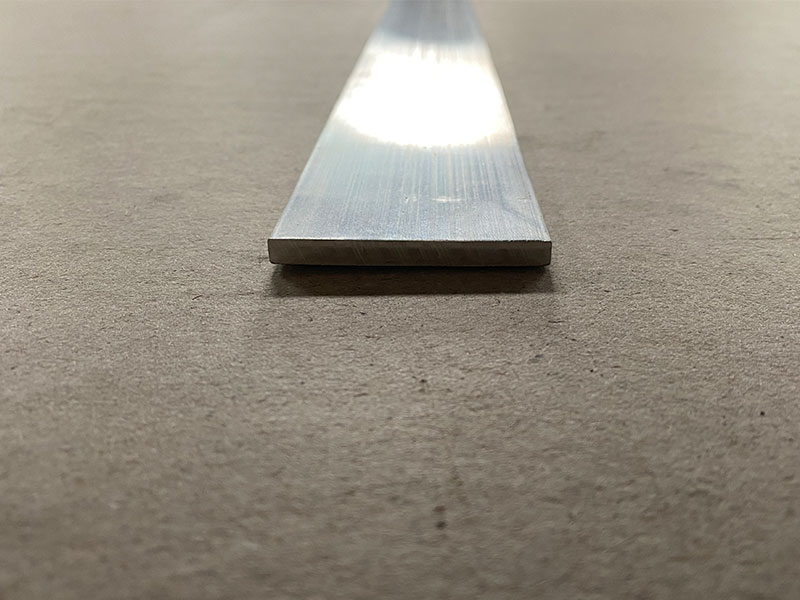
5083 marine aluminum flat bar
5083 aluminum flat bars belong to the 5xxx series of aluminum-magnesium alloys, known primarily for their superior resistance to seawater corrosion and salt spray.
View Details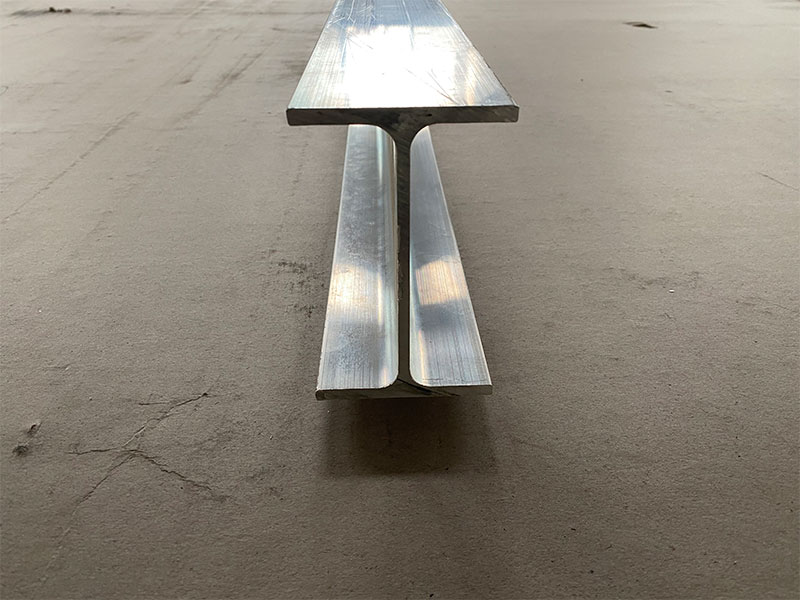
Marine aluminum Z-shaped sections
Marine Aluminum Z-shaped Sections are fabricated from premium marine-grade aluminum alloys such as 5083, 5052, and 6061. These alloys are well-regarded for their superior corrosion resistance in seawater and marine atmospheres, along with good mechanical strength and excellent weldability.
View Details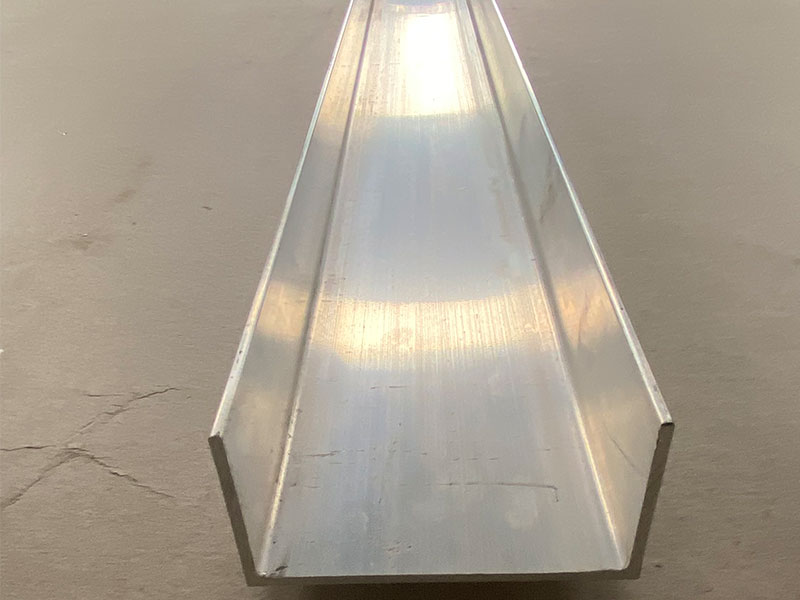
Marine aluminum channels
Marine Aluminum Channels are U-shaped aluminum profiles produced from alloys such as 5083, 5052, and 6061, known for their excellent marine corrosion resistance and superior mechanical strength.
View Details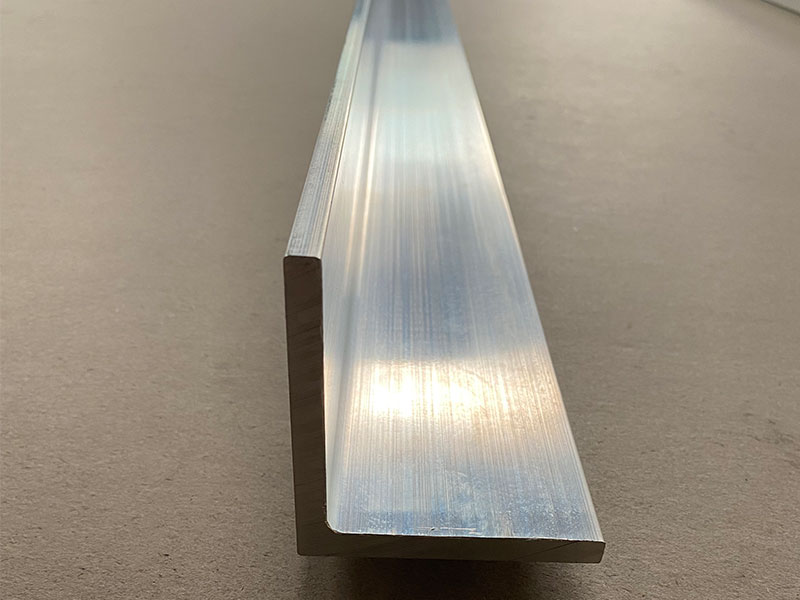
Marine aluminum angles
Marine Aluminum Angles are L-shaped cross-sectional aluminum profiles produced from marine-grade aluminum alloys such as 5083, 5052, and 6061.
View Details
Marine aluminum I-beams
Marine Aluminum I-Beams feature the traditional “I” cross-sectional profile fabricated from marine-grade aluminum alloys like 5083, 5086, and 6061. These alloys are renowned for their outstanding corrosion resistance, especially in saltwater and marine atmospheres, making them ideal for offshore and naval construction.
View Details
6061 T6 marine aluminum flat bar
6061 aluminum is classified as a heat-treatable 6xxx series alloy, alloyed primarily with magnesium and silicon. The T6 temper designation indicates that the flat bar has been solution heat-treated and artificially aged to achieve optimum strength and hardness.
View DetailsRelated Blog
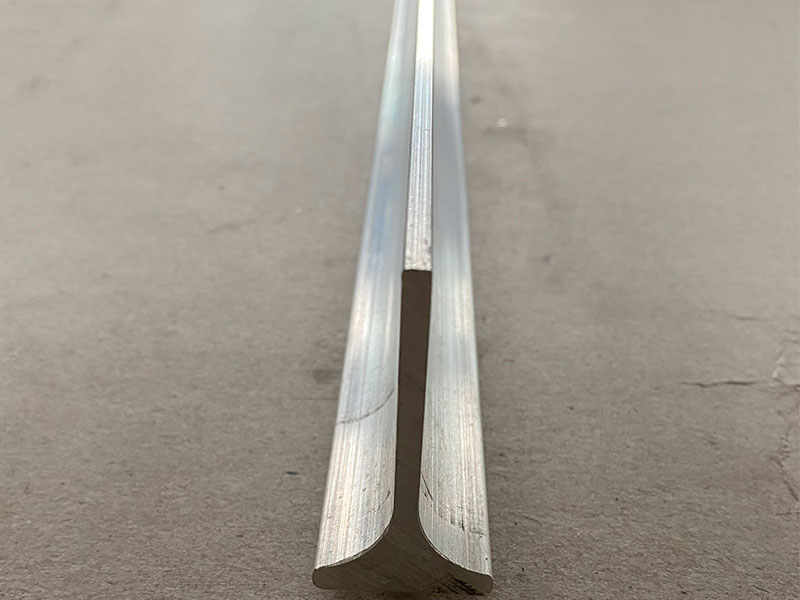
5083 Marine Aluminum Channels for Coastal Marine Engineering Projects
In the realm of coastal marine engineering, material selection is crucial for ensuring the durability, performance, and safety of structures exposed to harsh sea environments.
View Details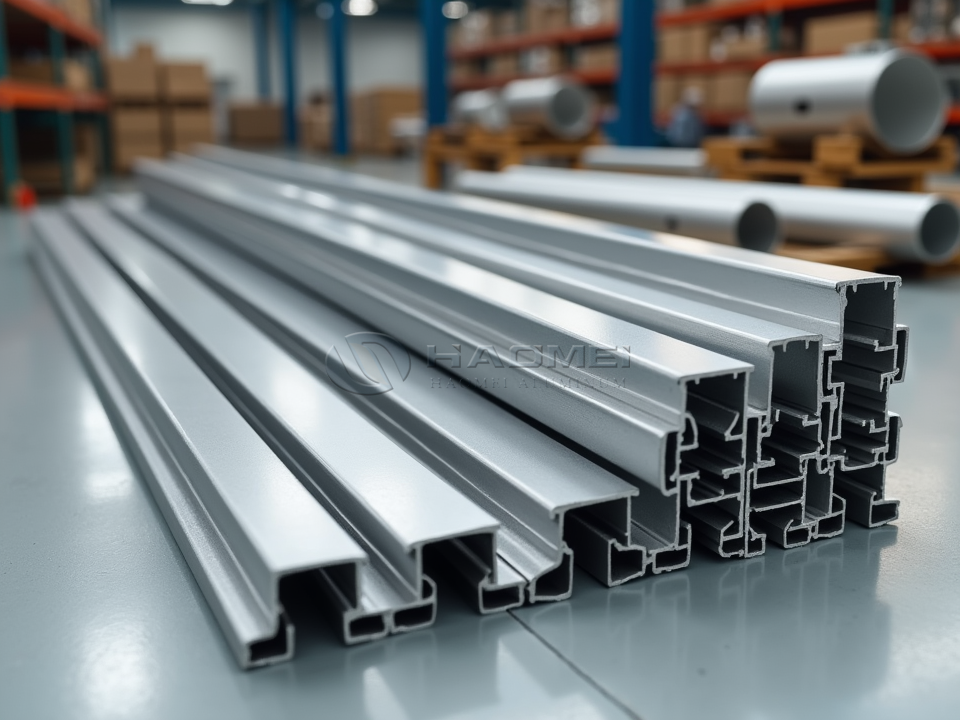
Marine Aluminum Angles
Marine aluminum angles seen as compact load paths for boats, with advice on alloys, sizing, finishes, fastening, and buying for long service life at sea.
View Details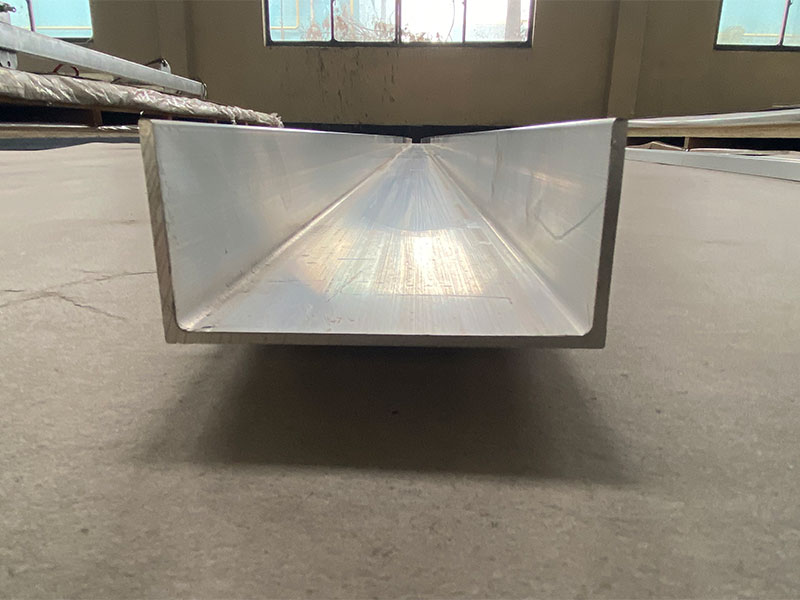
5052 Marine Aluminum Z Shaped Sections for Lightweight Offshore Marine Construction
5052 Marine Aluminum Z Shaped Sections: A Structural Shortcut To Lightweight Offshore StrengthWhen naval architects and offshore engineers discuss weight savings, they usually start with plates, beams, and stiffeners.
View Details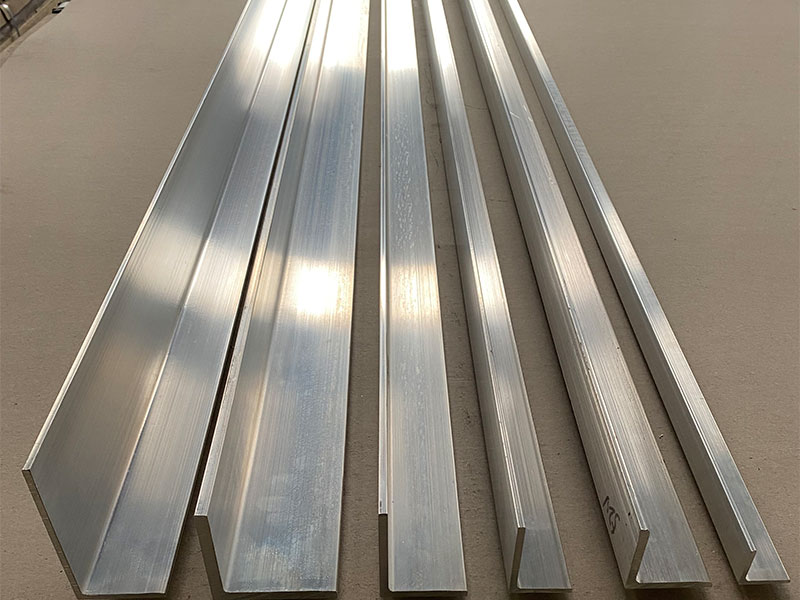
6061 Marine Aluminum I Beams for High Performance Marine Engineering
The 6061 marine aluminum I beams are a premier choice for engineers and designers in the marine industry. Renowned for their strength, corrosion resistance, and versatility, these aluminum I beams are ideal for various applications.
View Details
5083 Marine Aluminum Angles for Custom Offshore Vessel Reinforcement
Aluminum alloy 5083 marine aluminum angles are a premium-grade aluminum product specifically engineered for demanding marine and offshore environments. Renowned for excellent corrosion resistance, superior strength, and excellent weldability.
View Details
5052 Marine Aluminum Angles for Seawater Resistant Offshore Equipment
5052 marine aluminum angles are purpose-built structural shapes for offshore and nearshore environments where salt spray, seawater splash zones, and humid, corrosive atmospheres quickly degrade ordinary metals.
View Details
Leave a Message