
Marine Aluminum Elbow for Offshore Water Desalination Installations
In an offshore desalination plant, an elbow may occupy only a small part of the piping layout, yet it often sits where the system experiences its greatest practical demands: a tight skid corner, a pump discharge turn, a restricted maintenance corridor, or the connection between a moving structure and fixed equipment. A well-selected marine aluminum elbow does more than change flow direction. It can reduce structural weight, simplify installation offshore, and help create pipe runs that crews can inspect and repair without dismantling half the plant.
The most useful way to evaluate a marine aluminum elbow for offshore water desalination installations is not as a standard fitting, but as a control point between water chemistry, hydraulic forces, fabrication quality, and long-term access.
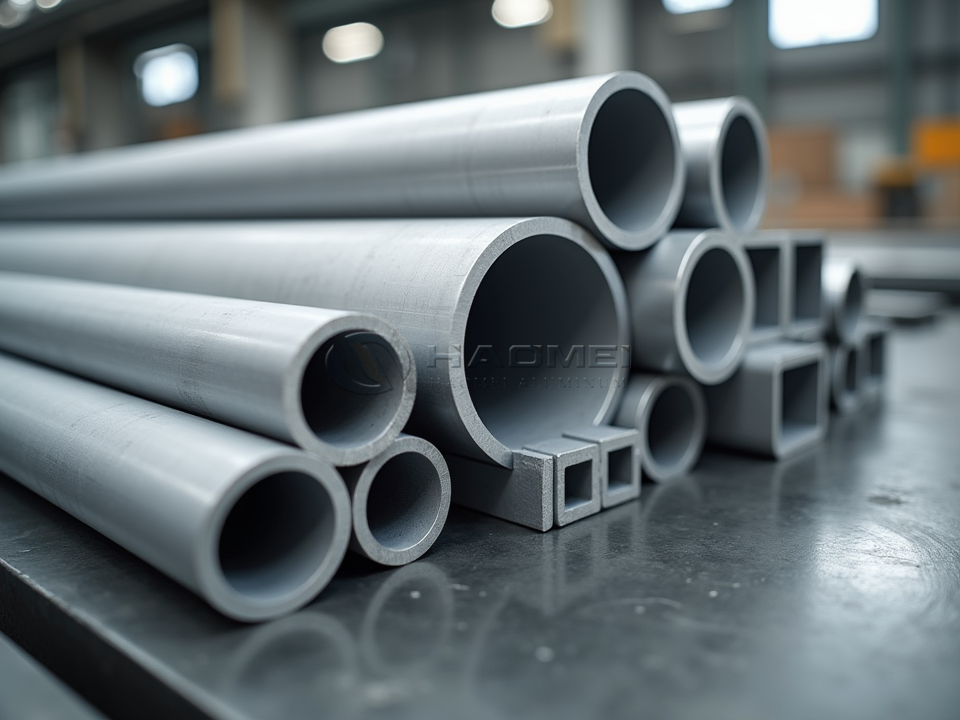
Weight Reduction Has a Direct Operational Value
Desalination skids installed on vessels, floating platforms, offshore accommodation units, and remote island-support barges must earn every kilogram they carry. Heavy piping increases deck loading, requires stronger supports, and complicates lifting during installation or replacement. Aluminum elbows and connecting tube systems can substantially reduce this burden compared with many steel alternatives.
The benefit is especially noticeable in secondary pipework around the desalination package. Product-water distribution, low-pressure utility water, air lines, drain systems, instrument support runs, and equipment-frame connections can often benefit from aluminum's low density and workable fabrication characteristics. A lighter elbow also makes field handling more manageable when access is limited to a narrow deck passage or a temporary lifting arrangement.
For projects requiring matched pipe and elbow dimensions, Marine Grade Aluminum Tubing provides a practical starting point for creating consistent, lightweight assemblies. Matching material properties across the run helps designers account for thermal movement, weld behavior, support spacing, and corrosion-control measures more reliably.
Separate Seawater Service From Treated-Water Service
The most important decision is not elbow angle. It is the fluid inside the elbow.
Raw seawater is highly aggressive because it contains chlorides, dissolved oxygen, biological activity, suspended solids, and changing temperatures. In reverse-osmosis plants, the concentrate stream can be even more severe because salts are more concentrated than in incoming seawater. Aluminum should not automatically be selected for direct wetted service in raw seawater, brine, or high-chloride process streams. Pitting, crevice corrosion, erosion-corrosion, and galvanic attack can shorten service life if the material and protection system are not specifically engineered for those conditions.
Marine aluminum elbows are generally more appropriate for low-chloride or controlled services, including permeate water after treatment, freshwater utility circuits, compressed-air piping, protected drain runs, non-process structural connections, and external pipe supports. They may also be used in specialized seawater-adjacent systems when a qualified corrosion engineer has confirmed alloy suitability, joint design, coating performance, electrical isolation, operating temperature, and inspection requirements.
This distinction prevents a common purchasing mistake: choosing a marine-grade alloy simply because the installation is offshore. "Marine grade" does not mean every aluminum alloy or fitting is suitable for continuous contact with every seawater stream.
The Elbow Is Where Flow Changes Its Behavior
Straight pipe is predictable. An elbow introduces directional change, pressure loss, turbulence, and local wall loading. In desalination systems, these effects matter because pumps, membranes, valves, and instruments are sensitive to unstable flow conditions.
A long-radius elbow generally gives water a smoother turn than a short-radius elbow. Where space permits, this can lower turbulence and reduce pressure loss. It is particularly helpful on pump suction and discharge piping, where poor geometry can contribute to vibration, uneven velocity distribution, and unwanted load transfer to connected equipment.
Short-radius elbows remain useful in compact skid layouts, but they need greater attention to support placement and flow velocity. A tight bend immediately after a pump, control valve, flowmeter, or reducer can create a difficult hydraulic zone. The fitting itself may be sound, while the surrounding layout causes noise, fluctuating readings, or persistent vibration.
For formed or fabricated 90-degree connections, a 6061-T6 90-Degree Marine Aluminum Pipe Elbow can be a practical option for compatible low-pressure and non-seawater duties. The final selection should still consider wall thickness, temper, joining method, design pressure, and whether the heat-affected zone from welding will alter local mechanical performance.
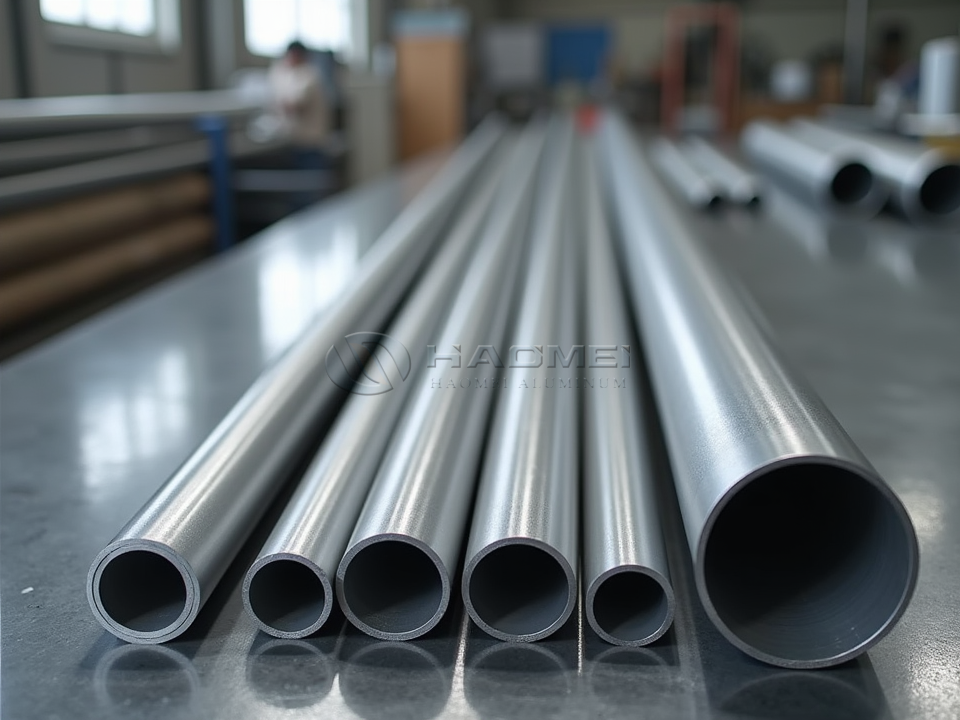
Alloy Choice Must Follow the Fabrication Route
Aluminum elbows may be bent, welded from segments, machined, or produced from extruded and formed material. Each route has consequences offshore.
The 5xxx series, such as 5083 and 5086, is widely respected for weldability and marine exposure resistance. These alloys are often considered when fabrication and corrosion performance are major priorities. The 6xxx series, including 6061 and 6082, offers useful strength and availability for structural and general piping-related components. However, a welded 6xxx fitting can lose strength in the heat-affected region unless the design accounts for this condition.
An elbow should be purchased with clear documentation covering alloy, temper, outside diameter, wall thickness, bend radius, dimensional tolerance, weld procedure where applicable, and inspection records. Offshore teams should not be forced to identify an unmarked fitting after it reaches the platform. Traceability is a practical maintenance tool, not paperwork for its own sake.
Corrosion Control Is Built Into the Connection Details
Many aluminum fitting failures begin at interfaces rather than in the elbow body. Stainless steel fasteners, carbon-steel clamps, copper-bearing components, wet insulation, and trapped salt deposits can all create conditions for galvanic or crevice corrosion.
Use electrically isolating washers, sleeves, gaskets, and compatible clamp liners where aluminum contacts dissimilar metals. Avoid water traps at the lower side of elbows and at support shoes. Design insulation so that moisture cannot remain hidden against the metal. If a protective coating is specified, ensure surface preparation and repair procedures are realistic for offshore maintenance crews.
The exterior of an offshore elbow also deserves attention. Salt spray can attack exposed surfaces even when the internal fluid is treated water. A clean drainage path, accessible coating edges, and non-absorbent insulation details often matter more than an overly complicated coating specification that cannot be repaired in service.
Installation Access Is Part of Reliability
Offshore desalination equipment must be maintained in weather, motion, limited space, and restricted shutdown windows. A piping elbow should therefore be positioned to support removal of nearby strainers, valves, flexible connectors, and instruments. A fitting that saves a few centimeters during design can create hours of extra work during a repair.
Provide adequate clearance for clamp removal, inspection, and corrosion checks. Place supports close enough to control vibration, but do not clamp directly over welds or create sharp pressure points on the aluminum surface. Where thermal expansion is expected, allow the pipe run to move in a controlled direction rather than forcing the elbow to absorb all movement.
A Small Fitting With a Large Responsibility
A marine aluminum elbow performs best when its role is defined clearly. In suitable low-chloride and treated-water duties, it offers lightweight construction, fabrication flexibility, and practical handling for offshore desalination installations. In direct seawater or concentrate service, the decision requires far more caution and material-specific engineering.
The successful specification considers the water stream, bend radius, flow velocity, alloy, wall thickness, joining method, support arrangement, dissimilar-metal isolation, and maintenance access as one connected system. When those details are addressed early, the elbow becomes a dependable part of an installation built to keep producing fresh water far from shore.

Related Products
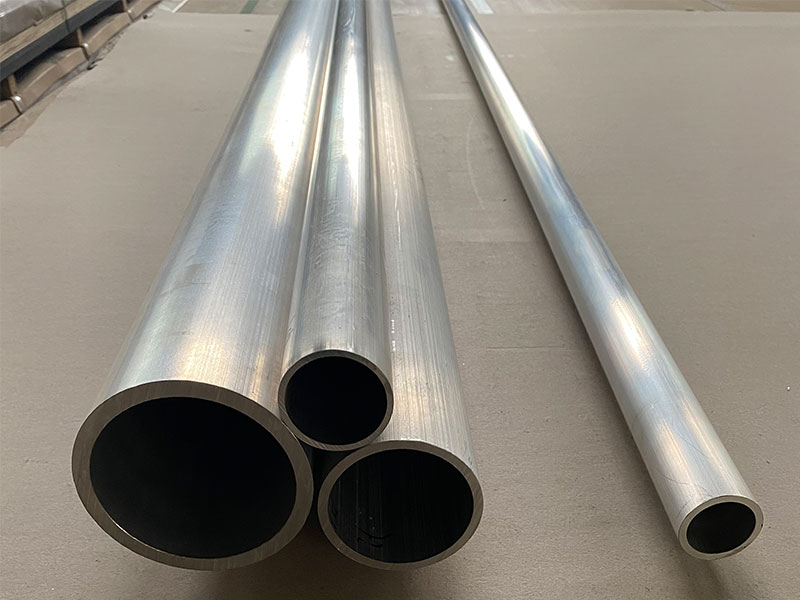
Marine aluminum round tubes
Marine Grade Aluminum Round Tubes are manufactured from premium marine alloys such as 5083, 5052, 6061, and 6082, all selected for their proven resistance to seawater corrosion and marine atmosphere degradation.
View Details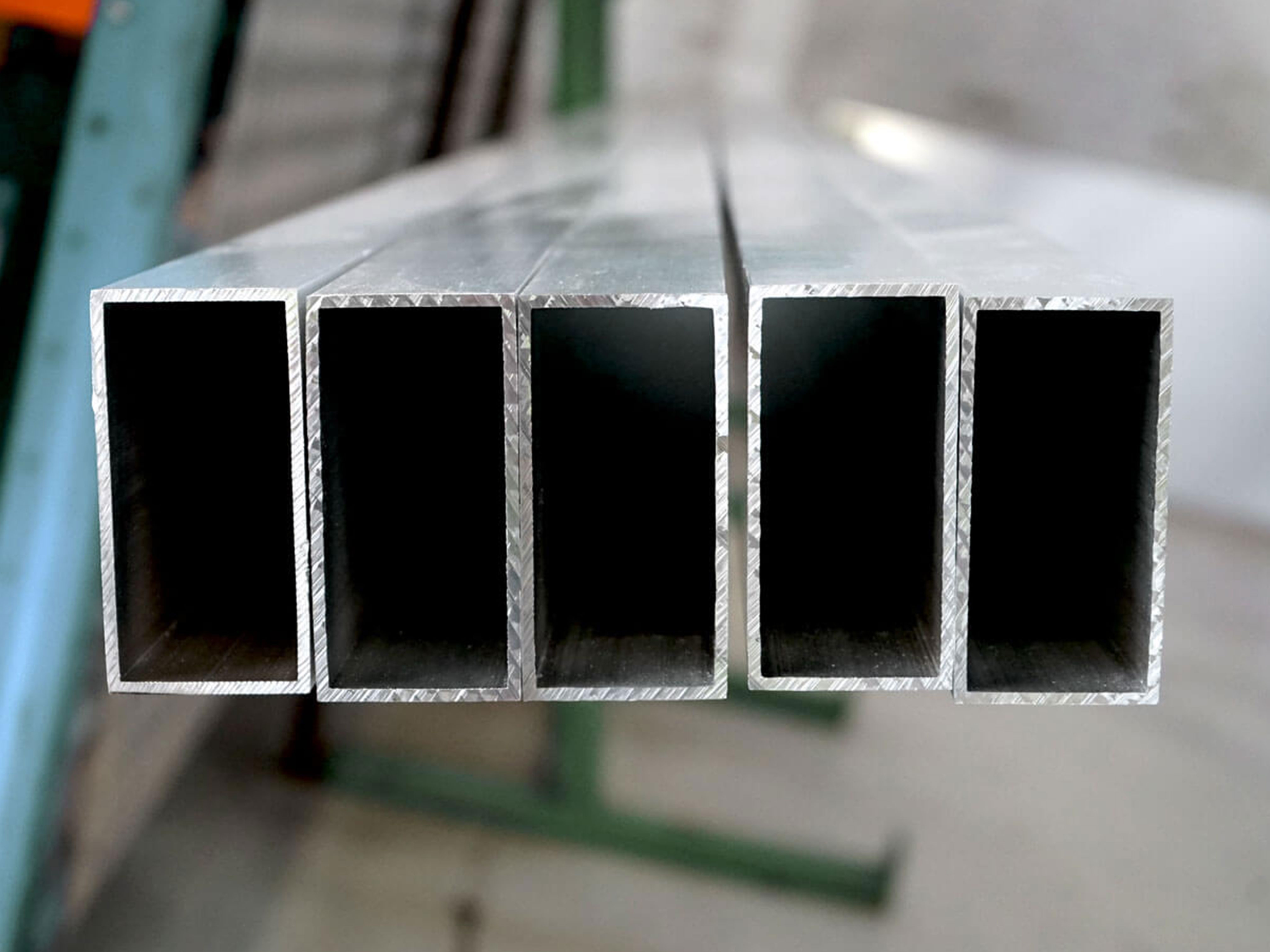
Marine aluminum rectangular tubes
Marine Grade Aluminum Rectangular Tubes are made from high-performance alloys such as 5083, 5052, 6061, and 6082. These alloys are renowned for their ability to resist corrosive seawater and marine atmospheres while providing excellent mechanical strength and toughness.
View Details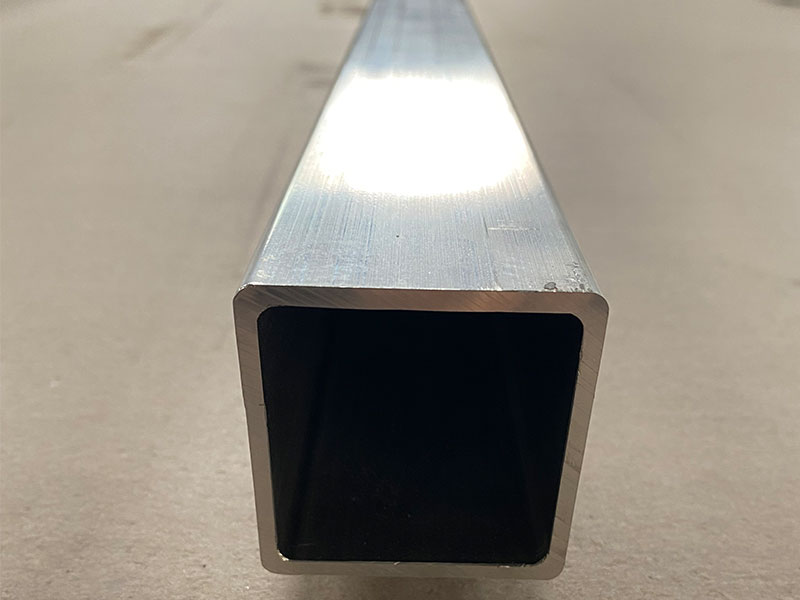
Marine aluminum square tubes
Marine Grade Aluminum Square Tubes are typically constructed from marine-grade alloys such as 5083, 5052, 6061, and 6082—well-known for their ability to withstand the aggressive effects of saltwater and marine atmospheres.
View Details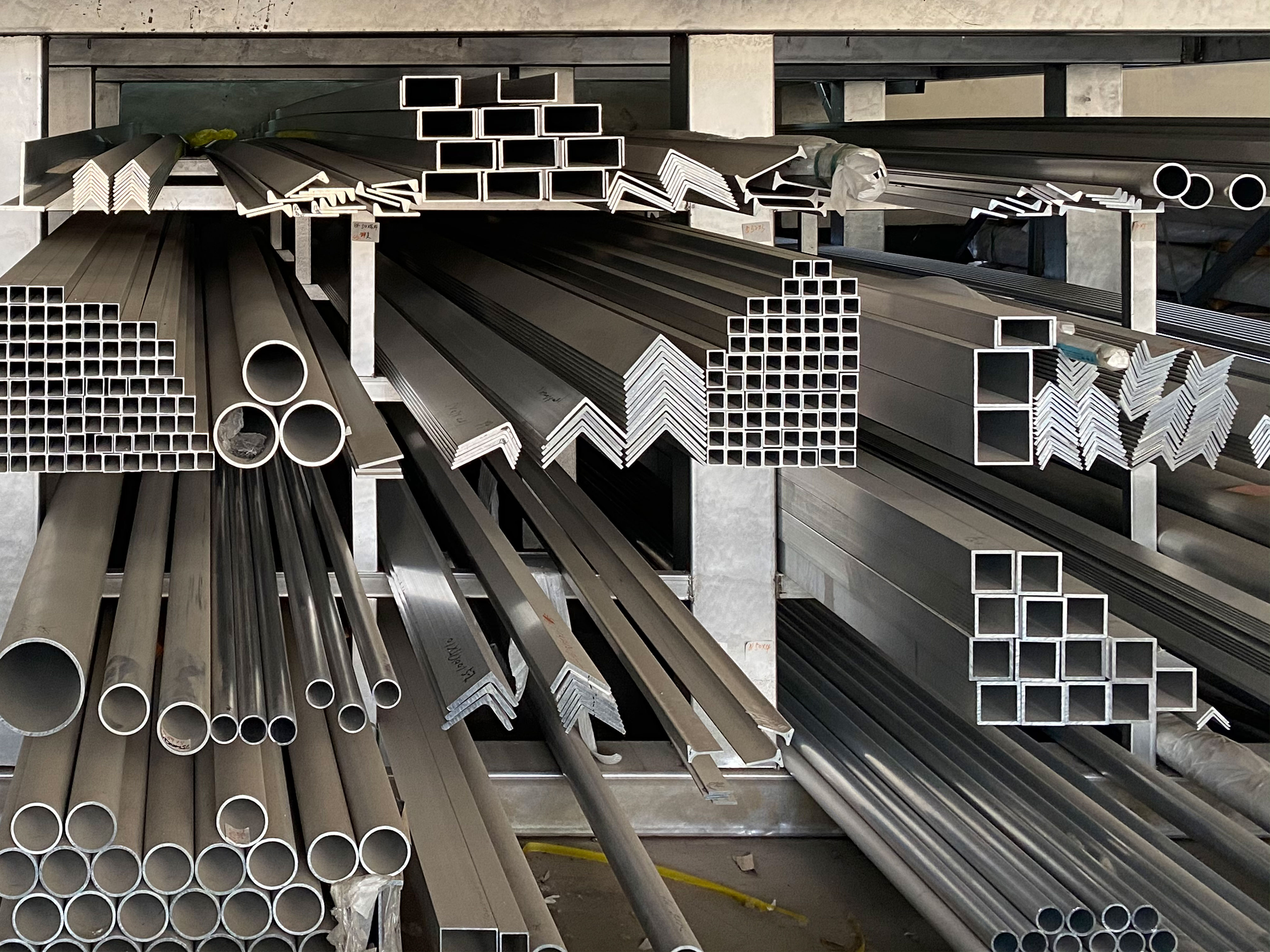
Custom marine aluminum profile tubes
Custom Marine Grade Aluminum Profile Tubes are manufactured from premium marine aluminum alloys such as 5083, 5052, 6061, and 6082.
View Details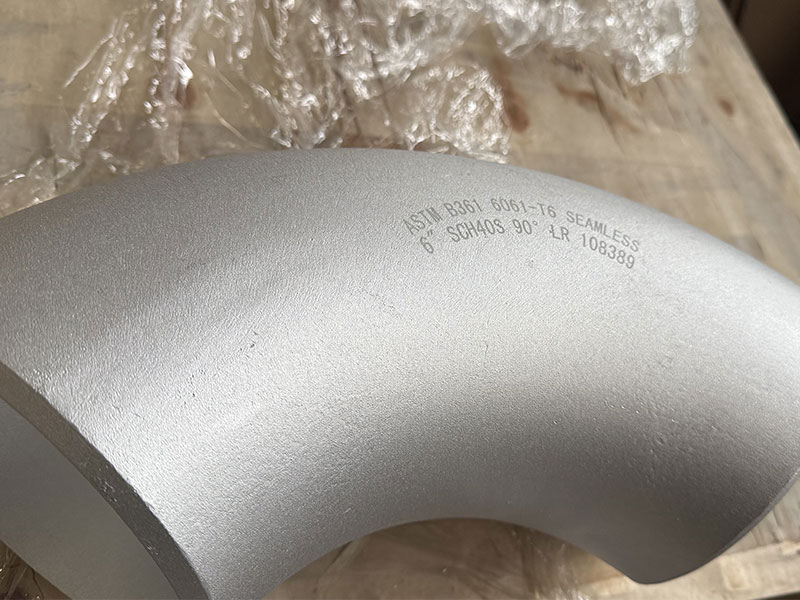
6061-T6 90-Degree Marine Aluminum Pipe Elbow
Manufactured from premium 6061-T6 marine-grade aluminum alloy, this elbow fitting is engineered to provide reliable and efficient pipe direction changes within shipbuilding, offshore platforms, and marine infrastructure systems.
View DetailsRelated Blog
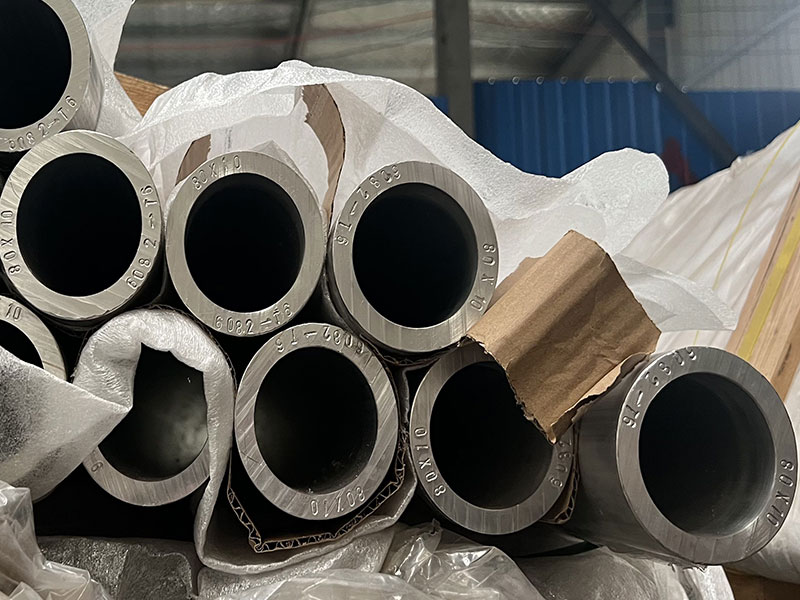
6082 Marine Aluminum Round Tubes for Offshore Construction
In the demanding arena of offshore construction, selecting materials that combine strength, corrosion resistance, and manufacturability is crucial for ensuring durability and safety.
View Details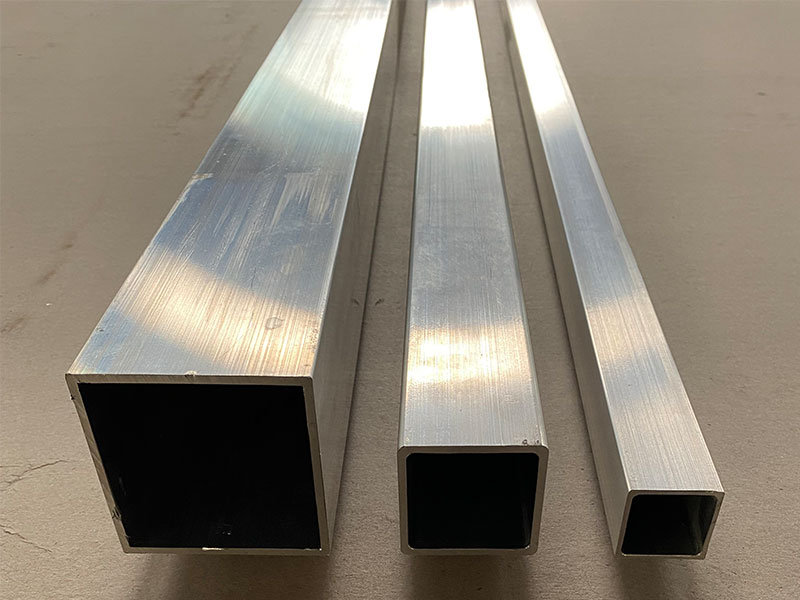
5052 Marine Aluminum Tubes for Heavy Duty Marine Applications
When durability, corrosion resistance, and strength are paramount in marine environments, 5052 aluminum alloy tubes is know as the premium choice. Specifically engineered to meet the demanding specifications of heavy-duty marine applications.
View Details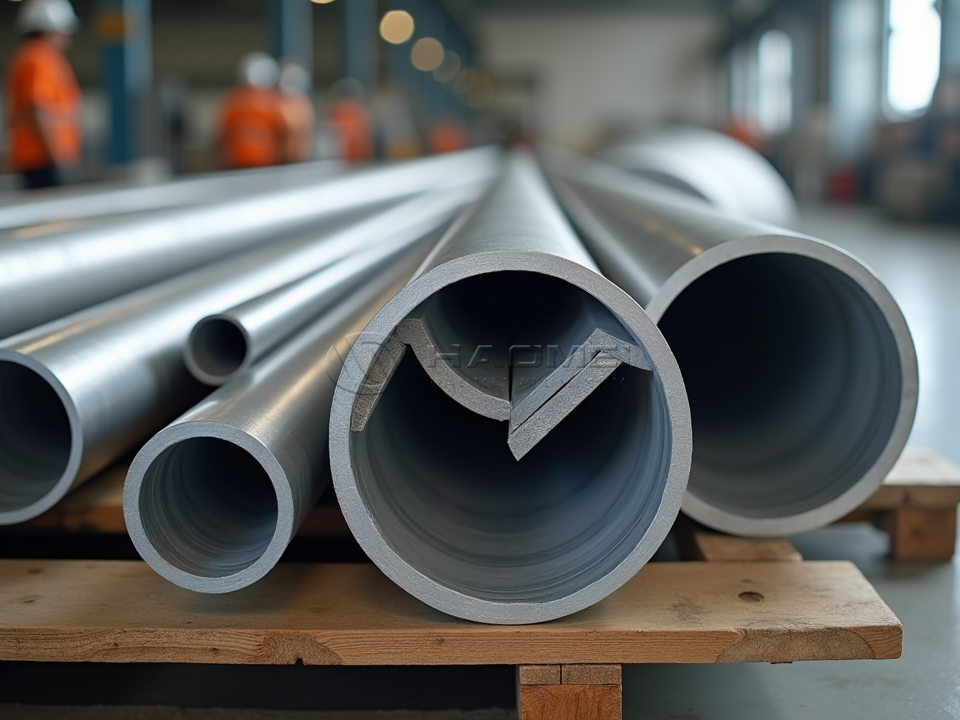
Aluminum Elbow for High Pressure Piping in Offshore Oil Rigs
Guidance on aluminum elbows for high-pressure offshore piping, covering alloys, tempers, standards, corrosion control, fabrication, and design limits.
View Details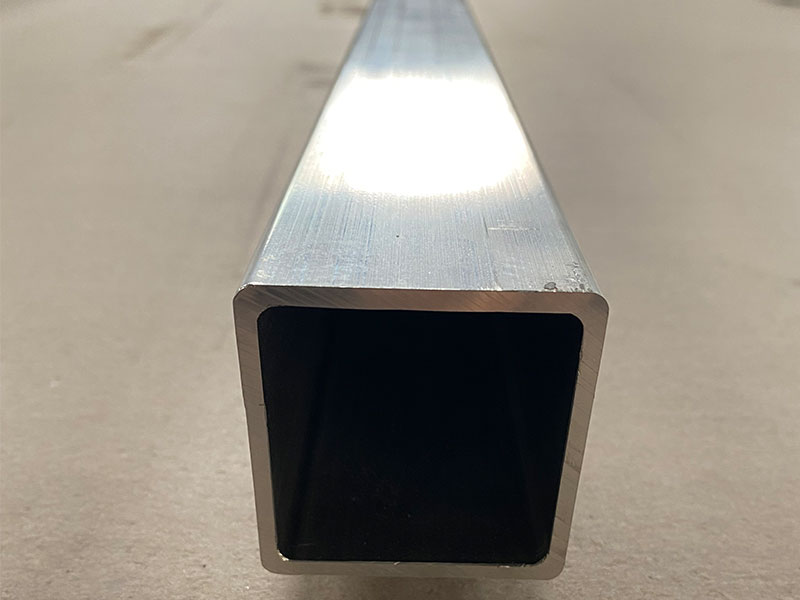
6082 Marine Aluminum Tubes for Boat Hull Fabrication and Support
6082 marine aluminum tubes are a go-to structural choice for boat hull fabrication and internal support frameworks where builders need high strength, dependable corrosion resistance, and clean weldability.
View Details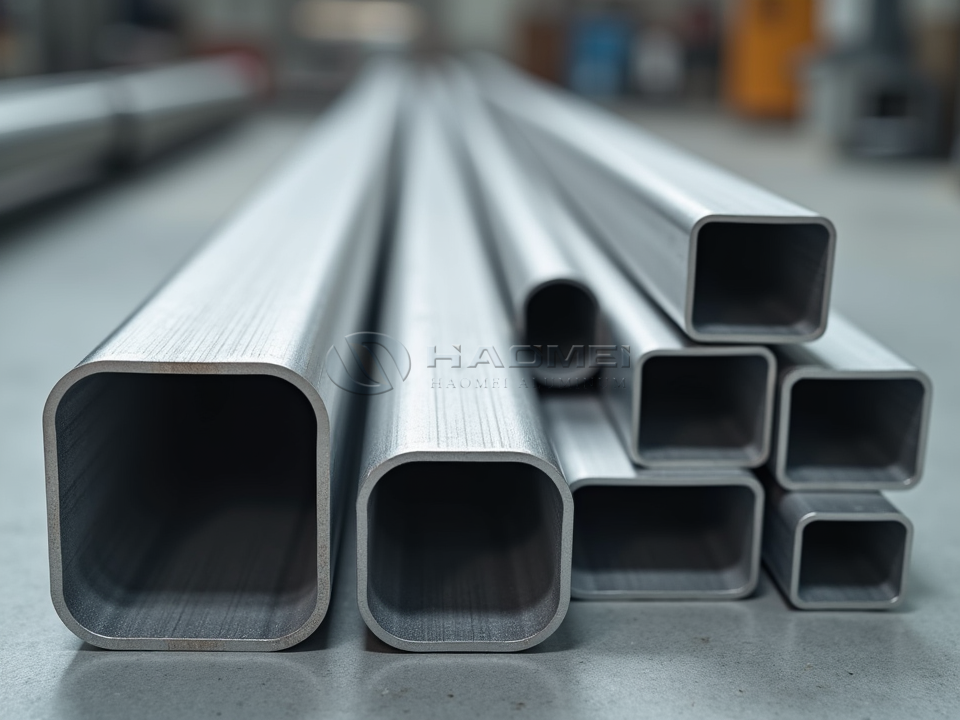
Marine Aluminum Elbow for Waste Treatment and Disposal on Ships
Learn how marine aluminum elbows support ship waste piping with lighter weight, corrosion control, smoother flow, and easier maintenance.
View Details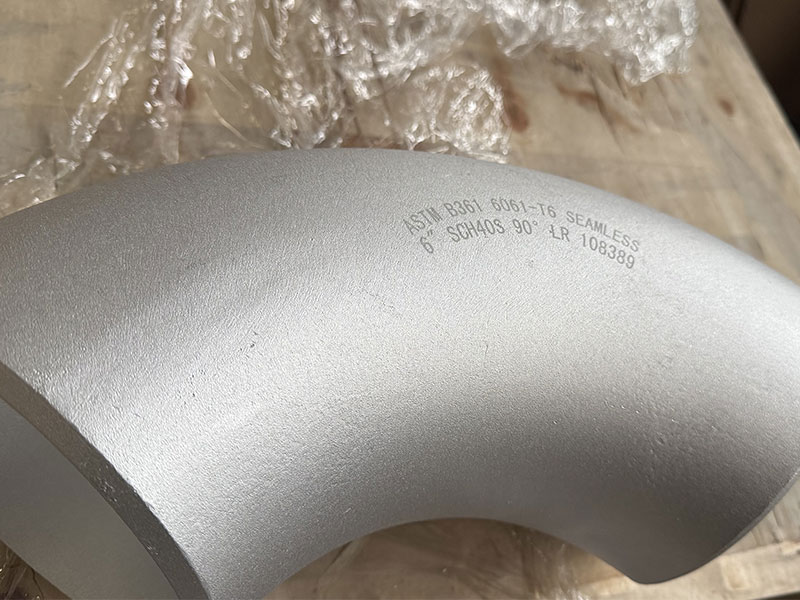
Aluminum Elbow for Ship Hot Water and Heating Systems
High-performance Aluminum Elbow designed for ship hot water and heating systems. Featuring optimal corrosion resistance, precise alloy specifications, and industry-standard tempering, this marine-grade fitting ensures durability and superior heat conducti
View Details
Leave a Message