
Marine Aluminum Elbow for Emergency Water Supply Systems on Ships
A Small Fitting With a Critical Job
During an onboard emergency, water must reach the required point without delay. Pumps, valves, and hydrants receive most of the attention, yet the pipe elbow often determines whether a water line can turn through a crowded bulkhead, machinery space, or deck passage without excessive restriction. A marine aluminum elbow is therefore more than a directional fitting. It is a lightweight connection designed to keep an emergency water supply system continuous, accessible, and resistant to the marine atmosphere.
Emergency water piping may support wash-down lines, backup freshwater distribution, fire-support arrangements, damage-control stations, or auxiliary service circuits. The exact duty must be confirmed by the vessel design and class requirements. Aluminum elbows are especially attractive where weight reduction matters, such as high-speed craft, patrol vessels, workboats, offshore support vessels, and aluminum-hull ships.
Why Elbow Geometry Matters in Emergency Lines
An elbow creates a controlled change in flow direction. In a system expected to operate under pressure, a poorly selected bend can create turbulence, local pressure loss, vibration, and stress at the joint. A long-radius 90-degree elbow generally offers smoother flow than a short-radius alternative because its centerline radius is larger. This can be beneficial where pump capacity is limited or where several direction changes occur in one route.
Common configurations include 45-degree elbows, 90-degree elbows, long-radius elbows, short-radius elbows, reducing elbows, threaded elbows, socket-weld elbows, butt-weld elbows, and flanged elbows. The fitting style should match the line's pressure rating, maintenance access, joining method, and pipe material.
For emergency water circuits, a 90-degree elbow is frequently used at risers, manifold branches, deck penetrations, and pump-room routing points. A 6061-T6 90-Degree Marine Aluminum Pipe Elbow can provide a practical balance of mechanical strength, low weight, and fabrication versatility when the service environment and approval conditions are suitable.
Typical Technical Parameters
Marine aluminum elbows can be manufactured to suit standard tubing dimensions or project-specific piping drawings. Actual dimensions and pressure capability must be verified from the material certificate, wall thickness, joining design, and vessel classification requirements.
| Parameter | Typical Range or Condition |
|---|---|
| Alloy options | 6061, 6063, 5083, 5086, 6082 |
| Common tempers | T6, T5, H111, H112, O, depending on alloy and forming method |
| Elbow angles | 45 degrees, 90 degrees, 180 degrees, custom angles |
| Outside diameter | Approximately 12 mm to 300 mm or customized |
| Wall thickness | Approximately 1.5 mm to 12 mm or engineered to service duty |
| Bend radius | Long radius, short radius, or drawing-specific radius |
| Connection ends | Butt-weld, socket-weld, threaded, flanged, grooved, plain end |
| Surface finish | Mill finish, polished, anodized, coated, or marine protective treatment |
| Inspection options | Dimensional check, visual inspection, PMI, dye penetrant testing, pressure testing |
Wall thickness should never be selected only by diameter. Designers must account for working pressure, transient pressure, corrosion allowance, support spacing, vibration, thermal movement, and possible external impact. Emergency lines must remain dependable after years of salt-laden air, machinery vibration, and routine maintenance activity.
Alloy Selection and Temper Condition
6061-T6 is a popular choice for marine fittings because it offers good strength, machinability, and corrosion resistance in many marine applications. It is commonly used for elbows connected to aluminum pipework or structural-adjacent service lines. However, welding 6061-T6 changes the heat-affected zone and reduces its strength near the weld. Engineering calculations should use weld-zone properties rather than base-metal T6 values when welded elbows or welded pipe joints are involved.
5083 and 5086 are often preferred where seawater corrosion resistance and weldability are the primary concerns. These 5xxx-series alloys are non-heat-treatable and commonly supplied in H111 or H112 conditions. They can be highly suitable for seawater-related piping systems, subject to the vessel's approved material schedule.
6063-T5 or 6063-T6 is generally selected for extruded shapes requiring a clean finish and moderate strength. 6082-T6 offers higher strength than 6061 in many applications, although its availability and fabrication route should be confirmed for the specific elbow design.
For an emergency water system, alloy selection should begin with the fluid itself. Freshwater, treated water, seawater, brackish water, and mixed service conditions create different corrosion risks. Aluminum should also be isolated from dissimilar metals where galvanic corrosion may occur. Dielectric gaskets, compatible fasteners, protective coatings, and proper drainage details help preserve the fitting over its service life.
Chemical Properties of 6061 Marine Aluminum
The following table gives typical chemical composition limits for 6061 aluminum alloy. Values are expressed as weight percentage. Material certification remains the controlling document for each supplied batch.
| Element | Typical 6061 Composition, % |
|---|---|
| Silicon, Si | 0.40-0.80 |
| Iron, Fe | 0.00-0.70 |
| Copper, Cu | 0.15-0.40 |
| Manganese, Mn | 0.00-0.15 |
| Magnesium, Mg | 0.80-1.20 |
| Chromium, Cr | 0.04-0.35 |
| Zinc, Zn | 0.00-0.25 |
| Titanium, Ti | 0.00-0.15 |
| Other elements, each | 0.05 maximum |
| Other elements, total | 0.15 maximum |
| Aluminum, Al | Balance |
Magnesium and silicon form magnesium silicide, allowing 6061 to respond to solution heat treatment and artificial aging. This is the basis of the T6 condition. The resulting strength is useful for compact fittings, but installation teams must understand that aggressive cold forming or unqualified welding can alter the original temper condition.
Applicable Standards and Quality Expectations
Marine aluminum elbows may be produced in line with ASTM, EN, ISO, ASME, and ship-class requirements. The applicable standard depends on whether the item is treated as extruded tube, drawn tube, fabricated fitting, welded piping component, or custom-built marine part.
Frequently referenced material standards include ASTM B241 or ASTM B241M for seamless extruded aluminum pipe and tube, ASTM B210 for drawn seamless aluminum tube, EN 755 for extruded aluminum products, and EN 515 for temper designations. Dimensional references for elbows may follow ASME B16.9 principles where applicable, although many aluminum marine elbows are manufactured to project drawings rather than standard carbon-steel fitting schedules.
For shipboard installation, requirements from ABS, DNV, Lloyd's Register, Bureau Veritas, CCS, or another assigned classification society may apply. Emergency systems may also be governed by flag-state regulations and SOLAS-related rules. Material traceability, welding procedures, pressure testing, and inspection records should be planned before installation rather than collected after the piping work is complete.
Installation Details That Protect Emergency Readiness
A marine aluminum elbow performs best when the full piping route is treated as one system. Pipe supports should prevent movement without clamping so tightly that thermal expansion causes local crushing. Bends near pumps need special attention because vibration can concentrate stress at the first elbow after a discharge connection.
Use compatible aluminum pipe or verified transition joints when joining to another metal. Direct contact between aluminum and copper-based alloys is especially undesirable in wet marine conditions. If stainless steel flanges, valves, or supports are necessary, insulating materials and controlled drainage should be part of the installation plan.
Marine crews also benefit from choosing fittings that support rapid inspection. Clear identification, accessible flange bolts, visible welds, and practical drain points make it easier to verify system condition during maintenance periods. High-quality Marine Grade Aluminum Tubing matched with correctly sized elbows helps create a lighter, more manageable emergency water network without sacrificing disciplined engineering practice.
A Fitting Chosen for the Moment It Is Needed Most
Emergency water supply piping is rarely noticed during normal sailing. Its value appears when access is difficult, time is short, and reliable flow is essential. A properly specified marine aluminum elbow supports that readiness by reducing routing weight, maintaining a dependable turn in the line, and resisting the demanding conditions found onboard. The best result comes from matching alloy, temper, geometry, joining method, and certification requirements to the actual service duty of the vessel.

Related Products
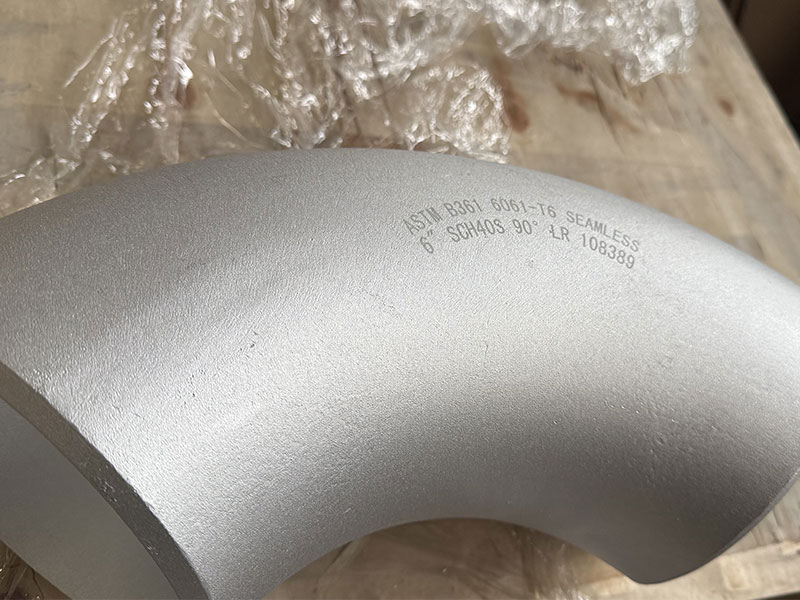
6061-T6 90-Degree Marine Aluminum Pipe Elbow
Manufactured from premium 6061-T6 marine-grade aluminum alloy, this elbow fitting is engineered to provide reliable and efficient pipe direction changes within shipbuilding, offshore platforms, and marine infrastructure systems.
View Details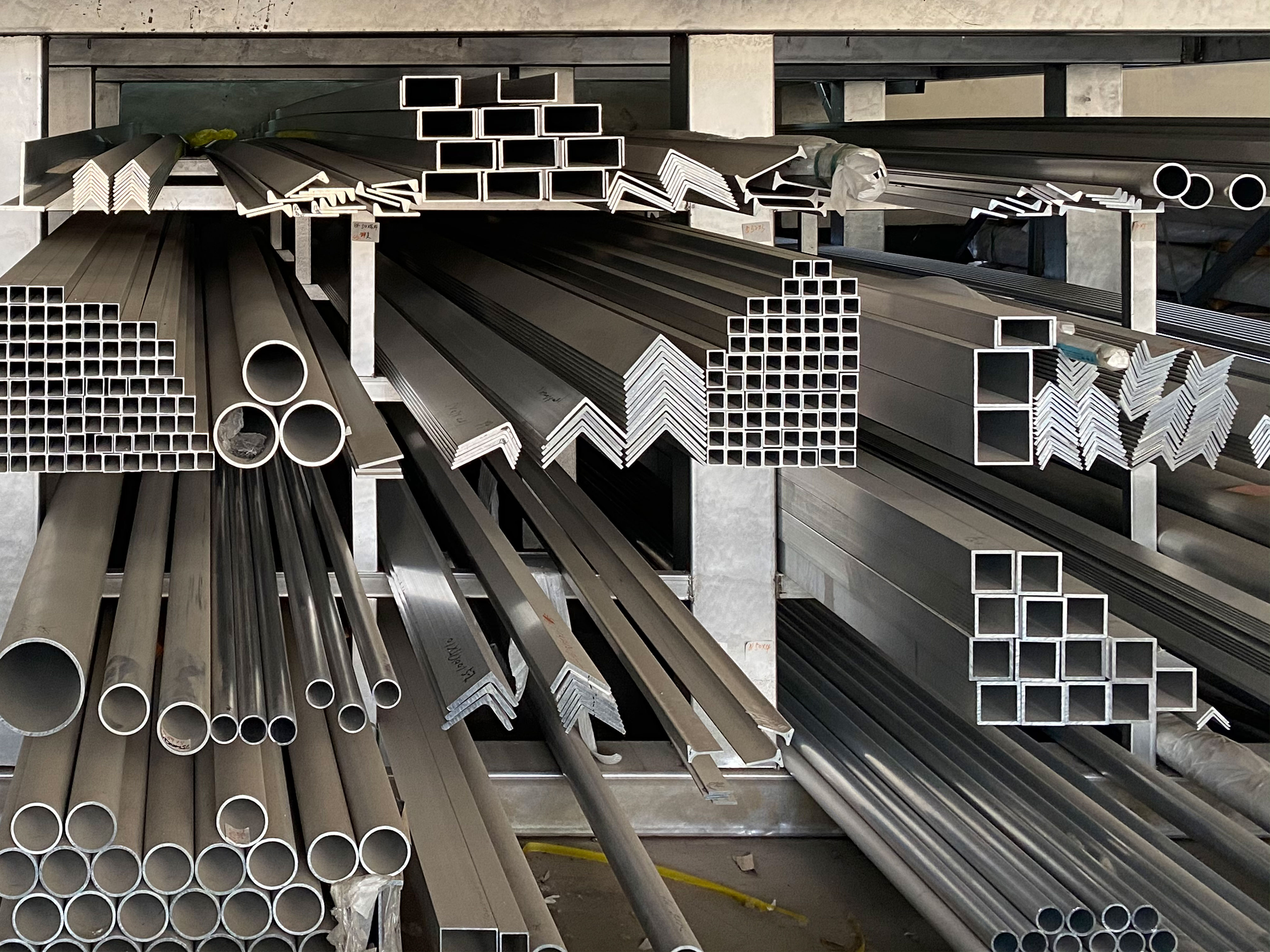
Custom marine aluminum profile tubes
Custom Marine Grade Aluminum Profile Tubes are manufactured from premium marine aluminum alloys such as 5083, 5052, 6061, and 6082.
View Details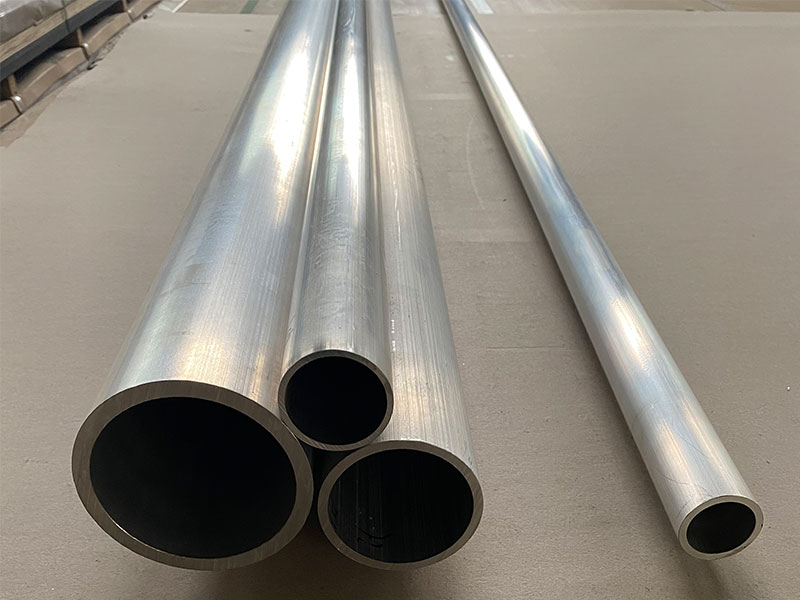
Marine aluminum round tubes
Marine Grade Aluminum Round Tubes are manufactured from premium marine alloys such as 5083, 5052, 6061, and 6082, all selected for their proven resistance to seawater corrosion and marine atmosphere degradation.
View Details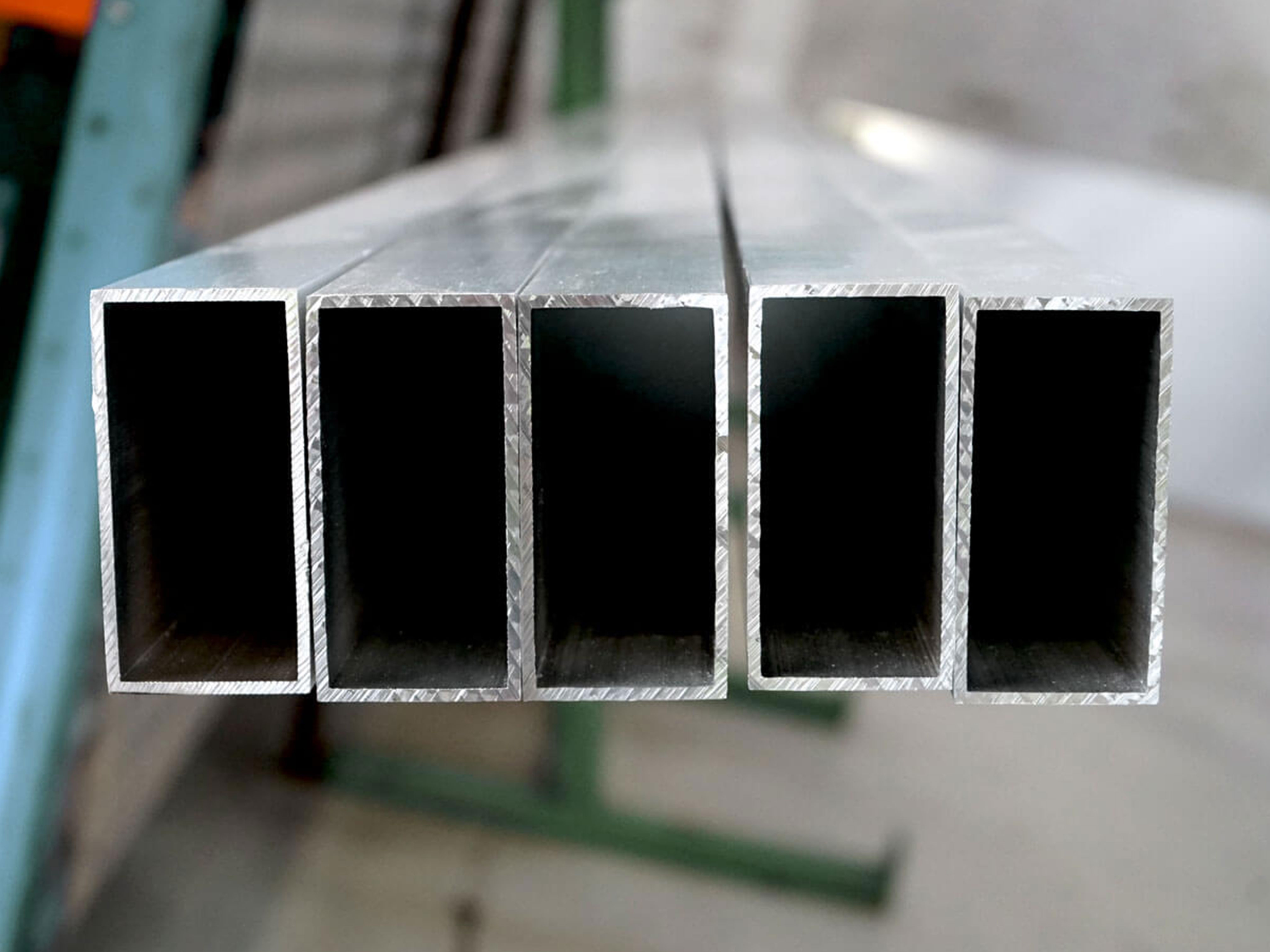
Marine aluminum rectangular tubes
Marine Grade Aluminum Rectangular Tubes are made from high-performance alloys such as 5083, 5052, 6061, and 6082. These alloys are renowned for their ability to resist corrosive seawater and marine atmospheres while providing excellent mechanical strength and toughness.
View Details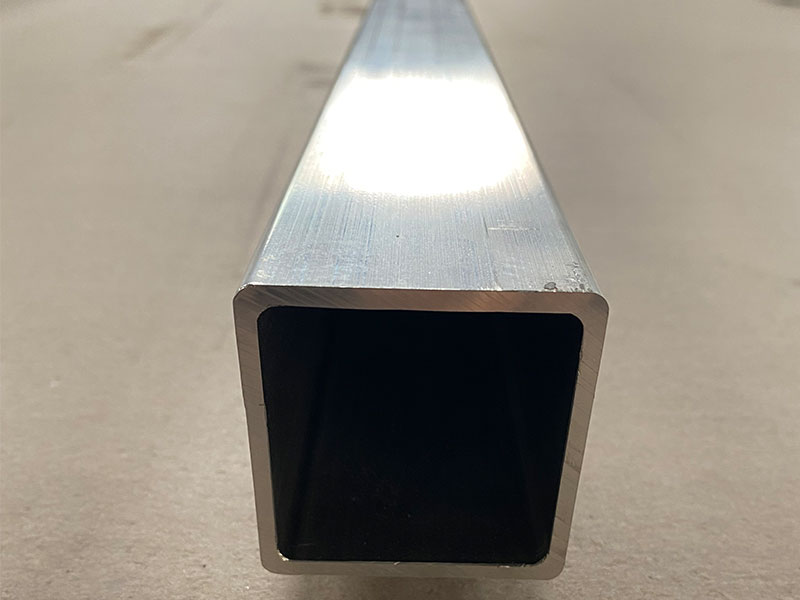
Marine aluminum square tubes
Marine Grade Aluminum Square Tubes are typically constructed from marine-grade alloys such as 5083, 5052, 6061, and 6082—well-known for their ability to withstand the aggressive effects of saltwater and marine atmospheres.
View DetailsRelated Blog
High Strength Aluminum Pipe Elbow for Marine Vessels
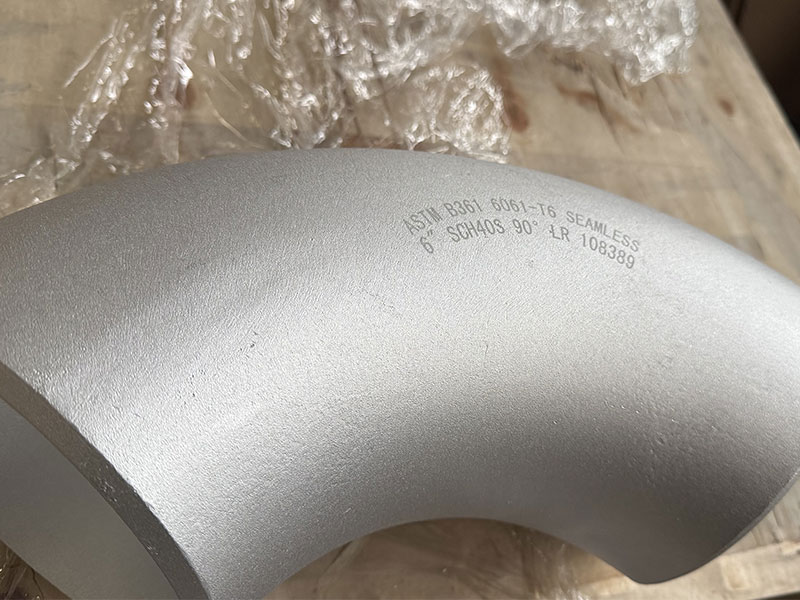
High Strength Aluminum Pipe Elbows for Marine Vessels are precision-engineered components designed to join and redirect piping systems in demanding shipboard environments.
View Details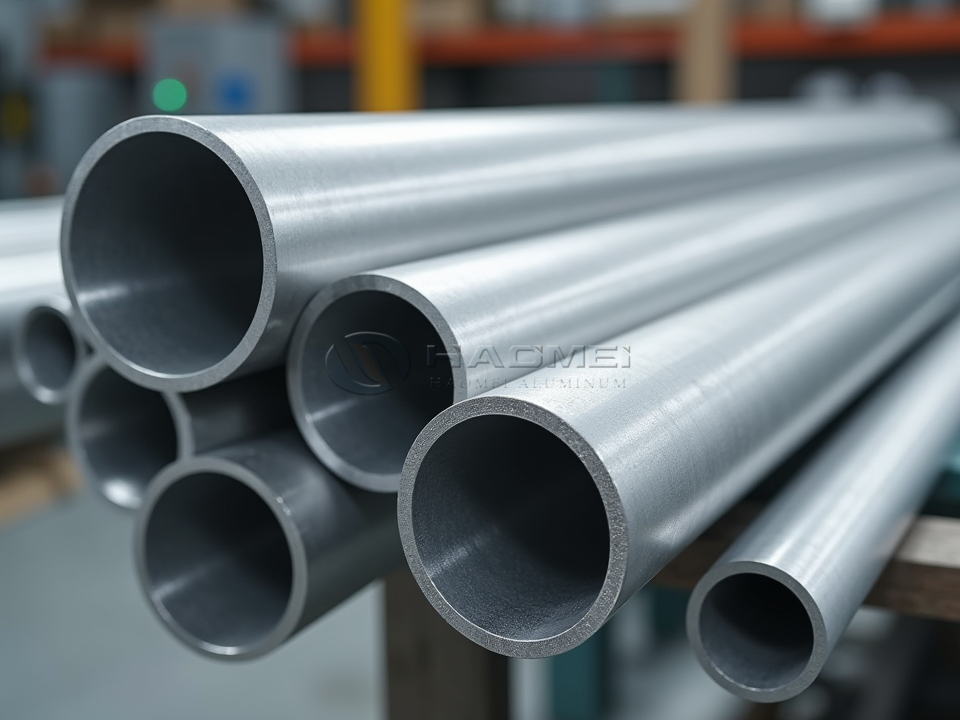
Marine Aluminum Elbow for Fluid Distribution and Control in Offshore Pipelines
Marine aluminum elbows guide offshore pipeline flow with low weight, corrosion resistance, smooth bends, weldability, and dependable pressure control.
View Details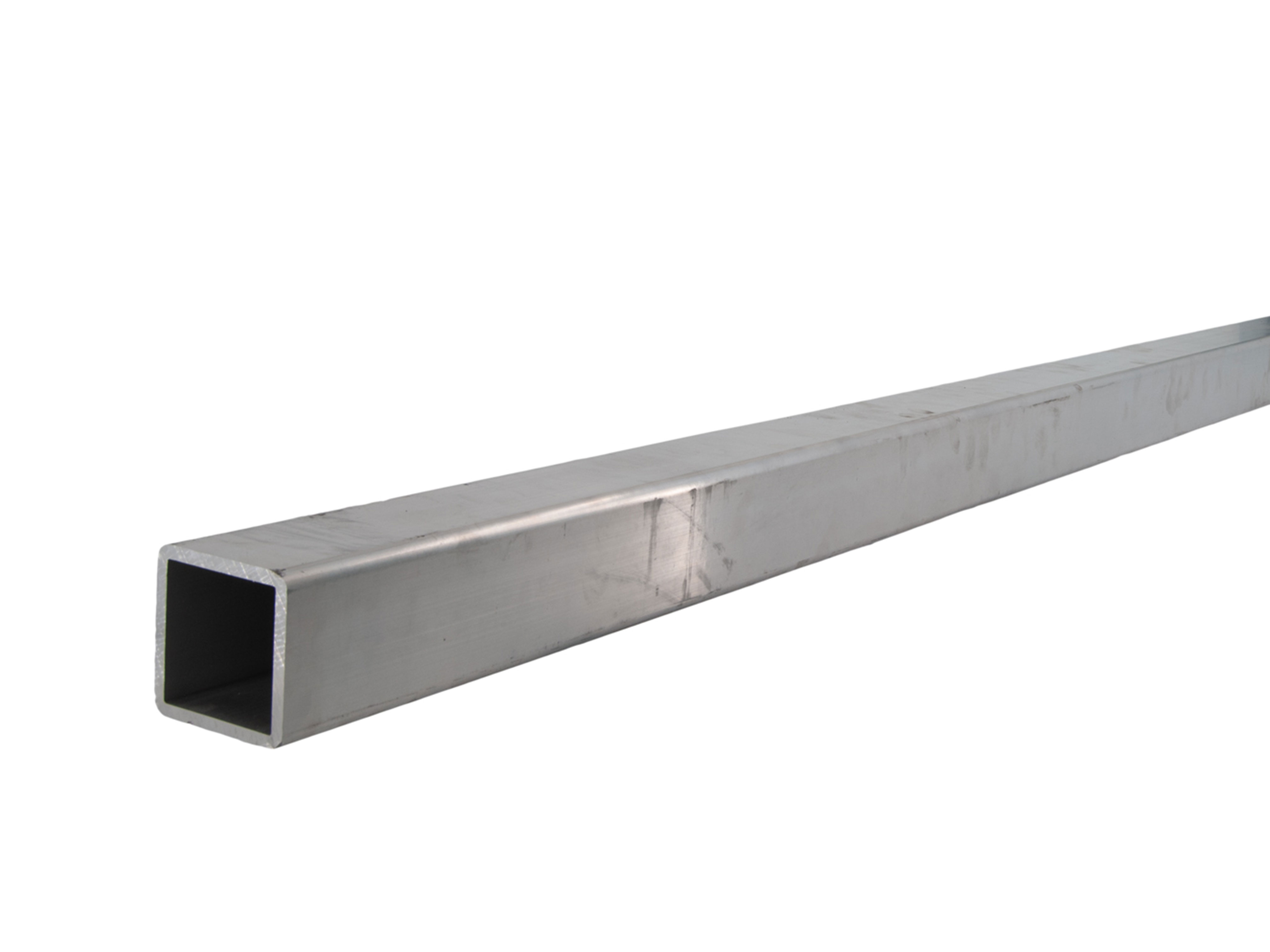
5052 Marine Aluminum Tubes for Marine Vessel Hull Construction
When it comes to building resilient marine vessels, selecting the right materials is crucial. One outstanding option is 5052 Marine Aluminum, widely recognized for its excellent corrosion resistance and structural integrity.
View Details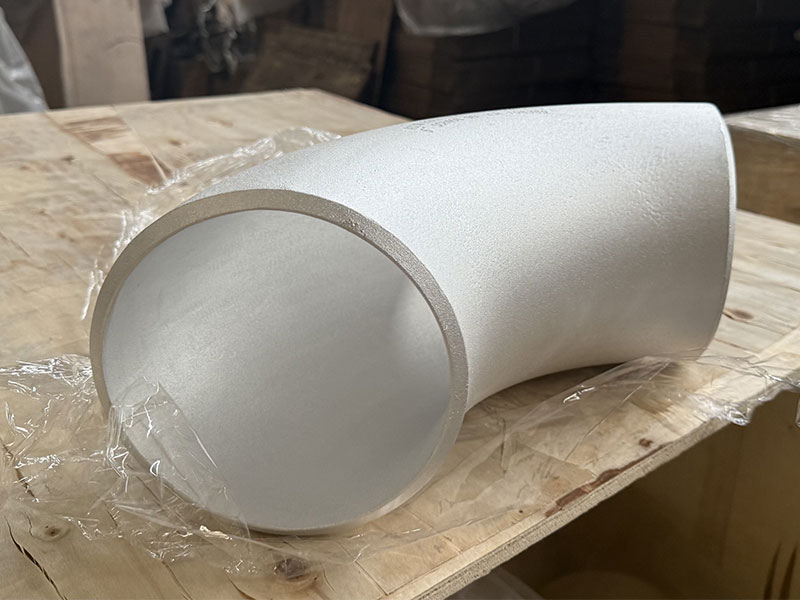
90 Degree Marine Aluminum Elbow for Exhaust Systems
The 90 Degree Marine Aluminum Elbow for Exhaust Systems is a precision-formed bend designed specifically for marine engine and generator exhaust lines.
View Details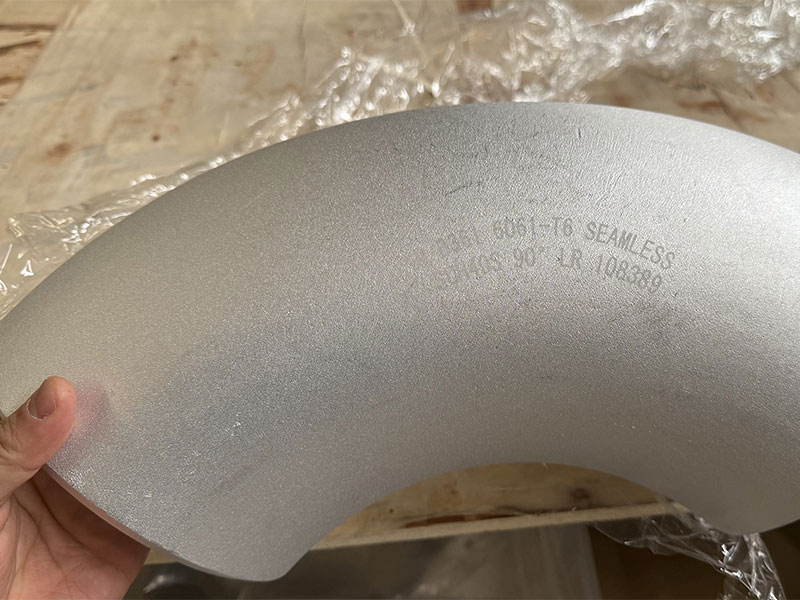
Marine Aluminum Elbow for Exhaust Ventilation Systems
Marine aluminum elbows are precision-formed duct components designed specifically for exhaust and ventilation systems aboard commercial ships, yachts, offshore platforms, and other marine environments.
View Details
Marine Aluminum Pipe Elbow for High Flow Desalination Units
In the rapidly advancing realm of seawater desalination, marine aluminum pipe elbows play a pivotal role in ensuring the smooth and efficient operation of high flow desalination units.
View Details
Leave a Message