
Aluminum Elbow for Shipboard Fuel and Water Storage Systems
An aluminum elbow for shipboard fuel and water storage systems is a compact pipe fitting used to redirect flow between tanks, pumps, vents, manifolds, and service lines. In marine tank networks, every bend must save space, resist corrosion, limit weight, and remain dependable under vibration, pressure cycling, and salt-laden humidity. Compared with heavy steel fittings, marine aluminum elbows offer a strong weight-to-performance ratio and are especially suitable for aluminum vessels, workboats, patrol craft, ferries, yachts, and offshore service platforms.
These elbows are commonly specified in 45°, 90°, and custom bend angles, with welded, flanged, threaded, or grooved connection options. When matched with compatible aluminum pipework, they help create a clean, lightweight, and corrosion-conscious piping layout.
Product Role in Marine Tank Piping
Shipboard fuel and water systems rarely run in straight lines. Tank compartments, bulkheads, pumps, deck penetrations, and inspection access zones often force tight routing. Aluminum elbows provide controlled directional change while reducing stress concentration that can occur with improvised bends or mismatched fittings.
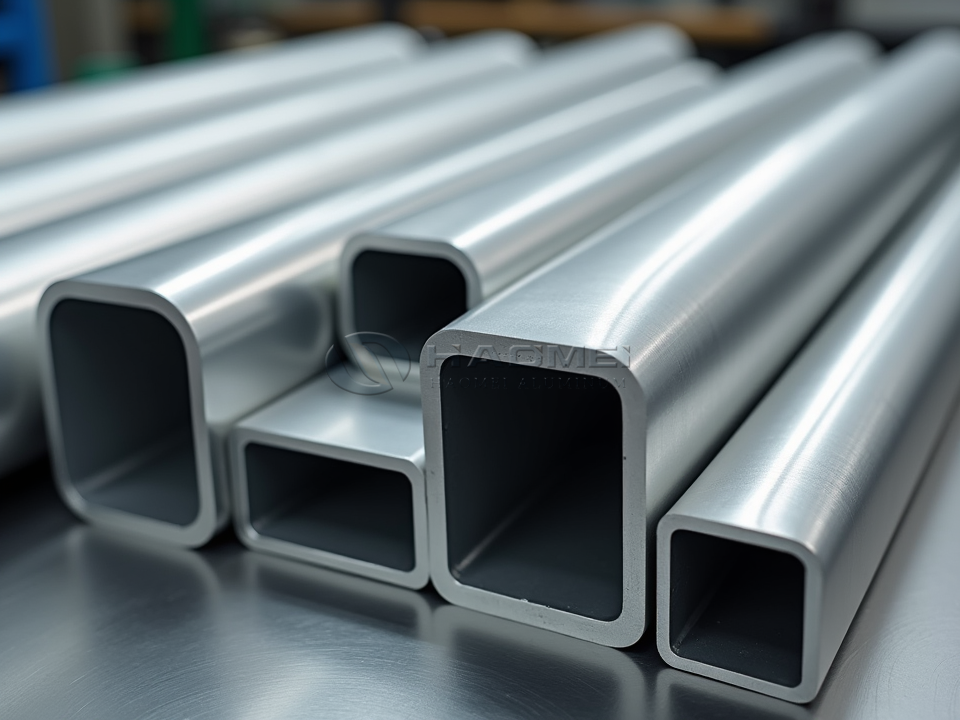
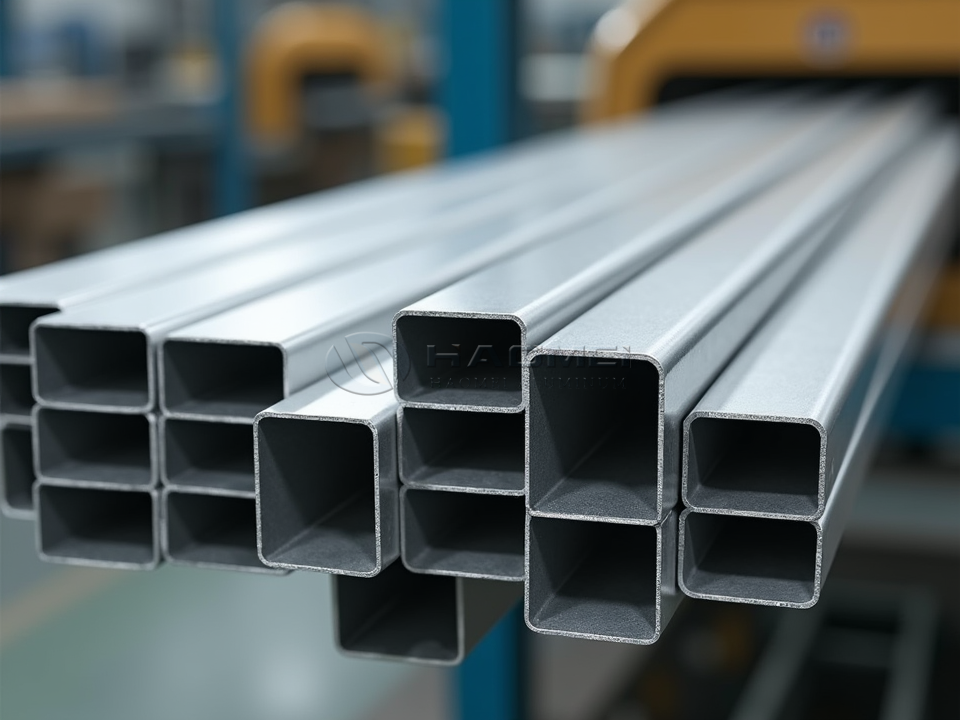
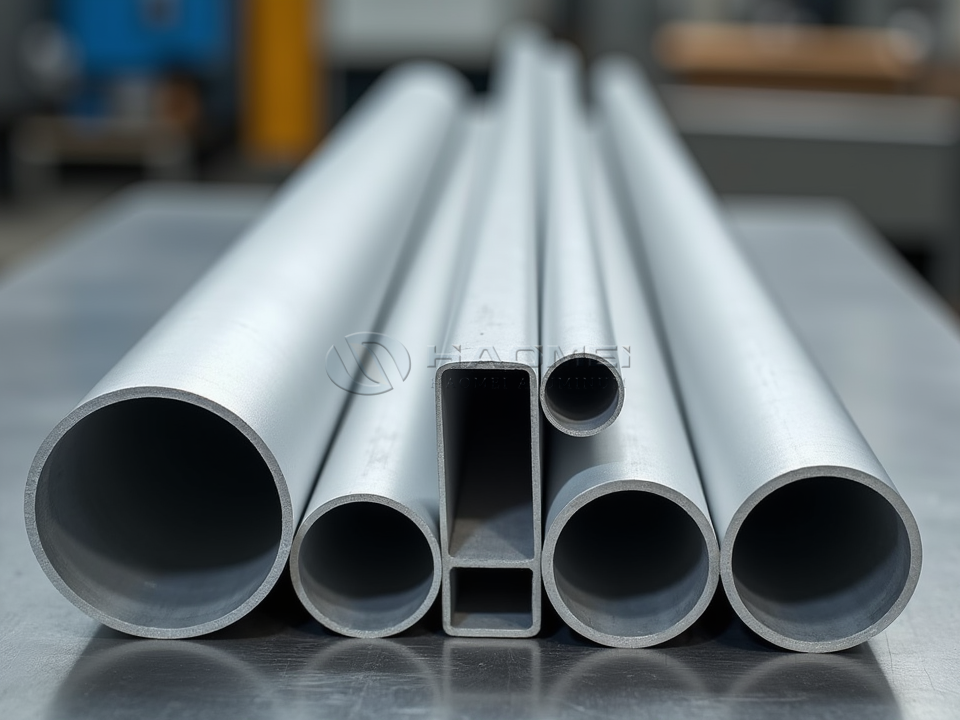
For straight pipe sections connected to tank elbows, Marine Grade Aluminum Tubing is often selected to maintain alloy compatibility, simplify welding, and reduce galvanic risk across the piping network.
| Function | Value for Shipboard Systems |
|---|---|
| Flow redirection | Routes fuel, fresh water, ballast water, wash-down water, or vent lines around structural obstacles |
| Weight reduction | Helps lower total piping mass compared with carbon steel or stainless alternatives |
| Corrosion resistance | Performs well in humid, salt-air, and splash-zone environments when properly finished |
| Weld compatibility | Suitable for welded aluminum tank and pipe assemblies using approved filler metal |
| Space efficiency | Short-radius and long-radius forms support compact machinery spaces and tank rooms |
| Maintenance access | Smooth geometry supports inspection, flushing, and line replacement planning |
Alloy Selection and Chemical Composition
Marine aluminum elbows are typically produced from 5xxx or 6xxx series alloys. The best choice depends on whether the system prioritizes seawater corrosion resistance, weld strength retention, formability, or higher structural strength.
| Alloy | Typical Use in Elbows | Mg % | Si % | Mn % | Cr % | Cu % | Al |
|---|---|---|---|---|---|---|---|
| 5052 | Fresh water, vents, low-pressure service, formed elbows | 2.2-2.8 | 0.25 max | 0.10 max | 0.15-0.35 | 0.10 max | Balance |
| 5086 | Fuel, water, tank service, welded marine assemblies | 3.5-4.5 | 0.40 max | 0.20-0.7 | 0.05-0.25 | 0.10 max | Balance |
| 5083 | Higher-strength tank piping, offshore and heavy marine duty | 4.0-4.9 | 0.40 max | 0.40-1.0 | 0.05-0.25 | 0.10 max | Balance |
| 6061 | Machined elbows, flanged elbows, high-strength pipe fittings | 0.8-1.2 | 0.40-0.8 | 0.15 max | 0.04-0.35 | 0.15-0.40 | Balance |
5xxx alloys are widely favored for welded tank and seawater-adjacent installations because they retain good corrosion resistance after welding. 6061-T6 offers excellent machinability and strength, making it suitable for precision fittings, although welded zones require attention because heat can reduce local temper strength. For compact directional fittings in high-strength aluminum pipework, the 6061-T6 90-Degree Marine Aluminum Pipe Elbow is a common reference design.
Technical Specifications
The table gives typical ranges. Final dimensions and pressure ratings should be confirmed against class rules, vessel drawings, service medium, joint design, and test procedure.
| Parameter | Common Range or Option |
|---|---|
| Bend angle | 45°, 60°, 90°, 135°, 180°, custom angle |
| Nominal pipe size | DN15-DN300, larger sizes by project design |
| Outside diameter | 20 mm-323.9 mm typical marine pipe range |
| Wall thickness | 2 mm-12 mm, selected by pressure and welding requirement |
| Bend radius | Short radius 1D, long radius 1.5D, custom sweep radius |
| Connection type | Butt weld, socket weld, flange, threaded adaptor, grooved end |
| Surface finish | Mill finish, brushed, anodized, conversion coated, epoxy coated |
| Service temperature | -40°C to 120°C typical for aluminum piping assemblies |
| Design pressure | Commonly 0.6-2.5 MPa, dependent on size, alloy, wall, joint method |
| Inspection options | Dimensional check, hydrostatic test, dye penetrant test, PMI, certificate review |
Mechanical Performance
Aluminum elbows must tolerate vibration from engines and pumps, pressure pulsation, thermal movement, and ship motion. Long-radius elbows are preferred where flow loss and turbulence must be minimized, while short-radius elbows help in crowded compartments.
| Alloy and Temper | Tensile Strength MPa | Yield Strength MPa | Elongation % | Marine Benefit |
|---|---|---|---|---|
| 5052-H32 | 210-260 | 160-215 | 8-12 | Good forming ability and corrosion resistance |
| 5086-H112 | 240-305 | 95-140 | 12-18 | Excellent welded service performance |
| 5083-H111 | 275-350 | 125-215 | 12-16 | Higher strength for demanding marine piping |
| 6061-T6 | 290-320 | 240-275 | 8-12 | Strong and machinable for precision fittings |
Values are typical reference data and may vary by standard, wall thickness, heat treatment, and production route. For classification work, use certified material test reports and approved drawings.
Fuel and Water Compatibility
Aluminum elbows are suitable for many shipboard fuel and water duties, provided the fluid chemistry, coating system, and joint method are correctly specified. Diesel fuel, fresh water, technical water, ballast-related service, bilge transfer lines, and tank vent systems are common uses. For potable water, the fitting should be paired with approved linings, cleaning procedures, or drinking-water-certified coating systems according to local regulations.
| Service Medium | Suitability | Design Note |
|---|---|---|
| Marine diesel fuel | Very good | Avoid copper-rich contact parts and ensure clean weld interiors |
| Fresh water storage | Good | Consider internal coating if water chemistry is aggressive |
| Potable water | Conditional | Use certified lining or approved treatment process |
| Ballast or technical water | Good | 5086 or 5083 is preferred near salt exposure |
| Tank vent lines | Excellent | Lightweight elbows simplify elevated routing |
| Strong alkaline fluids | Not recommended | Aluminum can corrode rapidly in high-pH media |
| Direct copper alloy coupling | Avoid without isolation | Use dielectric separation to limit galvanic corrosion |
Design Benefits for Shipbuilders and Operators
The most immediate advantage is weight reduction. A lighter piping network supports vessel efficiency, lowers handling effort during installation, and reduces loads on brackets and tank nozzles. Aluminum elbows also weld cleanly to compatible aluminum pipe and tank structures, allowing an integrated system with fewer dissimilar-metal interfaces.
Corrosion behavior is another major benefit. Marine aluminum naturally forms a protective oxide layer. When combined with suitable alloy selection, surface preparation, and coating where needed, it provides long service life in humid and salt-air compartments. In fuel tank spaces, smooth elbow interiors can reduce turbulence, sediment collection points, and pressure drop compared with poorly fabricated bends.
| Benefit | Practical Result |
|---|---|
| Lower density | Easier installation and reduced vessel weight |
| Smooth internal radius | Better flow stability and reduced pressure loss |
| Weldable structure | Strong integration with aluminum tanks and pipe runs |
| Corrosion-resistant alloy options | Longer service intervals in marine atmosphere |
| Custom geometry | Better fit around bulkheads, frames, pumps, and valves |
| Recyclable material | Supports modern vessel sustainability targets |
Common Applications
Aluminum elbows are used wherever tanks and service piping must be routed in confined shipboard spaces. They are especially useful in aluminum-hulled vessels where material compatibility is a priority.
| Vessel Area | Typical Use Case |
|---|---|
| Fuel storage room | Diesel supply, return, drain, overflow, and vent line bends |
| Fresh water tank area | Fill lines, transfer lines, pump suction, distribution routing |
| Ballast or service water system | Direction changes around frames and tank boundaries |
| Engine room | Fuel transfer and auxiliary water lines near pumps and filters |
| Deck service systems | Wash-down and utility water line transitions |
| Small craft and yachts | Compact lightweight routing behind panels and under decks |
| Workboats and patrol vessels | Durable piping for high-vibration operating profiles |
Fabrication and Installation Guidance
Good performance starts before the elbow is installed. Pipe ends should be clean, dry, and free from oil, oxide buildup, and foreign particles. For welded elbows, filler metal selection should match the alloy family and service condition. 5356 filler is widely used with many 5xxx and 6xxx marine aluminum assemblies, while project specifications may call for other approved options.
Support spacing is important. Elbows should not carry pump weight, valve torque, or unsupported pipe loads. Use marine-grade brackets, vibration isolation where needed, and flexible connections near machinery. If aluminum connects to stainless steel, brass, bronze, or carbon steel, dielectric gaskets, sleeves, coatings, or isolation fittings should be used to control galvanic corrosion.
After installation, hydrostatic or pneumatic testing should follow the vessel specification. Fuel lines also need cleanliness checks to prevent weld debris or particles from entering pumps, injectors, filters, and valves.
Purchasing Considerations
A well-specified aluminum elbow should match the pipe alloy, wall thickness, bend radius, pressure rating, and inspection level of the full shipboard system. Buyers should confirm alloy grade, temper, dimensional tolerance, surface finish, certificate availability, and whether the elbow is intended for fuel, potable water, technical water, or vent service.
For demanding vessels, custom elbows can be supplied with precise angles, extended tangents, flanges, drain bosses, sensor ports, or coating systems. This reduces on-board modification work and helps shipyards maintain production speed.
Aluminum elbows for shipboard fuel and water storage systems deliver a practical balance of low weight, corrosion resistance, weldability, and layout flexibility. When properly selected and installed, they help build cleaner, lighter, and longer-lasting marine piping networks.

Related Products
Marine aluminum square tubes
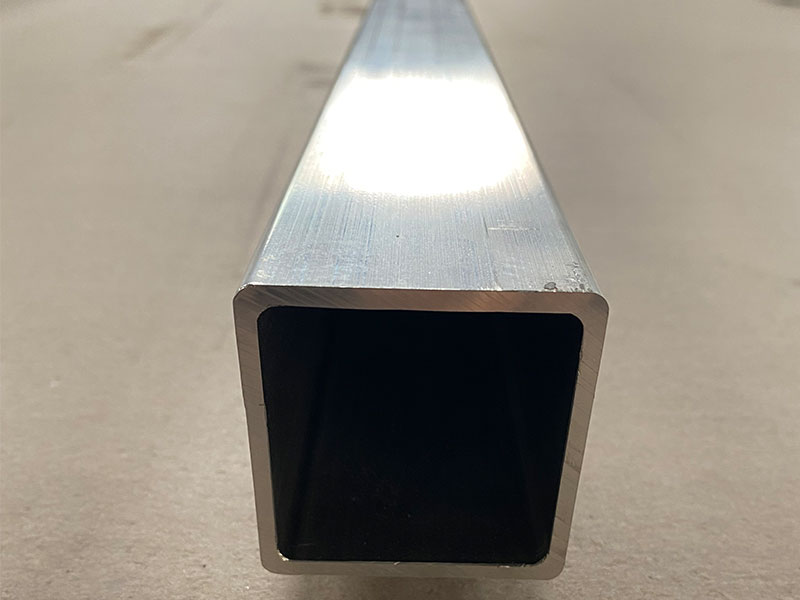
Marine Grade Aluminum Square Tubes are typically constructed from marine-grade alloys such as 5083, 5052, 6061, and 6082—well-known for their ability to withstand the aggressive effects of saltwater and marine atmospheres.
View Details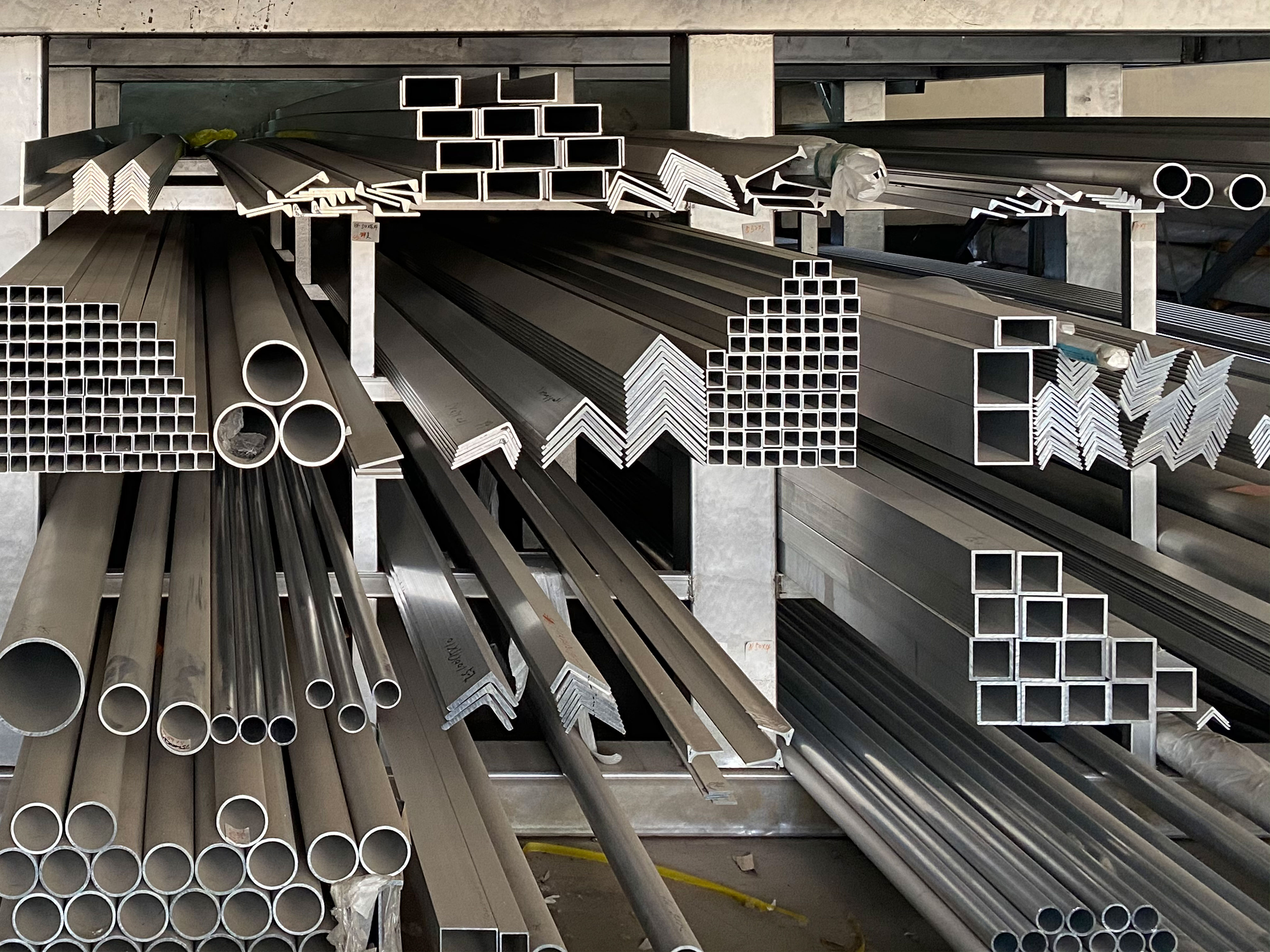
Custom marine aluminum profile tubes
Custom Marine Grade Aluminum Profile Tubes are manufactured from premium marine aluminum alloys such as 5083, 5052, 6061, and 6082.
View Details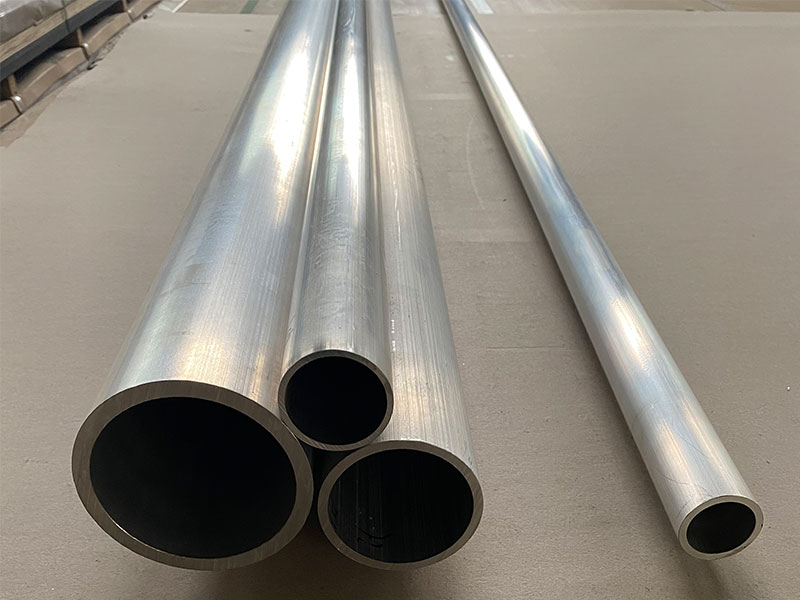
Marine aluminum round tubes
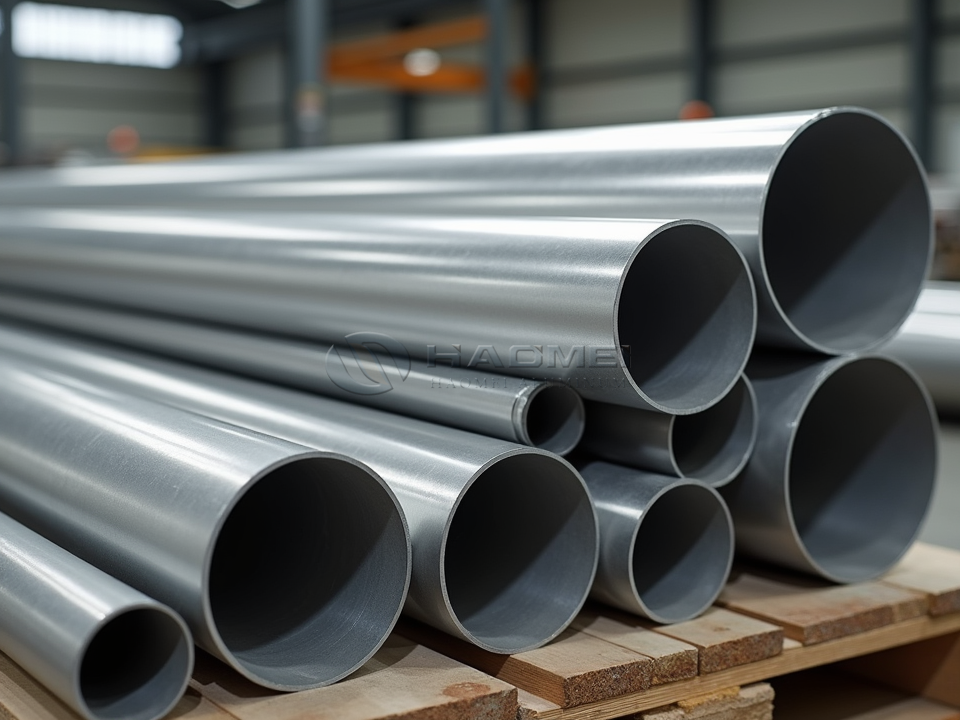
Marine Grade Aluminum Round Tubes are manufactured from premium marine alloys such as 5083, 5052, 6061, and 6082, all selected for their proven resistance to seawater corrosion and marine atmosphere degradation.
View Details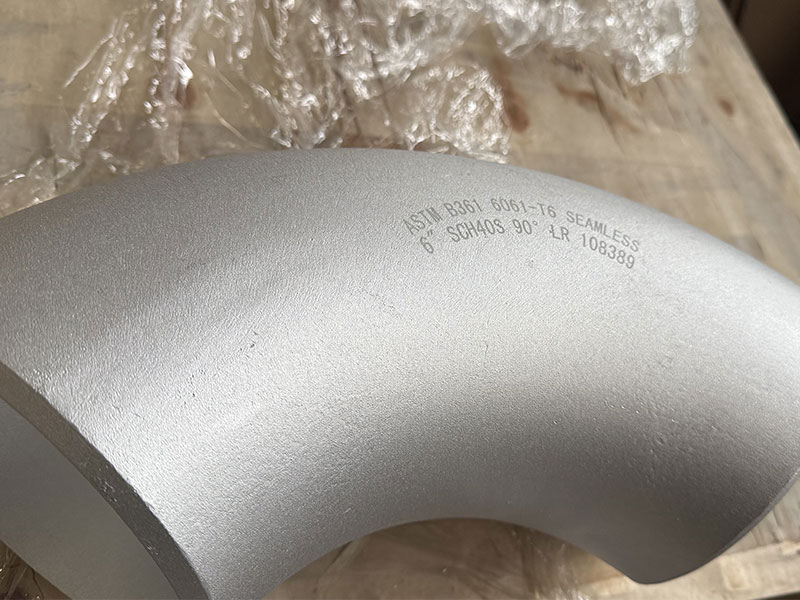
6061-T6 90-Degree Marine Aluminum Pipe Elbow
Manufactured from premium 6061-T6 marine-grade aluminum alloy, this elbow fitting is engineered to provide reliable and efficient pipe direction changes within shipbuilding, offshore platforms, and marine infrastructure systems.
View Details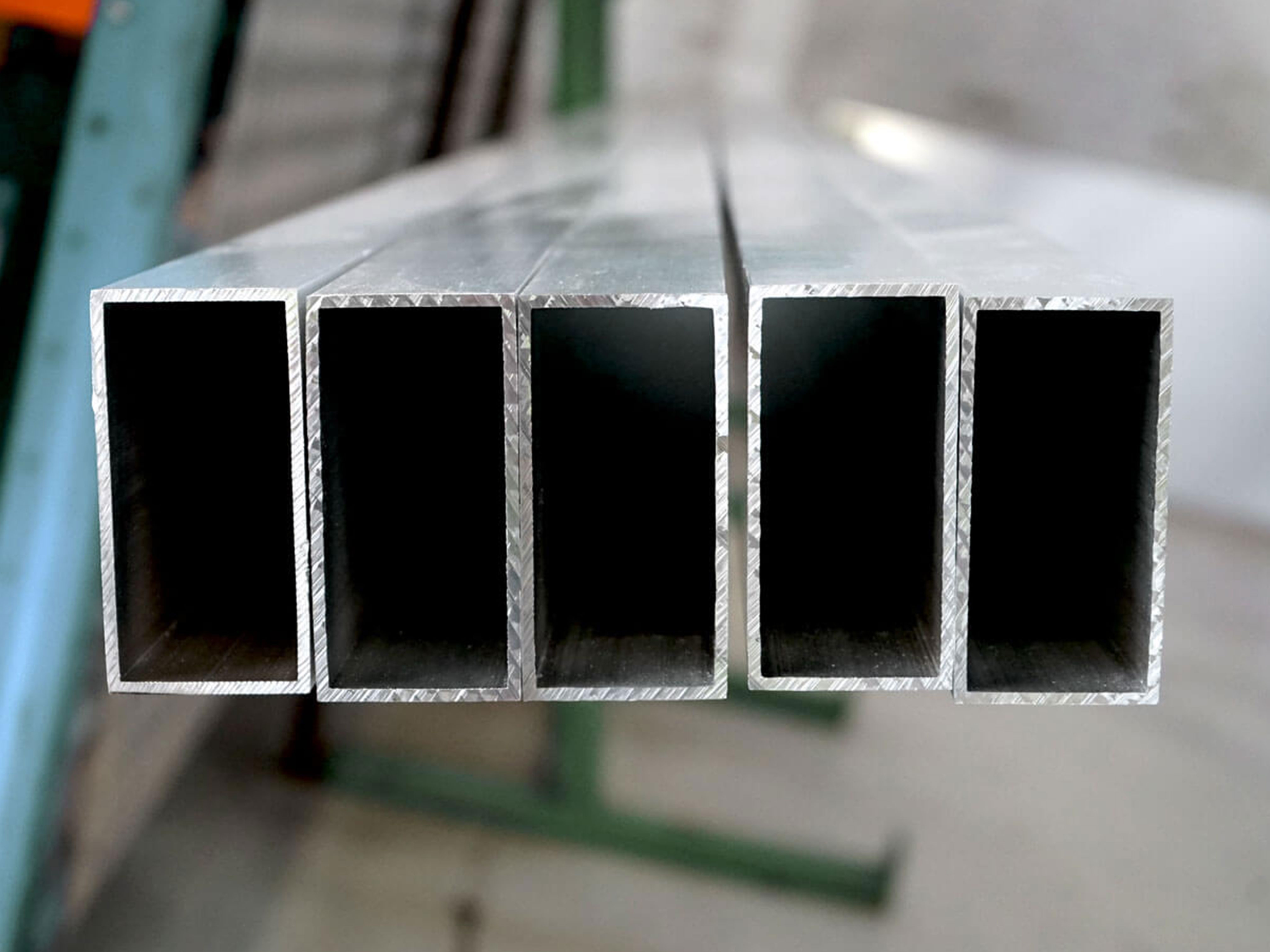
Marine aluminum rectangular tubes
Marine Grade Aluminum Rectangular Tubes are made from high-performance alloys such as 5083, 5052, 6061, and 6082. These alloys are renowned for their ability to resist corrosive seawater and marine atmospheres while providing excellent mechanical strength and toughness.
View DetailsRelated Blog
Aluminum Marine Elbow for Waste Heat Recovery on Offshore Platforms
Marine aluminum elbow for offshore waste heat recovery, with alloy options, corrosion resistance, bend geometry, pressure data, and order specs.
View Details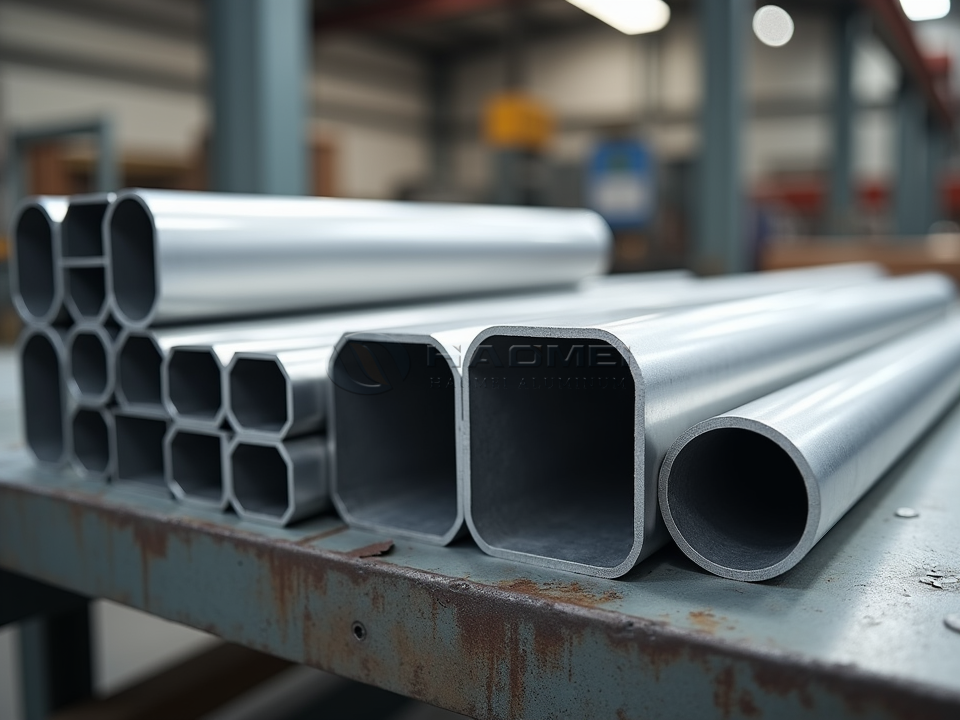
Aluminum Pipe Elbow for Marine Water Intake and Drainage Systems
Marine aluminum pipe elbows provide lightweight, corrosion-resistant flow direction changes for seawater intake, drainage, bilge, and deck wash piping.
View Details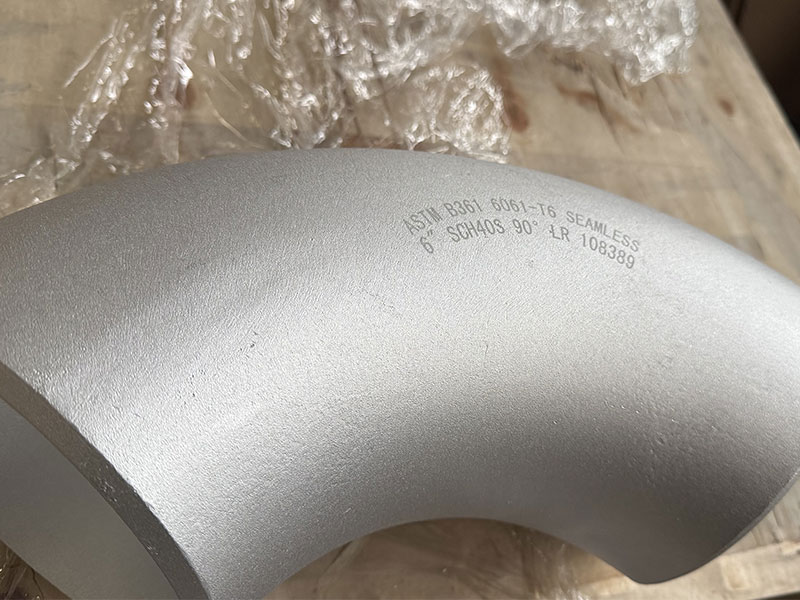
Marine Aluminum Elbow for Fuel System Installations
When it comes to designing and installing fuel systems in marine environments, using the right materials is paramount. Among these materials, Marine Aluminum Elbows is know due to their remarkable properties and advantages.
View Details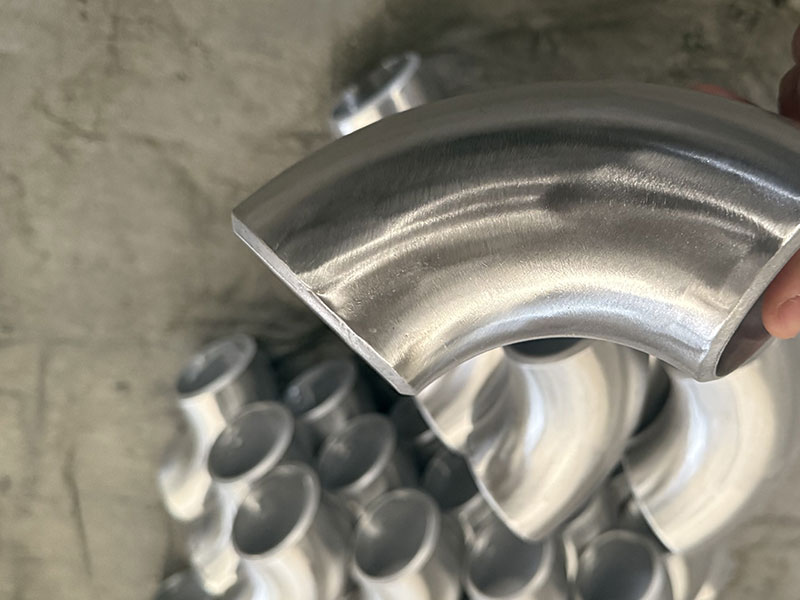
Marine Aluminum Elbow for Seawater Drainage Systems
Our high-performance Marine Aluminum Elbow designed specifically for seawater drainage systems, offering exceptional corrosion resistance, superior strength, and compatibility with marine-grade piping systems. Learn about its alloy composition, tempering,
View Details
6082 Marine Aluminum Tubes for Offshore Boat and Vessel Frames
6082 Marine Aluminum Tubes for Offshore Boat and Vessel Frames: The "Structural Spine" Approach to Corrosion, Weight, and Weld RealityOffshore boats and working vessels don't fail in the showroom; they fail in the seam lines, at heat-affected zones.
View Details
Marine Aluminum Elbow for Shipboard Chemical Handling Systems
Marine aluminum elbows guide chemical lines through compact ship spaces with low weight, corrosion resistance, sound geometry, and fit-for-service alloy choices.
View Details
Leave a Message