
Aluminum Marine Elbow for Waste Heat Recovery on Offshore Platforms
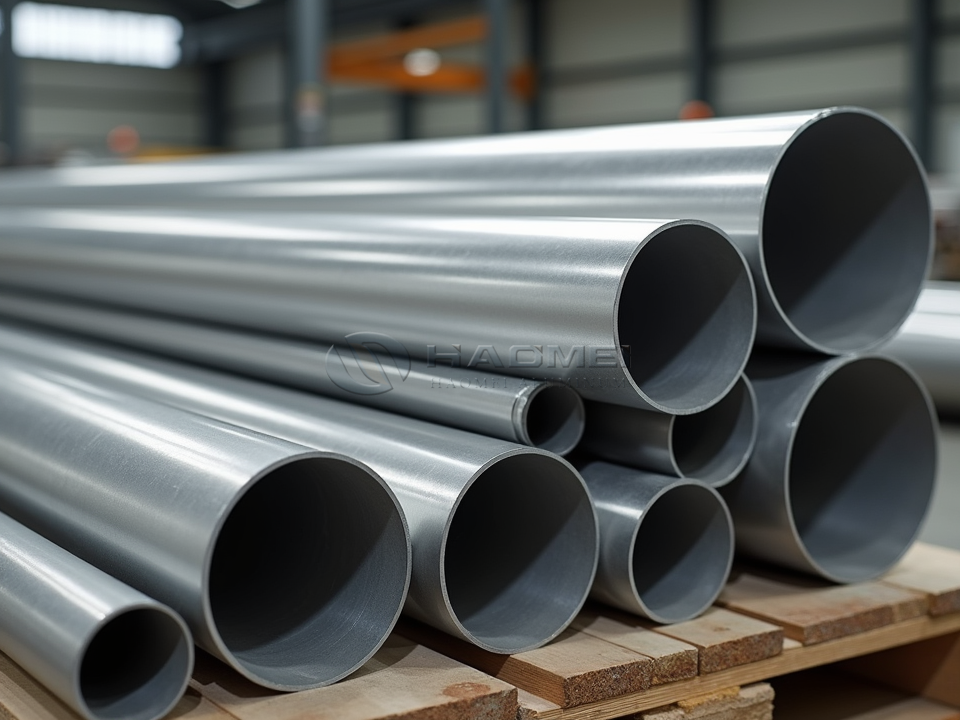
An aluminum marine elbow for waste heat recovery on offshore platforms is a precision-formed pipe fitting used to redirect heated gas, cooling water, glycol mixture, or low-pressure process media through compact recovery circuits. In offshore power modules, generator exhaust treatment, auxiliary engines, HVAC heat exchangers, and desalination preheaters, elbows must combine low weight, reliable corrosion resistance, smooth flow, and stable weldability.
Compared with carbon steel elbows, marine aluminum elbows reduce topside load, simplify installation, and help improve thermal response in compact heat recovery layouts. For platform retrofits, the weight reduction is especially valuable because pipe routing often passes through crowded modules, skid frames, deck penetrations, and maintenance walkways.
Main Features
| Feature | Customer Benefit |
|---|---|
| Marine-grade aluminum construction | Resists salt-laden atmosphere, splash exposure, and humid machinery spaces |
| Lightweight pipe routing | Reduces module weight and makes installation easier in confined offshore areas |
| Smooth bend radius | Limits turbulence, pressure loss, vibration, and local erosion |
| Good thermal conductivity | Supports efficient heat transfer in recovery loops and heat exchanger connections |
| Weldable alloy options | Compatible with TIG, MIG, orbital welding, and prefabricated skid assembly |
| Custom angle and radius | Fits compact offshore layouts, including tight equipment rooms and retrofit packages |
| Surface treatment options | Mill finish, anodizing, passivation-compatible cleaning, or coated exterior protection |
For systems based on standard tube and pipe networks, the elbow can be matched with 6061-T6 90-Degree Marine Aluminum Pipe Elbow configurations to maintain consistent alloy, radius, and welding performance across the line.
Typical Offshore Applications
| Application Area | Common Media | Why Aluminum Works Well |
|---|---|---|
| Generator waste heat recovery | Fresh water, glycol-water, jacket water | Fast heat response and low structural load |
| Exhaust gas economizer connections | Warm air, low-pressure exhaust ducting | Corrosion-resistant lightweight routing |
| HVAC heat recovery modules | Chilled water return, warm condensate, glycol | Clean surface and easy prefabrication |
| Desalination preheating | Seawater, brine-adjacent service with proper alloy choice | Strong marine corrosion performance |
| Hydraulic and lube oil cooler loops | Cooling water circuits | Stable dimensional accuracy and weldability |
| Offshore living quarters energy recovery | Low-pressure hot water | Lightweight installation above deck and in utility corridors |
The elbow is most suitable for low-to-medium pressure heat recovery service where the operating temperature remains within the selected alloy and temper limits. For direct high-temperature exhaust service, insulation, expansion joints, and thermal isolation should be reviewed during engineering.
Recommended Alloy Selection
Different offshore circuits require different alloy behavior. The table shows common selections for aluminum marine elbows used around waste heat recovery equipment.
| Alloy | Temper | Strength Level | Corrosion Resistance | Best Use Case |
|---|---|---|---|---|
| 6061 | T6 | High | Good in marine atmosphere with protection | Structural pipe elbows, glycol loops, skid piping |
| 6063 | T5/T6 | Medium | Good, excellent finish quality | HVAC, warm water, lightweight module piping |
| 5083 | H111/H112 | Medium-high | Excellent in seawater and salt atmosphere | Splash-zone-adjacent piping, seawater cooling interfaces |
| 5086 | H112 | Medium | Excellent marine performance | Boat and offshore utility piping, brine-adjacent zones |
| 5052 | H32/H34 | Medium | Very good | Low-pressure forming, condensate, light-duty circuits |
Chemical Composition Reference
The composition data shown is typical for 6061 aluminum, a popular option for pressure-capable marine elbows where weldability and strength are both required. Final composition follows applicable ASTM, EN, or customer project standards.
| Element | Typical Range, % |
|---|---|
| Silicon, Si | 0.40-0.80 |
| Iron, Fe | 0.70 max |
| Copper, Cu | 0.15-0.40 |
| Manganese, Mn | 0.15 max |
| Magnesium, Mg | 0.80-1.20 |
| Chromium, Cr | 0.04-0.35 |
| Zinc, Zn | 0.25 max |
| Titanium, Ti | 0.15 max |
| Other each | 0.05 max |
| Other total | 0.15 max |
| Aluminum, Al | Balance |
Technical Specifications
| Parameter | Standard Range | Custom Options |
|---|---|---|
| Outside diameter | 20-300 mm | Larger fabricated elbows available |
| Wall thickness | 2-12 mm | Heavy wall for vibration or pressure margins |
| Bend angle | 30 degrees, 45 degrees, 60 degrees, 90 degrees, 180 degrees | Any project angle by drawing |
| Bend radius | 1.0D, 1.5D, 2D, 3D | Long-radius bends for lower pressure drop |
| Manufacturing method | Mandrel bending, formed elbow, welded segment elbow | CNC-cut and welded assemblies |
| End form | Plain end, beveled end, flanged end | Grooved, expanded, swaged, or machined end |
| Surface finish | Mill finish | Anodized, coated, brushed, cleaned for welding |
| Dimensional tolerance | Per project drawing or standard pipe tolerance | Tight tolerance for skid-mounted modules |
| Inspection | Visual, dimensional, weld inspection | NDT, pressure test, PMI, material certificate |
Mechanical and Physical Performance
| Property | 6061-T6 Typical Value | 5083-H112 Typical Value | Relevance to Waste Heat Recovery |
|---|---|---|---|
| Tensile strength | 290 MPa min | 275 MPa min | Supports pipe loads and handling stress |
| Yield strength | 240 MPa min | 125 MPa min | Important for bracketed offshore piping |
| Elongation | 8-10% | 10-12% | Helps resist vibration-related cracking |
| Density | 2.70 g/cm³ | 2.66 g/cm³ | Much lighter than steel |
| Thermal conductivity | About 167 W/m·K | About 117 W/m·K | Improves thermal response in heat loops |
| Elastic modulus | About 69 GPa | About 70 GPa | Used for pipe support spacing calculations |
| Melting range | About 582-652°C | About 570-640°C | Requires temperature review near exhaust zones |
Design Notes for Offshore Platforms
Waste heat recovery piping must handle movement from engines, pumps, wave-induced platform vibration, and thermal cycling. A marine aluminum elbow should be selected not only by diameter and angle, but also by radius, wall thickness, support distance, and corrosion exposure.
| Design Factor | Recommended Practice |
|---|---|
| Thermal expansion | Use expansion loops, flexible connectors, or sliding supports where temperature fluctuation is high |
| Galvanic corrosion | Isolate aluminum from carbon steel, copper alloys, and stainless steel using gaskets, sleeves, or coatings |
| Crevice control | Avoid stagnant seawater pockets around clamps, flanges, and insulation edges |
| Flow velocity | Use long-radius elbows where velocity is high or where particles may be present |
| Welding | Use qualified procedures and compatible filler such as ER5356 or ER4043 depending on alloy and service |
| Insulation | Use moisture-resistant insulation systems and seal joints to prevent under-insulation corrosion |
Connection and Fabrication Options
| Option | Description | Preferred Use |
|---|---|---|
| Butt-weld elbow | Beveled ends welded directly into the pipe run | Permanent skid piping and compact layouts |
| Flanged elbow | Welded or machined flange connection | Maintenance areas and equipment tie-ins |
| Threaded adapter assembly | Aluminum elbow with machined adapter | Low-pressure instrument or utility lines |
| Grooved end | Mechanical coupling-ready end | Fast assembly where approved by project rules |
| Segmented elbow | Multiple cut sections welded to create large radius or special angle | Large ducts and non-standard routing |
Quality Control and Testing
Each elbow can be supplied with project documentation for offshore acceptance. Typical controls include dimensional checks, alloy traceability, surface inspection, weld preparation inspection, and packaging verification for sea freight.
| Test or Document | Purpose |
|---|---|
| Material certificate | Confirms alloy, temper, and chemical composition |
| Dimensional report | Verifies OD, wall thickness, angle, ovality, and end alignment |
| Visual inspection | Checks surface condition, dents, scratches, cracks, and finish |
| Dye penetrant test | Detects surface-breaking defects on welds or formed zones |
| Hydrostatic or pneumatic test | Confirms pressure integrity when specified |
| Packaging record | Supports clean delivery to offshore fabrication yards |
Ordering Information
To specify an aluminum marine elbow for offshore waste heat recovery, provide the alloy, temper, outside diameter, wall thickness, bend angle, bend radius, end type, operating medium, pressure, temperature, and applicable offshore standard. Drawings or isometric sketches help confirm center-to-end dimensions and installation clearance.
| Required Detail | Example |
|---|---|
| Alloy and temper | 6061-T6, 5083-H112, 6063-T6 |
| Size | OD 76.2 mm x WT 4.0 mm |
| Bend geometry | 90 degrees, 1.5D radius |
| End condition | Plain end, beveled end, flange welded |
| Service medium | Glycol-water heat recovery loop |
| Working condition | 6 bar, 95°C |
| Surface protection | Mill finish with external marine coating |
| Documentation | EN 10204 3.1 certificate, inspection report |
Customer Value
An aluminum marine elbow gives offshore waste heat recovery systems a practical balance of low mass, corrosion resistance, thermal efficiency, and fabrication flexibility. With the correct alloy, bend geometry, surface protection, and welding procedure, it helps engineers build lighter recovery circuits that save deck weight, fit restricted spaces, and support reliable long-term operation in harsh marine environments.

Related Products
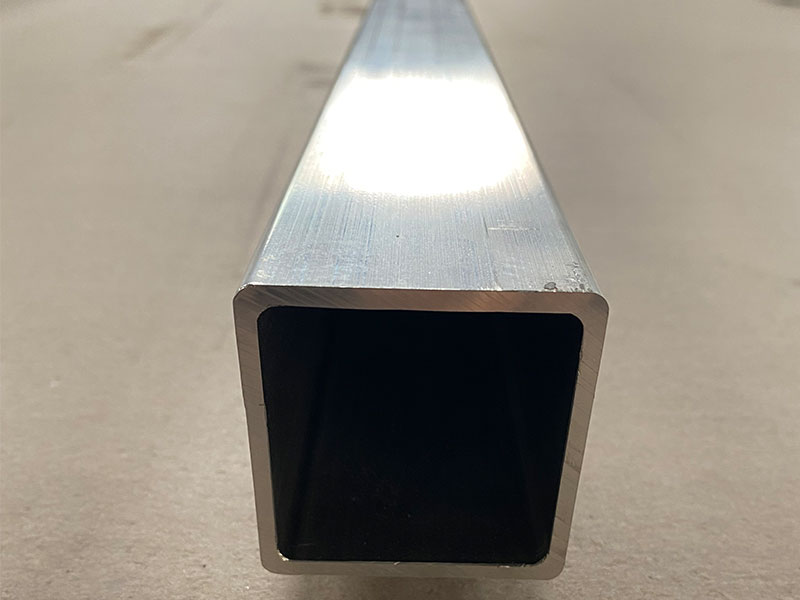
Marine aluminum square tubes
Marine Grade Aluminum Square Tubes are typically constructed from marine-grade alloys such as 5083, 5052, 6061, and 6082—well-known for their ability to withstand the aggressive effects of saltwater and marine atmospheres.
View Details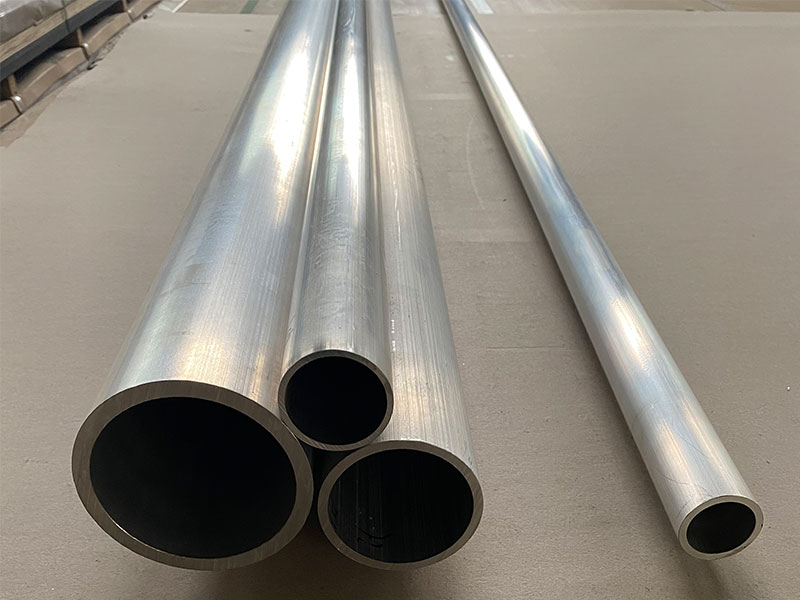
Marine aluminum round tubes
Marine Grade Aluminum Round Tubes are manufactured from premium marine alloys such as 5083, 5052, 6061, and 6082, all selected for their proven resistance to seawater corrosion and marine atmosphere degradation.
View Details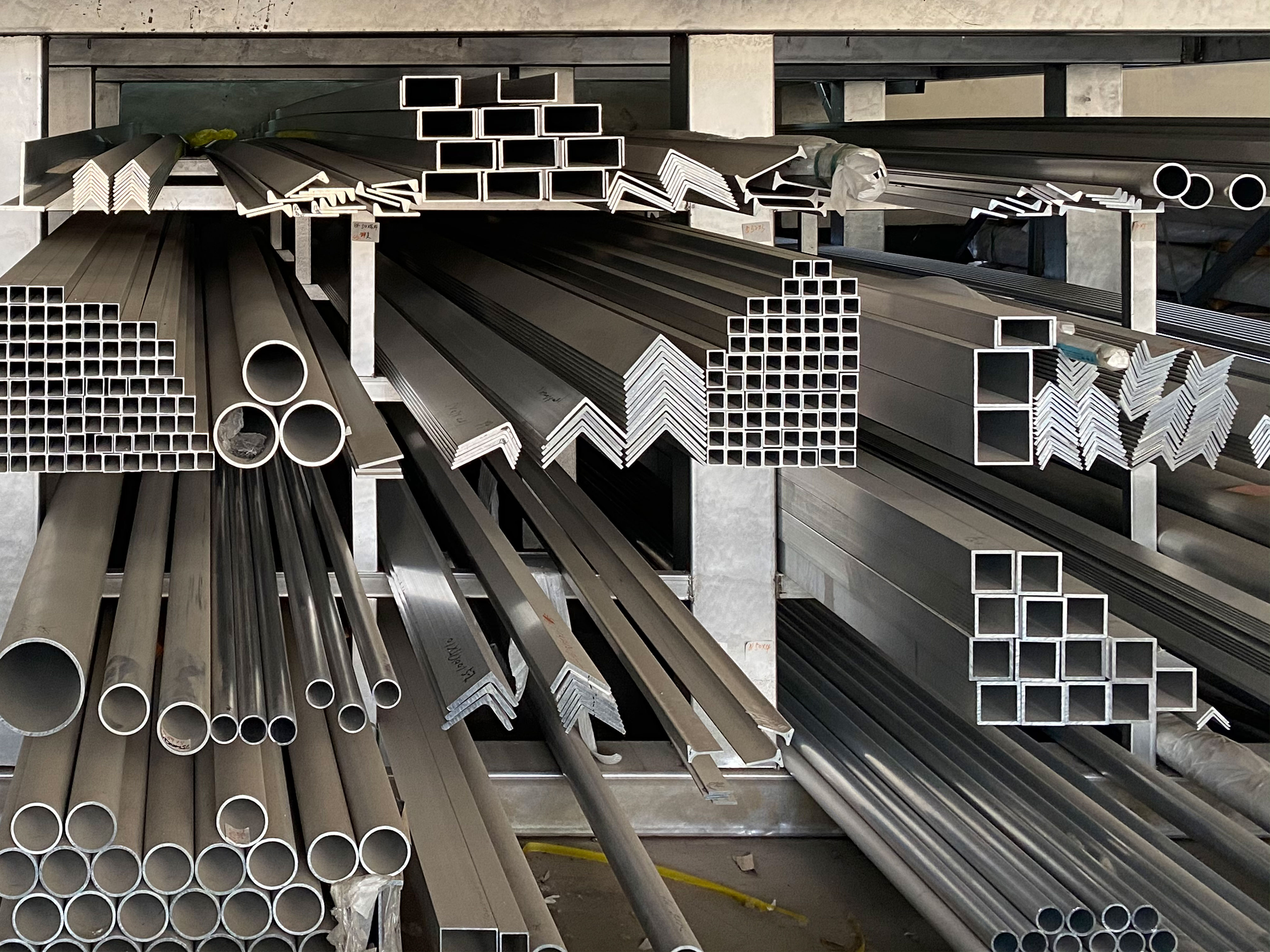
Custom marine aluminum profile tubes
Custom Marine Grade Aluminum Profile Tubes are manufactured from premium marine aluminum alloys such as 5083, 5052, 6061, and 6082.
View Details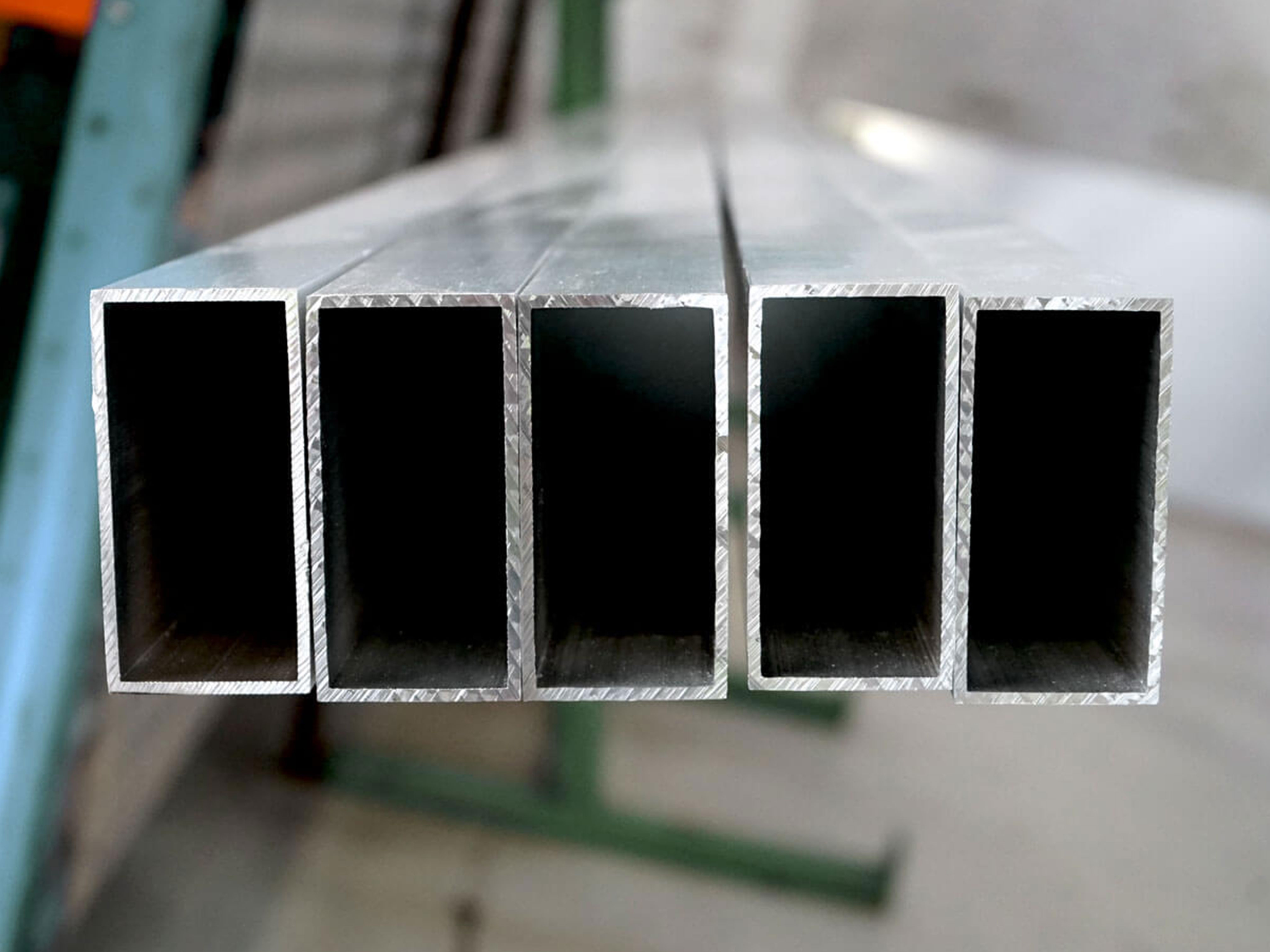
Marine aluminum rectangular tubes
Marine Grade Aluminum Rectangular Tubes are made from high-performance alloys such as 5083, 5052, 6061, and 6082. These alloys are renowned for their ability to resist corrosive seawater and marine atmospheres while providing excellent mechanical strength and toughness.
View Details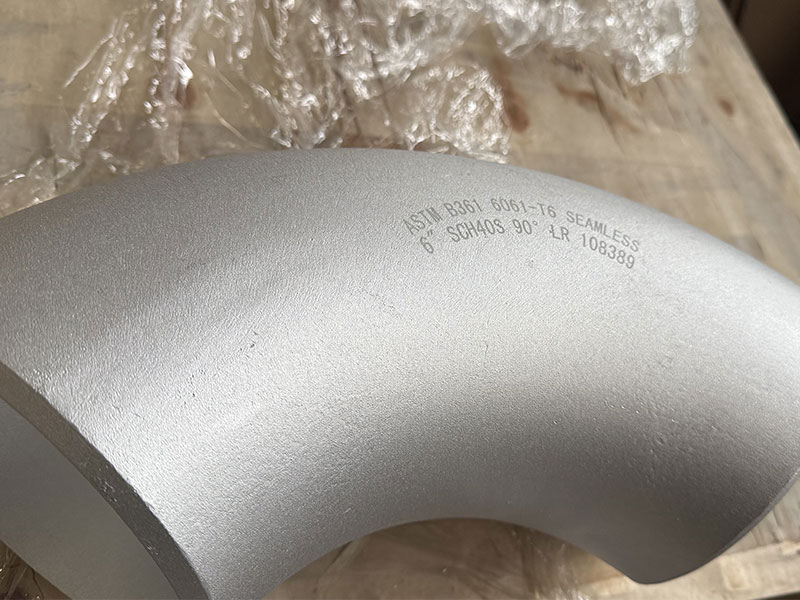
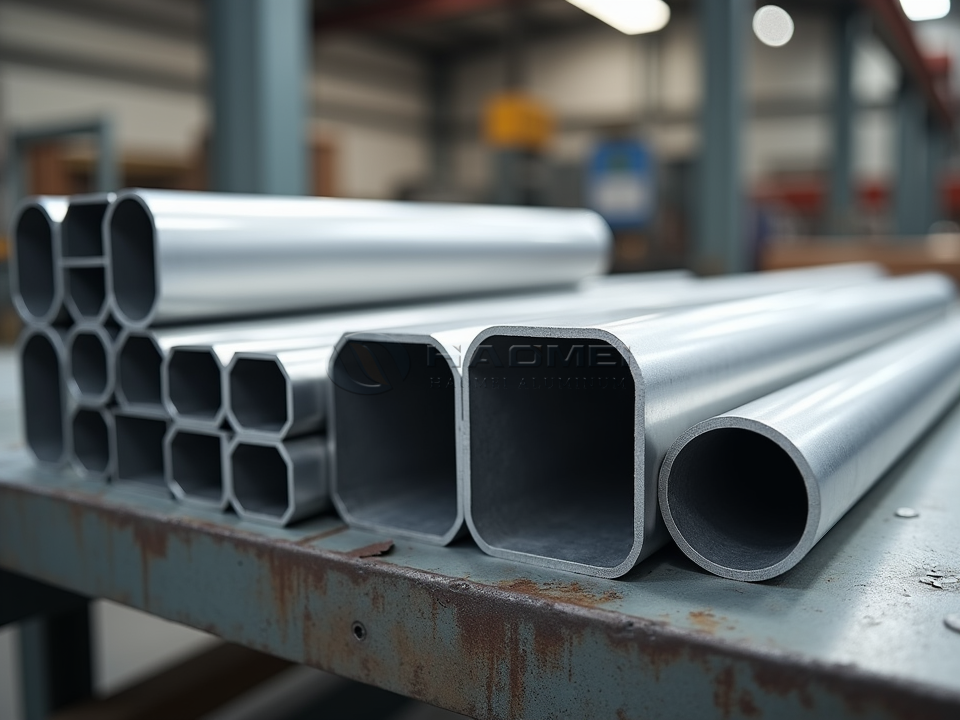
6061-T6 90-Degree Marine Aluminum Pipe Elbow
Manufactured from premium 6061-T6 marine-grade aluminum alloy, this elbow fitting is engineered to provide reliable and efficient pipe direction changes within shipbuilding, offshore platforms, and marine infrastructure systems.
View DetailsRelated Blog
Aluminum Pipe Elbow for Marine Water Intake and Drainage Systems
Marine aluminum pipe elbows provide lightweight, corrosion-resistant flow direction changes for seawater intake, drainage, bilge, and deck wash piping.
View Details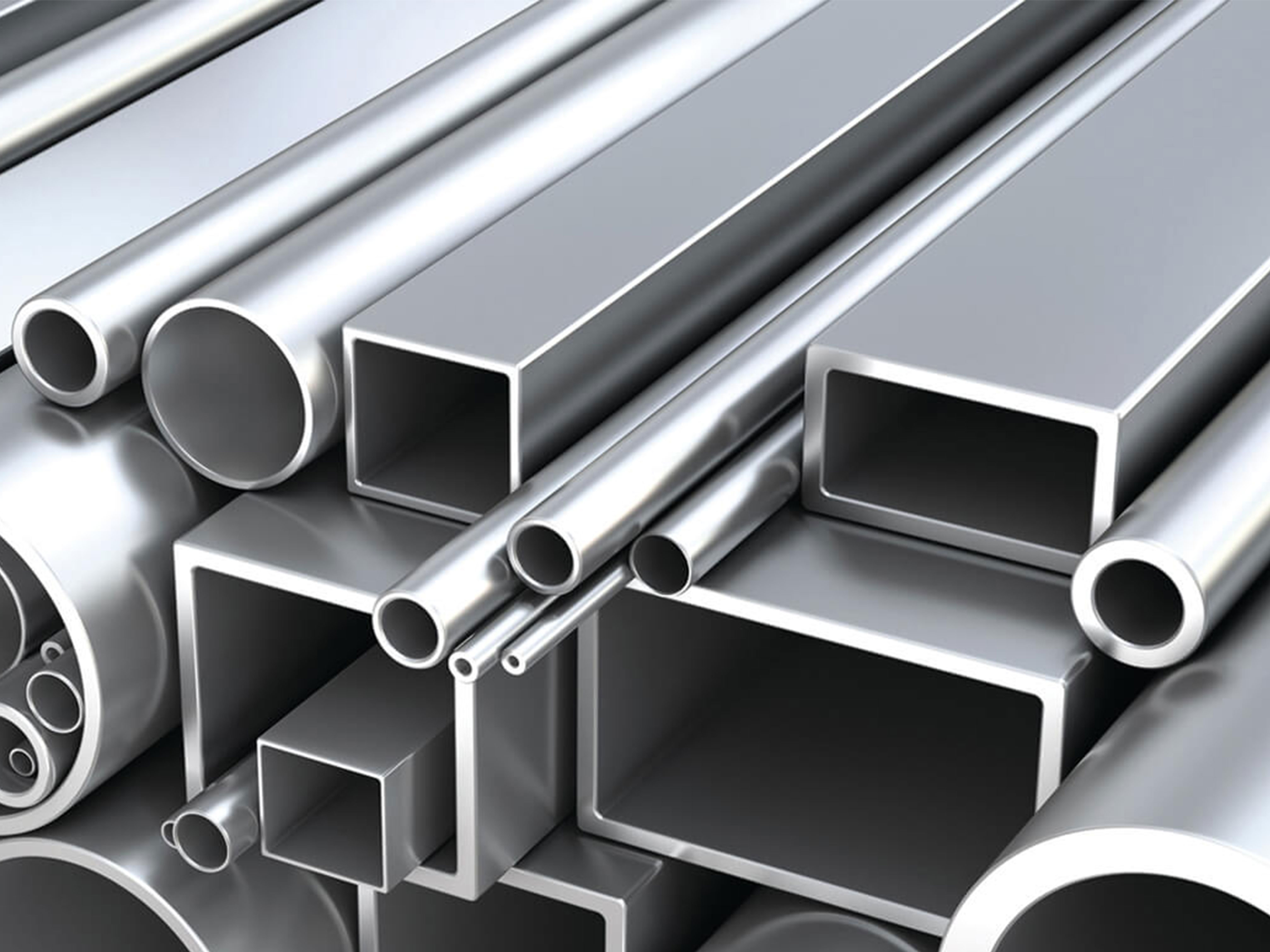
6082 Marine Aluminum Tubes for Offshore Boat and Vessel Frames
6082 Marine Aluminum Tubes for Offshore Boat and Vessel Frames: The "Structural Spine" Approach to Corrosion, Weight, and Weld RealityOffshore boats and working vessels don't fail in the showroom; they fail in the seam lines, at heat-affected zones.
View Details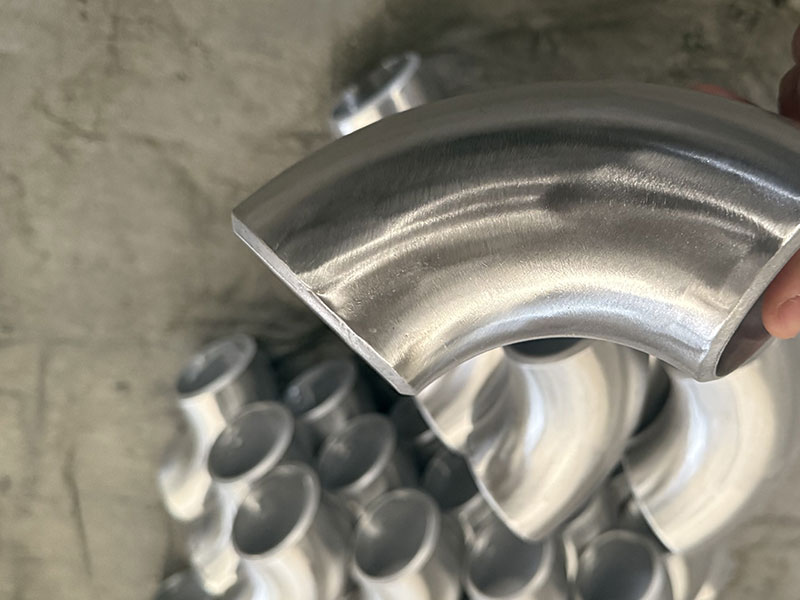
Marine Aluminum Elbow for Dual Water/Fuel Transfer Pipelines
The Marine Aluminum Elbow designed for dual water/fuel transfer pipelines is a critical component in the maritime and offshore industries. Engineered specifically for vessels and offshore platforms.
View Details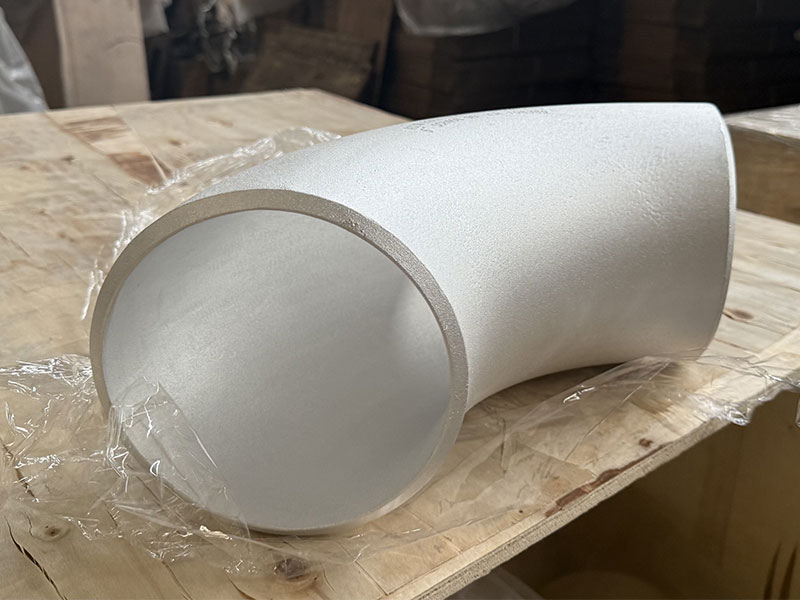
Marine Aluminum Pipe Elbow for Waste Heat Exhaust Systems
In the demanding environment of marine engineering, selecting the right components for waste heat exhaust systems is decisive for both efficiency and durability.
View Details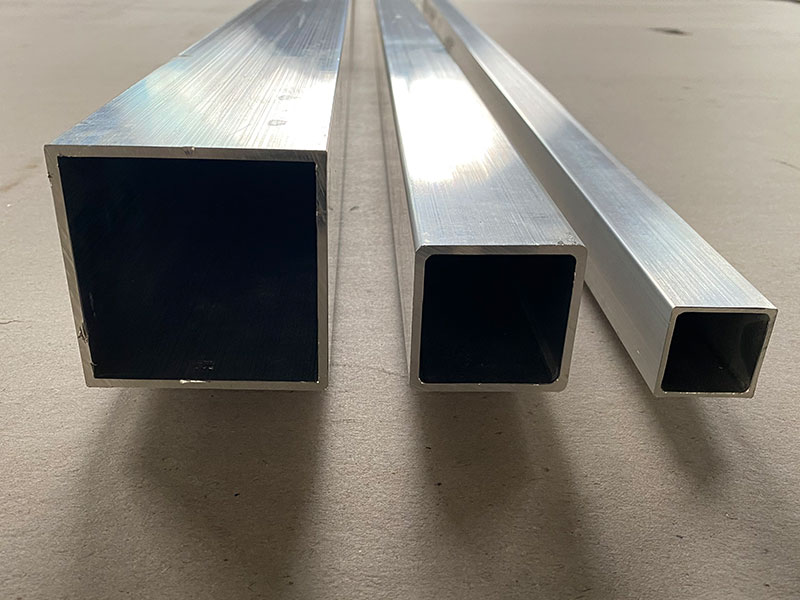
6082 Marine Aluminum Square Tubes for Saltwater Resistant Applications
When marine structures meet saltwater, materials face a relentless mix of chloride attack, wet–dry cycling, abrasion, and galvanic exposure to dissimilar metals.
View Details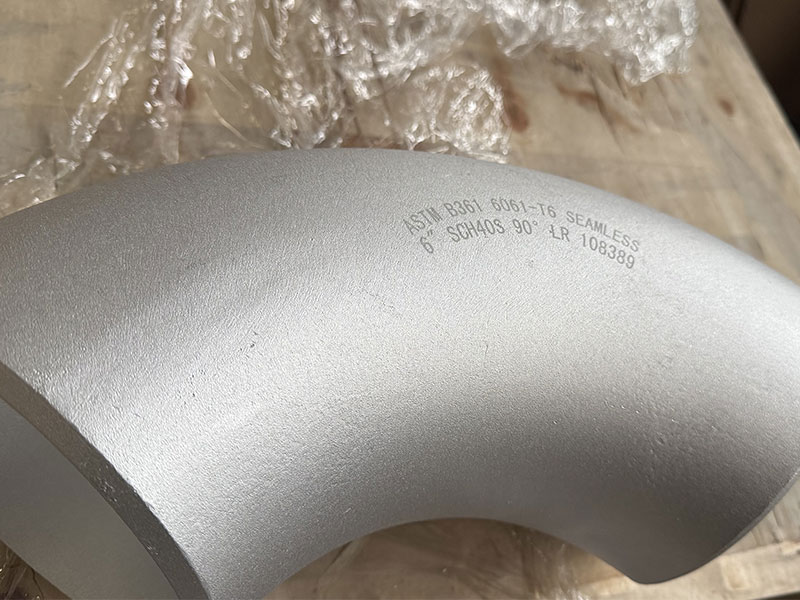
High Strength Aluminum Pipe Elbow for Marine Vessels
High Strength Aluminum Pipe Elbows for Marine Vessels are precision-engineered components designed to join and redirect piping systems in demanding shipboard environments.
View Details
Leave a Message