
Marine Aluminum Elbow for Fluid Distribution and Control in Offshore Pipelines
A marine aluminum elbow is a compact direction-changing fitting designed for offshore fluid lines where space, weight, corrosion exposure, and pressure stability all matter. In platform modules, vessel topsides, floating production units, and coastal energy facilities, elbows guide flow around bulkheads, equipment skids, valves, pumps, tanks, and structural members without adding excessive load to the pipeline system.
Compared with heavier metallic fittings, a marine aluminum elbow offers a high strength-to-weight ratio and strong resistance to salt-laden environments when the correct alloy, temper, surface finish, and joining method are selected. It is commonly used in seawater service, cooling water circuits, bilge and ballast transfer, deck wash systems, compressed air lines, hydraulic return piping, utility water distribution, and instrumentation support networks.
Built for Offshore Flow Paths
Offshore piping rarely runs in a straight line. It must turn around deck equipment, pass through tight corridors, avoid heat sources, connect to manifolds, and maintain access for inspection. A marine aluminum elbow solves this routing challenge while helping maintain stable flow velocity and reducing turbulence at directional changes.
The fitting is typically available in 45-degree, 90-degree, and custom bend angles. Long-radius elbows are preferred where lower pressure drop and smoother flow are required, while short-radius elbows are useful where installation space is limited. For precision assemblies, elbows can be supplied with plain ends, welded ends, flanged ends, grooved ends, or machined connection faces.
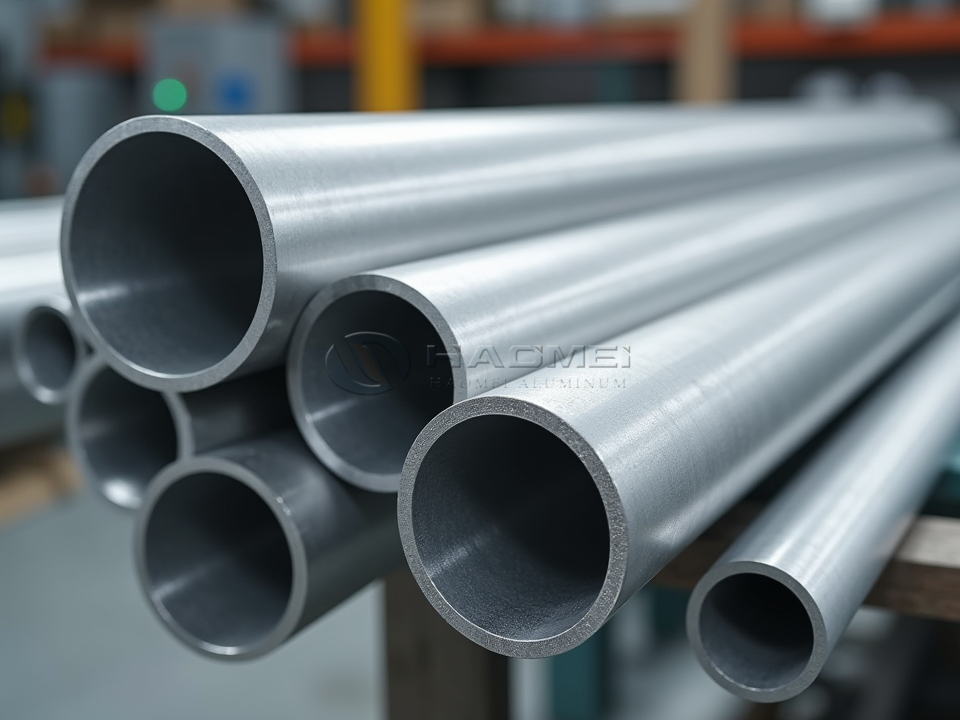
For integrated pipework, designers often pair elbows with Marine Grade Aluminum Tubing to create lighter distribution networks that remain practical for installation and maintenance on offshore structures.
Material Features That Matter at Sea
Marine aluminum elbows are valued because they combine low density, workable strength, and natural corrosion resistance. Aluminum forms a protective oxide layer, and this layer can be enhanced through anodizing, coating, passivation-compatible cleaning, or marine-grade painting systems.
| Feature | Benefit for Offshore Pipelines |
|---|---|
| Low density | Reduces module weight, support load, and handling effort |
| Smooth internal bend | Helps control flow loss and minimizes localized turbulence |
| Good weldability | Supports prefabricated pipe spools and rapid offshore installation |
| Corrosion resistance | Performs well in humid, saline, and splash-zone environments with proper protection |
| Non-sparking behavior | Useful in selected utility areas where risk reduction is important |
| Thermal conductivity | Helps dissipate heat in cooling and utility circuits |
| Machinability | Allows accurate end preparation, beveling, facing, and custom connection work |
Aluminum also supports efficient fabrication. Elbows can be bent from tube, formed from pipe sections, or produced as welded assemblies depending on wall thickness, bend radius, pressure duty, and inspection requirements.
Common Alloy Choices
The best alloy depends on fluid type, design pressure, welding plan, and exposure level. 6061-T6 is widely used where higher mechanical strength and good machinability are needed. 5083 and 5086 are often selected for stronger marine corrosion resistance, especially in seawater and salt spray exposure. 5052 is suitable for moderate-strength marine utility systems and formed components.
| Alloy | Typical Temper | Main Strength | Typical Offshore Use |
|---|---|---|---|
| 6061 | T6, T651 | High strength, machinability, weldable with temper consideration | Utility piping, manifolds, deck systems, structural pipe assemblies |
| 5086 | H32, H111 | Excellent seawater corrosion resistance | Seawater cooling, ballast transfer, exposed pipe runs |
| 5083 | H116, H321 | High marine strength and corrosion resistance | Heavy-duty offshore modules and harsh marine service |
| 5052 | H32 | Formability and corrosion resistance | Low to moderate pressure water and drain lines |
For customers needing a ready directional fitting, the 6061-T6 90-Degree Marine Aluminum Pipe Elbow is a practical choice for compact, clean pipe turns in controlled offshore utility systems.
Chemical Composition Reference
Chemical composition affects weld behavior, corrosion resistance, strength, and forming response. The table shows typical ranges for widely used marine aluminum alloys. Final values should be verified against the requested standard and mill certificate.
| Alloy | Mg | Si | Mn | Cr | Cu | Zn | Al |
|---|---|---|---|---|---|---|---|
| 6061 | 0.80-1.20 | 0.40-0.80 | Max 0.15 | 0.04-0.35 | 0.15-0.40 | Max 0.25 | Balance |
| 5086 | 3.50-4.50 | Max 0.40 | 0.20-0.70 | 0.05-0.25 | Max 0.10 | Max 0.25 | Balance |
| 5083 | 4.00-4.90 | Max 0.40 | 0.40-1.00 | 0.05-0.25 | Max 0.10 | Max 0.25 | Balance |
| 5052 | 2.20-2.80 | Max 0.25 | Max 0.10 | 0.15-0.35 | Max 0.10 | Max 0.10 | Balance |
Dimensional and Performance Parameters
A marine aluminum elbow should be specified with enough detail to match the pipeline design. Diameter alone is not enough. Wall thickness, bend radius, end type, inspection class, and coating system all affect service life.
| Parameter | Typical Options |
|---|---|
| Bend angle | 45 degrees, 90 degrees, 180 degrees, custom angle |
| Bend radius | Short radius, long radius, custom radius |
| Outside diameter | Matched to tube or pipe schedule requirement |
| Wall thickness | Light, medium, heavy wall, project-specific tolerance |
| End preparation | Plain, beveled, flanged, grooved, threaded adapter, welded stub end |
| Surface finish | Mill finish, anodized, coated, polished, blasted and painted |
| Inspection | Visual check, dimensional check, pressure test, weld inspection, PMI on request |
| Joining method | TIG welding, MIG welding, flange connection, mechanical coupling |
Fluid Distribution and Control Applications
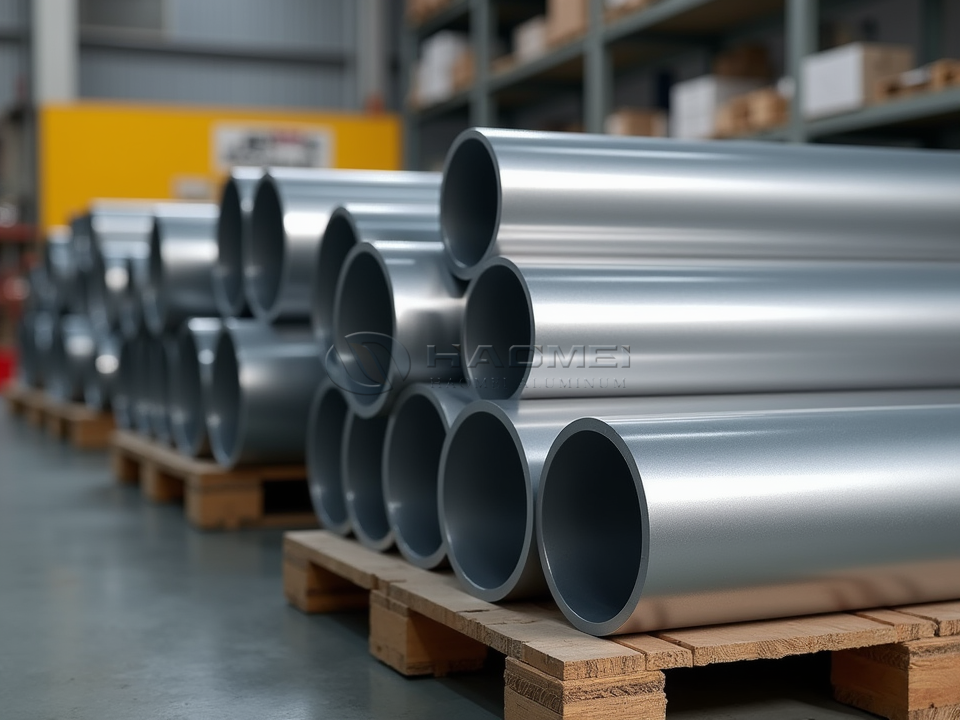
Marine aluminum elbows help create organized flow paths in offshore piping networks. Their low weight is valuable in topside modules where every kilogram affects lifting, transport, and structural support calculations. Their corrosion resistance supports reliable service in wet, salty, and ventilated marine spaces.
Typical applications include:
- Seawater cooling loops for auxiliary equipment and heat exchangers
- Ballast and bilge transfer lines in offshore vessels and floating units
- Deck wash and service water distribution
- Freshwater and potable water routing where compatible coatings are applied
- Hydraulic return and low-pressure utility oil lines after fluid compatibility review
- Compressed air and inert gas distribution in non-critical utility systems
- Drainage, vent, and overflow piping on offshore modules
- Pump skid connections, valve stations, and manifold branches
In fluid control layouts, elbows are often installed near valves, flow meters, strainers, reducers, and instrumentation points. A smooth elbow reduces sudden flow disturbance, which can improve meter stability and reduce vibration in short pipe runs.
Design Notes for Longer Service Life
A well-selected aluminum elbow performs best when the surrounding system is designed with marine realities in mind. Galvanic isolation is important whenever aluminum is connected near stainless steel, carbon steel, copper alloys, or bronze. Non-conductive gaskets, sleeves, washers, and compatible sealants help prevent accelerated corrosion.
Welding should follow qualified procedures, with correct filler metal and post-weld inspection. For 6xxx alloys, designers should remember that welding can reduce strength in the heat-affected zone. For 5xxx alloys, care should be taken with temperature exposure and alloy selection to avoid sensitization risks in demanding service.
Surface protection should match the exposure zone. Mill finish may be acceptable for controlled indoor utility piping, while splash-zone, deck, or exterior installations usually benefit from anodizing, epoxy coating, polyurethane topcoat, or other approved marine coating systems.
Why Customers Choose Marine Aluminum Elbows
Customers select marine aluminum elbows when they need a fitting that is light, corrosion-resistant, easy to fabricate, and reliable in tight offshore spaces. The best results come from matching alloy, radius, wall thickness, connection style, and finish to the actual service conditions.
For offshore pipeline builders, repair yards, and module fabricators, the marine aluminum elbow is more than a simple bend. It is a flow-control component that helps reduce weight, simplify routing, protect equipment layout, and keep fluid systems running cleanly in harsh marine environments.

Related Products
Marine aluminum square tubes
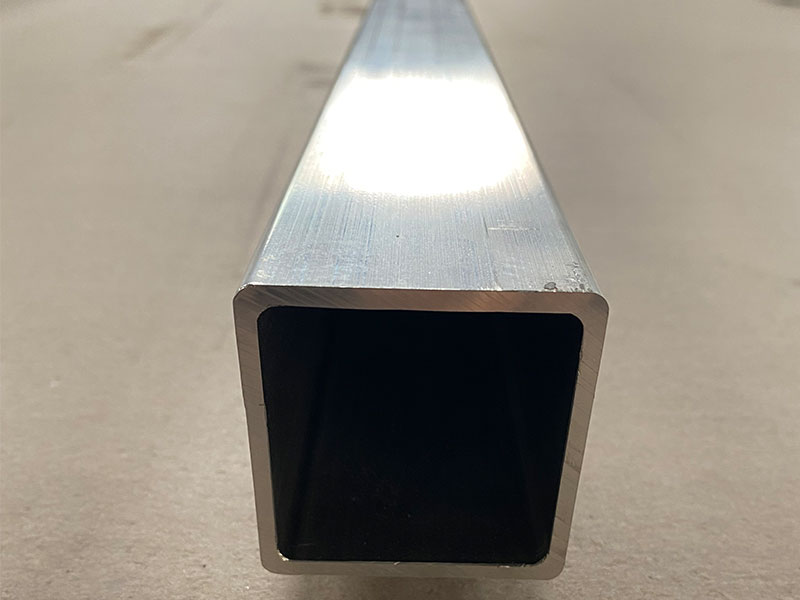
Marine Grade Aluminum Square Tubes are typically constructed from marine-grade alloys such as 5083, 5052, 6061, and 6082—well-known for their ability to withstand the aggressive effects of saltwater and marine atmospheres.
View Details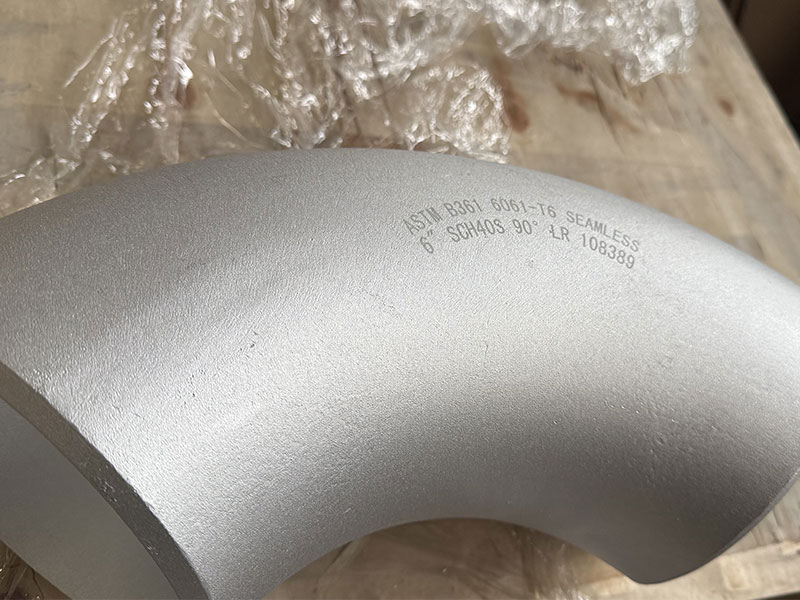
6061-T6 90-Degree Marine Aluminum Pipe Elbow
Manufactured from premium 6061-T6 marine-grade aluminum alloy, this elbow fitting is engineered to provide reliable and efficient pipe direction changes within shipbuilding, offshore platforms, and marine infrastructure systems.
View Details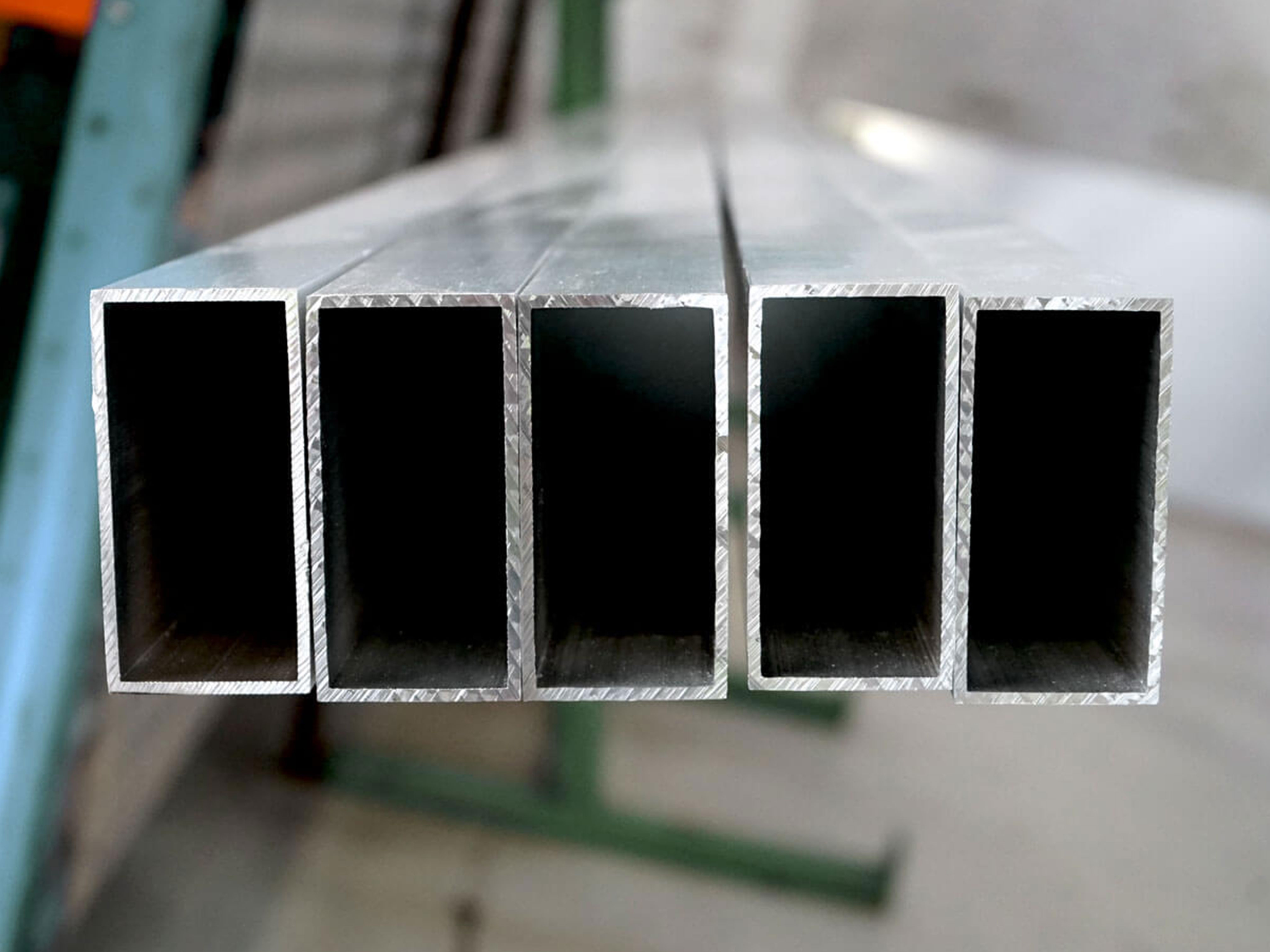
Marine aluminum rectangular tubes
Marine Grade Aluminum Rectangular Tubes are made from high-performance alloys such as 5083, 5052, 6061, and 6082. These alloys are renowned for their ability to resist corrosive seawater and marine atmospheres while providing excellent mechanical strength and toughness.
View Details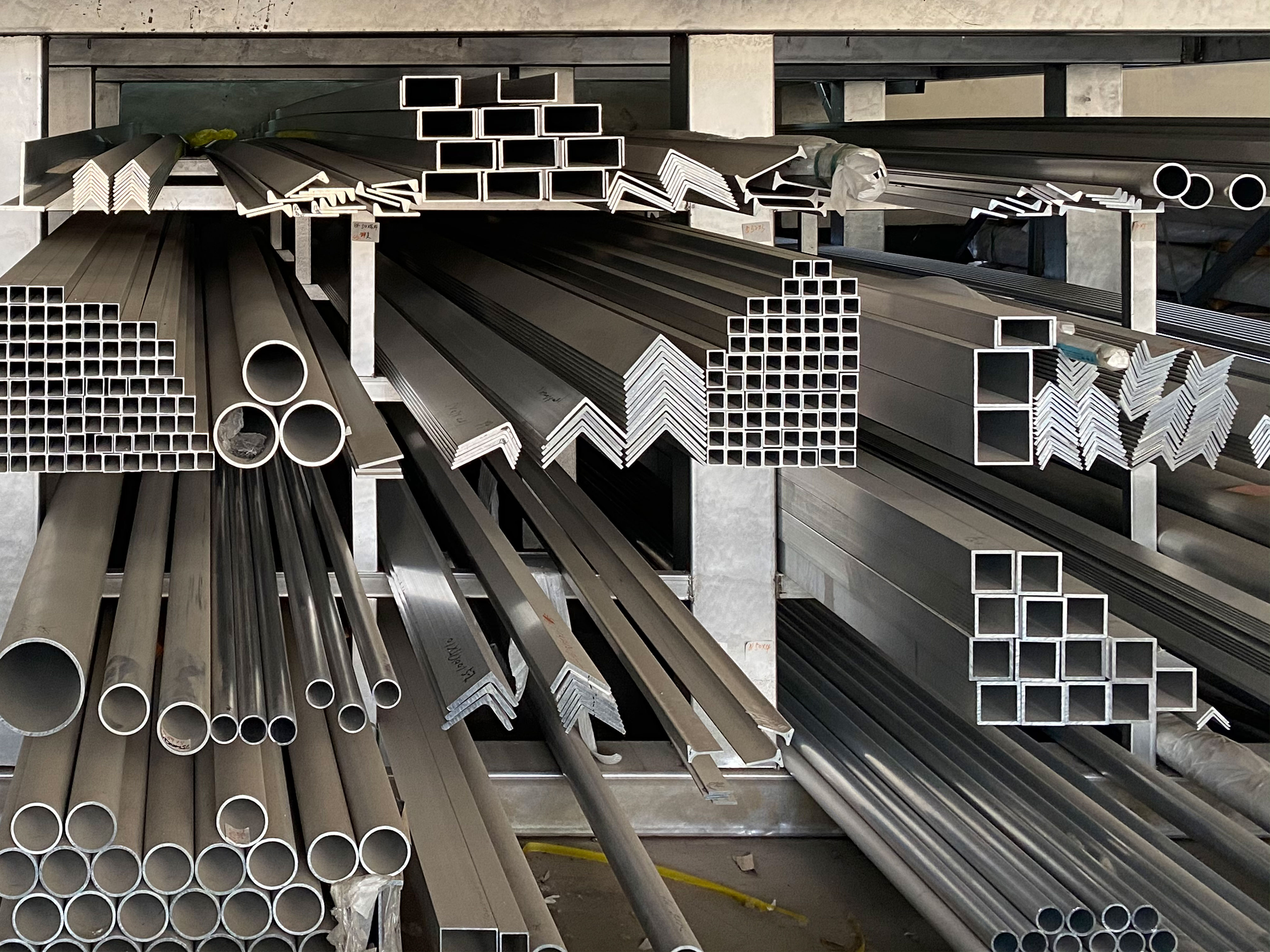
Custom marine aluminum profile tubes
Custom Marine Grade Aluminum Profile Tubes are manufactured from premium marine aluminum alloys such as 5083, 5052, 6061, and 6082.
View Details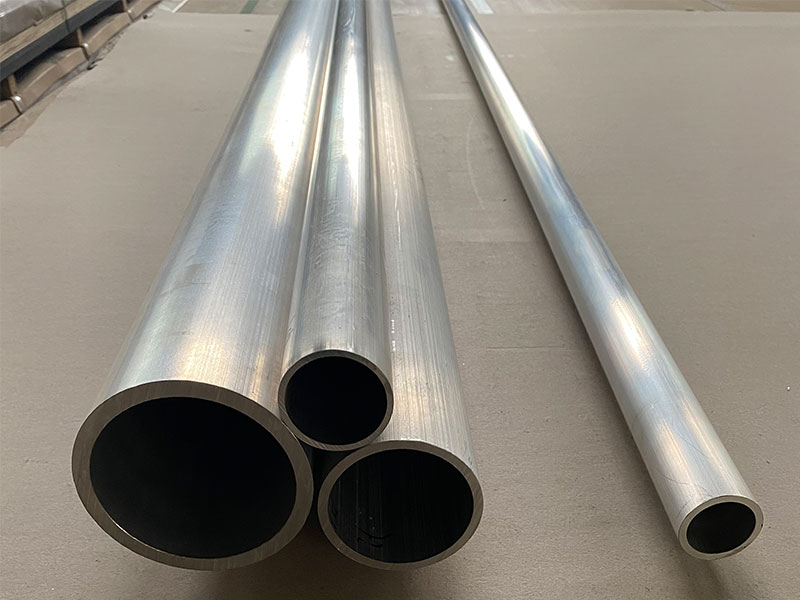
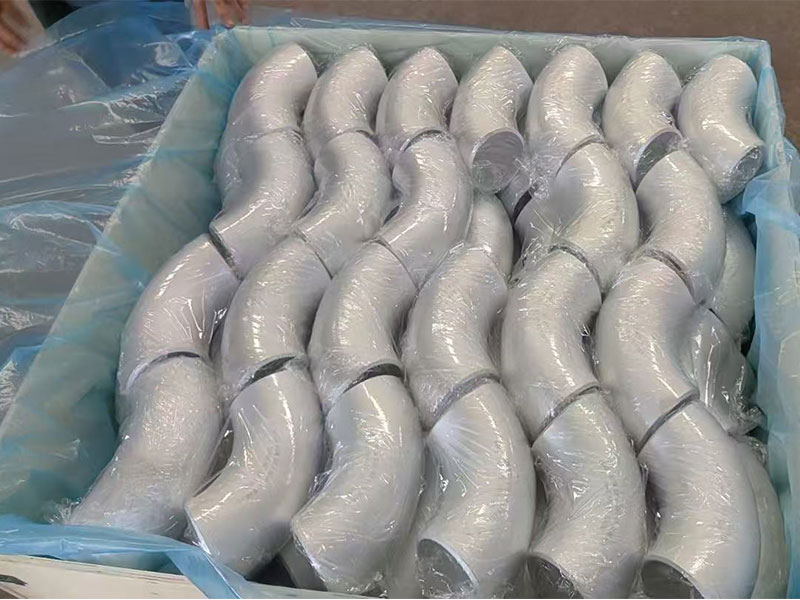
Marine aluminum round tubes
Marine Grade Aluminum Round Tubes are manufactured from premium marine alloys such as 5083, 5052, 6061, and 6082, all selected for their proven resistance to seawater corrosion and marine atmosphere degradation.
View DetailsRelated Blog
Marine Aluminum Pipe Elbow for Marine HVAC Systems
In the marine industry, HVAC (Heating, Ventilation, and Air Conditioning) systems play a pivotal role in maintaining a comfortable and functional environment on ships and offshore platforms.
View Details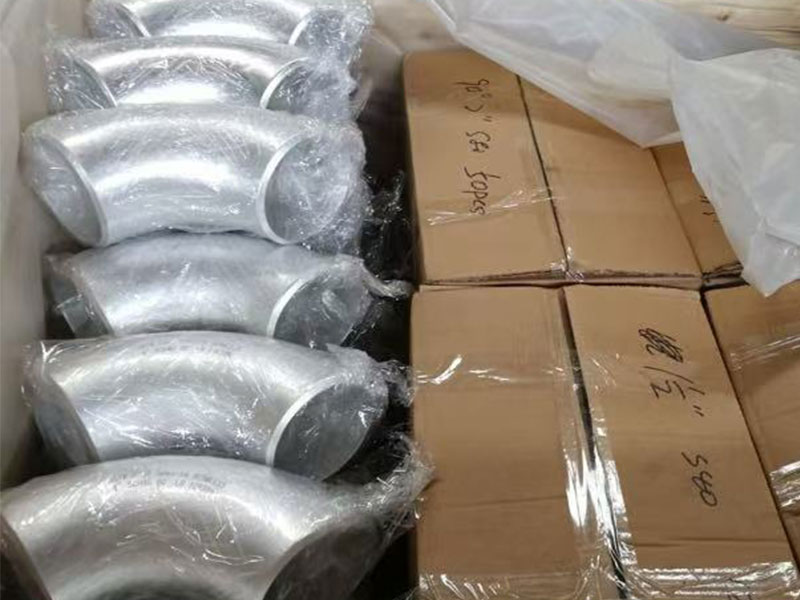
Customized Marine Aluminum Pipe Elbow for Marine Applications
Our high-performance Customized Marine Aluminum Pipe Elbows designed for demanding marine applications. Superior corrosion resistance, precision manufacturing, and compliance with marine standards ensure durability and optimal functionality in seawater en
View Details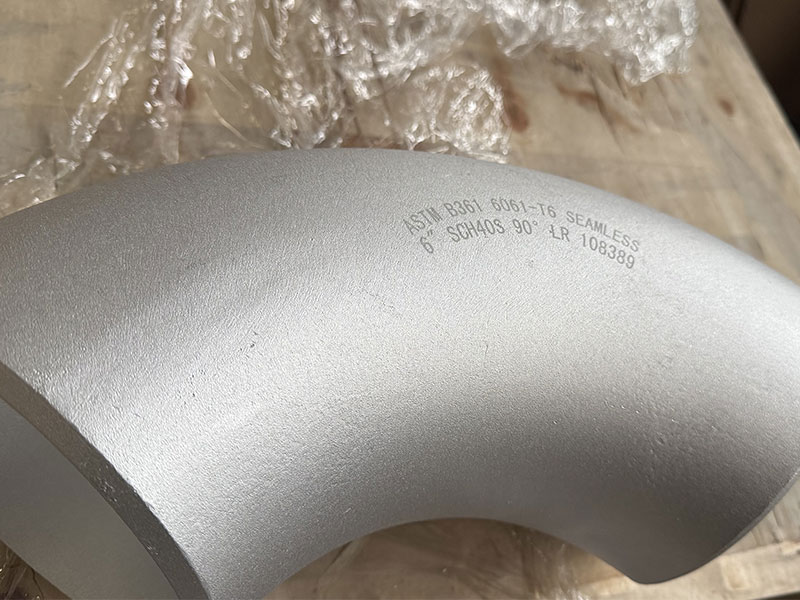
Marine Aluminum Elbow for Pressure Vessel Piping on Ships
Marine aluminum elbows have become an essential component in the pressure vessel piping systems onboard modern ships. As maritime vessels increasingly rely on lightweight, durable, and corrosion-resistant materials, marine aluminum alloys stand out.
View Details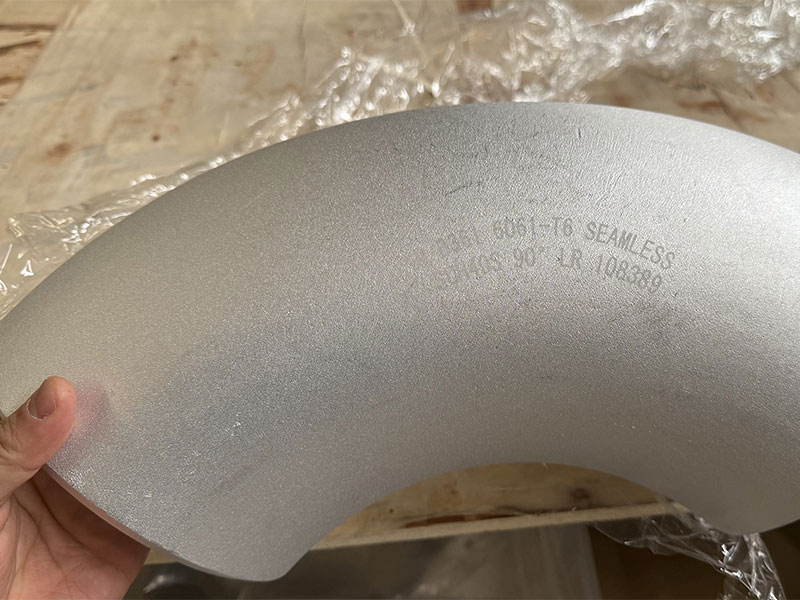
Custom Marine Aluminum Elbow for Ship to Ship Fuel Transfer
In the intricate and highly demanding marine environment, efficient and reliable fuel transfer is paramount — especially during ship-to-ship (STS) operations. Central to this process is the often unsung hero: the custom marine aluminum elbow.
View Details
6061 Marine Aluminum Tubes for Marine Engineering Projects
Marine engineering demands materials that combine exceptional strength, corrosion resistance, and versatility for reliable performance in harsh seawater environments.
View Details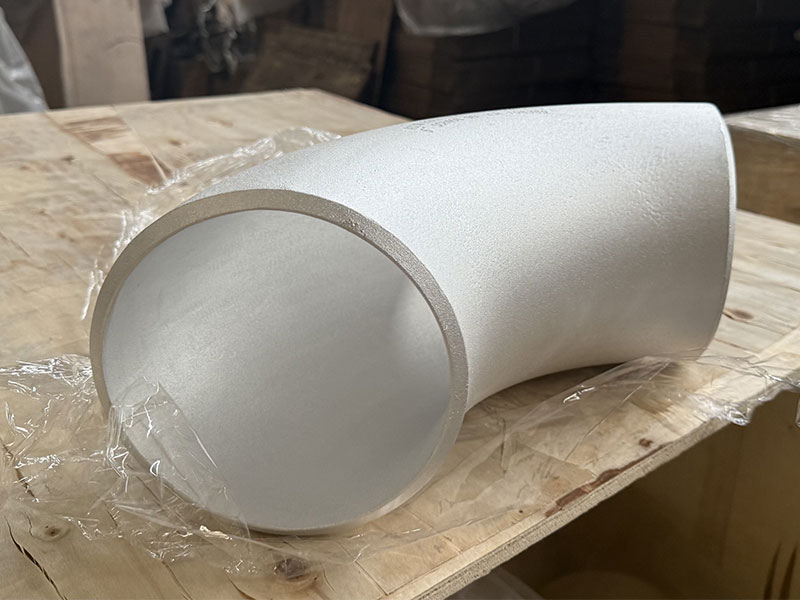
90 Degree Marine Aluminum Elbow for Exhaust Systems
The 90 Degree Marine Aluminum Elbow for Exhaust Systems is a precision-formed bend designed specifically for marine engine and generator exhaust lines.
View Details
Leave a Message