
Marine Aluminum Elbow for Seawater Reverse Osmosis and Desalination
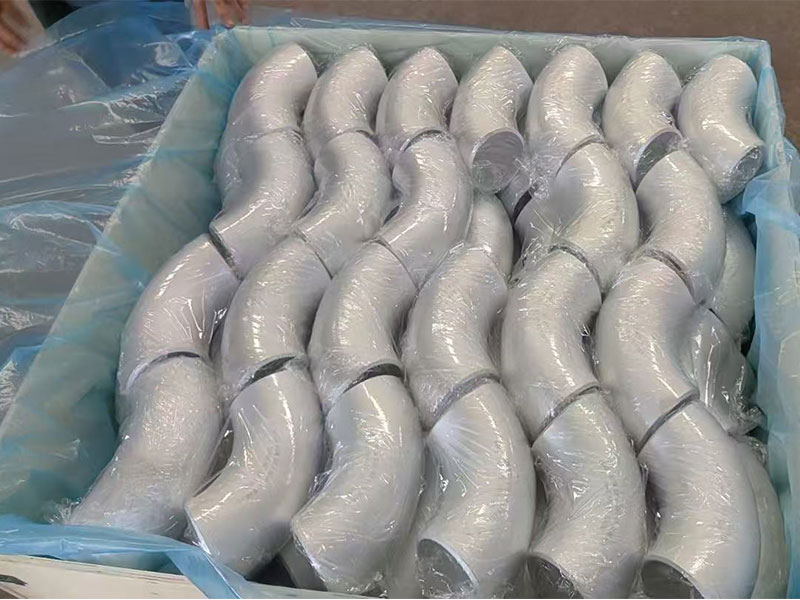
A marine aluminum elbow is a compact, corrosion-conscious pipe fitting used to redirect flow in seawater reverse osmosis, desalination intake lines, brine discharge circuits, pump skids, and marine utility piping. In SWRO plants, every change of direction must control pressure loss, resist chloride attack, and remain light enough for modular skid construction. A well-designed aluminum elbow helps achieve those goals while reducing installation weight compared with many steel alternatives.
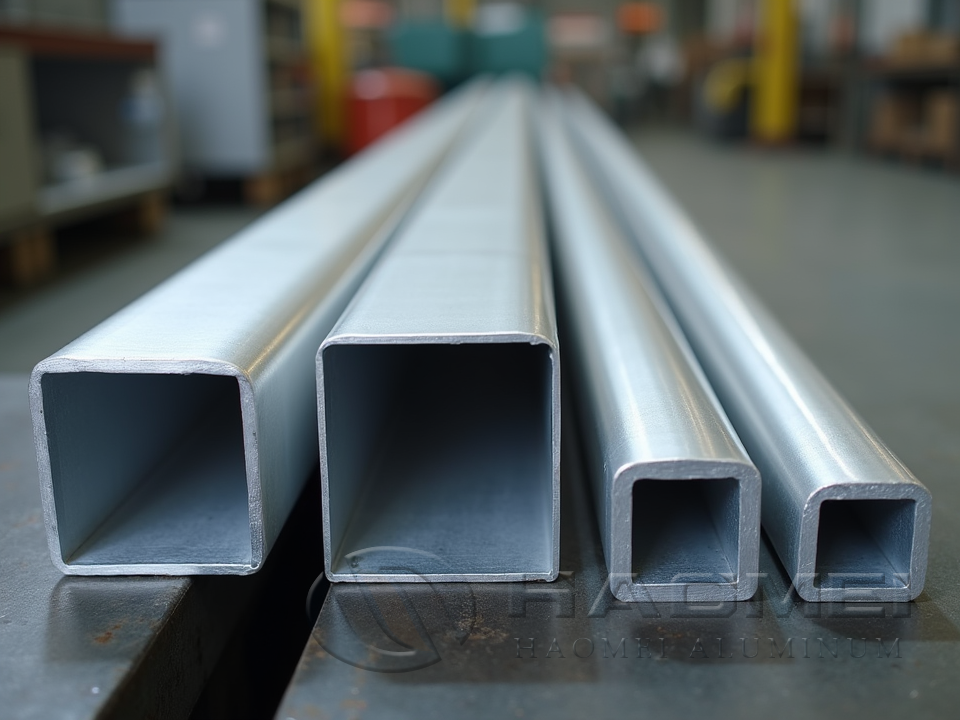
Fast Product Snapshot
| Item | Typical Value |
|---|---|
| Product type | Marine aluminum pipe elbow |
| Common angle | 45°, 60°, 90°, 180° |
| Main service | Seawater, permeate support lines, brine, utility water |
| Common alloys | 5083, 5086, 6061-T6, 6063-T6 |
| Manufacturing route | Mandrel bending, welded elbow, formed segment, CNC-finished fitting |
| Surface protection | Natural oxide, anodizing, epoxy coating, powder coating, passivation cleaning |
| Connection style | Butt weld, flange end, grooved end, threaded adaptor where suitable |
| Plant areas | Intake, pretreatment, RO skid piping, chemical dosing support, discharge headers |
Why Aluminum Works in SWRO Piping
Desalination systems operate in a severe environment: high chloride content, continuous humidity, salt spray, vibration, and frequent maintenance cycles. Marine aluminum alloys form a dense oxide film that protects the base metal. For desalination equipment, this natural film is often strengthened by anodizing, coating, or careful isolation from dissimilar metals.
The elbow shape is especially important because flow changes direction at this point. Poor geometry can create turbulence, local erosion, and pressure drop. Long-radius marine aluminum elbows reduce these risks by guiding seawater smoothly through the bend. Short-radius elbows remain useful where space is tight, but they should be selected with attention to velocity and pump head.
For projects using straight pipe, bends, and fabricated manifolds together, Marine Grade Aluminum Tubing provides a compatible base for lightweight seawater pipe assemblies.
Alloy Selection and Service Behavior
| Alloy | Main Advantage | Typical Use in Desalination | Notes |
|---|---|---|---|
| 5083 | Excellent seawater corrosion resistance | Intake piping, brine lines, welded assemblies | Strong choice for direct marine exposure |
| 5086 | High corrosion resistance and weldability | Deck piping, seawater utility circuits | Good balance of strength and formability |
| 6061-T6 | High strength, machining quality | Skid piping, structural pipe supports, controlled seawater service | Often protected by anodizing or coating |
| 6063-T6 | Smooth surface, good extrusion quality | Low to medium pressure pipework, architectural marine systems | Excellent finish for anodized components |
A 6061-T6 90-Degree Marine Aluminum Pipe Elbow is often selected when dimensional accuracy, mechanical strength, and repeatable fabrication are required. For continuously wetted raw seawater zones, 5083 or 5086 may be preferred when project specifications prioritize maximum chloride resistance.
Chemical Composition Reference
| Alloy | Mg % | Si % | Mn % | Cr % | Cu % | Fe % | Al |
|---|---|---|---|---|---|---|---|
| 5083 | 4.0-4.9 | Up to 0.40 | 0.40-1.0 | 0.05-0.25 | Up to 0.10 | Up to 0.40 | Balance |
| 5086 | 3.5-4.5 | Up to 0.40 | 0.20-0.70 | 0.05-0.25 | Up to 0.10 | Up to 0.50 | Balance |
| 6061 | 0.8-1.2 | 0.40-0.80 | Up to 0.15 | 0.04-0.35 | 0.15-0.40 | Up to 0.70 | Balance |
| 6063 | 0.45-0.90 | 0.20-0.60 | Up to 0.10 | Up to 0.10 | Up to 0.10 | Up to 0.35 | Balance |
The magnesium-rich 5xxx series provides strong resistance to seawater corrosion. The 6xxx series, strengthened by magnesium and silicon, offers excellent machining, extrusion quality, and strength after heat treatment.
Mechanical Properties
| Alloy and Temper | Tensile Strength MPa | Yield Strength MPa | Elongation % | General Character |
|---|---|---|---|---|
| 5083-H111 | 275-350 | 125-215 | 12-20 | Tough, weldable, seawater-resistant |
| 5086-H32 | 240-305 | 165-215 | 10-18 | Durable and corrosion-resistant |
| 6061-T6 | 290-310 | 240-275 | 8-12 | Strong, machinable, widely specified |
| 6063-T6 | 205-240 | 170-215 | 8-12 | Smooth finish, good anodizing response |
Actual values depend on wall thickness, forming method, heat treatment, bend radius, and testing standard. For pressure-containing desalination service, design verification should include pressure rating, weld procedure qualification, and corrosion allowance or coating plan.
Technical Specifications
| Parameter | Typical Range or Option |
|---|---|
| Nominal outside diameter | 25 mm to 610 mm, custom sizes available |
| Wall thickness | 2 mm to 20 mm, based on pressure and fabrication route |
| Bend radius | 1D, 1.5D, 3D, 5D, or project-defined radius |
| Angle tolerance | ±0.5° to ±1.5° depending on size |
| End preparation | Plain, beveled, flanged, grooved, welded stub end |
| Surface roughness | Ra 1.6-6.3 micrometers typical after finishing |
| Pressure class | Project-rated; commonly low to medium pressure auxiliary lines |
| Inspection | Dimensional check, visual inspection, dye penetrant, hydrotest where required |
| Documentation | Material certificate, heat number traceability, inspection report, coating record |
Flow Performance in Desalination Plants
A marine aluminum elbow must do more than turn a pipe. It should preserve pump efficiency and reduce dead zones where scaling, biofilm, or sediment can collect. Long-radius elbows are favored near high-flow seawater pumps, cartridge filter outlets, and RO feed manifolds because they reduce turbulence and vibration.
| Design Factor | Better Choice | Benefit |
|---|---|---|
| High velocity seawater | Long-radius elbow | Lower friction loss and reduced erosion risk |
| Limited skid space | Short-radius elbow | Compact installation footprint |
| Frequent maintenance | Flanged elbow | Faster removal and inspection |
| Welded manifold | Butt-weld elbow | Smooth internal transition and strong joint |
| Salt spray exposure | Anodized or coated surface | Longer exterior service life |
| Mixed metal system | Isolation gasket and sleeve | Lower galvanic corrosion risk |
Surface Protection and Corrosion Control
Aluminum performs best when the full piping design supports corrosion control. In seawater reverse osmosis plants, the elbow should be protected from stagnant pockets, crevice zones, and direct electrical contact with copper alloys or carbon steel.
| Protection Method | Recommended Use | Practical Benefit |
|---|---|---|
| Marine anodizing | 6061 and 6063 elbows | Harder surface and better salt spray durability |
| Epoxy coating | Buried, splash-zone, or external exposure | Barrier against chloride and moisture |
| Powder coating | Visible piping and skid frames | Clean appearance with added protection |
| Dielectric isolation | Connections to steel, bronze, or stainless steel | Reduces galvanic activity |
| Smooth weld finishing | Internal flow areas | Limits deposit buildup and improves cleanability |
Applications
Marine aluminum elbows are used across small containerized desalination units and large coastal water plants. They suit modular systems where weight reduction speeds fabrication, transport, and installation.
- Seawater intake headers and low-pressure transfer piping
- RO skid feed and reject piping where pressure rating permits
- Brine discharge and outfall support lines
- Pump room pipe turns, bypasses, and drain circuits
- Chemical dosing support frames and auxiliary water lines
- Shipboard desalination units, offshore platforms, and coastal resorts
Customer Benefits
| Benefit | Customer Value |
|---|---|
| Lower weight | Easier lifting, faster skid assembly, reduced structural load |
| Corrosion resistance | Longer service intervals in saltwater environments |
| Good weldability | Flexible fabrication of elbows, spools, and manifolds |
| Smooth internal geometry | Better flow stability and reduced pressure loss |
| Recyclable material | Supports lower-impact plant construction and maintenance |
| Custom fabrication | Fits compact desalination layouts and retrofit constraints |
Selection Guidance
Choose the elbow alloy and finish according to water chemistry, pressure, temperature, velocity, and maintenance access. For aggressive raw seawater exposure, 5083 or 5086 is usually the conservative selection. For precision-machined skid assemblies, 6061-T6 offers strong mechanical performance, especially when anodized or coated. For visible or low-pressure utility systems, 6063-T6 provides a clean surface and reliable forming quality.
A marine aluminum elbow is a small component with a large influence on piping reliability. When specified with the correct alloy, bend radius, end connection, and protective finish, it helps desalination operators build lighter, cleaner, and more maintainable seawater systems.

Related Products
Marine aluminum square tubes
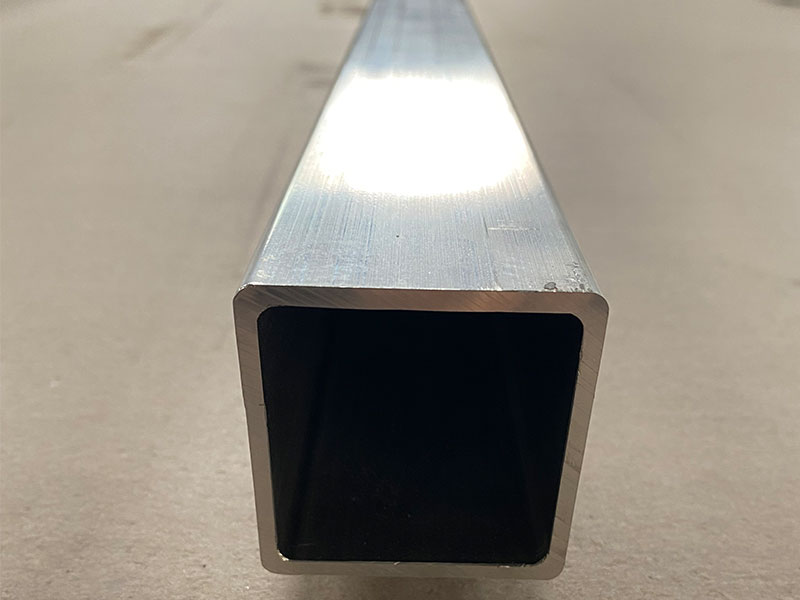
Marine Grade Aluminum Square Tubes are typically constructed from marine-grade alloys such as 5083, 5052, 6061, and 6082—well-known for their ability to withstand the aggressive effects of saltwater and marine atmospheres.
View Details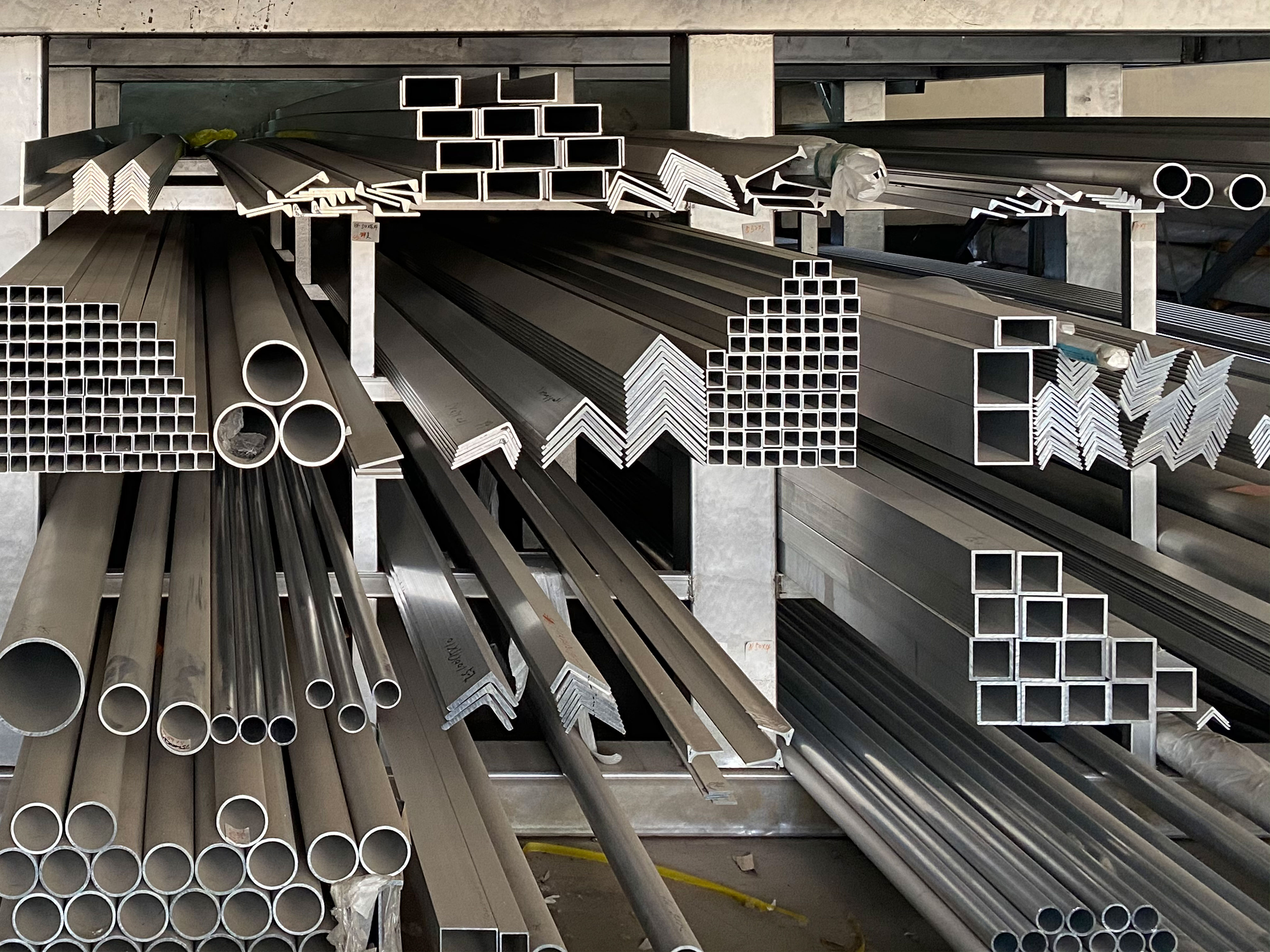
Custom marine aluminum profile tubes
Custom Marine Grade Aluminum Profile Tubes are manufactured from premium marine aluminum alloys such as 5083, 5052, 6061, and 6082.
View Details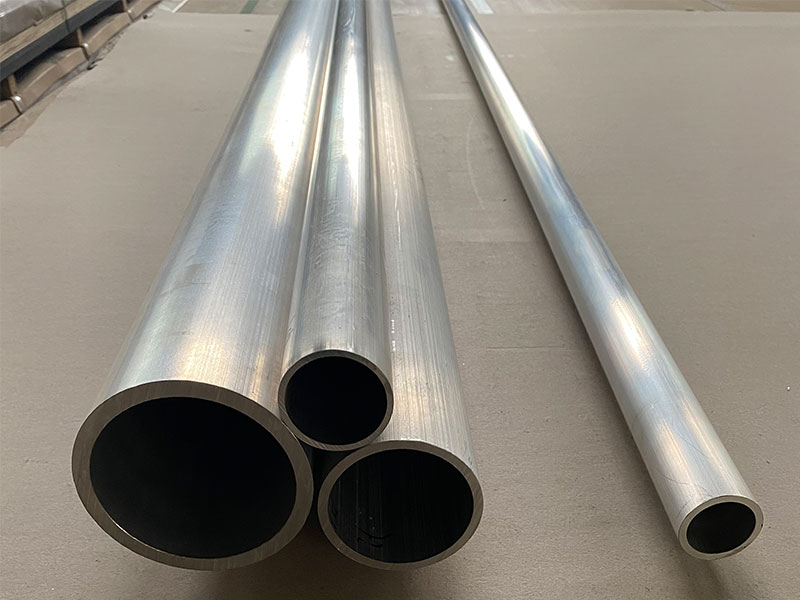
Marine aluminum round tubes
Marine Grade Aluminum Round Tubes are manufactured from premium marine alloys such as 5083, 5052, 6061, and 6082, all selected for their proven resistance to seawater corrosion and marine atmosphere degradation.
View Details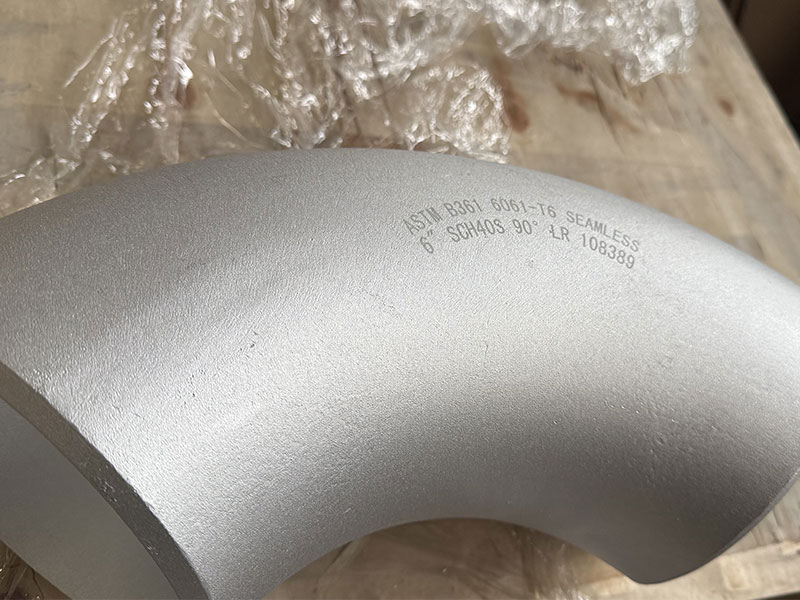
6061-T6 90-Degree Marine Aluminum Pipe Elbow
Manufactured from premium 6061-T6 marine-grade aluminum alloy, this elbow fitting is engineered to provide reliable and efficient pipe direction changes within shipbuilding, offshore platforms, and marine infrastructure systems.
View Details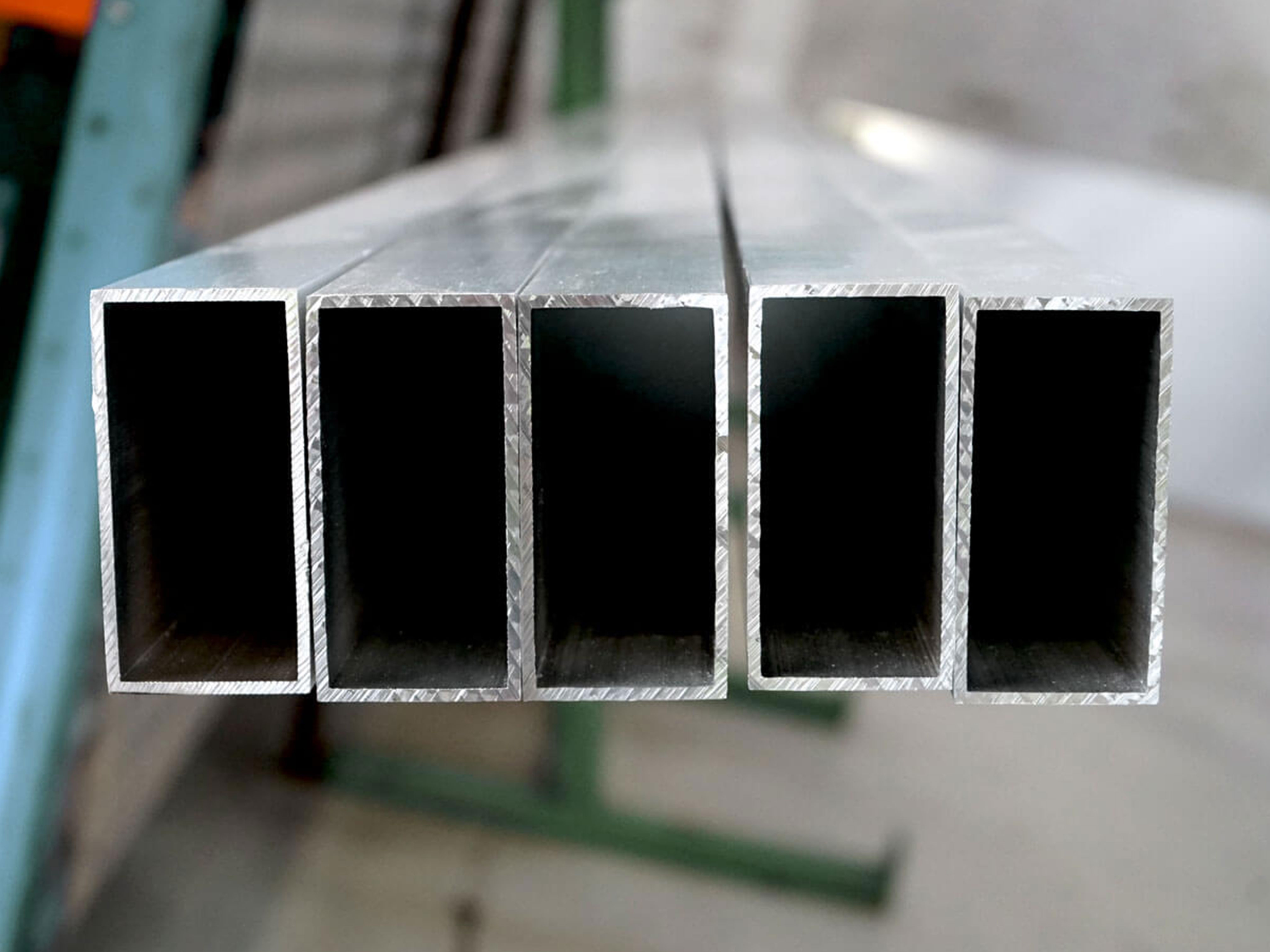
Marine aluminum rectangular tubes
Marine Grade Aluminum Rectangular Tubes are made from high-performance alloys such as 5083, 5052, 6061, and 6082. These alloys are renowned for their ability to resist corrosive seawater and marine atmospheres while providing excellent mechanical strength and toughness.
View DetailsRelated Blog
5083 Marine Aluminum Tubes for Coastal Boat Building
Marine Aluminum is a prominent material in the marine industry due to its exceptional properties, which makes it the perfect choice for constructing strong, lightweight vessels.
View Details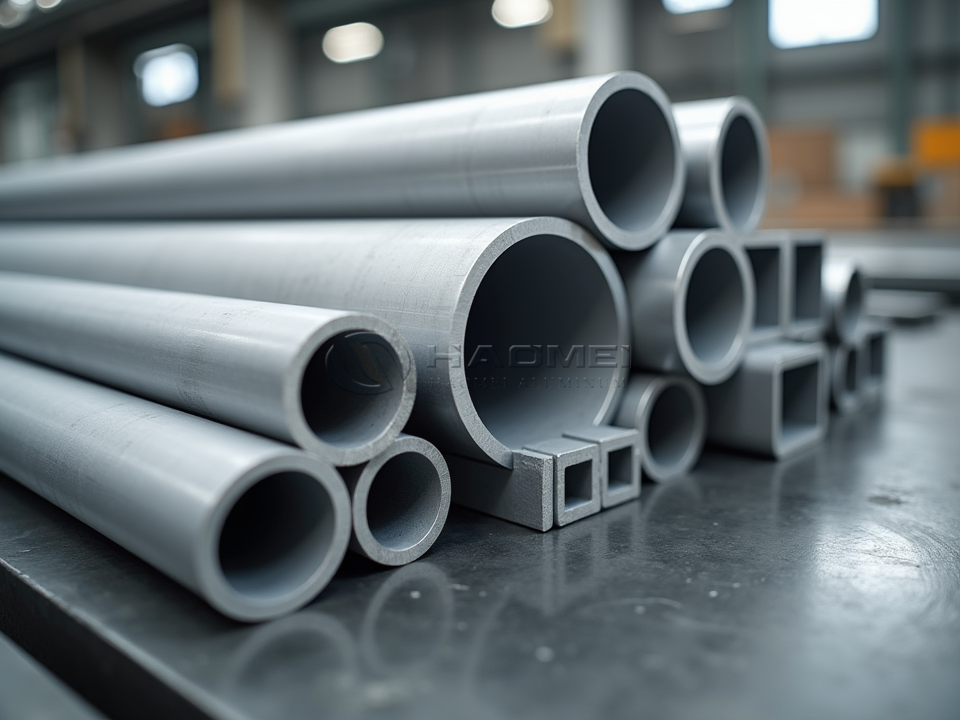
Aluminum Elbow for Offshore Offshore Emergency Water Systems
Marine aluminum elbows support reliable offshore emergency-water routing with low weight, corrosion resistance, material data, and installation guidance.
View Details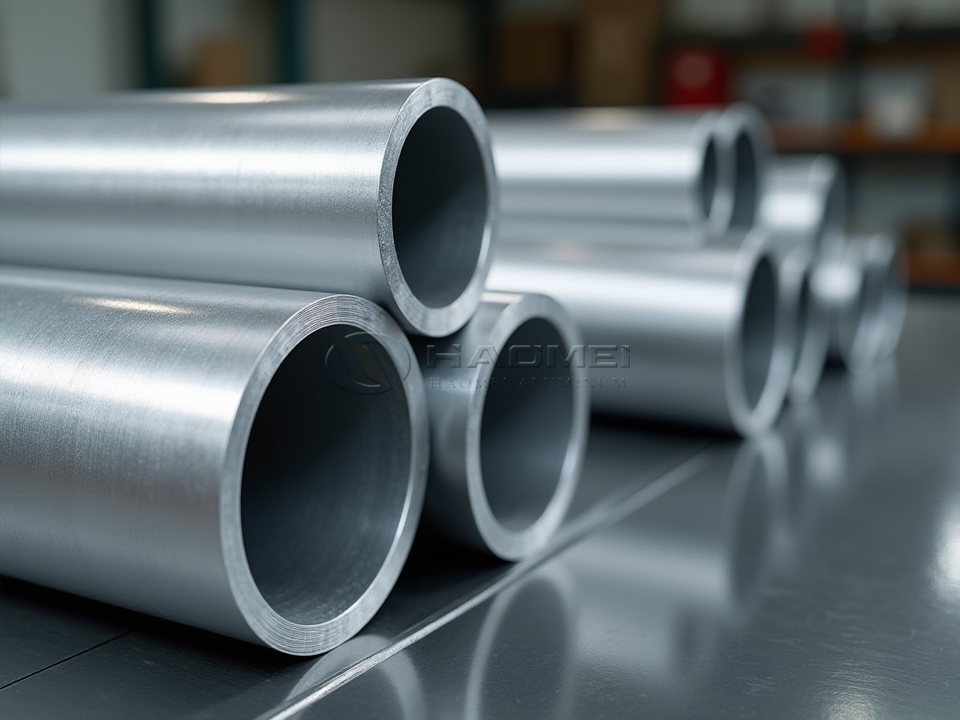
Marine Aluminum Elbow for Pressure Control Systems on Marine Vessels
Explore marine aluminum elbows for vessel pressure systems, including alloys, tempers, dimensions, standards, corrosion behavior, and installation guidance.
View Details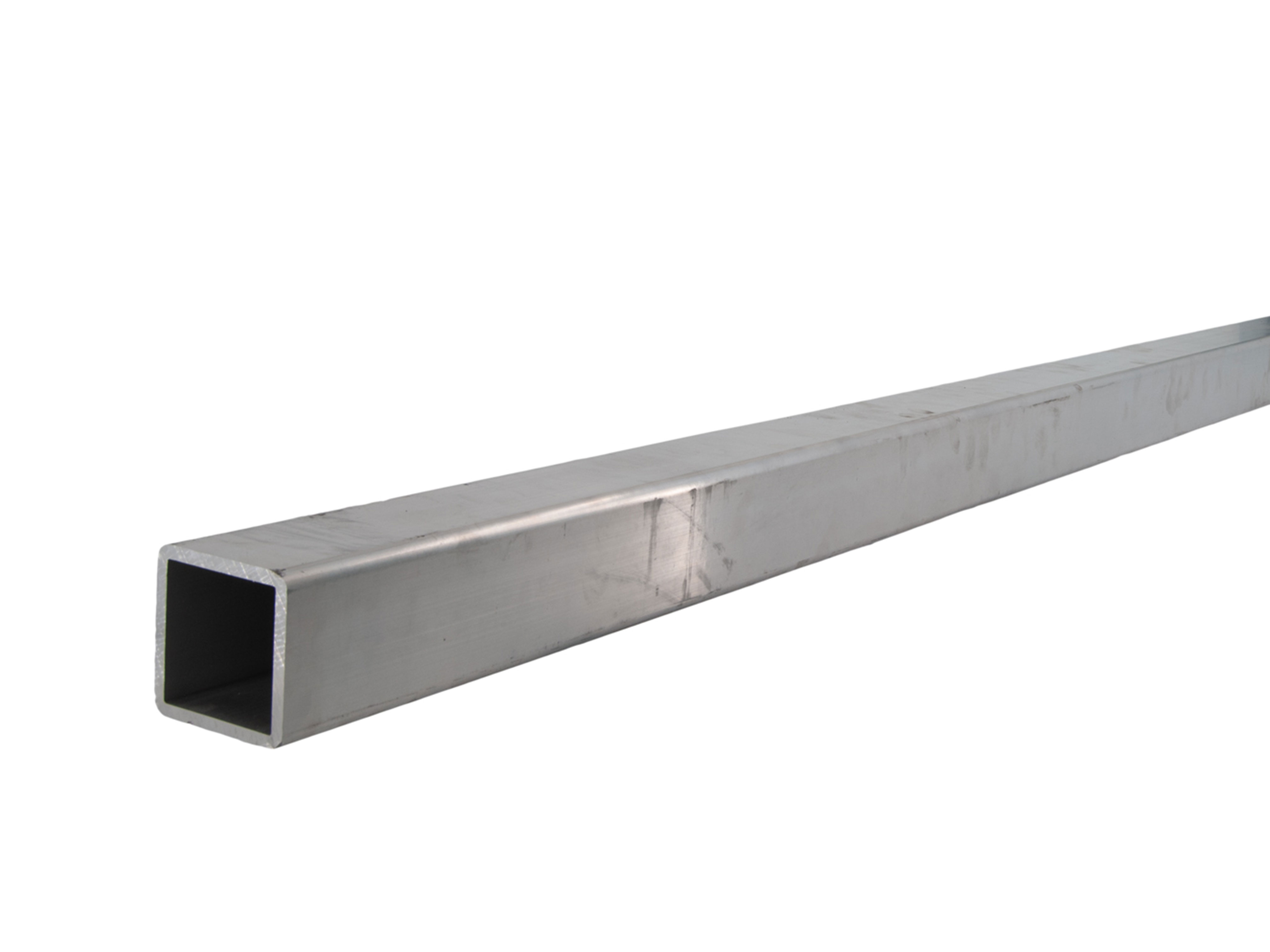
5052 Marine Aluminum Tubes for Marine Vessel Hull Construction
When it comes to building resilient marine vessels, selecting the right materials is crucial. One outstanding option is 5052 Marine Aluminum, widely recognized for its excellent corrosion resistance and structural integrity.
View Details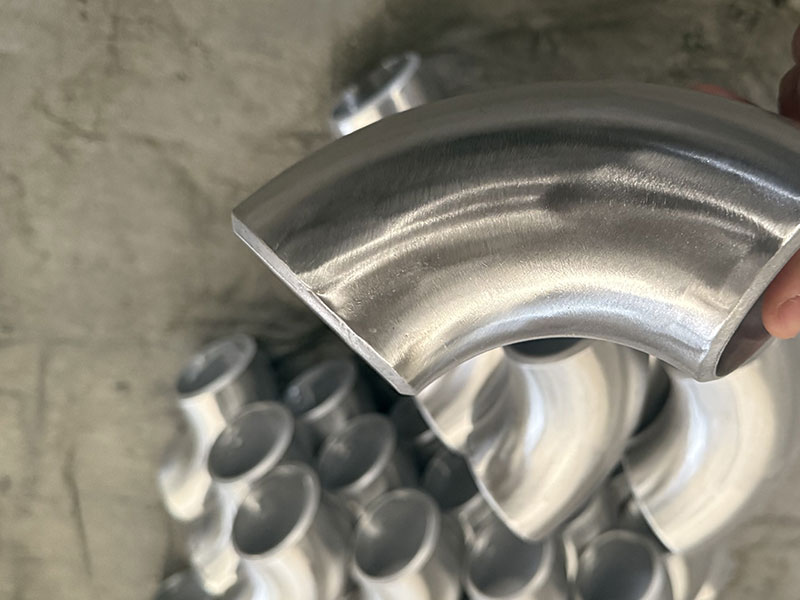
Marine Aluminum Elbow for Offshore Oil Spill Containment Systems
Marine Aluminum Elbow for Offshore Oil Spill Containment Systems: Functions, Applications, and Technical InsightsIn the demanding and often harsh environment of offshore oil spill containment systems, every component requires superior performance.
View Details
5052 Marine Aluminum Tubes for High Performance Boat Structures
When it comes to high-performance boat structures, the strength, weight, and durability of materials matter enormously. One of the most favored materials in the marine industry is **5052 Marine Aluminum Tubes.
View Details
Leave a Message